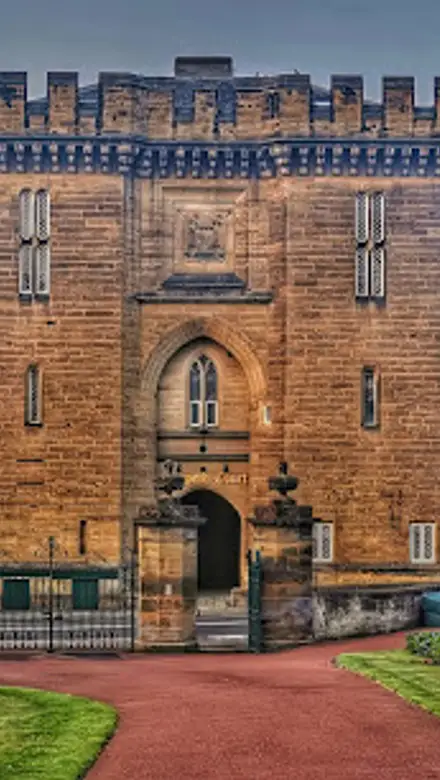
Morpeth Clock Tower Travel Guide
Free Guide: Historic medieval clock tower in Morpeth’s Market Place, famed for its ancient bells and enduring community heritage.


A brief summary of Morpeth Clock Tower
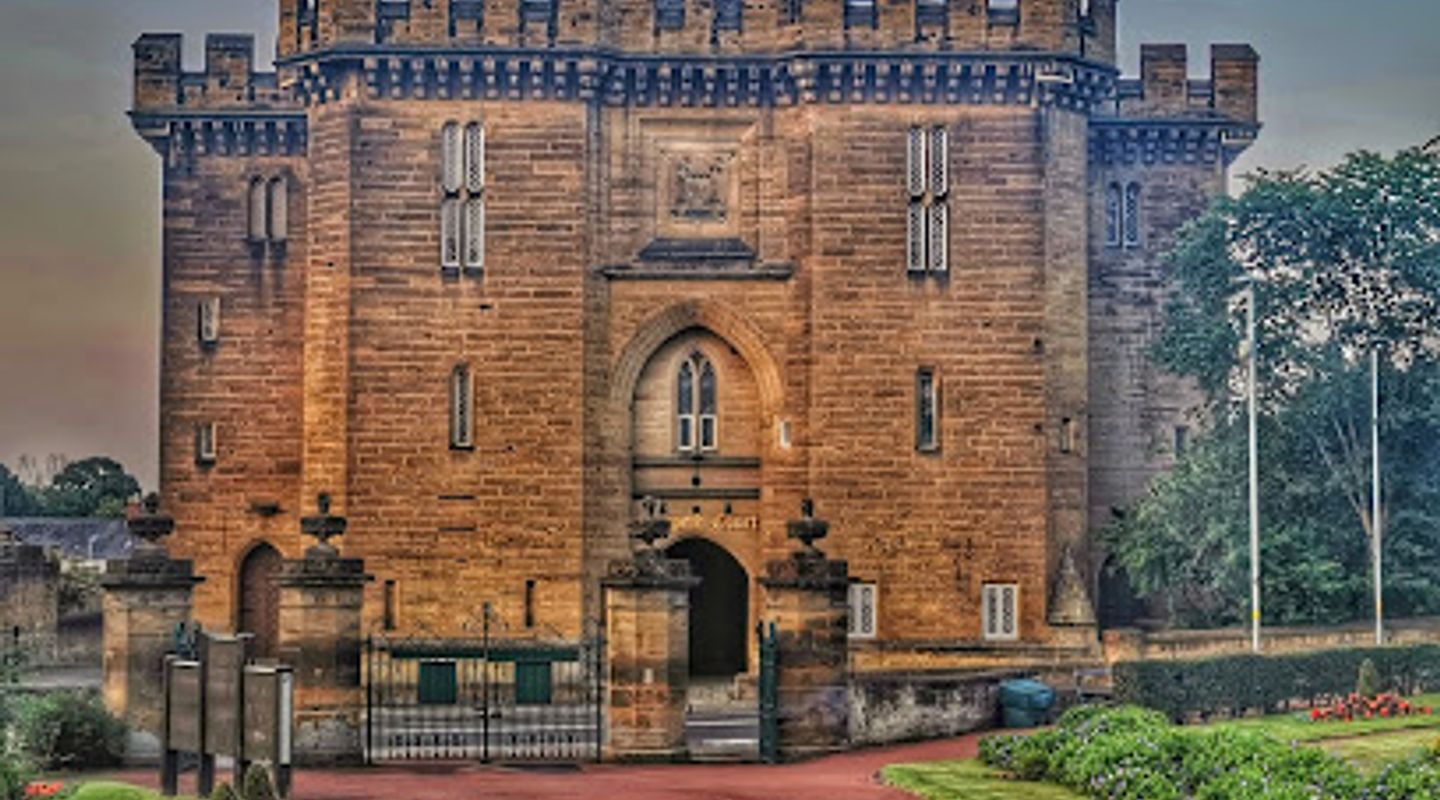
Historic medieval clock tower in Morpeth’s Market Place, famed for its ancient bells and enduring community heritage.
The Morpeth Clock Tower, standing 60 feet tall in the heart of Morpeth’s Market Place, is a Grade II* listed medieval stone structure built between 1604 and 1634. Constructed from recycled stones likely sourced from Newminster Abbey, it features thick walls and a belfry added in 1706 to house six historic bells. The tower has served diverse roles, including a prison and meat store, and remains a cherished symbol of Morpeth’s heritage and community identity.
On-site amenities
 Restrooms
 Food options
 Drink options
 Seating areas
 Information boards
Opening hours
- Every dayOpen 24 hours
Opening hours as listed on the venue’s Google Business Profile. Hours can change for services and special events, so check with the venue before you go.
- Address
- 2-4 Oldgate, Morpeth NE61 1LT
- Website
Getting there
Bus
Train
Car
Discover more about Morpeth Clock Tower
Origins and Architectural Heritage
The Morpeth Clock Tower is a striking historical monument built over three decades from 1604 to 1634. Its construction utilized medieval stone, probably reclaimed from the nearby dissolved Newminster Abbey, lending the tower an appearance older than its actual age. The tower rises to about 60 feet (18 meters) with impressively thick walls measuring approximately 3 feet 6 inches, reflecting the robust building techniques of the era. Situated prominently off the Market Place, it stands near other notable structures such as the Morpeth Town Hall and the YMCA, anchoring the town’s historic core.
The Bells and the Belfry’s Story
In 1706, a belfry was added atop the tower to accommodate a peal of six bells cast by Richard Phelps of the Whitechapel Bell Foundry. These bells carry a unique local story: originally intended for the Parish Church of Berwick-upon-Tweed, they were redirected to Morpeth following a political shift involving Major General Edmund Maine, MP for Morpeth. This history gave rise to the local saying, "Berwick Bells are heard in Morpeth." The bells are among the oldest original town bells in the UK and have chimed a nightly curfew at 8 PM for over three centuries. They were recast and rehung in 1951 to commemorate the Festival of Britain, preserving their sound and tradition.
Functional Roles Through the Centuries
Beyond its role as a clock tower, the structure has served various community functions. At one time, it operated as a prison until 1802 and was also used as a meat store. These diverse uses highlight the tower’s integral role in the town’s daily life and governance over centuries. Despite these functional changes, the tower has retained its architectural integrity and continues to be a visible emblem of Morpeth’s history.
Symbolism and Preservation Status
The Morpeth Clock Tower is recognized as a Grade II* listed building, marking it as a particularly important historic structure warranting preservation. It is also a Scheduled Ancient Monument, underscoring its archaeological and cultural significance. Its enduring presence in the Market Place makes it a central point of reference and a symbol of Morpeth’s heritage, community identity, and continuity across generations.
Visitor Experience and Visual Appeal
While the tower is not open for interior tours, its exterior offers a compelling glimpse into the past. Visitors can admire the medieval stonework and the elegant proportions of the clock and belfry. The tower serves as a focal point for local events and market days, where its historic charm complements the lively atmosphere. Nearby Carlisle Park provides scenic views of the tower, enhancing the visitor experience with a blend of natural and architectural beauty.
Community and Cultural Significance
For over 300 years, the clock tower’s bells have marked the curfew, a tradition that connects the present-day town with its historical rhythms. The tower’s role as a custodian of this bellringing tradition continues through local bellringers who maintain the English full-circle style ringing. As a centerpiece of Morpeth’s Market Place, the tower fosters a sense of place and continuity, linking residents and visitors alike to the town’s rich cultural tapestry.
Evendo Review Centre
 Google
Guest reviews
Best time to go
Quietest: Jan, Feb & Dec · before 6am or at 10pm
Busy times are Evendo estimates for a typical year, to help you plan. Actual crowds vary with events, school holidays and the weather.
Explore Morpeth Clock Tower on the map
A handpicked selection of must-see spots near Morpeth Clock Tower, mapped for you.
Get your free copy of our complete guide to Morpeth Clock Tower, delivered straight to you.
Everything on this page, from opening hours and how to get there to Eve’s tips and the best time to go, in one PDF you can read offline, print or share.
Already have an account? Sign in
Your Morpeth Clock Tower guide is ready.
We'll send it to · Not you? Sign out

Getting your guide ready…
We are putting together a fresh copy of the Morpeth Clock Tower guide. This can take up to a minute.
This can take a few moments. If your browser asks, choose Allow so the download can start. You'll find the guide in your Downloads folder.
Nothing happened? Download it again
Sorry, the guide is taking longer than usual. Please try again in a minute, or get it by email instead.
Other nearby places you may find interesting
The closest places of the same kind, if this one is not quite what you had in mind.
-
The Drake Stone An ancient glacial boulder steeped in legend, offering sweeping moorland vistas from Northumberland's highest natural viewpoint.
-
Brunton Turret - Hadrian's Wall A 2,000-year-old Roman watchtower standing sentinel on Hadrian's Wall, free to explore year-round.
-
Hunkleton stone A majestic glacial erratic on Newbiggin Beach, symbolizing natural history and community spirit in Northumberland’s coastal town.
-
Coxon's Tower Explore Coxon's Tower, a medieval sentinel on Berwick's historic ramparts, offering rich history and stunning views over the River Tweed estuary.
-
Winter's Gibbet Explore the haunting site of Winter's Gibbet, a stark relic of 18th-century justice and local legend in Northumberland's moorlands.
Swipe for more places
More to explore near Morpeth Clock Tower

 Best experiences near Morpeth Clock Tower
 Best hotels near Morpeth Clock Tower
 Best landmarks near Morpeth Clock Tower
 Best attractions near Morpeth Clock Tower
 Best shops near Morpeth Clock Tower
 Best restaurants near Morpeth Clock Tower
 Best bars near Morpeth Clock Tower
Do you manage this location?
Take control to get all the benefits, like improved information, better appearance, and stronger visibility across AI-powered discovery.
Explore more

Explore more of Northumberland
Discover Northumberland: A blend of natural beauty, rich history, and charming villages in England's northernmost county.
Explore Northumberland
Explore more of United Kingdom
Discover the United Kingdom: A blend of rich history, stunning landscapes, and vibrant cities, offering a unique travel experience for every visitor.
Explore United Kingdom