
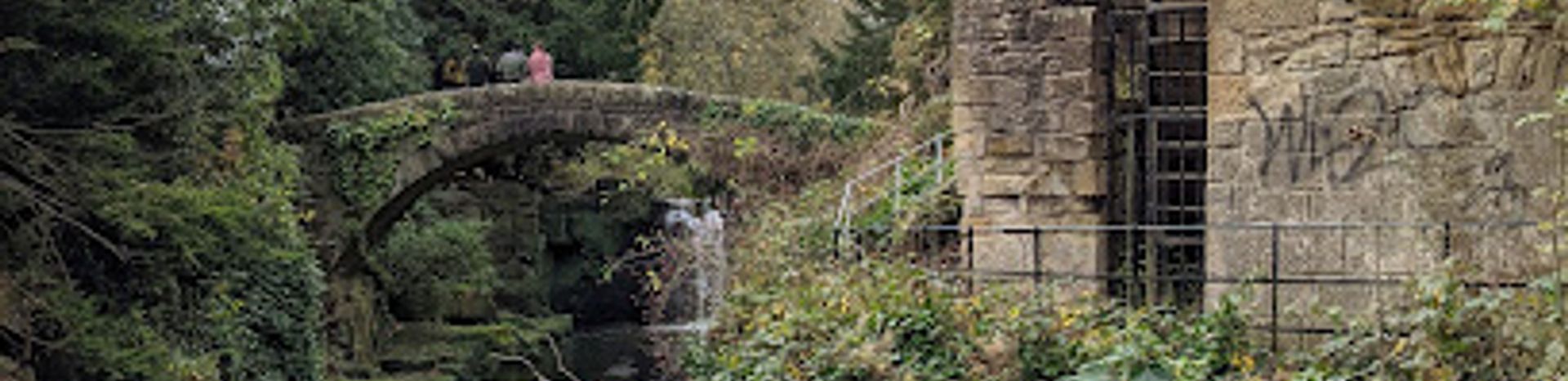
Jesmond Dene Mill: Historic Watermill Ruins in a Tranquil Woodland Valley
Historic Jesmond Dene Mill ruins nestled beside a scenic waterfall in Newcastle’s tranquil Victorian woodland park.
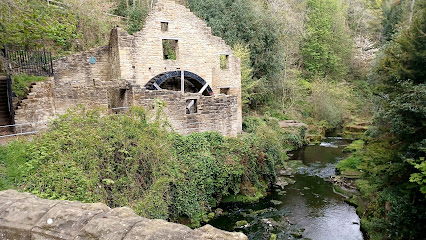
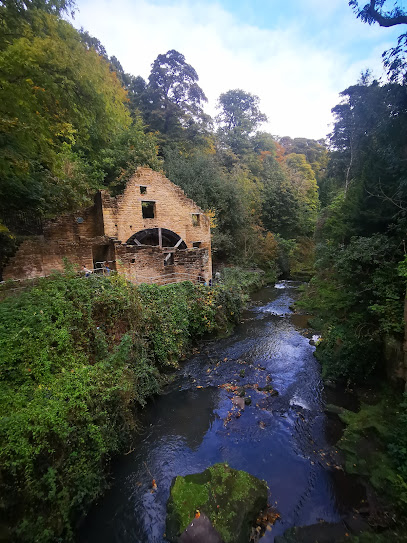
Jesmond Dene Mill, nestled within the lush Jesmond Dene park in Newcastle upon Tyne, is a historic watermill site dating back to at least 1739. Once known as Mabel's Mill and later Heaton Mill, the mill played a vital role in local industry, grinding corn and flint during the 18th and 19th centuries. Today, its evocative ruins sit beside a picturesque waterfall and river, surrounded by ancient woodland and Victorian landscaping, offering visitors a serene glimpse into the area's industrial heritage.
A brief summary to Jesmond Dene Mill
- Newcastle upon Tyne, Newcastle upon Tyne, GB
- Visit website
- Duration: 1 to 3 hours
- Free
-
 Outdoor
- Mobile reception: 4 out of 5
Local tips
- Wear sturdy footwear to navigate uneven paths around the mill ruins and waterfall.
- Visit early in the day or on weekdays for a quieter experience in the park.
- Bring a camera to capture the picturesque waterfall and historic mill remains.
- Explore nearby Jesmond Dene Visitor Centre for information, refreshments, and family activities.

For the on-the-go comforts that matter to you
- Restrooms
- Drink Options
- Food Options
- Seating Areas
- Trash Bins
- Information Boards
- Visitor Center
Getting There
-
Bus
Take the local bus service from Newcastle city centre to Jesmond Dene, with journey times ranging from 20 to 30 minutes. Buses run frequently during the day but check schedules for evening services. A single fare costs approximately £2.50 GBP.
-
Metro and Walking
Use the Tyne and Wear Metro to South Gosforth station, about 15 minutes from Newcastle city centre. From there, it’s a 15-minute walk through residential streets and park paths to Jesmond Dene Mill. The walk includes some gentle slopes and uneven terrain.
-
Car
Driving to Jesmond Dene Mill is possible with limited parking near the park entrances. Expect a 10-15 minute drive from central Newcastle. Parking may be restricted during busy times, so arriving early is advised. Parking fees vary depending on location.
Jesmond Dene Mill location weather suitability
-
 Any Weather
-
 Rain / Wet Weather
-
 Clear Skies
-
 Mild Temperatures
Discover more about Jesmond Dene Mill
Roots of Jesmond Dene Mill in Local Industry
Jesmond Dene Mill stands as a testament to centuries of industrial activity along the Ouseburn River. Records show a mill existed here by 1739, originally known as Mabel's Mill, later referred to as Heaton Mill during the 19th century. The mill was integral to the local agrarian economy, grinding corn from surrounding farms. In the mid-1800s, it was adapted to grind flint powder, used in pottery glazing, reflecting the evolving industrial demands of the region. The mill’s waterwheel was powered by a mill race channeling water from upstream, harnessing the valley’s natural resources efficiently.Transformation Under Lord Armstrong
In 1862, industrialist Sir William Armstrong acquired the land encompassing the mill and Jesmond Dene valley. Armstrong, renowned for his engineering innovations, envisioned the Dene as a landscaped retreat blending natural beauty with Victorian design. Although milling ceased by the late 19th century, the mill remained inhabited into the 1920s. Armstrong’s influence shaped the Dene’s serene pathways, bridges, and gardens, turning a once industrial hub into a public park that balances heritage and nature.Architectural and Environmental Setting
The mill’s sandstone construction likely sourced from local quarries complements the surrounding woodland. Its overshot waterwheel and remaining structural elements, including gearing and foundations, hint at the mill’s operational past. The ruins lie beside a striking waterfall and deep pool, features enhanced by Victorian landscaping. The wooded valley hosts a rich biodiversity, including native and exotic trees, woodland birds, and red squirrels, making the site both historically and ecologically significant.Visitor Experience and Activities
Jesmond Dene Mill is part of the wider Jesmond Dene park, a popular green space offering walking trails, nature observation, and family-friendly attractions such as Pets Corner. Visitors can explore the mill ruins while enjoying the tranquil riverside setting and picturesque views of the waterfall. The park’s network of paths and bridges invites leisurely strolls or more vigorous hikes, with opportunities to learn about the area's industrial past and natural environment through interpretive signage and guided walks.Preservation and Cultural Importance
The mill ruins are protected as a historic landmark, preserving a tangible link to Newcastle’s industrial heritage. They serve as a reminder of the valley’s transition from a working landscape of mills and quarries to a cherished public park. Jesmond Dene Mill enriches the cultural tapestry of the area, offering insight into past technologies and lifestyles while providing a peaceful retreat within the city.Integration Within Jesmond Dene Park
Situated within a narrow wooded valley following the Ouseburn River, the mill is surrounded by features like the Armstrong Bridge and Jesmond Dene House, enhancing the historic ambiance. The park’s blend of natural beauty, Victorian artistry, and industrial remnants creates a unique environment where visitors can connect with both nature and history in a single visit.Iconic landmarks you can’t miss

Jesmond Dene Mill
0.0 km
Historic Jesmond Dene Mill ruins nestled beside a scenic waterfall in Newcastle’s tranquil Victorian woodland park.
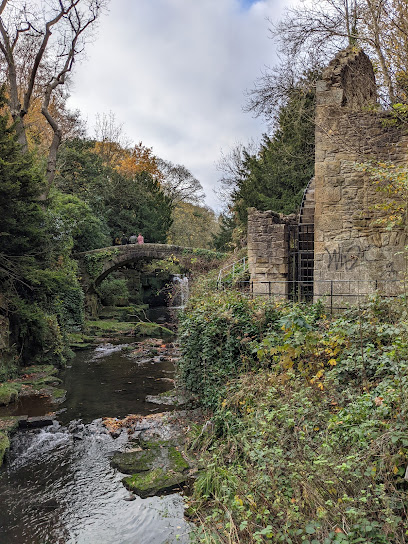
Saint Mary's Well
0.7 km
Discover Saint Mary's Well, a serene historic pilgrimage site in Jesmond, Newcastle, famed for its healing waters and medieval sacred legacy.
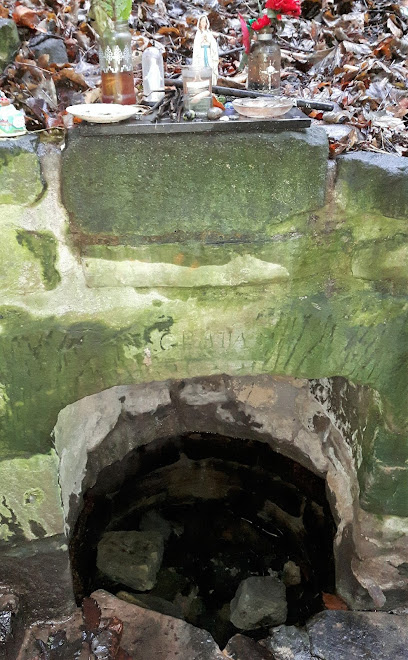
W.D.Stephens Memorial
1.7 km
Historic memorial fountain honoring Newcastle’s civic leader W.D. Stephens, symbolizing philanthropy and maritime heritage in Jesmond.
King John's Palace
1.9 km
Explore the fortified ruins of a 13th-century manor house in Newcastle’s Heaton Park, steeped in medieval history and royal intrigue.
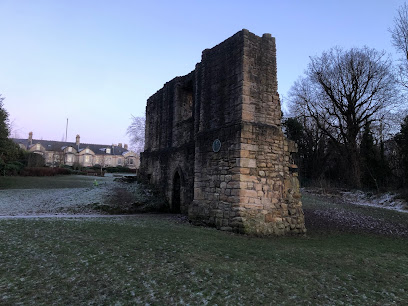
Jess moore memorial wall 23/6/17 - 7/11/19
2.1 km
Explore the Jess Moore Memorial Wall in Newcastle upon Tyne, a heartfelt tribute to love and community resilience that reflects the spirit of the local culture.
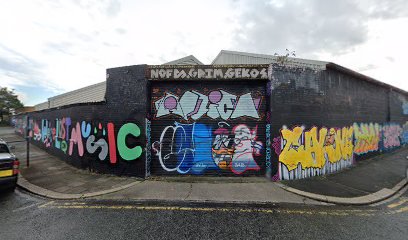
Claremont Tower
2.3 km
Modernist landmark housing humanities scholarship at Newcastle's academic heart.
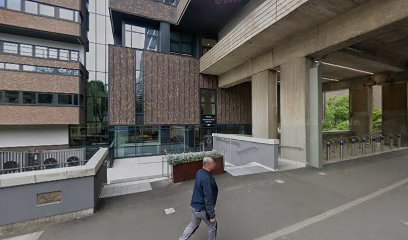
Old Library Building
2.3 km
A historic university building at the heart of Newcastle’s campus, now home to the School of Modern Languages and academic events.
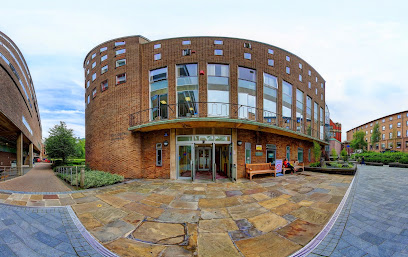
Lord Armstrong Memorial
2.3 km
A striking bronze tribute at Barras Bridge honoring Lord Armstrong’s pioneering engineering and lasting legacy in Newcastle’s industrial history.
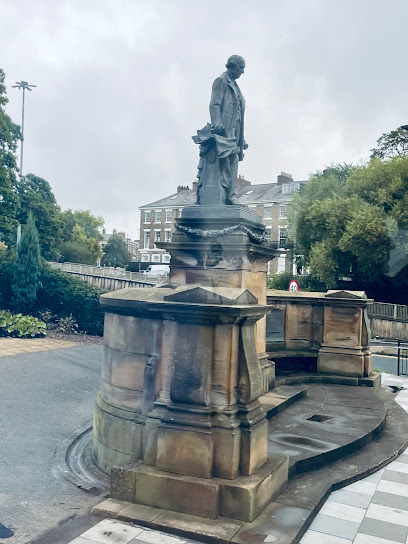
The Response - Renwick War Memorial
2.4 km
A powerful and historic war memorial honoring the Northumberland Fusiliers’ spirit and sacrifice in World War I, set in serene Newcastle gardens.
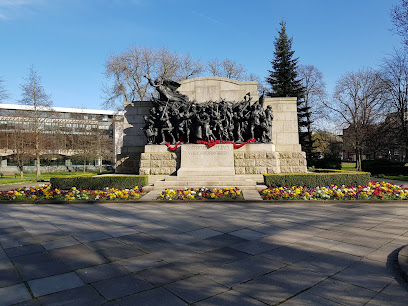
1914 Monument
2.4 km
A stirring World War I memorial in Newcastle honoring local Fusiliers with evocative bronze sculpture and historic military symbolism.
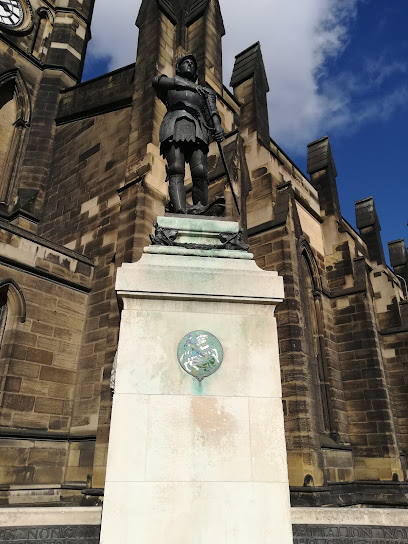
King's Gate
2.4 km
Newcastle University's contemporary student services hub with striking glazed architecture on Barras Bridge.
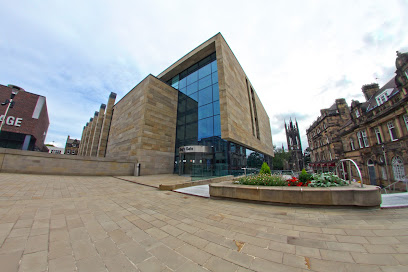
The Tower Cafe Ltd
2.6 km
Charming café in Newcastle’s Leazes Park, famed for vegan pizzas and a relaxed, friendly atmosphere amid scenic greenery.
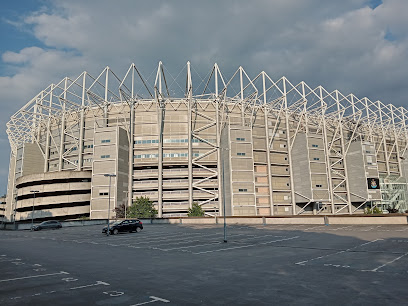
Little Buildings
2.7 km
An intimate live music venue in Newcastle’s Ouseburn Valley, perfect for discovering new bands and enjoying craft beers in a laid-back, buzzing atmosphere.
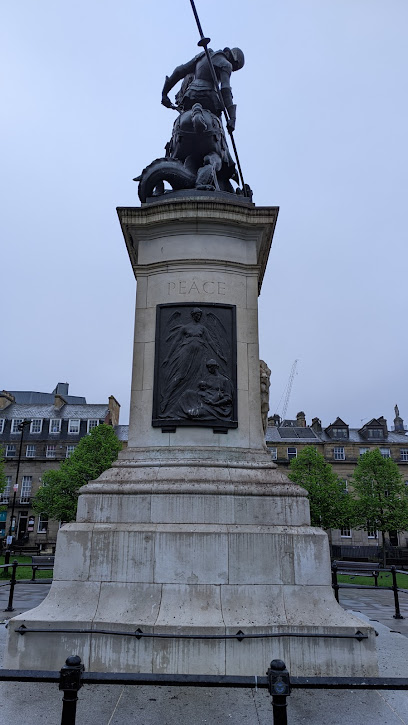
Newcastle and District War Memorial
2.9 km
A Portland stone tribute to courage, unveiled in 1923 and crowned by a bronze Saint George.
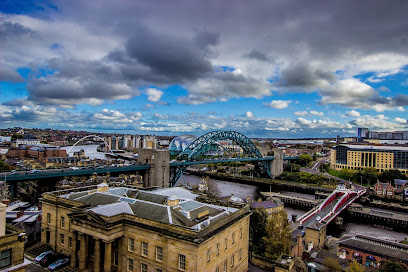
Iles Tours (Iles Group Ltd)
2.9 km
Explore Newcastle upon Tyne with Iles Tours, where expert guides unveil the city's rich history and culture through unforgettable experiences.
Unmissable attractions to see

Jesmond Dene
0.1 km
A serene Victorian woodland park in Newcastle, rich with history, wildlife, and scenic riverside trails.
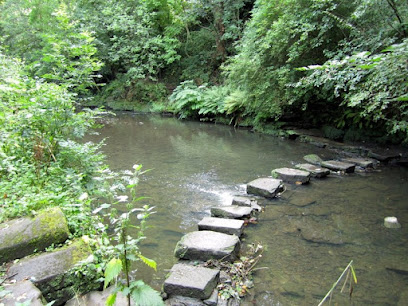
Ouse burn stepping stones
0.2 km
Historic stepping stones crossing a tranquil woodland stream in Jesmond Vale, blending natural beauty with Newcastle’s rich heritage.
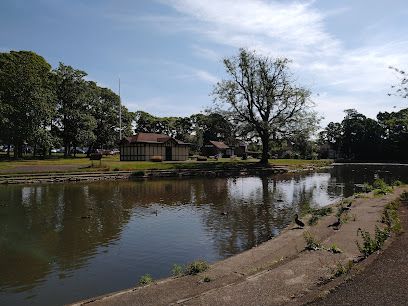
Paddy Freeman's Park
0.2 km
A peaceful urban retreat in Newcastle with scenic trails, a boating lake, sports facilities, and a welcoming café for all ages.
Jesmond Dene Quarry
0.5 km
Discover the peaceful Jesmond Dene Quarry, a historic sandstone site transformed into a scenic garden oasis within Newcastle’s ancient woodland valley.
St Mary's Chapel
0.8 km
Discover the ancient ruins of St Mary's Chapel, a medieval pilgrimage site with a sacred healing well nestled in tranquil Jesmond Dene.
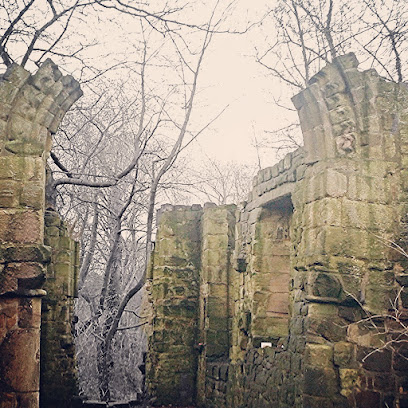
The Lonsdale
0.9 km
A two‑level West Jesmond pub serving classic pub food, wide beers and lively sport‑watching with pool and darts upstairs.
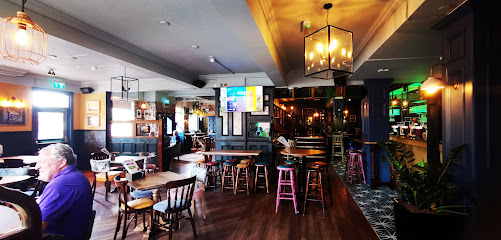
Freemen's Clock
1.8 km
Historic clock tower in Exhibition Park commemorating Queen Elizabeth II's coronation and Newcastle’s Freemen legacy.
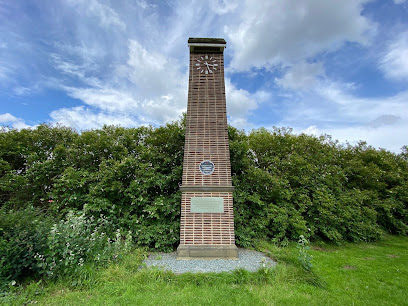
Armstrong Park
1.8 km
Historic woodland park in Newcastle with sports facilities, scenic walks, and Victorian-era charm for all ages.
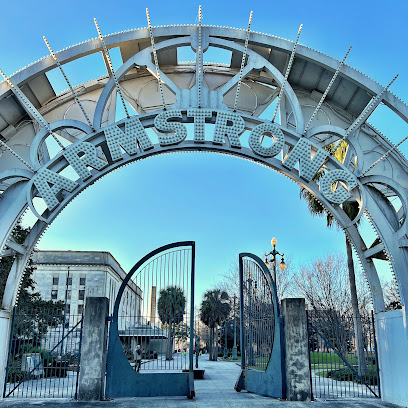
Town Moor
1.8 km
Newcastle's 1,000-acre medieval commons—larger than Hyde Park, home to Europe's biggest fair.
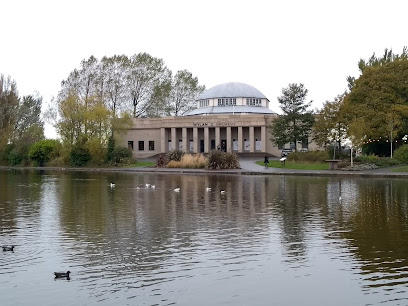
The Seeing Stone
1.8 km
Discover The Seeing Stone, a tranquil and intriguing outdoor attraction nestled in the lush parks of Newcastle upon Tyne.
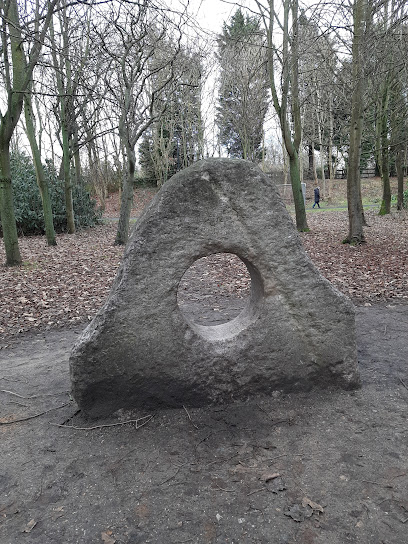
Adam of Jesmond's House
1.9 km
Explore the evocative medieval ruins of Adam of Jesmond's House, a 13th-century fortified manor nestled in Newcastle's Heaton Park.
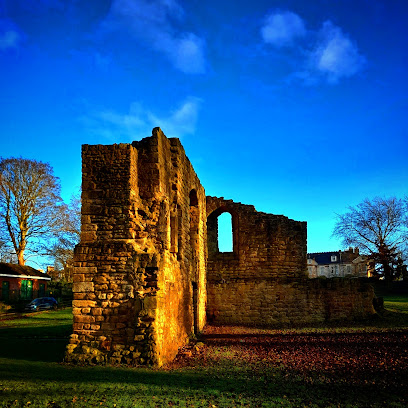
Exhibition Park
1.9 km
A historic green oasis in Newcastle city centre blending Victorian charm, active recreation, and vibrant cultural events.
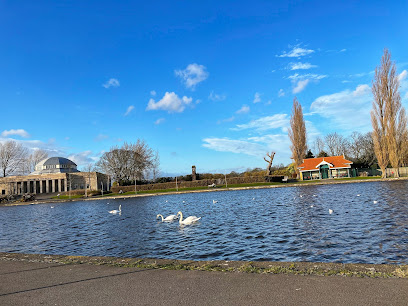
Great North Museum: Hancock
2.3 km
Discover natural wonders, ancient civilizations, and local heritage at Newcastle’s free Great North Museum: Hancock.
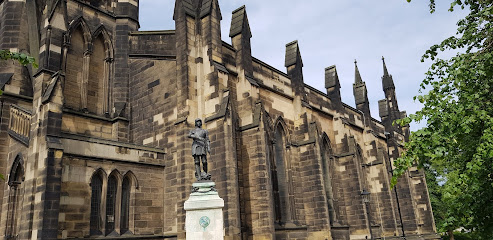
Farrell Centre
2.4 km
Explore Newcastle’s architectural heritage and urban future at the vibrant, free-to-visit Farrell Centre.
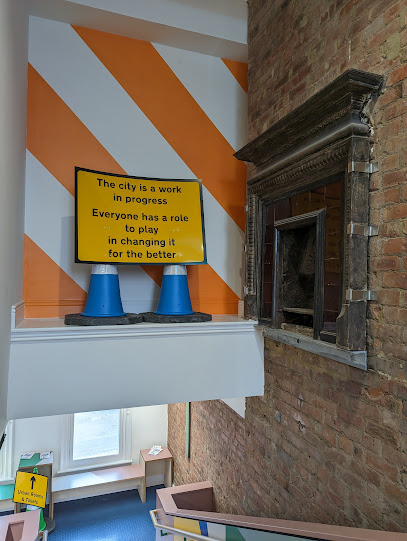
Hatton Gallery
2.4 km
Discover Newcastle’s vibrant modern art scene at Hatton Gallery, where historic charm meets contemporary creativity on a university campus.
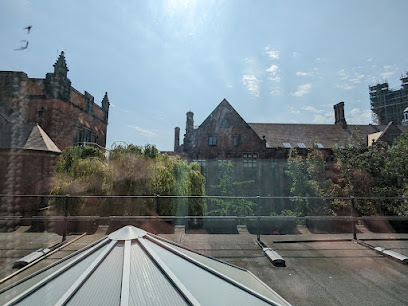
Essential places to dine

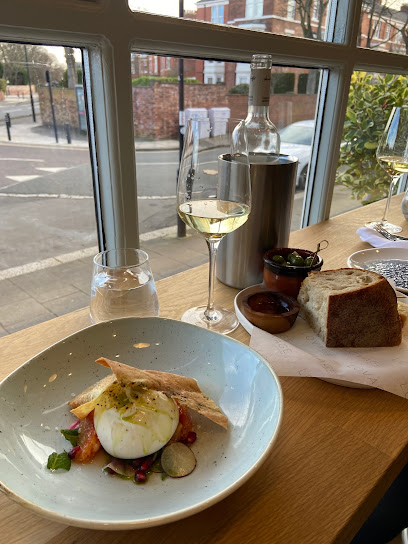
Lovage Jesmond
0.6 km
Michelin-listed modern Mediterranean restaurant in Jesmond, blending seasonal British and European ingredients with warm, unpretentious dining.
Sohe Restaurant
0.7 km
Sophisticated pan-Asian dining in Jesmond, Newcastle – where bold flavours meet modern style and attentive service.
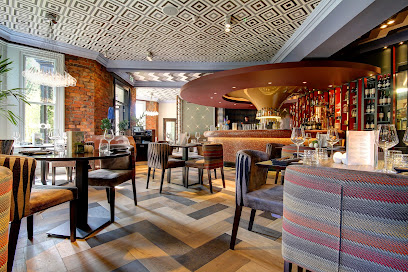
Jam Jar
0.8 km
Savor Anglo-American comfort food in a sleek, industrial-chic setting with craft drinks and lively vibes in Jesmond’s heart.
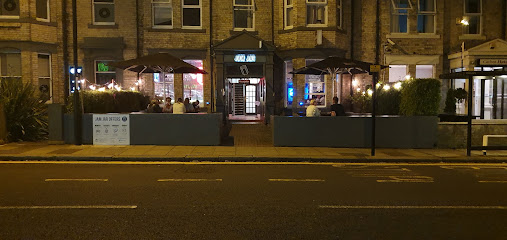
Fat Hippo Jesmond
0.9 km
Original Fat Hippo in Jesmond serves bold, messy burgers and dirty fries in a lively, inclusive atmosphere with vegan and gluten-free options.
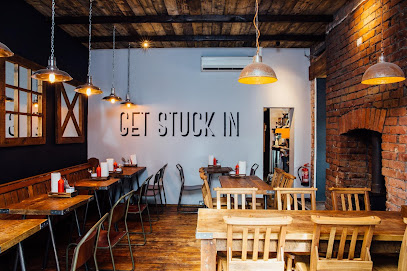
Florence Jesmond
1.3 km
Authentic Italian flavors and warm hospitality await you at Florence Jesmond, the heart of Jesmond’s vibrant dining scene.
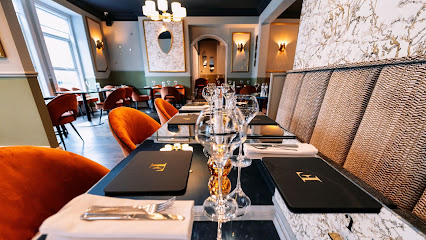
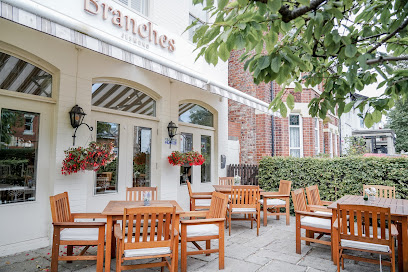
Branches Restaurant
1.3 km
Elegant British dining in Jesmond with seasonal menus, handcrafted cocktails, and a unique blossom tree ambience.
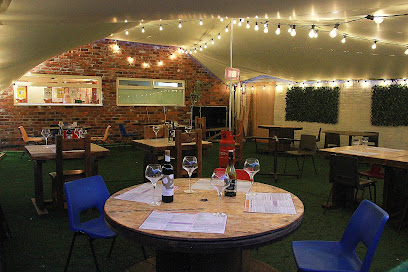
Dosa Kitchen
1.3 km
Experience authentic South Indian cuisine with vibrant dosas and flavorful curries in Jesmond’s welcoming Dosa Kitchen.
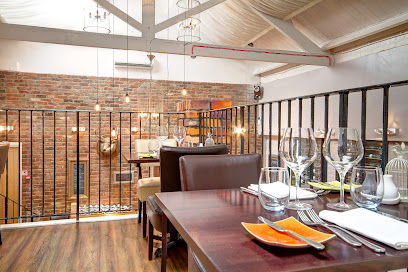
Peace & Loaf restaurant
1.4 km
Innovative modern British cuisine with nostalgic flavors and exceptional service in Jesmond’s stylish, relaxed setting.
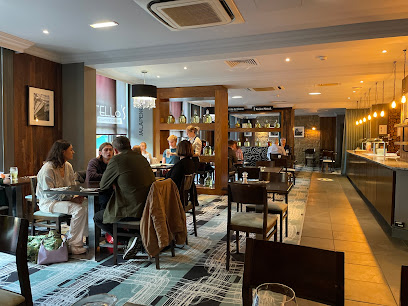
Fratello's
1.7 km
Authentic Italian dining with warm hospitality and stonebaked pizzas in the heart of Jesmond, Newcastle upon Tyne.
As You Like It
2.0 km
Eclectic dining and creative cocktails in Jesmond’s stylish hotspot, perfect for family meals and lively late nights.
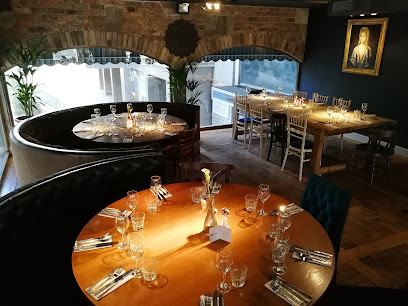
Cook House
2.8 km
Discover the flavors of Newcastle at Cook House - where fresh ingredients meet creative cuisine in a warm atmosphere.
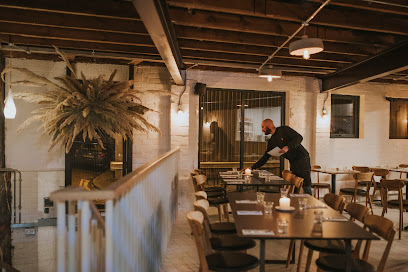
Fuego
2.8 km
Experience authentic Mediterranean tapas, Napoli-style pizzas, and vibrant cocktails in the heart of Newcastle at Fuego by Fenwick.
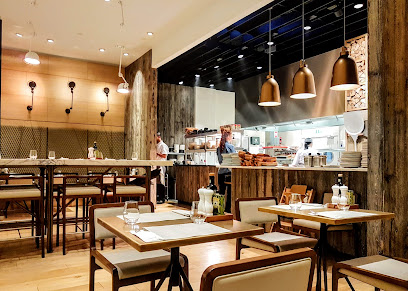
Red Mezze
2.8 km
A lively Turkish mezze restaurant in Newcastle, perfect for sharing bold flavours, grilled dishes, and a relaxed meal with friends or family.

The Botanist Newcastle
2.9 km
Discover The Botanist Newcastle: a lush botanical bar and restaurant blending inventive cocktails, seasonal food, and live music in a secret garden setting.
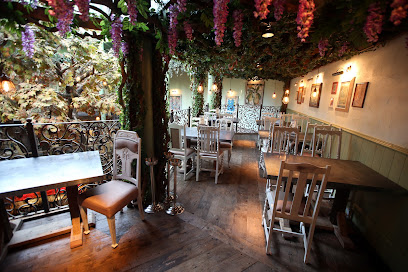
El Coto
2.9 km
Experience authentic Spanish tapas and warm rustic charm in the heart of Newcastle at El Coto.
Markets, malls and hidden boutiques

St Oswald's Hospice Charity Shop - Jesmond
0.6 km
Discover designer bargains and unique treasures at Jesmond's Boutique by St Oswald's Hospice, where every purchase powers compassionate care in the North East.

Second Skin
0.8 km
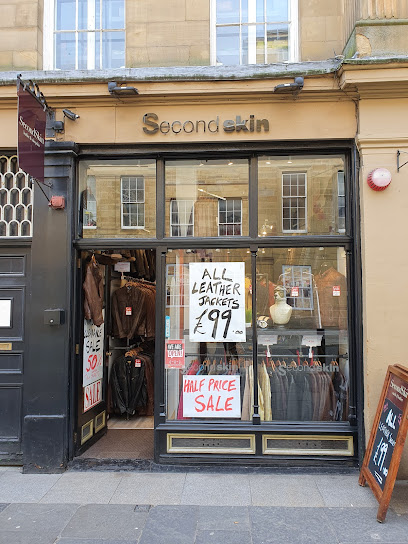
Luxurious leather and sheepskin coats that fit like a second skin, in the heart of Jesmond's stylish enclave.
Watchtraderuk Limited
0.8 km
Shop unique fashion accessories at Watchtraderuk Limited in Jesmond, Newcastle upon Tyne, where style meets local charm.
Gourmet Gifts
0.8 km
Discover unique gourmet treats and expert gift wrapping supplies in the cozy charm of Jesmond’s Gourmet Gifts shop.
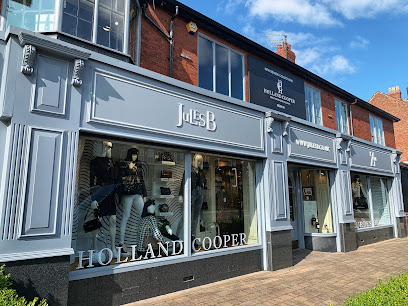
Jules B Ladieswear
0.8 km
A curated Jesmond boutique for designer womenswear with attentive personal service and seasonal collections in a relaxed, stylish setting.
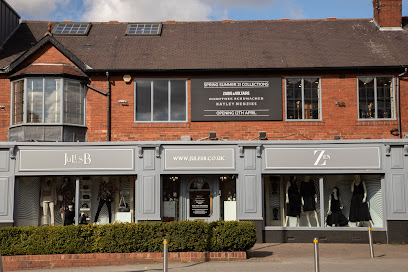
Zen Wardrobe
0.8 km
Discover serene style at Zen Wardrobe, Jesmond's haven for minimalist women's fashion on lively Osborne Road.
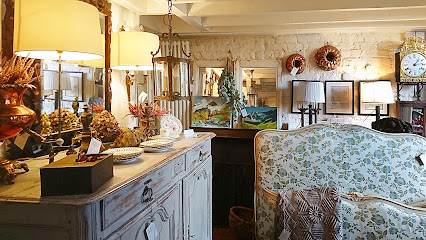
Antiquites Francaises
1.1 km
Discover restored French antiques in Jesmond: elegant 19th-century furniture sourced and polished since 1997 for your timeless home.
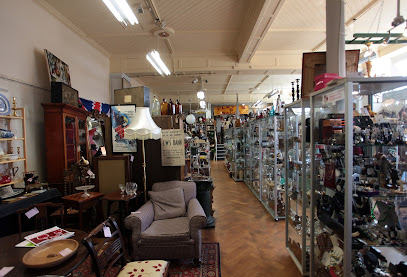
Fern Avenue Antiques Centre
1.1 km
Uncover hidden gems and timeless tales in Jesmond's premier family-run antiques haven, where every aisle brims with history and surprise.
JBC Signatures Gift Shop
1.6 km
A compact Jesmond boutique for thoughtful jewellery, home accessories and gift-ready treats tucked into Clayton Road’s village feel.
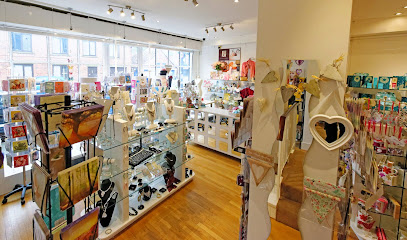
Blush
1.6 km
Discover designer elegance at Blush, Jesmond's go-to boutique for ladies' fashion and accessories on trendy Clayton Road.

KEYring
2.2 km
Discover fresh organic produce and eco-friendly goods at KEYring, Gosforth’s beloved hub for sustainable living and artisanal delights.
Flea Circus
2.2 km
Discover Newcastle’s vibrant vintage hub blending retro style, handmade crafts, and unique collectibles all under one roof.
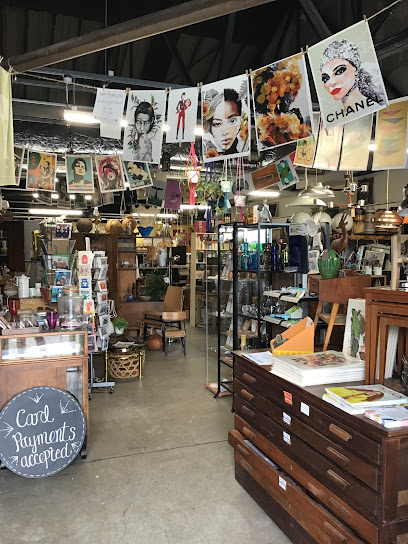
The Curiosity Box
2.3 km
Discover unique vintage fashion treasures and timeless style at The Curiosity Box in Newcastle’s vibrant Chillingham Road district.
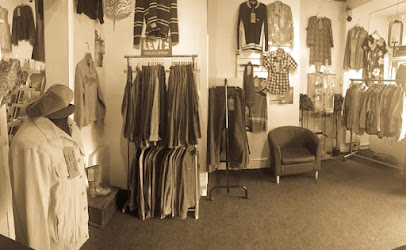
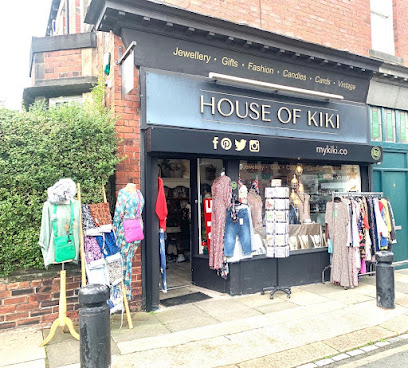
House of Kiki Boutique Gosforth
2.3 km
Discover unique vintage fashion, quirky accessories, and handcrafted treasures at House of Kiki Boutique in the heart of Gosforth.
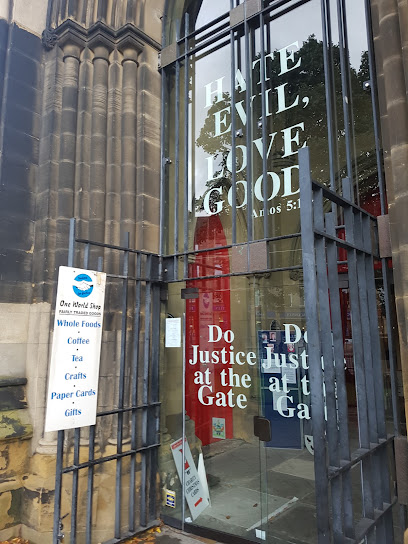
The One World Shop
2.5 km
Discover ethically sourced gifts and natural foods in a historic church setting, supporting fair trade and sustainability in Newcastle upon Tyne.
Essential bars & hidden hideouts

97 & Social
0.8 km
Lively Jesmond gastro bar with innovative cocktails, comfort food, and fireside charm on buzzing Osborne Road – perfect for brunches, dates, or casual nights out.
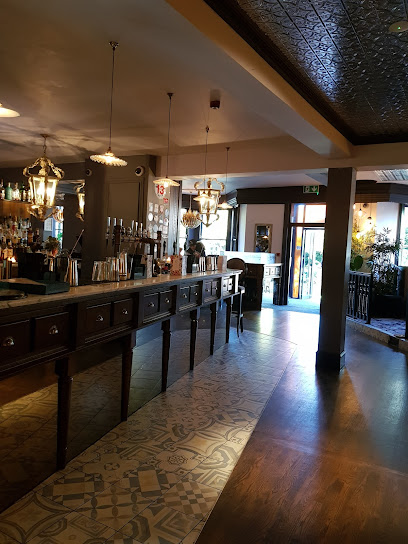
Spy
0.9 km
Catch the action at Spy Bar Jesmond—big screens, juicy burgers, premium pints, and unbeatable sports vibes on lively Osborne Road.
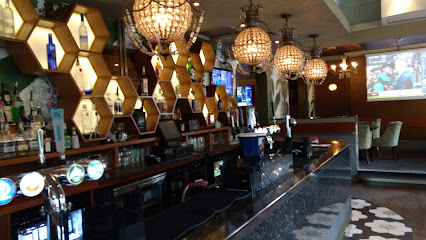
Phoenix Bar Jesmond
0.9 km
Refurbished Jesmond gem with grilled British fare, creative cocktails, sports screens, pool tables, and a heated outdoor forecourt—perfect for casual hangs or lively nights.
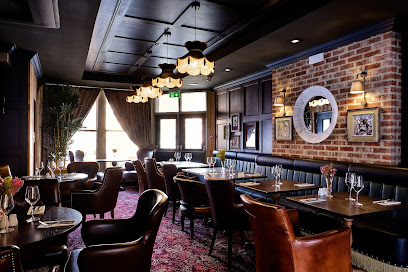
Soho Jesmond
0.9 km
Jesmond's sprawling modern bar hub: live sports, cheap student drinks, quizzes, buskers, and outdoor sheisha vibes draw lively crowds to this Osborne Road powerhouse.
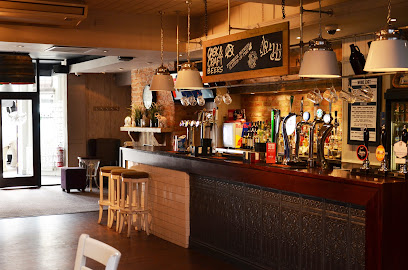
Bar Blanc
1.1 km
Jesmond's go-to bar for cheap pints, pub grub, sports screens, and happy hours in a lively Osborne Road setting.
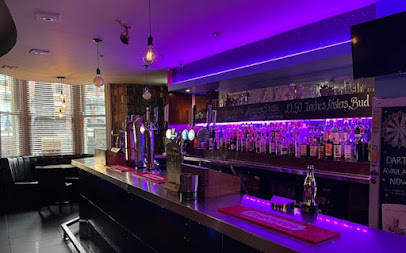
The Punch Bowl
1.5 km
Jesmond's wood-paneled gem: quirky wines, world tapas, epic roasts, and a lively vibe in a classic pub setting.
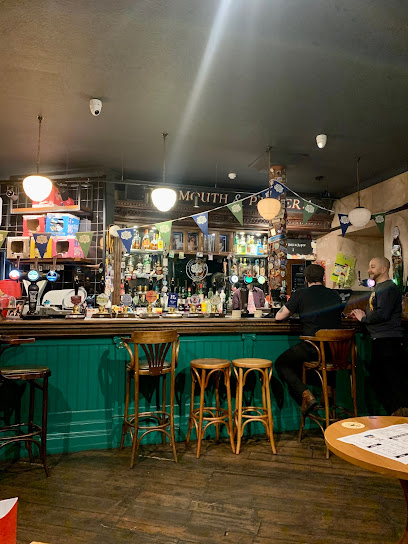
The Collingwood Arms under new management
1.7 km
A traditional Jesmond pub with long bar, local prints, lively evenings and a straightforward menu that suits regulars and visitors alike.
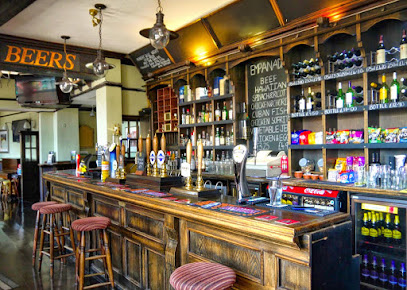
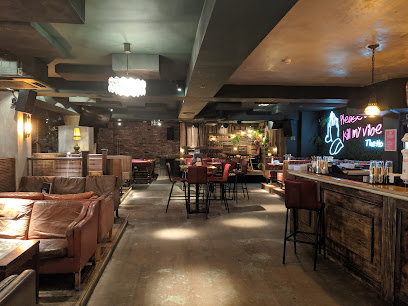
Holy Hobo
2.0 km
Jesmond's bold bar for monster burgers, craft pours, bottomless brunches, and beats till 2am—where quirky comfort meets non-stop nightlife energy.
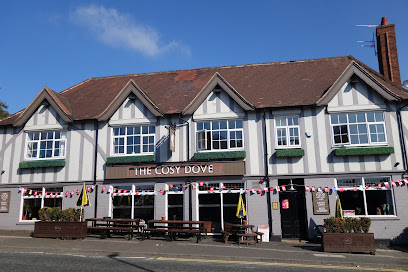
Cosy Dove
2.6 km
A friendly, village-style pub in Newcastle offering freshly prepared food, real ales, and a warm, welcoming atmosphere seven days a week.
Billy Bootleggers
2.7 km
Step into Billy Bootleggers for authentic Americana vibes, live rockabilly tunes, and legendary bourbon brews in Newcastle’s lively Ouseburn district.
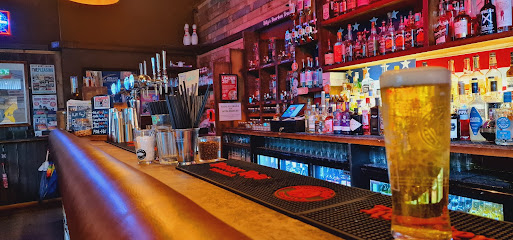
Mean-Eyed Cat
2.7 km
A vibrant micropub in Newcastle offering an evolving selection of craft beers, ciders, and lively community events in a quirky, intimate setting.
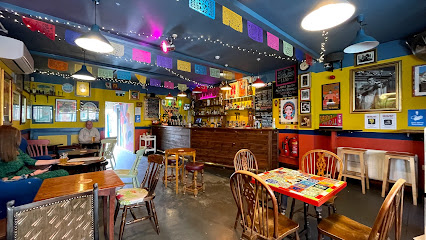
The Exchange
2.7 km
Discover The Exchange, Newcastle’s speakeasy-style cocktail bar with a cozy alcove, lively atmosphere, and expertly crafted drinks in the city center.
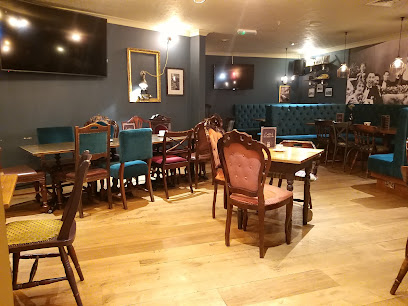
Bar Loco
2.9 km
A vibrant split-level bar in Newcastle with live music, quirky vibes, and a welcoming atmosphere for casual drinks and social nights.
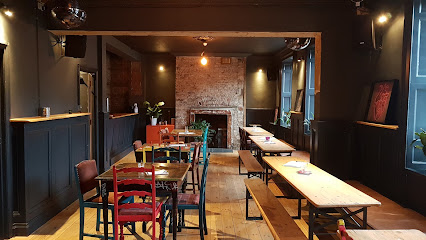
The Wobbly Duck
2.9 km
A cozy, quirky micropub in Newcastle’s Old Eldon Square, famed for its eclectic ales and welcoming atmosphere.
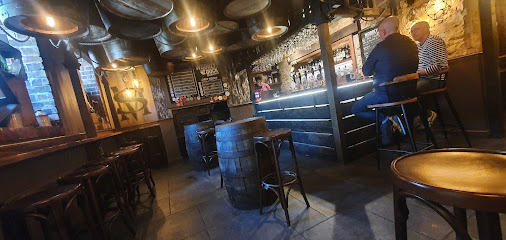
The Alchemist Newcastle
3.0 km
Experience Newcastle’s premier cocktail laboratory with dramatic drinks, creative dining, and a captivating gothic atmosphere in Eldon Square.
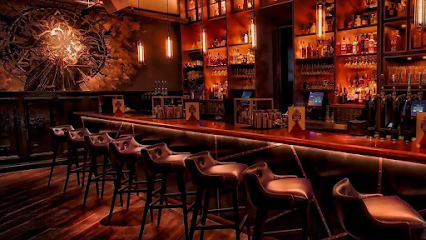
Nightclubs & after hour spots

World HQ
3.0 km
A multi‑level warehouse club and arts hub in Curtis Mayfield House with a heavy sound, creative studios above and a grassroots nightlife spirit.
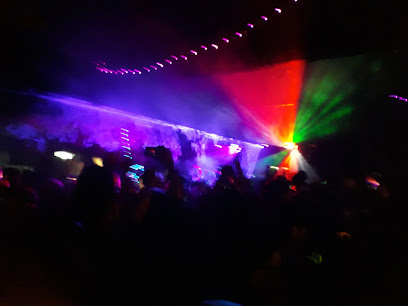
Greys Club
3.2 km
Experience Newcastle’s iconic nightlife at Greys Club, where vibrant music, a stylish terrace, and lively crowds create unforgettable late-night memories.

Sinners
3.2 km
Dive into sinfully themed nights at this affordable Newcastle nightclub, where red lights, bold art, and cheap drinks fuel the city's unbeatable party spirit.

Cosmic Ballroom
3.2 km
Newcastle's longest-running underground club: two floors of electronic beats, guest DJs, and non-stop dancing till dawn in an intimate Stowell Street hideaway.

Popworld - Newcastle
3.2 km
A neon-soaked pop party on Newcastle’s Bigg Market—cheap drinks, nostalgic anthems and a packed dancefloor for late-night revelry.
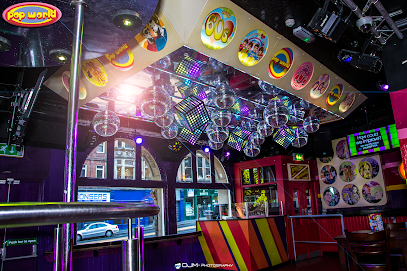
SOHO ROOMS | Newcastle
3.2 km
Four floors of late‑night music and cocktails in the heart of Newcastle’s city‑centre party district, favoured by students and night owls.
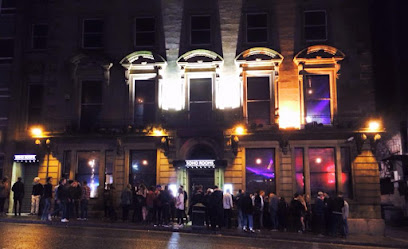
Flares - Newcastle
3.3 km
Newcastle's ultimate retro disco den: neon grooves, cheesy anthems, and non-stop dancing from 70s to 00s in the heart of the nightlife scene.
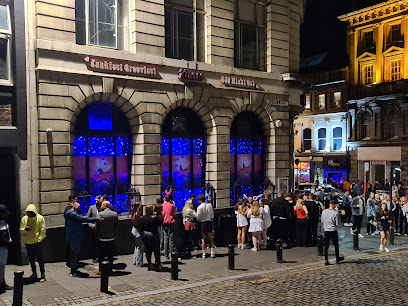
Loca Loca | Newcastle
3.3 km
A compact, neon-lit nightclub on Groat Market serving late-night dance, chart and urban sets in an intimate city-centre setting.
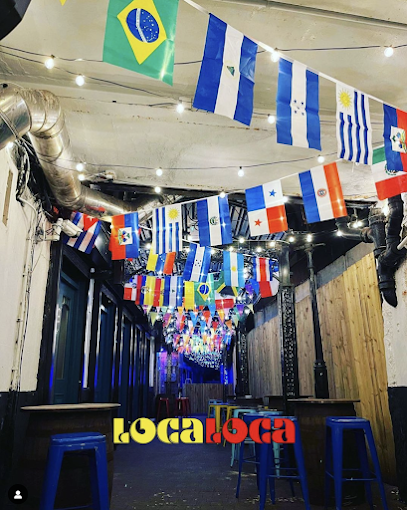
TROPICANA NEWCASTLE
3.3 km
Experience Newcastle’s vibrant nightlife at Tropicana, a lively nightclub blending cocktail sophistication with energetic club beats in the city’s heart.

Bohemia Newcastle
3.3 km
Neon-lit cocktail bar and compact club with graffiti murals, a mezzanine dance space and a sheltered courtyard terrace for late-night socialising.
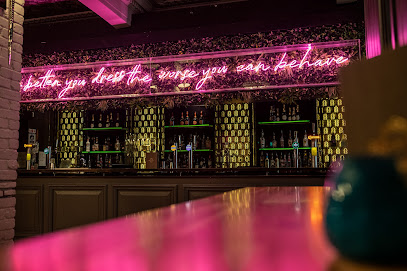
Tup Tup Palace
3.3 km
Experience Newcastle’s vibrant nightlife in style at Tup Tup Palace, a luxurious club blending exotic décor with pulsating beats until the early hours.
TheCUT Newcastle
3.3 km
Discover Newcastle’s vibrant alternative nightclub with themed indie, rock, and disco nights in a cozy, unpretentious setting.
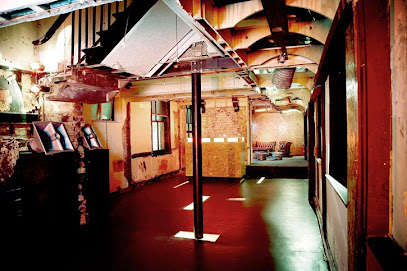
The Social Club
3.4 km
Experience Newcastle’s vibrant nightlife at The Social Club, where music, cocktails, and dancing come alive until the early hours.
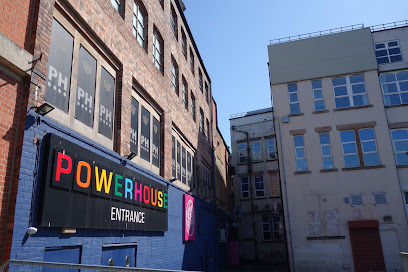
Powerhouse
3.7 km
Newcastle’s iconic four-floor nightclub blending rich LGBTQ+ history with vibrant, inclusive nightlife and dynamic music scenes.
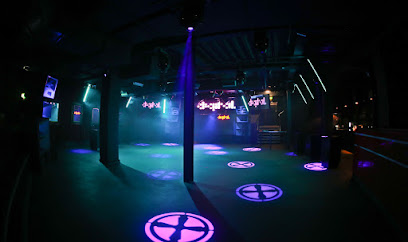
Digital
3.8 km
Experience cutting-edge nightlife with superior sound and vibrant energy at Digital, Newcastle’s premier clubbing destination in Times Square.
For the vibe & atmosphere seeker
- Tranquil
- Scenic
- Relaxing
- Unique
For the design and aesthetic lover
- Rustic Designs
- Vintage Styles
For the architecture buff
- Historic
- Landmarks
- Parks & Gardens
For the view chaser and sunset hunter
- Iconic Views
- Waterfront
- Sunset Spots
For the social media creator & influencer
- Instagrammable
- Photo Spots
- Selfie Spots
For the eco-conscious traveler
- Eco-Friendly
- Public-Transport Accessible
- Leave-No-Trace Critical
- Locally Managed
- Wildlife Habitat
For the kind of experience you’re after
- Cultural Heritage
- Nature Escape
- Photowalk
- Day Trip
- Weekend Getaway
For how adventurous you want the journey to be
- Easy Access
Location Audience
- Family Friendly
- Senior Friendly
- Child Friendly
- Teen Friendly
- Wheelchair Access
- Pet Friendly
- Couple Friendly
- Solo Friendly
- Vegetarian Friendly
- Vegan Friendly


