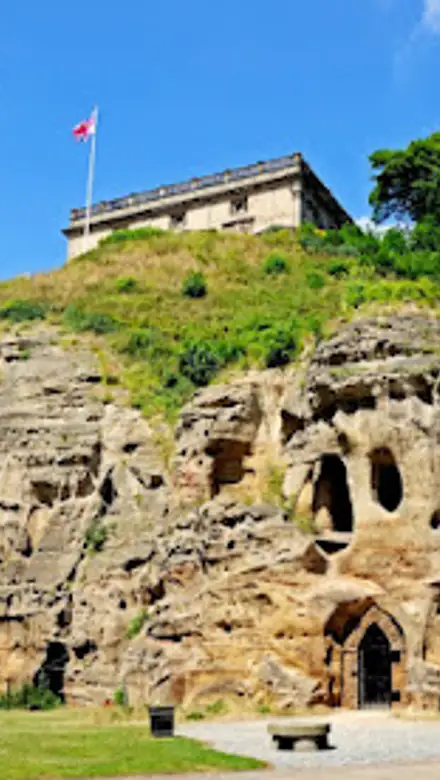
Mortimer’s hole, Nottingham Travel Guide
Free Guide: Explore Nottingham’s hidden underground passage and historic cottages at Brewhouse Yard Museum, where centuries of city life and industry come alive.


A brief summary of Mortimer’s hole
Explore Nottingham’s hidden underground passage and historic cottages at Brewhouse Yard Museum, where centuries of city life and industry come alive.
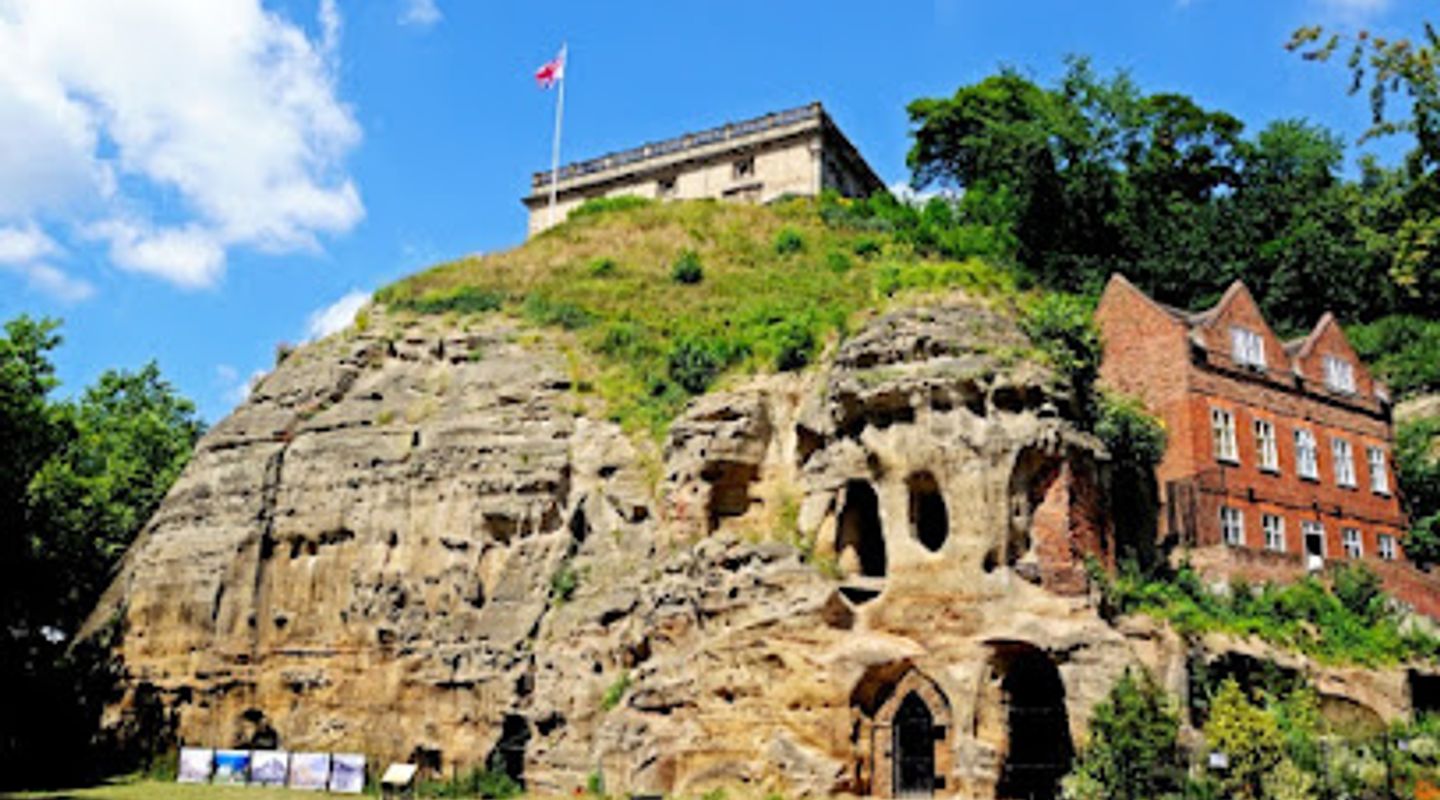
Mortimer’s Hole is the historic underground passageway emerging at Brewhouse Yard Museum, nestled beneath Nottingham Castle. This atmospheric site features five 17th-century cottages and man-made sandstone caves that reveal over 300 years of Nottingham’s social and industrial history, from medieval maltings to wartime shelters. The museum offers immersive exhibits on local textile trades and daily life, set within a charming garden of native and historic plants.
On-site amenities
 Restrooms
 Drink options
 Food options
 Seating areas
 Information boards
 Visitor centre
- Address
- Brewhouse Yard Museum (Stop LE43, Nottingham NG7 1FT
Getting there
Bus
Tram
Taxi
Discover more about Mortimer’s hole
A Subterranean Gateway to Nottingham’s Past
Mortimer’s Hole is a fascinating historic underground passageway that connects Nottingham Castle to Brewhouse Yard. This concealed route emerges at the Museum of Nottingham Life, housed within five atmospheric 17th-century cottages. The passage and surrounding caves were carved from the region’s porous sandstone, serving various purposes over centuries—from medieval maltings and tanneries to World War II air raid shelters. This subterranean feature offers a rare glimpse into Nottingham’s layered urban evolution and defensive history.
Life in the 17th-Century Cottages
The museum’s cottages, dating from the 1670s, once formed part of a larger cluster integral to Nottingham’s brewing, framework knitting, and dyeing industries. Visitors explore recreated domestic and work environments reflecting the lives of families connected to the textile trade, such as the Wildboare dyers and the Elliott family, known for their secret black dye recipe. Exhibits include a Victorian schoolroom, a 1920s shop window, and a traditional wartime kitchen, offering vivid insights into everyday life across centuries.
Man-Made Caves and Industrial Heritage
Beneath the cottages lie extensive man-made caves carved into sandstone, accessible at ground level. These caves historically supported local industries and community needs, including maltings, tanneries, and air raid shelters during wartime. Their uneven floors and natural geology create an authentic experience of Nottingham’s underground heritage, revealing how the city’s residents adapted to their environment and industrial demands.
Brewhouse Yard Gardens and Botanical Legacy
Surrounding the museum is a landscaped garden featuring native British trees and plants historically grown in cottage gardens. The garden includes culinary and medicinal herbs with detailed labels explaining their traditional uses, as well as roses dating back to the 6th century. Some plants were transplanted from historic estates like Strelley Hall, enriching the site’s connection to Nottingham’s horticultural traditions.
Preserving a Unique Urban Landmark
The Museum of Nottingham Life at Brewhouse Yard was established in 1977 after restoration of the dilapidated cottages by Nottingham City Council. It preserves an important chapter of Nottingham’s social and industrial history, showcasing the resilience and ingenuity of its working-class communities. The museum’s location beneath the imposing silhouette of Nottingham Castle adds dramatic context to this hidden gem, offering visitors an intimate encounter with the city’s past.
Visitor Experience and Accessibility
While compact, the museum provides a rich, immersive experience suitable for history enthusiasts and families alike. The multi-level cottages and uneven cave floors may present accessibility challenges. The museum is open primarily on weekends and bank holidays, with extended hours during school holidays. Visitors can conclude their visit at the museum shop, which offers historical books, souvenirs, and locally themed gifts.
Evendo Review Centre
 Google
Guest reviews
Best time to go
Quietest: Jan, Feb & Dec · before 6am
Busy times are Evendo estimates for a typical year, to help you plan. Actual crowds vary with events, school holidays and the weather.
Explore Mortimer’s hole on the map
A handpicked selection of must-see spots near Mortimer’s hole, mapped for you.
Get your free copy of our complete guide to Mortimer’s hole, delivered straight to you.
Everything on this page, from opening hours and how to get there to Eve’s tips and the best time to go, in one PDF you can read offline, print or share.
Already have an account? Sign in
Your Mortimer’s hole guide is ready.
We'll send it to · Not you? Sign out

Getting your guide ready…
We are putting together a fresh copy of the Mortimer’s hole guide. This can take up to a minute.
This can take a few moments. If your browser asks, choose Allow so the download can start. You'll find the guide in your Downloads folder.
Nothing happened? Download it again
Sorry, the guide is taking longer than usual. Please try again in a minute, or get it by email instead.
Unlock the best of Mortimer’s hole
Skip-the-line tickets, guided tours with entry, and walking tours of the area, booked in a few clicks.

Other nearby places you may find interesting
The closest places of the same kind, if this one is not quite what you had in mind.
-
-
-
-
-


Swipe for more places
More to explore near Mortimer’s hole

 Best experiences near Mortimer’s hole
 Best hotels near Mortimer’s hole
 Best landmarks near Mortimer’s hole
 Best attractions near Mortimer’s hole
 Best shops near Mortimer’s hole
 Best restaurants near Mortimer’s hole
 Best bars near Mortimer’s hole
Do you manage this location?
Take control to get all the benefits, like improved information, better appearance, and stronger visibility across AI-powered discovery.
Explore more

Explore more of Nottingham
Nottingham travel guide: explore Robin Hood legends, medieval caves, grand museums, historic markets, independent culture and green landscapes nearby.
Explore Nottingham
Explore more of United Kingdom
Discover the United Kingdom: A blend of rich history, stunning landscapes, and vibrant cities, offering a unique travel experience for every visitor.
Explore United Kingdom