

St Michael at the North Gate: Oxford's Oldest Surviving Church and Saxon Tower
Explore Oxford’s oldest building, the Anglo-Saxon tower of St Michael at the North Gate, a historic church with panoramic city views and deep civic roots.
St Michael at the North Gate, located on Cornmarket Street in central Oxford, is the city’s oldest surviving building, with its Anglo-Saxon tower dating back to around 1040 AD. This historic Anglican church stands on the site of Oxford’s medieval north gate and serves as the ceremonial City Church since 1971. Visitors can explore its layered architecture, admire ancient stained glass, and climb the tower for panoramic views and to see the original clockwork mechanism and the Oxford Martyrs’ prison door.
A brief summary to St Michael at the North Gate
- Cornmarket St, Oxford, OX1 3EY, GB
- +441865240940
- Visit website
- Duration: 0.5 to 2 hours
- Free
-
 Indoor
- Mobile reception: 4 out of 5
- Monday 9 am-6 pm
- Tuesday 9 am-6 pm
- Wednesday 9 am-6 pm
- Thursday 9 am-6 pm
- Friday 9 am-6 pm
- Saturday 9 am-3:45 pm
- Sunday 7:30 am-5 pm
Local tips
- Climb the Saxon tower’s nearly 100 steps for spectacular panoramic views of Oxford and to see the original clockwork mechanism.
- Visit the tower to view the Oxford Martyrs’ prison cell door, a powerful historical artifact from the 16th century.
- Attend the annual 'Beating the Bounds' ceremony on Ascension Day to witness a unique local tradition marking parish boundaries.
- Admire the 13th-century stained glass windows in the chancel, some of the oldest in Oxford.
- Check the church’s opening hours before visiting; it closes earlier on Saturdays and Sundays.

For the on-the-go comforts that matter to you
- Restrooms
- Seating Areas
- Information Boards
Getting There
-
Bus
Take the Oxford Bus Company routes serving central Oxford; alight at the Cornmarket Street stop, approximately a 5-minute walk to St Michael at the North Gate. Buses run frequently every 10–15 minutes. A single ticket costs around £2.00–£3.00 GBP.
-
Train and Walk
From Oxford Railway Station, walk about 20 minutes through the city centre to reach the church. The route is mostly flat and accessible, passing through pedestrianized shopping streets.
-
Taxi or Rideshare
A taxi or rideshare from Oxford Railway Station to St Michael at the North Gate typically takes 5–10 minutes, depending on traffic, with fares around £6–£10 GBP. Note that parking near the church is limited.
-
Walking
If staying nearby in central Oxford, walking to St Michael at the North Gate is convenient and pleasant, taking 5–15 minutes depending on your location. The area is pedestrian-friendly with paved streets.
St Michael at the North Gate location weather suitability
-
 Any Weather
-
 Clear Skies
-
 Mild Temperatures
-
 Rain / Wet Weather
Discover more about St Michael at the North Gate
Ancient Origins and Architectural Legacy
St Michael at the North Gate is a remarkable testament to Oxford’s medieval past, with its Saxon tower constructed circa 1040 AD, making it the oldest surviving building in the city. The church is built primarily from Coral Rag stone and originally formed part of the city’s defensive north gate within the medieval walls. While the tower remains largely intact from the Anglo-Saxon period, the rest of the church has evolved through centuries, featuring 13th-century elements such as the chancel, south aisle, and south door. The 14th-century additions include the lady chapel and north transept, while the nave and north aisle date from the 15th century. The church underwent significant restoration in the 19th century by architect G.E. Street and repairs following a fire in 1953, with the tower restored in 1986.Historical Significance and Oxford Martyrs
St Michael’s holds deep historical resonance, notably linked to the Oxford Martyrs—Archbishop Thomas Cranmer, Bishops Hugh Latimer, and Nicholas Ridley—who were imprisoned in the nearby Bocardo Prison before their execution by burning in 1555 and 1556. The original prison cell door is preserved and displayed within the tower, offering a poignant connection to this turbulent period in English religious history. The church also has associations with notable figures such as William Morris and Jane Burden, who were married here in 1859, and John Wesley, whose pulpit is preserved in the church.Role as Oxford’s City Church
Since 1971, St Michael at the North Gate has served as Oxford’s ceremonial City Church, a role previously held by St Martin’s Church at Carfax and All Saints’ Church on High Street. This status means it is the designated church for the Mayor and Corporation of Oxford for official worship and civic ceremonies. The church maintains the ancient tradition of “beating the bounds” each Ascension Day, where parishioners process around the historic parish boundaries, marking boundary stones with chalk crosses and tapping them with willow wands.Visitor Experience and Tower Climb
Visitors to St Michael’s can enter the church free of charge to admire its medieval stained glass windows, some dating from the 13th century, and numerous memorial plaques commemorating Oxford’s citizens and scholars. The highlight is climbing the Saxon tower’s approximately 100 steps, which leads to breathtaking panoramic views of Oxford’s skyline. Along the ascent, visitors encounter exhibits including the ancient clockwork mechanism that once powered the church clock and the Martyrs’ prison door, enriching the experience with tangible links to the church’s past.Community and Cultural Heritage
Beyond its historical and architectural significance, St Michael’s remains an active place of worship and community gathering. It is closely connected with Lincoln College, having been a collegiate church from 1427 to 1849, and continues to be supported by the college’s patronage. The church’s layered history reflects Oxford’s evolving religious, civic, and social life, making it a vital cultural heritage site within the city centre.Architectural Highlights and Artistic Features
The church interior showcases a blend of architectural styles accumulated over centuries, from the sturdy Anglo-Saxon tower to the Gothic elements of the aisles and chapel. The east window of the chancel contains some of Oxford’s earliest stained glass, admired for its craftsmanship and vibrant colors. The font, relocated from the former St Martin’s Church, adds further historical depth, possibly witnessed by figures such as William Shakespeare. The church’s many plaques and memorials provide a rich tapestry of Oxford’s historical personalities and events.Iconic landmarks you can’t miss

Oxford Magic Walking tours
0.1 km
Explore Oxford's hidden gems and rich history with expert-led Magic Walking Tours, revealing the city's enchanting past and vibrant present.
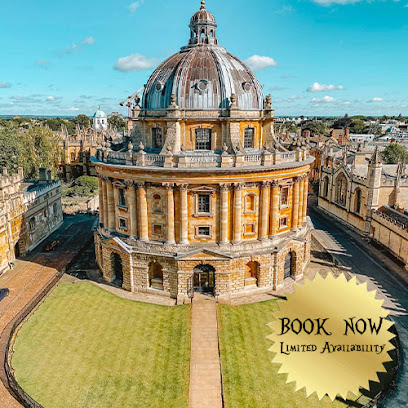
Oxford Tours UK
0.1 km
Discover Oxford’s rich history and literary heritage through personalized, expert-led walking tours in the city’s vibrant heart.
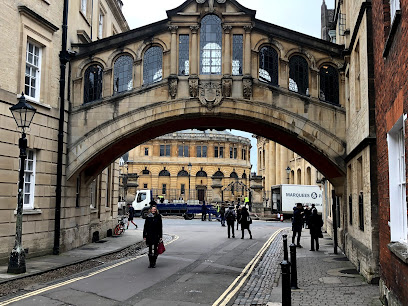
Visit Oxford Tours
0.1 km
Explore the captivating history and stunning architecture of Oxford with expert-guided tours for an unforgettable experience.
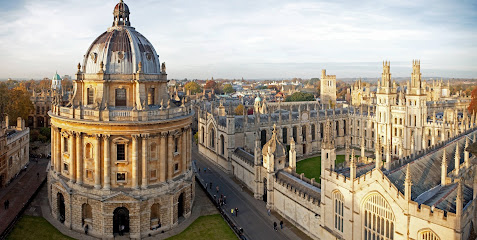
Oxford Ecclesia Walking Tours
0.1 km
Uncover the hidden gems of Oxford with Ecclesia Walking Tours, where history and culture converge in a captivating exploration of this iconic city.
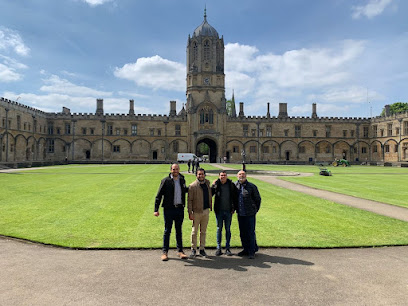
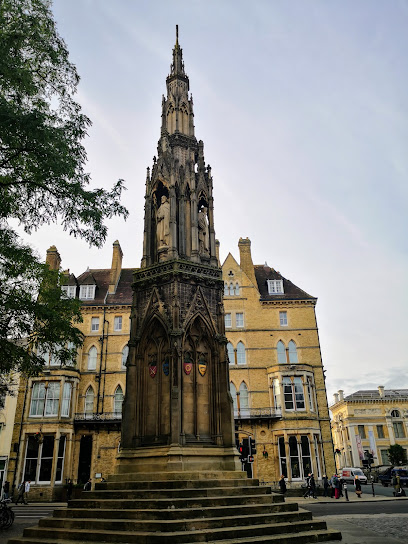
Martyrs' Memorial
0.2 km
A towering Gothic Revival monument in Oxford honoring three Reformation martyrs who stood firm in faith during religious upheaval.
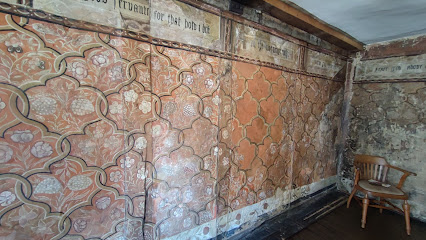
The painted room
0.2 km
Explore The Painted Room in Oxford, a historical museum showcasing exquisite frescoes and captivating artistry that reflects the city's rich cultural heritage.
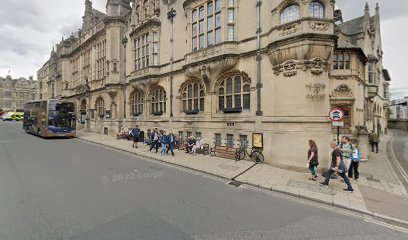
Oxford Experience (University Official Souvenirs)
0.2 km
Discover unique Oxford souvenirs and authentic memorabilia at the Oxford Experience, your ultimate shopping destination in this historic city.

Great Jewry Marker
0.3 km
Commemorating Oxford’s medieval Jewish quarter on historic St Aldate’s, a testament to a vibrant community’s enduring legacy.
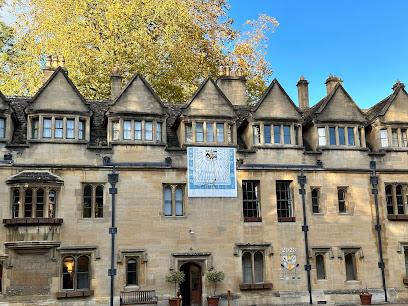
Brasenose College
0.3 km
Historic Oxford college founded in 1509, renowned for its medieval architecture, vibrant student life, and prestigious academic tradition.
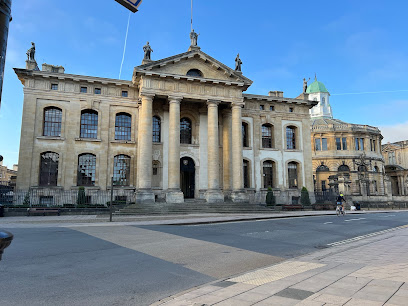
Clarendon Building
0.3 km
An iconic neoclassical landmark in Oxford’s academic heart, blending historic grandeur with university tradition on Broad Street.
IF Oxford: The Oxford Science and Ideas Festival
0.3 km
Discover cutting-edge science and creative ideas at Oxford’s vibrant annual festival blending research, arts, and community engagement.
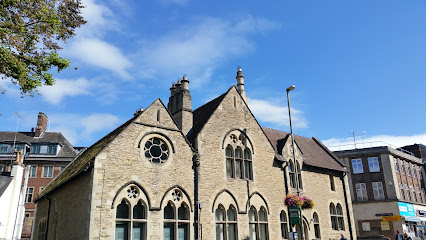
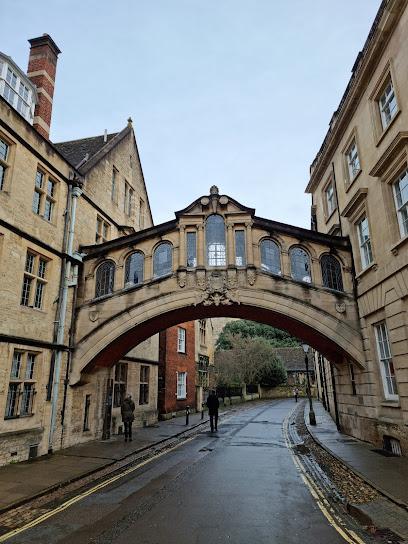
Bridge of Sighs
0.3 km
An iconic covered bridge connecting Hertford College’s quadrangles, blending Gothic charm with Oxford’s academic spirit.
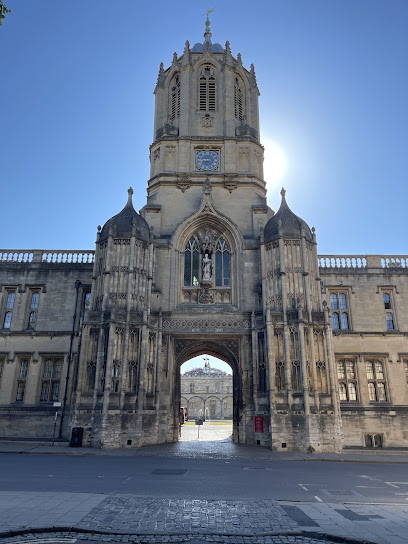
Tom Tower
0.4 km
Historic Gothic bell tower by Christopher Wren at Christ Church, home to the iconic Great Tom bell and a symbol of Oxford’s academic heritage.
2.1
0.4 km
Discover Oriel Square, Oxford’s historic academic hub where royal heritage meets timeless scholarly tradition in a serene city setting.
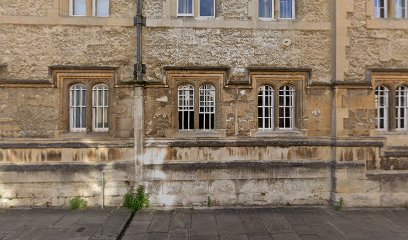
Oxford Preservation Trust
0.4 km
Discover the architectural beauty and cultural richness of Oxford through the dedicated efforts of the Oxford Preservation Trust.
Unmissable attractions to see

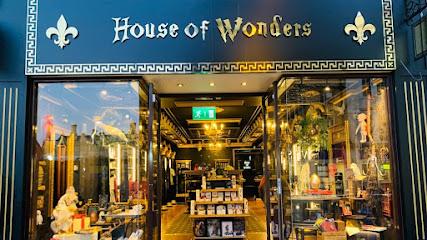
House of Wonders
0.1 km
Explore the House of Wonders in Oxford for unique gifts and local crafts that capture the essence of this historic city.
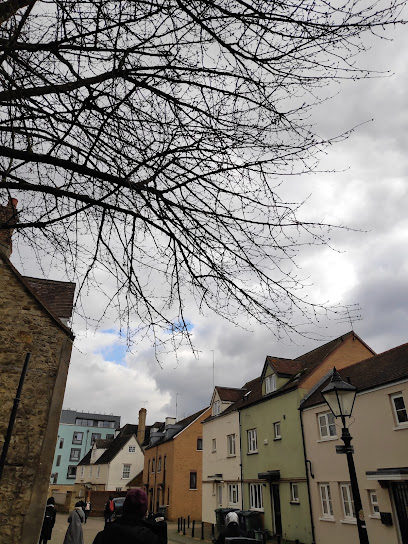
Cornmarket St
0.1 km
Oxford’s vibrant pedestrian shopping street where medieval history meets modern retail in a lively cultural hub.
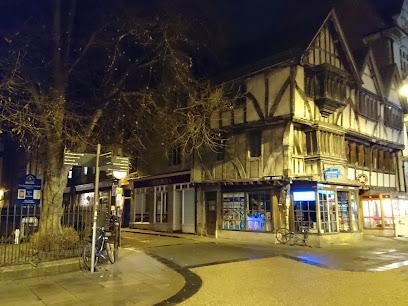
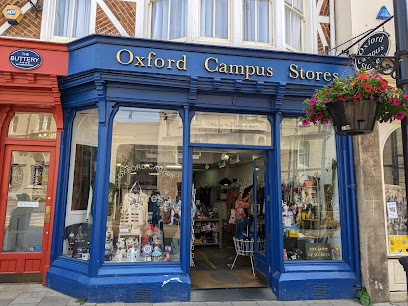
Oxford Campus Stores
0.1 km
Discover Oxford’s spirit through a diverse range of university-themed apparel and gifts at Oxford Campus Stores, right in the city’s vibrant heart.
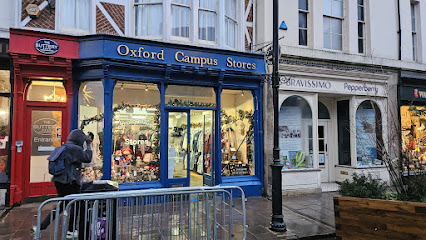
The Oxford Union Society
0.1 km
The world's most prestigious debating society, championing free speech and intellectual exchange since 1823.
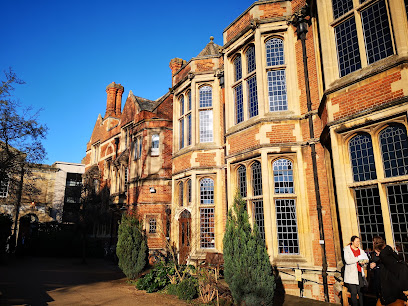
Susannes Oxford
0.1 km
Experience the authentic charm of Susannes Oxford, a unique tourist attraction showcasing local culture and artisanal products in the heart of the city.
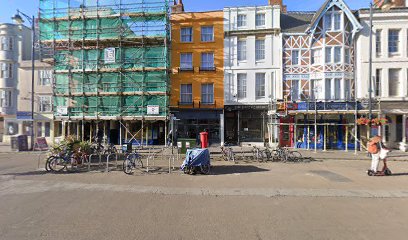
Footprints Tours Oxford
0.1 km
Discover Oxford’s rich history and traditions with authentic student-led walking tours that bring the city and university to life.
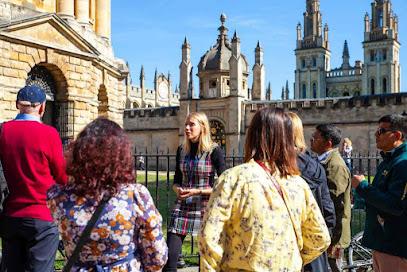
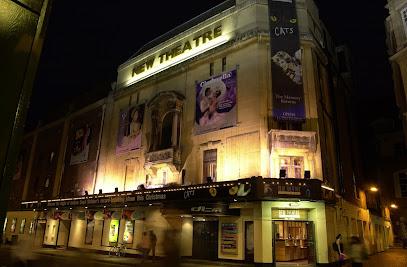
New Theatre Oxford
0.1 km
Historic art deco theatre in Oxford offering world-class musicals, opera, ballet, and live entertainment in a spacious, accessible venue.
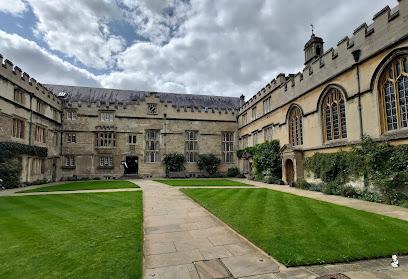
Jesus College
0.1 km
Historic Oxford college blending timeless tradition with modern charm in the heart of the city’s academic quarter.
Another time II
0.1 km
A contemplative iron statue by Antony Gormley perched atop Blackwell’s, blending modern art with Oxford’s historic streetscape.

Oxford Walking Tours
0.1 km
Step inside Oxford’s historic heart with expert-led walking tours from Trinity College, exploring iconic colleges, landmarks, and literary legends.
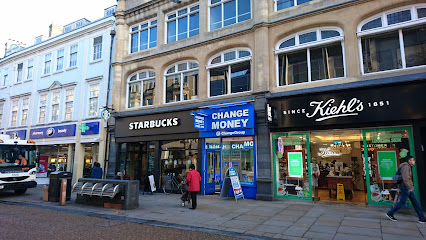
Clarendon Centre Oxford
0.1 km
Compact and convenient shopping in the heart of Oxford, linking Cornmarket and Queen Street with top high street brands and eateries.
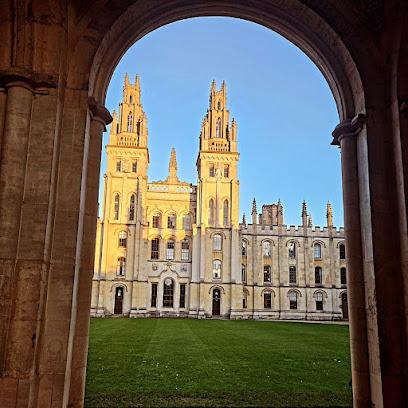
Balliol College
0.1 km
Step into centuries of academic tradition at Balliol College, Oxford’s oldest college with stunning architecture and tranquil gardens.
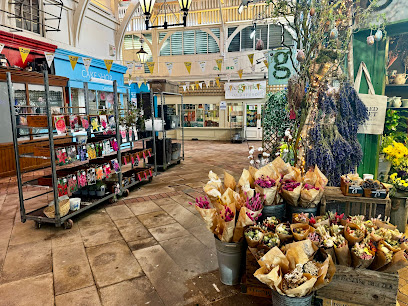
The Covered Market
0.2 km
Discover Oxford’s historic Covered Market: a vibrant arcade of independent shops, fresh produce, and unique local crafts beneath an iconic 18th-century roof.
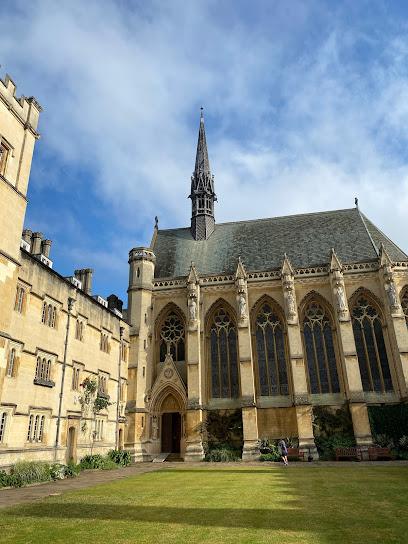
Exeter College
0.2 km
Discover centuries of academic tradition and stunning Gothic architecture at Exeter College, Oxford’s historic and tranquil university gem.
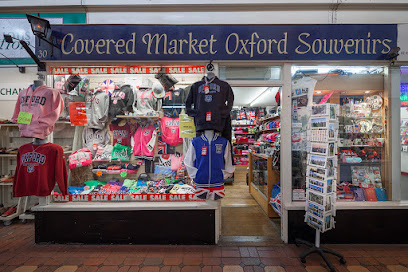
Oxford Souvenirs
0.2 km
Historic Oxford Covered Market: Over 50 independent shops and eateries under one iconic roof since 1774.
Essential places to dine

No.1 Ship Street
0.0 km
Elegant modern British brasserie in Oxford’s heart, famed for fresh seafood, grilled meats, and a cozy, intimate dining atmosphere.
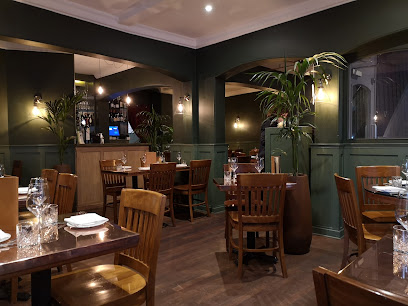
ASK Italian - Oxford
0.1 km
Vibrant Italian dining with stone-baked pizzas, fresh pasta, and seasonal specials in Oxford’s lively George Street hub.
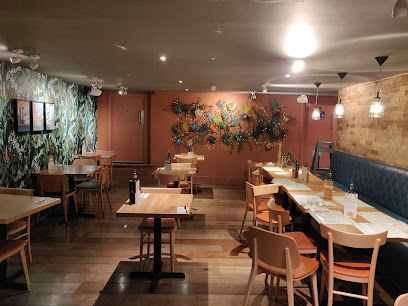
Bella Italia - Oxford
0.1 km
Experience authentic Italian flavors with warm service and a rustic ambiance in Oxford’s lively George Street.
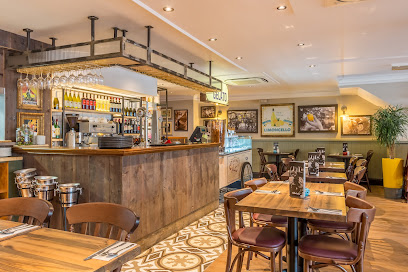
Turtle Bay Oxford
0.1 km
Experience the vibrant flavors and rhythms of the Caribbean in the heart of historic Oxford with bold dishes and tropical cocktails.

The Alice
0.2 km
Elegant British dining in the heart of Oxford, nestled within the historic Randolph Hotel opposite the Ashmolean Museum.
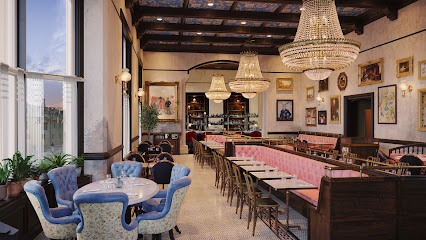
Red Lion Oxford
0.2 km
Historic Oxford gastropub blending traditional British hospitality with contemporary dining in the city centre.
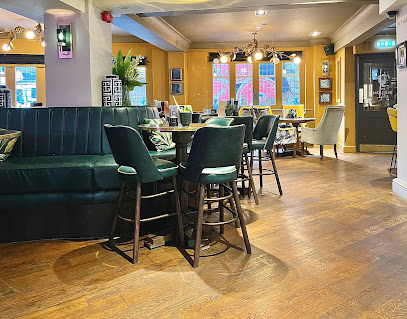
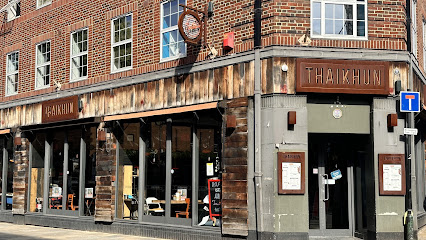
Thaikhun
0.2 km
Experience authentic Thai street food in a vibrant, colorful setting with generous portions and a welcoming atmosphere in Oxford’s city centre.
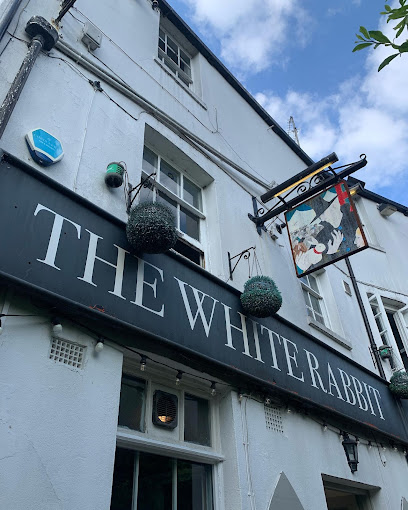
The White Rabbit
0.2 km
A lively Oxford pub serving exceptional thin-crust pizzas and local ales in a vibrant, quirky setting loved by students and locals alike.
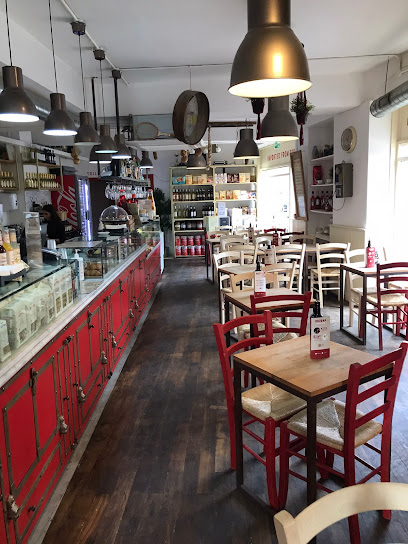
Bbuona
0.2 km
Experience authentic Roman-style pinsa and vibrant Italian flavours in the heart of Oxford at Bbuona Pinsa Bar.
Côte Oxford
0.2 km
Authentic French brasserie cuisine served in a warm, stylish setting at Oxford’s vibrant George Street.
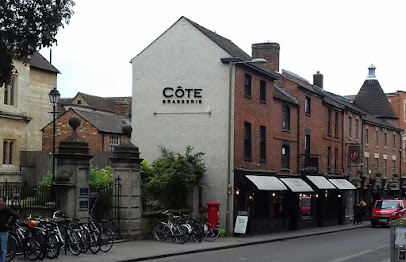
Chiang Mai Kitchen
0.2 km
Authentic Thai cuisine in a historic 17th-century Oxford alleyway, serving fresh, flavorful dishes for over 30 years.
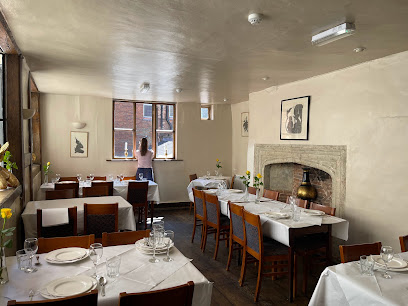
Ashmolean Rooftop Restaurant
0.2 km
Stylish rooftop dining atop Oxford’s Ashmolean Museum with panoramic city views and modern British cuisine.
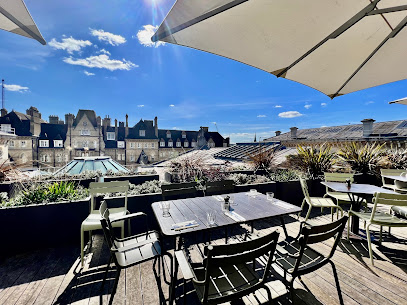
The Ivy Oxford Brasserie
0.3 km
Elegant British brasserie on Oxford’s High Street, blending art deco charm with impeccable service and a comforting, creative menu.
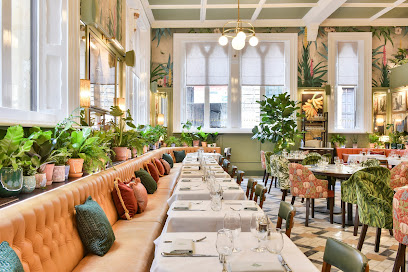
Gino's
0.3 km
Authentic Italian flavors and warm family-run charm await you in the heart of Oxford at Gino's Spaghetti House.
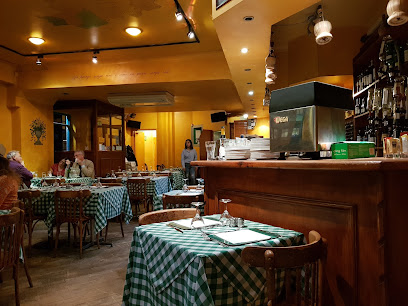
Banana Tree Oxford
0.3 km
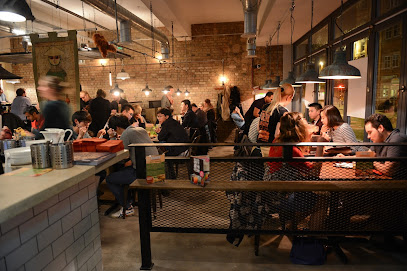
Lively Pan-Asian dining with extensive vegan options and vibrant flavors in the heart of Oxford’s George Street.
Markets, malls and hidden boutiques

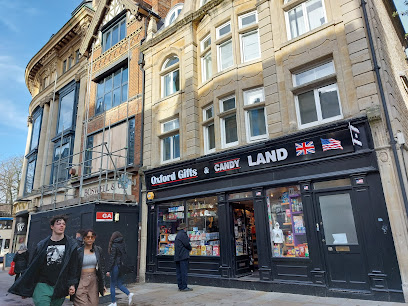
Oxford Gifts & Candyland
0.0 km
Explore unique gifts and delicious sweets at Oxford Gifts & Candyland, the heart of local craftsmanship in Oxford.
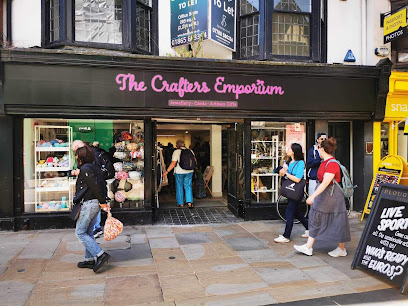
The Crafters Emporium
0.0 km
Discover unique handmade crafts and local artistry at The Crafters Emporium, Oxford’s charming gift shop on historic Cornmarket Street.
The Shop of Secrets
0.0 km
Discover magical collectibles and Harry Potter treasures in a warm, inviting Oxford shop with a personal touch.
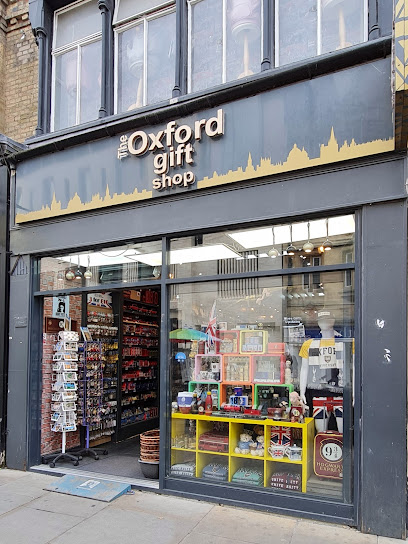
The Oxford Gift Shop
0.1 km
Discover unique Oxford souvenirs and local crafts in the heart of the city at The Oxford Gift Shop, open daily with a warm and welcoming atmosphere.
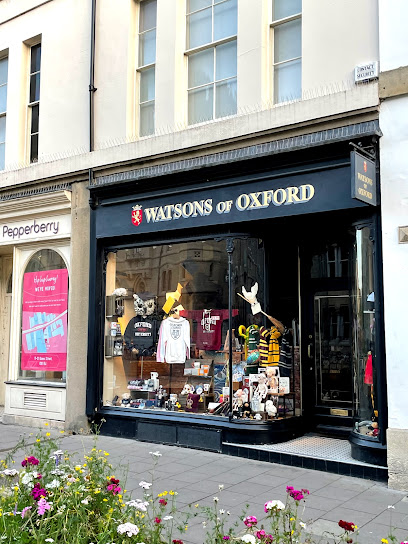
Watsons of Oxford
0.1 km
Discover unique gifts and local crafts in a charming Oxford shop offering authentic souvenirs and stylish finds in the city center.
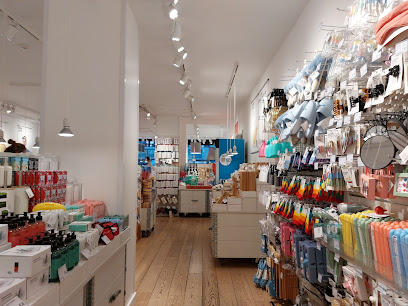
Flying Tiger Copenhagen
0.1 km
Discover quirky Danish design and colorful everyday essentials at Flying Tiger Copenhagen, Oxford’s lively variety store on Magdalen Street.
Broad Canvas
0.1 km
Oxford’s trusted art and craft supply store since 1981, offering expert advice and quality materials for artists and creatives.
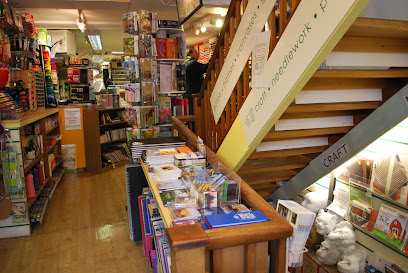
Cool Britannia
0.1 km
Discover authentic British souvenirs and unique gifts in the heart of Oxford at Cool Britannia, your go-to shop for memorable memorabilia and more.
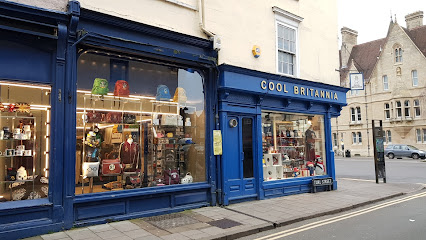
Objects of Use
0.2 km
Discover beautifully crafted, sustainable household tools and unique gifts at Objects of Use, Oxford’s modern hardware store with a global soul.
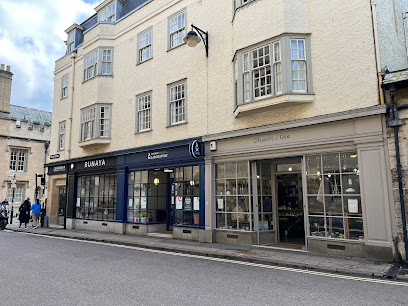
Crystal Spirit Emporium
0.2 km
Discover unique crystals, minerals, and artisanal gifts in Oxford’s historic Covered Market at Crystal Spirit Emporium.
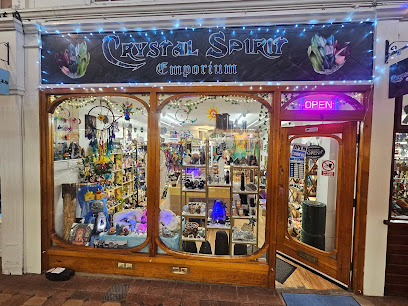
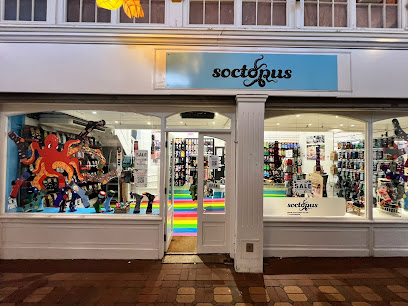
Soctopus
0.2 km
Discover quirky, personality-filled socks with British charm at Soctopus, nestled in Oxford’s historic Covered Market.
Space Store Oxford
0.2 km
Explore authentic space merchandise and immersive VR experiences in Oxford’s historic Covered Market at Space Store Oxford.

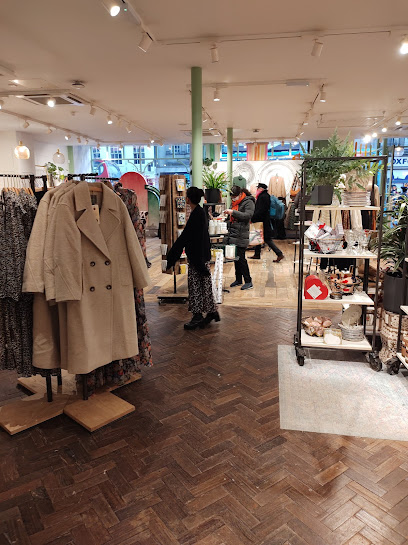
Anthropologie
0.2 km
A beautifully styled boutique on Oxford’s High Street, offering women’s fashion, accessories, and unique home décor in a relaxed, bohemian-chic atmosphere.
Goodies Oxford
0.2 km
Discover curated clothing and timeless style at Goodies, a vibrant boutique in Oxford’s historic Covered Market.

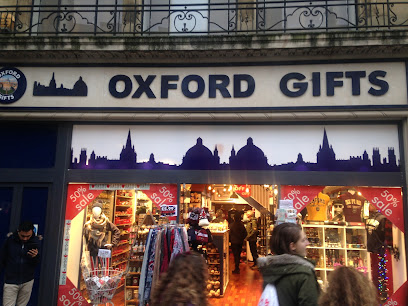
Oxford Gifts
0.2 km
Explore Oxford Gifts for unique souvenirs, artisanal crafts, and local delicacies that celebrate the charm of Oxford.
Essential bars & hidden hideouts

The Three Goats Heads Pub
0.1 km
A historic Oxford pub offering traditional ales, hearty food, and a relaxed, phone-free atmosphere in a charming Victorian setting.
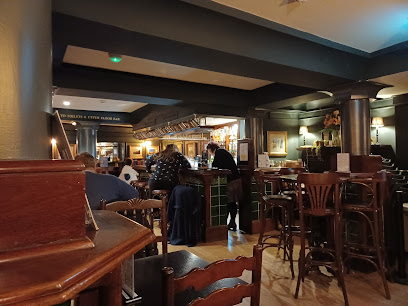
The Grapes
0.1 km
A classic Oxford pub renowned for award-winning ales, hearty food, and warm, friendly hospitality in a historic city-center setting.
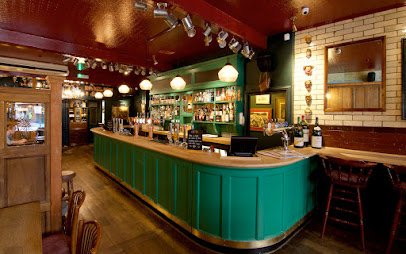
The Varsity Club
0.2 km
Experience Oxford’s best rooftop views and vibrant nightlife at The Varsity Club, a stylish multi-floor venue blending cocktails, music, and cityscape charm.
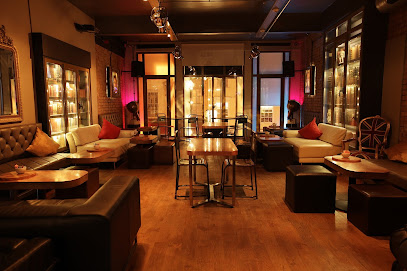
Hanks Bar
0.2 km
Experience Oxford’s vibrant nightlife at Hanks Bar, where classic American style meets energetic dance floors and expertly crafted cocktails.
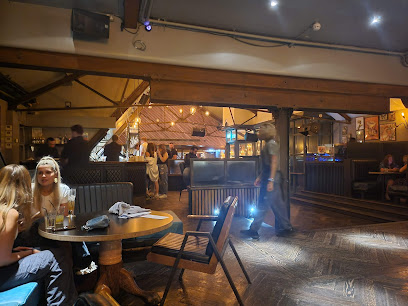
White Horse
0.2 km
A classic Oxford pub on Broad Street offering cozy charm, well-kept ales, and a taste of local history and culture.
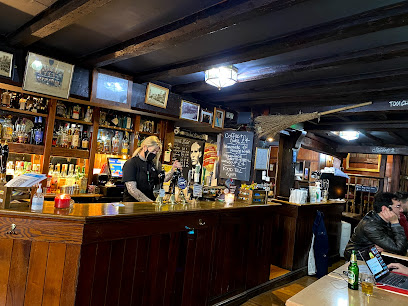
All Bar One Oxford
0.2 km
Lively and stylish wine bar on Oxford’s High Street, perfect for drinks, sharing plates, and social gatherings in a vibrant city setting.
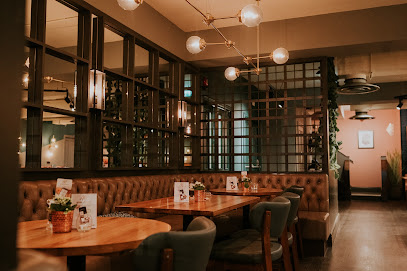
Cow & Creek
0.3 km
A vibrant Oxford pub blending funky neon vibes with hearty burgers, local brews, and a lively social scene for day and night enjoyment.
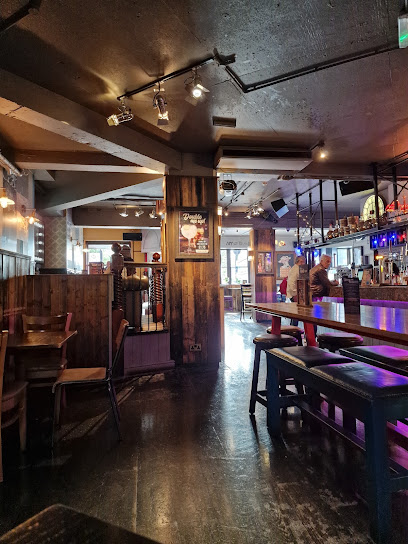
St Aldates
0.3 km
A vibrant Oxford city centre pub serving quality ales, homemade food, and hosting lively events in a welcoming, historic setting.
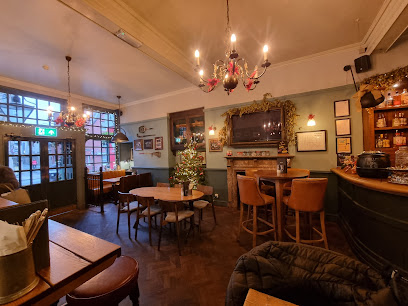
The House
0.3 km
A vibrant cocktail bar in Oxford’s Wheatsheaf Yard, blending expertly crafted drinks with a lively garden and stylish atmosphere.
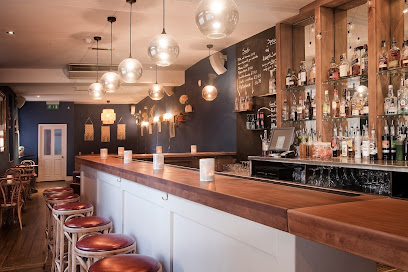
OXO BAR
0.3 km
A stylish and lively cocktail bar in Oxford’s heart, known for expertly crafted drinks and a vibrant social atmosphere.
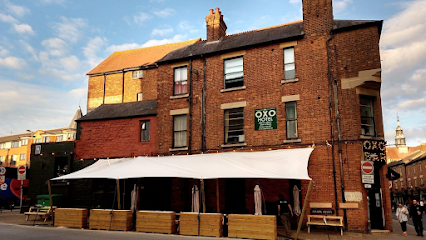
Slug & Lettuce - Oxford
0.3 km
Vibrant cocktail bar and restaurant set within historic Oxford Castle, offering stylish drinks, global cuisine, and lively brunches in a chic, welcoming atmosphere.
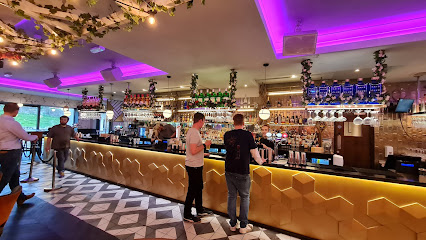
King's Arms, Oxford
0.3 km
Oxford’s oldest pub since 1607, famed for its literary heritage, academic ties, and ghostly whispers in a historic setting.
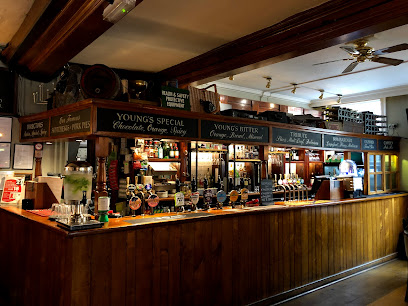
The Royal Blenheim
0.3 km
A historic Oxford pub renowned for exceptional real ales, hearty food, and a welcoming atmosphere blending tradition with modern charm.
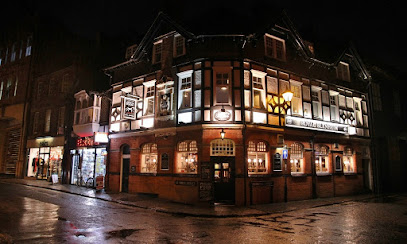
The Lighthouse
0.4 km
A stylish riverside cocktail bar and tapas restaurant blending classic charm with modern flair in the heart of Oxford.
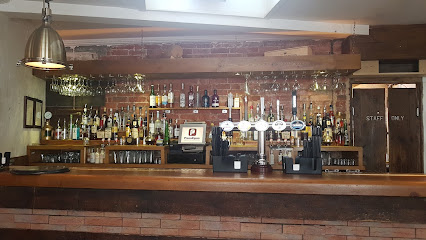
Thirst Bar
0.5 km
Lively cocktail bar and nightclub in Oxford with expert bartenders, heated outdoor terrace, and a vibrant late-night atmosphere.
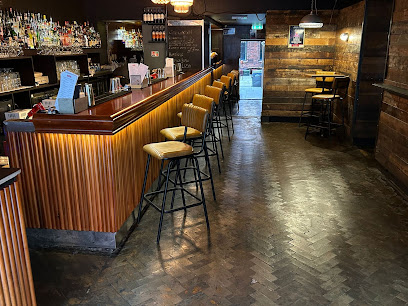
Nightclubs & after hour spots

Plush Oxford
0.1 km
Experience Oxford’s vibrant, inclusive nightlife hotspot with great music, cocktails, and a welcoming atmosphere at Plush Oxford.
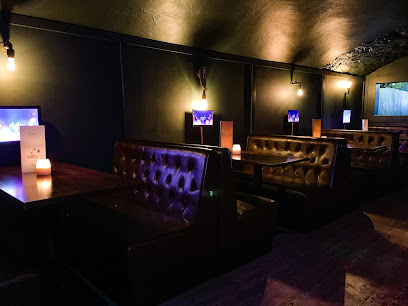
Fever Oxford
0.1 km
Experience Oxford’s vibrant nightlife at Fever, a multi-room nightclub blending live DJs, dynamic music, and a lively party atmosphere.

ATIK Oxford
0.5 km
Oxford’s largest nightclub with diverse music rooms, vibrant atmosphere, and strong security, offering a late-night hub for students and locals alike.
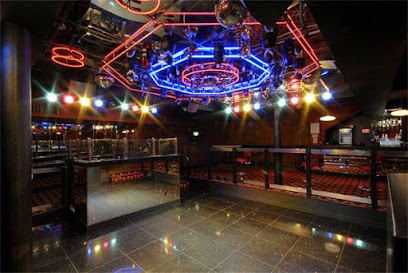
Oxford Leisure Ltd
0.5 km
Experience Oxford’s vibrant nightlife with dynamic music, themed events, and a lively dance floor at Oxford Leisure Ltd.

Kiss Bar
0.5 km
An intimate late-night club in Oxford known for its vibrant atmosphere and close-knit party scene until its recent closure.
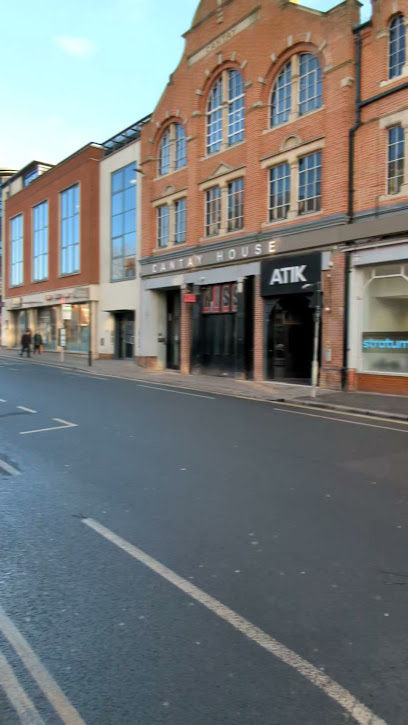
The Bridge Nightclub
0.5 km
Oxford’s lively student-focused nightclub with diverse music, multiple dance floors, and a spacious pub garden for late-night socializing.
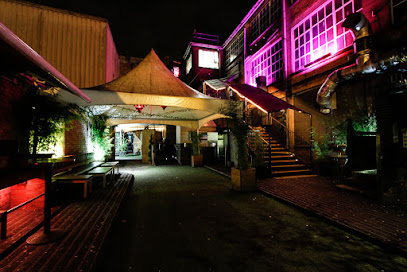
Mirage Aylesbury
31.4 km
Experience Aylesbury’s vibrant nightlife at Mirage, a lively nightclub offering music, dancing, and late-night fun in the heart of town.
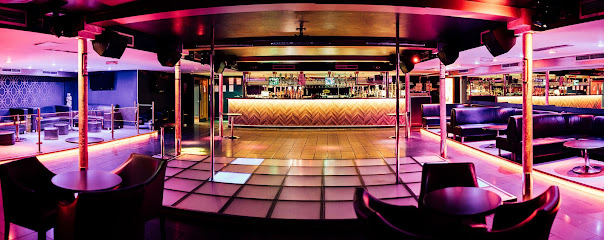
The Venue, Bucks
37.5 km
Experience High Wycombe’s vibrant nightlife at The Venue, Bucks – a lively nightclub with great music, friendly staff, and a welcoming atmosphere.

Trilogy Nightclub High Wycombe
37.6 km
A lively multi-room nightclub in High Wycombe offering dynamic music, vibrant crowds, and late-night fun on Paul’s Row.

TWC
37.7 km
Experience the vibrant nightlife and energetic party scene at TWC, Aylesbury’s premier nightclub destination.
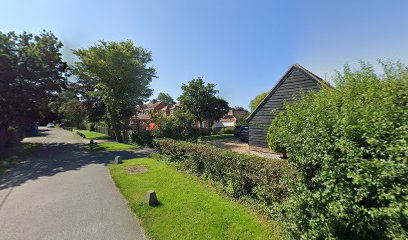
Popworld - Reading
38.4 km
A vibrant pop-themed nightclub in Reading’s city centre, where retro beats meet neon-lit fun for unforgettable nights.

Reading Lola Lo
38.4 km
Experience Reading’s premier tiki-themed nightclub with vibrant cocktails, lively music, and a unique Polynesian atmosphere on Friar Street.
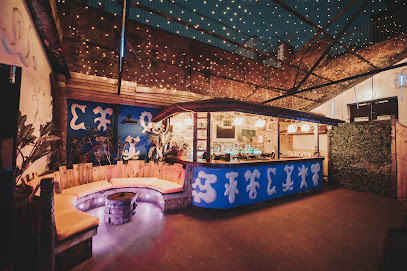
Q Club
38.5 km
Experience Reading’s energetic nightlife at Q Club, a lively nightclub and bar offering music, drinks, and late-night fun on Friar Street.

Gun Street Garden
38.7 km
Experience Reading’s vibrant nightlife in an urban jungle-themed club with diverse music, rooftop bar, and VIP lounges.

Diligence
40.4 km
Experience the vibrant nightlife and dynamic music scene at Diligence, High Wycombe’s energetic nightclub on London Road.

For the vibe & atmosphere seeker
- Historic
- Tranquil
- Scenic
- Unique
For the design and aesthetic lover
- Vintage Styles
For the architecture buff
- Historic
- Landmarks
- Sacred Sites
For the view chaser and sunset hunter
- Iconic Views
- Panoramas
- Skyline
For the social media creator & influencer
- Instagrammable
- Photo Spots
- Selfie Spots
- Architectural Shots
For the eco-conscious traveler
- Public-Transport Accessible
- Locally Managed
For the kind of experience you’re after
- Cultural Heritage
- Photowalk
- Day Trip
- Weekend Getaway
- Myth & Legends
For how adventurous you want the journey to be
- Easy Access
Location Audience
- Family Friendly
- Senior Friendly
- Child Friendly
- Teen Friendly
- Wheelchair Access
- Solo Friendly
- Couple Friendly
- Solo Female Friendly


