Folly Bridge, Oxford Travel Guide
Free Guide: Historic stone bridge over the Thames in Oxford, blending rich medieval heritage with scenic river views and literary lore.


A brief summary of Folly Bridge
Historic stone bridge over the Thames in Oxford, blending rich medieval heritage with scenic river views and literary lore.
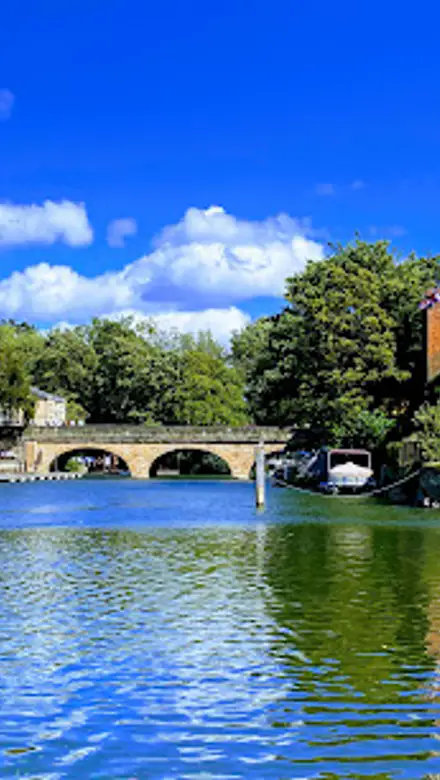
Folly Bridge is a historic stone bridge spanning the River Thames in Oxford, England, connecting the city centre with the Grandpont suburb. Built between 1825 and 1827 by architect Ebenezer Perry, it stands on the site of a medieval crossing dating back to Saxon times. The bridge offers scenic river views, rich history including links to Roger Bacon and Lewis Carroll, and remains a vital thoroughfare and cultural landmark in Oxford.
On-site amenities
 Restrooms
 Drink options
 Food options
 Seating areas
 Trash bins
 Information boards
Opening hours
- Every dayOpen 24 hours
Opening hours as listed on the venue’s Google Business Profile. Hours can change for services and special events, so check with the venue before you go.
- Address
- Abingdon Rd, Oxford OX1 4LB
Getting there
Bus
Walking
Taxi
Discover more about Folly Bridge
Ancient Origins and Strategic Importance
Folly Bridge occupies a site of great historical significance, believed to be where oxen once forded the River Thames—known locally as the Isis—giving Oxford its name. The first stone bridge here was constructed around 1085 by Robert d'Oilly, a Norman lord who also built Oxford Castle. Prior to this, a wooden bridge or ford likely existed during Saxon times. The bridge was originally called South Bridge and formed part of a long causeway called Grandpont, which spanned marshy meadows prone to flooding. This causeway was crucial in connecting Oxford to southern regions, facilitating trade and travel.
Medieval Structures and Notable Residents
In medieval times, a defensive gatehouse with portcullis and drawbridge guarded the southern approach to Oxford on the bridge. This tower became famous as "Friar Bacon's Study," associated with the 13th-century scholar Roger Bacon, who reputedly used it as an observatory. The tower was later expanded in the early 17th century and dubbed "Welcome's Folly," which inspired the bridge's current name. Though the tower was demolished in 1779 to accommodate increased traffic, its legacy endures in the bridge's name and local lore.
19th-Century Rebuilding and Architectural Features
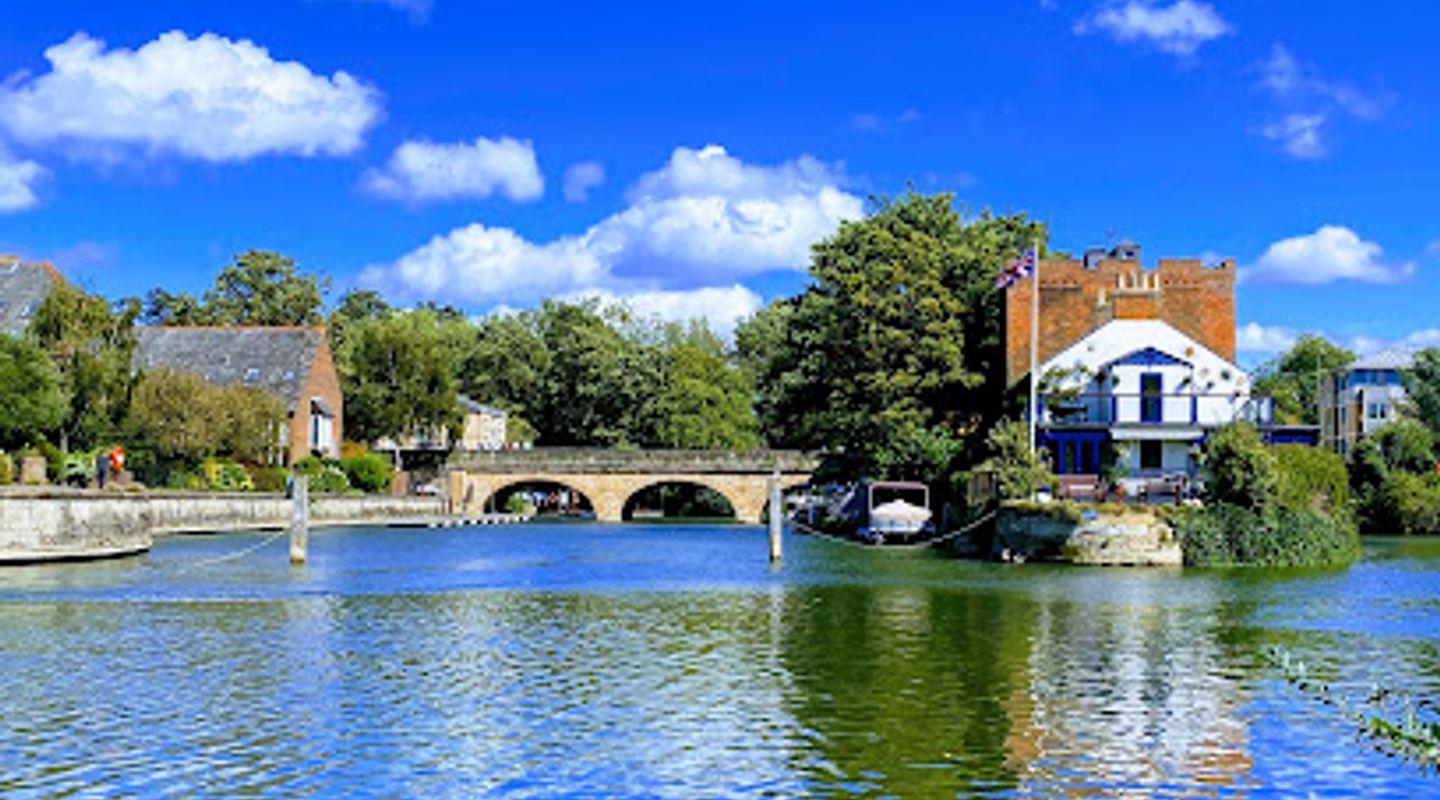
By the late 18th century, the original bridge had become dilapidated and inadequate for growing traffic. Between 1825 and 1827, Ebenezer Perry, a London architect, designed the current elegant stone bridge. It consists of two sections separated by Folly Bridge Island, over which the River Thames flows. The bridge features classic early 19th-century stone arches with triangular cutwaters that protect the structure from river currents and ice. It remains a functional road bridge carrying Abingdon Road while offering picturesque views upstream toward Christ Church Meadow.
Literary and Cultural Connections
Folly Bridge is closely linked to Oxford’s rich literary heritage. Charles Lutwidge Dodgson, better known as Lewis Carroll, is said to have embarked on boating excursions from the bridge, inspiring parts of his famous work, "Alice’s Adventures in Wonderland." The surrounding area has long been a hub for rowing and boating, with many university boathouses nearby. The bridge and its environs continue to attract locals and tourists who enjoy the blend of history, culture, and natural beauty.
Folly Bridge Island and Unique Landmarks
Folly Bridge Island, lying between the two parts of the bridge, has its own story. In the mid-19th century, the river course was altered to improve navigation and land use, reducing the island's size. On the island stands Caudwell’s Castle, a small, whimsical structure built in 1849 by artist and boatbuilder Joseph Caudwell. Its fairytale turrets and sculptures add charm to the site, making it a distinctive landmark visible from the bridge.
Modern-Day Experience and Surroundings
Today, Folly Bridge is a bustling urban crossing and a scenic vantage point. It is adjacent to the historic Folly pub, a popular spot for dining and river views. Pedestrians enjoy narrow footpaths that offer intimate views of the Thames and the surrounding green spaces. The bridge connects central Oxford with southern neighborhoods and remains integral to city life, blending centuries of history with contemporary culture and natural tranquility.
Evendo Review Centre
 Google
Guest reviews
Best time to go
Quietest: Jan, Feb & Dec · before 6am or from 11pm
Busy times are Evendo estimates for a typical year, to help you plan. Actual crowds vary with events, school holidays and the weather.
Explore Folly Bridge on the map
A handpicked selection of must-see spots near Folly Bridge, mapped for you.
Get your free copy of our complete guide to Folly Bridge, delivered straight to you.
Everything on this page, from opening hours and how to get there to Eve’s tips and the best time to go, in one PDF you can read offline, print or share.
Already have an account? Sign in
Your Folly Bridge guide is ready.
We'll send it to · Not you? Sign out

Getting your guide ready…
We are putting together a fresh copy of the Folly Bridge guide. This can take up to a minute.
This can take a few moments. If your browser asks, choose Allow so the download can start. You'll find the guide in your Downloads folder.
Nothing happened? Download it again
Sorry, the guide is taking longer than usual. Please try again in a minute, or get it by email instead.
Unlock the best of Folly Bridge
Skip-the-line tickets, guided tours with entry, and walking tours of the area, booked in a few clicks.


Other nearby places you may find interesting
The closest places of the same kind, if this one is not quite what you had in mind.
-
-
-
-
-


Swipe for more places
More to explore near Folly Bridge

 Best experiences near Folly Bridge
 Best hotels near Folly Bridge
 Best landmarks near Folly Bridge
 Best attractions near Folly Bridge
 Best shops near Folly Bridge
 Best restaurants near Folly Bridge
 Best bars near Folly Bridge
Do you manage this location?
Take control to get all the benefits, like improved information, better appearance, and stronger visibility across AI-powered discovery.
Explore more

Explore more of Oxford
Discover Oxford, the City of Dreaming Spires – where historic academia meets vibrant culture. Explore its ancient colleges, museums, and scenic waterways for an unforgettable visit.
Explore Oxford
Explore more of United Kingdom
Discover the United Kingdom: A blend of rich history, stunning landscapes, and vibrant cities, offering a unique travel experience for every visitor.
Explore United Kingdom