Magdalen Bridge, Oxford Travel Guide
Historic stone bridge over the River Cherwell, blending centuries of architecture, culture, and Oxford traditions.
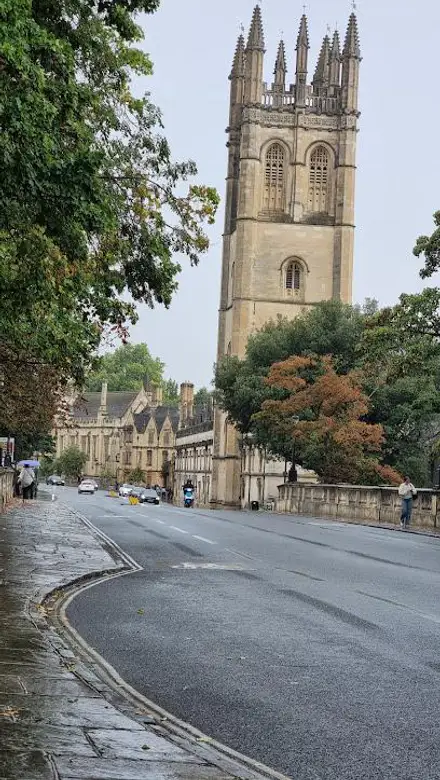
Magdalen Bridge is a historic stone bridge spanning the River Cherwell in Oxford, England, adjacent to Magdalen College. Originally referenced in 1004, the current structure was designed by John Gwynn and built between 1772 and 1790. It connects Oxford’s High Street with The Plain and is renowned for its elegant arches and role in local traditions such as the May Morning celebrations.
A brief summary to Magdalen Bridge
- Oxford, GB
- Duration: 0.5 to 2 hours
- Free
-
 Outdoor
- Mobile reception: 5 out of 5

Know before you go
Hi, I'm Eve. Here are a few practical things to know before exploring Magdalen Bridge.
- Visit early on May Morning to experience the traditional choir singing from Magdalen College Tower.
- Enjoy scenic views of the River Cherwell and the college grounds from the bridge’s pedestrian walkways.
- Explore nearby Addison’s Walk and the deer park within Magdalen College grounds for a peaceful retreat.
- Photograph the elegant arches and historic stonework, especially during golden hour for best light.
Do you manage this location?
Take control to get all the benefits, like improved information, better appearance, and stronger visibility across AI-powered discovery. Learn more about listing your business on Evendo
Activate your presenceOther nearby places you may find interesting
The closest places of the same kind, if this one is not quite what you had in mind.

Explore Magdalen Bridge on the Map
A handpicked selection of must-see spots near Magdalen Bridge, mapped for you.
Unlock the Best of Magdalen Bridge
Buy tickets
-
No tickets available
Book tours with entry

Book tours without entry
-
No tours available
Getting There
-
Bus
Take Oxford Bus Company routes 2 or 2A from the city center to The Plain stop, a 5-10 minute ride. Buses run frequently during the day with tickets costing around £2-£3.
-
Walking
From Oxford city center, a pleasant 20-30 minute walk along the High Street leads directly to Magdalen Bridge. The route is mostly flat and suitable for all fitness levels.
-
Taxi
Local taxi services can reach Magdalen Bridge from central Oxford within 5-10 minutes, with fares typically between £5-£10 depending on time and traffic.
For the on-the-go comforts that matter to you
-
 Seating Areas
-
 Information Boards
Discover more about Magdalen Bridge
A Timeless Crossing with Ancient Roots
Magdalen Bridge stands as a vital crossing point over the River Cherwell, with origins dating back over a millennium. The earliest known reference to a bridge here is from 1004, when a wooden trestle or drawbridge likely spanned the river. By the 16th century, this had been replaced by a substantial stone bridge approximately 460 meters long, consisting of about twenty arches. This medieval structure served as a critical link between Oxford’s center and its eastern districts, facilitating trade, travel, and communication.Architectural Evolution and 18th-Century Rebirth
The original stone bridge eventually became unsafe due to flooding and insufficient maintenance. After parts of it collapsed in 1772, the current Magdalen Bridge was commissioned under the Oxford Improvement Act of 1771. Designed by John Gwynn of Shrewsbury, the new bridge was constructed between 1772 and 1790. It features eleven arches of varying sizes, including large semicircular arches over the river’s two branches and smaller arches over the towpaths. The bridge was originally 27 feet wide, accommodating a single roadway and pavements, and was later widened in 1882 to support tramway tracks while retaining Gwynn’s design aesthetic.Connections to Magdalen College and Local Traditions
Adjacent to Magdalen College, founded in 1458 by William of Waynflete, the bridge shares its name and pronunciation with the college. The area is steeped in tradition, most famously the May Morning celebration, where crowds gather on the bridge and nearby streets to hear the Magdalen College Choir sing from the college’s Great Tower at dawn. This event blends ancient pagan customs with Christian heritage, symbolizing the arrival of spring and the fertility of the season.Cultural Significance and Architectural Details
Magdalen Bridge is more than a functional crossing; it is a cultural landmark. Its plain balustrade, designed by John Townesend, replaced an originally planned elaborate decoration featuring sculptures and sphinxes. Despite this simplification, the bridge’s sturdy stonework and elegant arches have earned it recognition as a quintessential example of 18th-century bridge design. Over time, the balustrades have been replaced due to environmental wear, but the bridge’s historic character remains intact.Modern Role and Visitor Experience
Today, Magdalen Bridge continues to serve as a key pedestrian and vehicular route connecting central Oxford to eastern neighborhoods. The bridge offers picturesque views of the River Cherwell and the college grounds, including the deer park and Addison’s Walk. Visitors can appreciate the blend of history, architecture, and vibrant local life that surrounds this iconic structure. The riverbanks beneath the bridge provide spots for relaxation and recreation, enriching the visitor experience.Legacy in Oxford’s Urban Fabric
Magdalen Bridge’s enduring presence reflects Oxford’s layered history, from early settlement patterns influenced by the river’s topography to the city’s growth as a center of learning and culture. Its name, pronunciation, and associations with Mary Magdalen highlight the intertwining of religious, educational, and social narratives that define Oxford. As both a practical infrastructure and a symbol of the city’s heritage, Magdalen Bridge remains a cherished landmark for residents and visitors alike.












Your all‑in‑one travel companion app
Explore expert travel guides, compare and book tours, experiences, hotels, and more—all from the palm of your hand. Download now for seamless trip planning wherever your wanderlust takes you.


Explore More of Oxford

Looking beyond Magdalen Bridge? Discover Oxford for broader travel guides, local hot-spots, and regional highlights.
Explore Oxford