

Willow Tree, Oxford Travel Guide
Free Guide: Oxford's iconic riverside willow—a solitary natural landmark where history, romance, and tranquillity converge.


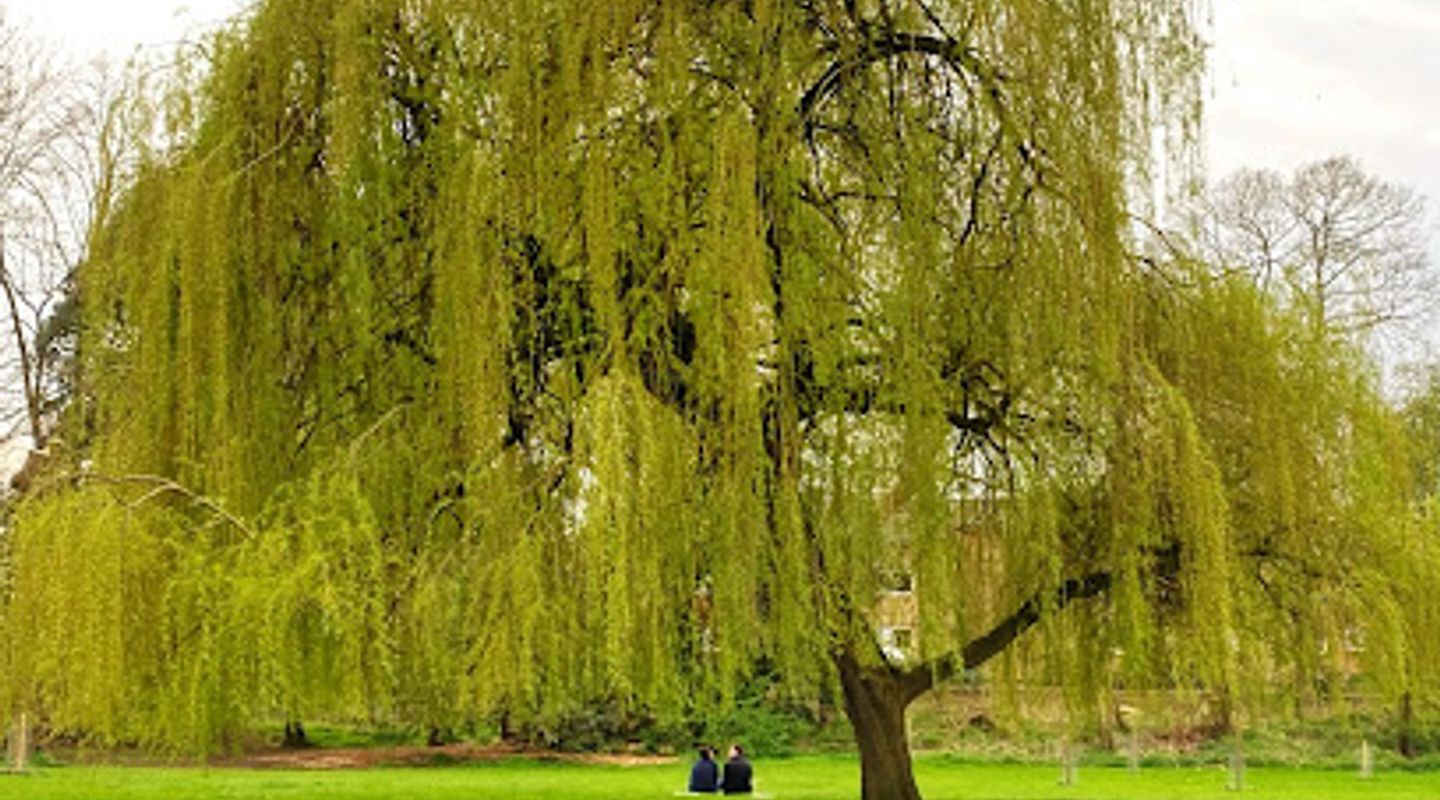
A brief summary of Willow Tree
Oxford's iconic riverside willow—a solitary natural landmark where history, romance, and tranquillity converge.
A solitary, majestic willow stands at the water's edge within Christ Church Meadow, its sprawling roots creating an iconic natural landmark that has become a cherished destination for visitors and locals alike. This tranquil riverside spot offers a peaceful retreat where history, nature, and romance converge, making it an unforgettable focal point for walks, photographs, and quiet reflection in the heart of Oxford.
On-site amenities
 Seating areas
 Trash bins
 Information boards
 Drinking water
Opening hours
- Every dayOpen 24 hours
Opening hours as listed on the venue’s Google Business Profile. Hours can change for services and special events, so check with the venue before you go.
- Address
- Christ Church Meadow Walk, Oxford OX1
Getting there
Walking from Oxford City Centre
Public Transport from Oxford Railway Station
Alternative Meadow Entrances
Parking and Driving
Discover more about Willow Tree
A Solitary Icon Along the Riverside
The Willow Tree stands as one of Oxford's most distinctive natural landmarks, positioned along the Christ Church Meadow Walk with its gnarled roots sprawling dramatically across the water's edge. This majestic specimen has become a cultural touchstone for the city, drawing visitors from across the world who come specifically to witness its imposing presence and timeless beauty. The tree's solitary position creates an almost meditative quality, offering an incomparable sense of tranquillity to those who pause to observe it.
Gateway to Historic Meadowland
Located within Christ Church Meadow, a vast open space that has served Oxford for centuries, the Willow Tree sits at the confluence of two rivers—the Cherwell and the Thames (locally known as the Isis). The meadow itself dates back to medieval times and has evolved from a grazing area into one of Oxford's most cherished green spaces. The tree's position along the riverside pathways makes it an integral part of the meadow's character, visible from multiple vantage points including the boat houses and accessible via the well-maintained walking trails that wind through the landscape.
A Destination for Romance and Reflection
The Willow Tree has earned a reputation as a place of significance for personal moments. Many visitors report traveling to Oxford specifically to visit this tree, and countless engagement stories are woven into its history. The tree's graceful form and serene waterside setting create an atmosphere conducive to quiet contemplation, romantic gestures, and meaningful pauses during riverside walks. Its presence has inspired photographers, writers, and visitors seeking a connection to Oxford's natural heritage.
Ecological and Botanical Significance
As a mature willow, this tree represents centuries of growth and adaptation to its riverside environment. The species thrives in the damp conditions provided by proximity to the rivers, and its distinctive drooping branches and root system have become visually synonymous with the Oxford landscape. The tree requires regular maintenance—including periodic pollarding—to preserve its iconic silhouette and ensure its continued health. The meadow surrounding it supports diverse wildlife, including waterfowl such as swans and ducks, creating a rich ecological setting.
Integration Within the Broader Meadow Experience
The Willow Tree functions as both a standalone destination and a highlight within the larger Christ Church Meadow walking experience. The meadow itself offers approximately 1.5 to 3 kilometres of well-maintained pathways, with the tree positioned as a natural focal point along the riverside sections. Visitors often encounter the tree as part of a broader exploration of the meadow, which includes views of historic college architecture, riverside benches for rest and observation, and access to the broader Oxford city center just beyond the meadow's boundaries.
Evendo Review Centre
 Google
Guest reviews
Best time to go
Quietest: Jan, Feb & Dec · before 6am or at 9pm
Busy times are Evendo estimates for a typical year, to help you plan. Actual crowds vary with events, school holidays and the weather.
Explore Willow Tree on the map
A handpicked selection of must-see spots near Willow Tree, mapped for you.
Get your free copy of our complete guide to Willow Tree, delivered straight to you.
Everything on this page, from opening hours and how to get there to Eve’s tips and the best time to go, in one PDF you can read offline, print or share.
Already have an account? Sign in
Your Willow Tree guide is ready.
We'll send it to · Not you? Sign out

Getting your guide ready…
We are putting together a fresh copy of the Willow Tree guide. This can take up to a minute.
This can take a few moments. If your browser asks, choose Allow so the download can start. You'll find the guide in your Downloads folder.
Nothing happened? Download it again
Sorry, the guide is taking longer than usual. Please try again in a minute, or get it by email instead.
Other nearby places you may find interesting
The closest places of the same kind, if this one is not quite what you had in mind.
-
-
-
-
-


Swipe for more places
More to explore near Willow Tree

 Best experiences near Willow Tree
 Best hotels near Willow Tree
 Best landmarks near Willow Tree
 Best attractions near Willow Tree
 Best shops near Willow Tree
 Best restaurants near Willow Tree
 Best bars near Willow Tree
Do you manage this location?
Take control to get all the benefits, like improved information, better appearance, and stronger visibility across AI-powered discovery.
Explore more

Explore more of Oxford
Discover Oxford, the City of Dreaming Spires – where historic academia meets vibrant culture. Explore its ancient colleges, museums, and scenic waterways for an unforgettable visit.
Explore Oxford
Explore more of United Kingdom
Discover the United Kingdom: A blend of rich history, stunning landscapes, and vibrant cities, offering a unique travel experience for every visitor.
Explore United Kingdom
