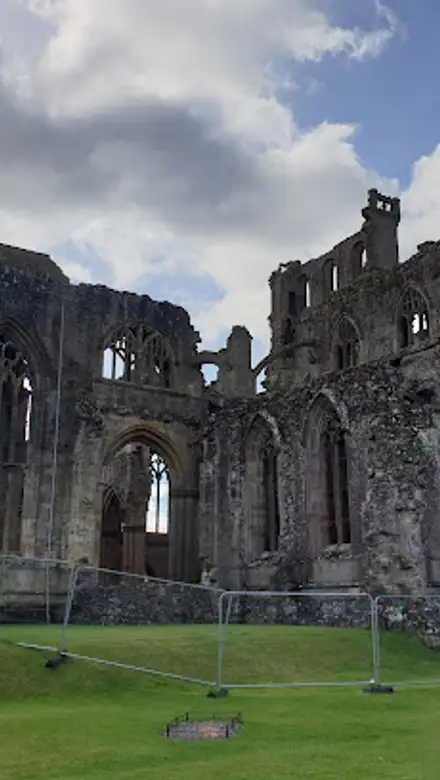
Melrose Abbey Travel Guide
Free Guide: Explore the hauntingly beautiful ruins of Melrose Abbey, final resting place of Robert the Bruce’s heart and one of Scotland’s finest medieval abbeys.


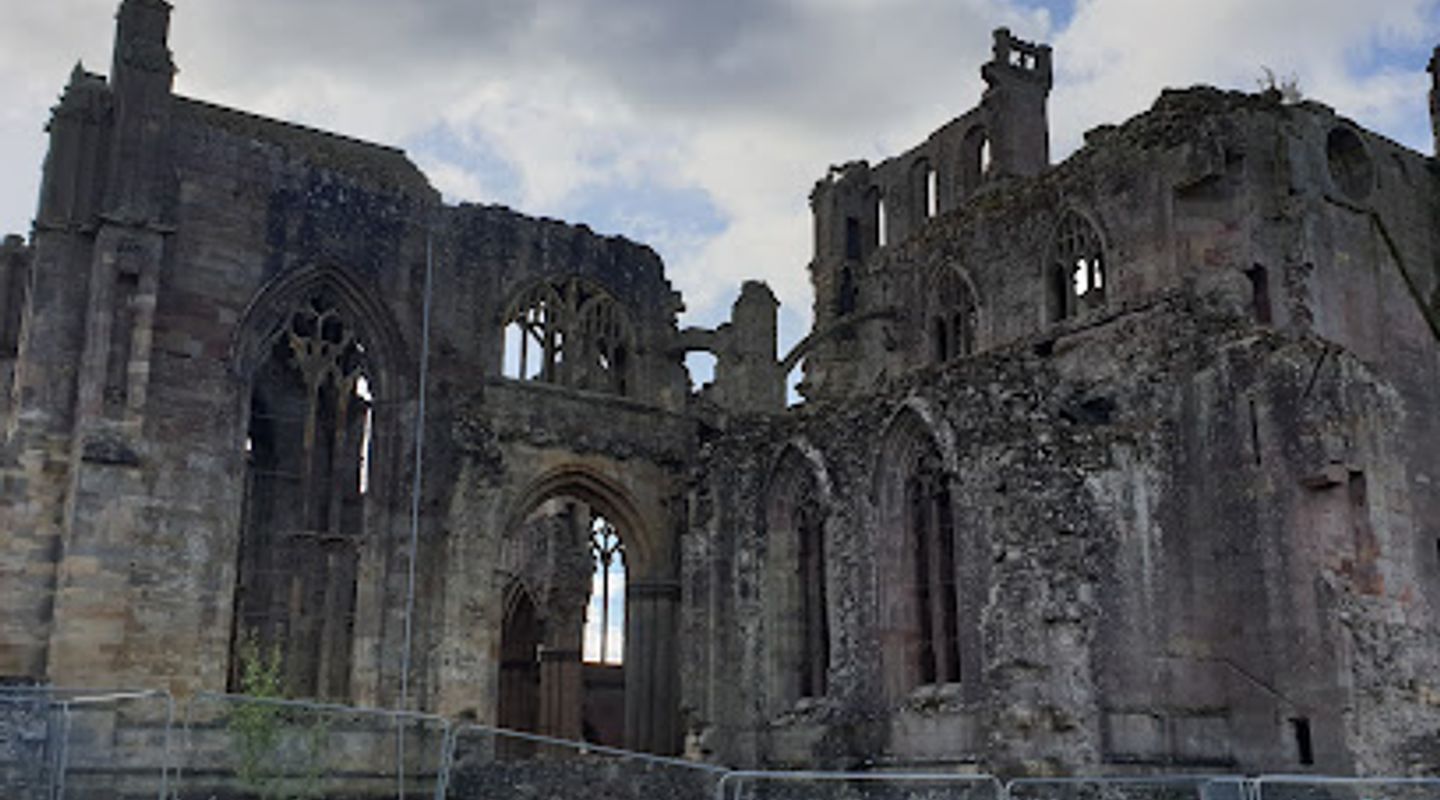
A brief summary of Melrose Abbey
Explore the hauntingly beautiful ruins of Melrose Abbey, final resting place of Robert the Bruce’s heart and one of Scotland’s finest medieval abbeys.
Melrose Abbey is one of Scotland’s most famous and atmospheric medieval ruins, a graceful Cistercian abbey founded in 1136 in the heart of the Scottish Borders. Though much of the church is currently closed for conservation, the surrounding grounds, cloister and museum remain open, offering a haunting glimpse into centuries of monastic life, royal legend and intricate stone carving. The abbey is best known as the traditional burial place of Robert the Bruce’s heart, marked by a commemorative stone in the peaceful cemetery. Its elegant Gothic architecture, playful gargoyles (including the famous pig playing bagpipes) and tranquil riverside setting make it a must-visit for history lovers and photographers alike.
On-site amenities
 Restrooms
 Drinking water
 Seating areas
 Trash bins
 Information boards
 Visitor centre
Opening hours
- Every day9:30 am–5 pm
Opening hours as listed on the venue’s Google Business Profile. Hours can change for services and special events, so check with the venue before you go.
- Address
- Abbey St, Melrose TD6 9LG
- Phone
- Website
Getting there
On foot from Melrose town
By car
By public transport
By bicycle
Discover more about Melrose Abbey
A Grand Ruin in the Borders
Founded in 1136 by King David I for the Cistercian order, Melrose Abbey quickly became one of Scotland’s wealthiest and most important monasteries. Its location in the fertile Tweed Valley, close to the volatile Anglo-Scottish border, meant it endured repeated attacks and fires over the centuries. The original 12th-century church was largely destroyed in the 14th century, and the graceful ruins visible today date mainly from a 15th-century rebuilding. Despite its ruined state, the abbey’s east end, with its soaring windows and delicate tracery, is considered among the finest examples of late Gothic architecture in Scotland.
Robert the Bruce’s Heart
The abbey’s most enduring legend is its connection to Robert the Bruce. After his death in 1329, his heart was removed and carried on crusade by Sir James Douglas, but was eventually brought back and buried at Melrose, fulfilling the king’s wish to be laid to rest in this beloved place. A carved stone plaque in the grounds marks the traditional burial spot of the king’s heart, making it a site of quiet pilgrimage and reflection. The discovery of a lead casket in 1921, believed to contain Bruce’s embalmed heart, only deepened the site’s historical resonance.
Artistry in Stone
Melrose Abbey is a feast for the eyes, with lavishly decorated stonework that blends solemn religious imagery with whimsical detail. The cloister arcade and chapter house are adorned with intricate carvings of saints, biblical scenes and foliage, while the exterior is studded with grotesque and humorous gargoyles. Among the most famous is the pig playing bagpipes, a delightful example of medieval masons’ sense of humour. These carvings not only served to ward off evil spirits but also offered moral lessons and stories to a largely illiterate congregation.
Grounds, Museum and Atmosphere
The abbey grounds, cloister and Commendator’s House museum remain open to visitors, even when the main church is closed for conservation work. The museum displays a rich collection of medieval objects unearthed during excavations, including architectural fragments, grave slabs and everyday monastic items. The surrounding cemetery and cloister walkways create a peaceful, contemplative atmosphere, with the River Tweed nearby adding to the sense of quiet beauty. Informative panels and an audio guide help bring the site’s complex history to life.
Visiting Today
Melrose Abbey is easily reached on foot from the charming town of Melrose, with good views of the ruins from the surrounding streets and riverbanks. While the interior of the church may be closed at times for essential masonry inspections, the grounds and museum still offer a rich and rewarding experience. The site is managed by Historic Environment Scotland, and an Explorer Pass can provide good value for those planning to visit multiple historic sites in the region. Whether you’re drawn by royal legend, architectural splendour or simply the quiet beauty of a medieval ruin, Melrose Abbey remains one of the Scottish Borders’ most evocative destinations.
Evendo Review Centre
 Google
Guest reviews
Best time to go
Quietest: Jan, Feb & Nov · before 9am or from 6pm
Busy times are Evendo estimates for a typical year, to help you plan. Actual crowds vary with events, school holidays and the weather.
Explore Melrose Abbey on the map
A handpicked selection of must-see spots near Melrose Abbey, mapped for you.
Get your free copy of our complete guide to Melrose Abbey, delivered straight to you.
Everything on this page, from opening hours and how to get there to Eve’s tips and the best time to go, in one PDF you can read offline, print or share.
Already have an account? Sign in
Your Melrose Abbey guide is ready.
We'll send it to · Not you? Sign out

Getting your guide ready…
We are putting together a fresh copy of the Melrose Abbey guide. This can take up to a minute.
This can take a few moments. If your browser asks, choose Allow so the download can start. You'll find the guide in your Downloads folder.
Nothing happened? Download it again
Sorry, the guide is taking longer than usual. Please try again in a minute, or get it by email instead.
Unlock the best of Melrose Abbey
Skip-the-line tickets, guided tours with entry, and walking tours of the area, booked in a few clicks.
 Tour with entry
Rosslyn Chapel and Hadrian's Wall Tour
from $65.79 Tour with entry
Scottish Castles: Glamis and Dunnottar
from $69.59 Tour with entry
Scottish Borders Tour Between Scotland and England Lies hidden Beauty
from $1,128.55 Tour with entry
Rosslyn Chapel & Melrose: Private Day Trip from Edinburgh
from $1,463.00
 Tour
TourEdinburgh: Rosslyn Chapel, the Borders & Glenkinchie Distillery
from $70.85 Tour
TourFrom Edinburgh to Rosslyn Chapel, Glenkinchie Distillery and more
from $70.85 Tour
TourRosslyn Chapel and Scottish Borders small-group day tour
from $87.78 Tour
TourRosslyn Chapel and Scottish Borders Small-Group Day Tour from Edinburgh
from $91.43
Other nearby places you may find interesting
The closest places of the same kind, if this one is not quite what you had in mind.
-
-
-
-
-


Swipe for more places
More to explore near Melrose Abbey

 Best experiences near Melrose Abbey
 Best hotels near Melrose Abbey
 Best landmarks near Melrose Abbey
 Best attractions near Melrose Abbey
 Best shops near Melrose Abbey
 Best restaurants near Melrose Abbey
 Best bars near Melrose Abbey
Do you manage this location?
Take control to get all the benefits, like improved information, better appearance, and stronger visibility across AI-powered discovery.
Explore more

Explore more of Peeblesshire
Discover the serene beauty of Peeblesshire in the Scottish Borders, where history, nature, and local charm come together for an unforgettable experience.
Explore Peeblesshire
Explore more of United Kingdom
Discover the United Kingdom: A blend of rich history, stunning landscapes, and vibrant cities, offering a unique travel experience for every visitor.
Explore United Kingdom