Melrose Abbey, Selkirkshire Travel Guide
Explore the hauntingly beautiful ruins of Scotland’s first Cistercian abbey, home to royal burials and legendary medieval sculptures.
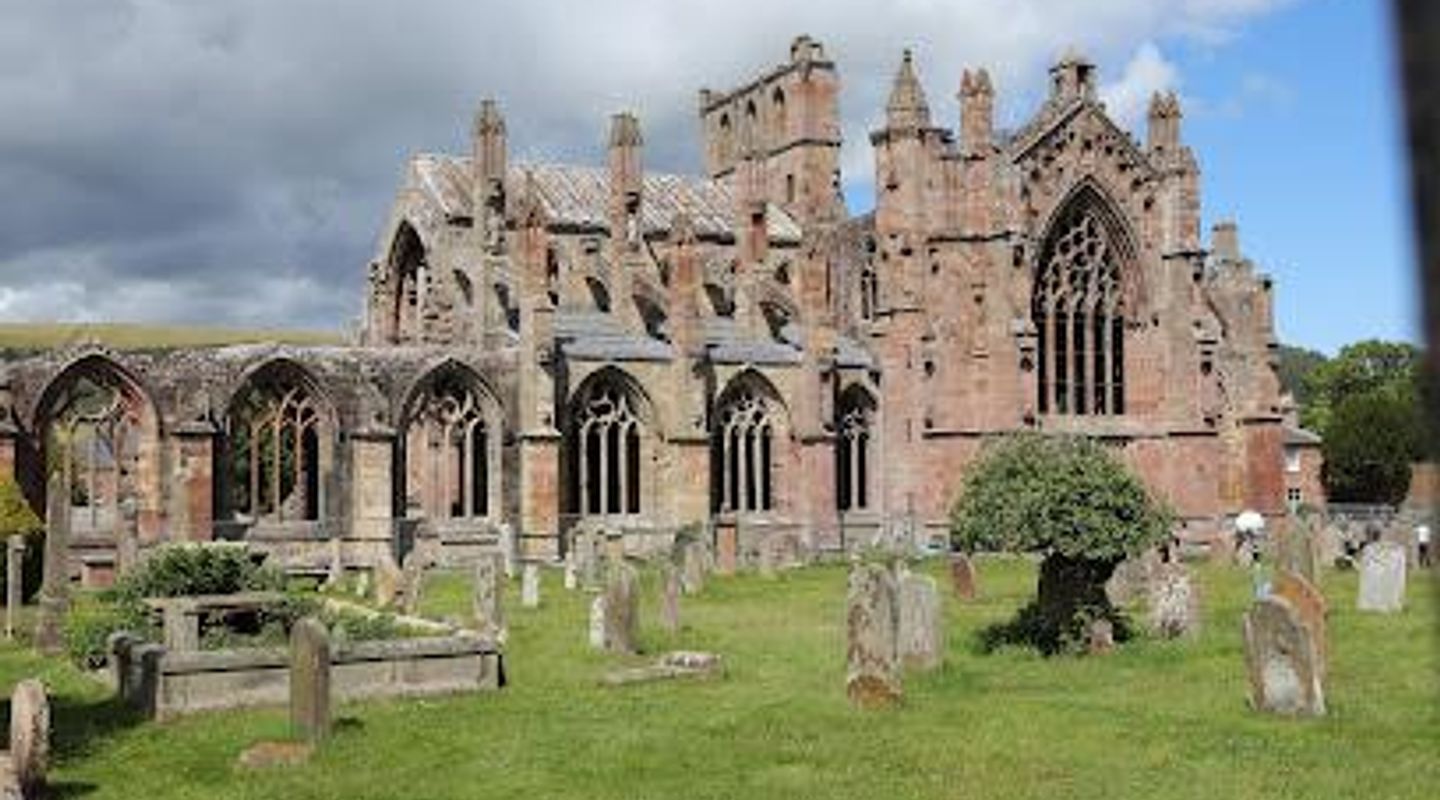
Melrose Abbey, founded in 1136 by King David I, is Scotland’s first Cistercian monastery and a magnificent ruin nestled in the Scottish Borders. Renowned for its exquisite late medieval architecture and intricate stone carvings, including the famous bagpipe-playing pig gargoyle, the abbey holds deep historical significance as the burial site of Robert the Bruce’s heart. Visitors can explore the cloister, museum, and grounds that reveal centuries of monastic life, royal patronage, and turbulent border conflicts.
A brief summary to Melrose Abbey
- Abbey St, Melrose, TD6 9LG, GB
- Click to display
- Click to display
- Duration: 1 to 3 hours
- Mid ranged
-
 Outdoor
- Mobile reception: 4 out of 5
- Monday 10 am-4 pm
- Tuesday 10 am-4 pm
- Wednesday 10 am-4 pm
- Thursday 10 am-4 pm
- Friday 10 am-4 pm
- Saturday 10 am-4 pm
- Sunday 10 am-4 pm

Know before you go
Hi, I'm Eve. Here are a few practical things to know before exploring Melrose Abbey.
- Visit the Commendator’s House museum to see the largest collection of medieval artifacts found at the abbey.
- Look out for the famous pig gargoyle playing bagpipes, a unique and whimsical sculpture on the abbey’s exterior.
- Download the free audio guide on your phone to enrich your tour with historical insights and fascinating stories.
- Check opening times and book tickets online in advance, especially during peak tourist seasons.
Do you manage this location?
Take control to get all the benefits, like improved information, better appearance, and stronger visibility across AI-powered discovery. Learn more about listing your business on Evendo
Activate your presenceOther nearby places you may find interesting
The closest places of the same kind, if this one is not quite what you had in mind.
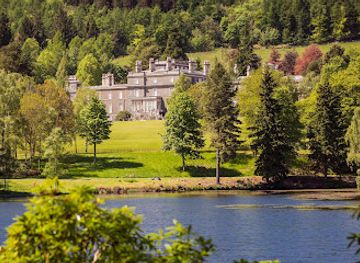
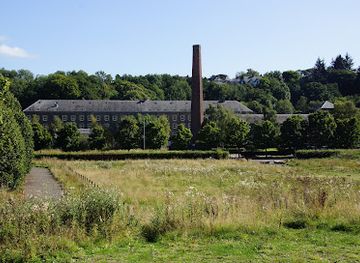
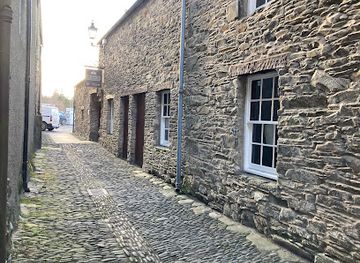
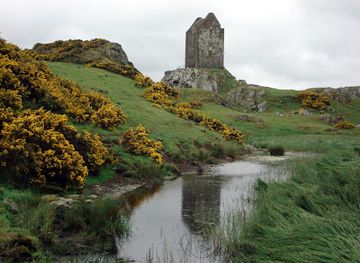
Explore Melrose Abbey on the Map
A handpicked selection of must-see spots near Melrose Abbey, mapped for you.
Unlock the Best of Melrose Abbey
Buy tickets
-
No tickets available
Book tours with entry


Getting There
-
Train and Bus
From Edinburgh, take a train to Tweedbank (approximately 55-65 minutes), then catch the Borders Buses service to Melrose town centre (about 15 minutes). From the town centre, the abbey is a 10-minute walk. Train fares range from £10-£20 one way, and bus tickets cost around £3-£5.
-
Car
Driving from Edinburgh or Newcastle, Melrose Abbey is accessible via the A68 or A7 roads, with parking available near the abbey grounds. Travel time is approximately 1 to 1.5 hours depending on traffic. Parking is free but limited, especially during peak season.
-
Walking
For active visitors, Melrose Abbey lies about a 10-minute walk from Melrose town centre along mostly flat, paved paths. The route is accessible for most walkers but may be challenging for wheelchair users due to uneven terrain within the abbey grounds.
For the on-the-go comforts that matter to you
-
 Restrooms
-
 Drink Options
-
 Food Options
-
 Seating Areas
-
 Trash Bins
-
 Information Boards
-
 Visitor Center
Discover more about Melrose Abbey
Origins and Royal Foundations
Melrose Abbey was established in 1136 by King David I as the first Cistercian monastery in Scotland. The site was chosen for its fertile land beside the River Tweed and its spiritual associations with saints Aidan and Cuthbert. The initial monastic community came from Rievaulx Abbey in Yorkshire, bringing with them the Cistercian ideals of austerity and agricultural innovation. Over the next centuries, Melrose Abbey flourished as a religious center, its wealth and influence growing under the patronage of Scottish royalty, including King Alexander II and the revered Robert the Bruce, whose embalmed heart is famously buried within the abbey grounds.Architectural Grandeur and Artistic Flourishes
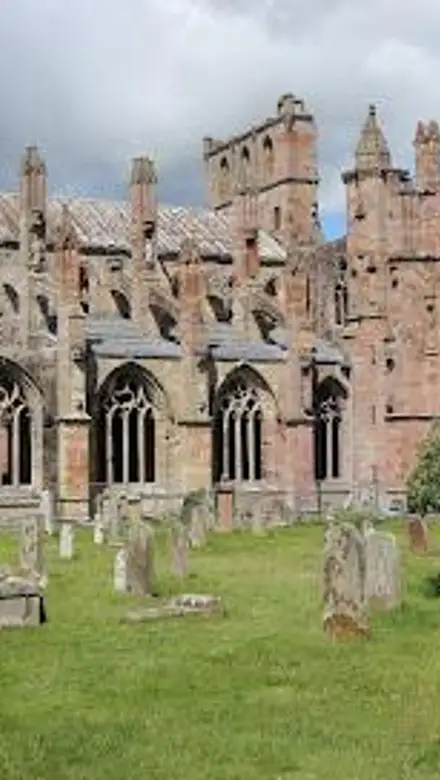
The abbey church, dedicated to St Mary the Virgin, is celebrated for its elegant Gothic architecture dating mainly from the late 14th and early 15th centuries. Following destructive attacks by English forces, notably Richard II’s army in 1385, the abbey was rebuilt over a century-long period, resulting in a structure of remarkable craftsmanship and scale. Visitors today can admire the lavishly decorated masonry, including whimsical sculptures such as hobgoblins, cooks wielding ladles, and the iconic pig playing bagpipes, which lend the ruins a unique character unmatched elsewhere in Scotland.Trials of War and Decline
Melrose Abbey’s border location made it vulnerable to repeated assaults during the Middle Ages. English invasions in the 14th and 16th centuries inflicted severe damage, with the War of the Rough Wooing in the 1540s delivering a critical blow from which the abbey never fully recovered. Despite efforts to repair and maintain the site, the Protestant Reformation and subsequent political upheavals led to the dissolution of monastic life by the late 16th century, with the last monk passing away around 1590. The abbey thereafter fell into ruin but remained a powerful symbol of Scotland’s medieval heritage.The Commendator’s House and Museum Treasures
Adjacent to the abbey ruins stands the Commendator’s House, a 15th-century building converted into a museum. It houses one of Scotland’s largest collections of medieval artifacts uncovered during archaeological excavations in the abbey cloister. The museum offers insights into the daily lives of the monks, the abbey’s economic activities such as wool trading, and the rich cultural history that shaped Melrose and the Borders region.Visitor Experience and Cultural Significance
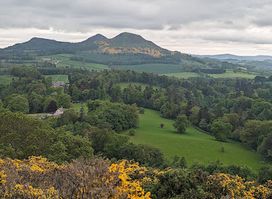
Today, Melrose Abbey is a protected scheduled monument managed by Historic Environment Scotland. Visitors can explore the atmospheric ruins, cloister, and museum, enriched by informative plaques and an engaging audio guide. The site also marks the start of the St Cuthbert’s Way pilgrimage route. The abbey’s evocative setting amid the rolling Eildon Hills and its storied past provide a profound connection to Scotland’s medieval spirituality, artistry, and turbulent history.Preservation and Access Considerations
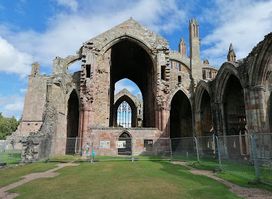
While the abbey grounds, cloister, and museum remain open to the public, access to the interior of the abbey church is currently restricted due to safety inspections. The site features uneven grassy terrain, which may limit wheelchair access, though alternative accessible routes cover key areas including the cloister and museum. Visitors are encouraged to check opening times and book tickets in advance, as the abbey is a popular heritage attraction with seasonal variations in hours and occasional maintenance closures.












Your all‑in‑one travel companion app
Explore expert travel guides, compare and book tours, experiences, hotels, and more—all from the palm of your hand. Download now for seamless trip planning wherever your wanderlust takes you.


Explore More of Selkirkshire
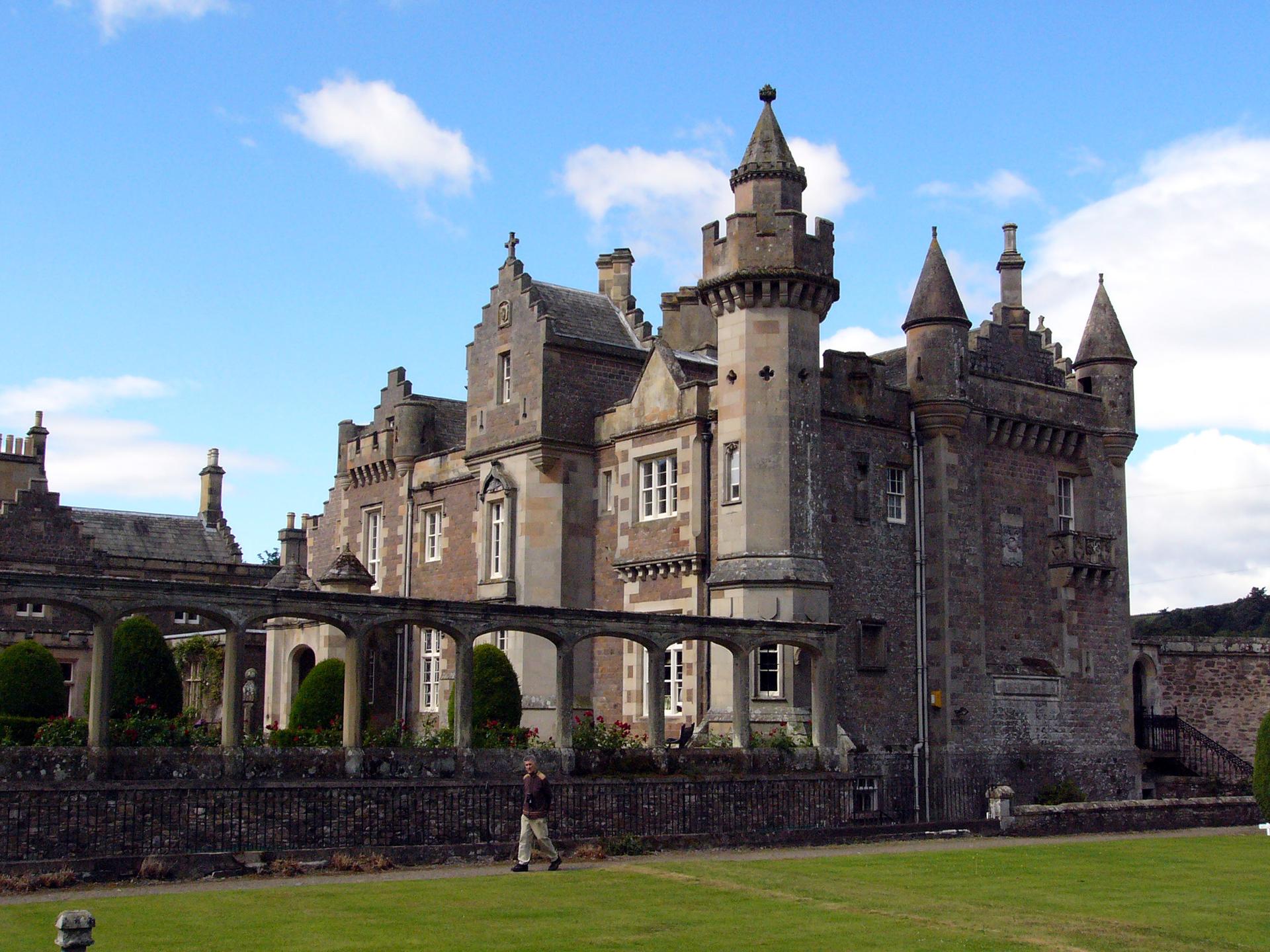
Looking beyond Melrose Abbey? Discover Selkirkshire for broader travel guides, local hot-spots, and regional highlights.
Explore Selkirkshire