
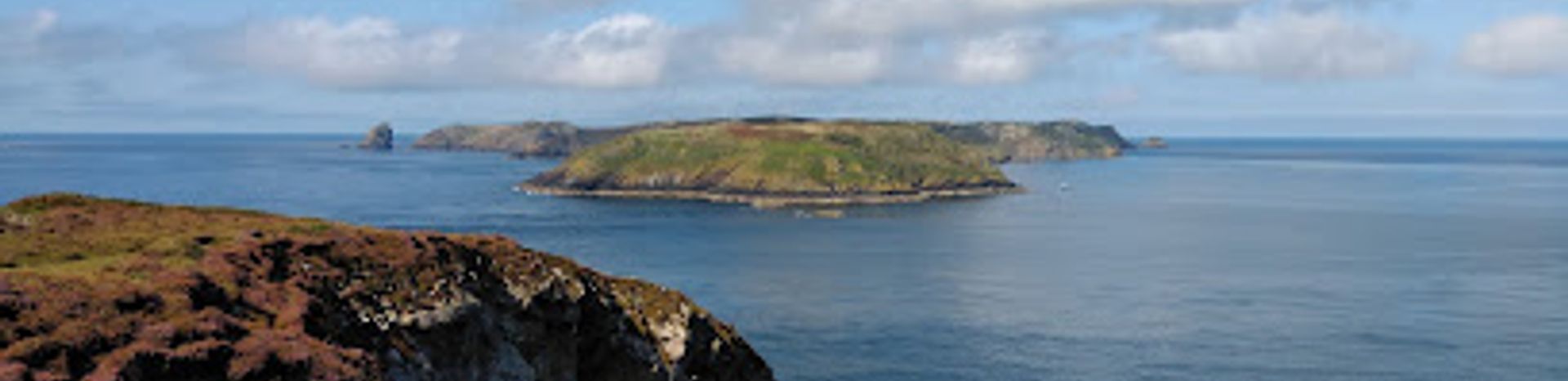
Deer Park at Marloes Peninsula, Pembrokeshire Coast
Dramatic clifftop views, ancient fort remains, and vibrant wildlife converge at Pembrokeshire’s rugged Deer Park.
Perched on the dramatic clifftops of the Marloes Peninsula in Pembrokeshire, Wales, the Deer Park is a rugged coastal nature reserve famed for its breathtaking views of Skomer Island and surrounding sea, abundant wildlife including seals and seabirds, and the remains of a large Iron Age fort. Despite its name, no deer ever inhabited the area; instead, Welsh mountain ponies graze the land, maintaining the rich coastal heathland habitat. The site offers a unique blend of natural beauty, wildlife spotting, and ancient history.
A brief summary to Deer Park
- Haverfordwest, Marloes, GB
- Visit website
- Duration: 1.5 to 3 hours
- Mid ranged
-
 Outdoor
- Mobile reception: 4 out of 5
- Monday 12 am-12 am
- Tuesday 12 am-12 am
- Wednesday 12 am-12 am
- Thursday 12 am-12 am
- Friday 12 am-12 am
- Saturday 12 am-12 am
- Sunday 12 am-12 am
Local tips
- Bring binoculars for excellent seal and seabird spotting from the clifftops.
- Wear sturdy footwear and layers as the terrain is rugged and weather can be windy.
- Keep dogs on leads to protect local wildlife and grazing ponies.
- Visit in late summer to see seal pups and abundant seabird activity.
- Explore the Iron Age fort ramparts to appreciate the site’s ancient heritage.

For the on-the-go comforts that matter to you
- Restrooms
- Seating Areas
- Information Boards
- Visitor Center
- Trash Bins
Getting There
-
Bus
Take the 315 or 316 bus service from Haverfordwest to Marloes, running daily from May to September, with journey times around 40 to 60 minutes. Seasonal Puffin Shuttle 400 offers hail-and-ride service to Martin’s Haven, near the Deer Park.
-
Car
Drive from Haverfordwest to Marloes Peninsula, approximately 20 to 30 minutes. Parking is available at Marloes Sands National Trust car park; National Trust members park free, others pay a moderate fee.
-
Walking
From Marloes Sands car park, a scenic coastal walk of about 2 to 2.5 hours (5.2 miles/8.4 km) leads to the Deer Park. Terrain is reasonably level but includes some minor road walking and exposed coastal paths.
Deer Park location weather suitability
-
 Any Weather
-
 Windy Conditions
-
 Mild Temperatures
-
 Rain / Wet Weather
-
 Clear Skies
Discover more about Deer Park
Historic Coastal Stronghold and Landscape
The Deer Park is named after an unsuccessful attempt in the late 18th to early 19th century to establish a deer enclosure here, but no deer were ever introduced. Instead, the site is dominated by the remains of a substantial Iron Age promontory fort, dating back over 2,000 years. This fort, the largest of its kind in South Wales, is perched on towering cliffs that overlook the sea, providing natural defenses that once protected its inhabitants. Visitors can explore the ramparts and earthworks, imagining the strategic significance of this coastal stronghold.Stunning Wildlife and Marine Views
From the clifftops of the Deer Park, visitors enjoy spectacular panoramic views across St Brides Bay to Skomer Island, Skokholm, and Ramsey Island. These islands are internationally renowned nature reserves, hosting dense populations of seabirds such as Manx shearwaters, puffins, razorbills, and guillemots. The surrounding waters are a Marine Nature Reserve, frequented by Atlantic grey seals—especially in late summer when seal pups are visible on the beaches below. The area also supports peregrines, choughs, curlews, and other coastal birds. Jack Sound, the stretch of water separating the mainland from Middleholm Island, is a known feeding ground for gannets and porpoises, with occasional dolphin sightings.Ecological Management and Landscape Character
The Deer Park’s coastal heathland is actively grazed by a herd of Welsh mountain ponies. Their grazing helps prevent overgrowth of invasive plants such as bramble, gorse, and bracken, which would otherwise threaten the short grassland habitat essential for insect-rich biodiversity. This management supports species like the chough, which rely on open grassland to feed. The rugged terrain includes fields, rocky cliffs, and a minor road, offering a reasonably level but exposed walking experience that connects visitors intimately with the Pembrokeshire Coast’s wild character.Geological and Archaeological Significance
The geology of the Marloes Peninsula is striking, featuring ancient Silurian volcanic lavas and sandstone formations with visible folds and faults. Nearby Gateholm Island, visible from the Deer Park, is a tidal island with prehistoric settlement remains and an Iron Age fort that was featured in archaeological excavations. The peninsula’s rich archaeological heritage adds a deep historical dimension to the natural beauty of the site.Visitor Experience and Seasonal Highlights
The Deer Park is a favored spot for wildlife enthusiasts, photographers, and walkers. The best time for seal spotting is late summer when pups are born, and birdwatchers can observe diverse seabird colonies year-round. The coastal walks here offer a sense of remoteness and connection to nature, with opportunities to see porpoises and even dolphins in the surrounding waters. The site is accessible year-round during daylight hours, though weather can be rugged and windy. Visitors are advised to keep dogs on leads to protect sensitive wildlife and grazing livestock.Conservation and Management by the National Trust
Managed by the National Trust as part of the Marloes Sands and Mere estate, the Deer Park benefits from conservation efforts that balance public access with habitat protection. The surrounding area is designated as a Site of Special Scientific Interest (SSSI), Special Area of Conservation (SAC), and Special Protection Area (SPA), reflecting its importance for wildlife and natural heritage. The National Trust provides information boards and maintains walking paths to enhance visitor understanding and enjoyment while preserving this unique coastal environment.Iconic landmarks you can’t miss

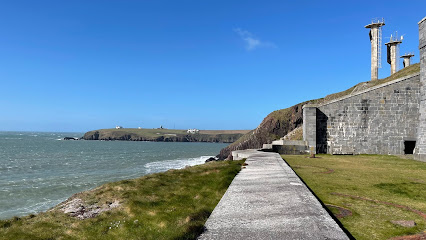
West Blockhouse Fort
8.1 km
A commanding 19th-century coastal fort perched on Pembrokeshire cliffs, blending rich military history with stunning sea views and heritage charm.
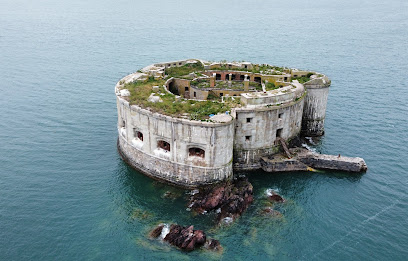
Stack Rock Fort
11.4 km
A formidable 19th-century island fortress guarding Wales’ Milford Haven, blending military history with rugged coastal beauty.
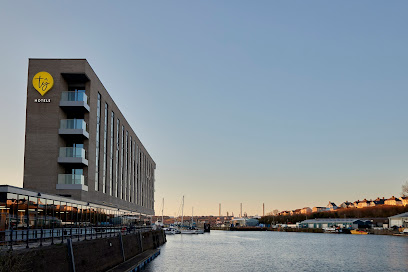
Tŷ Milford Waterfront
14.5 km
Modern nautical charm meets stunning marina views at Tŷ Milford Waterfront, a stylish family-friendly hotel in scenic Milford Haven.
St Davids Cathedral
16.4 km
Discover the ancient spiritual heart of Wales in St Davids Cathedral, a majestic site of pilgrimage and architectural wonder nestled in Pembrokeshire’s scenic valley.
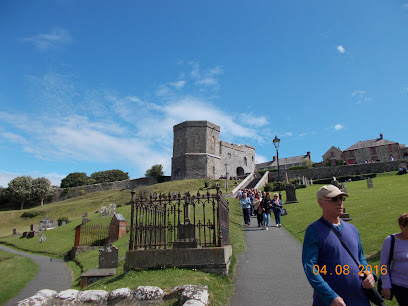
William Marshal Statue
23.5 km
Medieval England's greatest knight, immortalized in bronze below his castle stronghold.

Stackpole Quay
27.0 km
Experience the breathtaking scenery and rich wildlife of Stackpole Quay along the iconic Pembrokeshire Coast Path in Wales.
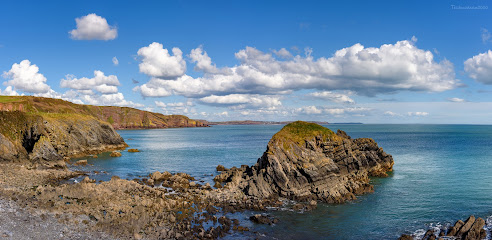
Church Rock
27.1 km
Experience the breathtaking beauty and rich history of Church Rock, a must-see historical landmark in Pembroke's stunning coastal landscape.
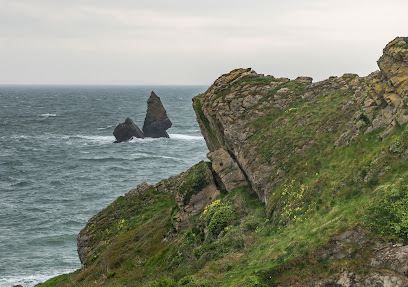
Llys yr Esgob Llandyfái / Lamphey Bishops Palace
27.2 km
Explore the enchanting ruins of Lamphey Bishops Palace, a historical landmark nestled in Pembrokeshire, rich in history and breathtaking architecture.
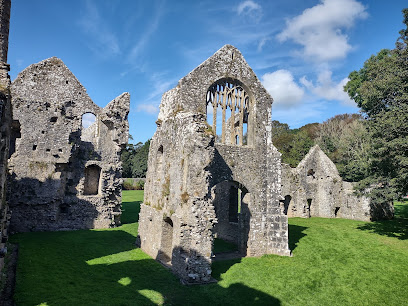
Wiston Castle
27.9 km
Experience the rich history and stunning architecture of Wiston Castle, a must-visit destination for travelers exploring Pembrokeshire's heritage.
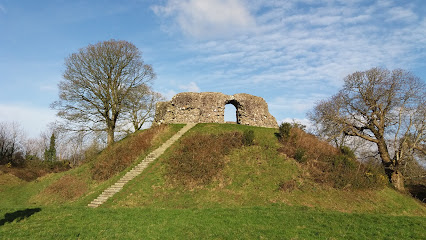
Carew Tidal Mill
28.7 km
Experience the rich history and stunning scenery of Carew Tidal Mill, a historic treasure in Pembrokeshire's beautiful landscape.
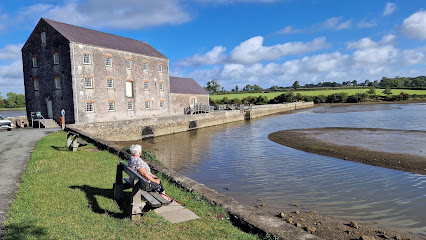
Carew Castle & Tidal Mill
29.1 km
Explore Carew Castle & Tidal Mill, a historical marvel blending medieval architecture with breathtaking natural beauty in Pembrokeshire.
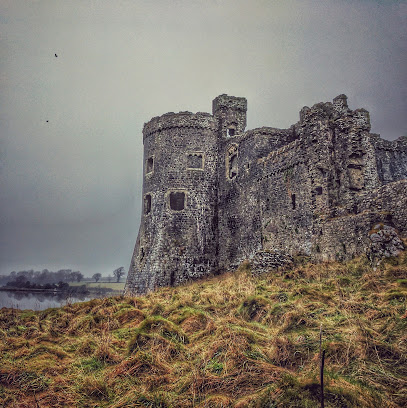
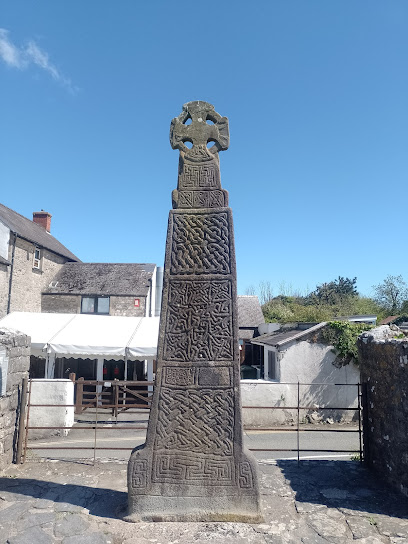
Carew Cross
29.3 km
An exquisite 11th-century Celtic cross memorializing Welsh royalty, showcasing intricate stone carvings and deep historical roots near Carew Castle.
Oakwood Theme Park
31.2 km
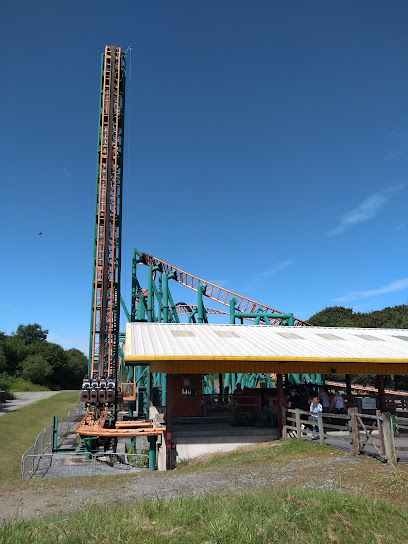
Experience the thrill of Oakwood Theme Park, where adventure meets family fun in the heart of Wales.
Llawhaden Castle
32.5 km
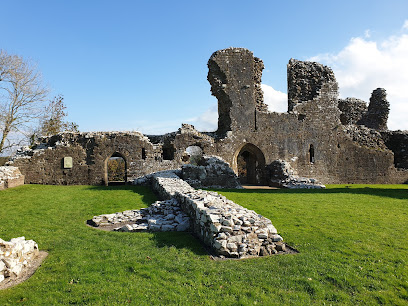
Explore the majestic Llawhaden Castle, a historical gem in Wales, offering breathtaking views and a journey through medieval heritage.
Manorbier Castle
32.5 km
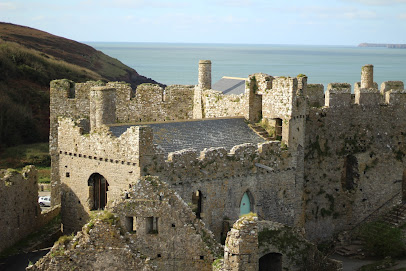
Discover the rich history and breathtaking scenery of Manorbier Castle, a stunning medieval fortress overlooking the Welsh coastline.
Unmissable attractions to see

Skomer Island
2.3 km
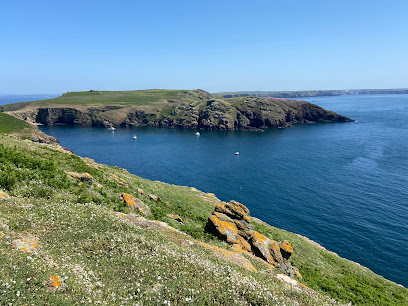
A wildlife sanctuary famed for puffins, seabirds, and seals, offering rugged coastal beauty and unique overnight stays in a tranquil, protected island setting.
Musselwick Beach
2.7 km
Secluded and serene, Musselwick Beach offers a peaceful low-tide escape along Pembrokeshire’s rugged coastline.
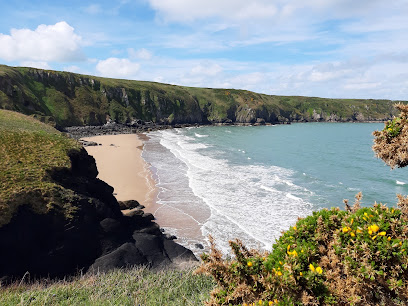
Marloes Sands
3.2 km
Discover the breathtaking golden sands and dramatic cliffs of Marloes Sands, a serene gateway to Pembrokeshire’s iconic coastal trails and wildlife.
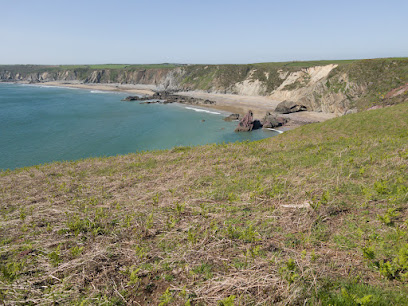
St Brides Haven
4.8 km
A sheltered shingle beach with calm waters, rock pools, and historic charm, perfect for family days and coastal adventures in Pembrokeshire.
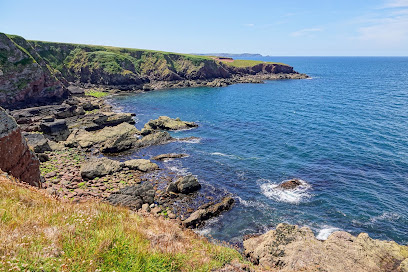
St Ann's Head Lighthouse
7.9 km
Explore the breathtaking St Ann's Head Lighthouse, a historical gem along the Pembrokeshire Coast Path, where nature meets maritime heritage.
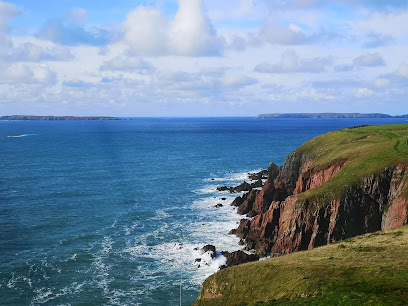
National Trust - The Point
10.5 km
Accessible coastal viewpoint with stunning panoramas of Pembrokeshire’s rugged coastline and peaceful seating areas managed by the National Trust.
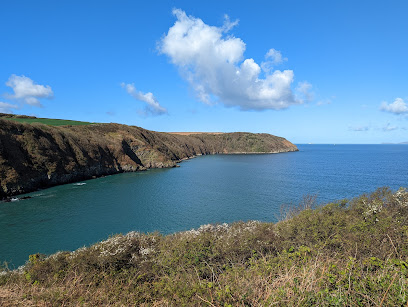
Broad Haven Beach
11.1 km
A scenic south-facing beach with golden sands, iconic rock formations, and family-friendly waters on Pembrokeshire’s stunning coast.
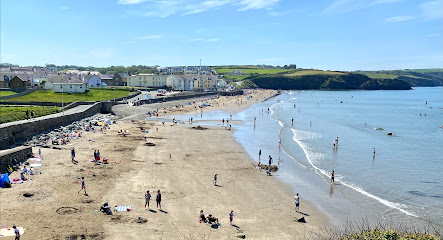
Kilroom (St Thomas' Bay)
11.4 km
Discover Kilroom at St Thomas' Bay, a serene coastal haven in Milford Haven blending natural beauty and rich maritime heritage.
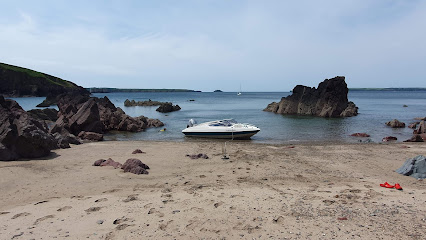
Chapel Bay Fort & Museum
11.5 km
Explore a WWII coastal fortress brought to life by passionate volunteers within the stunning Pembrokeshire Coast National Park.
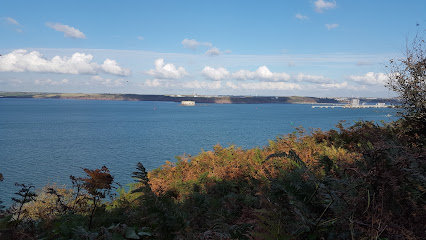
The Boathouse Gallery
11.9 km
Discover original watercolours and local art inspired by Pembrokeshire’s stunning coastal landscapes at The Boathouse Gallery.
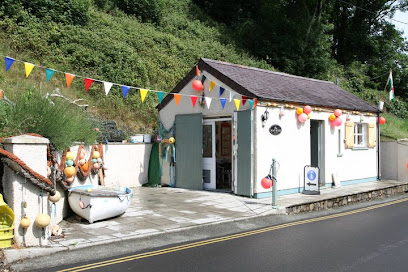
Druidston beach
13.1 km
Secluded sandy bay framed by cliffs, perfect for tranquil walks, horse riding, and spectacular sunsets on Pembrokeshire’s coast.
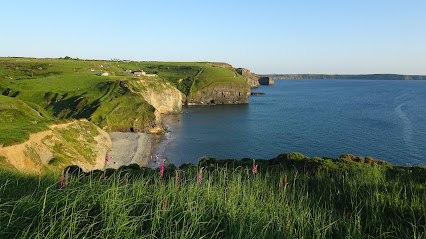
Gelliswick Beach
13.2 km
Sheltered sand and shingle beach near Milford Haven, perfect for sailing, sunbathing, and exploring Pembrokeshire’s coastal heritage.
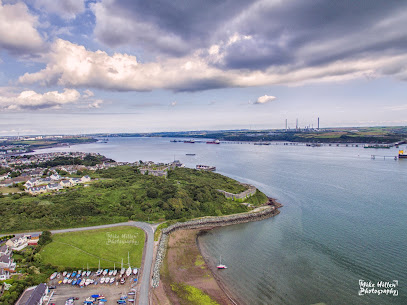
Hubberston Fort
13.6 km
Explore the evocative ruins of Hubberston Fort, a Victorian coastal fortress guarding Milford Haven with rich military history and stunning sea views.
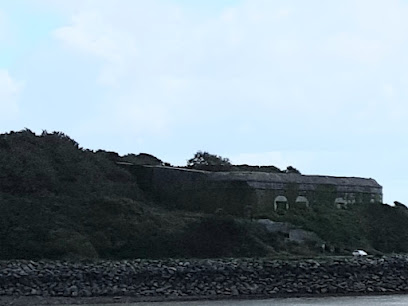
Pembrokeshire Coast National Park
13.7 km
Explore Britain's only coastal national park, where rugged cliffs, golden beaches, and rich wildlife await along 186 miles of stunning coastline.
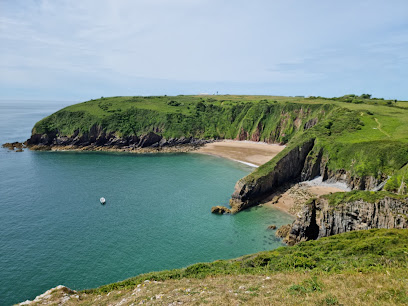
Nolton Haven Beach
13.7 km
Secluded sandy beach with stunning cliffs, rock pools, and coastal path in Pembrokeshire’s peaceful St Bride’s Bay.
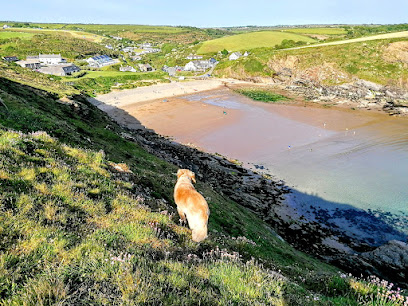
Essential places to dine

The Lobster Pot Inn
3.5 km
Cozy coastal inn in Marloes offering fresh seafood, simple comfort, and easy access to Pembrokeshire’s scenic coastal paths.
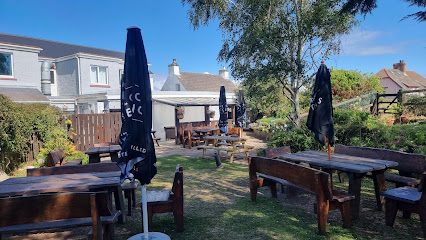
The Griffin
6.3 km
A beloved Pembrokeshire seafood gastropub offering fresh local fish, warm hospitality, and stunning seafront views in the village of Dale.
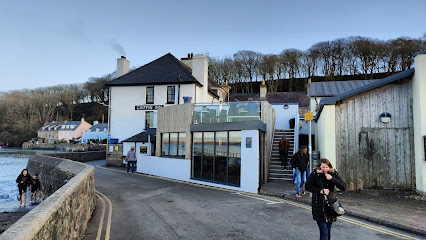
Sand & Stone Kitchen
11.2 km
Cozy seaside kitchen serving top-notch breakfast, burgers, and vegan delights in Broad Haven’s charming coastal village.
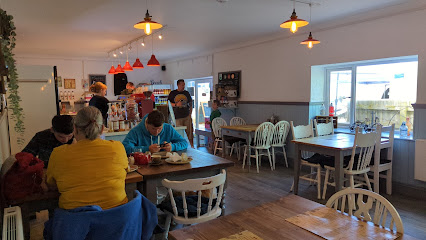
The Ocean Cafe Bar & Restaurant
11.3 km
Seaside dining with fresh seafood, hearty breakfasts, and stunning views over Broad Haven’s St Brides Bay.

Cafe Môr - The Pembrokeshire Beachfood Company
12.9 km
Discover Pembrokeshire’s coastal flavors at Cafe Môr, where seaweed-inspired street food meets fresh beachside charm.
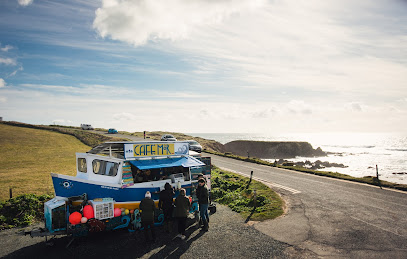
The Druidstone Hotel
13.0 km
Eclectic bohemian hotel near Pembrokeshire’s coast, offering creative cuisine, cozy rooms, and stunning seaside views in a relaxed, pet-friendly setting.
Martha’s Vineyard
14.7 km
Experience refined British and European dining with stunning marina views at Martha’s Vineyard, a Milford Haven waterfront gem with over 30 years of heritage.
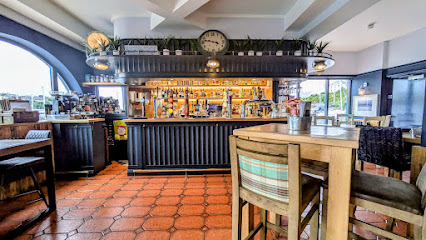
Blas Restaurant
16.0 km
A boutique dining gem in St Davids blending innovative Welsh cuisine with contemporary art in a historic windmill setting.
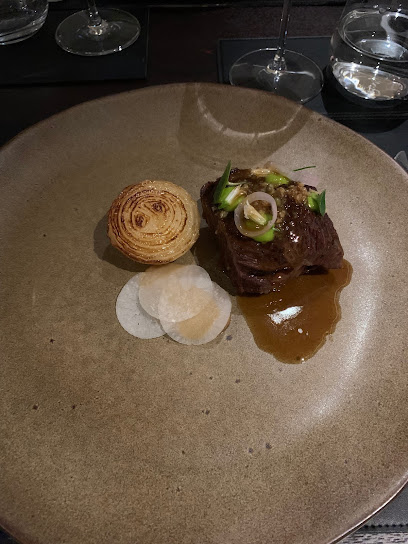
Twr y Felin Hotel
16.0 km
A stylish coastal retreat blending contemporary art, luxury comfort, and Welsh heritage in the heart of St Davids.

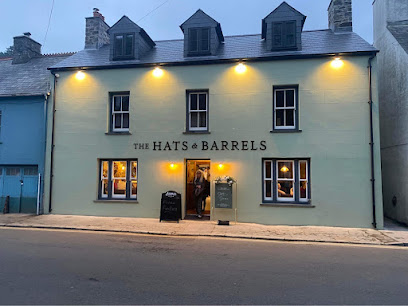
The Hats and Barrels
16.1 km
A stylish riverside bistro in Solva offering British classics, vegan options, and a warm, welcoming atmosphere in Pembrokeshire’s scenic harbour village.
The Cambrian Inn
16.2 km
A charming coastal inn in Solva offering cozy rooms, local cuisine, and a warm Welsh welcome near Pembrokeshire’s scenic shores.
The Really Wild Emporium
16.2 km
Discover wild flavours, sustainable living, and unique local crafts at The Really Wild Emporium in St Davids’ historic heart.
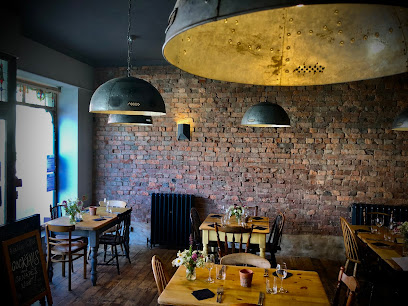
The Rising Sun Inn
19.2 km
Charming countryside pub and restaurant in Pelcomb Bridge offering hearty meals, warm hospitality, and a welcoming caravan park in scenic Pembrokeshire.
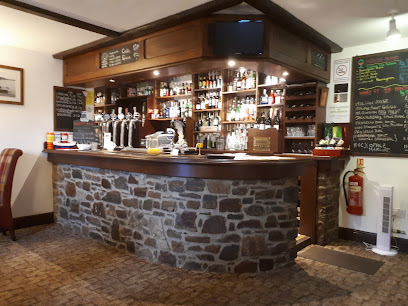
Ferry House Inn
19.4 km
A family-run inn in Hazelbeach offering cozy rooms, fresh local cuisine, and stunning estuary views in the heart of Pembrokeshire.
SEED Restaurant & Coffee Shop
19.4 km
Experience fresh, expertly crafted meals by hospitality students in a welcoming college restaurant with seasonal menus and themed evenings.

Markets, malls and hidden boutiques

The Beach Shop
11.2 km
A charming coastal gift shop in Broad Haven offering beach essentials and souvenirs near the scenic Pembrokeshire coastline.
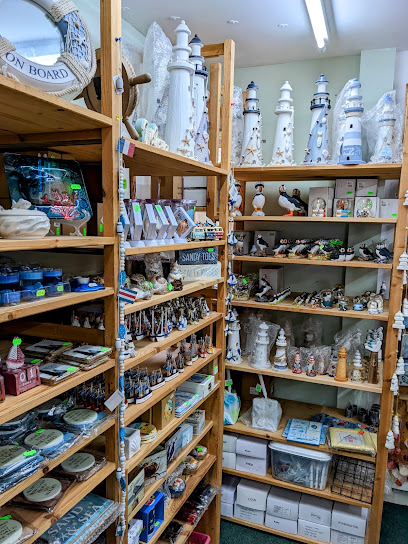
Haven Sports Ltd
11.2 km
Your trusted Broad Haven surf shop offering quality water sports gear and expert local advice for all ages and skill levels.

Nolton Cross Farm Shop
14.6 km
Authentic Pembrokeshire farm shop offering local Welsh produce, grass-fed beef, and traditional Welshcakes in a serene rural setting.
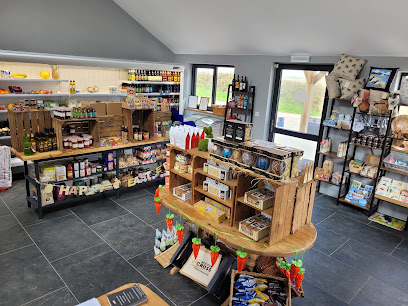
The Window, Milford Haven
14.7 km
Discover unique gifts, artisan jewellery, and ethnic clothing in a cozy boutique setting at The Window, Milford Haven’s creative treasure.

Mabon Gifts
14.7 km
Discover personalized Celtic, gothic, and fantasy gifts with bespoke printing in the heart of Milford Haven’s historic town center.
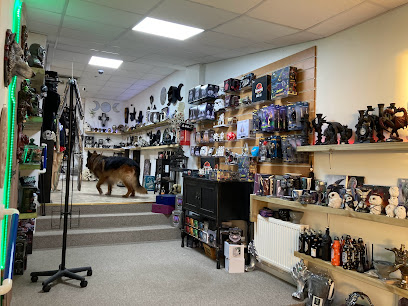
The Cheeky Sheep
14.9 km
Discover unique handcrafted gifts and original artwork in the charming setting of Milford Haven Marina’s The Cheeky Sheep.

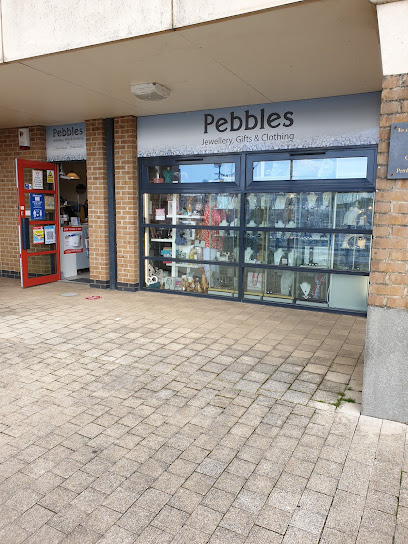
Pebbles
14.9 km
Handpicked jewellery, gifts, and clothing in a vibrant waterfront setting.
Hector’s Cards & Gifts
15.2 km
Discover heartfelt Welsh gifts, unique cards, and warm hospitality at Hector’s Cards & Gifts in Milford Haven’s historic antique shop.

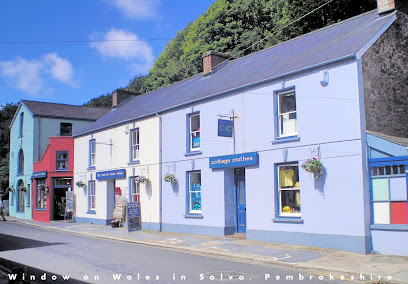
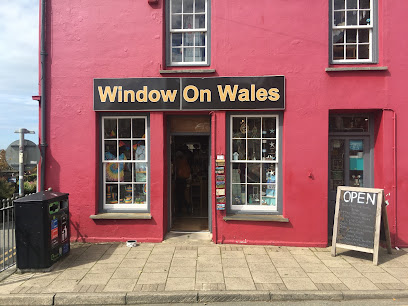
Window On Wales Ltd
16.0 km
Discover unique Welsh gifts, stylish men’s clothing, and charming homeware in the heart of Solva at Window On Wales Ltd.
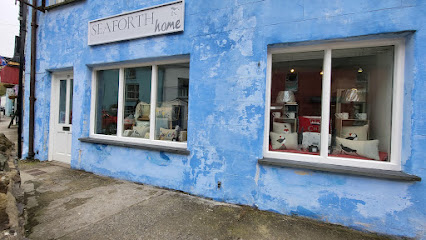
Seaforth Home
16.0 km
Discover handcrafted Welsh homewares inspired by Pembrokeshire’s rugged coast at Seaforth Home in Solva.
Interesting Things
16.2 km
Explore St Davids' charm through unique gifts and handcrafted crafts at Interesting Things, a must-visit shop for every tourist.
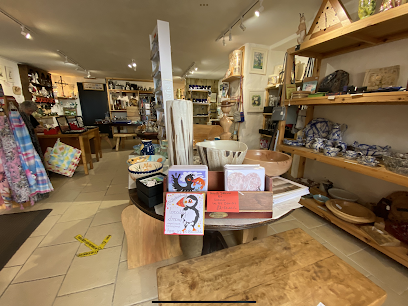
Basalt & Dune
16.3 km
Discover unique artisan gifts and local art in the heart of St Davids at Basalt & Dune, a boutique gallery and shop celebrating Welsh creativity.

Window on Wales
16.3 km
Discover authentic Welsh crafts and gifts in a charming historic setting at Window on Wales, St Davids’ beloved artisan shop.
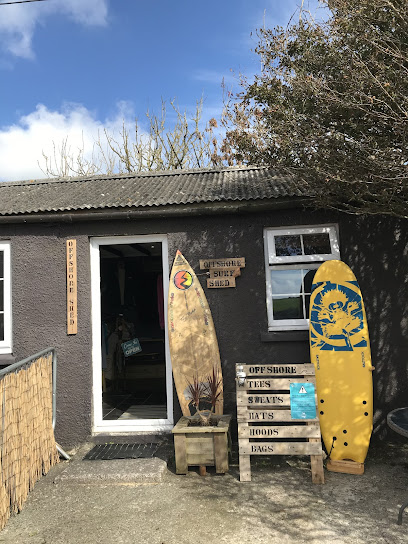
Offshore Surf Shed
17.0 km
A warm local surf shop in historic Penycwm offering quality gear and coastal lifestyle essentials in the heart of Pembrokeshire.
The Original Factory Shop (Haverfordwest)
19.3 km
Discover unbeatable discounts on clothing, beauty, and more at The Original Factory Shop in Haverfordwest - the ultimate shopping destination.

Essential bars & hidden hideouts

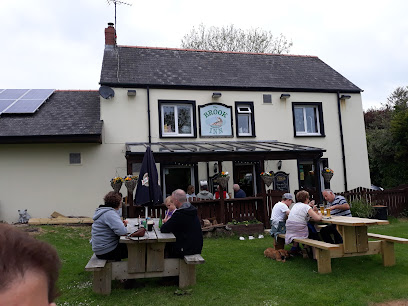
The Brook Inn
7.8 km
A warm traditional pub in St Ishmael's offering hearty meals, friendly service, and scenic Pembrokeshire charm.
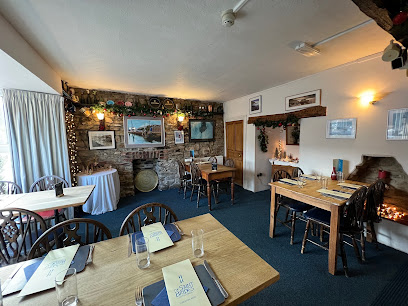
St. Brides Inn
10.5 km
Cozy seaside pub in Little Haven serving fresh local seafood, Welsh meats, and warm hospitality in a charming coastal setting.
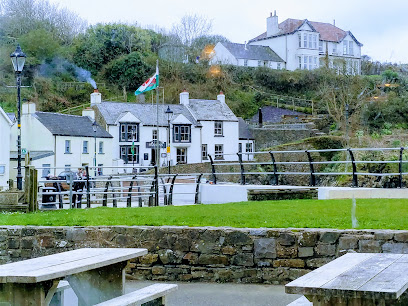
The Castle
10.6 km
A charming seaside pub in Little Haven offering hearty meals, stunning sea views, and warm, attentive service in a cozy setting.
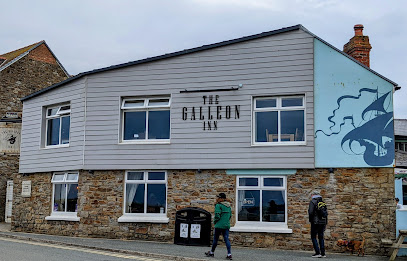
The Galleon Inn
11.2 km
A family-run coastal pub in Broad Haven offering hearty food, excellent beer, and a warm, lively atmosphere by the sea.
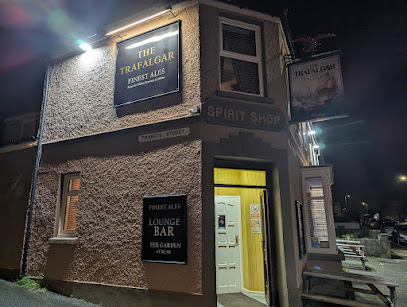
The Trafalgar
15.0 km
A lively and welcoming bar in Milford Haven offering local brews, live music, and a friendly atmosphere for a perfect coastal unwind.
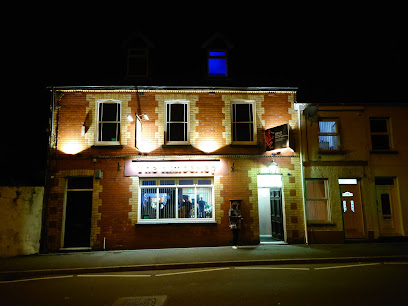
The Kimberley
15.3 km
A friendly, relaxed sports pub in Milford Haven offering a welcoming atmosphere and great drinks for locals and visitors alike.
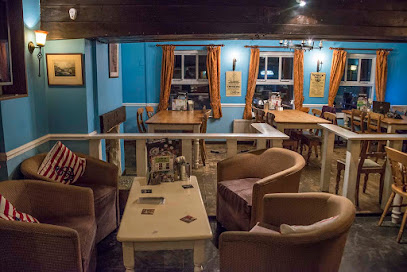
Harbour Inn
16.0 km
A welcoming coastal pub in Solva offering hearty meals, scenic harbour views, and friendly hospitality along the Pembrokeshire Coast Path.
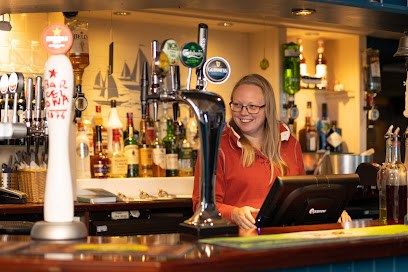
The Ship Solva
16.1 km
Charming family-run pub in Solva offering craft beers, fresh Welsh cuisine, and a cozy atmosphere near scenic Solva Harbour.
Legends Tavern
17.8 km
Experience warm Welsh hospitality and vibrant local culture at Legends Tavern, Johnston’s lively community pub near Haverfordwest.

The Pelcomb Inn
18.4 km
A warm, traditional Welsh pub offering hearty meals, friendly service, and cozy accommodation near Haverfordwest.
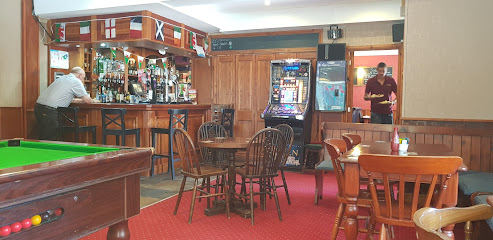
Stonemasons Arms
19.9 km
Cozy Welsh pub in Haverfordwest offering local ales, hearty meals, and a warm, welcoming atmosphere in the heart of Pembrokeshire.
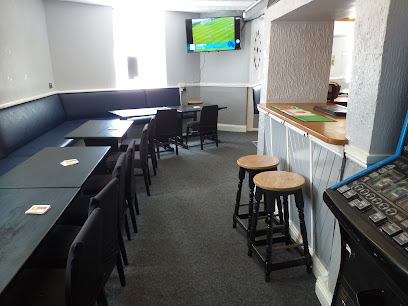
Labirynth
20.6 km
Experience Haverfordwest’s energetic nightlife at Labirynth Bar, a lively and affordable nightclub with a raw, unpretentious vibe.

Friars Vaults
20.7 km
Historic and welcoming pub in Haverfordwest serving hearty British fare with great value and a lively local atmosphere.
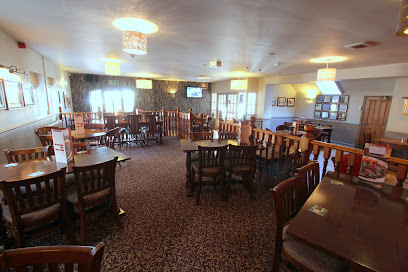
The Bristol Trader
20.7 km
Historic riverside pub and restaurant in Haverfordwest offering scenic dining, hearty classics, and lively events by the tranquil Cleddau River.
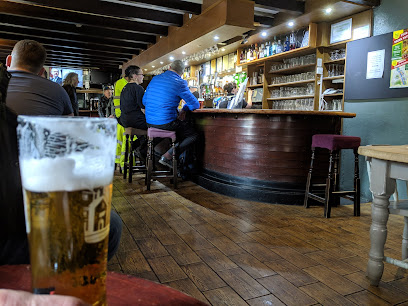
The Milford Arms
20.9 km
A welcoming traditional Welsh pub in Cartlett, Haverfordwest, blending hearty home-cooked meals with cozy rooms and friendly local charm.
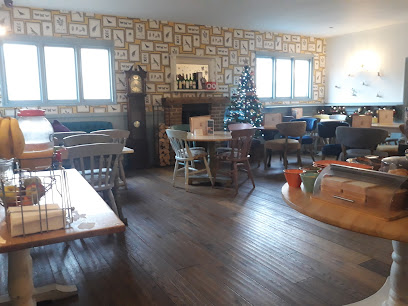
Nightclubs & after hour spots

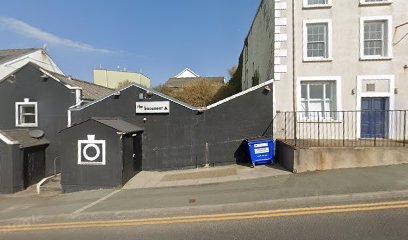
The Basement
14.6 km
Discover the energetic nightlife of Milford Haven at The Basement, where music, dancing, and vibrant gatherings create unforgettable experiences.
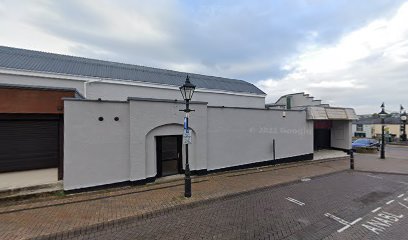
Boulevard Show Bar
14.7 km
Experience vibrant cabaret, live shows, and lively nightlife at Boulevard Show Bar, Milford Haven’s premier entertainment venue.
Eddie Rocks
20.7 km
A vibrant multi-floor nightclub in Haverfordwest offering energetic nights, diverse music, and a welcoming atmosphere by the waterfront.

Paddles
23.7 km
Experience Pembroke’s vibrant nightlife at Paddles, the go-to nightclub for late-night music, drinks, and social energy in the town center.

Comlongon
33.2 km
Experience vibrant nightlife in the charming village of St Florence with Comlongon, Tenby’s energetic nightclub gem.
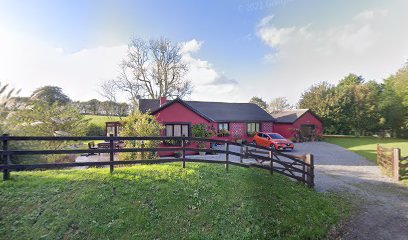
Sands Nightclub
37.9 km
Saundersfoot’s lively nightclub with dance, drinks, and a vibrant atmosphere near the beach.

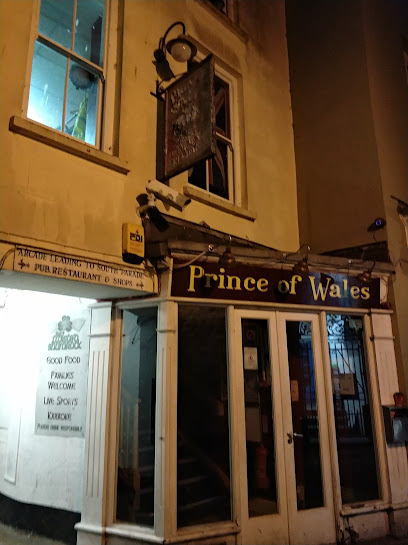
Prince Of Wales
38.4 km
Tenby’s iconic late-night nightclub blending lively music, classic charm, and a spirited atmosphere in the heart of Town Wall Arcade.
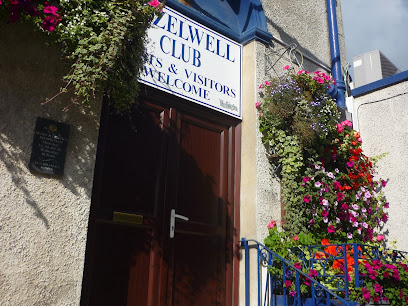
Hazewell Club
38.4 km
Discover the Hazewell Club in Tenby: a cozy sports club offering a warm atmosphere and local drinks amidst stunning coastal views.
Savannah's Night Club
65.8 km
Experience Carmarthen’s vibrant nightlife at Savannah's Night Club—where music, dance, and stylish vibes create unforgettable Saturday nights.
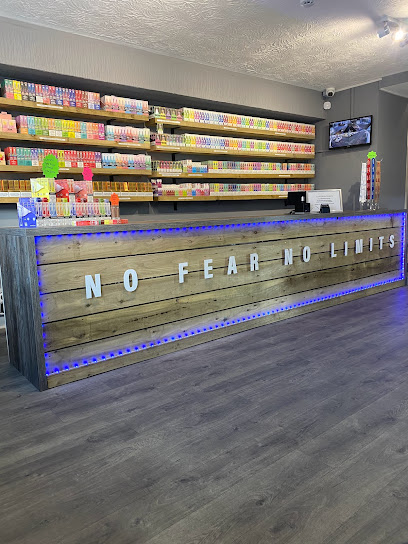
The Gremlin Club
66.1 km
Vibrant nightlife and lively open mic nights in the heart of Carmarthen’s social scene.

Club Mambo
66.2 km
Discover the energetic vibe of Club Mambo, a lively bar in Carmarthen offering delicious drinks and an unforgettable nightlife experience.

Lucifer's Nightlife
66.2 km
Experience Carmarthen's vibrant nightlife and fast food fusion at Lucifer's Nightlife, where music, dancing, and late-night bites come alive on Queen Street.

The Rainbow Rooms Bar & Club
84.0 km
Experience lively nights and vibrant music at The Rainbow Rooms Bar & Club, Gorseinon’s premier destination for unforgettable nightlife.

Sin City
90.5 km
Energetic Swansea nightclub with live music, affordable drinks, and a lively atmosphere on Dillwyn Street.

Cuba Escape
90.6 km
Experience Swansea’s vibrant nightlife at Cuba Escape, where live music, energetic crowds, and a colorful atmosphere come together for unforgettable nights.

For the vibe & atmosphere seeker
- Scenic
- Relaxing
- Tranquil
- Unique
- Casual
For the design and aesthetic lover
- Rustic Designs
- Vintage Styles
For the architecture buff
- Historic
- Landmarks
- Parks & Gardens
For the view chaser and sunset hunter
- Iconic Views
- Panoramas
- Sunset Spots
For the social media creator & influencer
- Instagrammable
- Photo Spots
- Selfie Spots
For the eco-conscious traveler
- Sustainable
- Eco-Friendly
- Low Impact
- Protected Area
- Public-Transport Accessible
- Leave-No-Trace Critical
- Locally Managed
- Wildlife Habitat
For the kind of experience you’re after
- Nature Escape
- Cultural Heritage
- Photowalk
- Day Trip
- Weekend Getaway
- Myth & Legends
For how adventurous you want the journey to be
- Easy Access
Location Audience
- Family Friendly
- Senior Friendly
- Child Friendly
- Teen Friendly
- Wheelchair Access
- Pet Friendly
- Solo Friendly
- Couple Friendly
- Solo Female Friendly


