

Pembrokeshire Coast Path: Wales' Stunning Coastal Trail
Explore 186 miles of breathtaking Welsh coastline, from rugged cliffs to golden beaches, along the iconic Pembrokeshire Coast Path.
The Pembrokeshire Coast Path is a spectacular 186-mile (300 km) trail along the rugged coastline of Pembrokeshire, Wales. Winding through the Pembrokeshire Coast National Park, it offers breathtaking views of cliffs, sandy beaches, estuaries, and diverse wildlife. The path combines challenging hikes with serene natural beauty, historic sites, and charming coastal towns, making it a premier destination for hikers and nature lovers alike.
A brief summary to Pembrokeshire Coast Path
- Pembrokeshire Coast Path, Haverfordwest, GB
- Visit website
- Duration: 1 to 72 hours
- Mid ranged
-
 Outdoor
- Mobile reception: 4 out of 5
- Monday 12 am-12 am
- Tuesday 12 am-12 am
- Wednesday 12 am-12 am
- Thursday 12 am-12 am
- Friday 12 am-12 am
- Saturday 12 am-12 am
- Sunday 12 am-12 am
Local tips
- Prepare for varied terrain with sturdy hiking boots as the path includes steep climbs and uneven surfaces.
- Use the coastal bus services in summer to access different sections and avoid parking challenges.
- Plan your visit between March and October for paid parking availability and more frequent transport options.
- Consider luggage transfer services offered by some local tour operators to hike comfortably without heavy bags.
- Respect the environment by following Leave No Trace principles and using designated paths and facilities.

For the on-the-go comforts that matter to you
- Restrooms
- Drink Options
- Food Options
- Seating Areas
- Trash Bins
- Information Boards
- Visitor Center
Getting There
-
Public Bus
Use the Coastal Bus services such as the 400 Puffin Shuttle and 405 Poppit Rocket, operating multiple times daily in summer, connecting key points along the path. Tickets cost around £3-£6 depending on distance, with reduced winter schedules.
-
Train
Train stations at Saundersfoot, Tenby, Pembroke, and Fishguard Harbour provide scenic access to sections of the path. Trains run regularly with fares ranging from £5 to £15. Combine with local buses for last-mile connections.
-
Car
National Park Authority car parks are available at locations like Amroth and Poppit Sands with pay-and-display charges from £1.50 for one hour up to £6 daily (March to October). Overnight parking is generally prohibited. Parking is free November to February.
-
Walking
Sections of the path can be accessed on foot from nearby towns and villages. Terrain varies from easy beach walks to demanding cliff climbs, requiring good fitness and suitable footwear.
Pembrokeshire Coast Path location weather suitability
-
 Any Weather
-
 Rain / Wet Weather
-
 Clear Skies
-
 Windy Conditions
-
 Mild Temperatures
Discover more about Pembrokeshire Coast Path
A Journey Along Wales’ Rugged Coastline
The Pembrokeshire Coast Path stretches for 186 miles (300 km), tracing the dramatic coastline of Pembrokeshire in southwest Wales. This National Trail winds through the Pembrokeshire Coast National Park, the only coastal national park in the UK, showcasing a diverse range of landscapes from towering limestone cliffs and volcanic headlands to golden sandy beaches and hidden coves. The trail’s varied terrain offers both strenuous climbs and gentle strolls, appealing to experienced hikers and casual walkers alike.Natural Beauty and Wildlife Abundance
The path is renowned for its stunning natural scenery and rich biodiversity. Along the route, walkers encounter rare coastal flowers, seabirds such as puffins and guillemots, and marine life including seals and dolphins. The trail’s proximity to the sea provides panoramic vistas of the Atlantic Ocean, with frequent opportunities to pause and absorb the fresh sea air. Notable natural highlights include secluded beaches like Barafundle Bay and dramatic rock formations such as the ‘church doors’ caves at Skrinkle Haven.Historic and Cultural Highlights
Beyond its natural allure, the Pembrokeshire Coast Path is steeped in history and culture. The route passes by ancient Neolithic sites like the King’s Quoit cromlech near Manorbier, medieval castles including the impressive Pembroke Castle, and quaint fishing villages with colorful harbors such as Tenby and Saundersfoot. St Govan’s Chapel, a small hermitage carved into the cliffs, offers a mystical glimpse into the region’s past. These landmarks enrich the hiking experience by connecting visitors with the area’s heritage.Trail Experience and Accessibility
The path’s terrain is varied and often hilly, requiring a moderate to high level of fitness. Some sections involve steep climbs and descents, while others meander through dunes or along flat beaches. The trail is well-marked and maintained, with access points and viewpoints reachable by car or public transport. Several coastal bus services operate in summer, facilitating flexible hiking itineraries. While overnight parking is restricted in many car parks, National Park Authority car parks with pay-and-display systems are available, with charges applying mainly from March to October.Planning Your Adventure
Walkers often segment the trail into manageable stages, with popular sections running from Amroth to Pembroke, covering picturesque beaches, wooded cliffs, and historic sites. Local accommodation providers sometimes offer luggage transfer services, allowing hikers to enjoy the trail without heavy packs. The best times to visit are late spring through early autumn when weather conditions are most favorable, and public transport services are more frequent.Preserving a National Treasure
As part of a protected national park, the Pembrokeshire Coast Path benefits from ongoing conservation efforts aimed at preserving its unique environment and cultural landmarks. Visitors are encouraged to respect the natural habitat, adhere to Leave No Trace principles, and support local communities by using designated facilities and services. The path remains a cherished asset for both locals and visitors, offering an immersive experience of Wales’ coastal heritage.Iconic landmarks you can’t miss

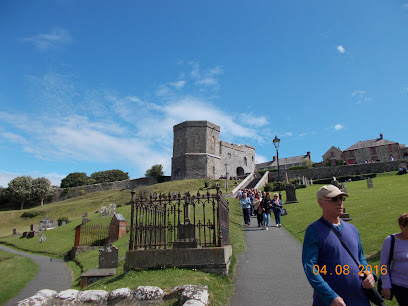
St Davids Cathedral
8.2 km
Discover the ancient spiritual heart of Wales in St Davids Cathedral, a majestic site of pilgrimage and architectural wonder nestled in Pembrokeshire’s scenic valley.
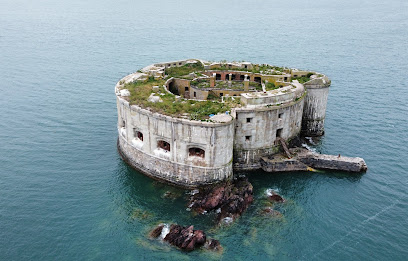
Stack Rock Fort
18.3 km
A formidable 19th-century island fortress guarding Wales’ Milford Haven, blending military history with rugged coastal beauty.
Tŷ Milford Waterfront
18.4 km
Modern nautical charm meets stunning marina views at Tŷ Milford Waterfront, a stylish family-friendly hotel in scenic Milford Haven.

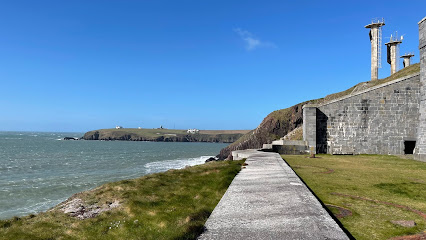
West Blockhouse Fort
19.4 km
A commanding 19th-century coastal fort perched on Pembrokeshire cliffs, blending rich military history with stunning sea views and heritage charm.
William Marshal Statue
26.2 km
Medieval England's greatest knight, immortalized in bronze below his castle stronghold.

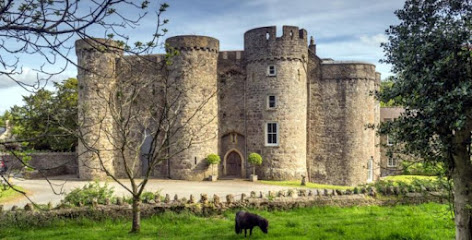
Upton Castle Gardens
26.4 km
Explore Upton Castle Gardens, a breathtaking blend of nature, art, and history in Cosheston, Pembroke Dock, offering a tranquil escape for every visitor.
Preseli Hills
27.5 km
Explore the breathtaking Preseli Hills, a majestic mountain range in Pembrokeshire, Wales, offering stunning views, rich history, and outdoor adventures.
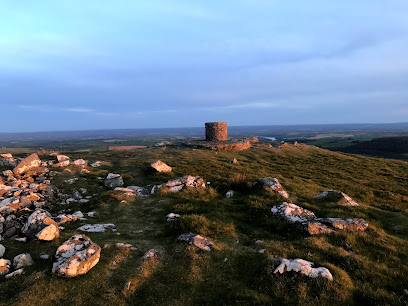
Pembrokeshire Llama Sanctuary
28.4 km
Experience the charm of gentle llamas in the heart of Pembrokeshire, where nature, education, and fun come together for an unforgettable adventure.

Carew Tidal Mill
28.5 km
Experience the rich history and stunning scenery of Carew Tidal Mill, a historic treasure in Pembrokeshire's beautiful landscape.
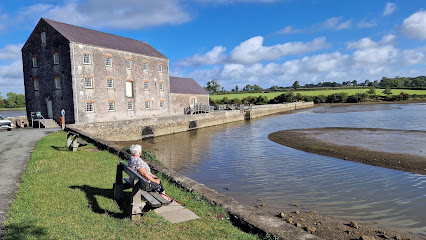
Carew Castle & Tidal Mill
28.8 km
Explore Carew Castle & Tidal Mill, a historical marvel blending medieval architecture with breathtaking natural beauty in Pembrokeshire.
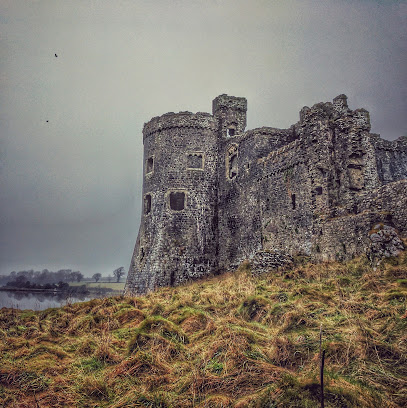
Llys yr Esgob Llandyfái / Lamphey Bishops Palace
28.9 km
Explore the enchanting ruins of Lamphey Bishops Palace, a historical landmark nestled in Pembrokeshire, rich in history and breathtaking architecture.

Carew Cross
28.9 km
An exquisite 11th-century Celtic cross memorializing Welsh royalty, showcasing intricate stone carvings and deep historical roots near Carew Castle.
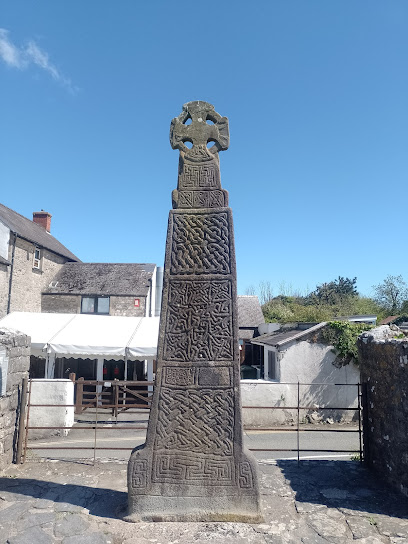
Green Bridge of Wales
30.0 km
Experience the breathtaking natural beauty of the Green Bridge of Wales, a stunning rock formation along the picturesque Pembrokeshire Coast.
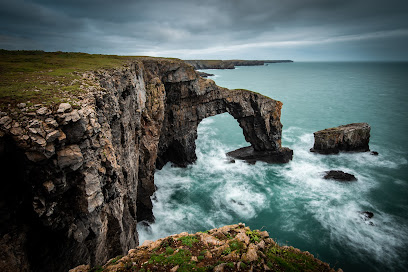
Elegug Stacks
30.0 km
Explore Elegug Stacks, a breathtaking coastal gem in Pembrokeshire, where cliffs meet the sea, offering stunning views and diverse wildlife.
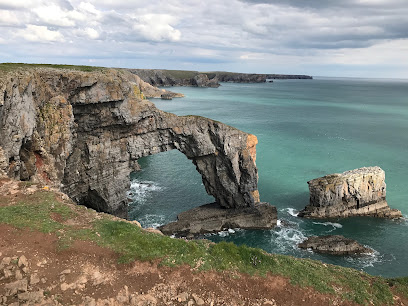
The Cauldron
30.1 km
Experience the stunning natural beauty of The Cauldron in Pembrokeshire, where rugged cliffs meet the serene waves of the coast.
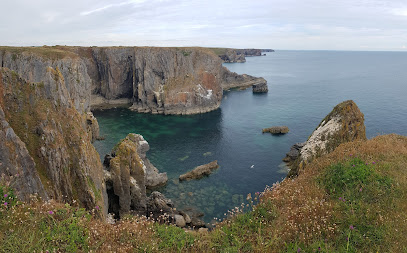
Unmissable attractions to see

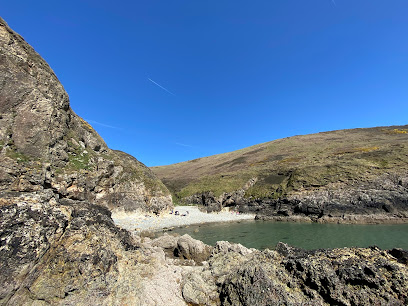
Porthmynawyd beach
0.3 km
Secluded sand and pebble beach on the Pembrokeshire Coast Path, perfect for peaceful walks and year-round dog-friendly exploration.
Solva Lime Kilns
2.8 km
Historic 19th-century lime kilns set against Pembrokeshire’s rugged coast, blending industrial heritage with breathtaking natural beauty.
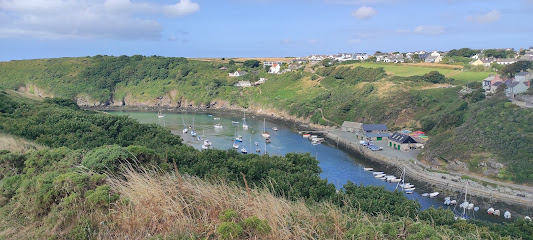
National Trust - Southwood Estate
3.5 km
Explore Pembrokeshire’s Southwood Estate: a timeless blend of coastal beauty, wildlife-rich farmland, and historic Victorian charm.
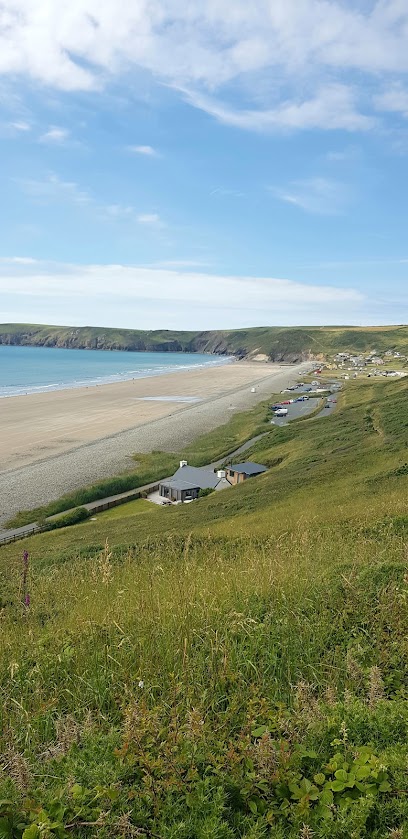
Solva Woollen Mill
3.8 km
Discover traditional Welsh wool weaving and heritage craftsmanship at Solva Woollen Mill, nestled in scenic Pembrokeshire.
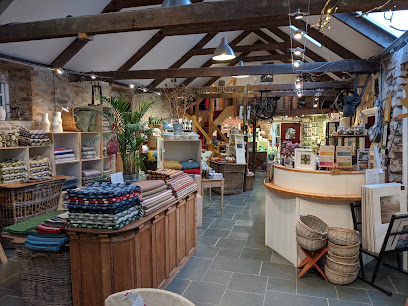
Nolton Haven Beach
5.3 km
Secluded sandy beach with stunning cliffs, rock pools, and coastal path in Pembrokeshire’s peaceful St Bride’s Bay.
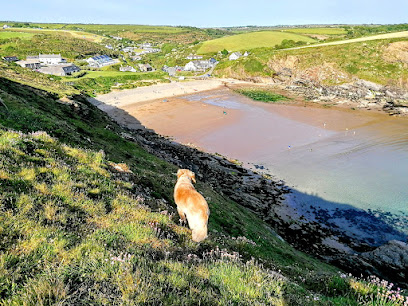
Druidston beach
6.5 km
Secluded sandy bay framed by cliffs, perfect for tranquil walks, horse riding, and spectacular sunsets on Pembrokeshire’s coast.
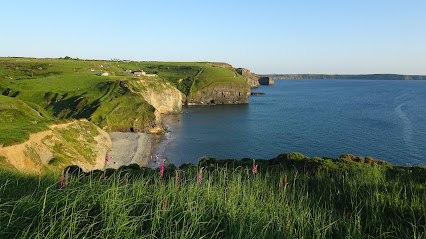
Pembrokeshire Coast National Park
7.0 km
Explore Britain's only coastal national park, where rugged cliffs, golden beaches, and rich wildlife await along 186 miles of stunning coastline.
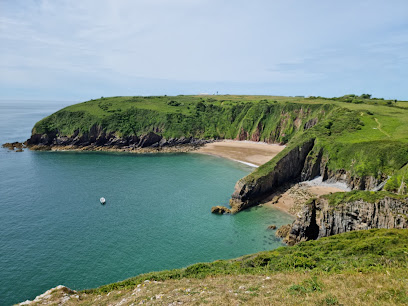
Oriel y Parc Gallery & Visitor Centre
7.6 km
Discover art, nature, and local culture at Oriel y Parc, the vibrant gateway to Pembrokeshire Coast National Park in St Davids.

St Non's Chapel and Well
8.0 km
Discover the ancient birthplace of St David with sacred ruins, a healing holy well, and a serene chapel on the Pembrokeshire coast.
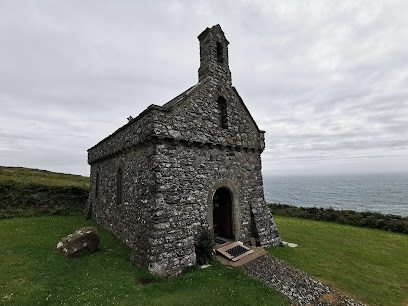
Wild About Pembrokeshire!
8.2 km
Explore the natural beauty and rich culture of Pembrokeshire with Wild About Pembrokeshire, your gateway to unforgettable adventures in nature.

Llys yr Esgob, Tyddewi / St Davids Bishop's Palace
8.3 km
Explore the majestic ruins of St Davids Bishop's Palace, a medieval Welsh landmark steeped in history and scenic charm beside the River Alun.

The Storybox
8.5 km
Discover The Storybox in Haverfordwest—a unique blend of immersive theatre and interactive adventure for all ages in Pembrokeshire.

Porthclais Harbour Authority
8.8 km
A historic 12th-century harbour on Pembrokeshire’s coast, perfect for kayaking, coastal walks, and soaking in scenic Welsh maritime heritage.
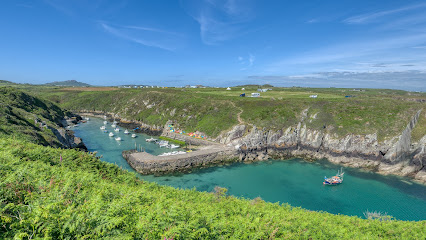
Celtic Quest Coasteering
8.9 km
Experience thrilling coasteering adventures exploring Pembrokeshire’s rugged coastline with expert guides and full safety gear.
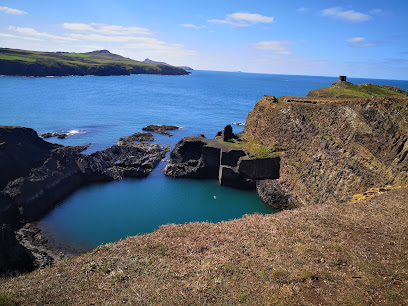
Blue Lagoon - Abereiddi
9.2 km
Discover the vibrant flooded slate quarry of Blue Lagoon at Abereiddi, a dramatic coastal gem blending industrial heritage with thrilling water adventures.
Essential places to dine

The Hats and Barrels
2.8 km
A stylish riverside bistro in Solva offering British classics, vegan options, and a warm, welcoming atmosphere in Pembrokeshire’s scenic harbour village.

The Cambrian Inn
2.8 km
A charming coastal inn in Solva offering cozy rooms, local cuisine, and a warm Welsh welcome near Pembrokeshire’s scenic shores.

The Druidstone Hotel
6.9 km
Eclectic bohemian hotel near Pembrokeshire’s coast, offering creative cuisine, cozy rooms, and stunning seaside views in a relaxed, pet-friendly setting.
Blas Restaurant
7.5 km
A boutique dining gem in St Davids blending innovative Welsh cuisine with contemporary art in a historic windmill setting.
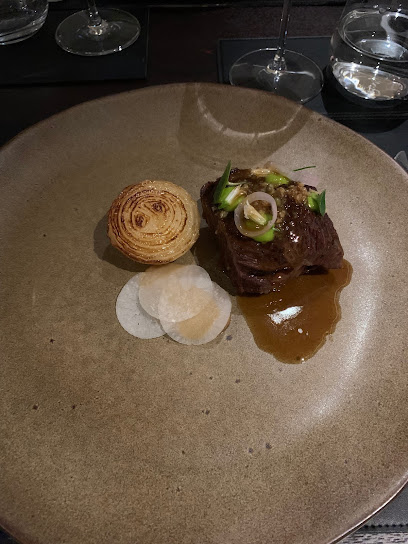
Twr y Felin Hotel
7.5 km
A stylish coastal retreat blending contemporary art, luxury comfort, and Welsh heritage in the heart of St Davids.

The Really Wild Emporium
7.9 km
Discover wild flavours, sustainable living, and unique local crafts at The Really Wild Emporium in St Davids’ historic heart.

The Shed Fish & Chip Bistro
9.7 km
Fresh, locally caught seafood served in a charming harbour-side bistro in the heart of Porthgain village.
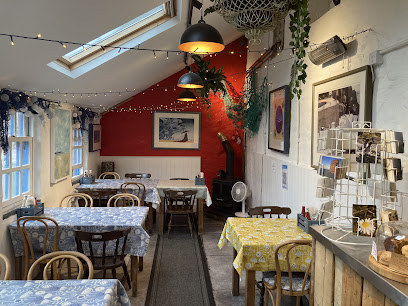
The Ocean Cafe Bar & Restaurant
9.7 km
Seaside dining with fresh seafood, hearty breakfasts, and stunning views over Broad Haven’s St Brides Bay.
Sand & Stone Kitchen
9.9 km
Cozy seaside kitchen serving top-notch breakfast, burgers, and vegan delights in Broad Haven’s charming coastal village.
The Rising Sun Inn
11.8 km
Charming countryside pub and restaurant in Pelcomb Bridge offering hearty meals, warm hospitality, and a welcoming caravan park in scenic Pembrokeshire.
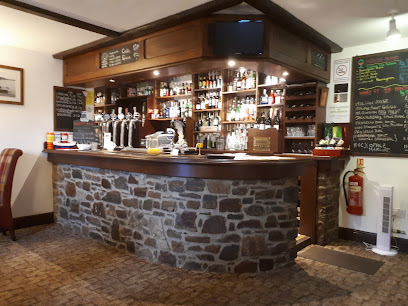
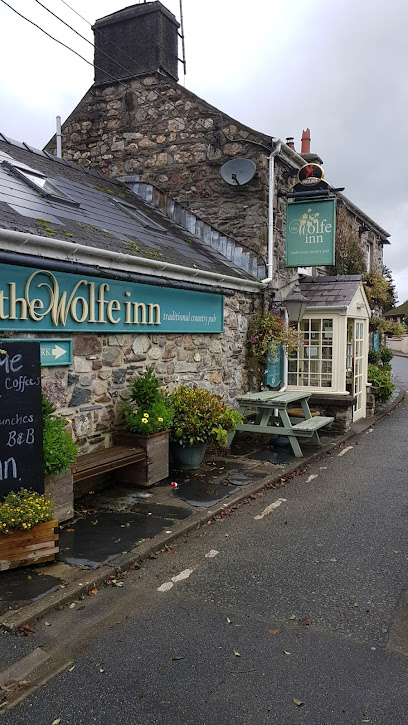
The Wolfe Inn Wolfscastle
13.0 km
A welcoming country inn where Welsh hospitality meets modern comfort in rural Pembrokeshire.
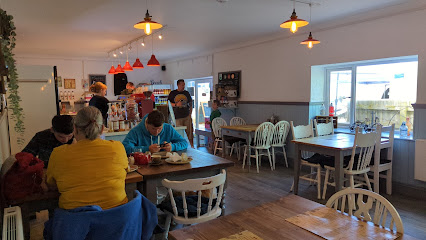
SEED Restaurant & Coffee Shop
14.2 km
Experience fresh, expertly crafted meals by hospitality students in a welcoming college restaurant with seasonal menus and themed evenings.

The George's
14.3 km
A unique all-day dining and shopping experience in the heart of historic Haverfordwest with a tranquil walled garden retreat.
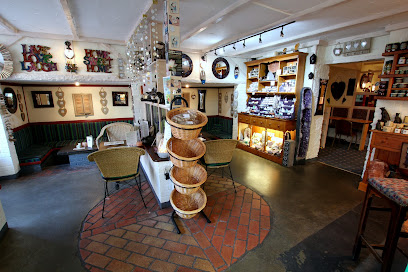
The Lobster Pot Inn
14.9 km
Cozy coastal inn in Marloes offering fresh seafood, simple comfort, and easy access to Pembrokeshire’s scenic coastal paths.
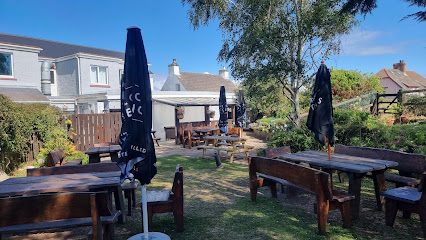
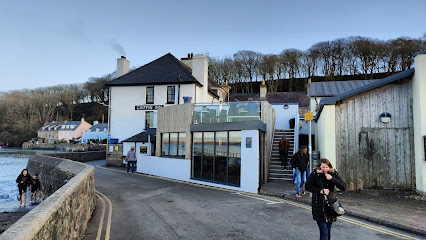
The Griffin
17.4 km
A beloved Pembrokeshire seafood gastropub offering fresh local fish, warm hospitality, and stunning seafront views in the village of Dale.
Markets, malls and hidden boutiques

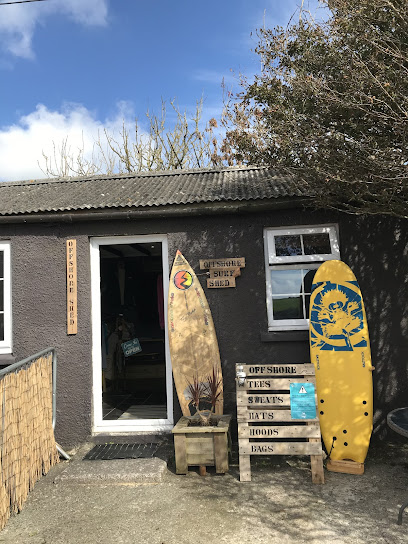
Offshore Surf Shed
1.9 km
A warm local surf shop in historic Penycwm offering quality gear and coastal lifestyle essentials in the heart of Pembrokeshire.
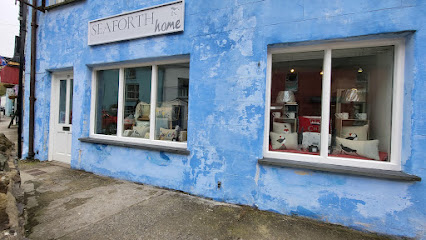
Seaforth Home
2.8 km
Discover handcrafted Welsh homewares inspired by Pembrokeshire’s rugged coast at Seaforth Home in Solva.
Window On Wales Ltd
2.8 km
Discover unique Welsh gifts, stylish men’s clothing, and charming homeware in the heart of Solva at Window On Wales Ltd.
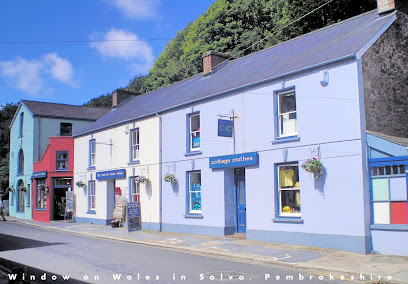
Nolton Cross Farm Shop
7.3 km
Authentic Pembrokeshire farm shop offering local Welsh produce, grass-fed beef, and traditional Welshcakes in a serene rural setting.
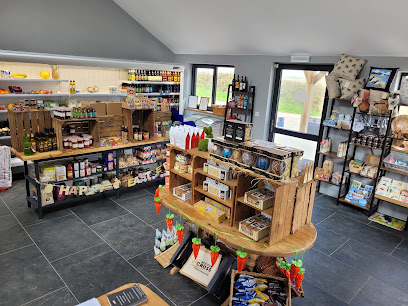
Interesting Things
7.8 km
Explore St Davids' charm through unique gifts and handcrafted crafts at Interesting Things, a must-visit shop for every tourist.

Basalt & Dune
7.9 km
Discover unique artisan gifts and local art in the heart of St Davids at Basalt & Dune, a boutique gallery and shop celebrating Welsh creativity.

Window on Wales
8.0 km
Discover authentic Welsh crafts and gifts in a charming historic setting at Window on Wales, St Davids’ beloved artisan shop.

Haven Sports Ltd
9.9 km
Your trusted Broad Haven surf shop offering quality water sports gear and expert local advice for all ages and skill levels.

The Beach Shop
9.9 km
A charming coastal gift shop in Broad Haven offering beach essentials and souvenirs near the scenic Pembrokeshire coastline.
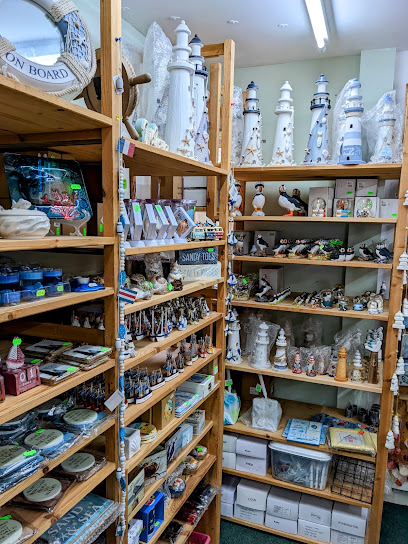
Vincent Davies
13.6 km
A versatile department store in Haverfordwest blending home goods, garden supplies, dining, and friendly service under one welcoming roof.

The Original Factory Shop (Haverfordwest)
13.7 km
Discover unbeatable discounts on clothing, beauty, and more at The Original Factory Shop in Haverfordwest - the ultimate shopping destination.

Springfield Retail Park
14.0 km
A vibrant shopping and dining hub in Haverfordwest offering diverse stores, ample parking, and a lively atmosphere for locals and visitors alike.

Next
14.1 km
A family-friendly fashion hub in Haverfordwest offering stylish clothing, shoes, and accessories for all ages at moderate prices.

Withybush Retail Park
14.1 km
A modern retail park in Haverfordwest offering diverse shopping, dining, and free parking for a convenient and lively local experience.

Mountain Warehouse Haverfordwest
14.1 km
Your essential outdoor gear destination for Pembrokeshire adventures and Welsh wilderness exploration.
Essential bars & hidden hideouts

Harbour Inn
2.7 km
A welcoming coastal pub in Solva offering hearty meals, scenic harbour views, and friendly hospitality along the Pembrokeshire Coast Path.
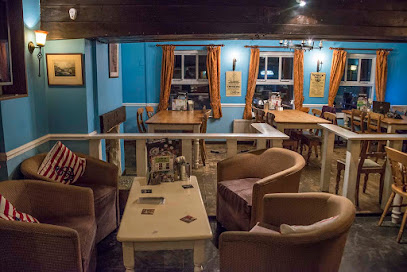
The Ship Solva
2.8 km
Charming family-run pub in Solva offering craft beers, fresh Welsh cuisine, and a cozy atmosphere near scenic Solva Harbour.

Artramont Arms
7.3 km
A welcoming Welsh country pub serving hearty meals and good beer in the peaceful village of Croesgoch near Haverfordwest.
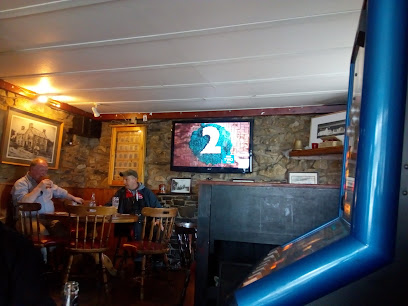
Square & Compass Inn
8.4 km
A welcoming Welsh country pub near Haverfordwest offering hearty food, friendly locals, and scenic Pembrokeshire views.
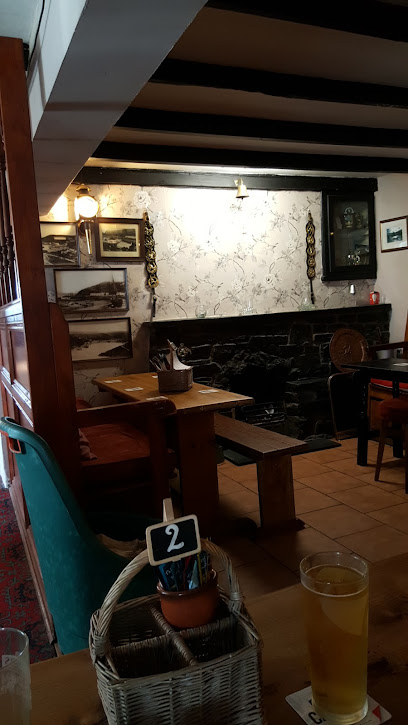
The Ship Inn
9.5 km
Historic coastal pub in Pembrokeshire blending rustic charm with modern dining and a welcoming garden.
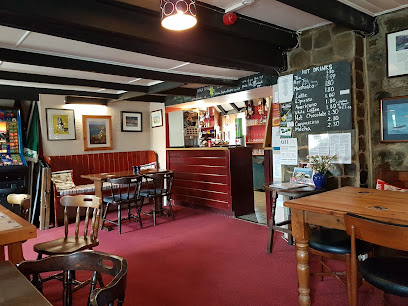
Sloop Inn
9.7 km
Historic coastal pub in Porthgain offering warm hospitality, fresh local seafood, and a rich maritime atmosphere.
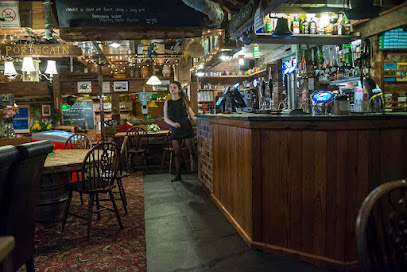
The Galleon Inn
9.8 km
A family-run coastal pub in Broad Haven offering hearty food, excellent beer, and a warm, lively atmosphere by the sea.
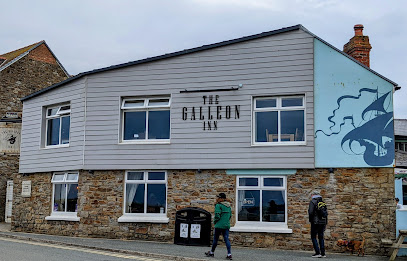
The Pelcomb Inn
10.2 km
A warm, traditional Welsh pub offering hearty meals, friendly service, and cozy accommodation near Haverfordwest.
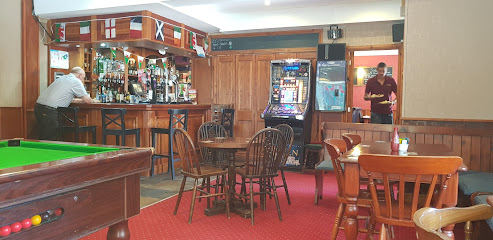
The Farmers Arms
10.2 km
Traditional Welsh pub in scenic Mathry offering hearty meals, real ales, and warm Pembrokeshire hospitality daily from noon to 11pm.
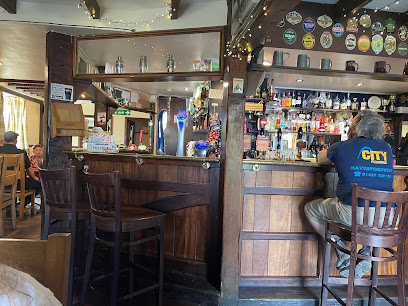
The Castle
10.4 km
A charming seaside pub in Little Haven offering hearty meals, stunning sea views, and warm, attentive service in a cozy setting.
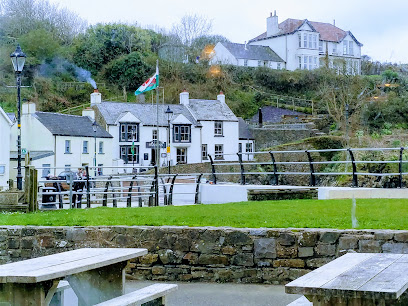
St. Brides Inn
10.4 km
Cozy seaside pub in Little Haven serving fresh local seafood, Welsh meats, and warm hospitality in a charming coastal setting.
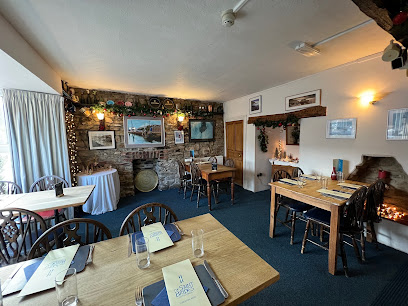
The Corner Piece Inn
12.7 km
Cozy dog-friendly pub in Rudbaxton serving hearty home-cooked meals and renowned Sunday roasts with warm, attentive hospitality.
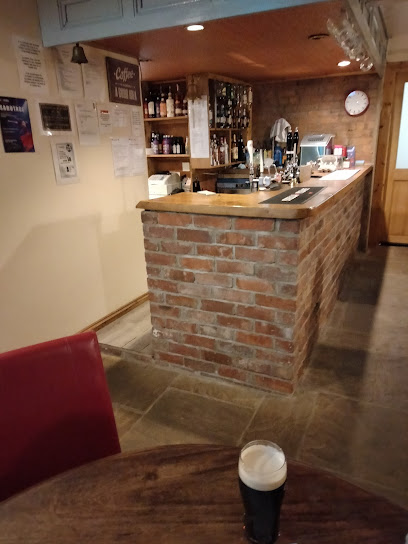
Lost Coins
13.8 km
A cozy, family-friendly pub in historic Haverfordwest serving quality pub classics, real ales, and vegan options with a warm atmosphere.
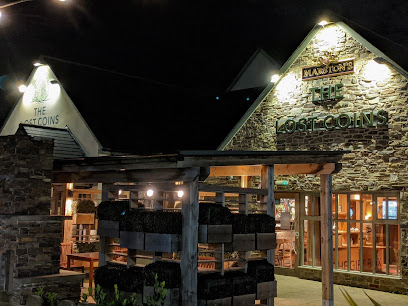
Stonemasons Arms
14.2 km
Cozy Welsh pub in Haverfordwest offering local ales, hearty meals, and a warm, welcoming atmosphere in the heart of Pembrokeshire.

Friars Vaults
14.4 km
Historic and welcoming pub in Haverfordwest serving hearty British fare with great value and a lively local atmosphere.
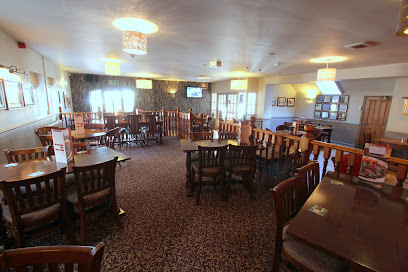
Nightclubs & after hour spots

Eddie Rocks
14.4 km
A vibrant multi-floor nightclub in Haverfordwest offering energetic nights, diverse music, and a welcoming atmosphere by the waterfront.

The Basement
18.4 km
Discover the energetic nightlife of Milford Haven at The Basement, where music, dancing, and vibrant gatherings create unforgettable experiences.
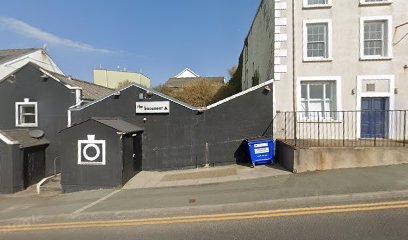
Boulevard Show Bar
18.5 km
Experience vibrant cabaret, live shows, and lively nightlife at Boulevard Show Bar, Milford Haven’s premier entertainment venue.

Paddles
26.4 km
Experience Pembroke’s vibrant nightlife at Paddles, the go-to nightclub for late-night music, drinks, and social energy in the town center.

Comlongon
33.4 km
Experience vibrant nightlife in the charming village of St Florence with Comlongon, Tenby’s energetic nightclub gem.
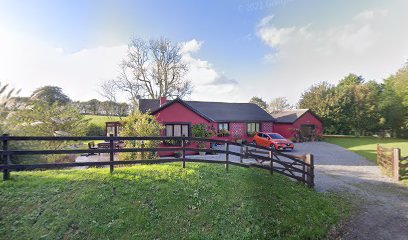
Sands Nightclub
35.5 km
Saundersfoot’s lively nightclub with dance, drinks, and a vibrant atmosphere near the beach.

Prince Of Wales
37.6 km
Tenby’s iconic late-night nightclub blending lively music, classic charm, and a spirited atmosphere in the heart of Town Wall Arcade.
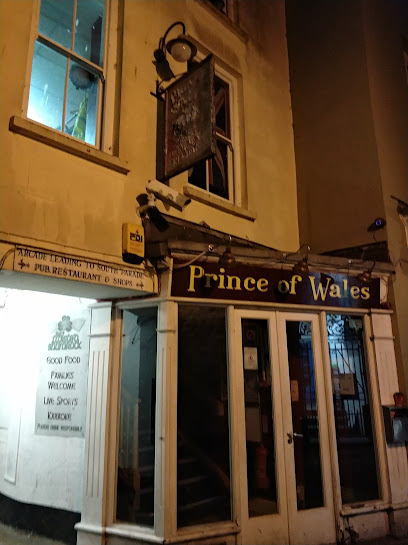
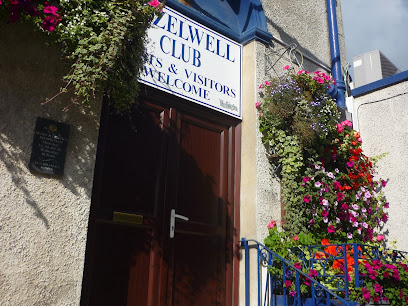
Hazewell Club
37.8 km
Discover the Hazewell Club in Tenby: a cozy sports club offering a warm atmosphere and local drinks amidst stunning coastal views.
Savannah's Night Club
57.7 km
Experience Carmarthen’s vibrant nightlife at Savannah's Night Club—where music, dance, and stylish vibes create unforgettable Saturday nights.

The Gremlin Club
58.1 km
Vibrant nightlife and lively open mic nights in the heart of Carmarthen’s social scene.

Club Mambo
58.2 km
Discover the energetic vibe of Club Mambo, a lively bar in Carmarthen offering delicious drinks and an unforgettable nightlife experience.

Lucifer's Nightlife
58.2 km
Experience Carmarthen's vibrant nightlife and fast food fusion at Lucifer's Nightlife, where music, dancing, and late-night bites come alive on Queen Street.

The Rainbow Rooms Bar & Club
79.9 km
Experience lively nights and vibrant music at The Rainbow Rooms Bar & Club, Gorseinon’s premier destination for unforgettable nightlife.

Sin City
87.2 km
Energetic Swansea nightclub with live music, affordable drinks, and a lively atmosphere on Dillwyn Street.

Cuba Escape
87.2 km
Experience Swansea’s vibrant nightlife at Cuba Escape, where live music, energetic crowds, and a colorful atmosphere come together for unforgettable nights.

For the vibe & atmosphere seeker
- Adventurous
- Relaxing
- Scenic
- Tranquil
For the design and aesthetic lover
- Rustic Designs
- Vintage Styles
For the architecture buff
- Historic
- Landmarks
- Parks & Gardens
- Viewpoints
- Heritage Neighborhoods
For the view chaser and sunset hunter
- Iconic Views
- Panoramas
- Sunrise Spots
- Sunset Spots
For the social media creator & influencer
- Instagrammable
- Photo Spots
- Selfie Spots
- Aesthetic Corners
For the eco-conscious traveler
- Protected Area
- National Park
- Public-Transport Accessible
- Leave-No-Trace Critical
- Locally Managed
- Wildlife Habitat
For the kind of experience you’re after
- Cultural Heritage
- Nature Escape
- Photowalk
- Day Trip
- Weekend Getaway
- Myth & Legends
For how adventurous you want the journey to be
- Easy Access
- Requires Hike
Location Audience
- Family Friendly
- Senior Friendly
- Teen Friendly
- Wheelchair Access
- Pet Friendly
- Couple Friendly
- Solo Friendly


