
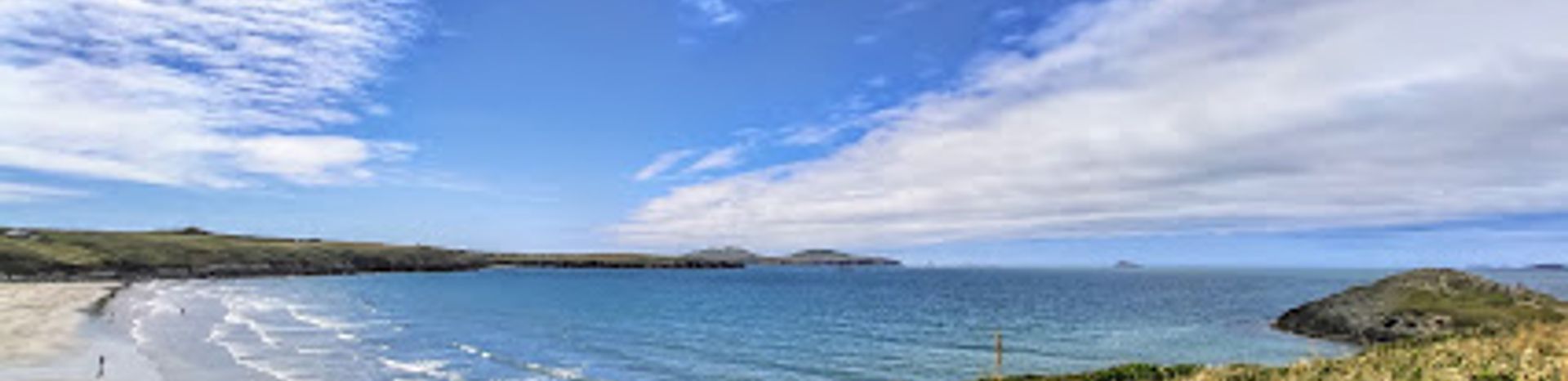
St David's Head, Pembrokeshire Coast National Park
Dramatic cliffs, ancient dolmens and sweeping sea views on the wild Pembrokeshire headland where the Irish and Celtic Seas meet.
St David's Head is a wild, windswept headland on the Pembrokeshire Coast Path in southwest Wales, where ancient volcanic cliffs meet the Irish and Celtic Seas. Owned by the National Trust, this dramatic peninsula offers sweeping coastal views, rare wildflowers, seabird colonies, and prehistoric remains like the Neolithic dolmen Coetan Arthur. Access is on foot via the Pembrokeshire Coast Path, with the nearest access points at Whitesands Bay and Porthclais. It’s a place of raw natural beauty, perfect for coastal walks, photography, and quiet contemplation.
A brief summary to St David's Head - National Trust
- Pembrokeshire Coast Path, Haverfordwest, St Davids, SA62 6PT, GB
- Visit website
- Duration: 1 to 3 hours
- Free
-
 Outdoor
- Mobile reception: 3 out of 5
- Monday 12 am-12 am
- Tuesday 12 am-12 am
- Wednesday 12 am-12 am
- Thursday 12 am-12 am
- Friday 12 am-12 am
- Saturday 12 am-12 am
- Sunday 12 am-12 am
Local tips
- Wear sturdy walking shoes and bring windproof, waterproof layers; the headland is exposed and can be very windy and wet even on sunny days.
- Start from Whitesands Bay car park for the classic circular walk over Carn Llidi and to Coetan Arthur; allow 1.5–2 hours for the full loop.
- Keep dogs on a lead where livestock are present and always take dog mess home; the area is important for grazing and wildlife.
- Visit in spring or early summer for the best wildflowers, or in autumn for dramatic storm-watching and fewer crowds.
- Bring binoculars to watch seabirds on the cliffs and seals on the rocks; early morning or late afternoon light is best for photography.

For the on-the-go comforts that matter to you
- Restrooms
- Drinking Water
- Food Options
- Seating Areas
- Trash Bins
- Information Boards
Getting There
-
On foot from Whitesands Bay
From the Whitesands Bay car park, follow the Pembrokeshire Coast Path northwest along the cliffs. The walk to St David’s Head and back is about 3.75 miles (6 km) and takes roughly 1.5–2 hours at a steady pace. The path is well marked but can be steep and uneven in places.
-
On foot from Porthclais Harbour
From Porthclais Harbour, take the coastal path west along the St Davids Peninsula. The route to St David’s Head is longer and more exposed, suitable for experienced walkers. Allow 2–3 hours each way, depending on pace and weather conditions.
-
By bus to St Davids
Take a local bus to St Davids, then walk or take a short taxi ride to Whitesands Bay or Porthclais Harbour. The Celtic Coaster seasonal shuttle connects St Davids with Whitesands Bay and other coastal points, making it easy to start a circular walk without a car.
-
By car to Whitesands Bay
Drive to Whitesands Bay car park, about 2 miles northwest of St Davids along the B4583. The car park is pay and display; from there, follow the Pembrokeshire Coast Path signs to St David’s Head. Parking can be limited in peak season, so arrive early.
St David's Head - National Trust location weather suitability
-
 Any Weather
-
 Rain / Wet Weather
-
 Clear Skies
-
 Windy Conditions
-
 Mild Temperatures
Discover more about St David's Head - National Trust
Where Land Meets Sea
St David's Head (Penmaen Dewi) is a rugged headland on the western tip of the St Davids Peninsula, where the Irish Sea meets the Celtic Sea. Rising above the Pembrokeshire Coast National Park, this dramatic stretch of coastline is defined by ancient volcanic cliffs, deep coves, and sweeping views across Ramsey Sound to Ramsey Island and the Bishops and Clerks rocks. The headland marks the narrowest point of St George’s Channel and forms a natural divide between two great bodies of water, making it a powerful place to stand and watch the tides and weather shape the coast.Walking the Wild Edge
The main way to experience St David’s Head is on foot along the Pembrokeshire Coast Path, which traces the cliff edge with exhilarating exposure and constant sea views. Paths climb over Carn Llidi, the peninsula’s highest point, and pass prehistoric sites like the Neolithic dolmen Coetan Arthur, a massive capstone resting on upright stones. The terrain is rugged: grassy slopes, rocky outcrops, and uneven coastal paths with some steps and stiles. There are no roads or buildings on the headland itself, just open moorland, heather, and the sound of wind and waves.Nature and Ancient Traces
This headland is rich in both natural and human history. The cliffs support seabird colonies, including guillemots and razorbills, while grey seals often rest on offshore rocks and dolphins can be spotted in the channel. The thin, windswept soils support rare coastal wildflowers and heathland plants, especially in spring and early summer. Archaeological remains hint at long human use: ancient field systems, an Iron Age promontory fort, and burial chambers like Coetan Arthur, all testifying to thousands of years of settlement and ritual in this exposed landscape.Practical Access and Atmosphere
St David’s Head is owned and managed by the National Trust as part of the St Davids Peninsula, with access on foot from nearby car parks at Whitesands Bay and Porthclais Harbour. There are no facilities on the headland itself; visitors must bring water, food, and appropriate clothing. The atmosphere is wild and exposed, with strong winds and rapidly changing weather common. It’s a place for solitude, coastal walking, photography, and connecting with the raw power of the sea and the deep history written into the rocks and earth.Iconic landmarks you can’t miss

St Davids Cathedral
3.8 km
Discover the ancient spiritual heart of Wales in St Davids Cathedral, a majestic site of pilgrimage and architectural wonder nestled in Pembrokeshire’s scenic valley.
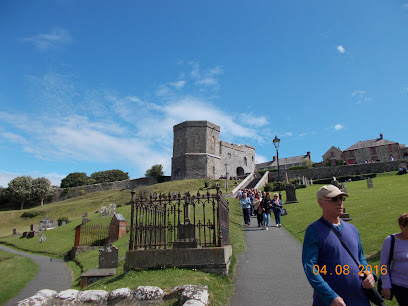
West Blockhouse Fort
26.1 km
A commanding 19th-century coastal fort perched on Pembrokeshire cliffs, blending rich military history with stunning sea views and heritage charm.
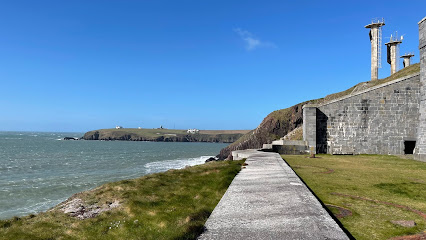
Stack Rock Fort
26.9 km
A formidable 19th-century island fortress guarding Wales’ Milford Haven, blending military history with rugged coastal beauty.
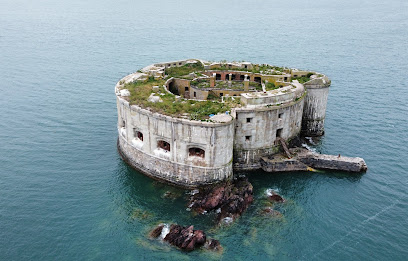
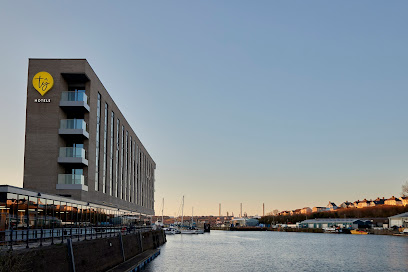
Tŷ Milford Waterfront
28.2 km
Modern nautical charm meets stunning marina views at Tŷ Milford Waterfront, a stylish family-friendly hotel in scenic Milford Haven.
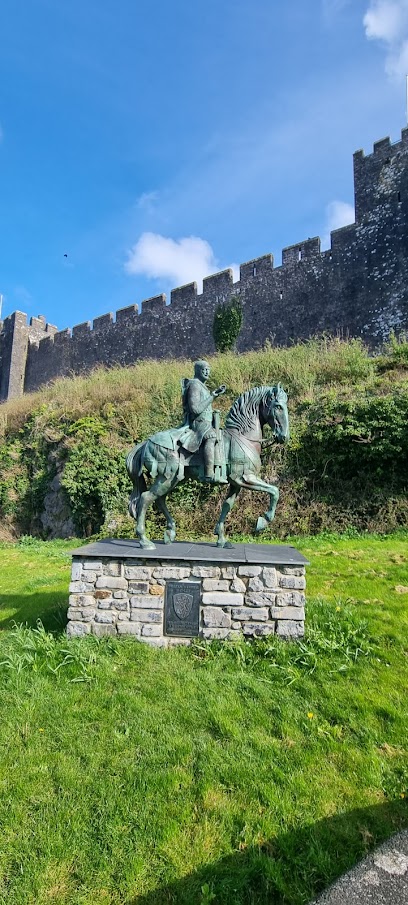
William Marshal Statue
36.9 km
Medieval England's greatest knight, immortalized in bronze below his castle stronghold.
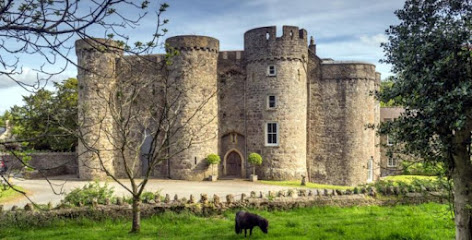
Upton Castle Gardens
37.7 km
Explore Upton Castle Gardens, a breathtaking blend of nature, art, and history in Cosheston, Pembroke Dock, offering a tranquil escape for every visitor.
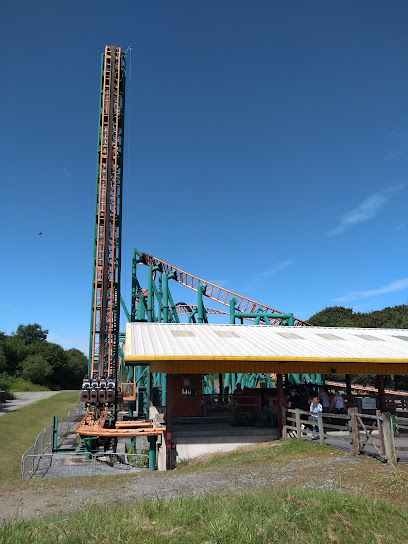
Oakwood Theme Park
37.8 km
Experience the thrill of Oakwood Theme Park, where adventure meets family fun in the heart of Wales.
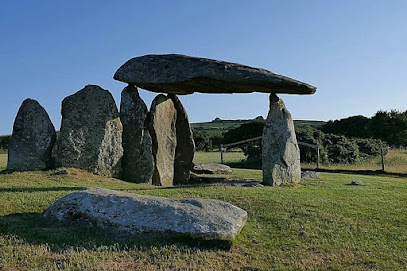
Pentre Ifan Burial Chamber
38.6 km
Explore the ancient Pentre Ifan Burial Chamber, one of the UK's tallest Neolithic sites, surrounded by breathtaking Pembrokeshire scenery.
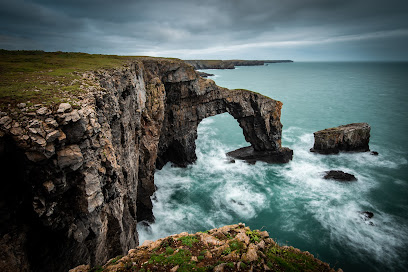
Green Bridge of Wales
39.0 km
Experience the breathtaking natural beauty of the Green Bridge of Wales, a stunning rock formation along the picturesque Pembrokeshire Coast.
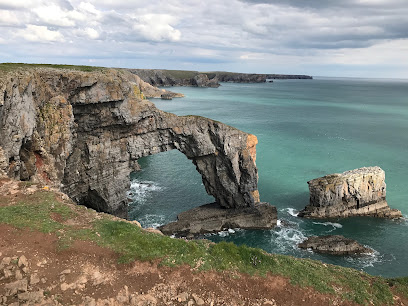
Elegug Stacks
39.1 km
Explore Elegug Stacks, a breathtaking coastal gem in Pembrokeshire, where cliffs meet the sea, offering stunning views and diverse wildlife.
Pembrokeshire Llama Sanctuary
39.1 km
Experience the charm of gentle llamas in the heart of Pembrokeshire, where nature, education, and fun come together for an unforgettable adventure.

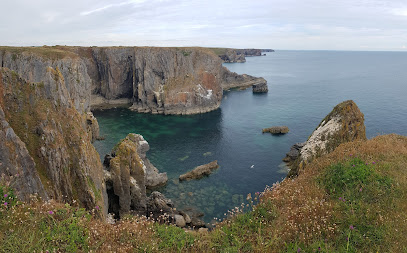
The Cauldron
39.2 km
Experience the stunning natural beauty of The Cauldron in Pembrokeshire, where rugged cliffs meet the serene waves of the coast.
Carew Tidal Mill
39.8 km
Experience the rich history and stunning scenery of Carew Tidal Mill, a historic treasure in Pembrokeshire's beautiful landscape.
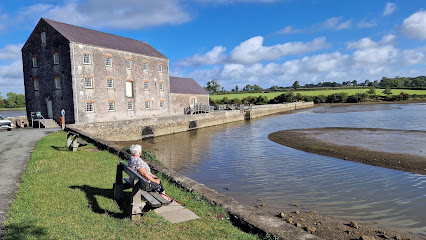
Llys yr Esgob Llandyfái / Lamphey Bishops Palace
39.9 km
Explore the enchanting ruins of Lamphey Bishops Palace, a historical landmark nestled in Pembrokeshire, rich in history and breathtaking architecture.

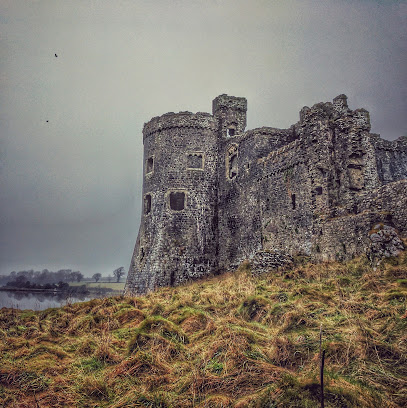
Carew Castle & Tidal Mill
40.2 km
Explore Carew Castle & Tidal Mill, a historical marvel blending medieval architecture with breathtaking natural beauty in Pembrokeshire.
Unmissable attractions to see

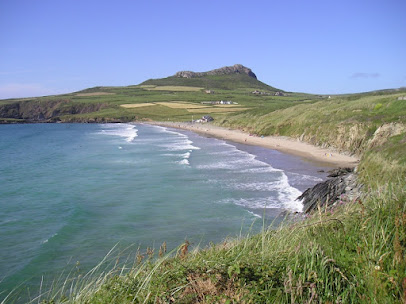
Whitesands Bay
1.3 km
A breathtaking Pembrokeshire beach with golden sands, thrilling surf, and stunning views crowned by the majestic Carn Llidi headland.
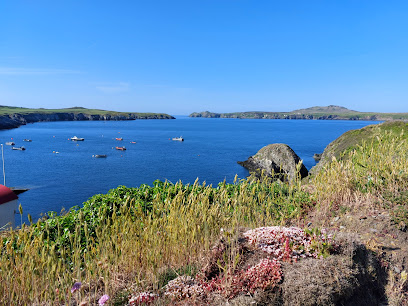
St Justinian's
2.8 km
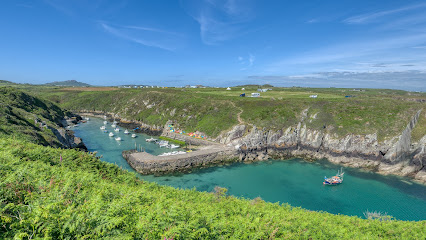
A serene tidal harbour with historic roots, stunning coastal views, and gateway to Pembrokeshire’s maritime adventures.
Llys yr Esgob, Tyddewi / St Davids Bishop's Palace
3.7 km
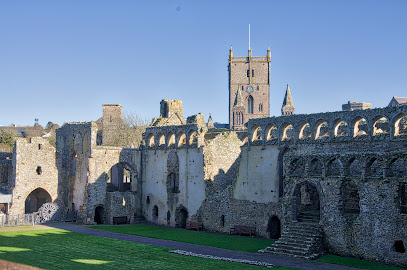
Explore the majestic ruins of St Davids Bishop's Palace, a medieval Welsh landmark steeped in history and scenic charm beside the River Alun.
Wild About Pembrokeshire!
3.9 km
Explore the natural beauty and rich culture of Pembrokeshire with Wild About Pembrokeshire, your gateway to unforgettable adventures in nature.

Oriel y Parc Gallery & Visitor Centre
4.3 km
Discover art, nature, and local culture at Oriel y Parc, the vibrant gateway to Pembrokeshire Coast National Park in St Davids.

Porthclais Harbour Authority
4.5 km
A historic 12th-century harbour on Pembrokeshire’s coast, perfect for kayaking, coastal walks, and soaking in scenic Welsh maritime heritage.
St Non's Chapel and Well
4.5 km
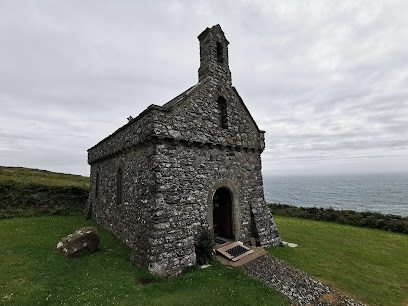
Discover the ancient birthplace of St David with sacred ruins, a healing holy well, and a serene chapel on the Pembrokeshire coast.
Abereiddi Tower
7.8 km
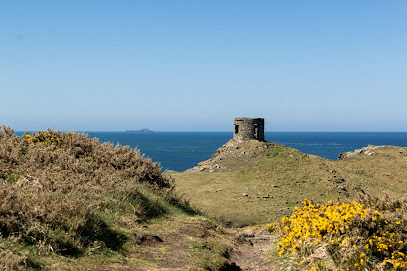
Discover Abereiddi Tower, a mysterious coastal lookout surrounded by Pembrokeshire’s rugged cliffs, slate quarry ruins, and breathtaking sea views.
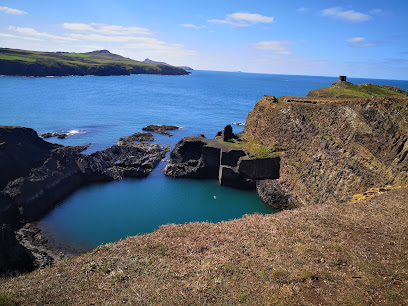
Blue Lagoon - Abereiddi
8.0 km
Discover the vibrant flooded slate quarry of Blue Lagoon at Abereiddi, a dramatic coastal gem blending industrial heritage with thrilling water adventures.
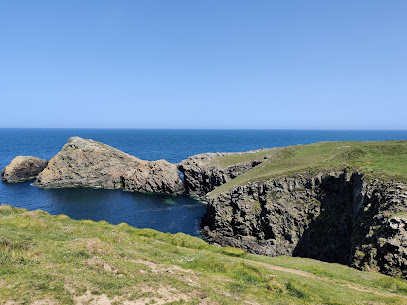
Celtic Quest Coasteering
8.1 km
Experience thrilling coasteering adventures exploring Pembrokeshire’s rugged coastline with expert guides and full safety gear.
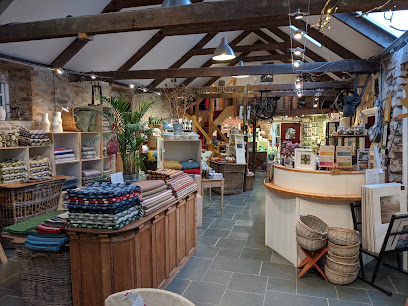
Solva Woollen Mill
8.5 km
Discover traditional Welsh wool weaving and heritage craftsmanship at Solva Woollen Mill, nestled in scenic Pembrokeshire.
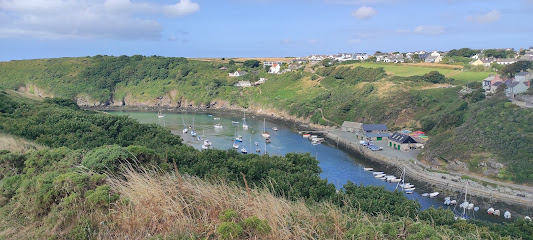
Solva Lime Kilns
8.9 km
Historic 19th-century lime kilns set against Pembrokeshire’s rugged coast, blending industrial heritage with breathtaking natural beauty.
Porthmynawyd beach
11.5 km
Secluded sand and pebble beach on the Pembrokeshire Coast Path, perfect for peaceful walks and year-round dog-friendly exploration.
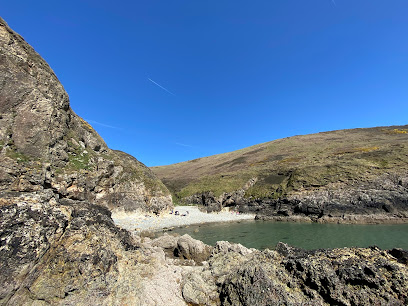
Pembrokeshire Coast Path
11.7 km
Explore 186 miles of breathtaking Welsh coastline, from rugged cliffs to golden beaches, along the iconic Pembrokeshire Coast Path.
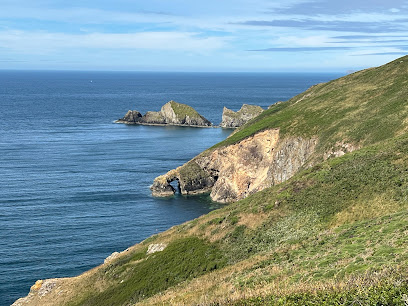
Carreg Samson
13.7 km
Explore Carreg Samson, a monumental 5,000-year-old Neolithic dolmen perched on the Pembrokeshire coast, steeped in legend and prehistoric wonder.

Essential places to dine

The Really Wild Emporium
4.1 km
Discover wild flavours, sustainable living, and unique local crafts at The Really Wild Emporium in St Davids’ historic heart.
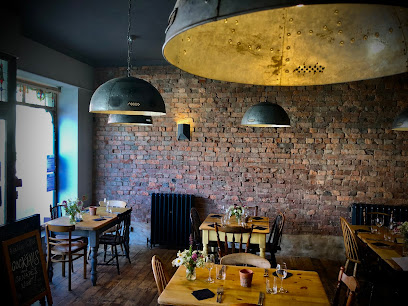
Twr y Felin Hotel
4.4 km
A stylish coastal retreat blending contemporary art, luxury comfort, and Welsh heritage in the heart of St Davids.

Blas Restaurant
4.5 km
A boutique dining gem in St Davids blending innovative Welsh cuisine with contemporary art in a historic windmill setting.
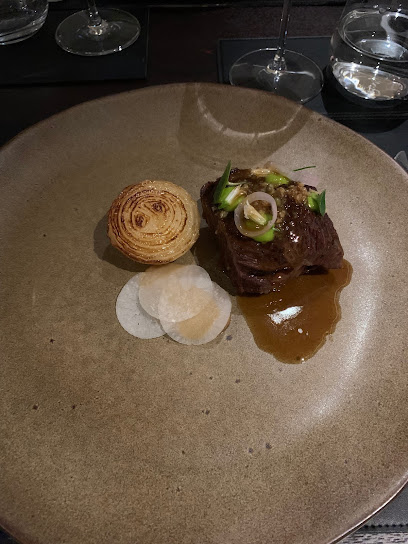
The Hats and Barrels
9.0 km
A stylish riverside bistro in Solva offering British classics, vegan options, and a warm, welcoming atmosphere in Pembrokeshire’s scenic harbour village.
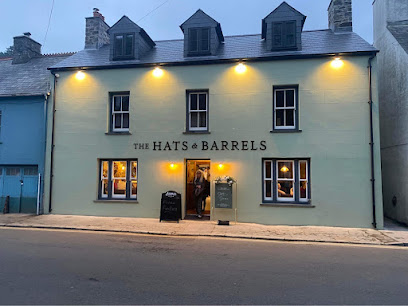
The Cambrian Inn
9.0 km
A charming coastal inn in Solva offering cozy rooms, local cuisine, and a warm Welsh welcome near Pembrokeshire’s scenic shores.

The Shed Fish & Chip Bistro
10.2 km
Fresh, locally caught seafood served in a charming harbour-side bistro in the heart of Porthgain village.
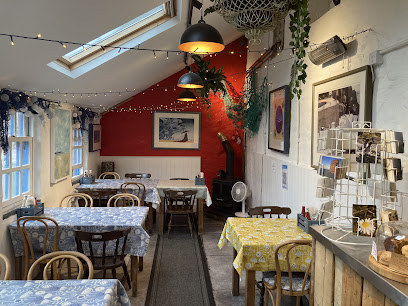
The Druidstone Hotel
17.7 km
Eclectic bohemian hotel near Pembrokeshire’s coast, offering creative cuisine, cozy rooms, and stunning seaside views in a relaxed, pet-friendly setting.
The Ocean Cafe Bar & Restaurant
19.7 km
Seaside dining with fresh seafood, hearty breakfasts, and stunning views over Broad Haven’s St Brides Bay.
Sand & Stone Kitchen
19.8 km
Cozy seaside kitchen serving top-notch breakfast, burgers, and vegan delights in Broad Haven’s charming coastal village.
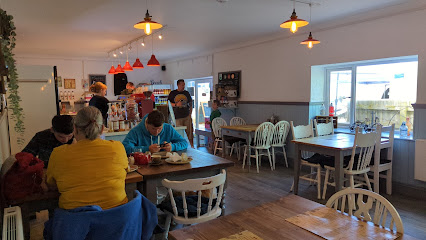
The Lobster Pot Inn
20.6 km
Cozy coastal inn in Marloes offering fresh seafood, simple comfort, and easy access to Pembrokeshire’s scenic coastal paths.
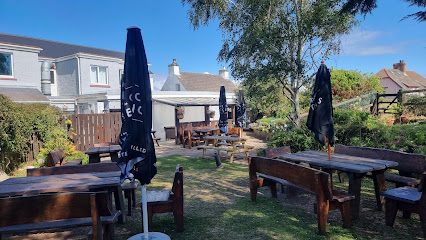
The Wolfe Inn Wolfscastle
23.4 km
A welcoming country inn where Welsh hospitality meets modern comfort in rural Pembrokeshire.
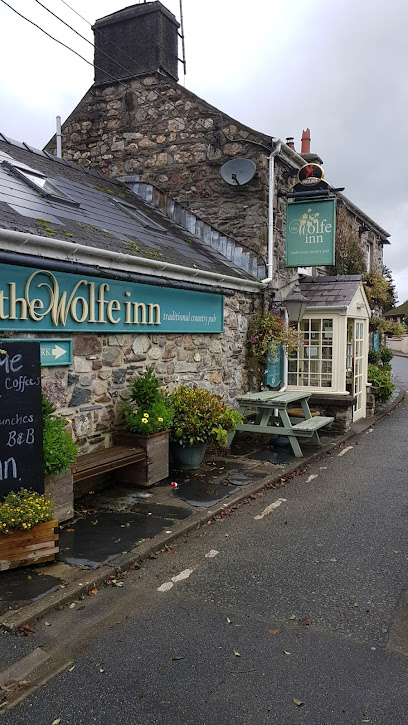
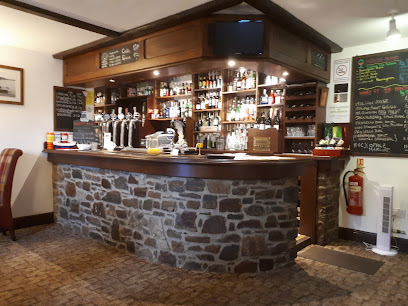
The Rising Sun Inn
23.6 km
Charming countryside pub and restaurant in Pelcomb Bridge offering hearty meals, warm hospitality, and a welcoming caravan park in scenic Pembrokeshire.
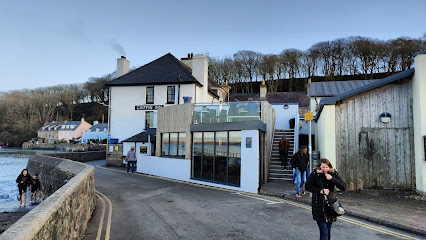
The Griffin
23.9 km
A beloved Pembrokeshire seafood gastropub offering fresh local fish, warm hospitality, and stunning seafront views in the village of Dale.
SEED Restaurant & Coffee Shop
25.8 km
Experience fresh, expertly crafted meals by hospitality students in a welcoming college restaurant with seasonal menus and themed evenings.

The George's
26.0 km
A unique all-day dining and shopping experience in the heart of historic Haverfordwest with a tranquil walled garden retreat.
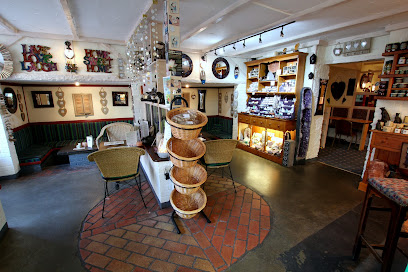
Markets, malls and hidden boutiques

Window on Wales
3.9 km
Discover authentic Welsh crafts and gifts in a charming historic setting at Window on Wales, St Davids’ beloved artisan shop.
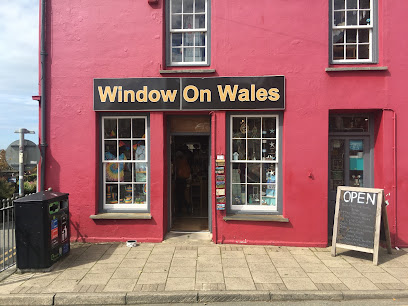
Basalt & Dune
4.1 km
Discover unique artisan gifts and local art in the heart of St Davids at Basalt & Dune, a boutique gallery and shop celebrating Welsh creativity.

Interesting Things
4.2 km
Explore St Davids' charm through unique gifts and handcrafted crafts at Interesting Things, a must-visit shop for every tourist.
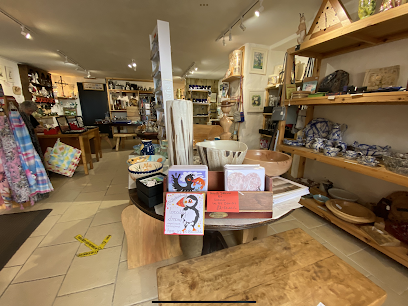
Window On Wales Ltd
9.0 km
Discover unique Welsh gifts, stylish men’s clothing, and charming homeware in the heart of Solva at Window On Wales Ltd.
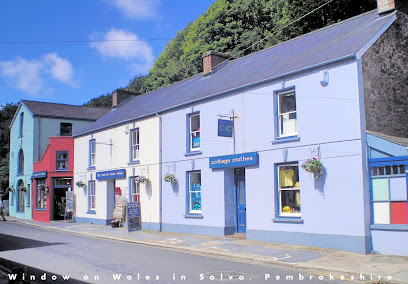
Seaforth Home
9.0 km
Discover handcrafted Welsh homewares inspired by Pembrokeshire’s rugged coast at Seaforth Home in Solva.
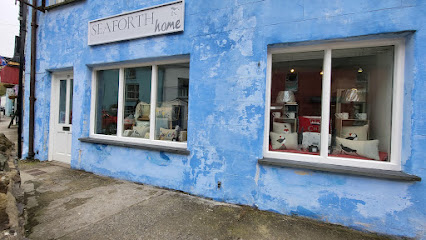
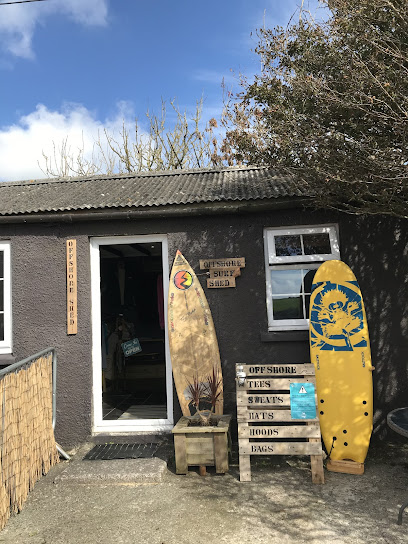
Offshore Surf Shed
13.3 km
A warm local surf shop in historic Penycwm offering quality gear and coastal lifestyle essentials in the heart of Pembrokeshire.
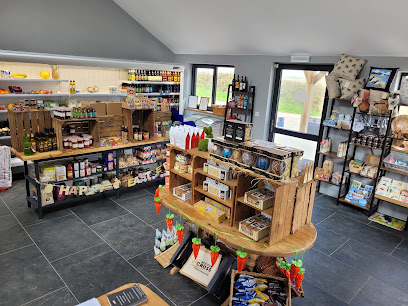
Nolton Cross Farm Shop
18.7 km
Authentic Pembrokeshire farm shop offering local Welsh produce, grass-fed beef, and traditional Welshcakes in a serene rural setting.
Haven Sports Ltd
19.8 km
Your trusted Broad Haven surf shop offering quality water sports gear and expert local advice for all ages and skill levels.

The Beach Shop
19.8 km
A charming coastal gift shop in Broad Haven offering beach essentials and souvenirs near the scenic Pembrokeshire coastline.
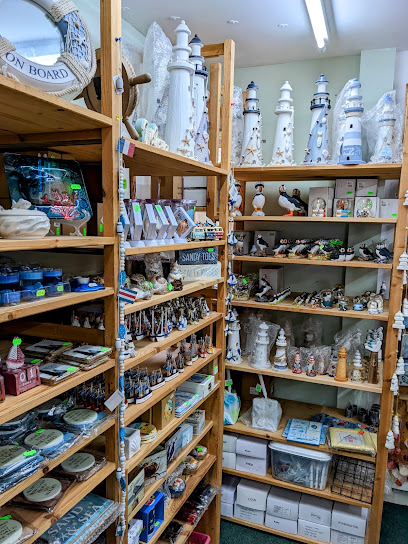
Pembrokeshire Creations & Beyond
24.9 km
Discover authentic Pembrokeshire crafts and unique gifts in a welcoming Fishguard boutique celebrating local artistry and heritage.

Vincent Davies
25.3 km
A versatile department store in Haverfordwest blending home goods, garden supplies, dining, and friendly service under one welcoming roof.
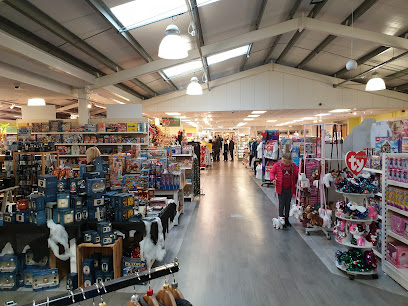
The Original Factory Shop (Haverfordwest)
25.4 km
Discover unbeatable discounts on clothing, beauty, and more at The Original Factory Shop in Haverfordwest - the ultimate shopping destination.

Springfield Retail Park
25.8 km
A vibrant shopping and dining hub in Haverfordwest offering diverse stores, ample parking, and a lively atmosphere for locals and visitors alike.

Next
25.9 km
A family-friendly fashion hub in Haverfordwest offering stylish clothing, shoes, and accessories for all ages at moderate prices.

Withybush Retail Park
25.9 km
A modern retail park in Haverfordwest offering diverse shopping, dining, and free parking for a convenient and lively local experience.

Essential bars & hidden hideouts

The Ship Solva
9.0 km
Charming family-run pub in Solva offering craft beers, fresh Welsh cuisine, and a cozy atmosphere near scenic Solva Harbour.
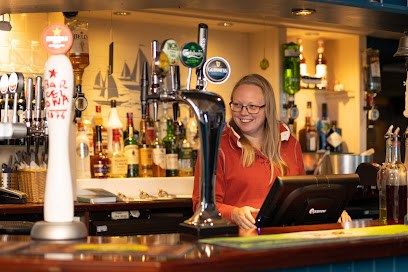
Harbour Inn
9.0 km
A welcoming coastal pub in Solva offering hearty meals, scenic harbour views, and friendly hospitality along the Pembrokeshire Coast Path.
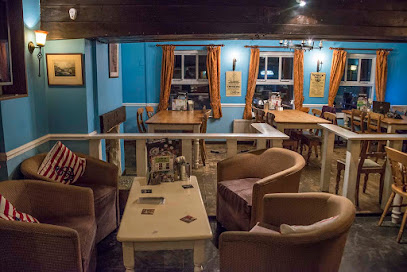
Sloop Inn
10.3 km
Historic coastal pub in Porthgain offering warm hospitality, fresh local seafood, and a rich maritime atmosphere.
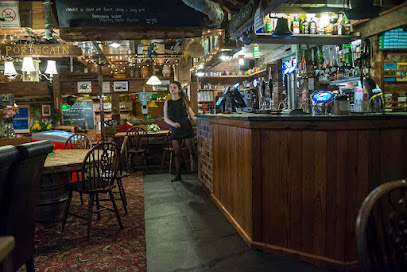
Artramont Arms
10.8 km
A welcoming Welsh country pub serving hearty meals and good beer in the peaceful village of Croesgoch near Haverfordwest.
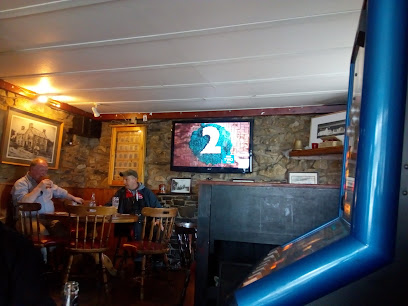
The Ship Inn
12.3 km
Historic coastal pub in Pembrokeshire blending rustic charm with modern dining and a welcoming garden.
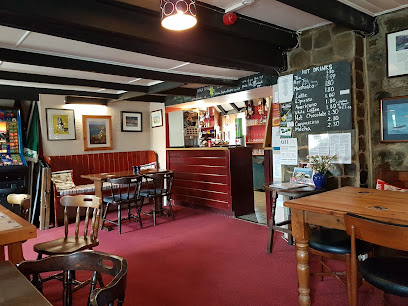
Square & Compass Inn
12.8 km
A welcoming Welsh country pub near Haverfordwest offering hearty food, friendly locals, and scenic Pembrokeshire views.
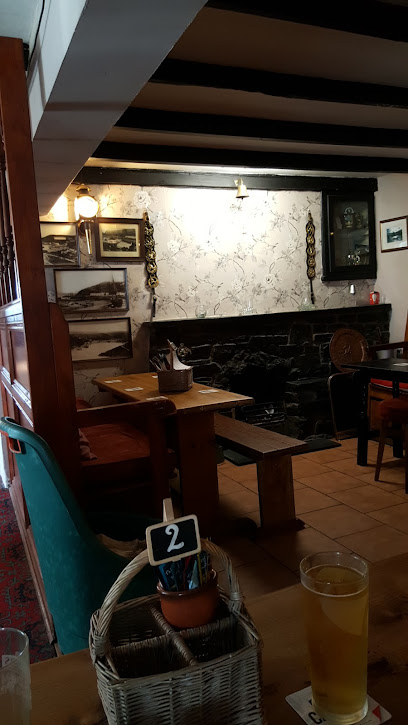
The Farmers Arms
16.1 km
Traditional Welsh pub in scenic Mathry offering hearty meals, real ales, and warm Pembrokeshire hospitality daily from noon to 11pm.
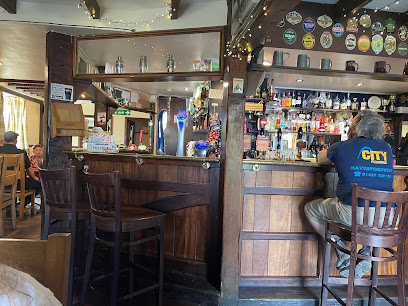
The Galleon Inn
19.8 km
A family-run coastal pub in Broad Haven offering hearty food, excellent beer, and a warm, lively atmosphere by the sea.
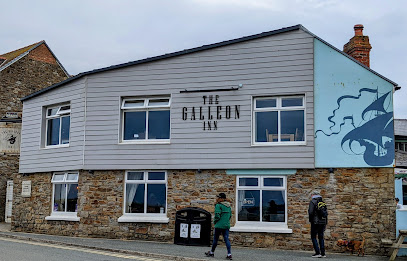
The Castle
20.1 km
A charming seaside pub in Little Haven offering hearty meals, stunning sea views, and warm, attentive service in a cozy setting.
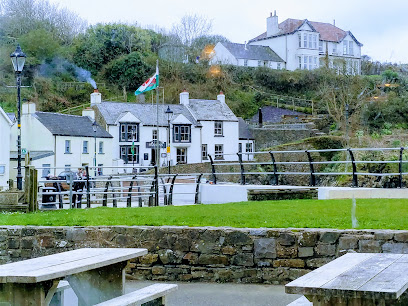
St. Brides Inn
20.1 km
Cozy seaside pub in Little Haven serving fresh local seafood, Welsh meats, and warm hospitality in a charming coastal setting.
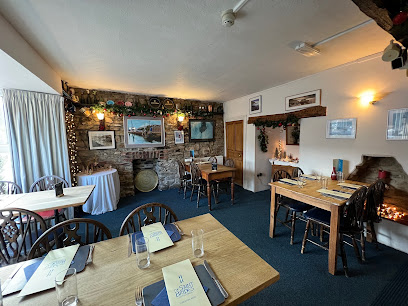
The Pelcomb Inn
22.0 km
A warm, traditional Welsh pub offering hearty meals, friendly service, and cozy accommodation near Haverfordwest.
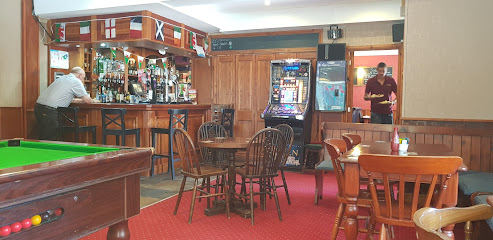
The Brook Inn
23.4 km
A warm traditional pub in St Ishmael's offering hearty meals, friendly service, and scenic Pembrokeshire charm.
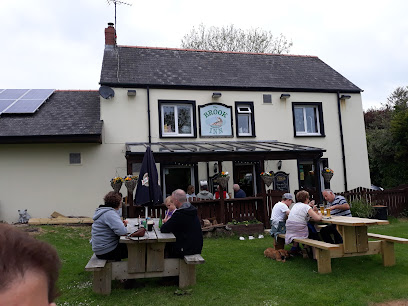
The Corner Piece Inn
24.1 km
Cozy dog-friendly pub in Rudbaxton serving hearty home-cooked meals and renowned Sunday roasts with warm, attentive hospitality.
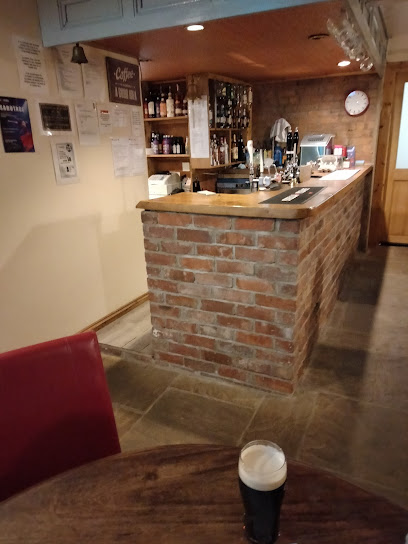
Royal Oak
25.1 km
Historic Fishguard pub and restaurant offering local ales and hearty fare in the scenic Pembrokeshire Coast National Park.

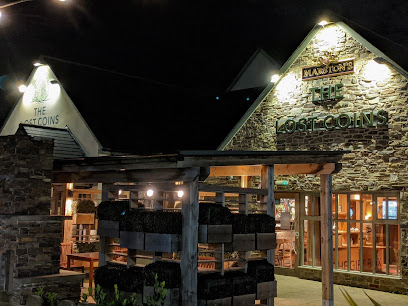
Lost Coins
25.5 km
A cozy, family-friendly pub in historic Haverfordwest serving quality pub classics, real ales, and vegan options with a warm atmosphere.
Nightclubs & after hour spots

Eddie Rocks
26.1 km
A vibrant multi-floor nightclub in Haverfordwest offering energetic nights, diverse music, and a welcoming atmosphere by the waterfront.

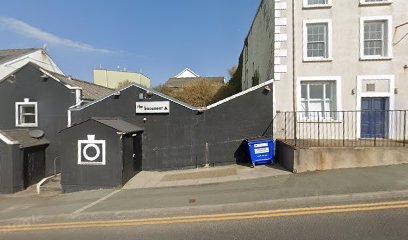
The Basement
28.2 km
Discover the energetic nightlife of Milford Haven at The Basement, where music, dancing, and vibrant gatherings create unforgettable experiences.
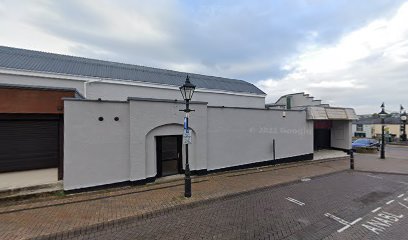
Boulevard Show Bar
28.3 km
Experience vibrant cabaret, live shows, and lively nightlife at Boulevard Show Bar, Milford Haven’s premier entertainment venue.
Paddles
37.0 km
Experience Pembroke’s vibrant nightlife at Paddles, the go-to nightclub for late-night music, drinks, and social energy in the town center.

Comlongon
44.8 km
Experience vibrant nightlife in the charming village of St Florence with Comlongon, Tenby’s energetic nightclub gem.
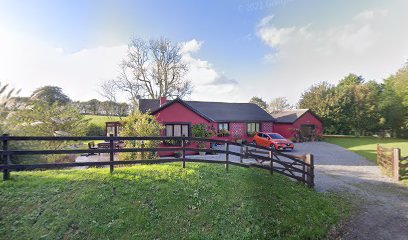
Sands Nightclub
47.2 km
Saundersfoot’s lively nightclub with dance, drinks, and a vibrant atmosphere near the beach.

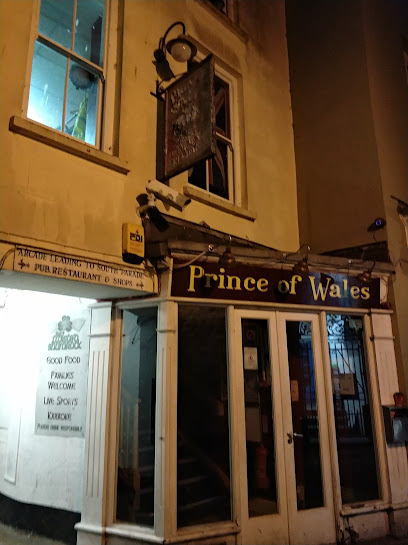
Prince Of Wales
49.2 km
Tenby’s iconic late-night nightclub blending lively music, classic charm, and a spirited atmosphere in the heart of Town Wall Arcade.
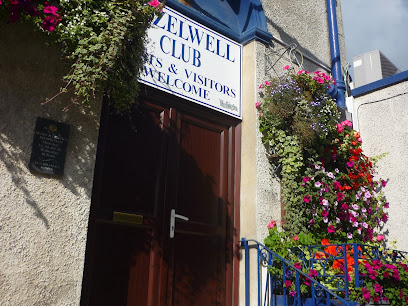
Hazewell Club
49.4 km
Discover the Hazewell Club in Tenby: a cozy sports club offering a warm atmosphere and local drinks amidst stunning coastal views.
Savannah's Night Club
68.8 km
Experience Carmarthen’s vibrant nightlife at Savannah's Night Club—where music, dance, and stylish vibes create unforgettable Saturday nights.
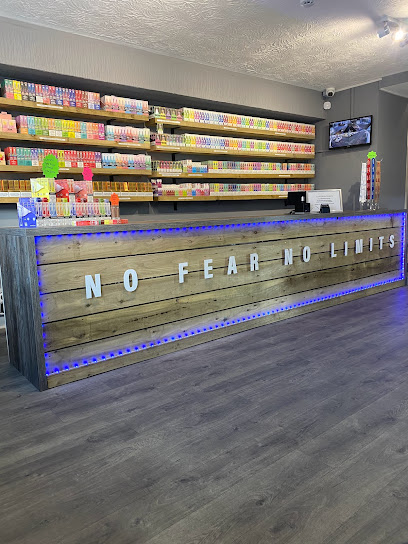
The Gremlin Club
69.1 km
Vibrant nightlife and lively open mic nights in the heart of Carmarthen’s social scene.

Club Mambo
69.2 km
Discover the energetic vibe of Club Mambo, a lively bar in Carmarthen offering delicious drinks and an unforgettable nightlife experience.

Lucifer's Nightlife
69.2 km
Experience Carmarthen's vibrant nightlife and fast food fusion at Lucifer's Nightlife, where music, dancing, and late-night bites come alive on Queen Street.

The Rainbow Rooms Bar & Club
91.6 km
Experience lively nights and vibrant music at The Rainbow Rooms Bar & Club, Gorseinon’s premier destination for unforgettable nightlife.

Billy Kelly's
91.7 km
Experience the charm of Irish hospitality at Billy Kelly's Pub in Wexford, where hearty food and local brews await.
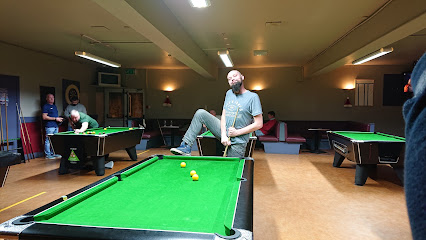
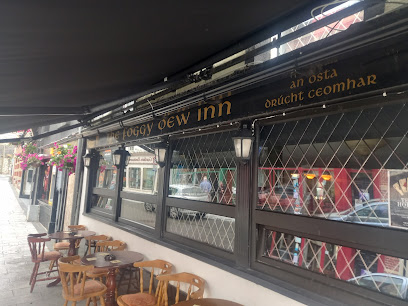
The Foggy Dew Inn
91.9 km
Discover the vibrant atmosphere at The Foggy Dew Inn in Wexford - a perfect blend of bar, bed & breakfast, and karaoke fun.
For the vibe & atmosphere seeker
- Adventurous
- Relaxing
- Tranquil
- Scenic
- Unique
For the design and aesthetic lover
- Rustic Designs
- Vintage Styles
For the architecture buff
- Historic
- Landmarks
- Parks & Gardens
- Heritage Neighborhoods
For the view chaser and sunset hunter
- Iconic Views
- Panoramas
- Waterfront
- Skyline
For the social media creator & influencer
- Instagrammable
- Photo Spots
- Selfie Spots
- Aesthetic Corners
- Architectural Shots
For the eco-conscious traveler
- Protected Area
- Nature Reserve
- Public-Transport Accessible
- Leave-No-Trace Critical
- Locally Managed
- Wildlife Habitat
For the kind of experience you’re after
- Cultural Heritage
- Photowalk
- Nature Escape
- Day Trip
- Weekend Getaway
For how adventurous you want the journey to be
- Easy Access
- Requires Hike
Location Audience
- Family Friendly
- Senior Friendly
- Child Friendly
- Teen Friendly
- Wheelchair Access
- Pet Friendly
- Solo Friendly
- Couple Friendly
- Solo Female Friendly
- Vegetarian Friendly
- Vegan Friendly


