Strumble Head Lighthouse, Pembrokeshire Travel Guide
Historic 1908 lighthouse on a rugged Pembrokeshire islet offering dramatic coastal views, wildlife spotting, and rich maritime heritage.
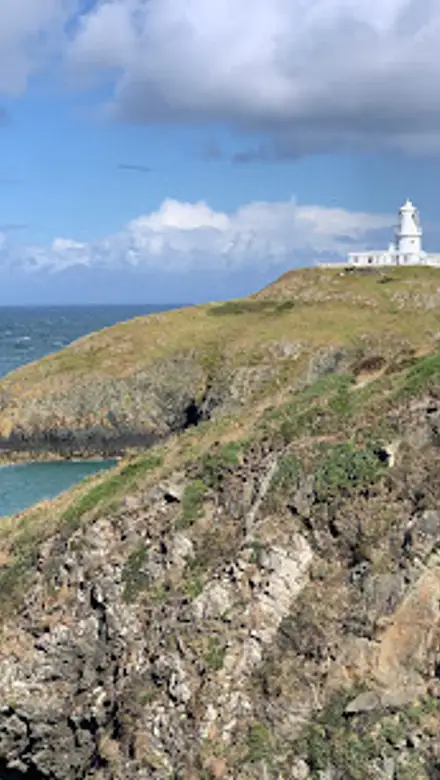
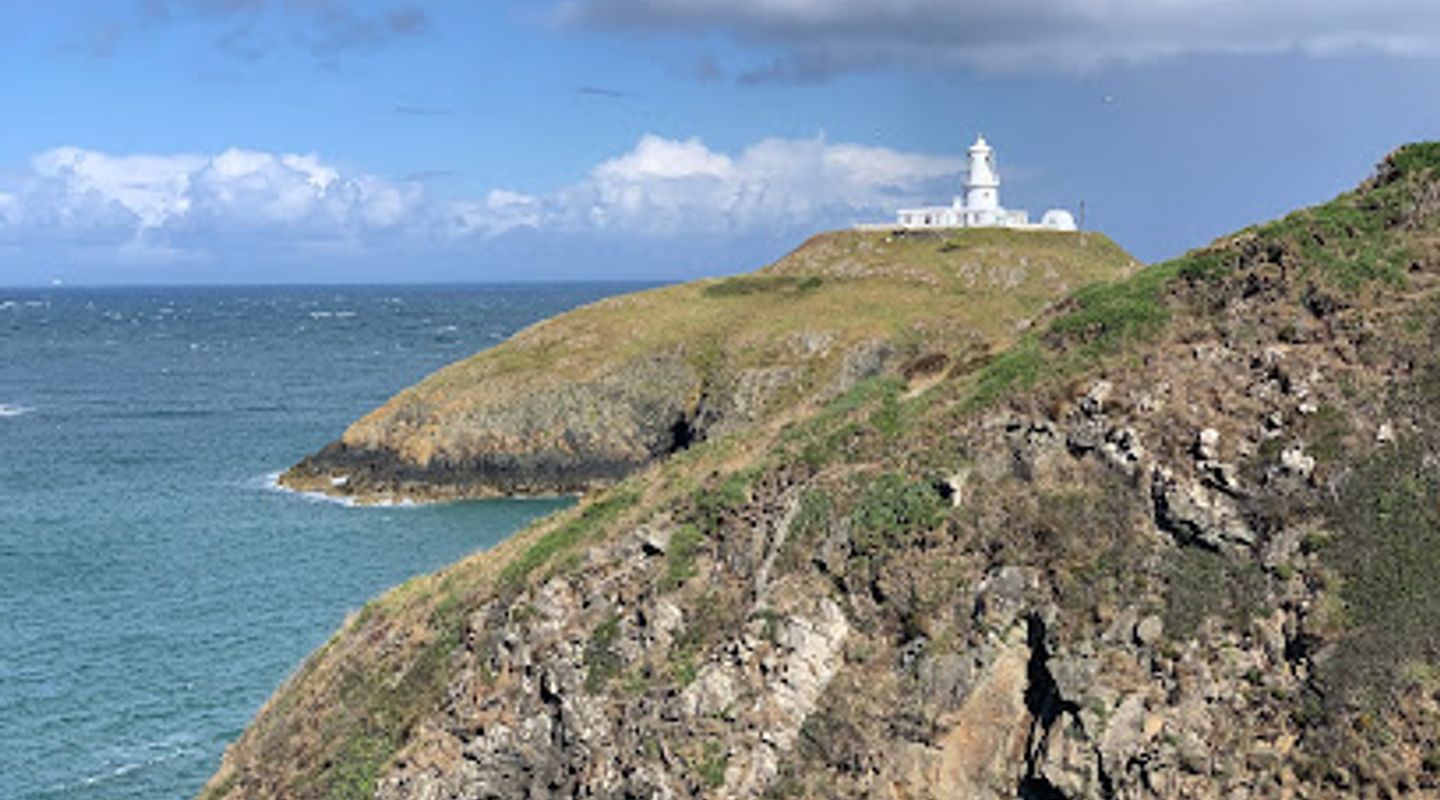
Strumble Head Lighthouse, perched on Ynys Meicel (St. Michael's Island) off the Pembrokeshire coast, is a historic 1908 beacon guiding vessels between Wales and Ireland. Surrounded by dramatic cliffs and rich wildlife, it offers spectacular coastal views and is a key highlight of the Pembrokeshire Coast Path. Though the lighthouse itself is automated and closed to the public, the surrounding area invites hiking, wildlife spotting, and scenic photography amid a rugged, windswept landscape.
A brief summary to Strumble Head Lighthouse
- Pencaer, GB
- Click to display
- Duration: 1 to 3 hours
- Free
-
 Outdoor
- Mobile reception: 4 out of 5

Know before you go
Hi, I'm Eve. Here are a few practical things to know before exploring Strumble Head Lighthouse.
- Visit early morning or just before sunset for the best light and fewer crowds.
- Wear sturdy footwear as coastal paths are uneven and can be windy.
- Bring binoculars to spot seals and seabirds around the lighthouse and coves.
- Parking is limited and free; arrive early to secure a spot.
Do you manage this location?
Take control to get all the benefits, like improved information, better appearance, and stronger visibility across AI-powered discovery. Learn more about listing your business on Evendo
Activate your presenceOther nearby places you may find interesting
The closest places of the same kind, if this one is not quite what you had in mind.
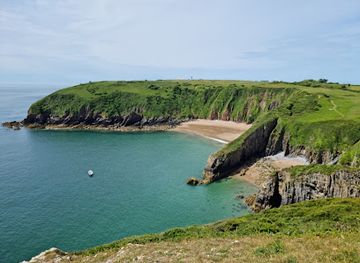
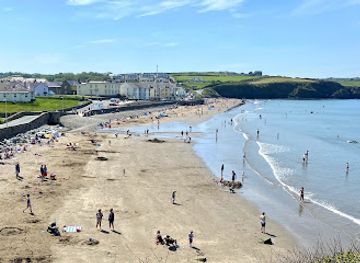
Explore Strumble Head Lighthouse on the Map
A handpicked selection of must-see spots near Strumble Head Lighthouse, mapped for you.
Getting There
-
Car
Drive via the A487 from Fishguard or Goodwick, then follow local roads to Strumble Head. The journey typically takes 15-25 minutes from Fishguard. Parking is free but limited, so arrive early. Roads are narrow and winding, requiring cautious driving.
-
Bus and Walk
Take a regional bus to Fishguard or Goodwick, then enjoy a 5-7 km hike along the Pembrokeshire Coast Path to Strumble Head. The walk offers scenic coastal views but involves uneven terrain and some steep sections.
-
Walking
From nearby Goodwick, a 4-5 km walk along country lanes and coastal paths leads to Strumble Head. The route is moderately challenging with some steep and uneven sections, suitable for experienced walkers with sturdy footwear.
For the on-the-go comforts that matter to you
-
 Restrooms
-
 Parking
-
 Information Boards
Discover more about Strumble Head Lighthouse
Engineering Marvel on a Remote Islet
Strumble Head Lighthouse was constructed in 1908 by Trinity House on Ynys Meicel, a small island separated from the Pembrokeshire mainland by a narrow, often turbulent sound. This lighthouse was built to mark a perilous stretch of coast notorious for shipwrecks, providing a vital navigational aid for vessels traveling between Fishguard Harbour and Ireland. The original optic system was a technological feat, weighing 4.5 tons and rotating on a mercury bath to reduce friction, powered by a clockwork mechanism that required winding every 12 hours. Over time, the lighthouse was electrified in 1965 and automated in 1980, now remotely monitored from Harwich. The iron footbridge connecting the islet to the mainland once incorporated a pipeline to supply oil to the tower, reflecting the ingenuity required to maintain this isolated beacon.Striking Natural and Historical Surroundings
The lighthouse sits amid dramatic cliffs rising up to 140 meters, formed of hard igneous rock, offering sweeping views over the Irish Sea. The area is renowned for its rich wildlife, including seals and seabirds such as gulls, ravens, choughs, and peregrines, making it a favored spot for nature enthusiasts and bird watchers. Nearby, the remains of Iron Age hillforts like Garn Fawr provide a glimpse into the region’s ancient past. The broader Pencaer Peninsula, though not a true peninsula, is steeped in history, including the 1797 French invasion attempt at Carregwastad Point, the last invasion of mainland Britain.Visitor Experience and Access
Visitors cannot access the lighthouse tower itself, as it is automated and closed to the public, with the footbridge locked. However, the surrounding coastal paths offer excellent hiking opportunities along the Pembrokeshire Coast Path, with panoramic views ideal for photography, especially at sunrise or during golden hour before sunset. The area is largely undeveloped, with limited facilities; a small free car park is available nearby, but no cafes, shops, or restrooms are on site. The coastal paths can be uneven and windy, so sturdy footwear is recommended. Wildlife spotting, especially seals in the coves below, adds to the appeal.Architectural and Cultural Significance
The lighthouse is a Grade II listed structure, painted white with a distinctive red band, standing 17 meters tall and visible up to 22 nautical miles. It forms a line of sight with South Bishop Lighthouse to the southwest, creating a network of navigational aids along this treacherous coastline. Its construction overcame significant challenges due to the islet’s isolation and steep terrain, with materials transported via cable systems. The lighthouse’s history encapsulates maritime heritage and the evolution of lighthouse technology from paraffin lamps to full electrification and automation.Natural Beauty and Outdoor Activities
Strumble Head is part of a wild, exposed coastline with precipitous cliffs and coastal heathland, offering a remote and tranquil atmosphere. The area is a haven for walkers, photographers, and wildlife watchers, with opportunities to see dolphins and seals. The nearby Garn Fawr hillfort provides elevated viewpoints with expansive coastal panoramas. The site’s natural environment is largely untouched, contributing to its sense of solitude and scenic grandeur.Seasonal Highlights and Practical Considerations
The best times to visit are spring and autumn mornings or the hour before sunset to capture the lighthouse in optimal light and enjoy fewer crowds. The site is accessible year-round, but weather conditions can be windy and changeable. Visitors should prepare accordingly, bringing suitable clothing and supplies, as amenities are minimal. The narrow access roads and limited parking require early arrival during peak periods. Despite these constraints, Strumble Head Lighthouse remains a captivating destination for those seeking dramatic coastal landscapes and maritime history in Pembrokeshire.More to explore near Strumble Head Lighthouse













Your all‑in‑one travel companion app
Explore expert travel guides, compare and book tours, experiences, hotels, and more—all from the palm of your hand. Download now for seamless trip planning wherever your wanderlust takes you.


Explore More of Pembrokeshire
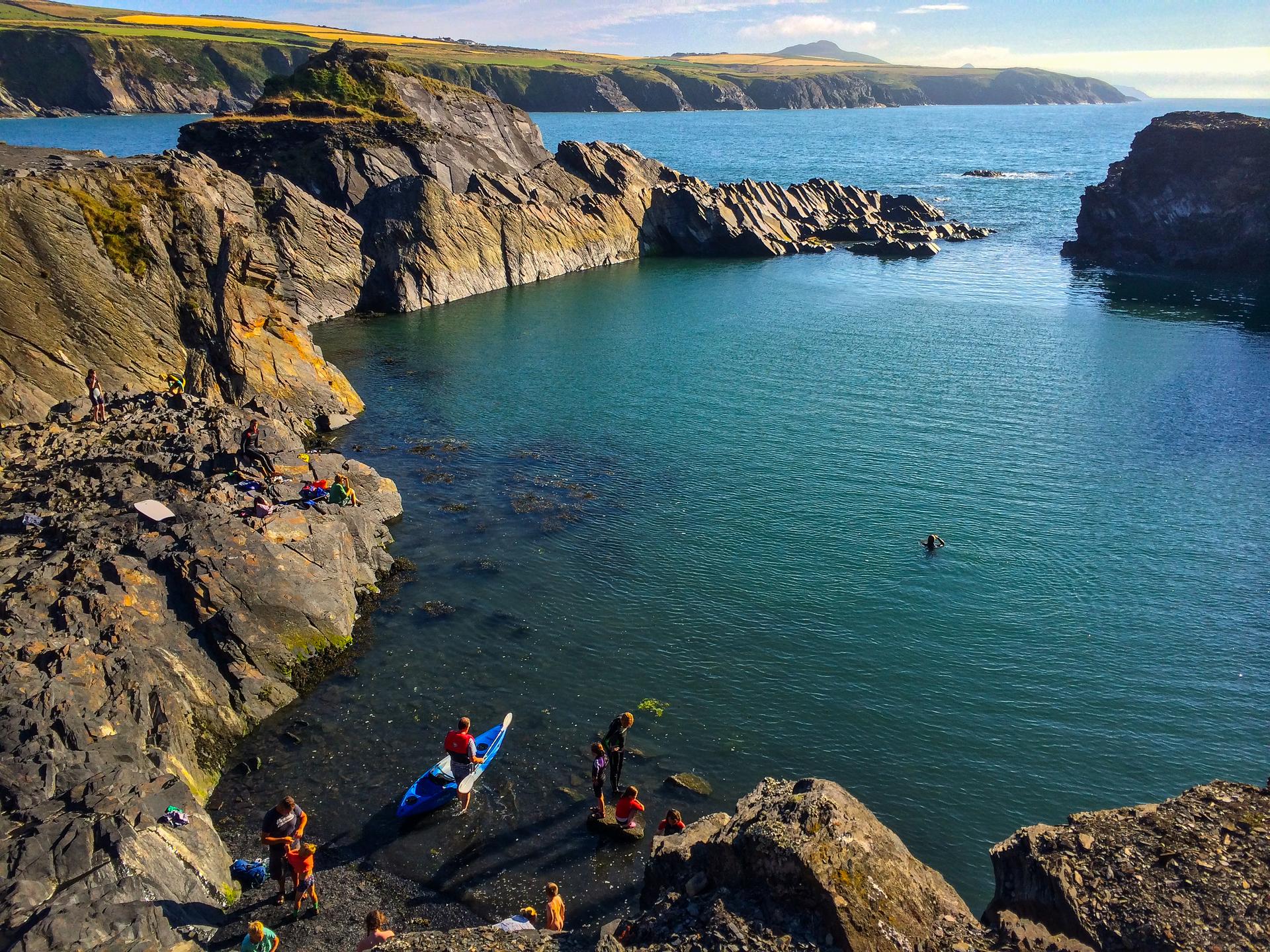
Looking beyond Strumble Head Lighthouse? Discover Pembrokeshire for broader travel guides, local hot-spots, and regional highlights.
Explore Pembrokeshire
Explore the majestic ruins of St Davids Bishop's Palace, a medieval Welsh landmark steeped in history and scenic beauty.
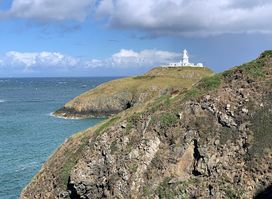
A striking 1908 lighthouse on a rocky islet, offering dramatic coastal views, seal watching and a powerful sense of maritime history on the Pembrokeshire Coast Path.