Lanark Castle Marker, Perthshire Travel Guide
Historic site of Lanark Castle, birthplace of Scottish resistance and royal power overlooking the Clyde Valley.
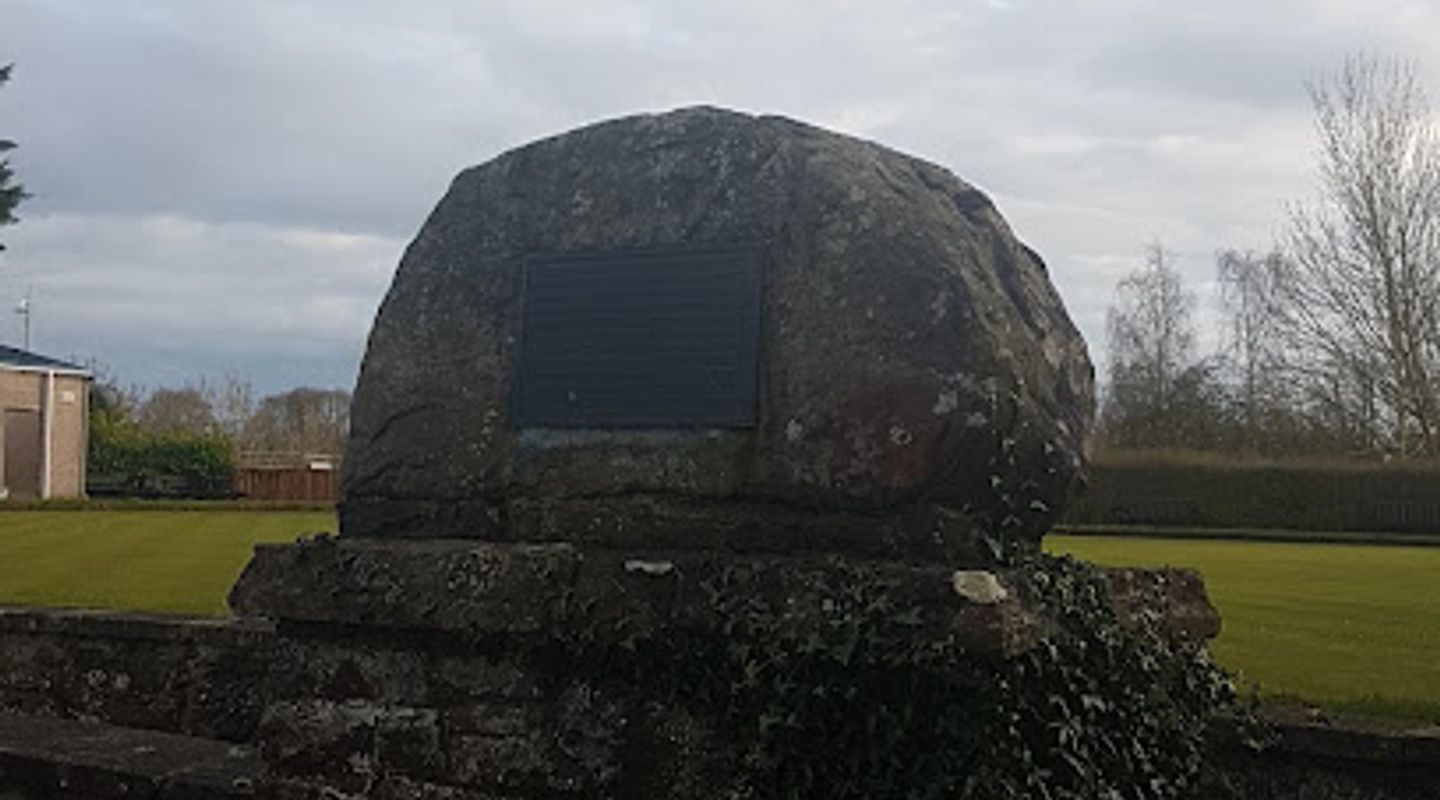
Lanark Castle, once a royal residence and strategic fortress in medieval Scotland, now exists only as a historic site marked by a stone memorial and a bowling green. Located on a steep earth mound overlooking the Clyde Valley, the castle played a key role in Scottish history, including William Wallace's 1297 uprising against English rule. Though the castle itself was timber-built and later demolished, its site remains a poignant reminder of Lanark's medieval significance and turbulent past.
A brief summary to Lanark Castle Marker
- Unnamed Road, Lanark, ML11 9EP, GB
- Click to display
- Duration: 0.5 to 1.5 hours
- Free
-
 Outdoor
- Mobile reception: 4 out of 5

Know before you go
Hi, I'm Eve. Here are a few practical things to know before exploring Lanark Castle Marker.
- Visit the stone memorial on site to appreciate the castle’s historical significance and its connection to William Wallace.
- Explore nearby Lanark town and the Wallace Memorial Rose Garden for a broader understanding of the area's heritage.
- Wear sturdy footwear to navigate the steep earth mound and enjoy panoramic views of the Clyde Valley.
- Combine your visit with a trip to New Lanark, a UNESCO World Heritage Site just a mile south.
Do you manage this location?
Take control to get all the benefits, like improved information, better appearance, and stronger visibility across AI-powered discovery. Learn more about listing your business on Evendo
Activate your presenceOther nearby places you may find interesting
The closest places of the same kind, if this one is not quite what you had in mind.
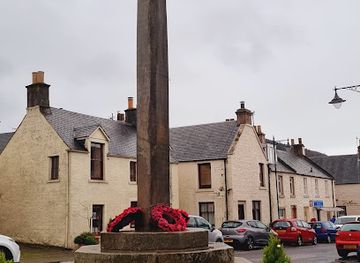
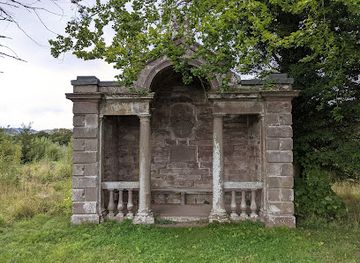
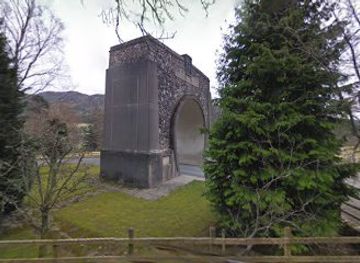
Explore Lanark Castle Marker on the Map
A handpicked selection of must-see spots near Lanark Castle Marker, mapped for you.
Getting There
-
Train and Bus
Travelers can reach Lanark by train from Glasgow Central Station with a journey of approximately 50 to 60 minutes. From Lanark train station, local buses or a 15-minute walk lead to the castle site. Train fares typically range from £5 to £10 one-way.
-
Car
Driving to Lanark Castle from Glasgow takes about 40 to 50 minutes via the A74(M) and A73. Parking is available in Lanark town center, but spaces may be limited during weekends. No direct parking at the castle site itself.
-
Long-Distance Bus
National Express and other coach services connect Glasgow and Lanark with travel times around 1 hour 15 minutes. From the Lanark bus stop, the castle site is accessible by a 15 to 20-minute walk over moderate terrain.
For the on-the-go comforts that matter to you
-
 Seating Areas
-
 Information Boards
-
 Trash Bins
Discover more about Lanark Castle Marker
Origins and Strategic Importance of Lanark Castle
Lanark Castle was most likely constructed during the reign of King David I of Scotland in the early 12th century, around 1124–1153. The castle was situated on a natural earth mound known as Castle Hill, on the east bank of the River Clyde near its confluence with the Mouse Water. This elevated position provided commanding views over the Clyde Valley, making it a vital strategic point for controlling one of the main routes into Scotland from the south. The site had been fortified even earlier, with the Romans having established a fortification here, recognizing its military significance.Royal Residence and Political Hub
Throughout the medieval period, Lanark Castle served as a royal residence for Scottish kings, including David I and William the Lion. It was central to the development of Lanark as a royal burgh, a status granted by David I in 1140, which helped the town grow outside the castle walls. The castle also functioned as a meeting place for the Scottish Parliament in the late 13th century, specifically in the years 1293 to 1295, underscoring its political importance during this era.The William Wallace Connection and Wars of Independence
Lanark Castle is famously linked to William Wallace, Scotland's national hero. In 1297, Wallace launched his rebellion against English occupation from this very site. The English sheriff, Sir William Heselrig, was stationed at the castle and was responsible for the brutal killing of Wallace’s wife, Marion Braidfoot, after she refused to reveal Wallace’s whereabouts. In retaliation, Wallace led a daring night attack on the castle, killing Heselrig and the English garrison. This act ignited a wider Scottish uprising that culminated in the Battle of Stirling Bridge later that year.Decline and Transformation of the Site
Unlike many stone castles, Lanark Castle was primarily a timber structure built atop the earth mound. It never developed into a large stone fortress and fell into decline after the medieval period. By the 18th century, the mound was reduced in height, and by around 1760, the site was repurposed as a bowling green—a use it retains today. The only physical reminders of the castle’s past are the steep drops on three sides of the mound and a stone memorial plaque commemorating its historical significance.Lanark’s Broader Historical Context
The town of Lanark itself has a rich history beyond the castle. It was a key market center and rural hub, especially noted for its livestock markets. Nearby New Lanark, founded in 1785, became a pioneering cotton mill village and is now a UNESCO World Heritage Site. The legacy of Lanark Castle and its surroundings reflects centuries of Scottish history, from Roman times through medieval monarchy to industrial innovation.Visiting the Site Today
Today, visitors to Lanark Castle find a quiet, evocative site marked by a memorial stone and the bowling green that covers the mound. The steep terrain offers scenic views over the Clyde Valley, hinting at the castle’s former defensive advantages. While little remains of the original structure, the site’s historical resonance, particularly its association with William Wallace and Scottish independence, makes it a poignant stop for history enthusiasts exploring the region.












Your all‑in‑one travel companion app
Explore expert travel guides, compare and book tours, experiences, hotels, and more—all from the palm of your hand. Download now for seamless trip planning wherever your wanderlust takes you.


Explore More of Perthshire
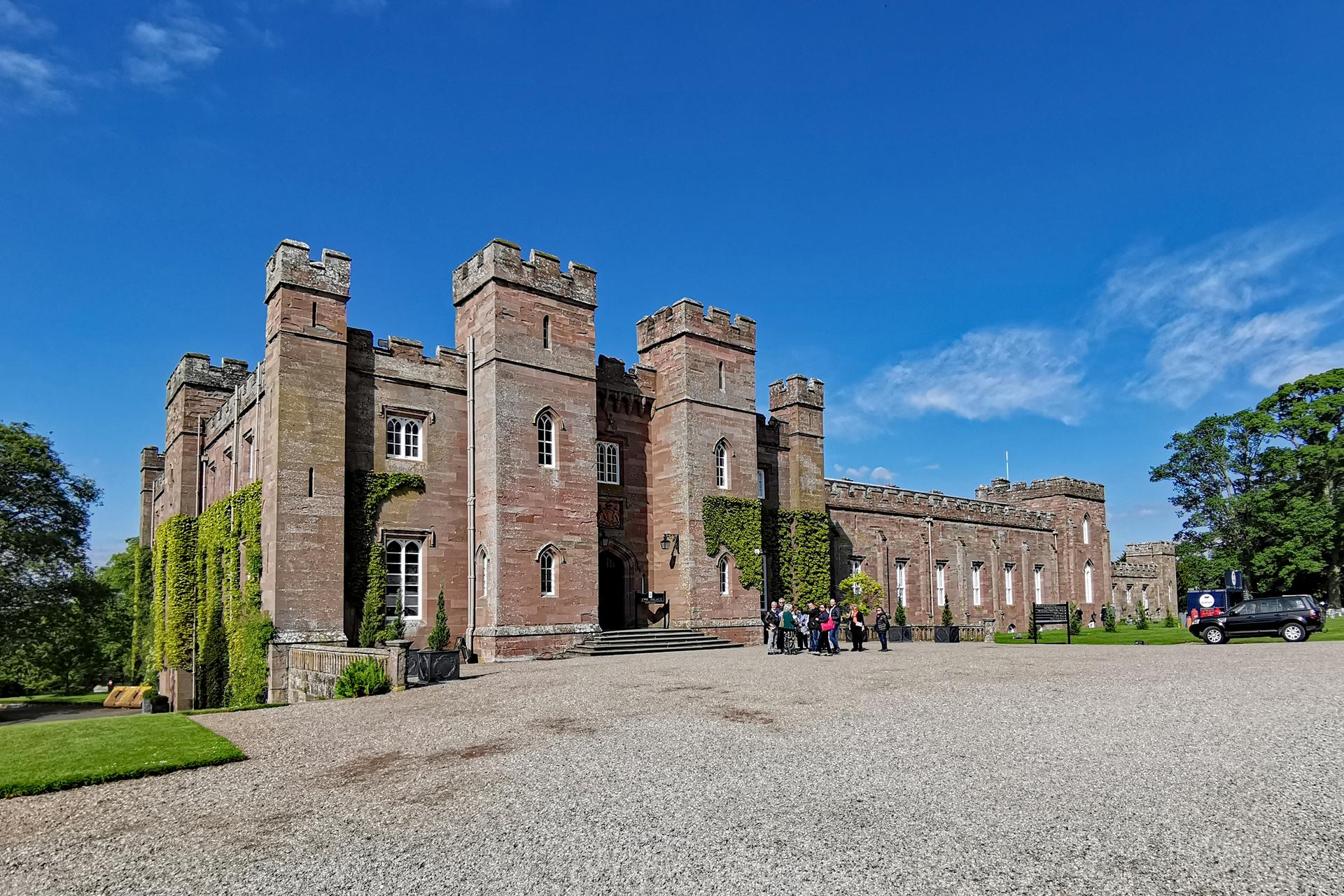
Looking beyond Lanark Castle Marker? Discover Perthshire for broader travel guides, local hot-spots, and regional highlights.
Explore Perthshire