Hamilton Mausoleum, Perthshire Travel Guide
Explore Hamilton Mausoleum’s grand dome, legendary echo, and rich history in Scotland’s iconic noble tomb.
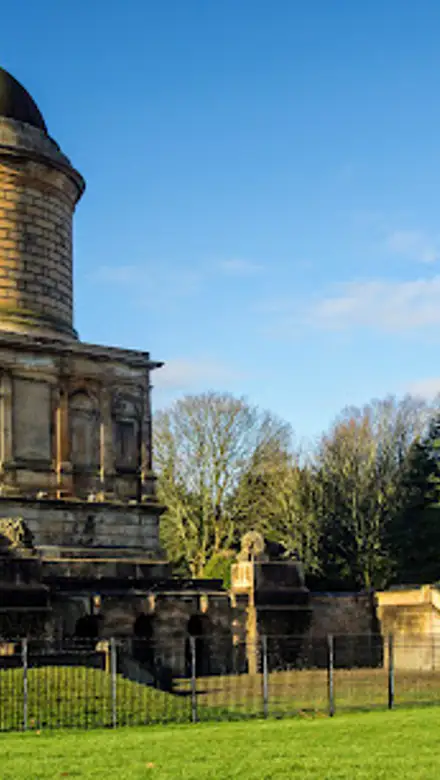
Hamilton Mausoleum, located in South Lanarkshire, Scotland, is a grand 19th-century mausoleum renowned for its massive dome, intricate sandstone carvings, and one of the longest echoes in the world. Built as the resting place for the Dukes of Hamilton, this historic landmark offers guided tours revealing its architectural grandeur, masonic symbolism, and fascinating history. Access is by pre-booked tours through Low Parks Museum, with the mausoleum surrounded by protective fencing to preserve its splendor.
A brief summary to Hamilton Mausoleum
- Mausoleum Dr, Hamilton, ML3 0DJ, GB
- Click to display
- Click to display
- Duration: 1 to 2 hours
- Mid ranged
-
 Outdoor
- Mobile reception: 4 out of 5

Know before you go
Hi, I'm Eve. Here are a few practical things to know before exploring Hamilton Mausoleum.
- Book your guided tour through Low Parks Museum at least two days in advance to ensure entry.
- Wear warm clothing and sturdy footwear as the mausoleum is not wheelchair accessible and can be chilly inside.
- Tours run on the second and fourth Saturdays from February to November, so plan accordingly.
- Arrive early at Low Parks Museum for a short, level 10-minute walk to the mausoleum.
Do you manage this location?
Take control to get all the benefits, like improved information, better appearance, and stronger visibility across AI-powered discovery. Learn more about listing your business on Evendo
Activate your presenceOther nearby places you may find interesting
The closest places of the same kind, if this one is not quite what you had in mind.
Explore Hamilton Mausoleum on the Map
A handpicked selection of must-see spots near Hamilton Mausoleum, mapped for you.
Getting There
-
Public Bus
Take a bus from Hamilton town centre to Low Parks Museum, with services running regularly. The journey takes approximately 10-15 minutes. From the museum, it is a level 10-minute walk to the mausoleum. Tickets cost around £2-£4 depending on the route.
-
Car
Drive to Low Parks Museum where parking is available. The mausoleum is a 10-minute walk from the museum along a flat, accessible path. Parking is free but limited, so early arrival is recommended.
-
Walking
If staying in Hamilton town centre, a 30-minute walk along flat terrain leads to Low Parks Museum and then to the mausoleum. The route is suitable for most fitness levels but not wheelchair accessible.
For the on-the-go comforts that matter to you
-
 Restrooms
-
 Food Options
-
 Drink Options
-
 Seating Areas
-
 Information Boards
Discover more about Hamilton Mausoleum
A Monument to Nobility and Ambition
Hamilton Mausoleum stands as an imposing testament to the wealth and status of the Hamilton family, constructed between 1842 and 1858. Commissioned as a private tomb for Alexander, the 10th Duke of Hamilton, the mausoleum was intended to be a grand monument reflecting the family's prestige. Although incomplete at the Duke’s death in 1852, the structure remains a remarkable example of Victorian funerary architecture. Its massive dome, soaring 36 meters high, dominates the skyline and is clad in marble sourced from around the world, symbolizing the family's global reach and influence.Architectural Grandeur and Symbolism
The mausoleum’s design incorporates rich masonic and biblical symbolism, evident in its floors, doors, and overall layout. Guarded by two stone lions—one awake and one asleep—the building conveys a sense of eternal vigilance. The interior features magnificent bronze doors and intricately carved sandstone details that showcase the craftsmanship of the period. Beneath the dome lie dark crypts and an extensive 200-meter underground tunnel originally designed to vent smoke from the underfloor heating system discreetly, preserving the mausoleum’s pristine appearance.Famous Echo and Acoustic Wonder
One of Hamilton Mausoleum’s most extraordinary features is its echo, reputed to last an astonishing 15 seconds, among the longest in the world. This acoustic phenomenon is a result of the building’s vast dome and stone surfaces, creating a haunting and memorable auditory experience. Visitors often marvel at this unique characteristic, which adds an atmospheric dimension to the mausoleum’s solemn grandeur.Preservation and Public Access
Today, the mausoleum is protected by fencing to prevent vandalism and preserve its delicate structure. Public access to the interior is strictly by guided tour, arranged through the nearby Low Parks Museum. Tours run on the second and fourth Saturdays from February to November and must be booked at least two days in advance. These tours provide insight into the mausoleum’s history, architecture, and the lives of the Hamilton family. Visitors are advised to wear warm clothing and sturdy footwear, as the site is not wheelchair accessible and involves some walking.Setting and Surroundings
Situated about half a mile north of Hamilton town centre, the mausoleum is set in a quiet, green area accessible by a level 10-minute walk from Low Parks Museum. The surrounding landscape complements the mausoleum’s imposing presence, offering tranquil views and a reflective atmosphere. While the exterior can be admired at any time, the full experience requires participation in the guided tours that unlock the mausoleum’s hidden stories and architectural marvels.Legacy of a Lost Palace
The mausoleum stands as a poignant reminder of Hamilton Palace, once one of Scotland’s grandest residences, demolished due to subsidence concerns in the 1920s. The tomb’s preservation allows visitors a glimpse into the opulence and historical significance of the Hamilton lineage. It remains a cultural and architectural treasure, embodying Scotland’s rich aristocratic heritage and Victorian-era ambitions.












Your all‑in‑one travel companion app
Explore expert travel guides, compare and book tours, experiences, hotels, and more—all from the palm of your hand. Download now for seamless trip planning wherever your wanderlust takes you.


Explore More of Perthshire
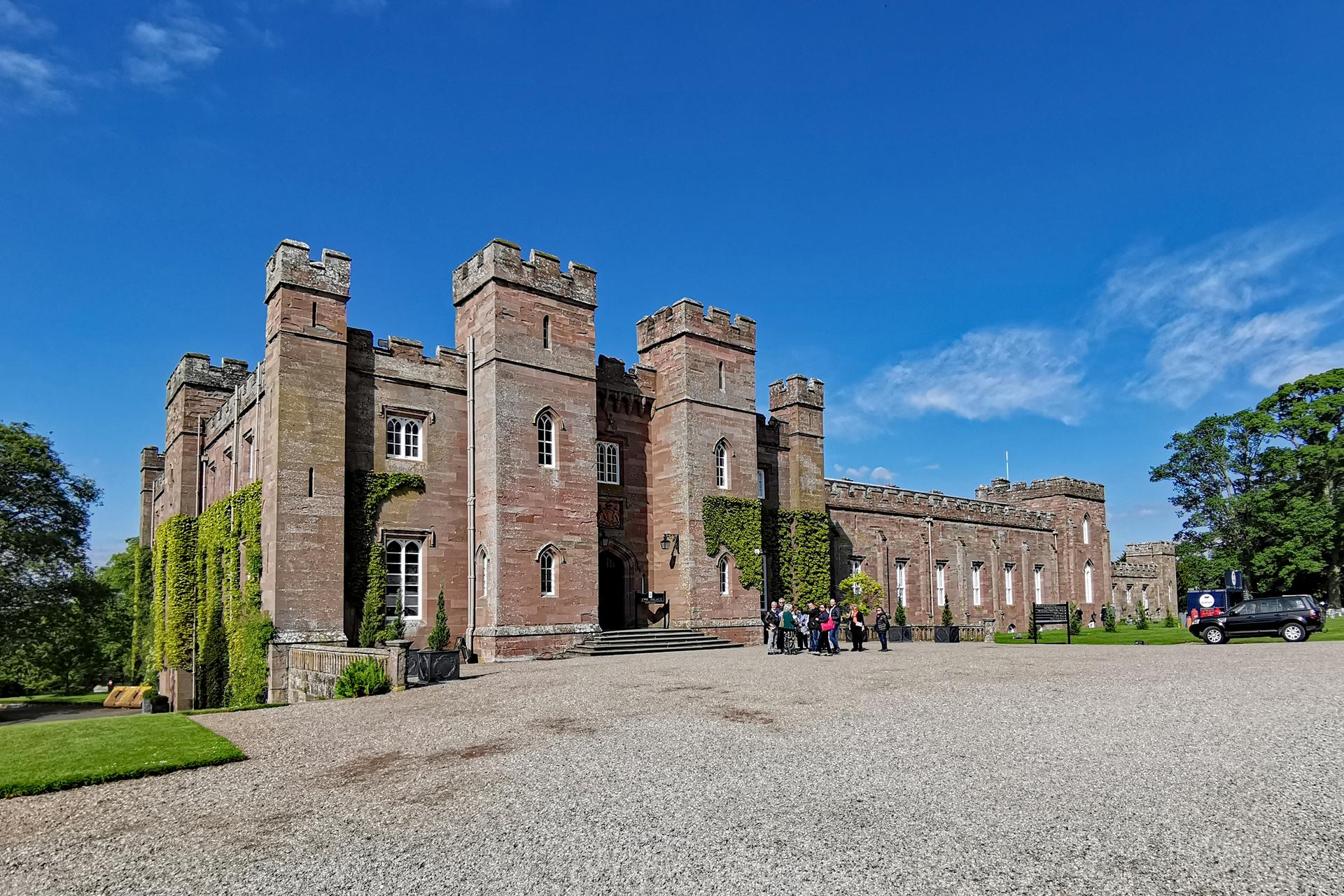
Looking beyond Hamilton Mausoleum? Discover Perthshire for broader travel guides, local hot-spots, and regional highlights.
Explore Perthshire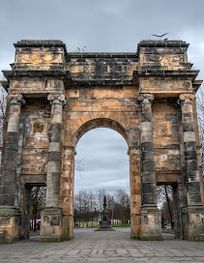
A majestic neoclassical archway marking the historic entrance to Glasgow Green, symbolizing the city’s rich heritage and architectural grandeur.
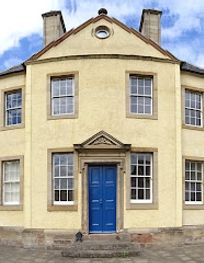
Explore the proud history and unique legacy of The Cameronians (Scottish Rifles) at Hamilton’s dedicated regimental museum.