
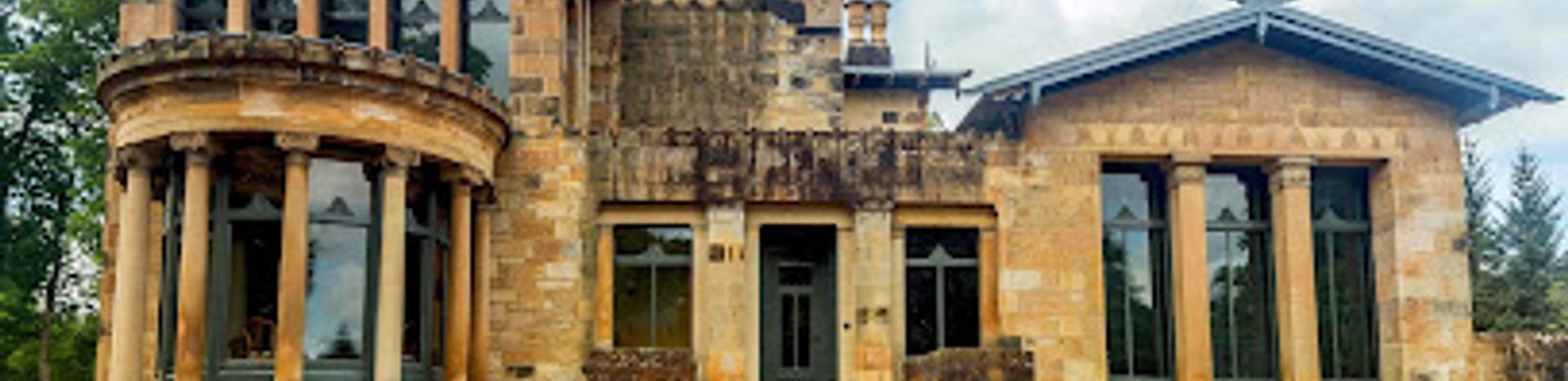
Holmwood House: Alexander 'Greek' Thomson's Architectural Masterpiece in Glasgow
Discover Alexander 'Greek' Thomson’s exquisite 19th-century villa in Glasgow, blending classical elegance with vibrant Grecian detail and historic charm.
Holmwood House, located in Glasgow’s southern suburb of Cathcart, is the finest residential villa designed by Alexander 'Greek' Thomson. Built in 1857-58 for paper magnate James Couper, this Category A listed building showcases lavish Grecian-inspired architecture and original interior decor. Owned by the National Trust for Scotland, Holmwood offers richly detailed rooms, including a dining room with Iliad-themed friezes, and beautiful riverside grounds along the White Cart Water.
A brief summary to Holmwood House
- 61-63 Netherlee Rd, Glasgow, G44 3YU, GB
- +441415710184
- Visit website
- Duration: 1 to 2 hours
- Mid ranged
-
 Outdoor
- Mobile reception: 4 out of 5
- Thursday 10 am-5 pm
- Friday 10 am-5 pm
- Saturday 10 am-5 pm
- Sunday 10 am-5 pm
Local tips
- Book a guided tour to fully appreciate the intricate architectural details and rich history of Holmwood House.
- Visit the café for excellent tea and cakes, and enjoy the dog-friendly outdoor areas.
- Explore the riverside gardens and Victorian kitchen garden for a peaceful stroll after touring the house.
- Check opening hours in advance, especially in winter months, as the house is closed on Mondays and Tuesdays.
- Use public transport options like Cathcart Station or local buses, and take advantage of the ScotRail 2-for-1 entry offer.

For the on-the-go comforts that matter to you
- Restrooms
- Drink Options
- Food Options
- Seating Areas
- Trash Bins
- Information Boards
- Visitor Center
Getting There
-
By Rail
Take ScotRail to Cathcart Station, approximately a 15-minute walk from Holmwood House. The station is served regularly, with journey times from Glasgow Central around 15 minutes. Present a valid rail ticket for a 2-for-1 entry offer. Tickets typically cost £3-£6 one way.
-
By Bus
Use local buses to Brunton Street, about a 30-minute walk from Holmwood. Bus routes from central Glasgow run frequently, though walking from the stop involves some uphill terrain. Single fares range from £2 to £4.
-
By Car
Drive to Holmwood House via Netherlee Road. Free parking is available at the rear of the house, including disabled parking. Note that traffic can be busy during peak hours and navigation requires urban driving skills.
-
Walking
For nearby residents or visitors staying in Cathcart or Linn Park, walking to Holmwood is feasible in 20-30 minutes over mostly paved urban terrain with some gentle slopes. The grounds are wheelchair accessible.
Holmwood House location weather suitability
-
 Any Weather
-
 Rain / Wet Weather
-
 Mild Temperatures
-
 Cold Weather
Discover more about Holmwood House
A Unique Architectural Legacy
Holmwood House stands as the most elaborate and refined domestic villa designed by Alexander 'Greek' Thomson, one of Scotland’s most influential 19th-century architects. Completed in 1858 for James Couper, a successful paper manufacturer, Holmwood is celebrated for its classical Greek-inspired style blended with Victorian innovation. Its exterior features classical patterns etched into sandstone, elegant cupolas, columns, and expansive floor-to-ceiling windows that flood the interior with natural light. The villa’s design is asymmetric yet harmonious, with architectural tricks such as tapered door frames that create the illusion of temple-high ceilings, reflecting Thomson’s mastery of form and detail.Lavish Interior Decoration and Artistic Details
Inside, Holmwood’s interiors are richly adorned with polychromatic decoration, much of which remains intact since Thomson’s original vision. The dining room is the highlight, featuring a frieze of panels inspired by John Flaxman’s illustrations of Homer’s Iliad, executed with painstaking detail. The hall chimneypiece boasts sculpture by George Mossman, adding to the artistic grandeur. The parlour’s remarkable bay window connects the house visually to its surrounding garden, emphasizing a seamless blend of architecture and nature. Restoration efforts have carefully preserved these features, undoing later alterations and reviving the house’s original 19th-century splendor.Historical Context and Ownership
Commissioned by James Couper and his brother Robert, Holmwood was built near their Millholm paper mill by the White Cart Water. After Couper’s death in 1877, the house passed through various owners, including James Gray, a local politician who hosted notable guests like Lloyd George. In 1958, the Sisters of Our Lady of the Mission acquired Holmwood, using it to support a primary school until the early 1990s. Threatened by potential housing development, the house was saved by the National Trust for Scotland in 1994, following a major fundraising campaign. The Trust undertook a meticulous restoration, reopening the house to the public in 1998.Gardens and Surroundings
Set in five acres of mature gardens beside the White Cart Water, Holmwood’s grounds offer a tranquil retreat with wooded areas and a small Victorian kitchen garden growing herbs, fruits, and vegetables. The riverside setting enhances the house’s classical elegance, inviting visitors to explore the landscaped paths and enjoy peaceful views. The grounds are suitable for picnics and dog-friendly, with access to nearby Linn Park and Pollok Country Park providing extended outdoor experiences.Visitor Experience and Facilities
Visitors can explore Holmwood through guided tours that reveal Thomson’s architectural genius and the house’s rich history. An audio tour is available in multiple languages, enhancing the immersive experience. The original kitchen and pantry now house a shop offering seasonal produce and gifts. The on-site café welcomes visitors with drinks and sweet treats, including dog-friendly areas. Accessibility is well considered, with wheelchair access, disabled parking, and storage for pushchairs. The nearby Coach House offers holiday accommodation, allowing guests to stay within the historic estate.Architectural Significance and Influence
Holmwood House is widely regarded as a masterpiece of Victorian architecture and a rare surviving example of Thomson’s work, which influenced later architects such as Frank Lloyd Wright. Its combination of Greek Revival style with innovative Victorian design elements makes it a unique study in architectural history. The house’s preservation provides invaluable insight into 19th-century craftsmanship, design philosophy, and the social history of Glasgow’s industrial elite.Iconic landmarks you can’t miss

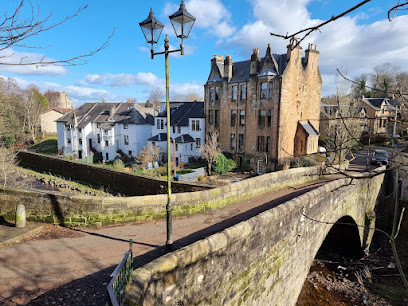
Snuff Mill Bridge
0.4 km
Historic cast iron bridge over White Cart Water, blending Glasgow’s industrial heritage with scenic riverside charm.
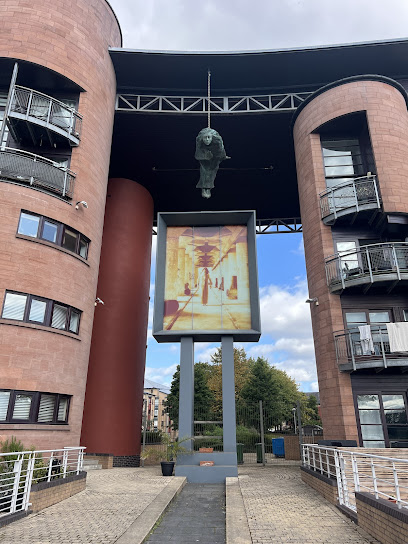
The Gatekeeper
4.0 km
A striking bronze figure guarding Glasgow’s Gorbals, blending art, history, and community spirit in a unique urban landmark.
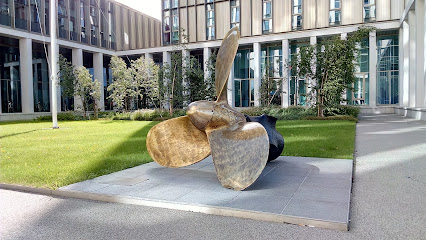
The Glenlee Propellers
4.8 km
Discover the Glenlee Propellers, iconic steel relics symbolizing Glasgow’s proud shipbuilding heritage and maritime history.
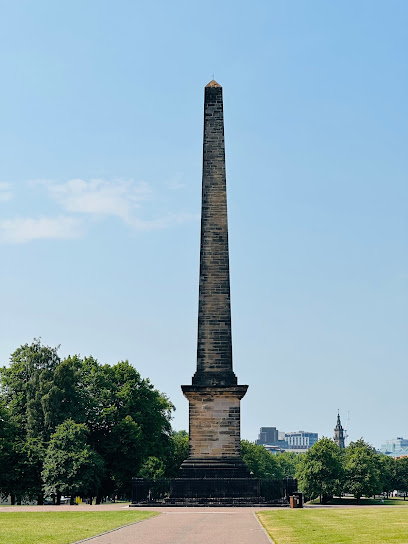
Nelson's Monument, Glasgow
4.8 km
A towering 44-meter obelisk on Glasgow Green honoring Admiral Nelson’s naval victories and Glasgow’s pioneering civic spirit.
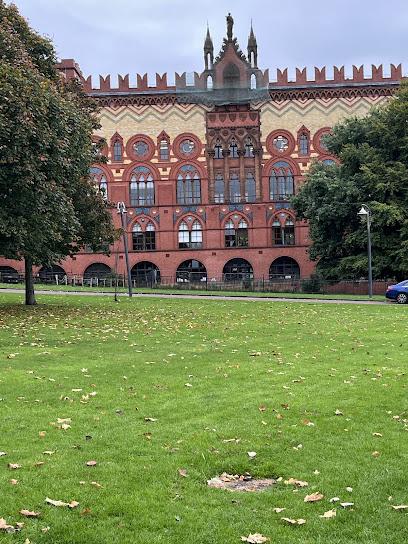
Former Templeton Carpet Factory
4.8 km
A Venetian Gothic masterpiece in Glasgow’s East End, blending rich carpet-making heritage with vibrant modern community life.
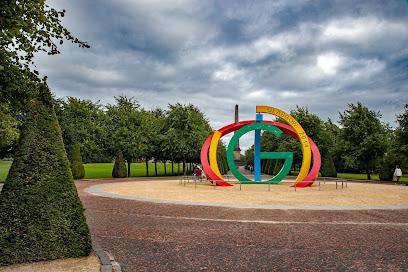
Glasgow 2014 Monument
4.8 km
A bold, colourful sculpture celebrating Glasgow’s 2014 Commonwealth Games, where sport, art and civic pride come together in a striking riverside landmark.
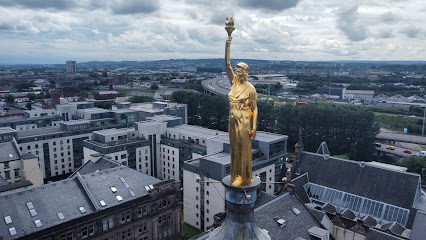
Statue of Light and Life
4.9 km
Gilded guardian of Glasgow’s skyline, the Statue of Light and Life shines atop 95 Morrison Street, symbolizing guidance and vitality.
Tolbooth Steeple
5.3 km
Glasgow’s iconic 17th-century Tolbooth Steeple stands tall as a historic clock tower and enduring symbol of the city’s rich civic past.
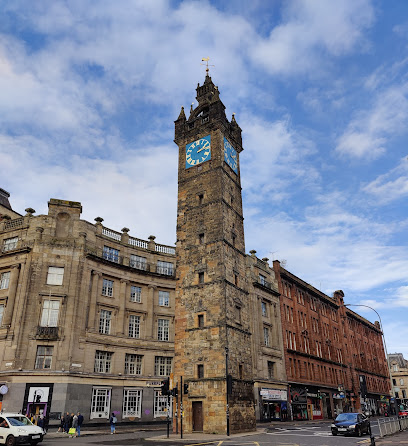
Box Hub
5.4 km
Discover Box Hub: Glasgow's dynamic events venue, where live music, celebrations, and vibrant nightlife come together in a unique atmosphere.
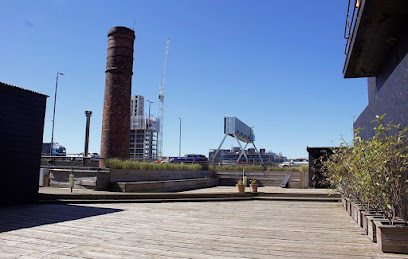
House for an Art Lover
5.4 km
Explore the enchanting House for an Art Lover in Glasgow, where art, food, and architecture come together in a stunning setting.
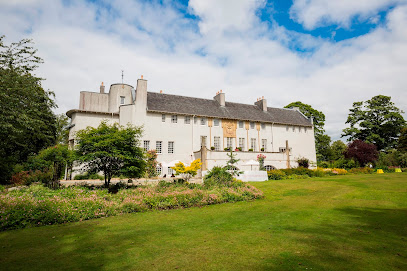
Glasgow City Heritage Trust
5.4 km
Explore Glasgow's rich history with the Glasgow City Heritage Trust, a non-profit dedicated to preserving the city's architectural and cultural heritage.
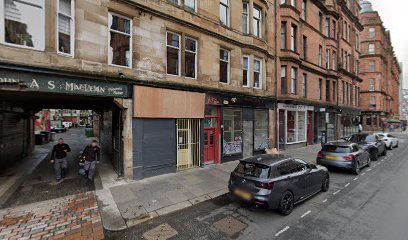
Glasgow Police Museum
5.4 km
Explore the unique history of law enforcement at the Glasgow Police Museum, a must-see destination for history lovers and curious travelers alike.
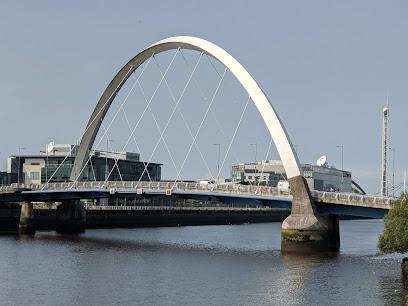
The Clyde Arc
5.5 km
Glasgow’s Squinty Bridge: A modern architectural icon spanning the River Clyde with stunning views and vibrant urban energy.
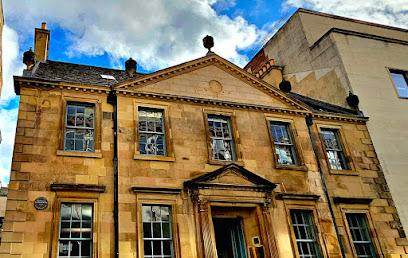
Tobacco Merchant's House
5.5 km
Explore the Tobacco Merchant's House, a historic site in Glasgow that reveals the fascinating story of the tobacco trade and its impact on the city's heritage.
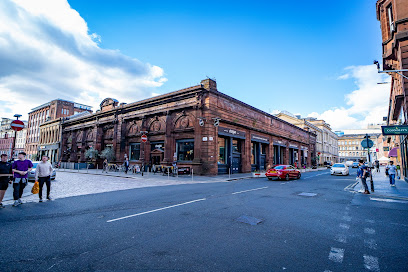
Merchant Square
5.5 km
Experience Glasgow's vibrant cultural scene at Merchant Square, a premier events venue combining great dining and lively entertainment.
Unmissable attractions to see

Linn Park Waterfall
0.5 km
Discover the tranquil Linn Park Waterfall, a serene natural cascade nestled within Glasgow’s expansive Southside woodland park.
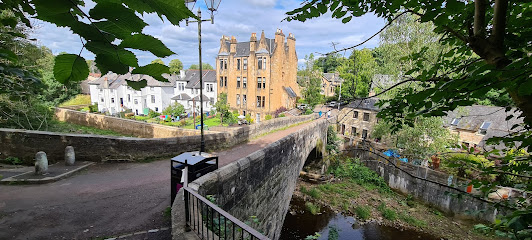
Linn Park
0.6 km
Discover Linn Park, Glasgow’s lush 200-acre riverside haven with historic bridges, woodland trails, and a stunning waterfall just minutes from the city.

Newlands Park
1.6 km
Discover Newlands Park, a peaceful and beautifully maintained green oasis in Glasgow’s south side, perfect for relaxation and community connection.

Scottish Football Museum
1.8 km
Explore Scotland's football legacy at the Scottish Football Museum, home to iconic trophies and immersive Hampden Park tours.
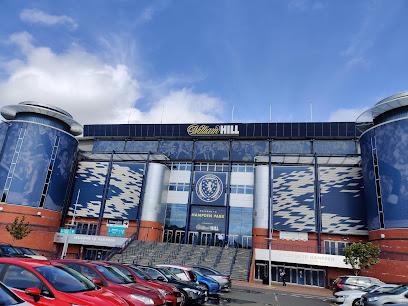
Hampden Park
1.9 km
Discover Hampden Park, Scotland's iconic national stadium, where football history and passionate fans create an unforgettable experience in Glasgow.
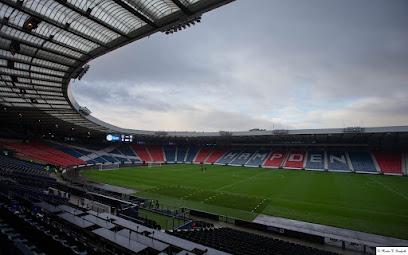
Queen's Park Playground (South)
2.3 km
A lively, family-friendly playground nestled in Glasgow’s historic Queen's Park, offering nature, play, and community spirit in the South Side.

Freddy
2.5 km
A vibrant Shawlands burger spot famed for fresh, flavorful meat and vegan patties in a lively, welcoming setting.
Quaich
2.5 km
A friendly, no-fuss Shawlands pub: reliable pints, simple food and the warm hum of a well-loved local.

Queen's Park
2.5 km
A vibrant Glasgow park offering scenic ponds, panoramic city views, diverse sports facilities, and family-friendly playgrounds in a tranquil urban setting.

Linen 1906
2.7 km
A neighbourhood grill and bar on Pollokshaws Road offering grilled plates, pints and a warm, music-led atmosphere for casual nights out.

Cathkin Braes
2.9 km
Glasgow’s highest hill offering stunning views, mountain biking thrills, and tranquil woodland escapes just south of the city.

Southside Studios
3.1 km
A vibrant creative hub in Govanhill, Southside Studios nurtures artistic collaboration and community spirit in Glasgow’s cultural Southside.
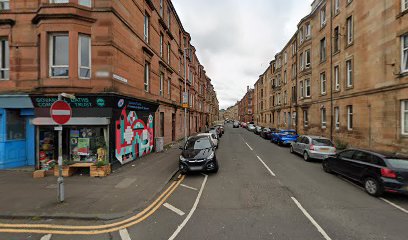
The Hidden Gardens
3.4 km
A vibrant, award-winning community garden in Glasgow fostering cultural exchange and peaceful urban greenspace.
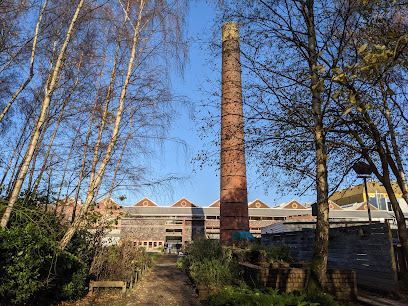
Tramway
3.5 km
Explore Glasgow’s iconic Tramway arts centre, a vibrant blend of historic charm and cutting-edge contemporary performance and visual art.
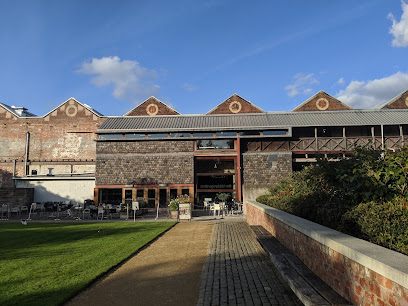
Maxwell Park
3.8 km
A peaceful green haven in Glasgow’s Pollokshields, blending Victorian charm with natural beauty and community spirit.
Essential places to dine

Buck’s Bar Southside
2.0 km
Authentic rock’n’roll vibes meet legendary buttermilk fried chicken in Glasgow’s lively Mount Florida neighborhood.

Battlefield Rest
2.0 km
Historic Italian dining in a quirky 1914 landmark with hearty food, lively atmosphere, and a beloved Southside Glasgow vibe.

Loks Bar and Kitchen
2.4 km
A vibrant Shawlands hotspot serving modern British cuisine with a lively bar, flexible event spaces, and a welcoming community atmosphere.

Stag and Thistle Bar & Restaurant
3.0 km
A lively Southside pub with diverse menus, craft beers, and a sunny outdoor patio perfect for social gatherings in Glasgow.
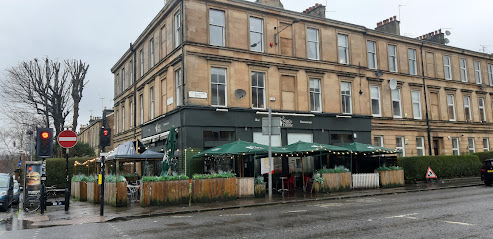
Lobo
3.0 km
Mediterranean-inspired small plates in Glasgow’s Southside, blending vibrant flavors with a warm, rustic atmosphere and a dedicated vegan menu.
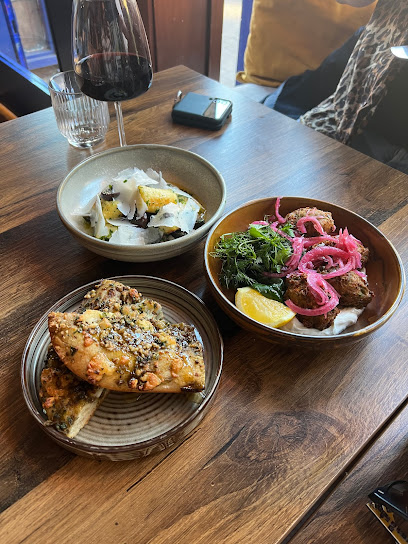
The Rum Shack
3.1 km
Authentic Caribbean flavors and vibrant live music create a tropical escape in Glasgow’s Southside at The Rum Shack.
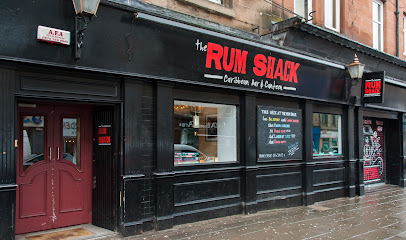
The Bungo
3.1 km
Glasgow south side gastro pub serving grills, breakfast hashes, and vegan delights in Strathbungo's cozy, neighborhood embrace—open daily from 10am for relaxed bites and brews. (162 characters)
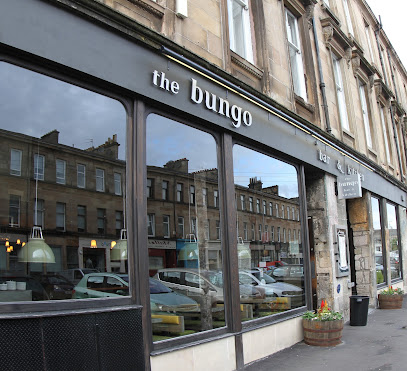
Six By Nico Southside
3.4 km
Innovative six-course tasting menus with rotating themes in a cozy Southside Glasgow setting.
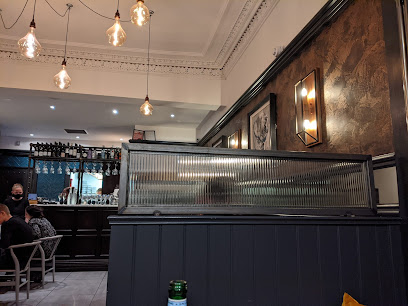
Palmtree Kitchen - مطعم النخلة
4.9 km
Experience the rich, authentic flavors of Yemen with generous portions and warm hospitality in Glasgow’s vibrant Palmtree Kitchen.
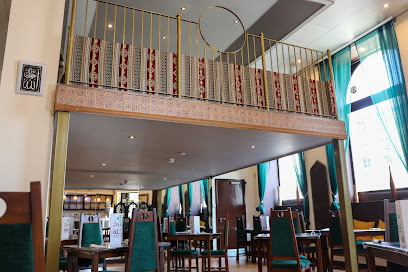
Mono
5.2 km
Glasgow’s vibrant vegan café-bar blending creative plant-based cuisine, indie music vibes, and a unique record shop atmosphere.
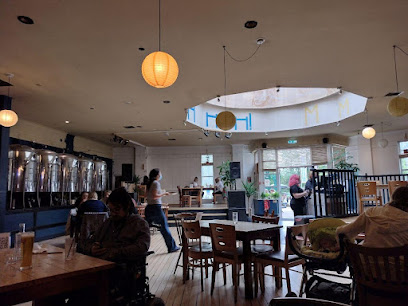
Saint Luke's & The Winged Ox
5.2 km
Discover the fusion of delicious grill cuisine and live music at Saint Luke's & The Winged Ox in Glasgow – where every meal is an experience.
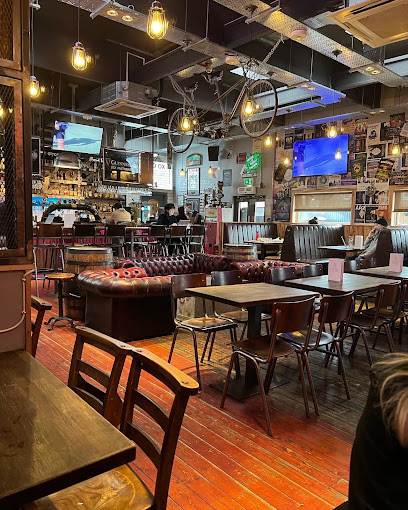
Stailinn Scottish Kitchen
5.3 km
Contemporary Scottish dishes crafted with local produce, served in a welcoming Silverburn setting from breakfast to dinner.

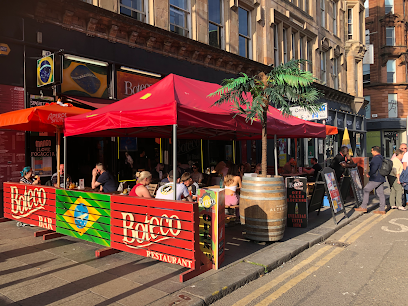
Boteco Do Brasil
5.3 km
Discover the vibrant flavors of Brazil at Boteco Do Brasil in Glasgow – where delicious cuisine meets lively nightlife.
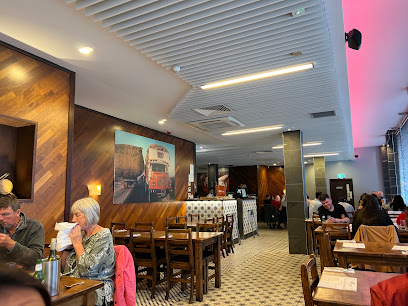
Mharsanta - Scottish Restaurant & Bar
5.4 km
Experience authentic Scottish cuisine and warm hospitality in the heart of Glasgow’s historic Merchant City.
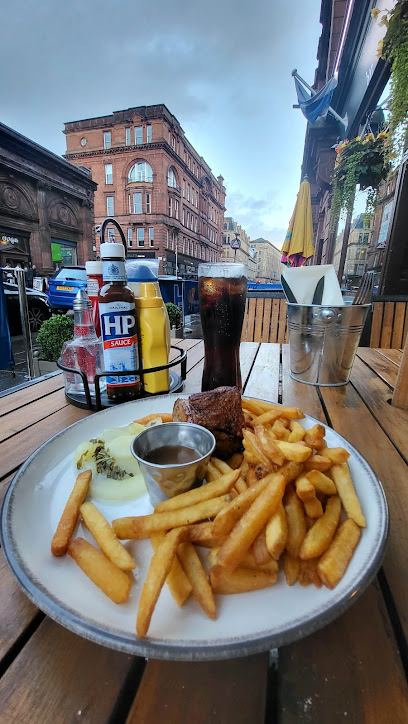
The Dhabba
5.4 km
Experience authentic Northern Indian cuisine in Glasgow with vibrant flavors, a nut-free menu, and a welcoming atmosphere at The Dhabba.
Markets, malls and hidden boutiques

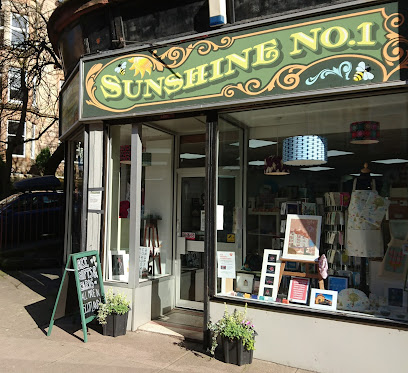
Sunshine No.1
1.9 km
Discover Scotland's handmade heart: Sunshine No.1 curates vibrant gifts, jewelry, and art from over 100 local makers in cozy Mount Florida.
Ruby Woo Boutique - Shawlands
2.5 km
Discover stylish women's fashion and unique gifts at Ruby Woo Boutique, Shawlands’ independent boutique with fast UK delivery and a friendly vibe.

Hell Yeah
2.7 km
Vibrant vegan gift haven in Shawlands: indie designs, eco treats, and pure shopping joy from small makers that make you say 'Hell Yeah!'

Highland Tweed
3.0 km
Authentic Harris Tweed and traditional Scottish woollen garments crafted with heritage and care in Glasgow’s Rutherglen district.

Studio South
3.2 km
Unwrap Glasgow's creative soul at Studio South, where local artisans craft gifts that capture the heart of Scotland's vibrant south side.
Bob's Bubbles Glasgow
4.4 km
Experience the best vaporiser shop in Glasgow at Bob's Bubbles, where quality meets expertise in a vibrant atmosphere.
Co-op Food - Glasgow - Crown Street
4.4 km
Discover the convenience of Co-op Food in Glasgow's Gorbals, offering local snacks, essentials, and a taste of Scotland!
Shop local
4.4 km
A compact, practical convenience store on Crown Street supplying everyday essentials and neighbourhood flavours in Glasgow’s Gorbals.
Boots
4.4 km
Discover the best in beauty and health at Boots in Glasgow, your one-stop cosmetics shop for quality products and expert advice.
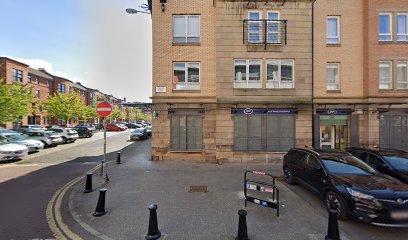
Grab n Go convenience store
4.6 km
A compact, dependable convenience store on Gorbals Street offering snacks, basics and friendly counter service for locals and passersby.
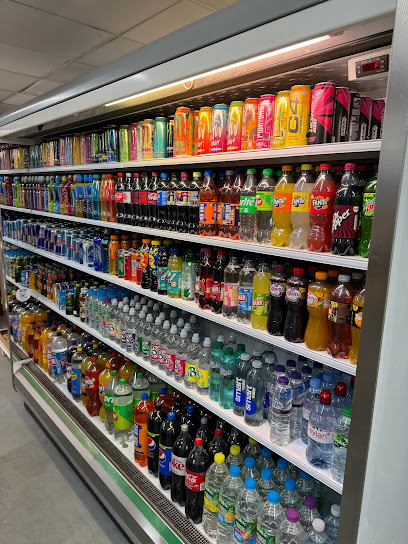
Mr Ben Retro Clothing
5.1 km
A snug, long‑established vintage boutique in Kings Court with handpicked garments, textured displays and friendly, specialist service.
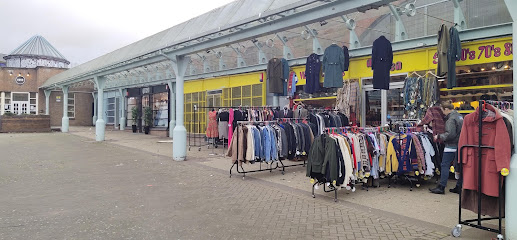
Minted
5.2 km
Discover rare vintage streetwear and sustainable style at Minted, Glasgow’s curated hub for iconic 90s and sportswear fashion.
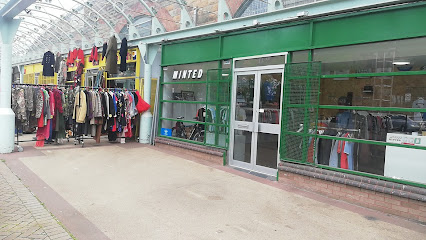
Modern Love Store
5.2 km
Pastel-hued trove of global homewares, kitsch glassware, and joyful gifts in Glasgow's east end—unique finds with character await.
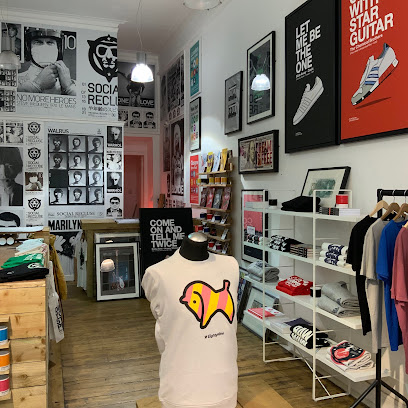
Social Recluse
5.2 km
Discover unique gifts and stylish apparel at Social Recluse, Glasgow’s boutique for creative and quality designs in the city center.
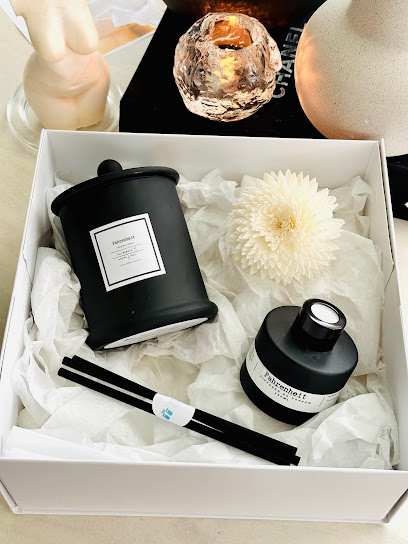
Never miss a gift
5.2 km
Explore Never Miss a Gift in Glasgow for unique candles and health products that capture the essence of thoughtful gifting.
Essential bars & hidden hideouts

Beechings Bar
0.8 km
A friendly, affordable local pub in Cathcart with a rooftop beer garden, live music, and a warm community atmosphere.

Phillies of Shawlands
2.7 km
Fusion bites and craft pours in Shawlands' cozy bar haven—Japanese fried chicken, wagyu burgers, and quirky vibes await on Pollokshaws Road.

Georgic
2.7 km
Stained-glass glow, live tunes, and Southside cheers at Glasgow's friendliest neighborhood pub on Pollokshaws Road.
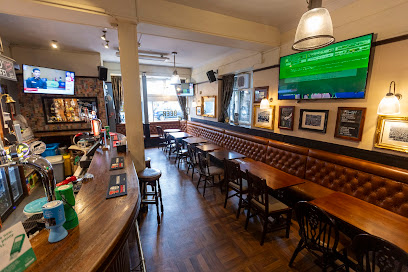
The Corona Bar & Kitchen
2.7 km
Vibrant Shawlands pub serving global beers, hearty comfort food, and Sunday roasts in a spacious, quirky setting—perfect for mates, dates, or solo pints.
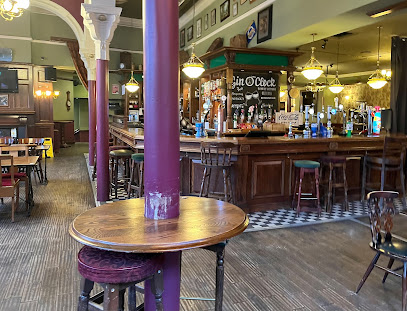
The Allison Arms
3.1 km
Glasgow southside's craft beer gem: dog-friendly, queer-welcoming pub with malts, malty vibes, and neighborhood warmth on Pollokshaws Road.
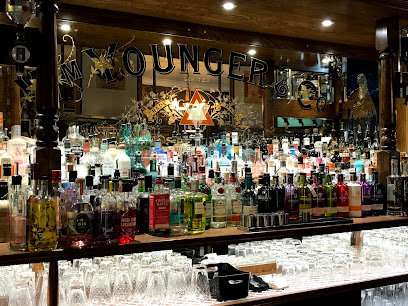
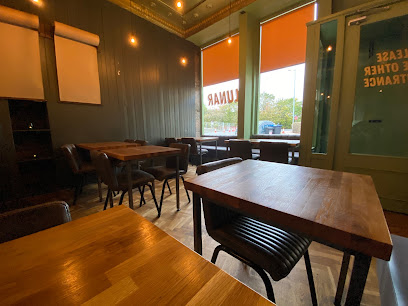
Lunar Wine & Cocktail Bar
3.2 km
Cosy southside sanctuary for lunar-cycle cocktails, natural wines, and dog-friendly vibes in Glasgow's Strathbungo—creative sips in glowing intimacy.
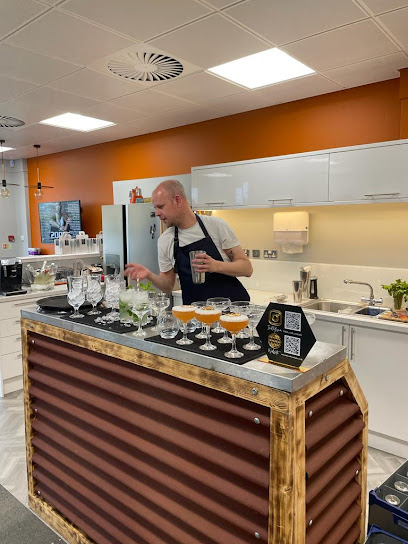
DnH Craft Cocktails
4.0 km
Expert mobile mixologists delivering award-worthy craft cocktails to your Glasgow or Edinburgh event, with pop-up bars and classes for unforgettable celebrations.
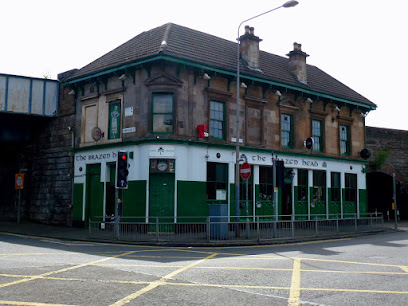
Brazen Head
4.3 km
A lively Celtic and Irish pub in the Gorbals, famed for match nights, football memorabilia and live music in an intimate, unpretentious setting.
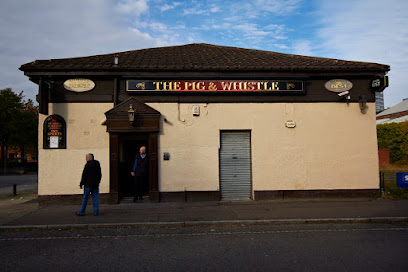
Pig 'n' Whistle
4.3 km
Cozy Glasgow pub pouring pints and serving comfort food in a lively City Centre spot with a welcoming beer garden.
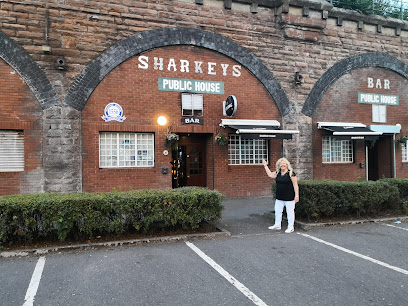
Sharkeys Bar
4.6 km
Family-run Gorbals gem serving hearty pies, perfect pints, and warm welcomes in a dog-friendly local atmosphere.
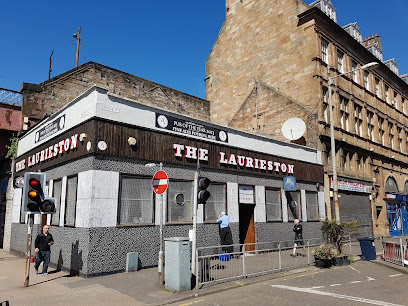
Laurieston Bar
4.8 km
Glasgow's 1960s time-capsule pub: flawless pints, diverse crowds, and unyielding Southside soul in the heart of Gorbals.
Avant Garde Music Bar & Restaurant
5.2 km
Dive into Glasgow's underground beats at Avant Garde, where live music, modern eats, and vaulted vibes create unforgettable Merchant City nights.
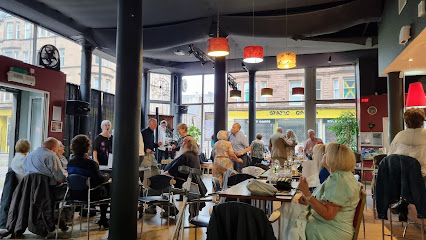
Maggies Rock n Rodeo
5.3 km
Experience Glasgow’s wild side with live music, line dancing, and a mechanical bull at Maggie’s Rock n Rodeo in Merchant City.
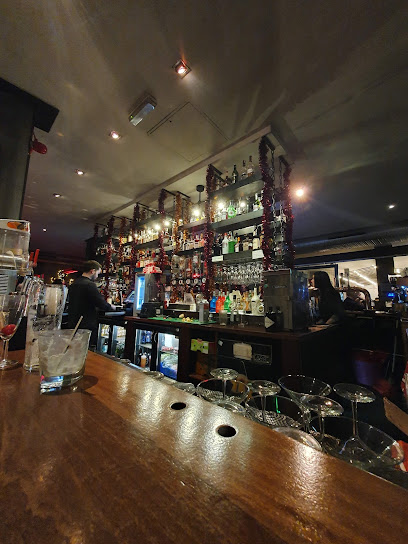
Sloans
5.4 km
Glasgow’s oldest bar and restaurant since 1797, famed for lively events, historic charm, and legendary Macaroni Cheese in a vibrant city-centre setting.
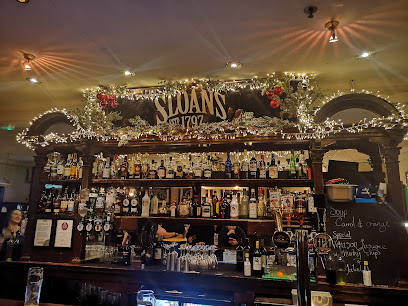
Cairns Bar
5.4 km
Cozy Merchant City pub pouring Belhaven ales, serving pub classics, and screening live sports in Glasgow's lively heart—perfect for pints and pies anytime.
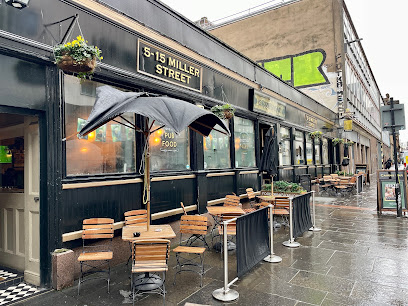
Nightclubs & after hour spots

The Shed
2.7 km
Dive into Shawlands' glitzy two-floor nightclub where chart bangers, R&B, hip-hop, and 80s cheese anthems fuel unpretentious Southside partying till the early hours.

Sub Club
5.4 km
Glasgow’s legendary underground nightclub, Sub Club, pulses with cutting-edge sound and authentic dance culture in an intimate basement setting.
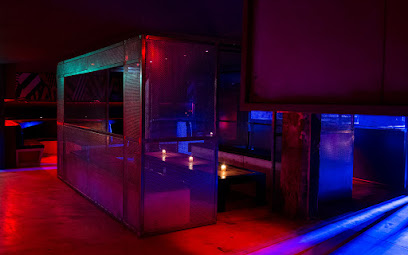
Classic Grand
5.4 km
Glasgow's ultimate electronic music haven in a reborn cinema, where thunderous beats and euphoric crowds collide until dawn.
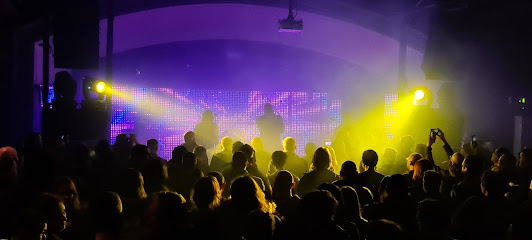
18 Candleriggs
5.4 km
Glasgow's kitsch cabaret haven where dazzling shows, tasty grill fare, and lively vibes create unforgettable Merchant City nights.
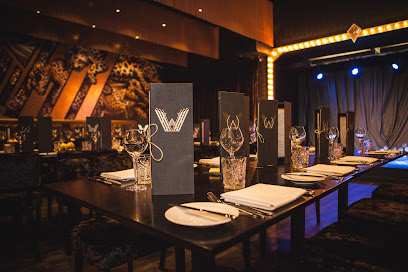
Cathouse Rock Club
5.5 km
Glasgow's unrelenting rock fortress since 1990—metal riffs, live gigs, and alternative fury across three pounding rooms.
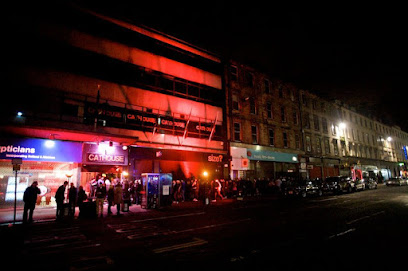
Polo Lounge
5.5 km
Glasgow's grandest gay nightclub: multi-level dance floors, cheap drinks, and non-stop energy until dawn in Merchant City's heart.
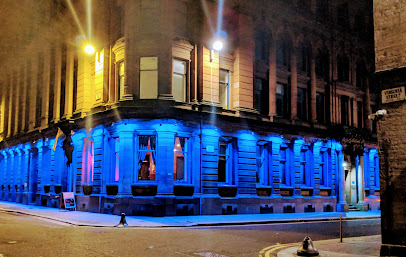
Riding Room
5.5 km
Fancy cabaret club in Glasgow's gay triangle, serving exotic kettle cocktails alongside burlesque, magic, and cheeky shows in a lively, intimate venue.
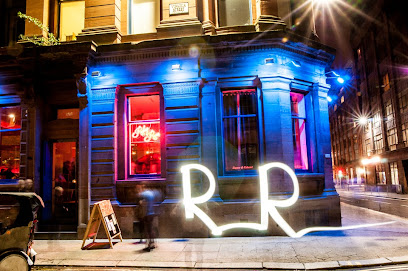
Club X
5.5 km
Glasgow's underground RnB haven: where beats throb, lights flash, and the LGBTQ+ community dances till dawn in Merchant City's beating heart.
Delmonicas
5.5 km
Scotland's biggest gay club: drag shows, karaoke, DJs, and non-stop inclusive party vibes in Glasgow's Merchant City heart.
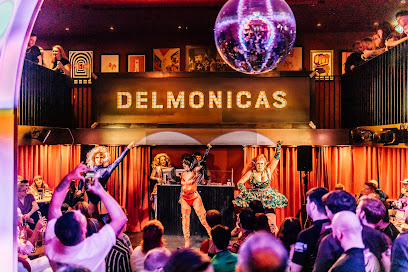
La Cheetah Club
5.5 km
Glasgow’s intimate basement club with a powerful sound system, vibrant underground beats, and a welcoming community spirit.

AXM Glasgow
5.6 km
Scotland's biggest LGBTQ+ nightclub: two floors of pop, charts, and dance in Glasgow's heart, with cheap drinks and zero attitude.
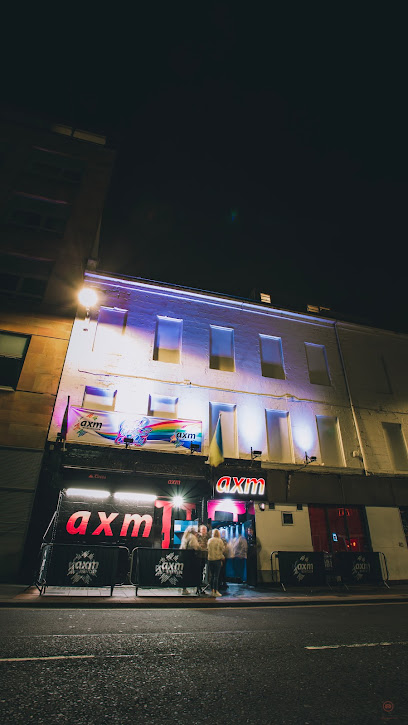
Club Tropicana & Venga
5.7 km
Two-room retro nightclub in central Glasgow with themed ’80s/’90s nights, booth bookings and a high-energy weekend atmosphere.
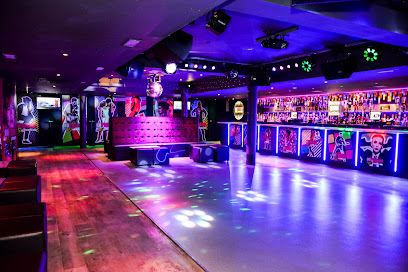
Platinum Lace Glasgow
5.7 km
Glasgow’s premier gentlemen’s club with stunning dancers, VIP luxury, and an electric nightlife atmosphere in the city centre.
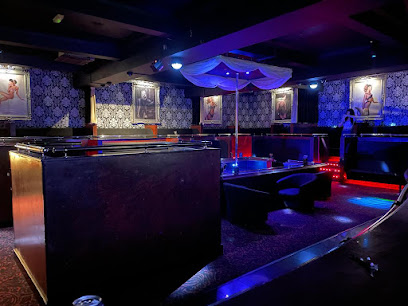
142B Lounge
5.8 km
Glasgow's premier spot for Afrobeats, Amapiano, and African flavors—dance, dine, and vibe in luxury VIP style until dawn.
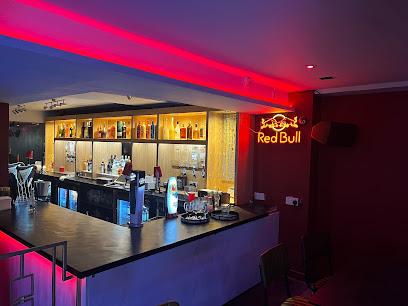
Popworld Glasgow
5.9 km
Dive into a whirlwind of 80s-00s pop anthems, retro props, and cocktail-fueled dance marathons at Glasgow's ultimate cheesy nightclub escape.
For the vibe & atmosphere seeker
- Relaxing
- Tranquil
- Scenic
- Unique
- Casual
For the design and aesthetic lover
- Vintage Styles
- Colorful Aesthetics
For the architecture buff
- Historic
- Landmarks
- Art & Design
- Parks & Gardens
- Heritage Neighborhoods
For the view chaser and sunset hunter
- Iconic Views
- Waterfront
For the social media creator & influencer
- Instagrammable
- Photo Spots
- Architectural Shots
For the eco-conscious traveler
- Public-Transport Accessible
- Locally Managed
For the kind of experience you’re after
- Cultural Heritage
- Photowalk
- Day Trip
- Weekend Getaway
For how adventurous you want the journey to be
- Easy Access
Location Audience
- Family Friendly
- Senior Friendly
- Child Friendly
- Teen Friendly
- Wheelchair Access
- Pet Friendly
- Solo Friendly
- Couple Friendly
- Solo Female Friendly
- Vegetarian Friendly
- Vegan Friendly


