

Free Renfrewshire Travel Guide & Mobile App
Explore Renfrewshire with free travel guides. Discover regional history, expert tips, proposed trips, and audio guides on web or mobile app.


Explore Renfrewshire for Paisley Abbey, textile heritage, lochside walks, Clyde history and easy access through Glasgow Airport.
Read more about Renfrewshire
When is the best time to visit Renfrewshire?
Best: June–August · 18–20°C| Month | High (°C) | Rainfall (mm) |
|---|---|---|
| January | 6 | 92 |
| February | 6 | 82 |
| March | 8 | 78 |
| April | 12 | 67 |
| May | 15 | 74 |
| June (best) | 18 | 80 |
| July (best) | 20 | 86 |
| August (best) | 19 | 88 |
| September | 16 | 92 |
| October | 13 | 98 |
| November | 8 | 102 |
| December | 6 | 110 |
Getting to and around Renfrewshire
How to get there
Transportation
Top city travel guides in Renfrewshire
The cities of Renfrewshire, and the easiest places to base yourself.

Swipe for more cities
Best attractions in Renfrewshire
Renfrewshire's attractions combine urban heritage with accessible countryside. Paisley Abbey is the principal historic draw, while the town's museums, civic buildings and textile story explain how religious foundations gave way to industrial prosperity. The Weaver's Cottage at Kilbarchan offers a more intimate view of domestic handloom production. For nature and outdoor recreation, Castle Semple Country Park centres on a broad loch with walking, cycling and water-based activities, while the RSPB reserve near Lochwinnoch protects wetland habitats and attracts birdwatchers. Gleniffer Braes Country Park provides open viewpoints and paths above Paisley, with a landscape that feels considerably more rural than its proximity to the town suggests. Renfrew's riverside setting and industrial legacy add another dimension, particularly for visitors interested in the Clyde's engineering and shipbuilding past. Smaller villages, burns and agricultural roads are part of the appeal for walkers and drivers seeking a slower itinerary. The region is compact enough for varied day visits, but weather, path conditions and limited rural services make sensible planning worthwhile.
-
Museum
Riverside Museum
Explore Glasgow’s transport past through interactive exhibits and a stunning riverside museum designed by Zaha Hadid.
-
Park and Garden
George Square
George Square is Glasgow’s historic civic heart, blending grand architecture, iconic monuments, and vibrant public life in the city centre.
-
Shopping Centre
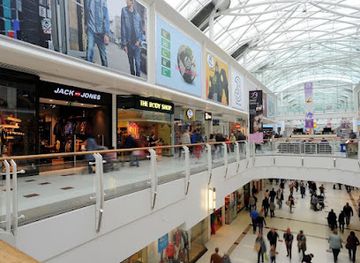
Braehead Shopping Centre
A vibrant shopping and leisure destination near Glasgow with over 100 stores, dining, and family-friendly fun all year round.
-
Tourist attraction
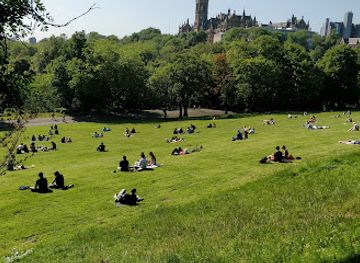
Kelvingrove Park
Explore Glasgow’s historic Kelvingrove Park and its stunning Art Gallery, a vibrant cultural and natural retreat in the city’s West End.


Best landmarks in Renfrewshire
Paisley Abbey is Renfrewshire's defining architectural landmark, with medieval stonework, later alterations and a powerful association with the town's religious and Stewart history. Nearby, the former Paisley Town Hall and other Victorian civic buildings express the wealth and confidence created by textile manufacturing. The industrial skyline is represented by surviving mill buildings and former weaving-related structures, which distinguish Paisley from a conventional historic market town. In Kilbarchan, the Weaver's Cottage preserves a smaller-scale landmark of domestic textile production and helps explain the village's distinctive built form. Renfrew's historic centre and riverside setting recall its status as an old royal burgh and its relationship with the Clyde, while the modern Renfrew Riverside area reflects later regeneration. Away from the built environment, the wide outlooks from Gleniffer Braes and the waters of Castle Semple Loch are important geographical landmarks: they show how quickly Renfrewshire changes from urban streets to open, lowland scenery.
-
Shopping Centre
Braehead Shopping Centre
A vibrant retail and leisure destination near Glasgow with over 100 stores, diverse dining, and family-friendly entertainment.
-
Historical landmark
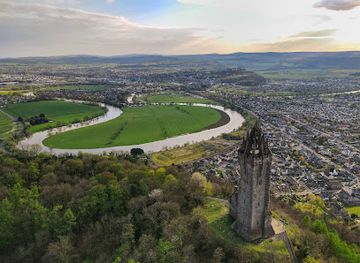
The National Wallace Monument
Explore the iconic tower honoring Sir William Wallace with rich history, stunning views, and immersive exhibitions atop Abbey Craig near Stirling.
-
Tourist attraction
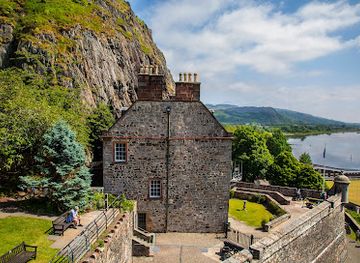
Dumbarton Castle
Scotland's ancient stronghold crowning a volcanic rock, where 1,500 years of history meet breathtaking Clyde estuary views.
-
 Cemetery
The Glasgow Necropolis
Glasgow's atmospheric Victorian 'City of the Dead'—a 37-acre sanctuary of elaborate monuments, panoramic views, and untold stories.
Explore Renfrewshire on the map
Plan your trip on one map. See where the top cities, national parks and sights are, and book hotels and experiences in a few clicks.
Best hotels in Renfrewshire
Best restaurants in Renfrewshire
Dining in Renfrewshire is centred on Paisley and Renfrew, with a mixture of cafés, contemporary restaurants, traditional pubs and takeaway businesses reflecting the region's connection to the wider Glasgow area. Scottish produce appears in familiar forms such as soups, seafood, beef, game when in season, baking and dairy products, while menus also draw on international communities and modern British cooking. Around Lochwinnoch and the villages, rural inns and cafés provide useful stops after walks, although opening patterns can be more limited than in Paisley. Farmers' markets and independent food shops, where operating, are good places to look for bread, cakes, preserves and locally produced items rather than a single dish regarded as uniquely Renfrewshire. Paisley is the best base for the broadest choice, including informal dining near the town centre and more polished restaurants, while countryside meals tend to emphasise convivial pub food and practical daytime refreshments.
-
Pub
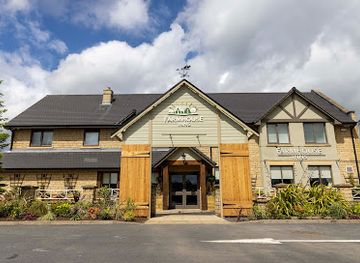
Linwood Farm - Farmhouse Inns
Family-friendly pub in Paisley offering hearty carvery roasts, generous portions, and a lively atmosphere with indoor and outdoor play areas.
-
Chinese
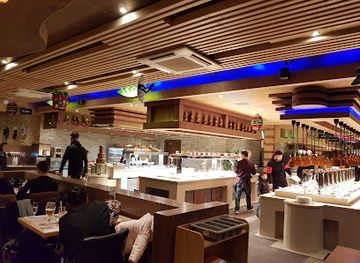
Beijing Banquet
Savor authentic Chinese buffet delights in Renfrew’s welcoming and spacious Beijing Banquet, where fresh flavors meet attentive service.
-
Gastropub
Coast
Waterside dining with panoramic Clyde views, diverse menus, and attentive service in a relaxed Scottish gastropub.
-
Restaurant
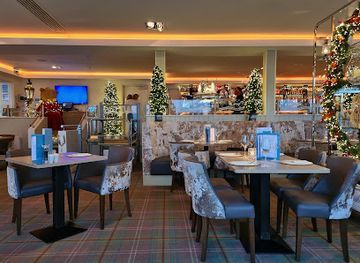
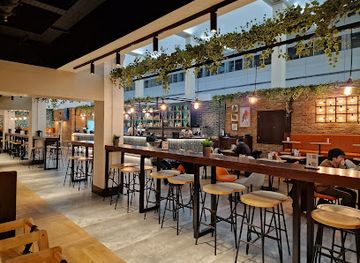
Bird & Signet Bar
A modern Scottish pub experience at Glasgow Airport, blending local flavors with traveler convenience and welcoming atmosphere.
Best bars in Renfrewshire
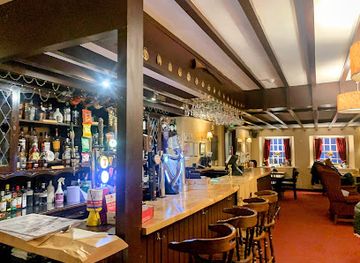
Evening life in Renfrewshire is concentrated in Paisley and, to a lesser extent, Renfrew, rather than spread evenly across the rural districts. Traditional pubs remain important social venues, alongside bars serving Scottish beer, whisky and contemporary cocktails. Paisley also has live music, comedy and performance venues, with nightlife often linked to the town's cultural programme rather than a large, dedicated club district. Restaurants and pubs in Lochwinnoch, Kilbarchan and other villages generally provide quieter evenings and may close earlier than urban venues. Glasgow, outside the region, offers a much larger late-night scene and is readily accessible from Paisley by train or taxi, but visitors staying locally can enjoy a more compact evening built around food, conversation, live entertainment and historic public houses. Check current arrangements before relying on a particular venue, especially outside the main towns.
-
Bar
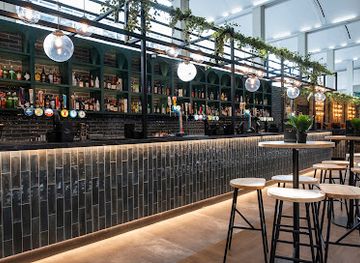
Bird & Signet Bar
Modern Scottish bar and kitchen at Glasgow Airport offering breakfast, pub classics, and a wide range of drinks in a relaxed airside setting.
-
Pub
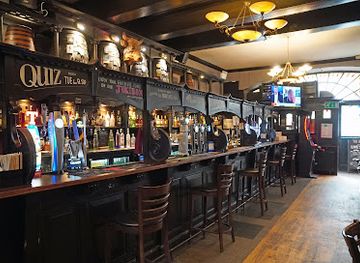
Bull Inn
Historic Scottish pub in Paisley with vintage charm, original stained glass, cozy snugs, and a lively, welcoming atmosphere.
-
Pub
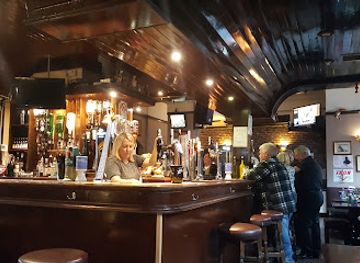
Old Swan Inn
Historic Paisley pub with lively live music, a large covered beer garden, and a welcoming atmosphere for all seasons.
-
Pub
Fox & Hounds
Traditional Scottish pub with rich history, award-winning cuisine, extensive whisky selection, and vibrant community spirit in Houston, Johnstone.
Best nightclubs in Renfrewshire
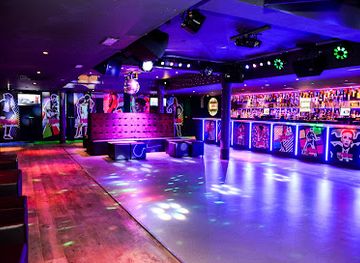
Evening life in Renfrewshire is concentrated in Paisley and, to a lesser extent, Renfrew, rather than spread evenly across the rural districts. Traditional pubs remain important social venues, alongside bars serving Scottish beer, whisky and contemporary cocktails. Paisley also has live music, comedy and performance venues, with nightlife often linked to the town's cultural programme rather than a large, dedicated club district. Restaurants and pubs in Lochwinnoch, Kilbarchan and other villages generally provide quieter evenings and may close earlier than urban venues. Glasgow, outside the region, offers a much larger late-night scene and is readily accessible from Paisley by train or taxi, but visitors staying locally can enjoy a more compact evening built around food, conversation, live entertainment and historic public houses. Check current arrangements before relying on a particular venue, especially outside the main towns.
-
Nightclub
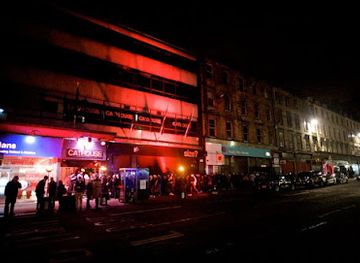
Cathouse Rock Club
Glasgow’s iconic rock club since 1990, delivering powerful live gigs, diverse alternative music, and an electric nightlife atmosphere.
-
Nightclub
Club Tropicana & Venga
Dive into Glasgow’s vibrant retro nightlife with Club Tropicana & Venga, where 80s and 90s hits keep the dancefloor alive.
-
Nightclub
Platinum Lace Glasgow
Glasgow’s premier gentlemen’s club offering stylish nightlife, stunning performances, and luxurious VIP experiences in the city centre.
-
Nightclub
Vienna's Nightclub
Paisley’s vibrant weekend hotspot blending diverse music, lively atmosphere, and a welcoming social scene on New Street.


Best shops in Renfrewshire
Paisley provides Renfrewshire's broadest shopping choice, with a town-centre mix of national retailers, independent businesses, cafés, charity shops and services. It is the best place to look for books, gifts and interpretations of the Paisley pattern, although the motif is now produced and sold far beyond the region. Renfrew and Johnstone offer smaller high-street selections, while villages such as Lochwinnoch and Kilbarchan are more suited to browsing independent shops, galleries, antiques and occasional craft or food businesses than to extensive retail shopping. Local produce may include baking, preserves, confectionery and other Scottish food gifts, with farmers' markets and seasonal stalls varying by date and location. Visitors should not expect a large luxury-shopping district in the rural parts of the region; the appeal lies in combining town-centre errands with heritage visits and buying practical, locally connected gifts rather than generic souvenirs.
-
Shopping Centre
Abbotsinch Shopping Park
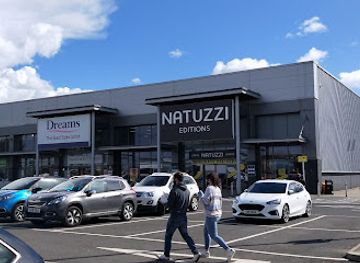
A premier retail park in Paisley offering extensive home furniture, DIY stores, and convenient shopping hours for all your renovation needs.
-
Homewares Shop
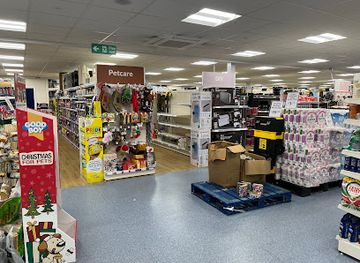
The Range, Paisley
A versatile homeware and lifestyle store in Paisley Retail Park offering extensive products, accessible amenities, and convenient hours.
-
Gift shop
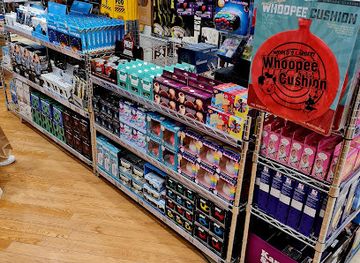
Menkind
Discover a vibrant selection of unique, fun gifts and gadgets for men at Menkind Glasgow Braehead, your go-to spot for memorable presents.
-
Gift shop
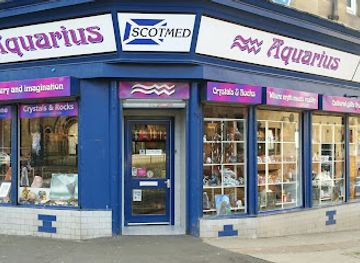
Aquarius Crystals & Gifts
Discover a curated collection of crystals and spiritual gifts in Paisley’s welcoming and mindful shop.
Get your free copy of our complete guide to Renfrewshire, delivered straight to you.
Everything on this page, from attractions and restaurants to essentials and local phrases, in one PDF you can read offline, print or share.
Already have an account? Sign in
Your Renfrewshire guide is ready.
We'll send it to · Not you? Sign out

Getting your guide ready…
We are putting together a fresh copy of the Renfrewshire guide. This can take up to a minute.
This can take a few moments. If your browser asks, choose Allow so the download can start. You'll find the guide in your Downloads folder.
Nothing happened? Download it again
Sorry, the guide is taking longer than usual. Please try again in a minute, or get it by email instead.
Renfrewshire essentials
Currency and Payment
Safety
Emergency Situations
Do's and Don'ts
Local Tips
From Eve
Local phrases worth knowing
You don't need to get them perfect. A few words go a long way, and locals appreciate the effort.
Basics
| English | Local | Say it |
|---|---|---|
| Hello | Hiya | [hai-yah] |
| Goodbye | Cheerio | [cheer-ee-oh] |
| Yes | Aye | [eye] |
| No | Naw | [naw] |
| Please/You're welcome | Please | [pleez] |
| Thank you | Cheers | [cheerz] |
| Excuse me/Sorry | Sorry | [saw-ree] |
| How are you? | How's it gaun? | [how's it gawn] |
| Fine. And you? | Awright. An yersel? | [aw-right. an yer-sel] |
| Do you speak English? | D'ye speak English? | [d'ye speak ing-glish] |
| I don't understand | Ah dinnae understand | [ah din-ee un-der-stand] |
Eating & Drinking
| English | Local | Say it |
|---|---|---|
| I'd like to see the menu, please | A'd like tae see the menu, please | [ah'd like tay see the men-yoo, pleez] |
| I don't eat meat | Ah dinnae eat meat | [ah din-ee eat meet] |
| Cheers! | Cheers! | [cheerz] |
| I would like to pay, please | A'd like tae pay, please | [ah'd like tay pay, pleez] |
Emergencies
| English | Local | Say it |
|---|---|---|
| Help! | Help! | [help] |
| Go away! | Get lost! | [get lost] |
| Call the Police! | Phone the polis! | [fone the po-lis] |
| Call a doctor! | Phone a doc! | [fone a doc] |
| I'm lost | Ah'm lost | [ah'm lost] |
| I'm ill | Ah'm no well | [ah'm no well] |
Shopping
| English | Local | Say it |
|---|---|---|
| I'd like to buy... | A'd like tae buy... | [ah'd like tay buy...] |
| I'm just looking | Ah'm just lookin' | [ah'm just look-in'] |
| How much is it? | How much is it? | [how much is it] |
| That's too expensive | That's far too dear | [that's far too deer] |
| Can you lower the price? | Can ye no lower the price? | [can ye no lower the price] |
Time & Numbers
| English | Local | Say it |
|---|---|---|
| What time is it? | Whit time is it? | [whit time is it] |
| It's one o'clock | It's one o'clock | [its one o'clock] |
| Half past (10) | Half past ten | [half past ten] |
| Morning | Mornin' | [morn-in'] |
| Afternoon | Afternoon | [af-ter-noon] |
| Evening | Evenin' | [even-in'] |
| Yesterday | Yestreen | [yes-treen] |
| Today | Today | [to-day] |
| Tomorrow | Morrow | [mor-row] |
| 1 | Wan | [wan] |
| 2 | Twa | [twa] |
| 3 | Three | [three] |
| 4 | Four | [four] |
| 5 | Five | [five] |
| 6 | Six | [six] |
| 7 | Seven | [seven] |
| 8 | Eight | [eight] |
| 9 | Nine | [nine] |
| 10 | Ten | [ten] |
Transport & Directions
| English | Local | Say it |
|---|---|---|
| Where's a/the...? | Whar's a/the...? | [whar's a/the] |
| What's the address? | Whit’s the address? | [whit's the ad-dress] |
| Can you show me (on the map)? | Can ye show me (on the map)? | [can ye show me (on the map)] |
| When's the next (bus)? | When's the next (bus)? | [when's the next (bus)] |
| A ticket (to ....) | A ticket (ta ....) | [a ticket (ta ....)] |
History of Renfrewshire
Early settlement and medieval foundations
Renfrewshire's history reaches back beyond written records, with prehistoric settlement and changing patterns of farming around the Clyde basin and the loch country. Paisley's later importance began with a religious foundation associated with monks from the Cluniac house at Much Wenlock. The monastery developed into Paisley Abbey, whose surviving medieval architecture remains the region's most important ecclesiastical legacy. Renfrew also grew in significance as a royal burgh and as a place connected with the early Stewart family, helping establish the area's political importance in medieval Scotland.
Paisley Abbey and the Stewart connection
Paisley Abbey became a major religious institution during the medieval period, possessing land, influence and connections across the west of Scotland. Its church was later transformed by the Reformation and subsequent changes, but substantial medieval fabric survives. Renfrewshire is also associated with the Stewart dynasty: Walter Fitzalan, High Steward of Scotland, founded the monastery at Paisley, and the family's wider rise eventually led to the Scottish throne. The abbey and Renfrew's historic burgh status together explain the region's unusually strong medieval identity.
The weaving villages and handloom economy
From the eighteenth century, weaving shaped many Renfrewshire communities. Paisley became a centre for the production of shawls and other textiles, while villages such as Kilbarchan developed around handloom weaving carried out in homes and small workshops. The surviving Weaver's Cottage at Kilbarchan provides a tangible connection with this period, showing how domestic industry influenced buildings, family life and local economies. The trade depended on wider commercial networks, but it gave Renfrewshire a distinctive industrial culture before mechanised production transformed the region.
The Paisley pattern and industrial expansion
Paisley's name became internationally associated with the distinctive boteh or teardrop motif used in shawl design and later printed textiles. The pattern itself had older influences and was not invented wholly in Paisley, but the town's nineteenth-century textile industry made it especially prominent. Large mills, printworks and associated businesses expanded around the town, creating employment and wealth while also bringing crowded housing and industrial pollution. Surviving mill buildings, civic structures and the town's museums preserve aspects of this transformation.
Canals, railways and the Clyde corridor
Transport development altered Renfrewshire's geography during the industrial era. The Glasgow, Paisley and Johnstone Canal linked manufacturing communities before much of its route was superseded by railway development. Rail connections then accelerated the movement of people, raw materials and finished goods between Paisley, Glasgow and the Clyde. Renfrew's riverside position supported shipbuilding and engineering activity, while docks and industrial sites connected local production with national and international trade. The modern road, rail and airport network continues this long tradition of connectivity.
Shipbuilding, engineering and wartime change
The Clyde corridor around Renfrew and nearby communities became associated with shipbuilding, marine engineering and heavy industry. These activities brought skilled employment and helped define west-central Scotland's industrial society, although their later decline caused major economic and physical change. Aviation also gained importance: the airport at Abbotsinch, on land near Paisley, developed from a wartime airfield into the commercial airport serving Glasgow. Renfrewshire's twentieth-century story therefore combines industrial contraction with the growth of transport, services and modern regional infrastructure.
Regeneration and cultural renewal
In the late twentieth and early twenty-first centuries, Renfrewshire faced the pressures of industrial decline, changing retail patterns and suburban growth while retaining substantial historic assets. Paisley's textile identity, medieval abbey and civic architecture became central to cultural regeneration efforts, alongside investment in public spaces and heritage interpretation. The region now balances its role within the Glasgow urban area with the independent character of its towns and rural districts. Historic buildings, museums, nature reserves and restored waterfront spaces provide important ways of understanding this continuing transition.
Renfrewshire in Photos
Browse through our photo collection highlighting the charm and character of the destination.
Neighbouring regions of Renfrewshire
The closest regions to Renfrewshire, if you have time for more than one.
-

-

-

-

-


Swipe for more regions
Explore more

Explore more of United Kingdom
Discover the United Kingdom: A blend of rich history, stunning landscapes, and vibrant cities, offering a unique travel experience for every visitor.
Explore United Kingdom