

Snuff Mill Bridge, Glasgow Travel Guide
Free Guide: Historic cast iron bridge over White Cart Water, blending Glasgow’s industrial heritage with scenic riverside charm.


A brief summary of Snuff Mill Bridge
Historic cast iron bridge over White Cart Water, blending Glasgow’s industrial heritage with scenic riverside charm.
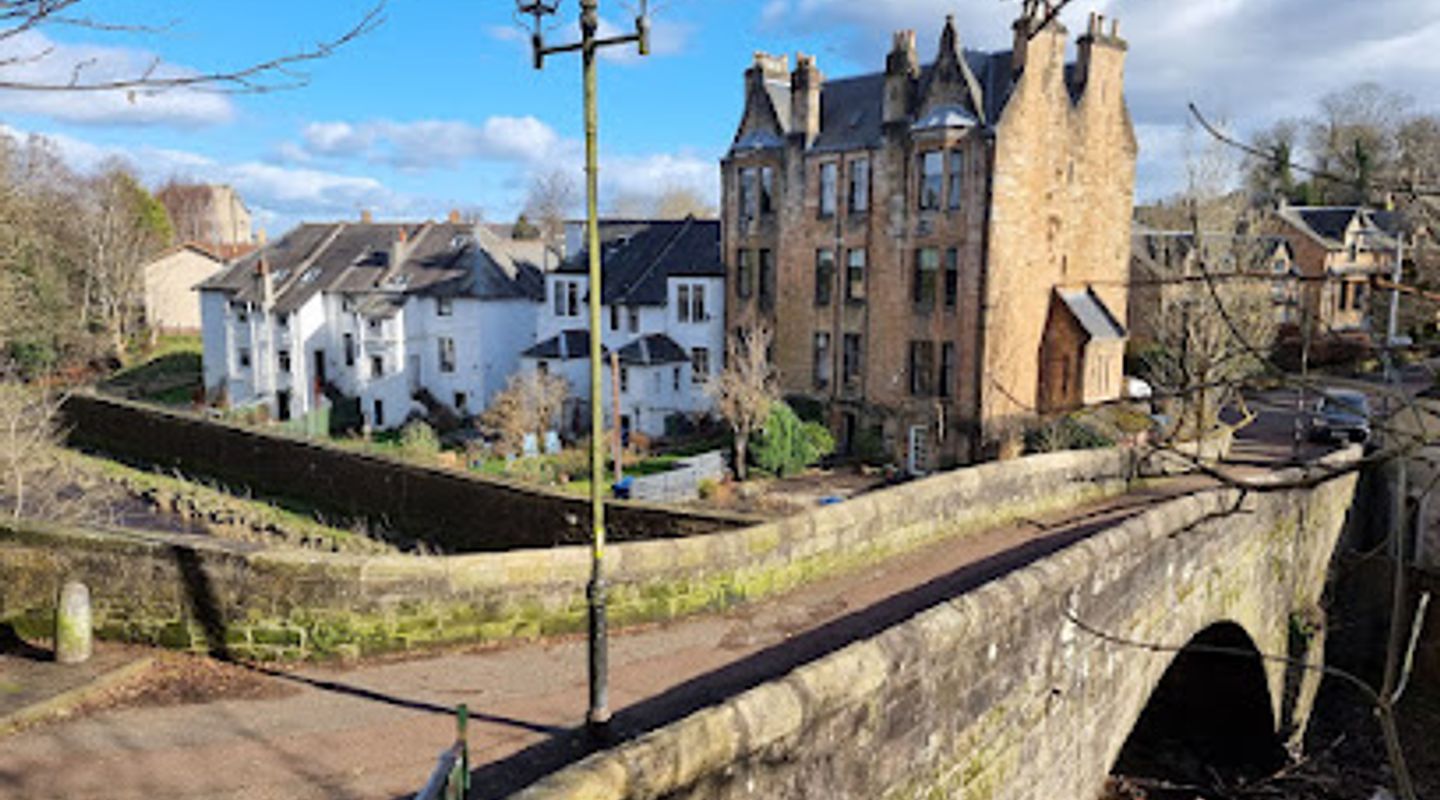
Snuff Mill Bridge is a picturesque historic cast iron bridge spanning the White Cart Water in Glasgow’s Cathcart area. Dating back to the early 19th century, it stands near the site of the former Snuff Mill, once a dye and snuff production facility. Surrounded by scenic riverbanks and old tenement buildings, the bridge connects the community and offers a glimpse into Glasgow’s industrial heritage amid tranquil natural beauty.
On-site amenities
 Seating areas
 Information boards
- Address
- Snuff Mill Rd, Glasgow G44 5TP
Getting there
Bus
Train and Walk
Car
Discover more about Snuff Mill Bridge
A Link to Glasgow’s Industrial Past
Snuff Mill Bridge is intimately tied to the industrial history of Glasgow’s south side, particularly the White Cart Water mills. The bridge itself, an elegant cast iron structure, was likely constructed between 1811 and 1820. It served as a vital crossing near the Snuff Mill, which evolved from a dye mill into a snuff production site under Solomon Lindsay’s ownership in the 19th century. This mill was part of a network of mills along the White Cart River, which powered local industry and shaped the economic life of Cathcart and Netherlee.
Architectural and Environmental Character
The bridge’s cast iron design is notable for its period elegance and durability, still standing strong over the river. It complements the surrounding environment, which includes remnants of old tenement buildings known as Lindsay House, built by the mill’s owner. The area around the bridge is lush and scenic, with the White Cart Water flowing beneath and wooded banks providing a peaceful setting. This combination of industrial heritage and natural beauty makes the bridge a charming landmark.
The White Cart Water and Mill Legacy
The White Cart Water was once lined with numerous mills, including paper, dye, and snuff mills, which thrived from the late 1600s through the early 20th century. The Snuff Mill was among the best known, contributing to the local economy and community identity. Though the mills have long ceased operation, their legacy remains visible in the landscape and infrastructure, with Snuff Mill Bridge standing as a tangible reminder of this industrial era.
Community and Scenic Importance Today
Today, Snuff Mill Bridge is cherished not only for its historical significance but also as a scenic spot for locals and visitors. It offers picturesque views of the river and surrounding greenery, making it a favored location for photography and quiet reflection. The bridge connects neighborhoods and invites exploration of the nearby Linn Park and White Cart Walkway, enhancing its role as a community asset.
Preservation and Cultural Recognition
While not officially listed, the bridge’s continued maintenance and use reflect local appreciation for its heritage. Its presence on historic maps and sale notices from the early 19th century underscores its longstanding importance. The bridge and surrounding area are part of Glasgow’s rich tapestry of industrial and natural heritage, attracting interest from historians and nature enthusiasts alike.
Experiencing Snuff Mill Bridge
Visitors approaching the bridge can sense the blend of history and nature, where the sound of flowing water mingles with the quiet strength of cast iron and stone. Nearby, old tenements hint at the lives of mill workers and their families. Exploring the area offers insight into Glasgow’s transformation from industrial powerhouse to modern city with cherished green spaces and preserved landmarks.
Evendo Review Centre
 Google
Guest reviews
Best time to go
Quietest: Jan, Feb & Dec · before 6am
Busy times are Evendo estimates for a typical year, to help you plan. Actual crowds vary with events, school holidays and the weather.
Explore Snuff Mill Bridge on the map
A handpicked selection of must-see spots near Snuff Mill Bridge, mapped for you.
Get your free copy of our complete guide to Snuff Mill Bridge, delivered straight to you.
Everything on this page, from opening hours and how to get there to Eve’s tips and the best time to go, in one PDF you can read offline, print or share.
Already have an account? Sign in
Your Snuff Mill Bridge guide is ready.
We'll send it to · Not you? Sign out

Getting your guide ready…
We are putting together a fresh copy of the Snuff Mill Bridge guide. This can take up to a minute.
This can take a few moments. If your browser asks, choose Allow so the download can start. You'll find the guide in your Downloads folder.
Nothing happened? Download it again
Sorry, the guide is taking longer than usual. Please try again in a minute, or get it by email instead.
Other nearby places you may find interesting
The closest places of the same kind, if this one is not quite what you had in mind.
-
-
-
-
-


Swipe for more places
More to explore near Snuff Mill Bridge

 Best experiences near Snuff Mill Bridge
 Best hotels near Snuff Mill Bridge
 Best landmarks near Snuff Mill Bridge
 Best attractions near Snuff Mill Bridge
 Best shops near Snuff Mill Bridge
 Best restaurants near Snuff Mill Bridge
 Best bars near Snuff Mill Bridge
Do you manage this location?
Take control to get all the benefits, like improved information, better appearance, and stronger visibility across AI-powered discovery.
Explore more

Explore more of Glasgow
Discover Glasgow, Scotland's cultural capital, where history, architecture, and vibrant arts scene meet, offering a unique and unforgettable travel experience.
Explore Glasgow
Explore more of United Kingdom
Discover the United Kingdom: A blend of rich history, stunning landscapes, and vibrant cities, offering a unique travel experience for every visitor.
Explore United Kingdom
