The Clyde Arc, Stirling Travel Guide
Free Guide: Glasgow’s Squinty Bridge: A modern architectural icon spanning the River Clyde with stunning views and vibrant urban energy.


A brief summary of The Clyde Arc
Glasgow’s Squinty Bridge: A modern architectural icon spanning the River Clyde with stunning views and vibrant urban energy.
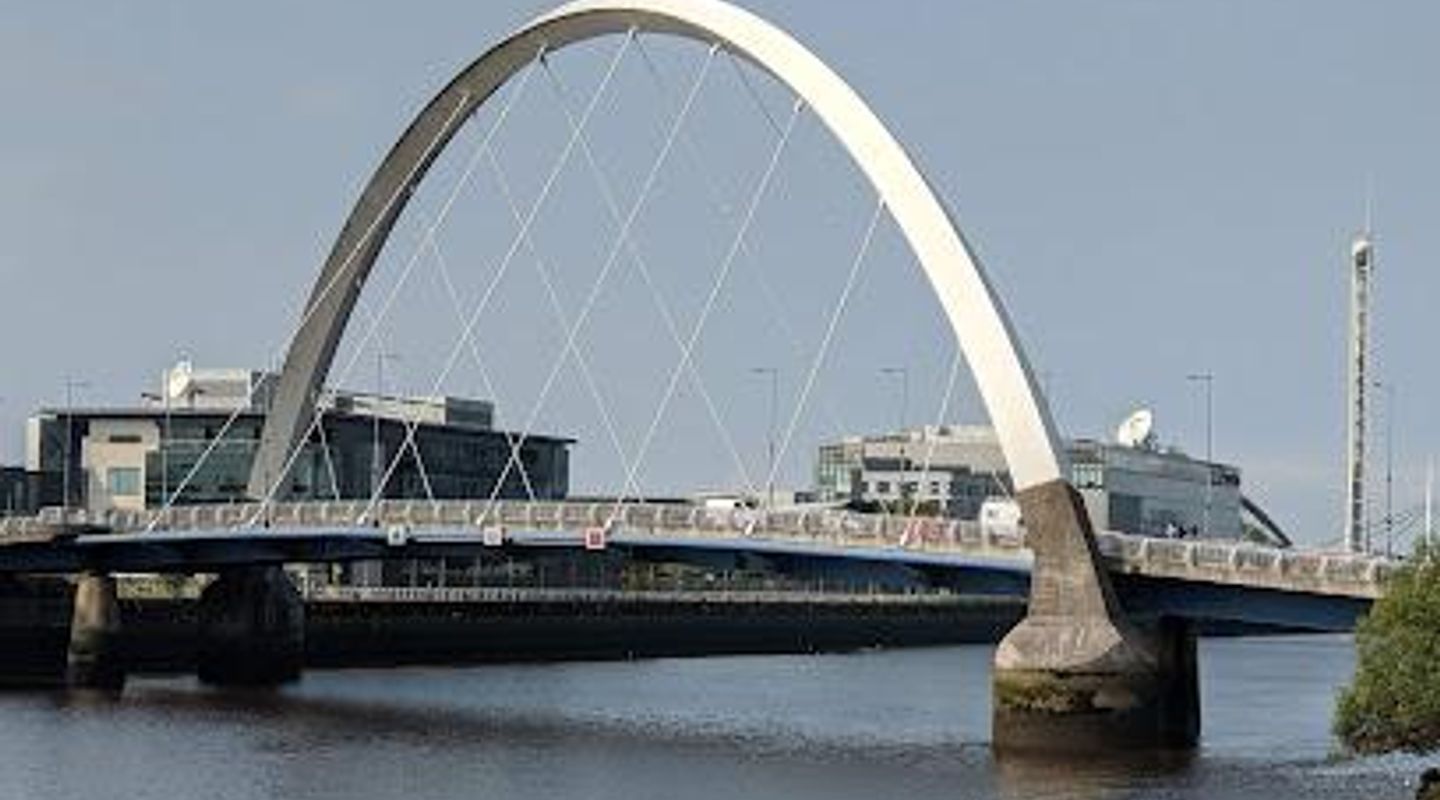
The Clyde Arc, affectionately known as the Squinty Bridge, is a striking modern road bridge spanning the River Clyde in Glasgow. Opened in 2006, its unique curved design crosses the river at an angle, connecting Finnieston and Govan. This architectural marvel is a key transport link and a beloved landmark, offering stunning panoramic views of the city skyline, the Glasgow Science Centre, and the historic Finnieston Crane along the vibrant riverfront.
On-site amenities
 Seating areas
 Information boards
- Address
- Glasgow
Getting there
Train
Bus
Walking
Discover more about The Clyde Arc
A Bold Architectural Statement Over the River Clyde
The Clyde Arc, locally nicknamed the Squinty Bridge due to its distinctive angled crossing, is a modern engineering feat that redefined Glasgow’s riverfront. Officially opened in September 2006, it was the first city centre traffic bridge across the Clyde since 1970. Its design features a sweeping steel arch with a main span of 96 meters and two end spans, totaling 169 meters. The bridge’s supports are carefully positioned within the river, allowing for a central navigation height of 5.4 meters at mean water level. This innovative structure was crafted to accommodate future transport options such as light rail or trams, reflecting Glasgow’s forward-thinking urban planning.
Connecting Communities and Catalyzing Regeneration
The Clyde Arc links the vibrant Finnieston district, near the SEC Armadillo and Hydro, with the Pacific Quay area in Govan, home to the Glasgow Science Centre and media hubs. This connection has improved access across the river, facilitating the regeneration of formerly industrial and dockland areas. By easing traffic flow and providing dedicated lanes for public transport, pedestrians, and cyclists, the bridge supports sustainable urban mobility. It stands as a symbol of Glasgow’s transformation from an industrial powerhouse to a modern cultural and technological city.
Visual Splendor and Riverside Experience
Beyond its functional role, the Clyde Arc is a visual icon. Its elegant curve and steel framework create a striking silhouette against the Glasgow skyline, especially at sunset and night when the bridge is illuminated with vibrant lighting that reflects beautifully on the water. From the bridge, visitors can enjoy panoramic views of landmarks such as the Finnieston Crane, a relic of Glasgow’s shipbuilding heritage, and the futuristic Glasgow Science Centre. The surrounding riverside promenade invites leisurely walks, offering a refreshing urban escape with lively eateries and cultural venues nearby.
Engineering Excellence and Urban Design
Designed by the Halcrow Group and constructed by BAM Nuttall, the Clyde Arc showcases meticulous engineering. The bridge’s curved form is not just aesthetic but functional, crossing the river at a skewed angle to optimize traffic flow and river navigation. Its four lanes include two for buses and taxis, highlighting the city’s commitment to public transport. The pedestrian and cycle paths enhance accessibility and encourage active travel. The project was a collaboration between Glasgow City Council, Scottish Enterprise, and the Scottish Government, representing a major investment in the city’s infrastructure.
A Cultural and Photographic Landmark
Known affectionately as the Squinty Bridge, the Clyde Arc has become a favorite subject for photographers and visitors. Its unique shape and lighting make it one of Glasgow’s most Instagrammable spots. The bridge is often featured in images capturing the dynamic interplay of old and new in the city, juxtaposing industrial heritage with contemporary design. Whether bathed in daylight or glowing at night, the Clyde Arc offers an unforgettable visual experience that celebrates Glasgow’s spirit and resilience.
Ongoing Role in Glasgow’s Urban Fabric
Since opening, the Clyde Arc has played a vital role in Glasgow’s urban life, supporting daily commutes and tourism alike. It is part of a broader strategy to revitalize the Clyde waterfront, complementing other developments such as the Tradeston Bridge and the regeneration of adjoining docklands. The bridge’s presence encourages exploration of both riverbanks and serves as a gateway to cultural attractions and events. Its blend of utility, design, and symbolism continues to inspire pride and admiration across the city.
Evendo Review Centre
 Google
Guest reviews
Best time to go
Quietest: Jan, Feb & Dec · before 6am
Busy times are Evendo estimates for a typical year, to help you plan. Actual crowds vary with events, school holidays and the weather.
Explore The Clyde Arc on the map
A handpicked selection of must-see spots near The Clyde Arc, mapped for you.
Get your free copy of our complete guide to The Clyde Arc, delivered straight to you.
Everything on this page, from opening hours and how to get there to Eve’s tips and the best time to go, in one PDF you can read offline, print or share.
Already have an account? Sign in
Your The Clyde Arc guide is ready.
We'll send it to · Not you? Sign out

Getting your guide ready…
We are putting together a fresh copy of the The Clyde Arc guide. This can take up to a minute.
This can take a few moments. If your browser asks, choose Allow so the download can start. You'll find the guide in your Downloads folder.
Nothing happened? Download it again
Sorry, the guide is taking longer than usual. Please try again in a minute, or get it by email instead.
Unlock the best of The Clyde Arc
Skip-the-line tickets, guided tours with entry, and walking tours of the area, booked in a few clicks.


Other nearby places you may find interesting
The closest places of the same kind, if this one is not quite what you had in mind.
-
-
-
-
-


Swipe for more places
More to explore near The Clyde Arc

 Best experiences near The Clyde Arc
 Best hotels near The Clyde Arc
 Best landmarks near The Clyde Arc
 Best attractions near The Clyde Arc
 Best shops near The Clyde Arc
 Best restaurants near The Clyde Arc
 Best bars near The Clyde Arc
Do you manage this location?
Take control to get all the benefits, like improved information, better appearance, and stronger visibility across AI-powered discovery.
Explore more

Explore more of Stirling
Discover Stirling: A city where history comes alive amidst stunning landscapes and cultural richness in the heart of Scotland.
Explore Stirling
Explore more of United Kingdom
Discover the United Kingdom: A blend of rich history, stunning landscapes, and vibrant cities, offering a unique travel experience for every visitor.
Explore United Kingdom