Dumbarton Castle, Renfrewshire Travel Guide
Scotland's ancient stronghold crowning a volcanic rock, where 1,500 years of history meet breathtaking Clyde estuary views.
Perched dramatically atop a 350-million-year-old volcanic plug, Dumbarton Castle commands the confluence of the River Leven and Clyde estuary. This fortress, with over 1,500 years of recorded history, served as the royal stronghold of the ancient Kingdom of Strathclyde and sheltered Mary, Queen of Scots before her escape to France. Visitors ascend more than 500 steps through medieval fortifications and 18th-century military architecture to reach panoramic summit views stretching toward Ben Lomond and the Firth of Clyde.
A brief summary to Dumbarton Castle
- Castle Rd, Dumbarton, G82 1JJ, GB
- Click to display
- Click to display
- Duration: 2 to 4 hours
- Budget
-
 Outdoor
- Mobile reception: 4 out of 5
- Tuesday 9:30 am-5 pm
- Wednesday 9:30 am-5 pm
- Thursday 9:30 am-5 pm
- Friday 9:30 am-5 pm
- Saturday 9:30 am-5 pm

Know before you go
Hi, I'm Eve. Here are a few practical things to know before exploring Dumbarton Castle.
- Book tickets online in advance to guarantee entry and receive a 25% discount on standard admission prices. Online booking also allows you to avoid queues, particularly during peak summer months.
- Wear sturdy, comfortable walking shoes with good grip. The 500+ steps include steep sections and uneven surfaces. The climb is physically demanding but manageable for most visitors with reasonable fitness.
- Visit on clear days to maximize views from the summit. Avoid windy conditions, as upper sections may close for safety. Check weather forecasts and closure notifications before traveling, especially in winter months.
- Allow 2–3 hours minimum for your visit. History enthusiasts and photographers should allocate additional time. Bring water and snacks, as on-site food services are limited.
- Young Scot cardholders pay only £1 admission. Historic Scotland members enter free. English Heritage, Cadw, and Manx members receive discounted rates. Carers accompanying disabled visitors receive free entry.
Do you manage this location?
Take control to get all the benefits, like improved information, better appearance, and stronger visibility across AI-powered discovery. Learn more about listing your business on Evendo
Activate your presenceOther nearby places you may find interesting
The closest places of the same kind, if this one is not quite what you had in mind.
Explore Dumbarton Castle on the Map
A handpicked selection of must-see spots near Dumbarton Castle, mapped for you.
Unlock the Best of Dumbarton Castle
Buy tickets
-
No tickets available
Book tours with entry


Getting There
-
Train and Bus
Dumbarton Central railway station is approximately 1 km from the castle, accessible via a 12–15 minute walk through town. Direct trains run from Glasgow Central Station (approximately 25 minutes). Alternatively, local bus services operate from Dumbarton town center to Castle Road. Journey times from Glasgow city center total approximately 45–60 minutes including transfers. Book online with code GOOD25 and show your bus or train ticket on arrival for 25% discount on admission.
-
Car and Parking
The castle is located 18 miles northwest of Loch Lomond and approximately 15 miles northwest of Glasgow city center. Journey time from Glasgow is approximately 30–40 minutes via the A82. Limited parking is available at the castle entrance on Castle Road. Parking is free for visitors. Note that the site is not suitable for vehicles requiring accessible parking facilities due to the steep terrain and numerous steps throughout the complex.
-
Bicycle
Dumbarton is accessible via regional cycling routes connecting to Glasgow and surrounding areas. The journey from Glasgow city center is approximately 12–15 miles and takes 45–60 minutes depending on route and fitness level. Secure bicycle parking is available at the castle. Book online with code GOOD25 and show your bicycle on arrival for 25% discount on admission.
-
Taxi or Ride-Share
Taxis and ride-share services operate from Dumbarton town center and Glasgow. Journey time from Glasgow city center is approximately 30–40 minutes depending on traffic conditions. Estimated fare from Glasgow ranges from £25–£40. Drop-off is at Castle Road entrance, with no additional walking required to reach the ticket office.
For the on-the-go comforts that matter to you
-
 Restrooms
-
 Drink Options
-
 Food Options
-
 Seating Areas
-
 Information Boards
-
 Visitor Center
Discover more about Dumbarton Castle
A Fortress Born from Fire and Stone
Dumbarton Castle rises from one of Scotland's most geologically dramatic foundations—a volcanic plug formed 350 million years ago when magma solidified within an ancient volcano's throat. This imposing rock, known as the Rock of the Clyde or Dun Breatann (Fortress of the Britons in Gaelic), sits at the strategic confluence where the River Leven meets the Clyde estuary. The castle's position at this natural crossroads made it invaluable throughout history, controlling river traffic and commanding views across the lowlands toward the distant mountains of Argyll.Centuries of Royal Power and Conflict
The castle's recorded history stretches back approximately 1,500 years, making it one of Scotland's longest-documented strongholds. In the Dark Ages, Dumbarton Rock served as the capital of the Kingdom of Strathclyde, a powerful Briton realm. The fortress endured repeated Viking sieges, with Norse raiders recognizing its strategic importance. By 1220, King Alexander II of Scotland formalized the castle's military role, constructing formal defenses to counter Norwegian threats. Throughout the medieval period, Dumbarton remained central to Scottish royal authority, witnessing the turbulent Wars of Independence and serving as both residence and prison for nobles and royalty. Most famously, in 1548, the young Mary, Queen of Scots sought refuge within these walls before being transported to France, her brief stay marking a pivotal moment in Scottish history.Military Innovation and Transformation
The 18th century brought significant architectural changes as military engineers redesigned the fortress to accommodate cannon and modern artillery. The Governor's House, an elegant Georgian structure, reflects this period of transformation when the castle evolved from medieval stronghold to military garrison. These artillery fortifications represent some of Scotland's finest examples of early modern military architecture, their design reflecting the strategic thinking of an era when warfare was fundamentally changing. During the Second World War, the castle again served military purposes, though the nature of conflict had transformed beyond recognition from its medieval origins.The Ascent and the Views
Today's visitors experience the castle through a demanding but rewarding physical journey. More than 500 steps—some steep and narrow—wind through the complex, ascending the White Tower Crag to the summit. The climb tests fitness but rewards effort with breathtaking panoramic vistas. From the top, the Firth of Clyde stretches toward distant horizons, Ben Lomond's peak often visible on clear days, while the town of Dumbarton spreads below. The Erskine Bridge spans the water in the distance, a modern counterpoint to centuries of history beneath your feet.Artifacts and Stories Preserved
The Rock of Ages exhibition within the Governor's House showcases treasures discovered during archaeological investigations. A 1,000-year-old Viking sword pommel speaks to the Norse raids that tested these walls. Medieval coins, pottery fragments, and other artifacts piece together daily life across centuries. A replica of an embroidery panel created by Mary, Queen of Scots connects visitors to the young queen who once walked these ramparts. Information boards positioned throughout the site provide context for the various structures, from the prison remnants to the defensive walls, allowing visitors to reconstruct the castle's multifaceted past.A Living Monument to Scottish Heritage
Now managed by Historic Environment Scotland, Dumbarton Castle has functioned as a tourist attraction since the late 1700s, with Queen Victoria herself visiting in 1847. The site remains largely an outdoor experience, with the fortress itself serving as the primary exhibit. The exposed volcanic rock, inaccessible on all sides except where stairs have been carved, creates a natural fortress that no human engineer could have improved upon. Walking these stones connects visitors to Vikings, medieval kings, Renaissance queens, and soldiers across centuries—each leaving their mark on this remarkable place.












Your all‑in‑one travel companion app
Explore expert travel guides, compare and book tours, experiences, hotels, and more—all from the palm of your hand. Download now for seamless trip planning wherever your wanderlust takes you.


Explore More of Renfrewshire
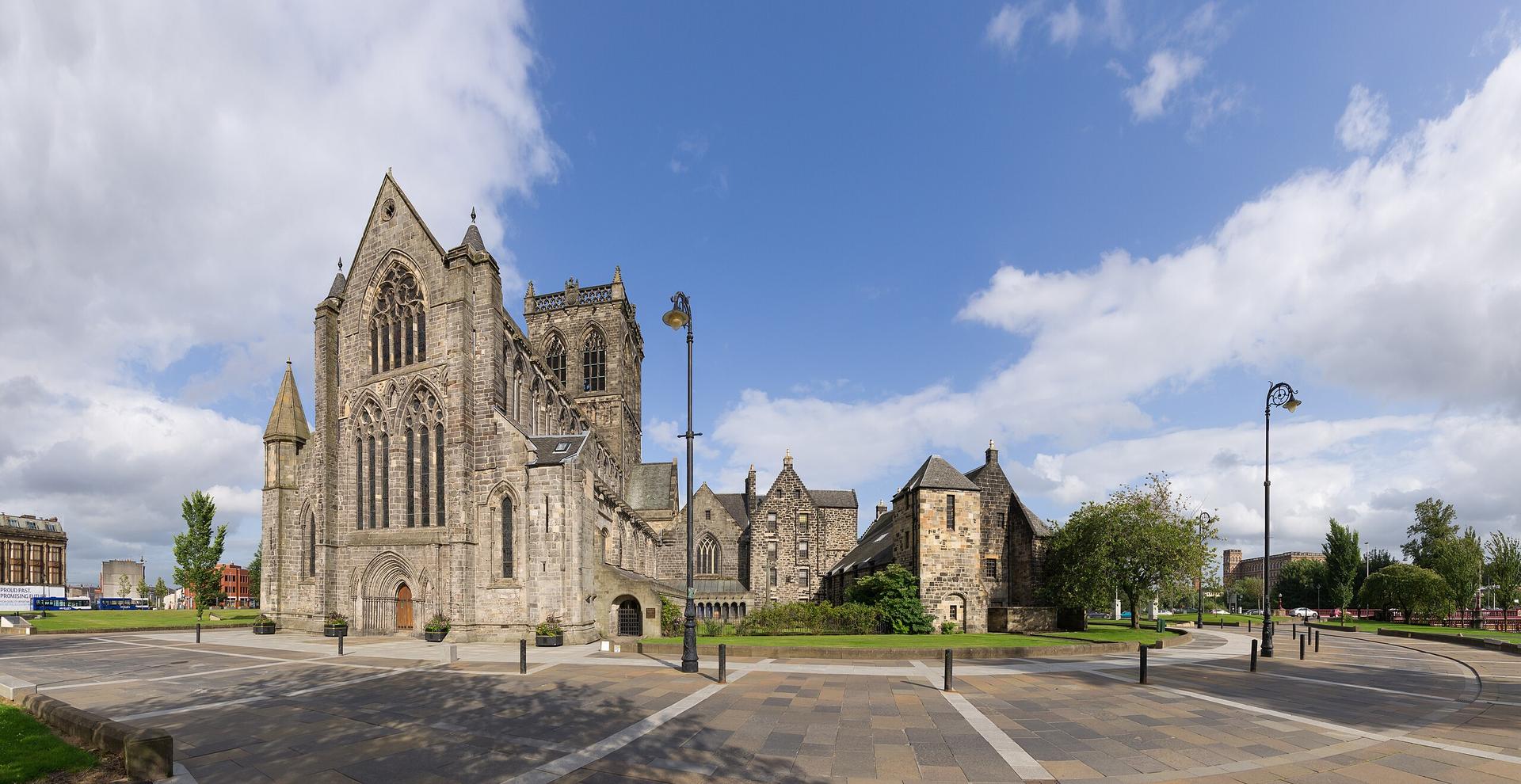
Looking beyond Dumbarton Castle? Discover Renfrewshire for broader travel guides, local hot-spots, and regional highlights.
Explore Renfrewshire