Lindisfarne Castle, Roxburghshire Travel Guide
A dramatic Tudor fortress turned Edwardian retreat perched on a tidal island with breathtaking sea views and historic gardens.
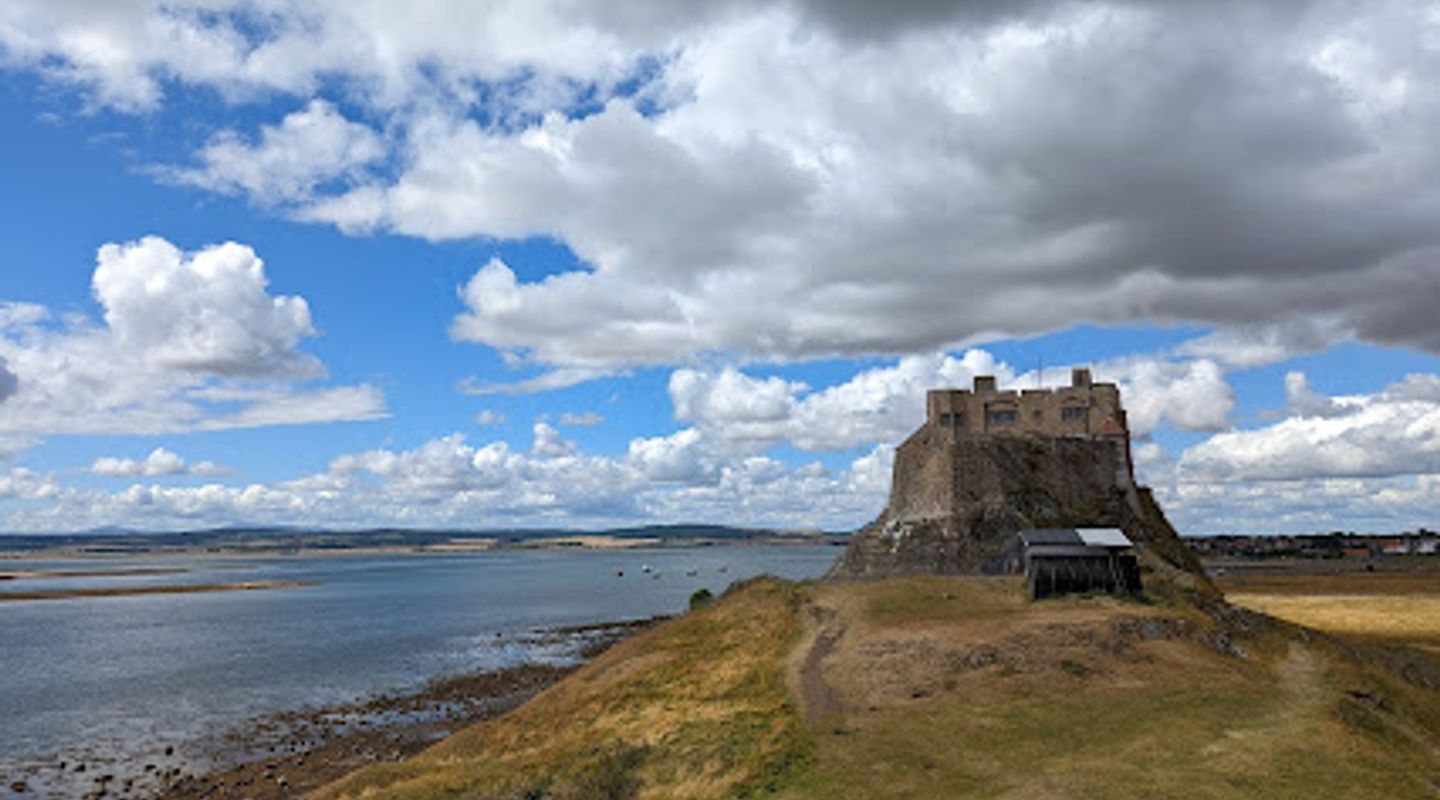
Perched atop a volcanic crag on Holy Island, Lindisfarne Castle is a striking Tudor fort transformed into an Edwardian holiday home by architect Sir Edwin Lutyens. Managed by the National Trust, it offers visitors panoramic views of the North Sea, unique Arts & Crafts interiors, and access to historic gardens and nearby lime kilns. The castle’s location on a tidal island requires careful attention to causeway crossing times, adding to its remote charm and dramatic setting.
A brief summary to Lindisfarne Castle
- Berwick-upon-Tweed, Holy Island, TD15 2SH, GB
- Click to display
- Click to display
- Duration: 1 to 2.5 hours
- Mid ranged
-
 Outdoor
- Mobile reception: 4 out of 5
- Monday 9 am-12:30 pm
- Tuesday 10 am-1 pm
- Wednesday 1 pm-5 pm
- Thursday 10 am-5 pm
- Friday 10 am-5 pm
- Saturday 10 am-5 pm
- Sunday 10 am-5 pm

Know before you go
Hi, I'm Eve. Here are a few practical things to know before exploring Lindisfarne Castle.
- Check the Holy Island causeway tide times carefully before visiting to ensure safe crossing and avoid being stranded.
- Wear sturdy shoes as the castle interiors have steep ramps, narrow corridors, and uneven surfaces.
- Allow at least 1–2 hours to explore the castle, gardens, and surrounding historic lime kilns.
- National Trust members enter free; non-members should book tickets in advance during peak season to guarantee entry.
- Visit the Gertrude Jekyll-designed walled garden in summer for vibrant blooms and a tranquil atmosphere.
Do you manage this location?
Take control to get all the benefits, like improved information, better appearance, and stronger visibility across AI-powered discovery. Learn more about listing your business on Evendo
Activate your presenceOther nearby places you may find interesting
The closest places of the same kind, if this one is not quite what you had in mind.



Explore Lindisfarne Castle on the Map
A handpicked selection of must-see spots near Lindisfarne Castle, mapped for you.
Unlock the Best of Lindisfarne Castle
Buy tickets
-
No tickets available
Book tours with entry
-
No tours available


Getting There
-
Car
Drive from Berwick-upon-Tweed to Holy Island via the A1 and local roads, approximately 25–35 minutes. Use the main island car park to respect village residents. Be sure to check tide times for the causeway crossing, as the road is submerged twice daily. Parking is free but limited during peak seasons.
-
Bus
Take the 477 or 477A bus from Berwick-upon-Tweed to Holy Island, with a journey time of about 40–50 minutes. Service frequency is limited, especially outside peak season, so plan accordingly. Walking from the bus stop to the castle takes around 20–30 minutes over uneven terrain.
-
Walking
From the Holy Island village center, it is a scenic 30-minute walk to the castle along coastal paths and minor roads. The terrain includes some steep and cobbled sections, so sturdy footwear is recommended. The walk offers stunning views of the island and sea.
For the on-the-go comforts that matter to you
-
 Restrooms
-
 Drink Options
-
 Food Options
-
 Seating Areas
-
 Trash Bins
-
 Information Boards
Discover more about Lindisfarne Castle
The Storied Origins and Architectural Evolution
Lindisfarne Castle was originally constructed in the mid-16th century as a Tudor fortification to guard the vulnerable Northumberland coast against Scottish raids. Its strategic position atop a volcanic mound, rising about 100 feet above sea level, provided commanding views of the surrounding waters. In the early 20th century, the castle underwent a remarkable transformation when Sir Edwin Lutyens, a renowned Arts & Crafts architect, converted it into a private holiday home for Edward Hudson, founder of Country Life magazine. Lutyens’ renovation blended the fortress’s military heritage with cozy, elegant interiors, creating a unique fusion of historic defense and Edwardian leisure.Immersive Interiors and Artistic Highlights
Inside, visitors can explore a series of rooms that reflect the early 1900s lifestyle of its wealthy owner and guests. The Entrance Hall, redesigned by Lutyens in 1912, features columns inspired by Durham Cathedral’s nave and Edward Hudson’s embossed initials on the fireplace. The castle’s interiors emphasize craftsmanship and subtle artistic touches rather than opulence, with original staircases, low ceilings, and Victorian doors leading to former gunpowder magazines now repurposed as bedrooms. Contemporary art installations, such as Liz Gre’s "Embodied Cacophonies," add a modern sensory dimension, linking the castle’s past inhabitants with present-day creativity.Enchanting Gardens and Industrial Heritage
Surrounding the castle is the beautifully restored walled garden originally designed by Gertrude Jekyll, a celebrated garden designer. This tranquil space bursts into color during the warmer months and offers a peaceful contrast to the rugged coastal landscape. Nearby, the imposing 19th-century lime kilns stand as a testament to Lindisfarne’s unexpected industrial past, providing a striking juxtaposition to the natural and historic environment. Visitors can enjoy shoreline walks that reveal the island’s diverse heritage beyond the castle walls.The Unique Tidal Island Setting
Lindisfarne Castle’s location on Holy Island is one of its most defining features. The island is accessible only via a tidal causeway that is submerged twice daily by the North Sea, making timing essential for safe access. This natural rhythm of the tides adds an element of adventure and exclusivity to visiting the castle. The causeway crossing offers scenic views and a tangible connection to the island’s maritime environment, enhancing the visitor experience with a sense of remoteness and natural beauty.Visitor Experience and Practical Information
Managed by the National Trust, Lindisfarne Castle is open seasonally from March to November, with opening hours varying according to tide times. Entry is free for National Trust members, while non-members pay a moderate admission fee. The castle’s historic nature means it has limited accessibility inside, with steep ramps, narrow corridors, and many stairs. However, the surrounding grounds and gardens offer more accessible paths. Visitors are encouraged to check tide timetables before planning their visit and to allocate at least 1–2 hours to explore the castle and its environs fully.Surrounding Attractions and Cultural Context
Beyond the castle, Holy Island hosts the atmospheric ruins of Lindisfarne Priory, a site of early Christian significance and the birthplace of the Lindisfarne Gospels. The island village offers quaint shops, cafes, and opportunities for wildlife watching, including seals along the shore. Together, these elements create a rich tapestry of history, nature, and culture that makes Lindisfarne Castle and Holy Island a captivating destination for history enthusiasts, nature lovers, and those seeking a peaceful coastal retreat.












Your all‑in‑one travel companion app
Explore expert travel guides, compare and book tours, experiences, hotels, and more—all from the palm of your hand. Download now for seamless trip planning wherever your wanderlust takes you.


Explore More of Roxburghshire
Looking beyond Lindisfarne Castle? Discover Roxburghshire for broader travel guides, local hot-spots, and regional highlights.
Explore Roxburghshire
A breathtaking archipelago off Northumberland’s coast, home to vibrant seabird colonies, playful seals, and rich maritime history.
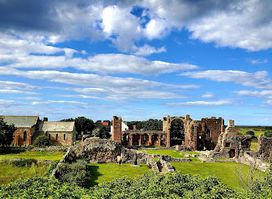
Discover the spiritual and cultural heart of Holy Island through interactive exhibits and community heritage at Lindisfarne Heritage Centre.