Ardvreck Castle, Scotland Travel Guide
Explore the haunting ruins of Ardvreck Castle, a 15th-century Highland fortress steeped in history, betrayal, and legend on the shores of Loch Assynt.
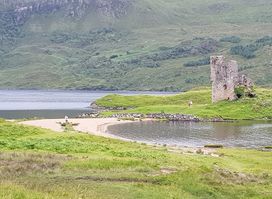
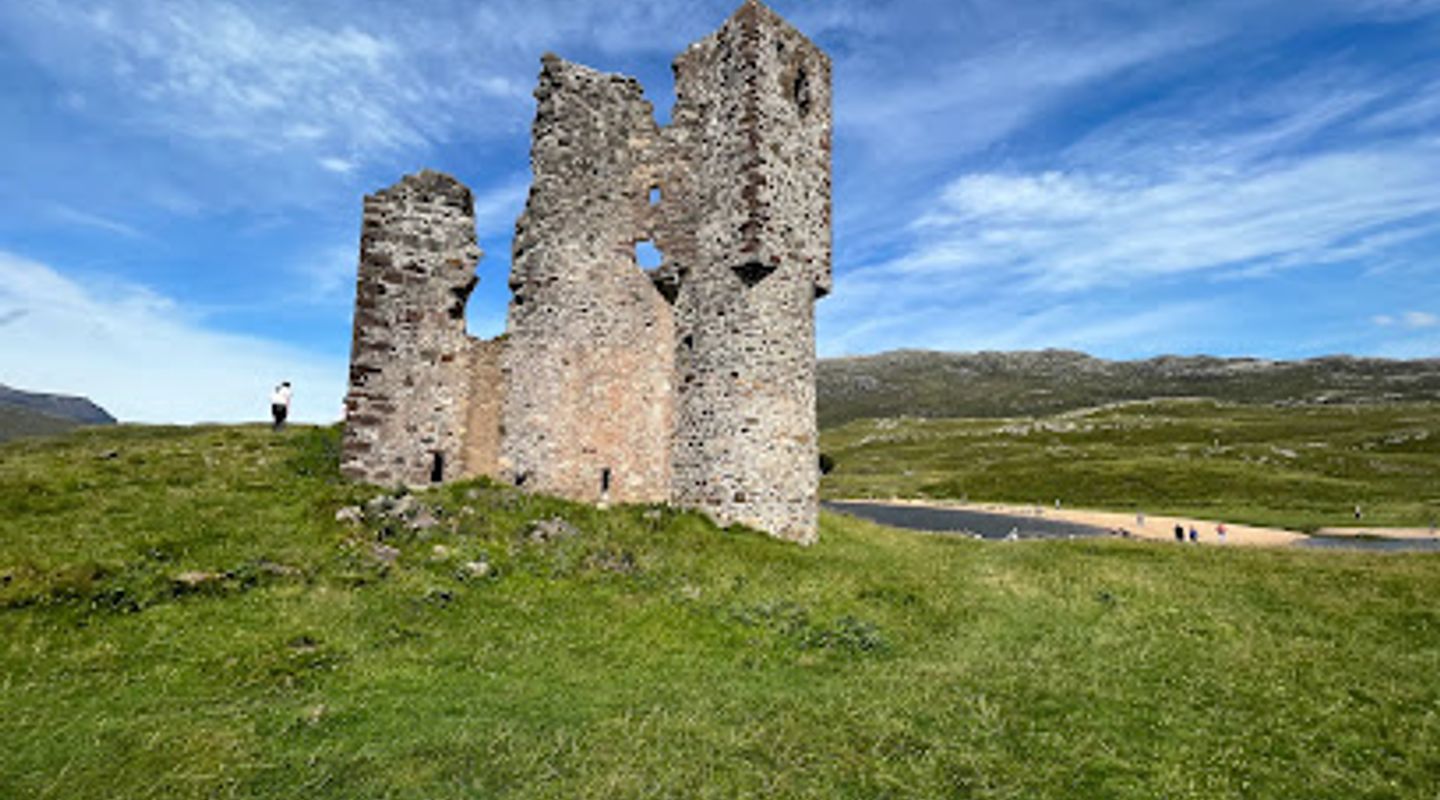
Ardvreck Castle, perched on a rocky promontory in Loch Assynt, Scotland, is a haunting 15th-century ruin built by the Macleods of Assynt. This once formidable tower house witnessed dramatic clan conflicts, royal betrayals, and the shifting tides of Highland power. Today, its weathered stone walls and vaulted cellars offer evocative glimpses into Scotland’s turbulent past, set against stunning natural landscapes.
A brief summary to Ardvreck Castle
- Lairg, GB
- Click to display
- Duration: 0.5 to 1.5 hours
- Free
-
 Outdoor
- Mobile reception: 3 out of 5

Know before you go
Hi, I'm Eve. Here are a few practical things to know before exploring Ardvreck Castle.
- Wear sturdy footwear for the uneven path leading to the castle ruins.
- Visit during daylight hours to fully appreciate the dramatic views over Loch Assynt.
- Bring a camera for excellent photographic opportunities of the castle and surrounding landscapes.
- Be cautious near Calda House ruins, as the structure is unstable and unsafe to approach closely.
Do you manage this location?
Take control to get all the benefits, like improved information, better appearance, and stronger visibility across AI-powered discovery. Learn more about listing your business on Evendo
Activate your presenceOther nearby places you may find interesting
The closest places of the same kind, if this one is not quite what you had in mind.

Explore Ardvreck Castle on the Map
A handpicked selection of must-see spots near Ardvreck Castle, mapped for you.
Getting There
-
Car
Driving from Lairg to Ardvreck Castle takes approximately 45 to 60 minutes via the A837 road. Parking is available near the castle, but spaces are limited, especially in peak season. The road is narrow and winding in places, so cautious driving is advised.
-
Bus
Local bus services connect Lairg and Lochinver, with stops near the A837 road close to Ardvreck Castle. Journey times range from 1 to 1.5 hours depending on connections. Service frequency is limited, so check schedules in advance. Walking from the bus stop to the castle requires about 15 minutes on a gravel path.
-
Walking
For adventurous visitors staying nearby, a scenic hike along the A837 and surrounding trails can lead to Ardvreck Castle in 1.5 to 2 hours. The terrain is uneven and can be muddy, so suitable footwear and weather preparation are essential.
For the on-the-go comforts that matter to you
-
 Information Boards
-
 Seating Areas
-
 Trash Bins
-
 Restrooms
Discover more about Ardvreck Castle
Origins and Historical Significance
Ardvreck Castle was constructed around 1490 by the Macleods of Assynt, a branch of the powerful Clan MacLeod. Initially a simple rectangular tower house, it was later enhanced with vaulted cellars and a corbelled staircase, reflecting the defensive needs and architectural style of the Scottish Highlands in the late medieval period. The castle’s strategic location on a narrow promontory projecting into Loch Assynt provided natural defenses and commanding views of the surrounding rugged landscape.Stories of Betrayal and Clan Conflict
The castle is most famously associated with the Royalist leader James Graham, Marquis of Montrose, who sought refuge here in 1650 after his defeat at the Battle of Carbisdale. Betrayed by Christine Macleod, wife of the castle’s owner Neil Macleod, Montrose was imprisoned in the castle’s dungeon before being handed over to government forces and executed in Edinburgh. This act of betrayal marks one of the castle’s most notorious historical moments. Later, in 1672, Ardvreck was captured by the rival Clan Mackenzie after a siege, signaling a shift in regional power.The Decline and Ruination
Following its capture, the Mackenzies built the nearby Calda House in 1726 as a more modern residence. However, financial difficulties and political upheaval, including repercussions from the Jacobite Rising of 1745, led to the abandonment and eventual burning of Calda House and Ardvreck Castle. Since then, the castle has remained a ruin, its stone finger-like remains silhouetted dramatically against the sky and Loch Assynt’s waters.Architectural Features and Setting
Though largely ruined, Ardvreck Castle’s surviving structure reveals classic features of a Scottish tower house: thick stone walls, narrow defensive windows, vaulted basements, and a corbelled stair tower. The castle’s position on a promontory with a defensive ditch and dry stone wall remains illustrates its historical role as a fortified stronghold. The surrounding landscape offers breathtaking views of the loch and the wild, mountainous terrain of Sutherland, enhancing the castle’s atmospheric presence.Legends and Ghost Stories
Ardvreck Castle is steeped in local folklore, including tales of a MacLeod chief’s daughter who was said to have married the devil to save the castle, later drowning in Loch Assynt or transforming into a selkie. Visitors report sightings of her weeping ghost and other spectral figures, adding a haunting mystique to the ruins. These stories contribute to the castle’s reputation as one of Scotland’s most evocative haunted sites.Visitor Experience and Preservation
Today, Ardvreck Castle is accessible via a well-maintained path from a nearby parking area, with informative boards detailing its history. The site offers a tranquil yet stirring experience, combining cultural heritage with spectacular natural beauty. While the castle itself is a fragment of its former self, its evocative ruins and dramatic setting continue to captivate visitors and photographers alike, embodying the rugged spirit of the Highlands.












Your all‑in‑one travel companion app
Explore expert travel guides, compare and book tours, experiences, hotels, and more—all from the palm of your hand. Download now for seamless trip planning wherever your wanderlust takes you.


Explore More of Scotland
Looking beyond Ardvreck Castle? Discover Scotland for broader travel guides, local hot-spots, and regional highlights.
Explore Scotland