The Bone Caves, Sutherland Travel Guide
Explore ancient limestone caves high in the Scottish Highlands, where Ice Age animal bones and stunning views tell a story of prehistoric wilderness.
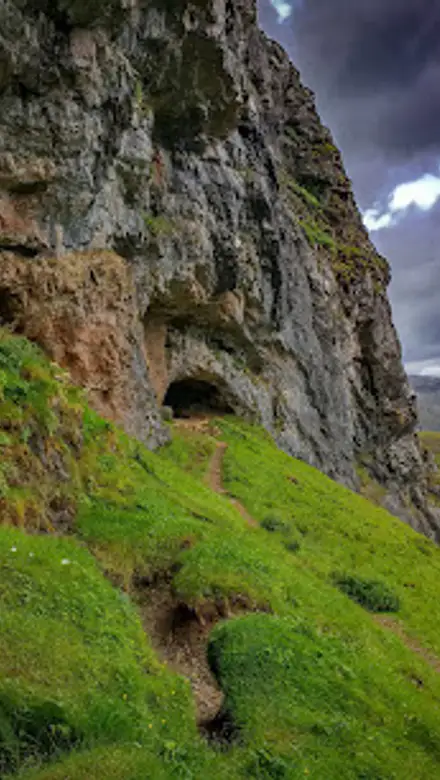
Nestled high on the limestone cliffs of Creag nan Uamh near Inchnadamph, the Bone Caves are a fascinating series of four natural caves renowned for their ancient animal bone discoveries. These caves, including Badger, Reindeer, Bone Cave, and Fox’s Den, reveal a prehistoric world where extinct species like lynx, arctic fox, and brown bear once roamed. The site offers dramatic views of the Scottish Highlands and a glimpse into Ice Age history along the NC500 route.
A brief summary to The Bone Caves
- Lairg, Tain, GB
- Duration: 1 to 2.5 hours
- Budget
-
 Outdoor
- Mobile reception: 3 out of 5

Know before you go
Hi, I'm Eve. Here are a few practical things to know before exploring The Bone Caves.
- Wear sturdy footwear and bring a torch for exploring inside the dark caves safely.
- Be cautious on the steep and slippery paths, especially in wet or windy weather.
- Visit the Royal Museum of Scotland in Edinburgh to see fossils and artifacts from the Bone Caves.
- Plan for a 30-minute walk each way from the NC500 road; allow extra time to enjoy the views.
Do you manage this location?
Take control to get all the benefits, like improved information, better appearance, and stronger visibility across AI-powered discovery. Learn more about listing your business on Evendo
Activate your presenceOther nearby places you may find interesting
The closest places of the same kind, if this one is not quite what you had in mind.
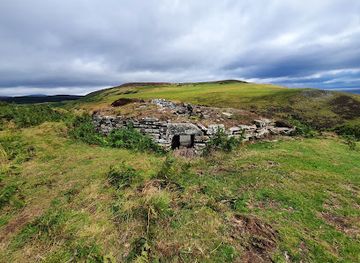
Explore The Bone Caves on the Map
A handpicked selection of must-see spots near The Bone Caves, mapped for you.
Getting There
-
Car
Driving from Ullapool to the Bone Caves takes approximately 40 to 50 minutes. The route follows the A837 and minor roads leading to the Inchnadamph area. Parking is available near the NC500 main road at the trailhead. Note that the final approach involves a steep walk uphill, so prepare accordingly. No parking fees apply.
-
Bus and Walking
Local bus services connect Ullapool to Inchnadamph village with travel times around 50 to 70 minutes. From Inchnadamph, it is a 30-minute walk along a marked path to the Bone Caves. The walking route includes uneven terrain and a steep ascent near the caves, requiring suitable footwear and moderate fitness.
-
Hiking
For outdoor enthusiasts, hiking from Inchnadamph Explorers Lodge to the Bone Caves is a popular option, taking about 30 to 45 minutes on a well-defined but steep trail. The path offers scenic views but can be slippery in wet conditions. Carry water and a torch for cave exploration.
For the on-the-go comforts that matter to you
-
 Restrooms
-
 Drink Options
-
 Food Options
-
 Seating Areas
-
 Information Boards
Discover more about The Bone Caves
Unearthing Ancient Mysteries in the Highlands
The Bone Caves near Inchnadamph are a remarkable geological and archaeological site formed from limestone cliffs on the northern face of Beinn an Fhuarain. First discovered in 1889 and extensively investigated in 1928, the caves gained their name from the wealth of animal bones found within. These remains include species now extinct in Scotland such as Eurasian lynx, arctic fox, brown bear, reindeer, and polar bear, dating back as far as 45,000 years to the Upper Palaeolithic era. While there is no evidence of permanent human habitation, human skeletal remains found in burial enclosures suggest the caves held ritual significance.Geological Formation and Landscape Setting
The caves are part of a larger limestone cave system shaped by natural dissolution processes and the deepening of the valley over millennia. Positioned about 200 feet above the valley floor on Creag nan Uamh, the four main caves—Badger Cave, Reindeer Cave, Bone Cave, and Fox’s Den—are relatively shallow, about five meters deep, and just tall enough to stand in. Their elevated position offers breathtaking panoramic views across the rugged Assynt landscape, framed by snow-capped peaks and wild Scottish wilderness, making the journey to the caves as rewarding as the destination itself.Exploration and Visitor Experience
Visitors can access the caves via a roughly 30-minute walk from the nearby NC500 road. The path ascends steadily through scenic countryside before becoming steeper and more challenging near the cliffs, with rocky steps and narrow ledges requiring careful footing, especially in wet or windy conditions. The caves themselves are dark inside, so carrying a torch is recommended. From within the caves, the dramatic window-like openings frame spectacular views of the surrounding highlands, creating a unique blend of natural history and scenic beauty. Warning signs caution about occasional rockfall, emphasizing the need for caution.Scientific and Cultural Significance
The Bone Caves are invaluable to science, offering insight into Scotland’s Ice Age fauna and the climatic changes that shaped the region. The bones were likely washed into the caves by glacial meltwaters or used by animals for hibernation. The discovery of human remains in burial contexts adds a layer of cultural mystery, suggesting the caves were more than just animal shelters. Many of the fossils and artifacts excavated here are displayed at the Royal Museum of Scotland in Edinburgh, underlining the site's importance to Scotland’s natural heritage.Local Environment and Conservation
Set within the wild and sparsely populated West Highlands, the Bone Caves sit in a protected natural environment characterized by limestone geology, peatlands, and moorland. The area is managed to preserve its ecological and archaeological value, with visitors encouraged to respect the fragile landscape. The site’s remote and rugged nature enhances its sense of adventure and discovery, attracting hikers and history enthusiasts alike.Nearby Attractions and Amenities
The Bone Caves are conveniently located near the village of Inchnadamph and a short drive from Ullapool, making them an accessible highlight of the NC500 scenic route. Nearby, visitors can enjoy local hospitality including seasonal cafes such as Sovi’s Coffee Box, offering refreshments after the hike. The surrounding region also features other notable caves and natural landmarks, providing ample opportunities for extended exploration of Scotland’s dramatic highland terrain.












Your all‑in‑one travel companion app
Explore expert travel guides, compare and book tours, experiences, hotels, and more—all from the palm of your hand. Download now for seamless trip planning wherever your wanderlust takes you.


Explore More of Sutherland
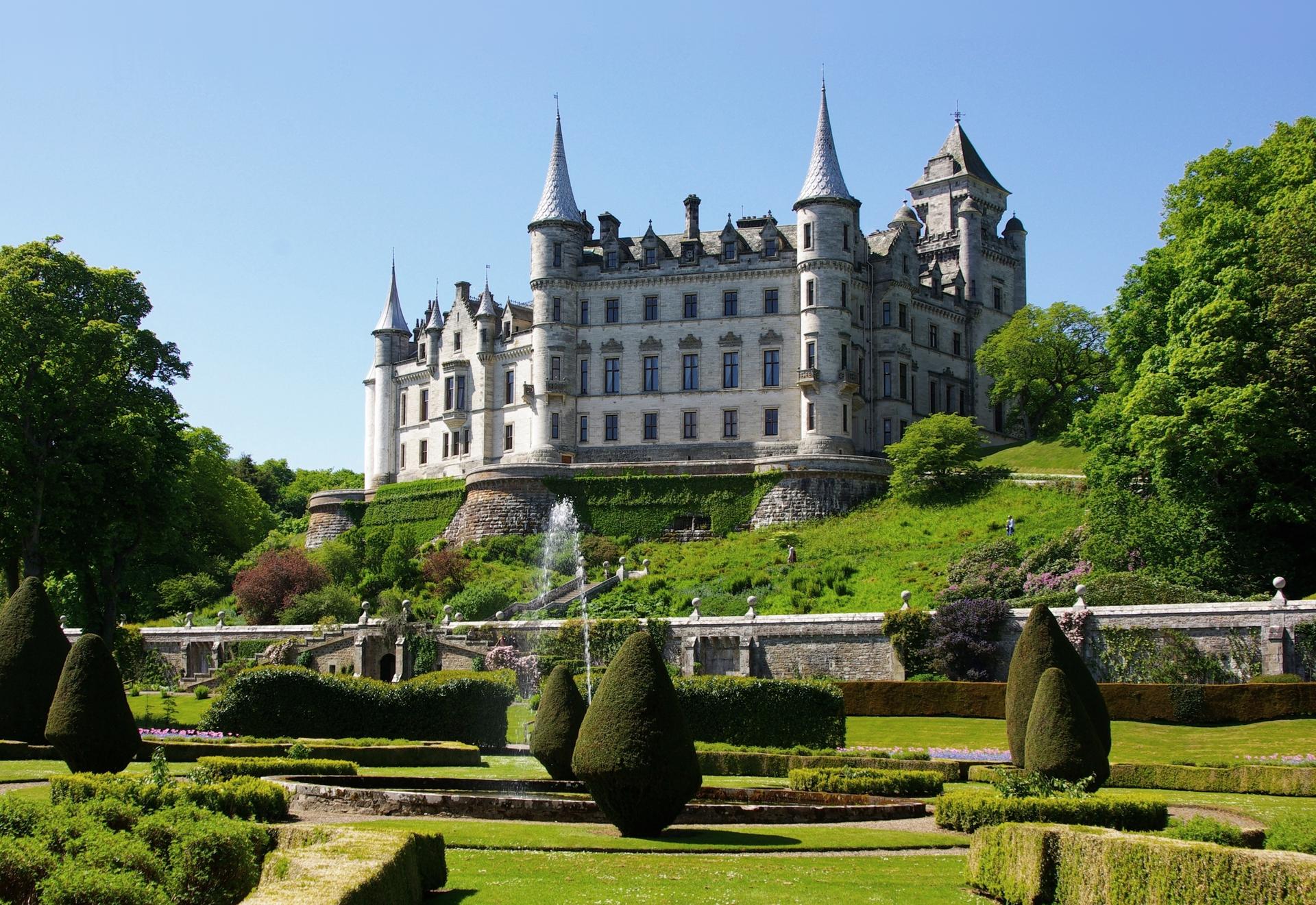
Looking beyond The Bone Caves? Discover Sutherland for broader travel guides, local hot-spots, and regional highlights.
Explore Sutherland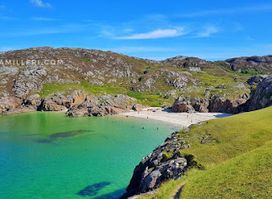
Discover Achmelvich Bay’s pristine white sands, vibrant watersports, and breathtaking Highland scenery on Scotland’s northern coast.
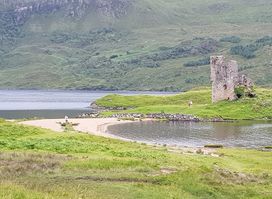
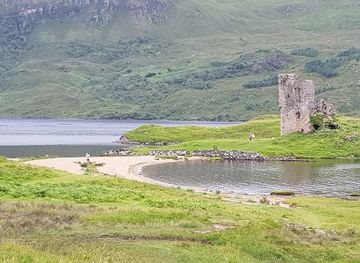
Discover the haunting ruins and cascading waterfall of Ardvreck Castle, where Scottish history meets breathtaking Highland nature.