Culross Abbey, Scotland Travel Guide
Explore the evocative ruins and living heritage of Culross Abbey, a medieval gem perched above a historic Scottish village.
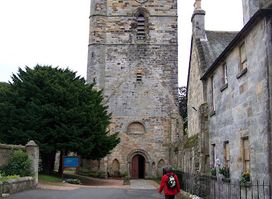
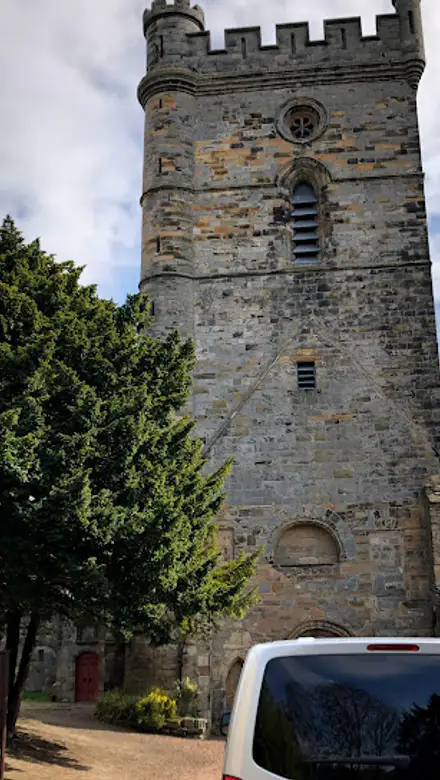
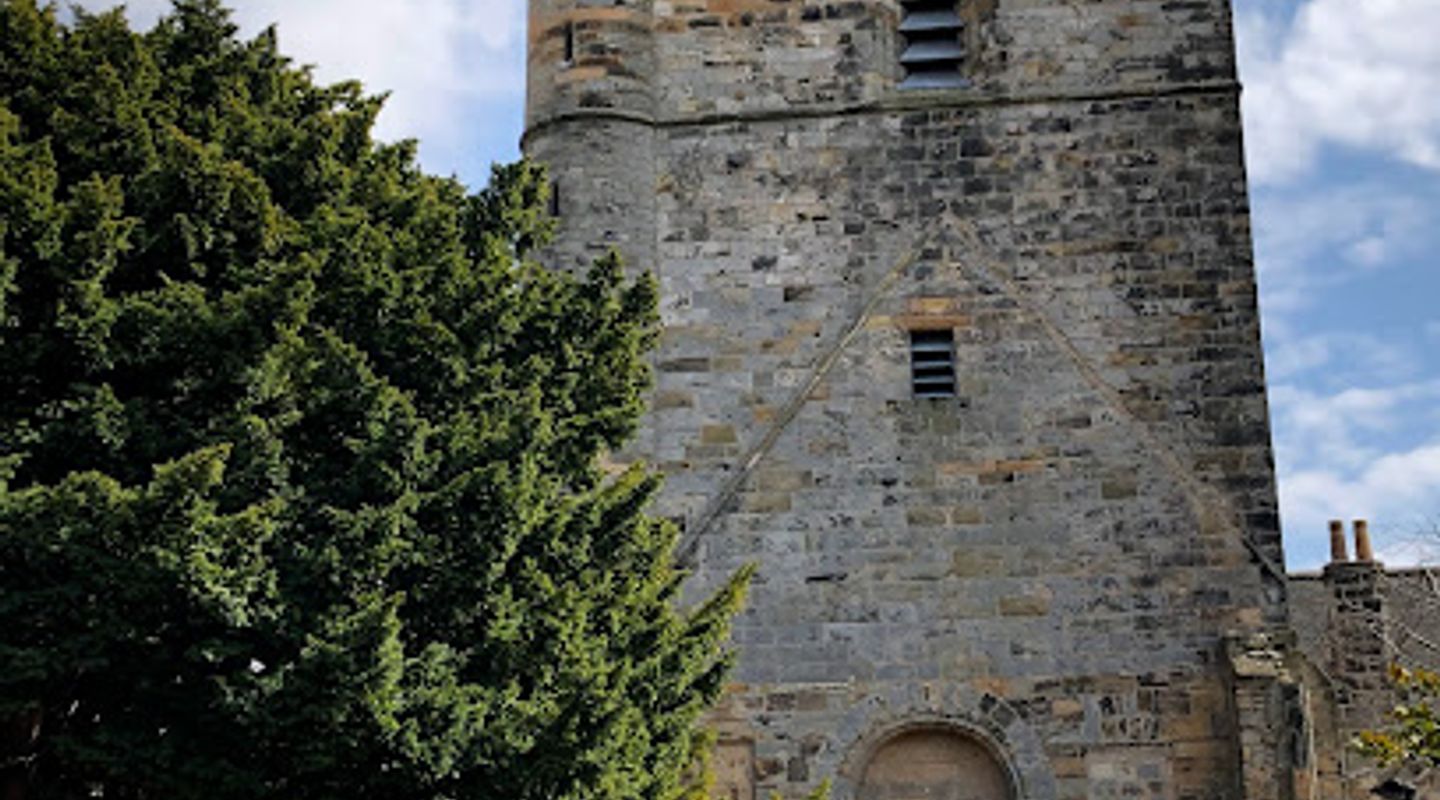
Culross Abbey, founded in 1217 on the site of an earlier 6th-century church, stands as a remarkable Cistercian monastery ruin atop a steep hill overlooking the historic village of Culross in Fife, Scotland. The abbey’s surviving church remains active as a Church of Scotland parish church, while the atmospheric ruins invite visitors to explore medieval architecture, ancient tombs, and panoramic views. The site offers a tranquil, culturally rich experience blending sacred history with striking landscape vistas.
A brief summary to Culross Abbey
- Kirk St, Dunfermline, Culross, KY12 8JF, GB
- Click to display
- Duration: 1 to 3 hours
- Free
-
 Outdoor
- Mobile reception: 4 out of 5

Know before you go
Hi, I'm Eve. Here are a few practical things to know before exploring Culross Abbey.
- Wear sturdy footwear for the steep uphill walk to the abbey ruins and church.
- Visit on weekday mornings for a quieter, more reflective experience.
- Take time to explore the Bruce Vault and its remarkable alabaster monuments inside the church.
- Combine your visit with a stroll through Culross village to enjoy its historic streets and nearby Culross Palace.
- Bring a camera to capture panoramic views over the Firth of Forth and atmospheric ruins.
Do you manage this location?
Take control to get all the benefits, like improved information, better appearance, and stronger visibility across AI-powered discovery. Learn more about listing your business on Evendo
Activate your presenceOther nearby places you may find interesting
The closest places of the same kind, if this one is not quite what you had in mind.



Explore Culross Abbey on the Map
A handpicked selection of must-see spots near Culross Abbey, mapped for you.
Getting There
-
Bus
Take the Stagecoach bus service from Dunfermline to Culross village, which runs approximately every hour and takes about 30-40 minutes. From the village, the abbey is a 10-minute uphill walk. Bus tickets cost around £4-£6 one way.
-
Car
Driving from Dunfermline to Culross takes about 20 minutes via local roads. Limited parking is available in the village center; expect a short uphill walk to the abbey. Parking is free but spaces are limited, especially in peak seasons.
-
Train and Walk
Take a train to Dunfermline Town station, then a local bus or taxi to Culross village. The combined journey takes approximately 45-60 minutes. From the village, expect a 10-minute steep walk to the abbey.
For the on-the-go comforts that matter to you
-
 Information Boards
-
 Seating Areas
-
 Restrooms
-
 Drink Options
-
 Food Options
Discover more about Culross Abbey
Origins and Medieval Legacy
Culross Abbey was established in 1217 by Malcolm, 7th Earl of Fife, as a Cistercian monastery built upon the ruins of an earlier Celtic Christian church founded by St Serf in the 6th century. The abbey became a thriving religious community, housing monks and lay brothers who contributed to the spiritual and economic life of the region. Its architecture reflects medieval craftsmanship, with much of the original stonework and structural elements still visible despite centuries of wear and partial ruin. The abbey’s history is deeply intertwined with Scotland’s religious transformations, notably surviving the Reformation of 1560, after which the abbey church transitioned to serve as the local parish church.Architectural Features and Artistic Highlights
The surviving church building is notable for its unusual cruciform layout with four arms of nearly equal length, creating a complex and intriguing interior space. Restorations in the 19th and early 20th centuries, particularly by architect Sir Robert Rowand Anderson, have preserved many historic features. Inside, visitors can find remarkable alabaster monuments, including the Bruce Vault, which houses the impressive tomb of Sir George Bruce and his wife, adorned with lifelike kneeling statues of their children. The church also contains ancient Christian crosses, stained glass windows, and stone effigies dating back to the 15th century, offering a rich tapestry of religious art and memorials.The Ruins and Surrounding Landscape
The abbey ruins, perched on a steep slope, provide a dramatic setting with expansive views over the Firth of Forth and the village below. Visitors can wander freely among the broken pillars, floating doorways, and weathered gravestones that evoke the abbey’s former grandeur. The site’s elevated position not only offers scenic panoramas but also a peaceful atmosphere that invites reflection and connection with Scotland’s medieval past. Informative panels throughout the grounds help contextualize the abbey’s significance and its role in the local community over centuries.Connection to Culross Village and Cultural Heritage
Culross Abbey forms a vital part of the village’s historic fabric, complementing the well-preserved 17th- and 18th-century streetscape of Culross, known for its white-harled houses and cobbled lanes. The abbey’s presence atop the hill crowns the village’s heritage, linking religious, social, and economic histories. Nearby, Culross Palace and its reconstructed gardens deepen the sense of stepping back in time. The abbey and village have also gained contemporary cultural recognition as filming locations for popular productions, adding a layer of modern storytelling to their rich historical narrative.Visitor Experience and Practical Information
Visitors to Culross Abbey can explore the ruins and the still-functioning parish church, which has partial wheelchair access but involves a steep climb up the hill, potentially challenging for those with limited mobility. The site is open year-round, free to enter, and supported by Historic Environment Scotland. On-site information boards enrich the visit with historical context. The tranquil setting, combined with the architectural and artistic treasures, makes Culross Abbey a compelling destination for history enthusiasts, photographers, and those seeking a serene cultural escape.Preservation and Future Prospects
The abbey is managed as a protected historic site, with ongoing efforts to conserve its fabric against the effects of time and climate. Recent developments include the sale of the parish church building, raising questions about its future use and accessibility. Nevertheless, the abbey’s ruins remain a testament to Scotland’s medieval ecclesiastical heritage and continue to inspire visitors with their evocative presence and enduring stories.












Your all‑in‑one travel companion app
Explore expert travel guides, compare and book tours, experiences, hotels, and more—all from the palm of your hand. Download now for seamless trip planning wherever your wanderlust takes you.


Explore More of Scotland
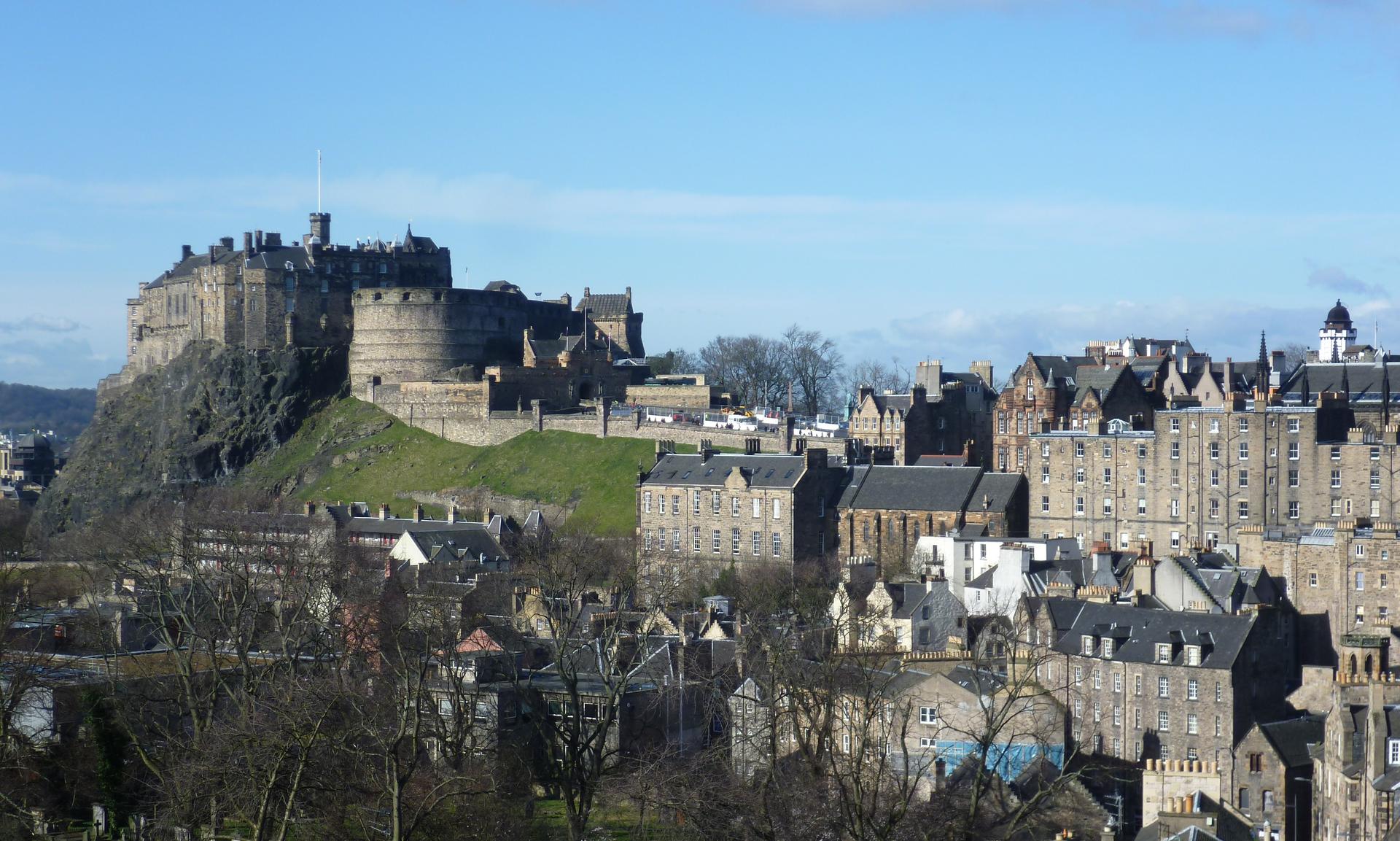
Looking beyond Culross Abbey? Discover Scotland for broader travel guides, local hot-spots, and regional highlights.
Explore Scotland