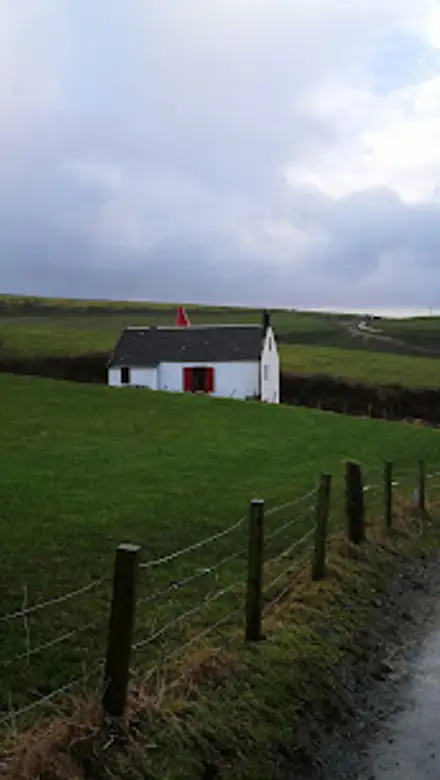
Tangy Mill Travel Guide
Free Guide: Experience historic Scottish heritage at Tangy Mill, a restored 19th-century watermill nestled in tranquil Kintyre countryside.


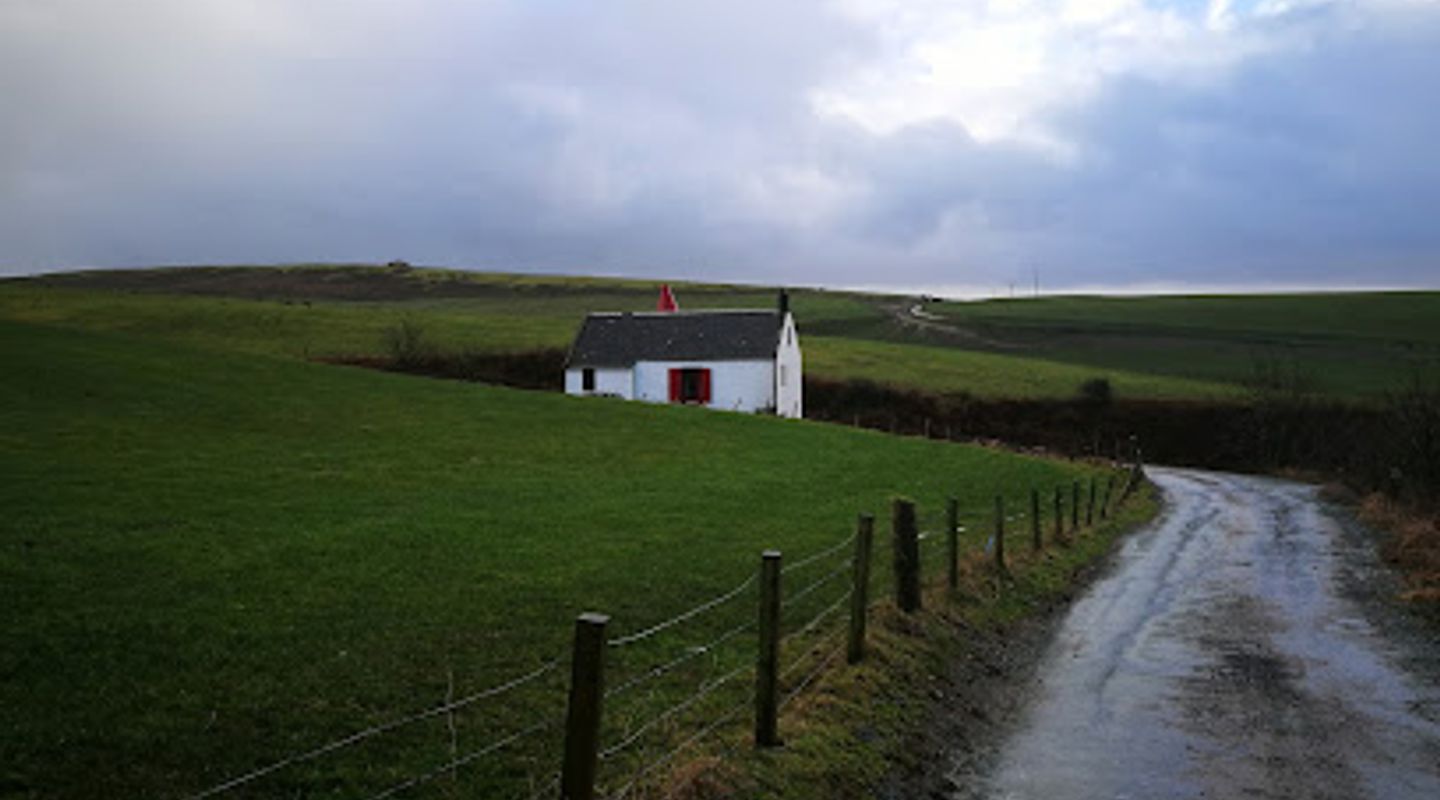
A brief summary of Tangy Mill
Experience historic Scottish heritage at Tangy Mill, a restored 19th-century watermill nestled in tranquil Kintyre countryside.
Tangy Mill is a beautifully restored early 19th-century watermill near Campbeltown, Scotland, set amidst remote and scenic landscapes. Originally built around 1820 on the site of an older mill, it served local arable farms. Now managed by the Landmark Trust, it offers unique self-catering accommodation where guests can experience living alongside original mill machinery in a tranquil rural setting.
On-site amenities
 Restrooms
 Seating areas
 Information boards
- Address
- Tangy, Campbeltown PA28 6QD
Getting there
Car
Bus and Walking
Taxi
Discover more about Tangy Mill
Historic Origins and Architectural Character
Tangy Mill dates back to approximately 1820, constructed likely on the footprint of an earlier mill that served the substantial arable farms in the surrounding Kintyre peninsula. The building is crafted from harled whinstone, a traditional Scottish stonework technique that provides both durability and a distinctive textured appearance. This watermill stands as a testament to early industrial agricultural practices in rural Scotland, embodying the utilitarian yet robust architectural style of the period.
Restoration and Landmark Trust Stewardship
The mill underwent sensitive restoration by the Landmark Trust, an organization dedicated to preserving historic buildings by converting them into unique holiday accommodations. The restoration carefully preserved original features, including the hoisting and grinding machinery, which remain integral to the interior ambiance. This preservation allows visitors to immerse themselves in the mill’s operational past while enjoying modern comforts, making Tangy Mill a rare blend of heritage and hospitality.
Setting and Natural Environment
Nestled a few miles north of Campbeltown and about a mile from the coast, Tangy Mill is surrounded by stunning Scottish landscapes characterized by rolling farmland, rugged coastline, and open skies. The remote location enhances the sense of tranquility and escape, offering guests peaceful views and the chance to connect with nature. The mill’s proximity to the coast also means fresh sea air and opportunities to explore nearby beaches and coastal trails.
Visitor Experience and Accommodation
Guests staying at Tangy Mill live amidst the preserved milling machinery, creating a unique atmosphere that combines history with comfort. The self-catering accommodation is ideal for those seeking a quiet retreat with a strong sense of place and heritage. The interior spaces reflect the mill’s industrial past while providing a cozy environment for relaxation. This experience appeals to history enthusiasts, nature lovers, and travelers looking for an authentic Scottish countryside stay.
Cultural and Historical Significance
Tangy Mill represents an important piece of Scotland’s rural industrial heritage, illustrating the role of watermills in supporting agricultural communities. Its preservation and adaptive reuse highlight the value of maintaining historic structures for contemporary use. The mill also contributes to the cultural landscape of the Kintyre peninsula, connecting visitors to the region’s farming traditions and early 19th-century rural life.
Accessibility and Surrounding Attractions
While Tangy Mill is somewhat remote, it is accessible from Campbeltown, a town with additional amenities and services. The surrounding area offers opportunities for scenic walks, wildlife spotting, and exploring other historic sites on the Kintyre peninsula. This combination of seclusion and accessibility makes Tangy Mill a distinctive destination for travelers seeking both heritage and natural beauty.
Evendo Review Centre
 Google
Guest reviews
Best time to go
Quietest: Jan, Feb & Dec · before 6am or from 11pm
Busy times are Evendo estimates for a typical year, to help you plan. Actual crowds vary with events, school holidays and the weather.
Explore Tangy Mill on the map
A handpicked selection of must-see spots near Tangy Mill, mapped for you.
Get your free copy of our complete guide to Tangy Mill, delivered straight to you.
Everything on this page, from opening hours and how to get there to Eve’s tips and the best time to go, in one PDF you can read offline, print or share.
Already have an account? Sign in
Your Tangy Mill guide is ready.
We'll send it to · Not you? Sign out

Getting your guide ready…
We are putting together a fresh copy of the Tangy Mill guide. This can take up to a minute.
This can take a few moments. If your browser asks, choose Allow so the download can start. You'll find the guide in your Downloads folder.
Nothing happened? Download it again
Sorry, the guide is taking longer than usual. Please try again in a minute, or get it by email instead.
Other nearby places you may find interesting
The closest places of the same kind, if this one is not quite what you had in mind.
-
-
-
-
-


Swipe for more places
More to explore near Tangy Mill

 Best experiences near Tangy Mill
 Best hotels near Tangy Mill
 Best landmarks near Tangy Mill
 Best attractions near Tangy Mill
 Best shops near Tangy Mill
 Best restaurants near Tangy Mill
 Best bars near Tangy Mill
Do you manage this location?
Take control to get all the benefits, like improved information, better appearance, and stronger visibility across AI-powered discovery.
Explore more

Explore more of Scotland
Discover the magic of Scotland: stunning landscapes, historic castles, vibrant cities, and world-famous whisky. An unforgettable journey awaits in this enchanting land.
Explore Scotland
Explore more of United Kingdom
Discover the United Kingdom: A blend of rich history, stunning landscapes, and vibrant cities, offering a unique travel experience for every visitor.
Explore United Kingdom