

Free Selkirkshire Travel Guide & Mobile App
Explore Selkirkshire with free travel guides. Discover regional history, expert tips, proposed trips, and audio guides on web or mobile app.


Explore Selkirkshire in Scotland’s Borders for wooded valleys, historic Selkirk, literary landscapes, walking routes and enduring frontier heritage.
Read more about Selkirkshire
When is the best time to visit Selkirkshire?
Best: June–August · 19–21°C| Month | High (°C) | Rainfall (mm) |
|---|---|---|
| January | 6 | 70 |
| February | 6 | 60 |
| March | 9 | 66 |
| April | 12 | 55 |
| May | 16 | 66 |
| June (best) | 19 | 71 |
| July (best) | 21 | 75 |
| August (best) | 21 | 81 |
| September | 18 | 70 |
| October | 14 | 65 |
| November | 9 | 71 |
| December | 6 | 81 |
Getting to and around Selkirkshire
How to get there
Transportation
Best attractions in Selkirkshire
Selkirkshire’s attractions are spread through a landscape of river valleys, wooded estates and upland roads rather than concentrated in one resort. In Selkirk, the town’s museums and civic heritage explain its links with William Wallace, the medieval Forest of Ettrick and the Border textile trade. Philiphaugh Battlefield and visitor interpretation provide a focused encounter with the seventeenth-century Wars of the Three Kingdoms, while nearby Bowhill House and its grounds bring together a historic country estate, woodland walks and family-oriented outdoor activities. The Ettrick and Yarrow valleys are attractions in their own right, offering quiet walking, cycling, fishing and landscape photography. St Mary’s Loch, in the western part of the historic county, provides a broad setting for waterside recreation and wildlife observation. Galashiels adds galleries, cultural venues, shops and textile connections, making it a useful complement to Selkirk’s smaller-town character. Visitors interested in archaeology can explore the wider pattern of hillforts, ancient routes and historic settlements, but should remember that many remains are on open or working land rather than formal museum sites. The region rewards slow travel, with weather, seasons and changing light playing as important a part as individual attractions.
-
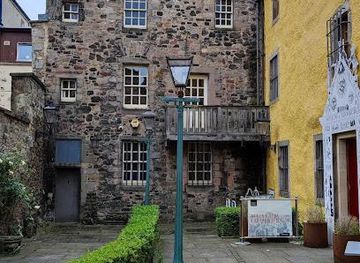
Local history museum
Museum of Edinburgh
Discover Edinburgh’s rich history through iconic artifacts and engaging stories in a charming 16th-century museum on the Royal Mile.
-
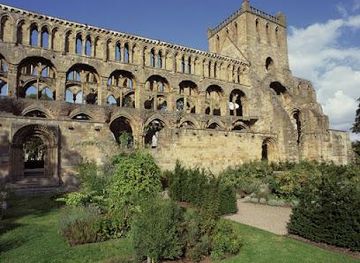
Tourist attraction
Jedburgh Abbey
Explore the majestic ruins of Jedburgh Abbey, a stunning blend of Romanesque and Gothic architecture steeped in Scottish border history.
-
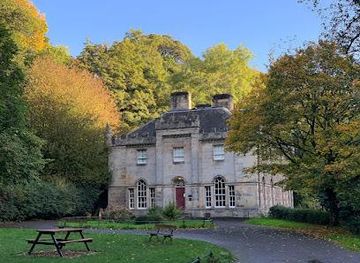
Nature reserve
Hermitage of Braid and Blackford Hill Local Nature Reserve
A tranquil nature reserve blending historic charm and panoramic views in Edinburgh’s scenic south hills.
-
Tourist attraction
Abbotsford the home of Sir Walter Scott
Discover the enchanting home and gardens of Sir Walter Scott, where history, literature, and nature intertwine in the heart of the Scottish Borders.

Best landmarks in Selkirkshire
Selkirk’s historic centre is the principal civic landmark of the county, with the town’s royal burgh identity, church traditions and association with William Wallace still visible in public buildings and commemorative sites. The town’s Common Riding adds a living ceremonial dimension to this built heritage. Philiphaugh Battlefield, southwest of Selkirk, is an important historical landscape because the 1645 Covenanter victory there ended the major campaign of Montrose. Bowhill House and its designed landscape represent the long influence of landed estates on the region’s architecture, forestry and rural economy. In the western valleys, St Mary’s Loch is a natural landmark whose broad waters and surrounding hills create one of Selkirkshire’s most recognisable landscapes. The Ettrick and Yarrow valleys themselves are significant geographical markers, following ancient routes through open hills, wooded slopes and scattered farms. Galashiels, meanwhile, is marked by the architecture and industrial legacy of the Borders textile trade. These landmarks are best understood as connected elements of a historic landscape, not as isolated monuments: rivers, roads, estates and market towns explain how people have moved through and settled the county over many centuries.
-
University
The University of Edinburgh
Historic Old College at the University of Edinburgh embodies centuries of academic excellence and iconic neoclassical architecture in Scotland’s capital.
-
Holiday home
Aikwood Tower
Experience 500 years of Scottish Borders history and luxury at Aikwood Tower, a stunning 16th-century peel tower set in breathtaking countryside.
-
Historical landmark
Auld Kirk (site of Kirk O' the Forest)
Historic ruins of Selkirk’s Kirk o’ the Forest, where William Wallace was proclaimed Guardian of Scotland in 1297.
-
Historical landmark
Duke of Wellington Equestrian statue
Iconic bronze statue of the Duke of Wellington on horseback, a historic symbol of victory and leadership in Edinburgh’s cityscape.


Explore Selkirkshire on the map
Plan your trip on one map. See where the top cities, national parks and sights are, and book hotels and experiences in a few clicks.
Best hotels in Selkirkshire
Best restaurants in Selkirkshire
Dining in Selkirkshire reflects the wider Borders countryside and the food traditions of southern Scotland. Selkirk is associated with Selkirk bannock, a rich fruit bread traditionally served with tea, while cafés and bakeries across the region offer soups, filled rolls, cakes and other practical fare for walkers and motorists. Pubs, hotel restaurants and rural inns commonly feature local beef, lamb, game when in season, freshwater fish and vegetables from nearby farms, alongside familiar Scottish dishes. Galashiels has the broadest choice of international and contemporary dining, with cafés and restaurants serving residents, students and visitors using the regional transport hub. Farmers’ markets and specialist food shops are useful places to look for Borders produce, preserves, baking and cheeses, although location and dates vary. Menus change seasonally and rural kitchens may operate limited hours, so booking or checking ahead is sensible outside the main towns. The area’s food culture is generally informal, combining traditional hospitality with modern Scottish cooking rather than relying on a single strongly defined regional cuisine.
-
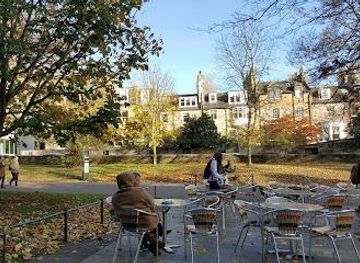
Cafe
Söderberg The Meadows
Bright Scandinavian café near Edinburgh University, famous for cardamom buns, sourdough, and excellent coffee in a relaxed, modern setting.
-
Restaurant
Carfraemill
A charming Scottish Borders inn blending rustic comfort, hearty cuisine, and scenic tranquility near Lauder.
-
Gastropub
Quins
A vibrant gastropub in Galashiels’ town center offering hearty meals, coffee, and drinks in a welcoming, casual atmosphere.
-
Restaurant
Award-Winning The Gordon Arms Restaurant with Rooms
Historic Scottish coaching inn offering award-winning local cuisine and cozy rooms in the scenic Yarrow Valley near Selkirk.


Best bars in Selkirkshire
Evening life in Selkirkshire is centred on traditional pubs, hotel bars, cafés and community venues rather than a large nightclub scene. Selkirk and Galashiels offer the widest choice, with pubs serving local and national beers, whisky and simple meals, while live music, sports and seasonal community events provide much of the evening activity. Galashiels has a younger and more varied audience because of its larger population and educational institutions, whereas evenings in Selkirk and the valleys tend to be quieter and more social. Rural inns can be welcoming places for a drink or meal, but their hours and food service may vary, particularly outside weekends and summer. The region’s breweries, distilleries and drinks producers are part of the wider Borders scene, though visits and tastings require advance checking. Taxis and late public transport are limited in rural districts, so plan the return journey before going out and avoid assuming that a valley pub is easily reached without a car.
-
Bar
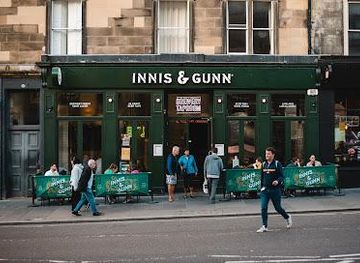
Innis & Gunn Edinburgh City Centre Brewery Taproom
A vibrant city-centre taproom serving craft beers and hearty Scottish fare in a lively West End setting.
-
Bar
The Lindisfarne Inn
Historic charm meets coastal comfort at The Lindisfarne Inn, your welcoming base in Berwick-upon-Tweed’s scenic borderland.
-
Pub
The Riccarton Inn
Traditional Scottish pub and cozy inn offering real ales, homecooked food, and convenient lodging near Edinburgh in Currie.
-
Inn
The Flotterstone Inn
A historic Scottish inn near Edinburgh offering hearty fare, real ales, and cozy charm at the gateway to the Pentland Hills.


Best nightclubs in Selkirkshire
Evening life in Selkirkshire is centred on traditional pubs, hotel bars, cafés and community venues rather than a large nightclub scene. Selkirk and Galashiels offer the widest choice, with pubs serving local and national beers, whisky and simple meals, while live music, sports and seasonal community events provide much of the evening activity. Galashiels has a younger and more varied audience because of its larger population and educational institutions, whereas evenings in Selkirk and the valleys tend to be quieter and more social. Rural inns can be welcoming places for a drink or meal, but their hours and food service may vary, particularly outside weekends and summer. The region’s breweries, distilleries and drinks producers are part of the wider Borders scene, though visits and tastings require advance checking. Taxis and late public transport are limited in rural districts, so plan the return journey before going out and avoid assuming that a valley pub is easily reached without a car.
-
Social club
The Border Club
A clean, friendly social club in Hawick offering lively evenings and a welcoming atmosphere for locals and visitors alike.
-
Nightclub
Skinandi's Nightclub
Experience the vibrant nightlife at Scotland's northernmost nightclub, where live music and lively dance floors energize Thurso's heart.
-
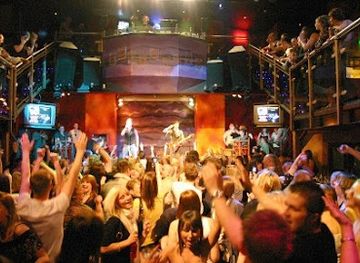
Nightclub
The Indigo Rooms
Experience vibrant nightlife and themed events at The Indigo Rooms, Galashiels’ lively two-level nightclub and bar with a warm, inviting atmosphere.
-
Nightclub
BedRocks
Experience Berwick’s unique Flintstones-themed nightclub with lively music, friendly vibes, and affordable late-night fun at BedRocks.

Best shops in Selkirkshire
Shopping in Selkirkshire is practical, local and town-based, with the strongest concentration of shops in Galashiels and a more independent market-town character in Selkirk. Galashiels provides the broadest range of everyday retail, cafés, services and regional shopping, while Selkirk is a good place to look for small shops, galleries, books, gifts and locally made products. Visitors may find Borders textiles, knitwear, woollen goods, pottery, art and craftwork, although stock varies between businesses and seasons. Bakeries and food shops are useful for Selkirk bannock, preserves, shortbread and other edible gifts, while farmers’ markets and occasional local markets offer produce directly from regional makers. Rural villages have limited retail provision, so buy food, fuel and walking essentials in the larger towns before heading into the Ettrick or Yarrow valleys. The area is better suited to thoughtful purchases from independent retailers and craft producers than to luxury shopping or large-scale malls, with the character of each town shaped by its local community and the wider Borders textile tradition.
-
Cheese shop
I.J. Mellis Cheesemonger Victoria Street
Discover artisan farmhouse cheeses matured to perfection in Edinburgh’s historic Victoria Street shop, where tradition meets expert care.
-
Gift shop
Guess What
Discover unique treasures and beautiful gifts at Guess What, a charming shop in the heart of Galashiels’ vibrant town centre.
-
Shop
The General Store, Selkirk
A vibrant community hub in Selkirk offering affordable repairs, vintage treasures, and sustainable reuse initiatives in a welcoming setting.
-
Antique Shop
The Vault of Curiosities
Discover unique antiques and local history treasures in Jedburgh’s charming Vault of Curiosities on High Street.


Get your free copy of our complete guide to Selkirkshire, delivered straight to you.
Everything on this page, from attractions and restaurants to essentials and local phrases, in one PDF you can read offline, print or share.
Already have an account? Sign in
Your Selkirkshire guide is ready.
We'll send it to · Not you? Sign out

Getting your guide ready…
We are putting together a fresh copy of the Selkirkshire guide. This can take up to a minute.
This can take a few moments. If your browser asks, choose Allow so the download can start. You'll find the guide in your Downloads folder.
Nothing happened? Download it again
Sorry, the guide is taking longer than usual. Please try again in a minute, or get it by email instead.
Selkirkshire essentials
Currency and Payment
Safety
Emergency Situations
Do's and Don'ts
Local Tips
From Eve
Local phrases worth knowing
You don't need to get them perfect. A few words go a long way, and locals appreciate the effort.
Basics
| English | Local | Say it |
|---|---|---|
| Hello | Hullo | [hʌloʊ] |
| Goodbye | Cheerio | [tʃɪəriːoʊ] |
| Yes | Aye | [aɪ] |
| No | Naw | [nɔː] |
| Please/You're welcome | Please/No bother | [pliːz/ noʊ ˈbɒðər] |
| Thank you | Cheers | [tʃɪrz] |
| Excuse me/Sorry | Pardon me/Sorry | [ˈpɑrdən mi/ˈsɔri] |
| How are you? | How's it gaun? | [haʊz ɪt ɡɔn] |
| Fine. And you? | Aye, fine. An you? | [aɪ faɪn. ən ju] |
| Do you speak English? | Dae ye speak English? | [deɪ jə spiːk ˈɪŋɡlɪʃ] |
| I don't understand | Ah dinnae understand | [ɑː dɪni ˌʌndərˈstænd] |
Eating & Drinking
| English | Local | Say it |
|---|---|---|
| I'd like to see the menu, please | A'd like tae see the menu, please | [aɪd laɪk tə si ðə ˈmɛnjuː pliːz] |
| I don't eat meat | Ah dinnae eat meat | [ɑː dɪni it miːt] |
| Cheers! | Cheers! | [tʃɪrz] |
| I would like to pay, please | A'd like tae pay, please | [aɪd laɪk tə peɪ pliːz] |
Emergencies
| English | Local | Say it |
|---|---|---|
| Help! | Help! | [hɛlp] |
| Go away! | Get lost! | [ɡɛt lɔst] |
| Call the Police! | Phone the polis! | [foʊn ðə ˈpoʊlɪs] |
| Call a doctor! | Phone a doctor! | [foʊn ə ˈdɒktər] |
| I'm lost | Ah'm lost | [ɑːm lɔst] |
| I'm ill | Ah'm ill | [ɑːm ɪl] |
Shopping
| English | Local | Say it |
|---|---|---|
| I'd like to buy... | A'd like tae buy... | [aɪd laɪk tə baɪ...] |
| I'm just looking | Ah'm just lookin' | [ɑːm dʒʌst ˈlʊkɪn] |
| How much is it? | How much's it? | [haʊ mʌtʃɪt] |
| That's too expensive | That's ower dear | [ðæts ˈoʊər dɪr] |
| Can you lower the price? | Can ye lower the price? | [kæn jə ˈloʊər ðə praɪs] |
Time & Numbers
| English | Local | Say it |
|---|---|---|
| What time is it? | What time is it? | [wʌt taɪm ɪt] |
| It's one o'clock | It's one o'clock | [ɪts wʌn əˈklɒk] |
| Half past (10) | Half past (10) | [hɑːf pɑːst (10)] |
| Morning | Mornin' | [ˈmɔrnɪn] |
| Afternoon | Afternoon | [ˌæftərˈnun] |
| Evening | Evenin' | [ˈiːvnɪŋ] |
| Yesterday | Yestreen | [jɛsˈtriːn] |
| Today | T'day | [təˈdeɪ] |
| Tomorrow | Morn's morn | [mɔrnz mɔrn] |
| 1 | One | [wʌn] |
| 2 | Two | [tuː] |
| 3 | Three | [θriː] |
| 4 | Four | [fɔːr] |
| 5 | Five | [faɪv] |
| 6 | Six | [sɪks] |
| 7 | Seven | [ˈsɛvən] |
| 8 | Eight | [eɪt] |
| 9 | Nine | [naɪn] |
| 10 | Ten | [tɛn] |
Transport & Directions
| English | Local | Say it |
|---|---|---|
| Where's a/the...? | Whaur's the...? | [wɔːrz ðə] |
| What's the address? | Wha's the address? | [wɒtʃ ði əˈdrɛs] |
| Can you show me (on the map)? | Can ye show me (on the map)? | [kæn jə ʃoʊ mi (ɑn ðə mæp)] |
| When's the next (bus)? | When's the next (bus)? | [wɛnʌs ðə nɛkst (bʌs)] |
| A ticket (to ....) | A ticket (to ....) | [ə ˈtɪkɪt (tu ....)] |
History of Selkirkshire
Early settlement and the Roman frontier
The valleys and uplands of Selkirkshire contain evidence of prehistoric settlement, including ancient earthworks, burial features and hillfort landscapes. In the first centuries AD, the area lay within the territory of peoples later associated with the northern Britons, close to the shifting frontier of Roman Britain. Roman roads, forts and temporary military installations were established elsewhere in the wider Borders, and their presence influenced trade and movement even where permanent occupation was limited. The surviving landscape of ridges, river crossings and fortified sites records a much longer history than the later medieval border name suggests.
The medieval Forest of Ettrick
In the Middle Ages, the Ettrick Forest was a large royal hunting territory extending across much of the upland country around Selkirk. Royal hunting, livestock rearing and woodland management shaped settlement and landholding, while Selkirk developed as an important royal burgh. The forest was not an untouched wilderness in the modern sense: communities farmed its valleys and used its resources, even as royal authority regulated hunting and land use. The name survives in local place names and helps explain the region’s enduring association with wooded hills and royal landscapes.
The Borders in the age of conflict
For centuries, Selkirkshire formed part of the contested Anglo-Scottish border zone. Raiding, fortified houses and shifting political loyalties affected communities on both sides of the frontier, while local families developed systems of protection and alliance. Selkirk’s strategic position and royal connections gave it particular importance. The period is remembered through ballads, place names and traditions, though popular stories often simplify a complex society in which farming, trade and ordinary family life continued alongside violence. The county’s later cultural identity was strongly shaped by this frontier history.
Selkirk and the Scottish Wars of Independence
Selkirk is traditionally associated with William Wallace, who is said to have been proclaimed Guardian of Scotland at the town in 1297 after the victory at Stirling Bridge. The precise historical circumstances are debated, but Wallace’s connection with Selkirk remains central to the town’s civic identity. The area was also affected by the wider Scottish Wars of Independence, which brought military movement and political upheaval across the Borders. Local commemorations connect medieval national history with the town’s later traditions, including the annual Common Riding.
Philiphaugh and the end of Montrose’s campaign
The Battle of Philiphaugh was fought near Selkirk on 13 September 1645 during the Wars of the Three Kingdoms. A Covenanter army under David Leslie defeated the Royalist forces commanded by James Graham, Marquis of Montrose, bringing his major campaign in Scotland to an abrupt end. The battle had repercussions far beyond the local valley, helping to strengthen Covenanter control in Scotland. The field and interpretation at Philiphaugh provide an accessible way to understand the religious and political conflicts that divided seventeenth-century Britain.
Textiles, roads and the modern Borders economy
From the eighteenth and nineteenth centuries, Selkirkshire became increasingly connected to the textile economy of the Scottish Borders. Wool, weaving, dyeing and later mechanised production supported towns such as Selkirk and Galashiels, while improved roads and railway connections opened markets beyond the valleys. Textile manufacturing declined substantially during the twentieth century, but its influence remains visible in town architecture, local institutions and regional food and craft identities. The modern economy combines services, tourism, farming, forestry and specialist textile production with the environmental and cultural value of the countryside.
The Common Riding and living civic tradition
Selkirk’s Common Riding is a major expression of local historical identity. Its origins lie in the medieval practice of marking the burgh’s boundaries, while later commemorations linked the event with Selkirk’s traditions surrounding the Battle of Flodden and the town’s association with William Wallace. The present celebrations combine horseback riding, civic ceremony, music and community participation. Like many Border customs, the event has changed over time rather than surviving unchanged, but it continues to connect Selkirk’s modern population with the town’s burgh history and local memory.
Selkirkshire in Photos
Browse through our photo collection highlighting the charm and character of the destination.
Neighbouring regions of Selkirkshire
The closest regions to Selkirkshire, if you have time for more than one.
-

-

-

-

-


Swipe for more regions
Explore more

Explore more of United Kingdom
Discover the United Kingdom: A blend of rich history, stunning landscapes, and vibrant cities, offering a unique travel experience for every visitor.
Explore United Kingdom