Lilleshall Abbey Travel Guide
Free Guide: Explore the peaceful ruins of a 12th-century Augustinian abbey steeped in medieval history and Civil War drama.


A brief summary of Lilleshall Abbey
Explore the peaceful ruins of a 12th-century Augustinian abbey steeped in medieval history and Civil War drama.
Lilleshall Abbey, founded around 1148 in Shropshire, England, is a serene site featuring the ruins of a once-prestigious Augustinian abbey. Visitors can explore extensive medieval stonework, including a sculpted processional door and cloister buildings, set in peaceful countryside. The abbey played a significant role in medieval religious life, endured damage during the Civil War, and now offers a quiet historical escape with free access and limited facilities.
On-site amenities
 Information boards
 Seating areas
 Trash bins
Opening hours
- Every day10 am–6 pm
Opening hours as listed on the venue’s Google Business Profile. Hours can change for services and special events, so check with the venue before you go.
- Address
- Abbey Road, Lilleshall, Newport TF10 9HW
- Phone
- Website
Getting there
Car
Bus
Walking
Discover more about Lilleshall Abbey
A Storied Foundation and Growth
Lilleshall Abbey was established circa 1148 by Richard de Belmeis as a home for Augustinian canons relocating from Dorchester Abbey. Following the austere customs of the Abbey of Arrouaise in northern France, it quickly grew in prominence and wealth. The abbey was supported by generous donations and income from estates, farmland, mills, and tolls, including those from Atcham Bridge over the River Severn. By the late 13th century, it was a religious community of great reputation, even hosting royal visits such as those by King Henry III.
Challenges, Decline, and Dissolution
Despite its early success, Lilleshall Abbey faced chronic financial difficulties from the 14th century onward, leading to a decline in its monastic community. By 1538, it was dissolved during King Henry VIII’s widespread suppression of monasteries. The abbey’s valuable materials, including glass, roofing, and flooring, were stripped and sold. Subsequently, the site became a private residence and hunting lodge under the Leverson family.
Siege and Ruination in the Civil War
In the mid-17th century, during the English Civil War, Lilleshall Abbey was fortified by Royalists and endured a two-week siege by Parliamentarian forces in 1645. This conflict caused significant structural damage, leaving the abbey in a ruinous state. Today, remnants such as the ditch to the north and lead shot found in the refectory area testify to this turbulent period.
Architectural Highlights and Visitor Experience
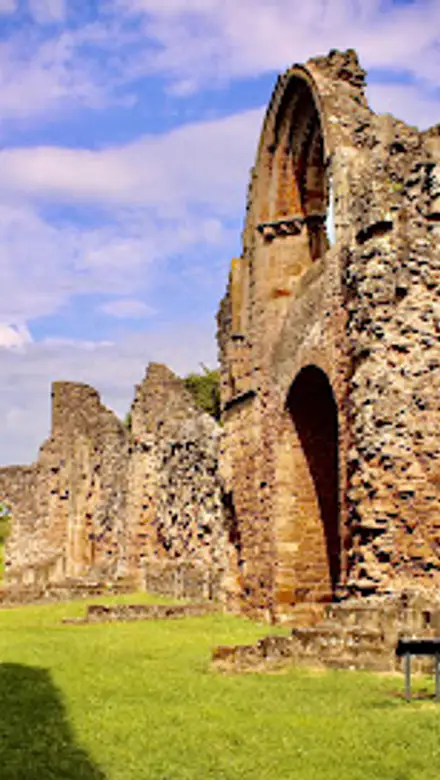
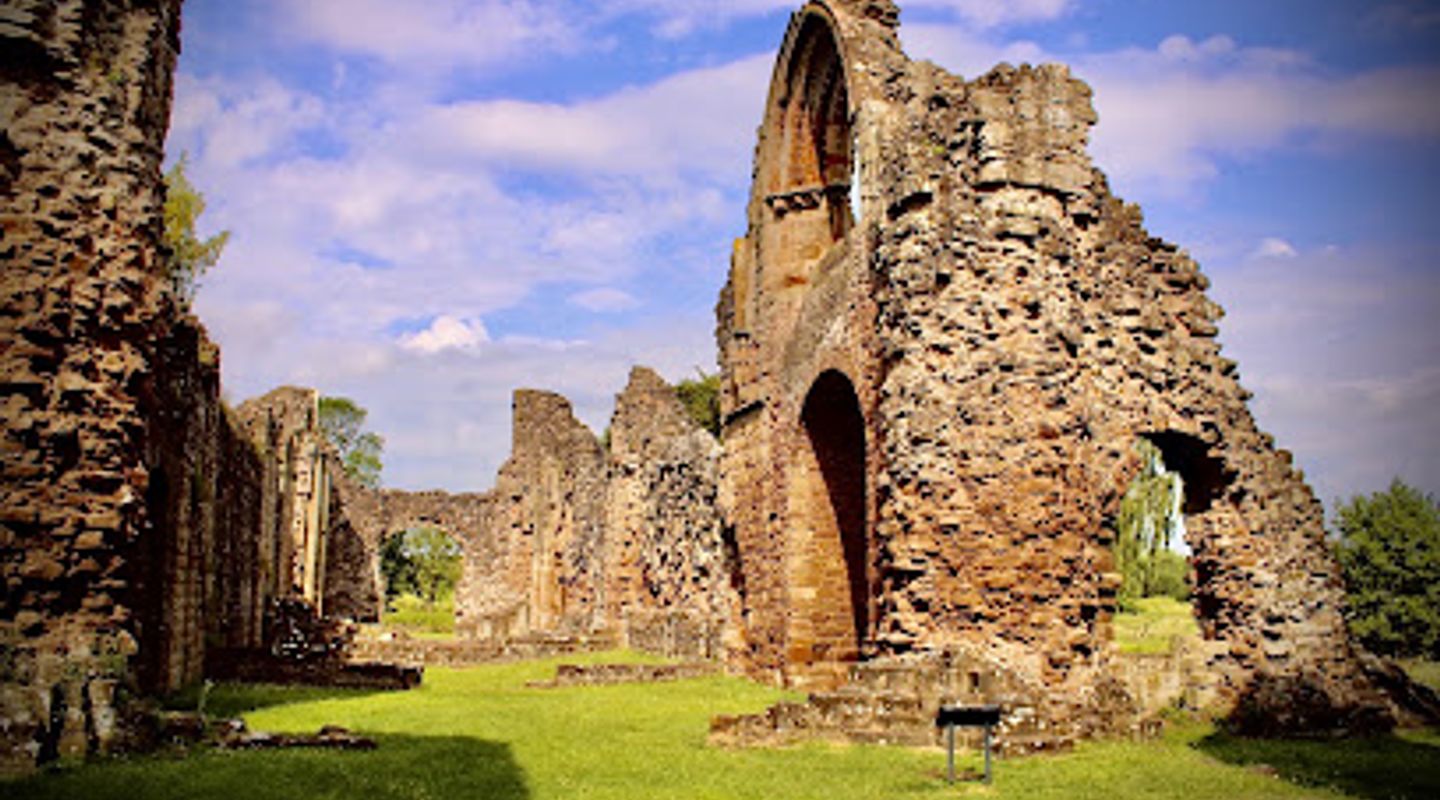
The site features extensive ruins of the church and cloister buildings, including a lavishly sculpted processional door and a well-preserved west front. Visitors can view much of the church from a gallery level and explore the cloisters and monastic rooms. The intact spiral stairway off the nave offers a unique perspective, though it is narrow and dark. The abbey’s peaceful rural setting invites reflection and picnicking amid historic stonework.
Access, Facilities, and Nearby Attractions
Lilleshall Abbey is open daily from 10am to 6pm during April to September and 10am to 4pm in the colder months, with free entry. Access is via a kissing gate and involves uneven ground, which may challenge visitors with mobility aids. Parking is limited, especially outside the main season, with alternative parking and a short walk required in winter. Nearby, Boscobel House and White Ladies Priory offer additional historical sites, tearooms, and gardens to explore.
Legacy and Preservation
Managed by English Heritage, Lilleshall Abbey is a protected historical landmark preserving England’s medieval monastic heritage. Its ruins stand as a testament to centuries of religious, social, and military history, offering visitors a rare glimpse into the past within a tranquil countryside setting. Continued conservation efforts ensure that this evocative site can be enjoyed by future generations.
Evendo Review Centre
 Google
Guest reviews
Best time to go
Quietest: Jan, Feb & Dec · before 8am or from 8pm
Busy times are Evendo estimates for a typical year, to help you plan. Actual crowds vary with events, school holidays and the weather.
Explore Lilleshall Abbey on the map
A handpicked selection of must-see spots near Lilleshall Abbey, mapped for you.
Get your free copy of our complete guide to Lilleshall Abbey, delivered straight to you.
Everything on this page, from opening hours and how to get there to Eve’s tips and the best time to go, in one PDF you can read offline, print or share.
Already have an account? Sign in
Your Lilleshall Abbey guide is ready.
We'll send it to · Not you? Sign out

Getting your guide ready…
We are putting together a fresh copy of the Lilleshall Abbey guide. This can take up to a minute.
This can take a few moments. If your browser asks, choose Allow so the download can start. You'll find the guide in your Downloads folder.
Nothing happened? Download it again
Sorry, the guide is taking longer than usual. Please try again in a minute, or get it by email instead.
Other nearby places you may find interesting
The closest places of the same kind, if this one is not quite what you had in mind.
-
-
-
-
-


Swipe for more places
More to explore near Lilleshall Abbey

 Best experiences near Lilleshall Abbey
 Best hotels near Lilleshall Abbey
 Best landmarks near Lilleshall Abbey
 Best attractions near Lilleshall Abbey
 Best shops near Lilleshall Abbey
 Best restaurants near Lilleshall Abbey
 Best bars near Lilleshall Abbey
Do you manage this location?
Take control to get all the benefits, like improved information, better appearance, and stronger visibility across AI-powered discovery.
Explore more
Explore more of Shropshire
Discover Shropshire: Where rolling hills, historic towns, and vibrant culture blend to create a serene escape in the heart of England.
Explore Shropshire
Explore more of United Kingdom
Discover the United Kingdom: A blend of rich history, stunning landscapes, and vibrant cities, offering a unique travel experience for every visitor.
Explore United Kingdom