Galton Bridge Travel Guide
Free Guide: Explore Galton Bridge, a pioneering 1829 cast-iron marvel by Thomas Telford, standing proudly in Smethwick’s historic Galton Valley.


A brief summary of Galton Bridge
Explore Galton Bridge, a pioneering 1829 cast-iron marvel by Thomas Telford, standing proudly in Smethwick’s historic Galton Valley.
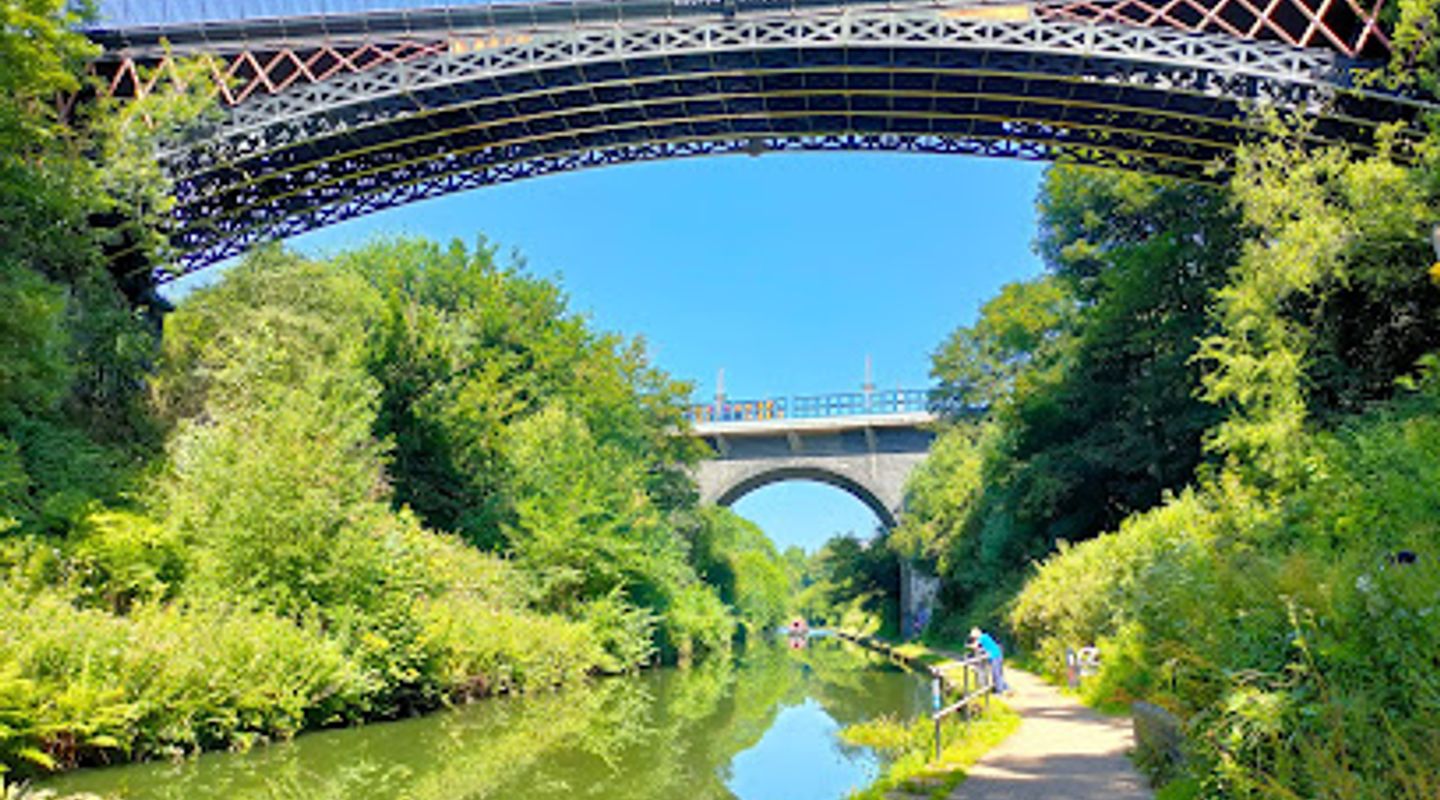
Galton Bridge, located in Smethwick near Birmingham, is a historic cast-iron bridge designed by Thomas Telford and opened in 1829. Originally built to carry a road over the New Main Line of the Birmingham Canal, it was once the highest iron bridge in the world. Since the 1970s, it has been pedestrianised, standing as a testament to early industrial engineering and the transport revolution in the West Midlands.
On-site amenities
 Seating areas
 Information boards
Opening hours
- Every dayOpen 24 hours
Opening hours as listed on the venue’s Google Business Profile. Hours can change for services and special events, so check with the venue before you go.
- Address
- Roebuck Ln, Smethwick B66 1BS
- Website
Getting there
Train
Bus
Car
Discover more about Galton Bridge
Engineering Marvel of the Industrial Revolution
Galton Bridge was constructed as part of a major canal improvement project in the early 19th century. The original Birmingham Canal, built in the late 1760s, faced severe congestion and water supply issues due to its winding route and summit level at Smethwick. To alleviate these problems, the eminent engineer Thomas Telford was commissioned in the 1820s to design a straighter, more efficient canal route known as the New Main Line. The bridge was built to span a deep cutting through high ground, carrying Roebuck Lane across the canal without obstructing the waterway or towpaths. Cast by the Horseley Ironworks, it was the largest single-span iron bridge in the world at the time of its completion in 1829.
Historical and Architectural Significance
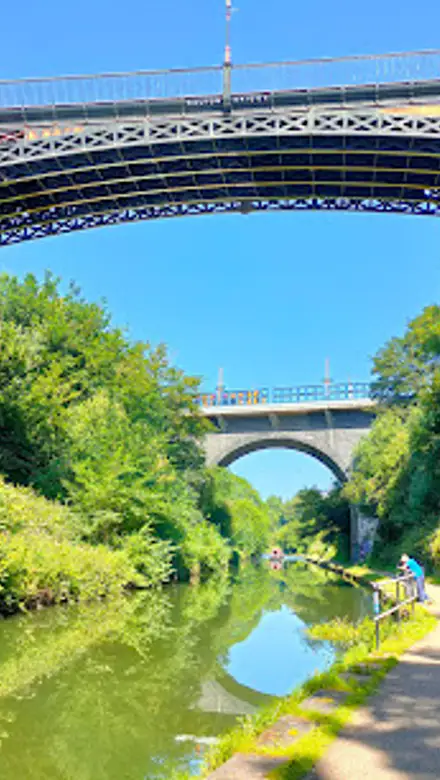
Named after Samuel Tertius Galton, a key investor in the Birmingham Canal Company, the bridge exemplifies early use of cast iron in large-scale civil engineering. Its elegant, slender arch design was revolutionary, combining strength with a lightweight structure to span the canal cutting at its widest and deepest point. The bridge’s construction marked a shift from traditional masonry to ironwork, influencing future bridge engineering. It also played a vital role in the transport revolution, facilitating smoother canal traffic and later integrating with railway developments in the area.
Transformation and Modern Context
By the 1970s, road traffic needs led to the pedestrianisation of Galton Bridge and the construction of a parallel road bridge and canal tunnel nearby. The canal was narrowed and rerouted through the Galton Tunnel, while the new road, Telford Way, runs adjacent to the historic structure. Today, Galton Bridge stands as a preserved monument within the Galton Valley, an area rich in industrial heritage. It is part of the 'Revolution Walk,' which showcases the layered history of transport in the Midlands, including canals, railways, and motorways.
The Bridge’s Place in the Landscape
Situated in Smethwick, the bridge overlooks a canal cutting that was one of the largest earthworks of its time. The surrounding Galton Valley offers a unique glimpse into the evolution of transport infrastructure, where the canal, railway lines, and motorway converge in close proximity. The bridge’s pedestrianised status allows visitors to appreciate its design and historic context up close, with views of the canal and the industrial landscape that shaped Birmingham’s growth.
Legacy and Cultural Importance
Galton Bridge is not only a significant engineering landmark but also a symbol of the Midlands’ industrial past. It commemorates the ingenuity of Thomas Telford and the transformative impact of canal and railway networks on commerce and urban development. The bridge’s preservation and inclusion in heritage trails highlight ongoing efforts to celebrate and maintain the region’s industrial heritage for future generations.
Visitor Experience and Surroundings
Visitors to Galton Bridge can enjoy a peaceful walk along the New Main Line canal, exploring the broader Galton Valley area. The site offers historical interpretation through information boards and is a favored spot for photography, combining scenic water views with striking industrial architecture. Nearby, the Smethwick Galton Bridge railway station connects the area to wider transport networks, enhancing accessibility for travelers interested in industrial history and engineering marvels.
Evendo Review Centre
 Google
Guest reviews
Best time to go
Quietest: Jan, Feb & Dec · before 6am or at 10pm
Busy times are Evendo estimates for a typical year, to help you plan. Actual crowds vary with events, school holidays and the weather.
Explore Galton Bridge on the map
A handpicked selection of must-see spots near Galton Bridge, mapped for you.
Get your free copy of our complete guide to Galton Bridge, delivered straight to you.
Everything on this page, from opening hours and how to get there to Eve’s tips and the best time to go, in one PDF you can read offline, print or share.
Already have an account? Sign in
Your Galton Bridge guide is ready.
We'll send it to · Not you? Sign out

Getting your guide ready…
We are putting together a fresh copy of the Galton Bridge guide. This can take up to a minute.
This can take a few moments. If your browser asks, choose Allow so the download can start. You'll find the guide in your Downloads folder.
Nothing happened? Download it again
Sorry, the guide is taking longer than usual. Please try again in a minute, or get it by email instead.
Other nearby places you may find interesting
The closest places of the same kind, if this one is not quite what you had in mind.
-
-
-
-
-


Swipe for more places
More to explore near Galton Bridge

 Best experiences near Galton Bridge
 Best hotels near Galton Bridge
 Best landmarks near Galton Bridge
 Best attractions near Galton Bridge
 Best shops near Galton Bridge
 Best restaurants near Galton Bridge
 Best bars near Galton Bridge
Do you manage this location?
Take control to get all the benefits, like improved information, better appearance, and stronger visibility across AI-powered discovery.
Explore more

Explore more of West Midlands
Discover the West Midlands: a region where industrial heritage meets modern vibrancy, rich history blends with natural beauty, and diverse cultures create a unique culinary experience.
Explore West Midlands
Explore more of United Kingdom
Discover the United Kingdom: A blend of rich history, stunning landscapes, and vibrant cities, offering a unique travel experience for every visitor.
Explore United Kingdom