
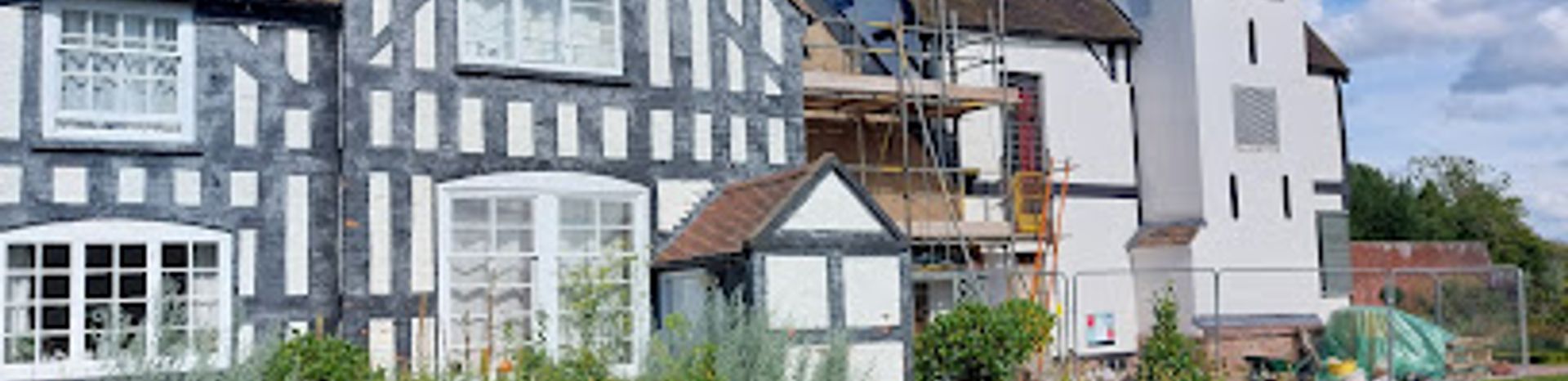
Boscobel House and The Royal Oak: Sanctuary of a King
Discover the historic sanctuary where King Charles II hid in the iconic Royal Oak, a symbol of monarchy and survival.
Boscobel House in Staffordshire is a historic timber-framed hunting lodge famous for sheltering King Charles II after his defeat at the Battle of Worcester in 1651. The nearby Royal Oak, a descendant of the original tree where Charles II famously hid from Parliamentary soldiers, symbolizes the resilience of the monarchy. Managed by English Heritage, the site offers visitors a glimpse into 17th-century England, with preserved architecture, secret priest holes, and evocative gardens.
A brief summary to Boscobel House and The Royal Oak
- Stafford, Brewood, Bishop's Wood, ST19 9AR, GB
- +441902850244
- Visit website
- Duration: 1 to 3 hours
- Mid ranged
-
 Outdoor
- Mobile reception: 4 out of 5
- Monday 10 am-5 pm
- Tuesday 10 am-5 pm
- Wednesday 10 am-5 pm
- Thursday 10 am-5 pm
- Friday 10 am-5 pm
- Saturday 10 am-5 pm
- Sunday 10 am-5 pm
Local tips
- Visit during weekdays or early in the day to enjoy a quieter experience and explore the house and gardens at your own pace.
- Take time to explore the secret priest holes inside the house, a fascinating glimpse into 17th-century religious history.
- Don’t miss the Royal Oak tree in the nearby field, protected by railings—remember to respect the barriers to help preserve this historic tree.
- Enjoy the restored gardens and farmyard, which offer a peaceful setting and family-friendly activities.

For the on-the-go comforts that matter to you
- Restrooms
- Drink Options
- Food Options
- Seating Areas
- Information Boards
- Visitor Center
- Trash Bins
Getting There
-
Car
Driving from Stafford town center takes approximately 25-35 minutes via A518 and local roads. Parking is available on-site but limited, so early arrival is recommended. No parking fees apply.
-
Bus
Local bus services connect Stafford to Brewood village, approximately 4 km from Boscobel House. From Brewood, a taxi or a 50-minute walk through rural paths leads to the site. Bus frequency is moderate; check schedules in advance. Tickets cost around £5-£8.
-
Taxi
Taxis from Stafford or Brewood offer a convenient option, with travel times ranging from 15 to 30 minutes depending on starting point. Expect fares between £15 and £30. Taxi availability may vary, so booking ahead is advisable.
Boscobel House and The Royal Oak location weather suitability
-
 Any Weather
-
 Mild Temperatures
-
 Rain / Wet Weather
-
 Clear Skies
Discover more about Boscobel House and The Royal Oak
A Refuge in Turbulent Times
Boscobel House, located near Brewood in Staffordshire, England, is a Grade II* listed timber-framed building dating back to the 16th century. Originally a farmhouse, it was transformed into a hunting lodge around 1632 by John Giffard of White Ladies Priory. The house is most renowned for its role in the dramatic escape of King Charles II after his defeat at the Battle of Worcester in 1651, the final battle of the English Civil War. The King found sanctuary here, shielded by the Pendrell family who worked on the estate. The house’s secluded woodland setting provided natural cover, making it an ideal refuge during this perilous time.The Royal Oak: A Living Symbol of Survival
Just about 150 yards southwest of the house stands the Royal Oak, a direct descendant of the original oak tree where Charles II and a loyal soldier, William Careless, hid from pursuing Parliamentary soldiers. The King famously spent several hours concealed in its branches, a moment that has become emblematic of the monarchy's endurance and eventual restoration in 1660. Although the original tree was lost to souvenir hunters and natural decay, the current Royal Oak is carefully protected by iron railings and additional fencing to preserve its health and legacy. Nearby, younger generations of oaks grown from its acorns commemorate key royal anniversaries, reinforcing the tree’s symbolic importance.Architectural and Historical Features
Boscobel House retains much of its 17th-century character, with timber framing, leaded windows, and wooden floors worn by centuries of footsteps. Inside, visitors can explore secret priest holes—concealed spaces once used to hide Catholic priests during times of religious persecution. The house also includes a 19th-century farm building appended to its northern side, which now contains exhibitions about the royal escape and local history. The gardens surrounding the house are laid out in traditional patterns, with flowerbeds that historically incorporated hidden Catholic symbolism, visible only from above.Living History and Visitor Experience
Managed by English Heritage, Boscobel House offers an immersive experience that brings the story of Charles II’s escape to life. Themed around the concept of hide and seek, the site includes restored gardens, a farmyard with animals reintroduced after a century, and interactive play areas for families. The atmosphere invites reflection on the courage and resilience of ordinary people who played extraordinary roles in history. Visitors can stand where the King once stood and appreciate the quiet beauty of the rural landscape that sheltered him.Conservation and Legacy
The preservation of Boscobel House and the Royal Oak is a testament to their enduring historical significance. The Royal Oak has undergone careful arboricultural management to ensure its survival, including pruning and protective fencing. The site remains a place of pilgrimage and education, symbolizing a pivotal moment in British history. Through ongoing conservation efforts, English Heritage ensures that future generations can connect with this remarkable story of loyalty, survival, and restoration.Commemorations and Cultural Impact
The legacy of Boscobel House and the Royal Oak extends beyond the site itself. The story inspired the naming of over 500 pubs across England called "The Royal Oak," celebrating the King’s daring escape. Ceremonial plantings of descendant oaks have marked royal jubilees and tercentenaries, embedding the site’s story in national memory. Today, Boscobel stands not only as a historic building but as a symbol of hope and resilience throughout England’s turbulent past.Iconic landmarks you can’t miss

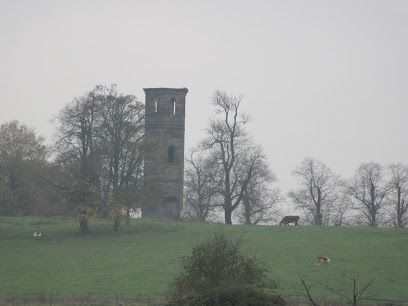
Portobello Tower
11.8 km
An evocative 18th-century folly commemorating a historic naval victory, standing as a haunting landmark in Featherstone’s rural landscape.
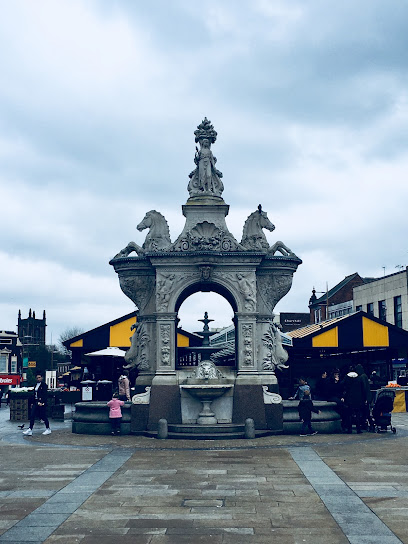
The Fountain
20.9 km
Discover The Fountain, Dudley’s iconic historical landmark nestled in the vibrant Market Place, where heritage meets lively community spirit.
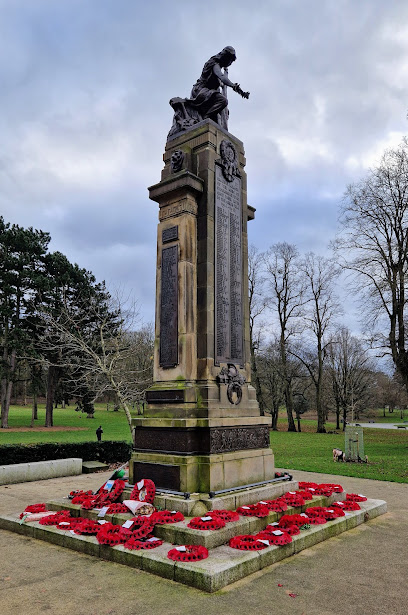
War Memorial
25.4 km
A solemn and artistically rich memorial in Mary Stevens Park honoring Stourbridge’s fallen heroes of the World Wars.
Gem Buildings
29.9 km
Historic Gem Buildings on Key Hill showcase Birmingham's rich jewelry industry heritage and early 20th-century industrial architecture.
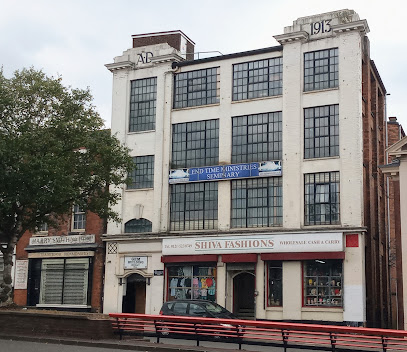
Jewellery Quarter
30.0 km
Explore the historic Jewellery Quarter in Birmingham, where craftsmanship meets culture in a vibrant, artistic atmosphere filled with unique shops and dining options.
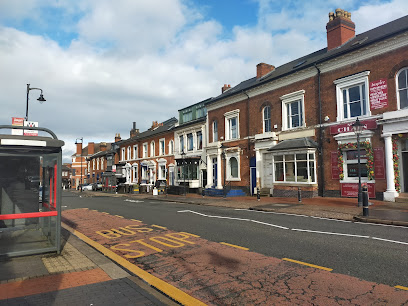
Museum of the Jewellery Quarter
30.0 km
Step into a perfectly preserved jewellery workshop and discover Birmingham’s sparkling heritage through immersive guided tours and rich craftsmanship history.

The Jewellery Quarter
30.1 km
Explore Birmingham's historic Jewellery Quarter, a vibrant district filled with artisan shops, exquisite craftsmanship, and rich heritage.
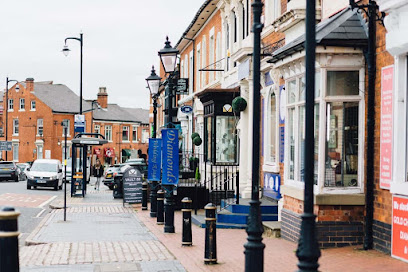
Edgbaston Waterworks Tower
30.1 km
Discover Birmingham’s Victorian Waterworks Tower, a striking industrial landmark and rumored inspiration for Tolkien’s legendary Two Towers.
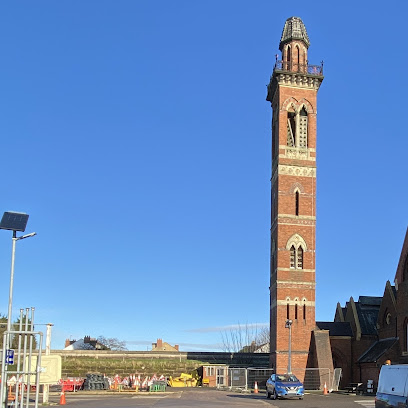
The Jewellery Quarter Birmingham
30.3 km
Birmingham's glittering historic heart where Victorian workshops craft timeless jewels amid cobblestone charm and creative revival.
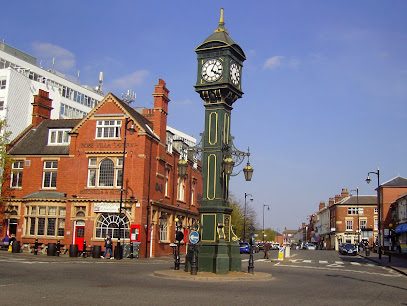
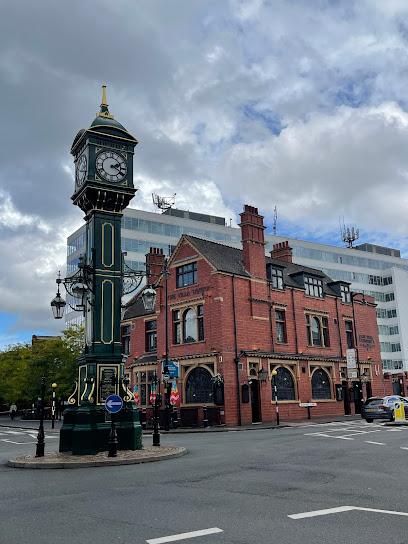
Chamberlain Clock
30.3 km
An elegant Edwardian clock tower at the heart of Birmingham’s Jewellery Quarter, built in 1903 as a memorial to Joseph Chamberlain and recently restored to its former glory.
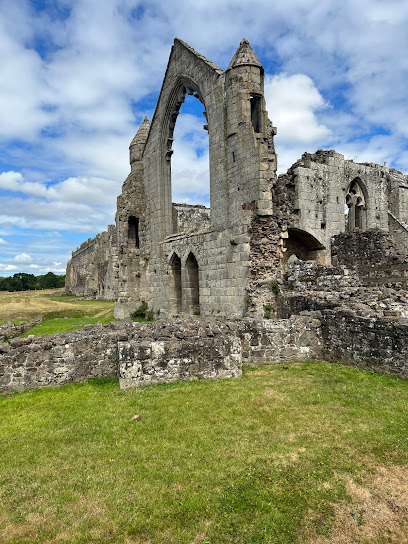
Haughmond Abbey
30.3 km
Discover the timeless beauty and rich history of Haughmond Abbey, a captivating heritage site in Shrewsbury, perfect for history lovers and tranquil escapes.
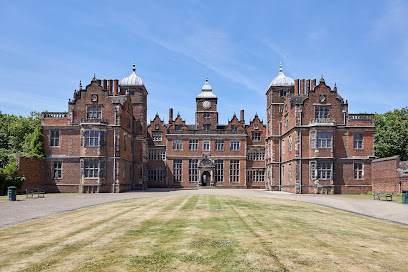
Aston Hall
30.3 km
Discover Aston Hall, Birmingham's architectural gem, where history, elegance, and beautiful gardens blend seamlessly for an unforgettable experience.
Perrott's Folly
30.4 km
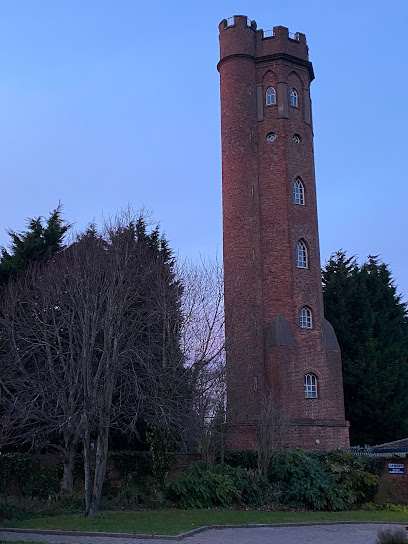
An 18th-century tower in Birmingham, steeped in history and Tolkien lore, now a cultural beacon for art and community.
J. W. Evans Silver Factory
30.4 km
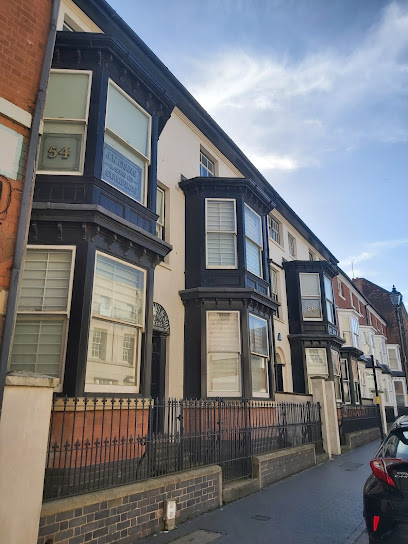
Explore the historic J. W. Evans Silver Factory in Birmingham, where artistry meets heritage in a captivating journey through silver craftsmanship.
Pen Museum
30.5 km
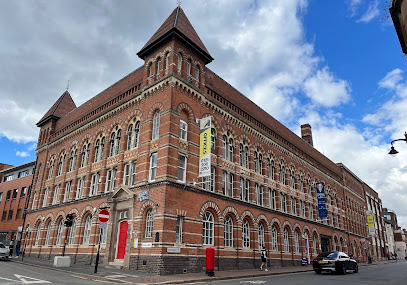
Explore the fascinating world of writing instruments at the Pen Museum, a unique Birmingham attraction celebrating the heritage of pens and writing.
Unmissable attractions to see

White Ladies Priory
1.3 km
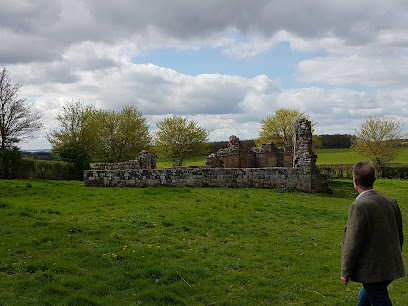
Explore the evocative ruins of a 12th-century Augustinian priory, famed for sheltering Charles II during his dramatic 1651 escape.
Weston Park
3.9 km
Explore Weston Park’s majestic estate, enchanting gardens, thrilling woodland adventures, and luxurious accommodations on 1,000 acres of English heritage.
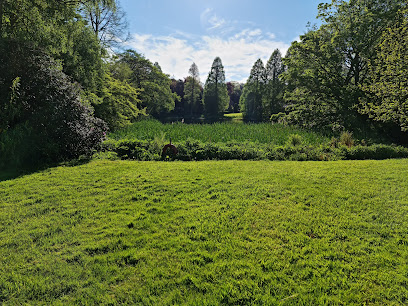
Saint Mary the Virgin and Saint Chad
4.6 km
Historic 13th-century parish church in Brewood, blending medieval architecture with vibrant community worship and ancient religious heritage.
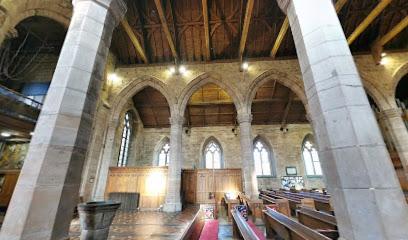
Royal Air Force Museum Midlands
5.8 km
Explore historic aircraft, immersive Cold War exhibits, and family-friendly aviation fun at this free-entry museum in Shropshire.

National Trust - Moseley Old Hall
10.1 km
Discover the Elizabethan farmhouse where King Charles II hid, surrounded by 17th-century gardens and rich history near Wolverhampton.
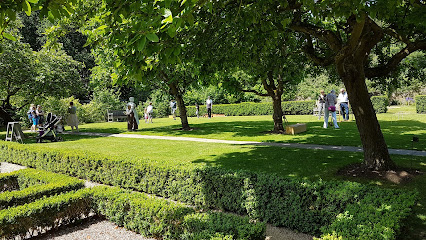
National Trust - Wightwick Manor and Gardens
10.3 km
Explore the Victorian charm and Arts and Crafts beauty of Wightwick Manor and Gardens, a cultural gem in Wolverhampton.
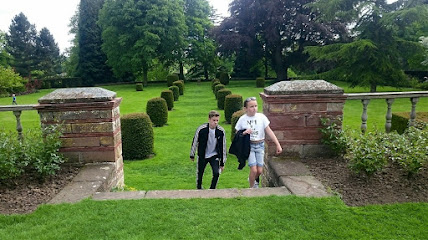
South Staffordshire Railway Walk
11.3 km
A peaceful country park trail along a historic railway line, perfect for walking, cycling, and connecting with Staffordshire’s natural and industrial heritage.
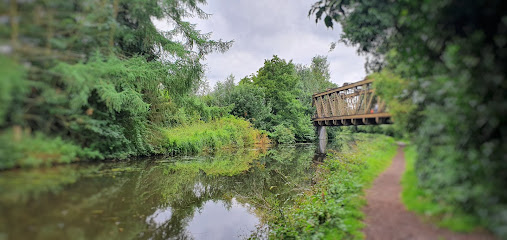
Lilleshall Abbey
11.6 km
Explore the serene ruins of a 12th-century Augustinian abbey nestled in tranquil Shropshire countryside, rich with history and stunning medieval architecture.
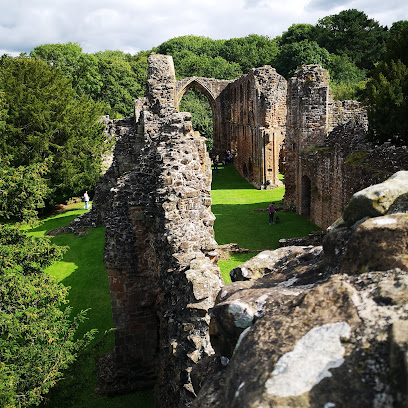
Bantock House
11.8 km
Explore an elegant Edwardian mansion and its beautifully restored gardens, immersing yourself in Wolverhampton’s rich local history and heritage.
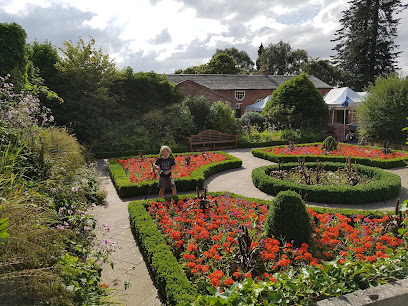
Aqualate Mere National Nature Reserve Car Park
13.0 km
Explore the Midlands’ largest natural lake with rich wildlife, tranquil walks, and a serene bird hide at Aqualate Mere National Nature Reserve.
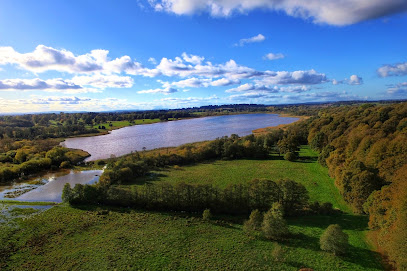
Lilleshall Monument
13.1 km
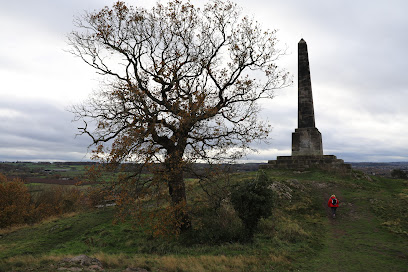
Historic 70-foot obelisk atop Lilleshall Hill offering sweeping panoramic views across Shropshire’s countryside and rich local heritage.
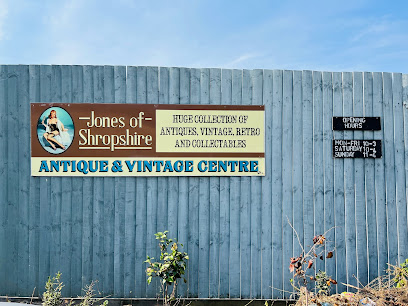
Jones Of Shropshire
13.3 km
Discover timeless antiques and charming garden statues at Jones Of Shropshire, a welcoming treasure trove in Pattingham near Wolverhampton.
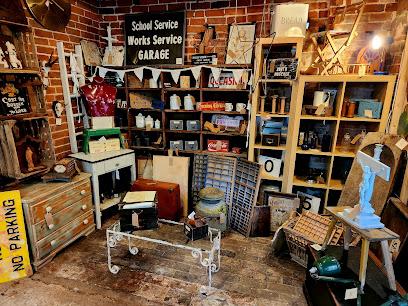
Southan Antiques Centre
13.4 km
Explore seven barns of vintage treasures and antiques in a charming 1940s-themed farm setting with a cozy tea room and bistro.
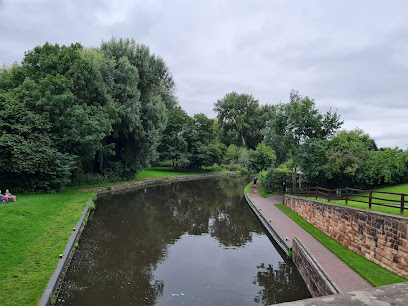
Bratch Locks
14.7 km
Explore Bratch Locks, a charming Georgian canal staircase near Wolverhampton, where history, architecture, and nature converge in a tranquil waterside setting.
McArthurGlen Designer Outlet West Midlands
15.3 km
Discover over 65 designer brands, family-friendly facilities, and great savings at McArthurGlen Designer Outlet West Midlands in Cannock.
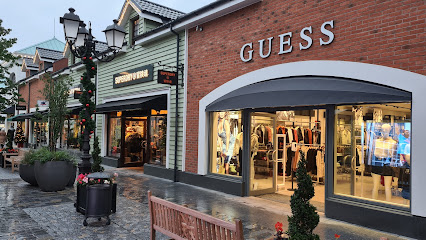
Essential places to dine

Staffordshire Grill
4.6 km
A charming Grade II listed country pub in Brewood serving premium steaks, handcrafted cocktails, and boutique accommodations.
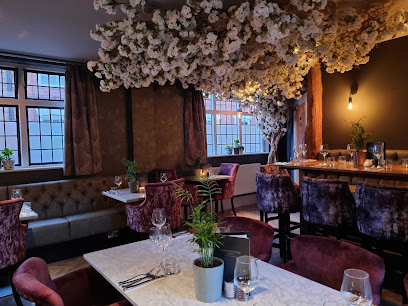
Latimer's of Shifnal
8.9 km
A vibrant Mediterranean tapas and cocktail bar in Shifnal’s historic market place, blending superb food with warm hospitality.
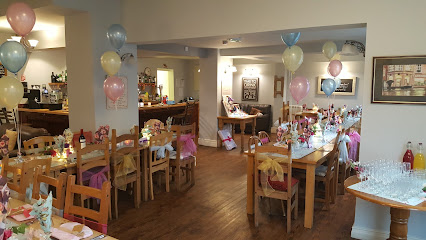
Orangery Restaurant at The Moat House
13.6 km
A bright conservatory restaurant at a historic Staffordshire hotel, serving seasonal British cuisine and classic afternoon teas by tranquil waters.
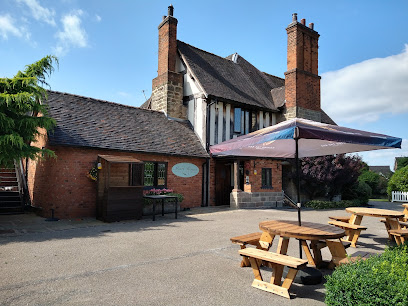
Woodlands Restaurant
13.9 km
Contemporary British dining with scenic views at The Chase Golf Club, perfect for family meals and special occasions.
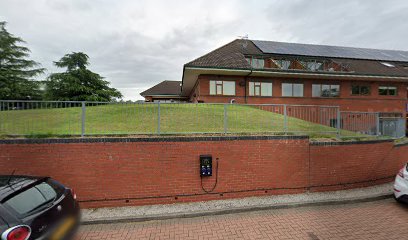
Oscars Restaurant
14.0 km
Modern British dining in Telford with a warm atmosphere, quality food, and attentive service at moderate prices.
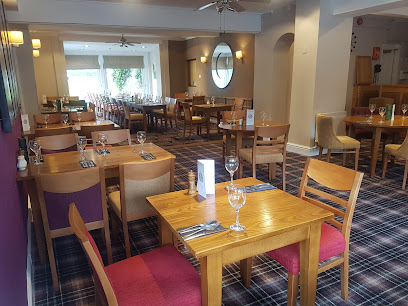
Seven Stars
16.3 km
A stylish gastropub near Stafford offering creative dishes and a welcoming atmosphere in a modern setting close to Cannock Chase.
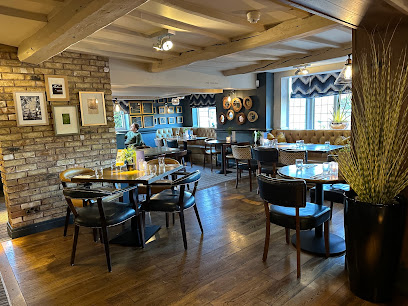
The Riverbank Restaurant(NSCG)
17.0 km
Experience top-quality student-prepared cuisine at Stafford College’s Riverbank Restaurant, where education meets exceptional dining.
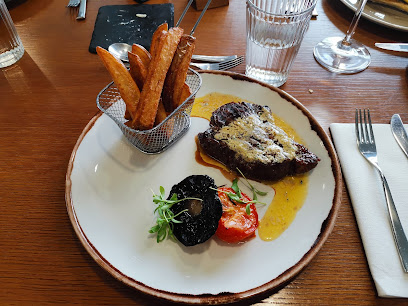
La Casa Italian
17.0 km
Authentic Italian flavors with a welcoming atmosphere and dedicated vegan options in the heart of Stafford.
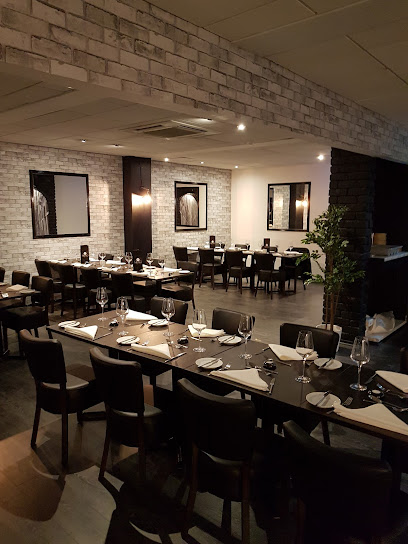
The Post House Bar & Grill
17.1 km
Historic elegance meets vibrant dining in Stafford’s premier bar and grill with exceptional food, cocktails, and private event spaces.
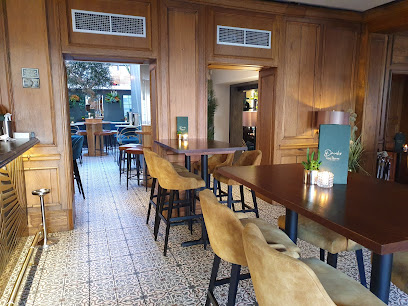
The Soup Kitchen
17.1 km
Stafford’s cozy café offering homemade British classics, rooftop garden charm, and a welcoming atmosphere near historic St Mary’s Church.
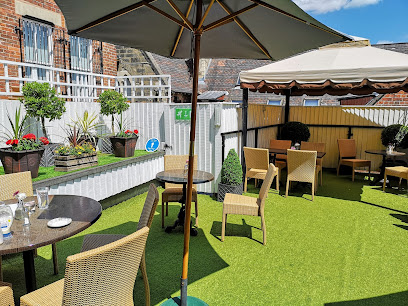
Verso Lounge
17.2 km
Verso Lounge in Stafford blends modern dining with inclusive menus and a warm, quirky atmosphere perfect for families and casual gatherings.
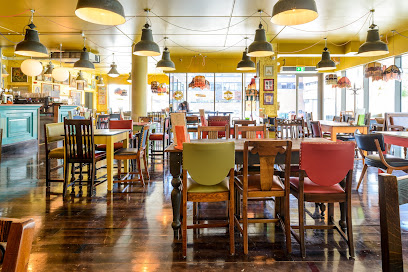
Vivere
17.6 km
Authentic Italian flavors and warm hospitality come together at Vivere, Stafford’s beloved Italian restaurant on Foregate Street.
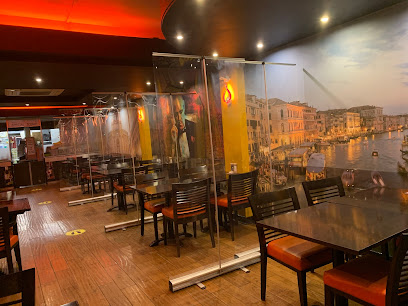
Chez Maw Restaurant
17.8 km
Refined modern British dining in the historic heart of Ironbridge, blending local flavors with elegant service and a welcoming atmosphere.
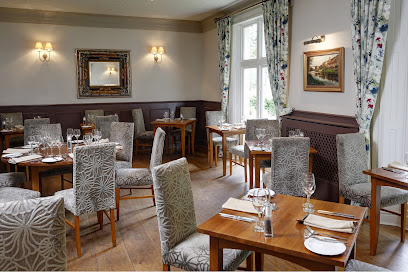
The Tap Bar & Restaurant
18.2 km
A vibrant Stafford steakhouse blending hearty local flavors with a welcoming pub atmosphere in a stylish, refurbished setting.
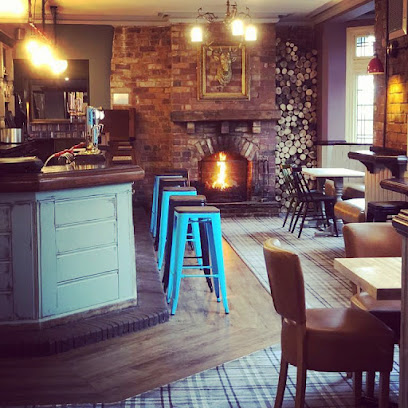
The Huntsman of Little Wenlock
19.0 km
Charming country inn in Little Wenlock offering hearty British classics, cozy fires, and warm hospitality in Shropshire’s scenic countryside.
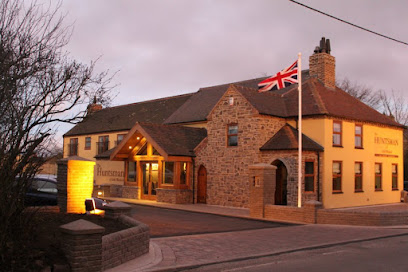
Markets, malls and hidden boutiques

Fab Little Gift Shop
13.5 km
Discover unique, quirky treasures and thoughtful gifts at Fab Little Gift Shop, Telford’s charming independent boutique.
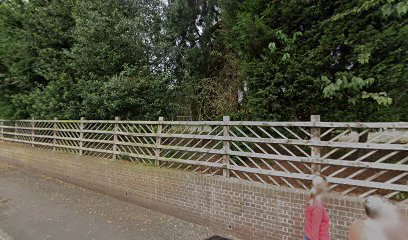
Gift Company TELFORD
13.8 km
A cheerful, budget-friendly gift shop in Telford Shopping Centre, packed with fun presents, seasonal decorations, and affordable home items.
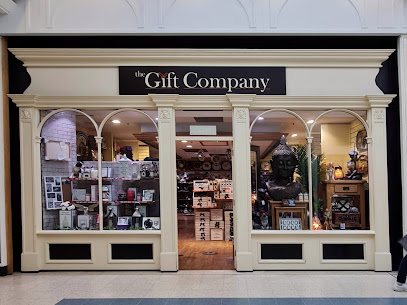
Telford Centre
13.9 km
A comprehensive shopping and leisure destination in Telford with over 160 stores and seamless access to entertainment at Southwater.
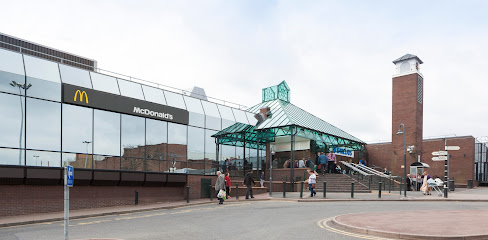
Menkind
13.9 km
Discover quirky gadgets, unique gifts, and playful novelties at Menkind in Telford Shopping Centre, the ultimate destination for fun and original presents.

The Forge Retail Park
14.4 km
A vibrant and convenient outdoor shopping destination in Telford with diverse stores and ample parking for all your retail needs.

Queens Shopping Park
16.7 km
A bustling retail park in Stafford offering diverse shops, convenient hours, and a welcoming atmosphere for all shoppers.
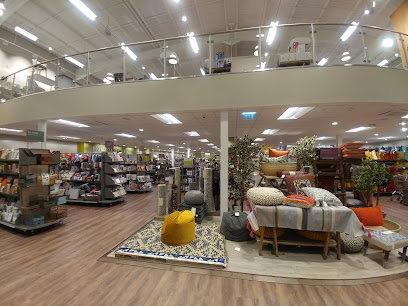
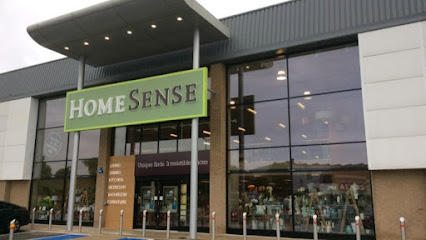
Homesense Stafford
16.7 km
Discover unique homewares and stylish décor treasures at Homesense Stafford, your destination for eclectic and affordable interior finds.
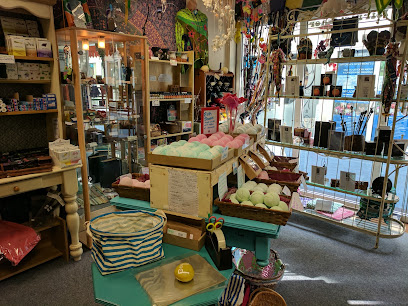
Whimsical. (Hippie Shop)
16.8 km
A vibrant sanctuary of crystals, incense, and bohemian spirit in the heart of Hednesford.
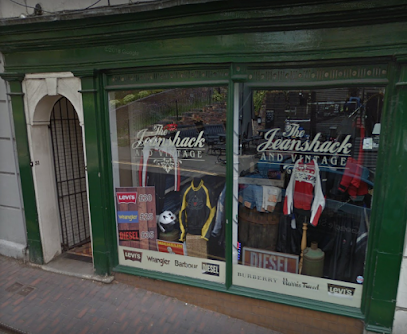
The Jeanshack and Vintage
17.1 km
Discover timeless style and quality vintage apparel at Ironbridge’s friendly and affordable Jeanshack and Vintage boutique.
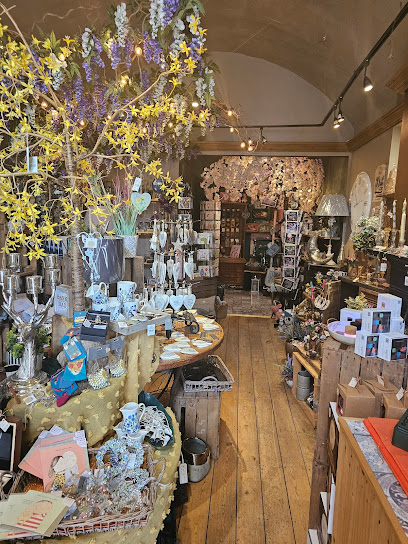
Copper Fox
17.1 km
Unique gifts and homewares in the heart of Ironbridge's UNESCO World Heritage Site.
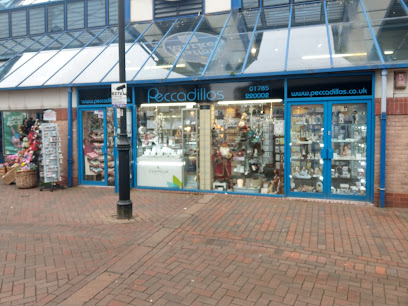
Peccadillos
17.2 km
Discover unique, high-quality gifts at Peccadillos, Stafford’s beloved boutique blending tradition, craftsmanship, and personal service.
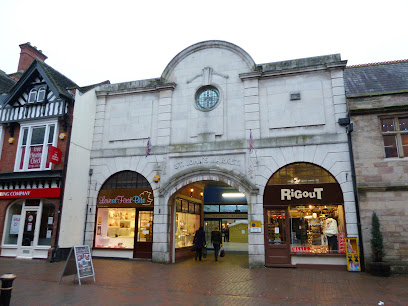
Guildhall Shopping Centre
17.2 km
A vibrant shopping and dining hub in the heart of Stafford, blending modern convenience with a welcoming community atmosphere.
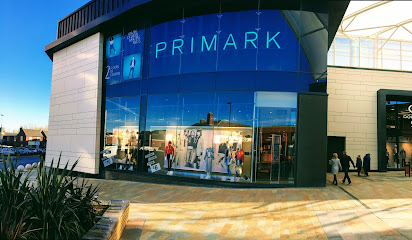
Primark
17.2 km
Discover trendy, affordable fashion and home goods at Primark Stafford, your go-to riverside shopping destination in the heart of Stafford.
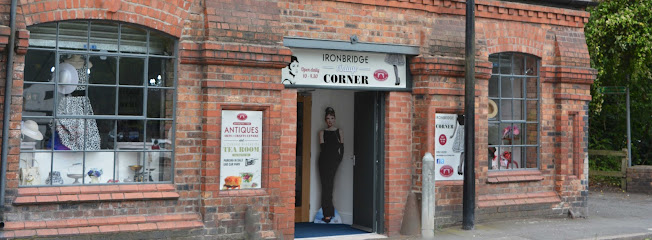
Ironbridge Vintage Corner
17.6 km
Discover timeless vintage fashion in the historic heart of Coalbrookdale at Ironbridge Vintage Corner.
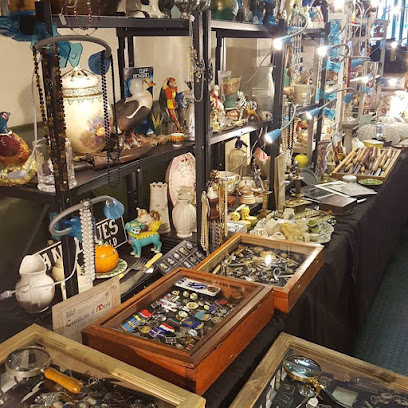
Browse-a-while Ltd. House & Estate Clearance, Auction House, Antiques Buyer, Stafford & UK
18.5 km
Trusted Stafford auction house offering expert antiques buying, estate clearance, and collectibles in a convenient industrial estate setting.
Essential bars & hidden hideouts

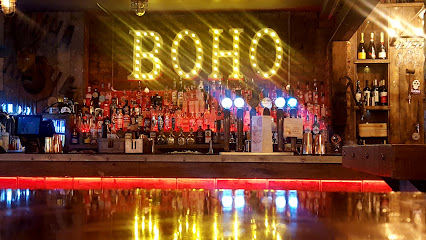
The Bohemian
12.3 km
Vibrant cocktail bar in Wolverhampton with industrial charm, creative drinks, and lively bottomless brunches in a casual urban setting.
The Oxleathers
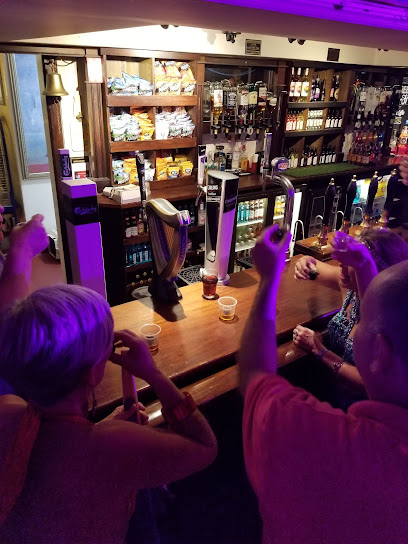
14.9 km
A beloved community pub in Stafford offering a unique atmosphere, friendly staff, and lively events in a welcoming setting.
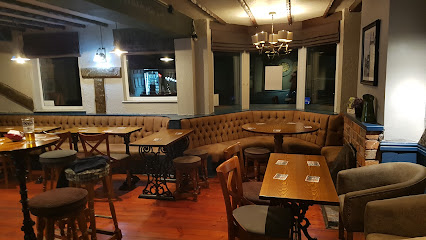
The Spittal Brook
16.9 km
A friendly Stafford pub and inn offering great ales, home-cooked meals, cozy rooms, and a welcoming atmosphere for all occasions.
The Sun Inn
17.0 km
A traditional Stafford pub serving home-cooked meals and Titanic Brewery ales in a welcoming, pet-friendly setting.
Casa
17.0 km
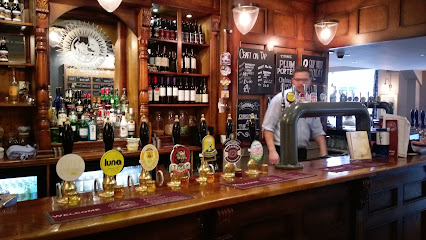
Lively late-night bar with a welcoming outdoor area, nestled in Stafford’s historic Express & Star building.
The Bird In Hand
17.0 km
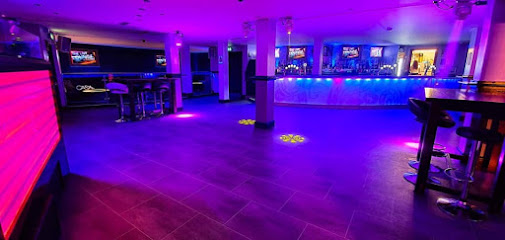
A cherished Stafford pub blending traditional ales, hearty carvery, and lively entertainment in a welcoming town centre setting.
The Liquor Tank Stafford
17.2 km
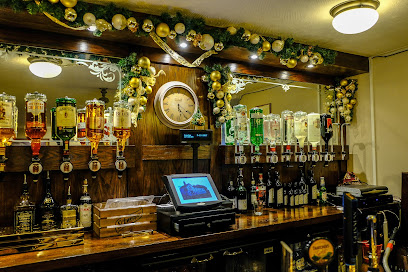
A lively and modern bar in Stafford offering quality cocktails, casual dining, and a vibrant social atmosphere daily until midnight.
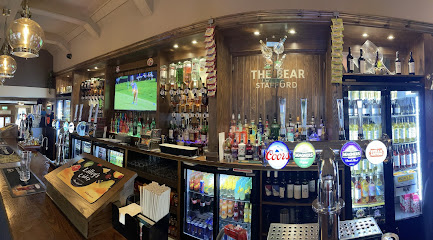
Bear Stafford
17.2 km
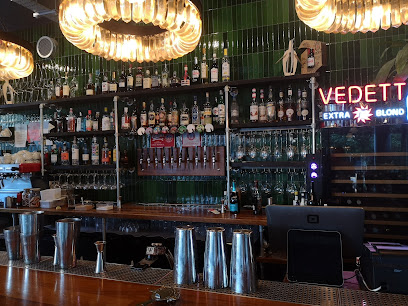
Bear Stafford: A lively, welcoming pub blending traditional charm with unique local quirks in the heart of Stafford.
Market Vaults
17.2 km
A cosy, dog-friendly Stafford pub renowned for spectacular food, cask ales, and a welcoming atmosphere from noon to late every day.
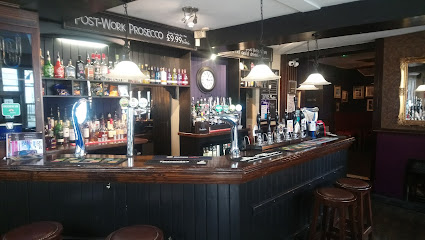
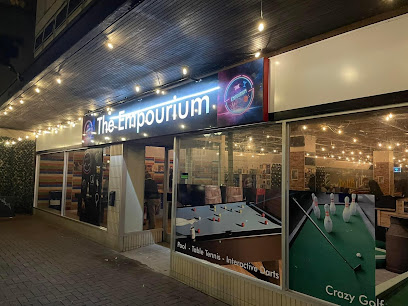
The Empourium
17.3 km
A quirky, fun-filled bar in Stafford’s town center, offering great value drinks and a playful social atmosphere in a unique setting.
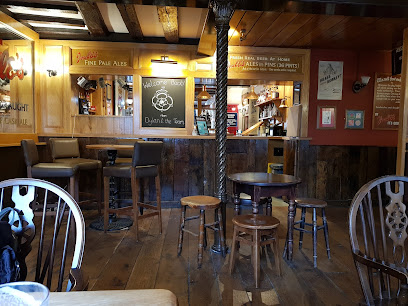
The Ye Olde Rose & Crown
17.3 km
A beloved Stafford pub known for local Joules ales, lively music nights, and a warm, authentic British atmosphere.
Hogarths
17.3 km
Experience Stafford’s vibrant Edwardian-themed Hogarths Gin Bar with its vast gin selection, live entertainment, and cozy social spaces.
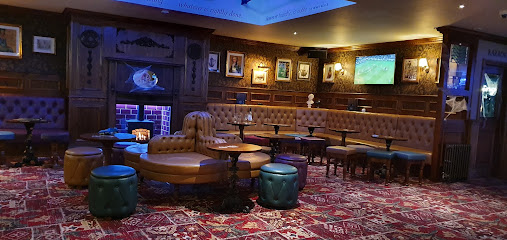
The Butler's Bell By Davenports
17.4 km
A lively gastropub in Stafford serving hearty classics, award-winning ales, and all-day breakfast in a welcoming, accessible setting.
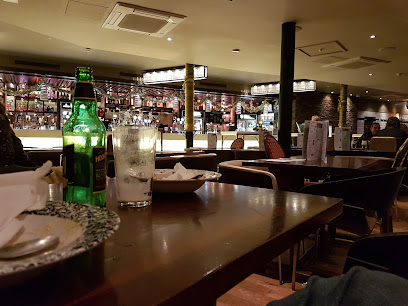
The Kings Arms
18.2 km
A friendly, traditional Stafford pub offering quality ales, hearty food, and cozy rooms in a welcoming local setting.

Staffordshire Bull
19.3 km
A friendly Stafford pub blending local heritage with a welcoming atmosphere and moderate prices for all to enjoy.
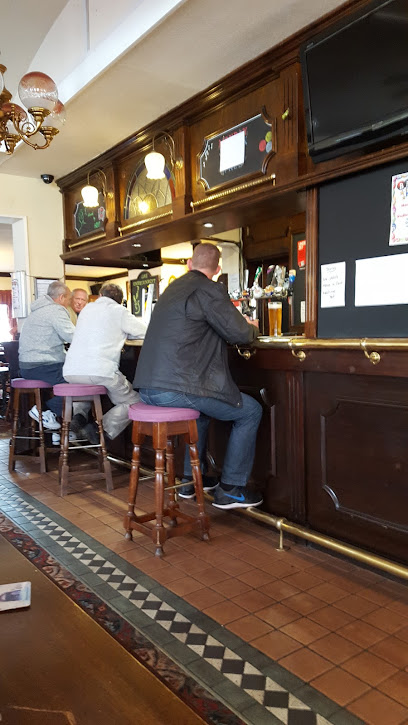
Nightclubs & after hour spots

Mainstreet Nightclub
14.2 km
Experience Newport’s vibrant nightlife at Mainstreet Nightclub, where music, dancing, and a lively crowd create unforgettable late-night memories.
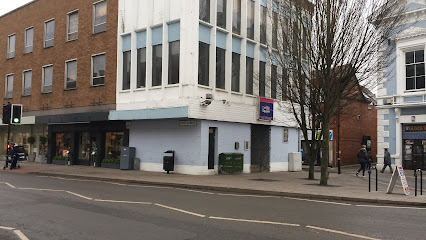
We Love Oldskool Nights
14.9 km
Experience the vibrant energy of classic 90s and 2000s R’n’B and hip-hop at We Love Oldskool Nights, the ultimate dance club for nostalgic partygoers.
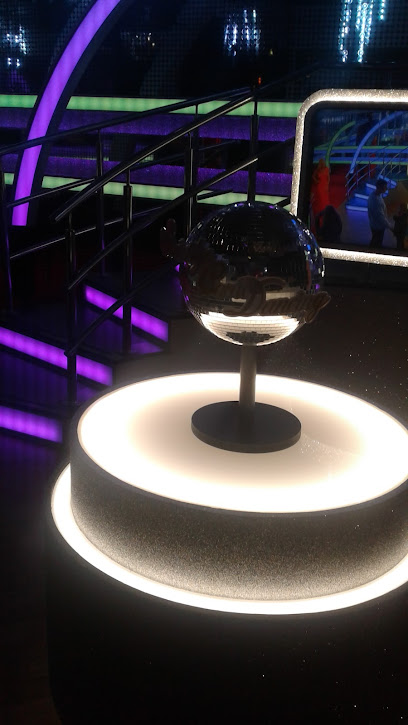
757 Night Club & Laluna events venue
18.8 km
A vibrant nightclub and events venue in Wellington, Telford, blending modern style with lively weekend entertainment.

DIAMOND SPARKLEZ
30.2 km
Ignite your night in Birmingham's diamond district at this glittering nightclub, where top DJs, stunning lights, and electric crowds create pure nightlife magic.
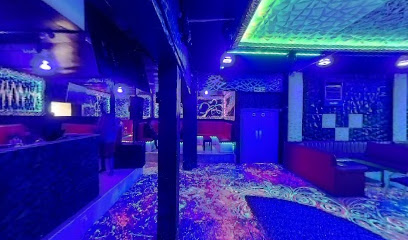
PAVO Birmingham
30.3 km
Vibrant African fusion lounge and nightclub in Birmingham's Jewellery Quarter, where bold flavors meet electrifying beats until 4am on weekends.
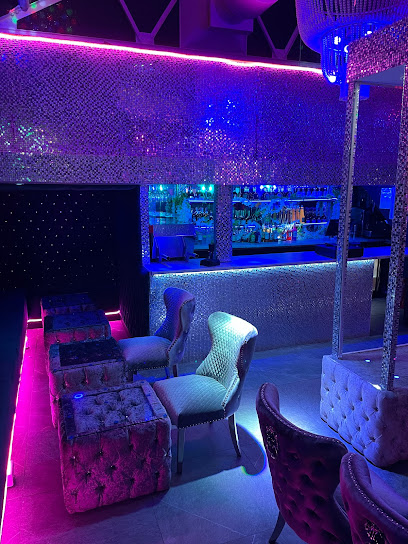
Dreams Night club and Shisha
30.3 km
Birmingham's Jewellery Quarter gem fusing aromatic shisha clouds with thumping club beats until 5am—pure late-night energy on Barr Street.
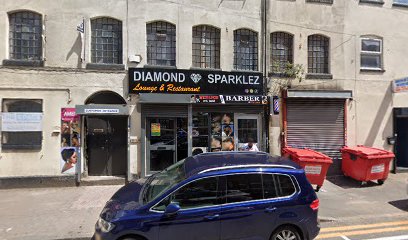
Tunnel Club Birmingham
30.9 km
Dive under Birmingham's arches into Tunnel Club's seven-room warehouse wonderland, where house, techno, and hip-hop fuel all-night dances amid pounding bass and vivid lights.
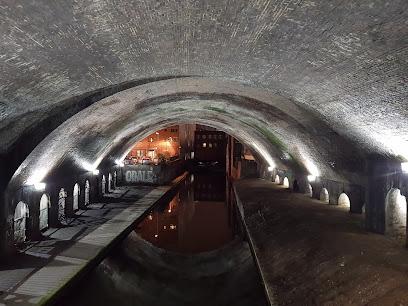
Reflex - Birmingham
31.0 km
Spin into 80s-00s nostalgia at Reflex Birmingham: revolving dance floor, karaoke booths, neon vibes, and epic sing-alongs on Broad Street's party strip.
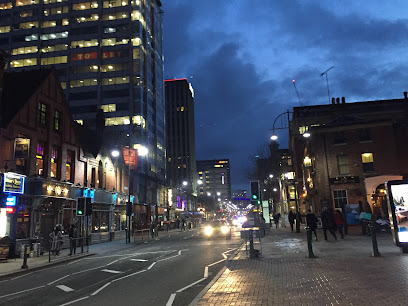
Popworld - Birmingham
31.0 km
Broad Street's ultimate pop party hub: 90s-00s hits, neon dance floors, cocktails, and celebration packages until 3am.

Rosies - Birmingham
31.1 km
Birmingham's ultimate super club: five themed rooms, killer cocktails, and non-stop beats on Broad Street for epic nights out.
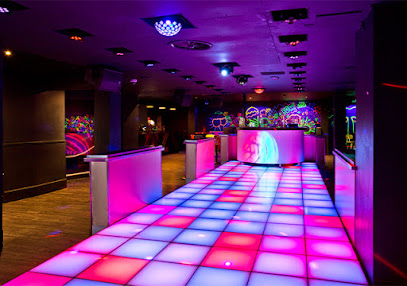
Snobs
31.1 km
Birmingham's 40-year indie-retro nightclub legend: cheap drinks, themed dance floors, and non-stop beats on Broad Street.
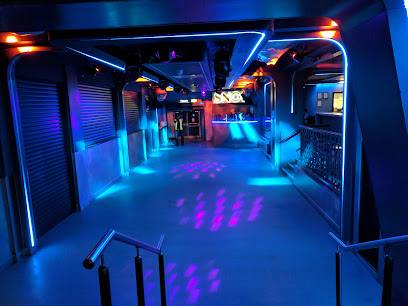
What do you mean
31.4 km
Dive into Birmingham’s vibrant nightlife at What Do You Mean, a premier nightclub known for electrifying music, creative cocktails, and an unforgettable party vibe.
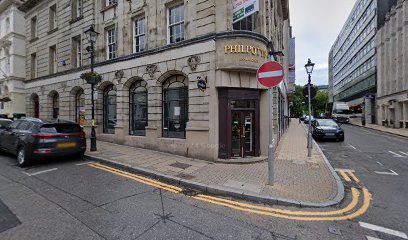
King of clubs
31.6 km
Compact late‑night Birmingham club for high‑energy R&B, hip‑hop and DJ nights, pulsing into the small hours with neon, bass and bar-driven parties.

Bambu Nightclub
31.9 km
Experience Birmingham’s chic nightlife hotspot with stylish vibes, eclectic music, and late-night dancing at Bambu Nightclub.
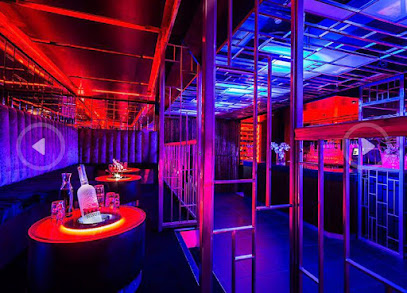
101 Night Club
32.0 km
Unleash your nightlife spirit at 101 Night Club, Birmingham's vibrant center for music, dancing, and unforgettable experiences.

For the vibe & atmosphere seeker
- Tranquil
- Scenic
- Relaxing
- Unique
For the design and aesthetic lover
- Rustic Designs
- Vintage Styles
For the architecture buff
- Historic
- Heritage Neighborhoods
- Parks & Gardens
For the view chaser and sunset hunter
- Iconic Views
- Panoramas
- Sunset Spots
For the social media creator & influencer
- Instagrammable
- Photo Spots
- Aesthetic Corners
For the eco-conscious traveler
- Protected Area
- Locally Managed
- Public-Transport Accessible
- Leave-No-Trace Critical
For the kind of experience you’re after
- Cultural Heritage
- Myth & Legends
- Photowalk
- Day Trip
- Weekend Getaway
For how adventurous you want the journey to be
- Easy Access
Location Audience
- Family Friendly
- Senior Friendly
- Child Friendly
- Teen Friendly
- Wheelchair Access
- Solo Friendly
- Couple Friendly
- Vegetarian Friendly
- Vegan Friendly


