
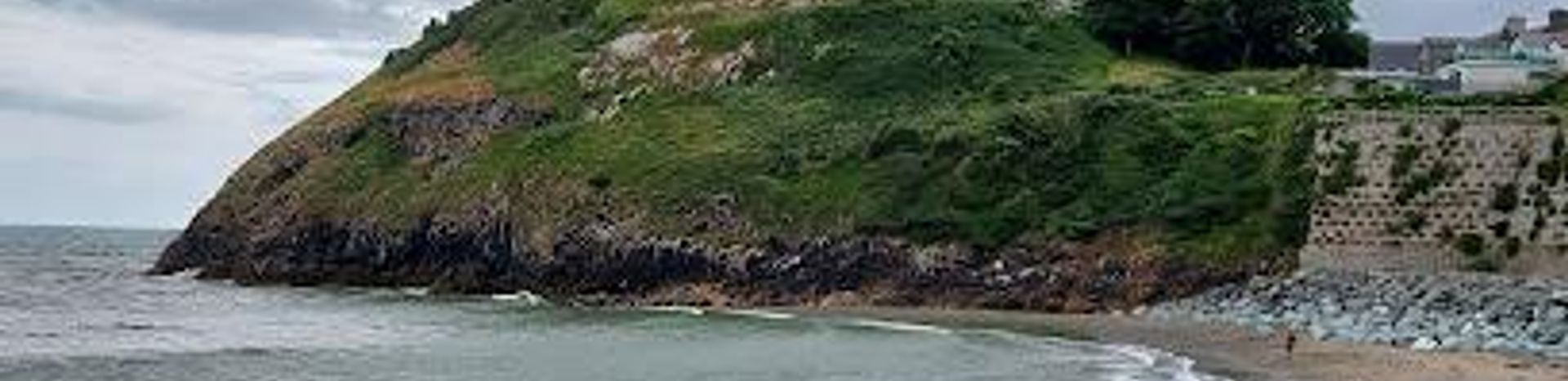
Criccieth Castle: A Majestic Medieval Welsh Stronghold
Explore the rugged ruins of Criccieth Castle, a 13th-century Welsh fortress with sweeping coastal views and a storied history of power and rebellion.
Perched on a rocky headland overlooking Tremadog Bay, Criccieth Castle is a striking 13th-century fortress built by Llywelyn the Great. With a rich history of Welsh princes, English conquests, and rebellions, its ruins offer panoramic coastal views and a glimpse into medieval power struggles in North Wales.
A brief summary to Castell Cricieth
- Castle St, Criccieth, LL52 0DP, GB
- +443000252239
- Visit website
- Duration: 1 to 3 hours
- Budget
-
 Outdoor
- Mobile reception: 4 out of 5
- Friday 10 am-4 pm
- Saturday 10 am-4 pm
- Sunday 10 am-4 pm
Local tips
- Visit during daylight hours to fully appreciate the panoramic views of Tremadog Bay and the Llŷn Peninsula.
- Bring sturdy footwear as some areas around the castle ruins have uneven terrain.
- Use a Cadw Explorer Pass for free entry and access to other historic sites across Wales.
- Combine your visit with a stroll along Criccieth’s sandy beaches or explore nearby Snowdonia National Park.

For the on-the-go comforts that matter to you
- Restrooms
- Information Boards
- Seating Areas
- Trash Bins
Getting There
-
Train and Bus
Travel by train to Porthmadog station, approximately 15 km from Criccieth. From there, take a local bus to Criccieth town center, a 20-30 minute journey. Bus services run several times daily, with tickets costing around £5-£8. Note that bus frequency may be reduced on weekends and holidays.
-
Car
Drive to Criccieth via the A487 and A497 roads from nearby towns such as Porthmadog or Pwllheli. The journey typically takes 20-30 minutes depending on traffic. Parking is available near the castle and town center, but spaces can be limited during peak tourist seasons. No parking fees apply.
-
Long-Distance Coach
National Express coaches connect major Welsh cities to Porthmadog. From Porthmadog, transfer to local bus services to Criccieth. Coach travel times vary from 2 to 4 hours depending on origin. Advance booking is recommended, with fares starting around £10.
Castell Cricieth location weather suitability
-
 Any Weather
-
 Clear Skies
-
 Mild Temperatures
-
 Rain / Wet Weather
Discover more about Castell Cricieth
Origins and Early Welsh Power
Criccieth Castle was originally constructed around 1230 by Llywelyn ap Iorwerth, known as Llywelyn the Great, Prince of Gwynedd. Positioned strategically on a rocky promontory between two beaches, the castle served as a vital stronghold overseeing the town and the surrounding coastline. The inner ward and gatehouse are believed to be part of Llywelyn's initial stone construction, replacing earlier timber and earth defenses. The castle was a seat of Welsh princely power, imprisoning notable figures such as Gruffydd ap Llywelyn in 1239 and playing a key role in regional conflicts during the mid-13th century.English Conquest and Expansion
Following the death of Llywelyn the Great, tensions escalated between Welsh rulers and English monarchs. In 1283, Edward I captured Criccieth Castle during his campaign to conquer Wales. Subsequently, the castle underwent extensive modifications and fortifications under English control, including heightening towers, strengthening curtain walls, and expanding the outer ward. These improvements transformed it into a formidable fortress designed to maintain English dominance over North Wales. The castle also functioned as a prison for high-status captives, reflecting its strategic importance.Sieges and Turbulent History
Criccieth Castle endured several sieges during Welsh uprisings. In the 1294–1295 revolt led by Madog ap Llywelyn, the castle’s garrison withstood attacks despite the surrounding town being sacked. It faced another assault during Owain Glyndŵr’s rebellion in 1404, when Welsh forces captured and partially destroyed the fortress, leaving scorch marks still visible on the masonry today. After this, the castle fell into ruin and was abandoned, marking the end of its military significance.Architectural Features and Ruins Today
The castle’s ruins remain remarkably intact, offering visitors a vivid impression of medieval military architecture. The twin towers of the gatehouse stand prominently above the town, symbolizing its former strength. Visitors can explore the inner and outer wards, curtain walls, and towers while enjoying sweeping views of the town of Criccieth, its beaches, and the vast expanse of Tremadog Bay. The elevated position provides spectacular panoramas of the Llŷn Peninsula and the Welsh coastline.Cultural Legacy and Artistic Inspiration
Beyond its military history, Criccieth Castle has inspired poets and artists alike. The 14th-century Welsh bard Iolo Goch celebrated the castle’s grandeur and the hospitality of its constable, Sir Hywel y Fwyall, who was notable as one of the first native Welsh constables appointed under English rule. The Romantic painter J. M. W. Turner famously depicted the castle’s ruins, capturing its melancholic beauty. Today, the castle stands as a symbol of Welsh heritage and resilience.Visitor Experience and Surroundings
Set within the charming seaside town of Criccieth, known as "The Pearl of Wales on the Shores of Snowdonia," the castle offers a blend of historical exploration and natural beauty. The town’s beaches and proximity to Snowdonia National Park make it an ideal base for both coastal and mountain adventures. Entry to Criccieth Castle is free with a Cadw Explorer Pass, inviting visitors to immerse themselves in centuries of history while enjoying breathtaking coastal vistas.Iconic landmarks you can’t miss

Aber-marchnad
0.2 km
Historic coastal market site at Criccieth, marked by resilience and scenic views beside the iconic castle ruins.
Ynys Cyngar
5.5 km
Historic maritime landmark on the Glaslyn estuary, offering scenic coastal views and a glimpse into North Wales’ slate and shipping heritage.
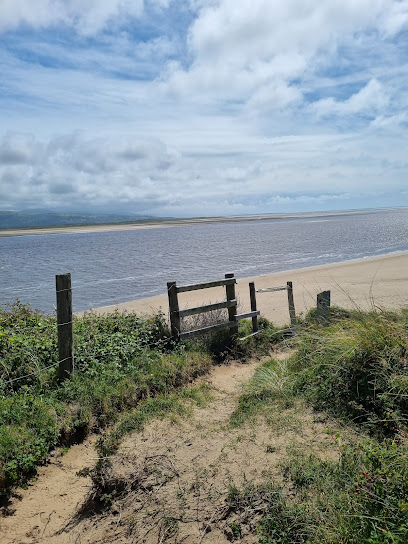
Site of Plaid Cymru’s founding
12.9 km
Historic birthplace of Plaid Cymru, where Welsh nationalism took root in 1925 at Pwllheli’s Y Maes.

Gyrn Goch
13.5 km
A quiet coastal hamlet between Caernarfon Bay and the mountain Gyrn Goch, perfect for walkers and those seeking a peaceful Welsh retreat.
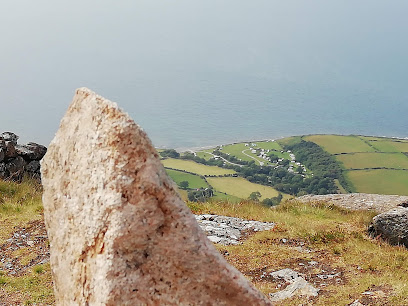
Snowdonia Adventure Activities
14.2 km
Discover outdoor adventure in Snowdonia with thrilling activities surrounded by stunning landscapes, perfect for all adventure enthusiasts.
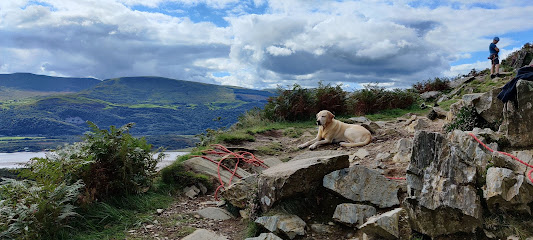
Braich Las / Trwyn y Gorlech
17.0 km
Discover the rugged coastal cliffs and ancient heritage of Braich Las / Trwyn y Gorlech on Wales’ scenic Llŷn Peninsula.

Tafarn Snowdonia Parc
21.3 km
Discover the heart of Welsh culture at Tafarn Snowdonia Parc, where delicious food meets stunning natural beauty in Snowdonia National Park.
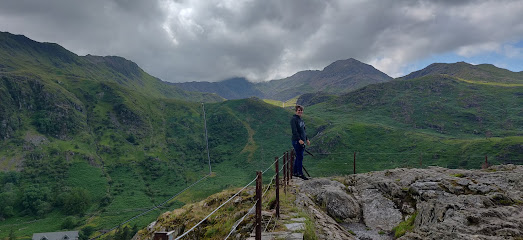
Zip World Llechwedd
21.9 km
Experience the ultimate thrill of zip-lining in Snowdonia at Zip World Llechwedd, where adventure meets heritage in breathtaking surroundings.
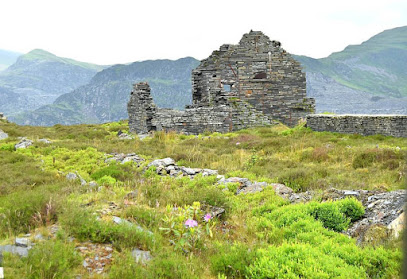
Yr Ysgwrn
22.4 km
Explore the rich cultural heritage of Wales at Yr Ysgwrn, the museum dedicated to the life of poet Hedd Wyn, surrounded by stunning natural beauty.
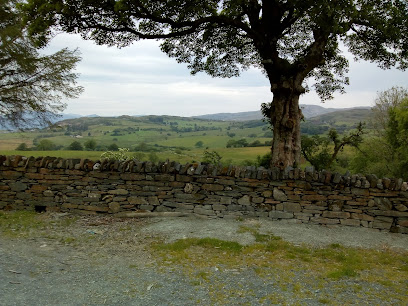
Gypsy Wood Park
22.5 km
Experience the magic of Gypsy Wood Park, a whimsical family attraction in Caernarfon featuring fairy trails, animal encounters, and beautiful gardens.
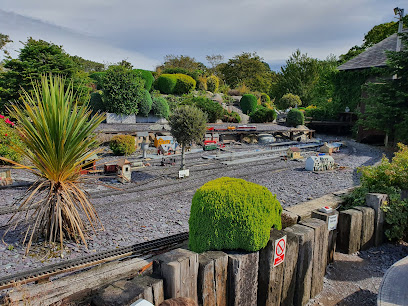
Eryri National Park (Snowdonia)
22.6 km
Explore the breathtaking landscapes and rich heritage of Eryri National Park, a true gem in the heart of North Wales.
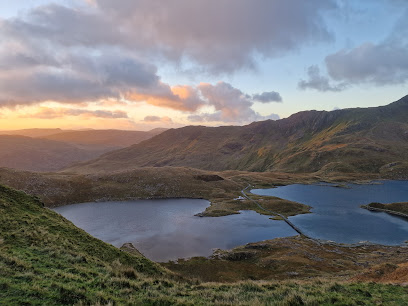
Moryn
22.7 km
Explore Moryn, a stunning coastal attraction in Wales, offering breathtaking views, rich history, and a perfect escape into nature's beauty.
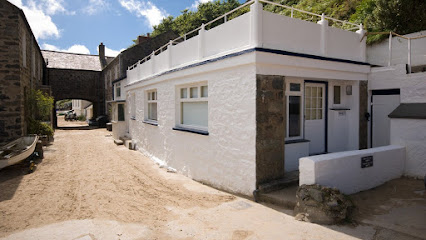
Ceunant Mawr
22.9 km
Experience the enchanting beauty of Ceunant Mawr, a hidden waterfall in Snowdonia National Park, perfect for hiking and nature enthusiasts.
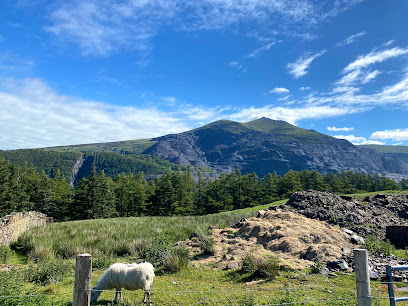
Snowdon Mountain Railway
23.5 km
Embark on a breathtaking journey aboard the Snowdon Mountain Railway, where stunning vistas and adventure await at the summit of Wales' highest peak.
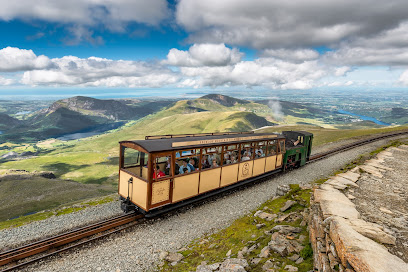
Moel Berfedd
23.5 km
Discover the breathtaking views and serene landscapes of Moel Berfedd, a scenic point in Caernarfon, perfect for nature lovers and adventurers.
Unmissable attractions to see

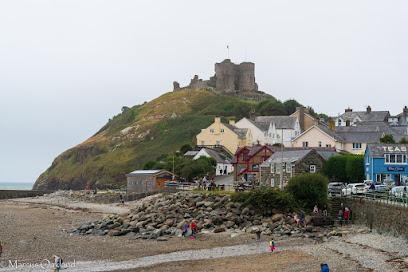
Criccieth
0.4 km
Discover Criccieth, the Pearl of Wales, where medieval castles meet sandy shores and scenic coastal charm enchants every visitor.
Amgueddfa Lloyd George Museum
2.6 km
Explore the life and legacy of David Lloyd George at this intimate museum nestled in his childhood home on the Llŷn Peninsula.
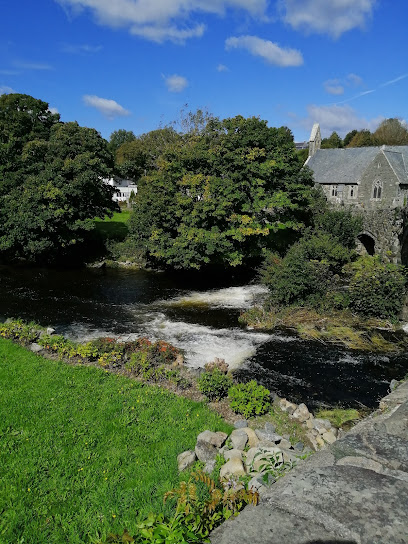
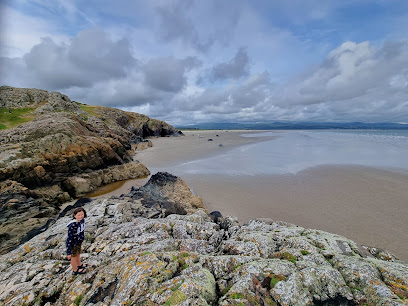
Black Rock Sands Beach
3.1 km
Expansive sandy beach in North Wales where you can drive onto the shore, enjoy water sports, and explore natural rock formations.
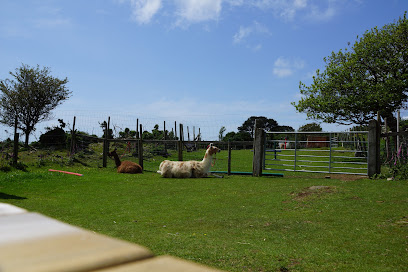
Black Rock Llamas
5.6 km
Discover the charm of llama trekking in scenic Morfa Bychan with friendly guides and gentle llamas at Black Rock Llamas.
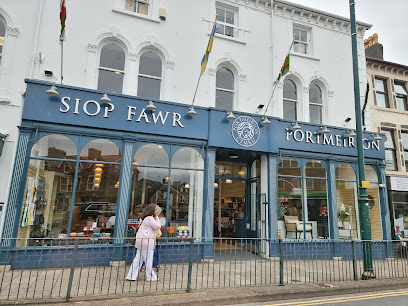
Siop Fawr Portmeirion
6.7 km
Discover North Wales’ oldest department store with unique homewares, Portmeirion pottery, and a charming café under a stunning stained glass dome.
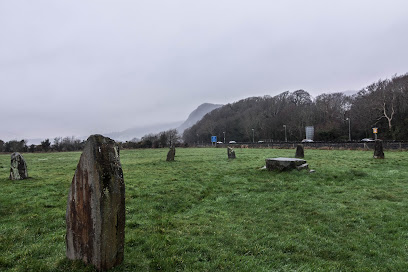
Porthmadog Eisteddfod Stone Circle
6.8 km
A striking stone circle at Porthmadog celebrating Welsh culture and the enduring spirit of the National Eisteddfod.
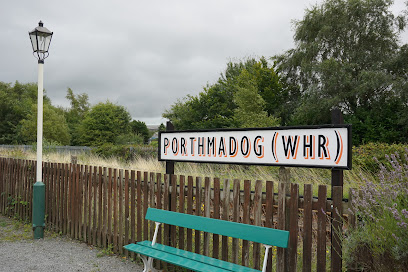
Welsh Highland Heritage Railway
6.9 km
Step aboard a historic narrow-gauge steam train in Porthmadog and explore Wales’ rich railway heritage with hands-on museum experiences.
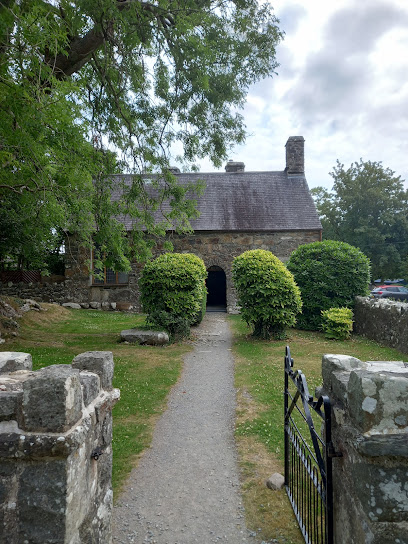
Penarth Fawr
8.0 km
Step into 15th-century Wales at Penarth Fawr, a rare medieval manor showcasing timeless stone architecture and stunning timber craftsmanship.
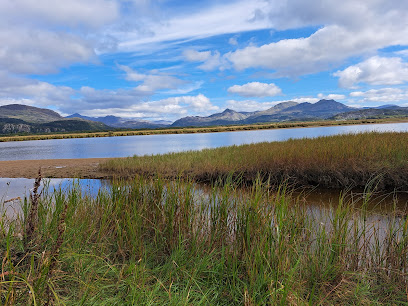
Traeth Glaslyn North Wales Wildlife Trust Nature Reserve
8.8 km
Experience the tidal rhythms and rich wildlife of North Wales’ dynamic salt marsh at Traeth Glaslyn Nature Reserve.
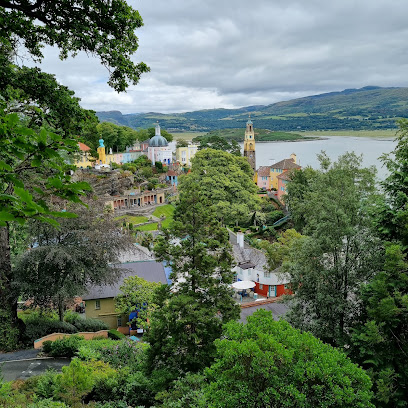
Portmeirion North Wales
9.0 km
A whimsical Italianate village on the Welsh coast blending Mediterranean charm, lush gardens, and iconic cultural history.
Amis Réunis
9.0 km
Discover the whimsical stone ship of Amis Réunis, a cultural icon in Portmeirion blending art, mystery, and the legacy of The Prisoner.
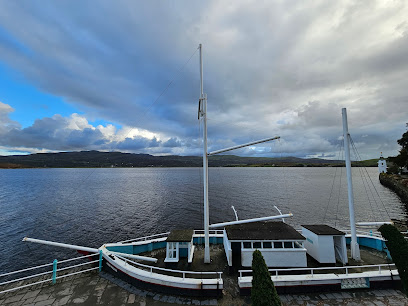
The Dome
9.0 km
Explore Portmeirion’s iconic Dome, a Grade II listed building showcasing unique historical artifacts, artistic treasures, and the village’s rich heritage.
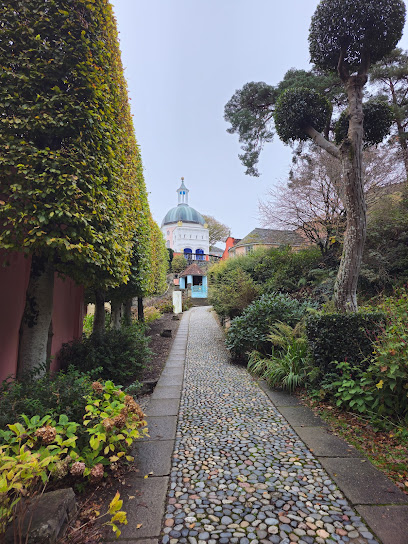
The Village
9.1 km
Discover Portmeirion, a captivating Italianate village in North Wales where Mediterranean charm meets Welsh coastal beauty.
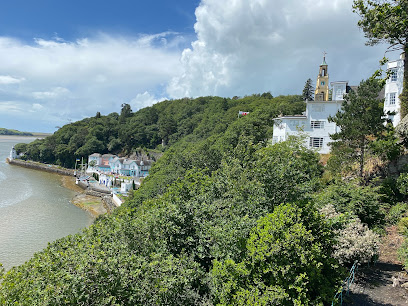
Harlech Castle
10.4 km
Explore Harlech Castle, a stunning 13th-century fortress with breathtaking views of Snowdonia and the Irish Sea, steeped in Welsh history and legend.
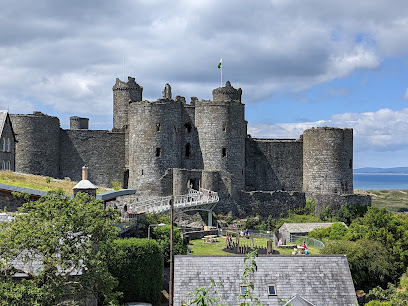
Snowdonia Attractions
11.3 km
Discover the tranquil charm and stunning natural beauty of Snowdonia Attractions at Y Ffor, a gateway to North Wales’ mountains and coast.
Essential places to dine

Tir a Môr
0.3 km
Fresh seafood and warm Welsh hospitality combine at Tir a Môr, a cozy café and restaurant in scenic Criccieth.
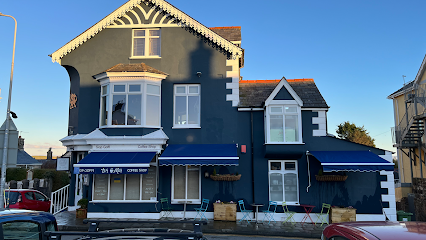
Poachers Restaurant
0.4 km
Experience the heart of Welsh cuisine with fresh local flavors and warm hospitality at Poachers Restaurant in Criccieth.
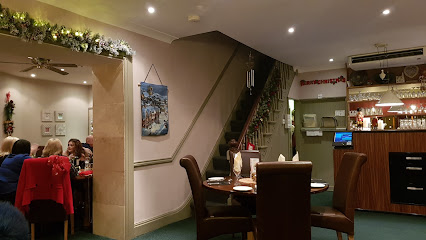
Dylan's Criccieth
0.7 km
Experience fresh Welsh seafood and stunning sea views in a charming Art Deco setting at Dylan's Criccieth on the North Wales coast.
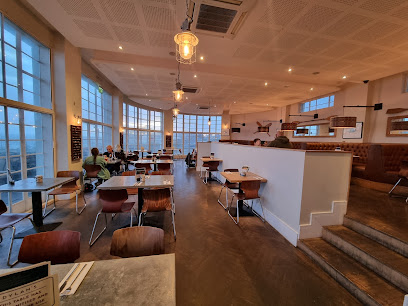
The Goat Inn - Tafarn Yr Afr
6.3 km
A cosy gastropub in Garndolbenmaen serving hearty Welsh fare with warm hospitality and a welcoming atmosphere.
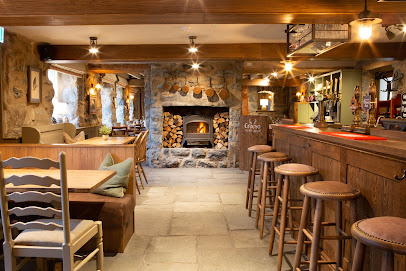
Y Sgwâr
6.6 km
Experience warm hospitality and exquisite British-European cuisine in the heart of historic Tremadog at Y Sgwâr.
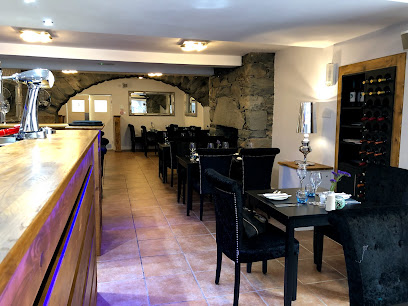
Y Madryn
6.7 km
A cozy village pub and restaurant in Chwilog offering hearty home-cooked meals and a warm, welcoming atmosphere.
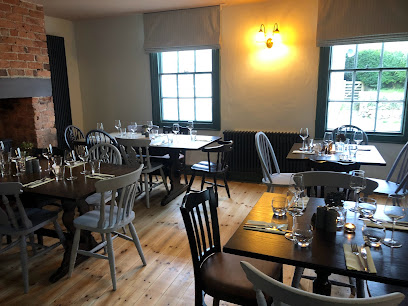
Yr Hen Fecws Restaurant and B&B
6.9 km
A cosy bistro and charming B&B in Porthmadog offering fine seasonal dining and warm Welsh hospitality in the heart of Snowdonia.
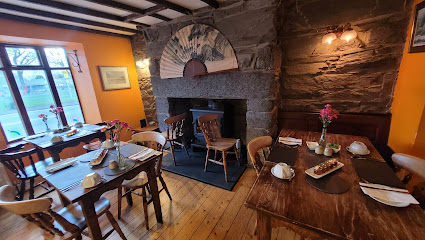
Good Mood restaurant
6.9 km
A stylish Italian and burger restaurant offering harbour views and vibrant dining within Porthmadog’s historic Madoc Yacht Club.
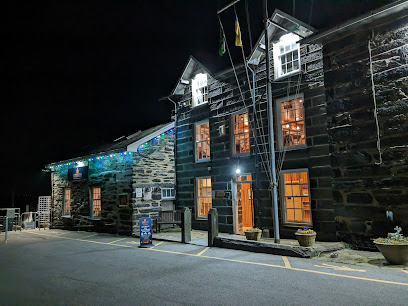
Castell Deudraeth Brasserie
9.2 km
Historic castle dining with contemporary Welsh cuisine and scenic mountain views in the heart of Portmeirion Village.
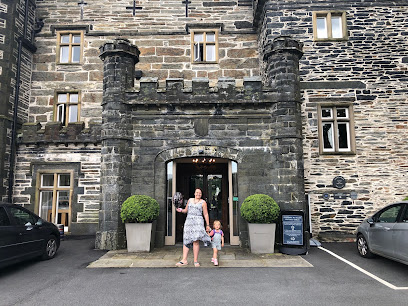
Caffi Castell Harlech
10.5 km
A cozy café in Harlech’s Castle Square serving fresh Welsh produce daily amid historic charm.
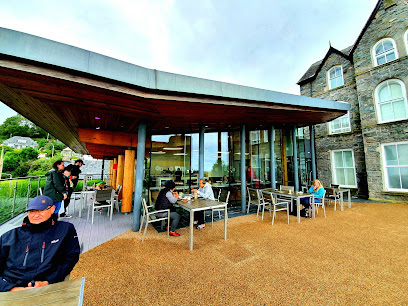
The Plas Restaurant
10.5 km
Savor traditional Welsh flavors with stunning views of Harlech Castle at The Plas Restaurant on Harlech’s High Street.
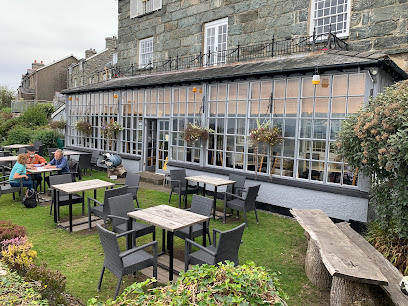
Caffi Colwyn
13.7 km
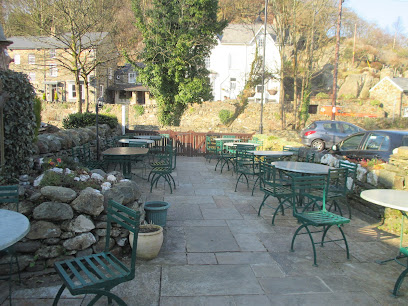
Charming family-run café in Beddgelert with cosy interiors, a peaceful riverside tea garden, and a menu catering to all tastes including vegan and gluten-free options.
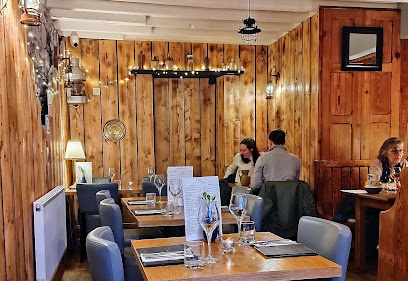
Y Bistro yn yr Hebog
13.7 km
A cozy family-run bistro in Beddgelert offering exquisite local cuisine and warm hospitality in the heart of Snowdonia.
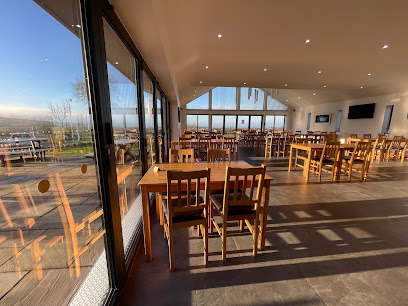
Pant Du Vineyard and Cafe
15.5 km
Discover Pant Du Vineyard and Cafe: Welsh wines, home-cooked meals, and stunning Snowdonia views in a family-friendly rural setting.
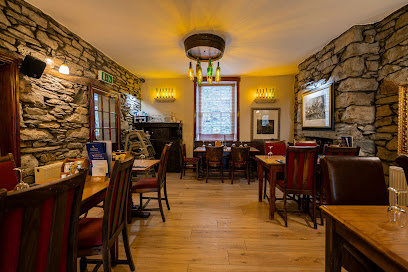
The Grapes Hotel, Bar & Restaurant
16.7 km
A welcoming traditional inn with hearty home-cooked meals and stunning Snowdonia views in the heart of Maentwrog.
Markets, malls and hidden boutiques

Eifion Stores
0.4 km
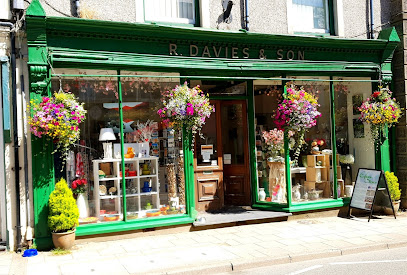
Discover unique Welsh gifts and homewares in a charming Criccieth shop nestled near Snowdonia’s scenic beauty.
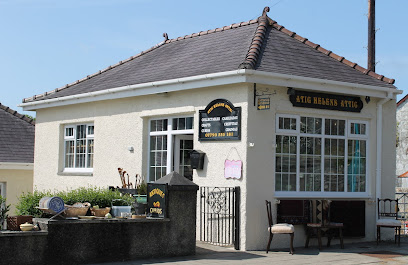
Atig Helens Attic
0.4 km
Discover unique antiques and handcrafted treasures in a warm, family-run shop nestled in the historic heart of Criccieth.
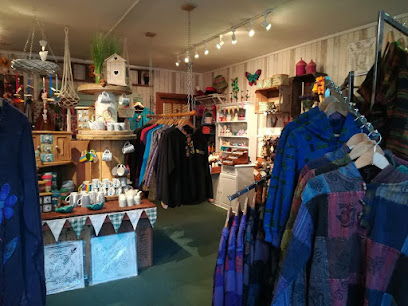
Boho Bazaar
6.8 km
A colourful, fair-trade gift shop on Porthmadog’s High Street, filled with bohemian clothing, handmade jewellery, essential oils and global-inspired décor.
The Original Factory Shop (Porthmadog)
6.9 km
Discover unbeatable deals on quality clothing, beauty, and footwear at The Original Factory Shop in the heart of Porthmadog.

Crafts North Wales
7.0 km
Discover authentic handmade crafts and local treasures at Crafts North Wales, a charming gift shop in the heart of Porthmadog.
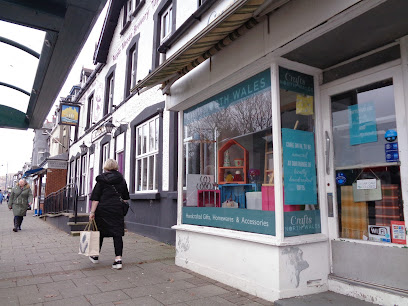
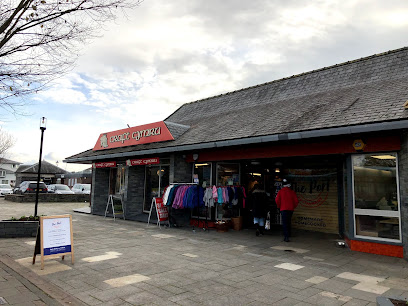
Cymru Country Store
7.0 km
Discover authentic Welsh gifts and crafts at Cymru Country Store, Porthmadog’s charming souvenir shop on High Street.
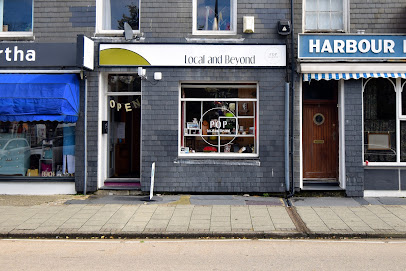
Pop Local And Beyond
7.0 km
Discover authentic Welsh handmade gifts and homeware at Pop Local and Beyond, supporting local artisans in the heart of Porthmadog.
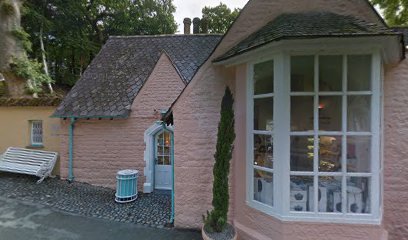
The Ship Shop
8.9 km
Discover unique gifts and local charm at The Ship Shop, nestled in the enchanting Italianate village of Portmeirion, North Wales.
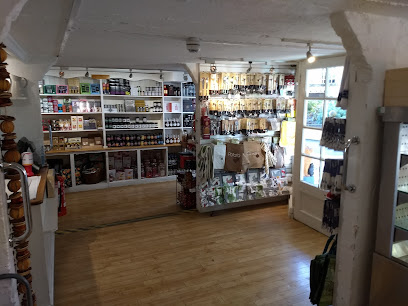
Pot Jam
8.9 km
Discover authentic Welsh jams, chutneys, and local treats in the charming pantry shop of Portmeirion’s scenic village.
Bron y Garth Emporium
10.3 km
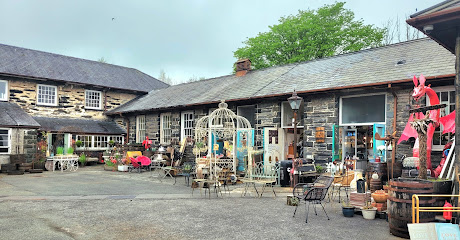
Discover authentic Welsh craftsmanship and vintage treasures at Bron y Garth Emporium, a charming multi-building homewares shop in Penrhyndeudraeth.
Castle Gift Shop
10.4 km
Discover authentic Welsh gifts and souvenirs at this charming family-run shop opposite historic Harlech Castle.
Wool & Gifts Harlech
10.4 km
Discover authentic Welsh wool crafts and charming gifts in the heart of historic Harlech’s Castle Square.
Pwts
10.5 km
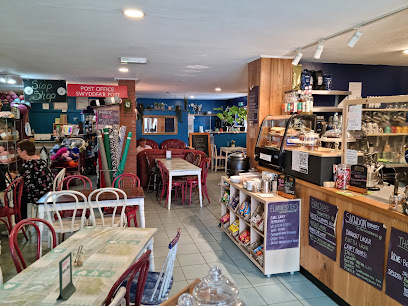
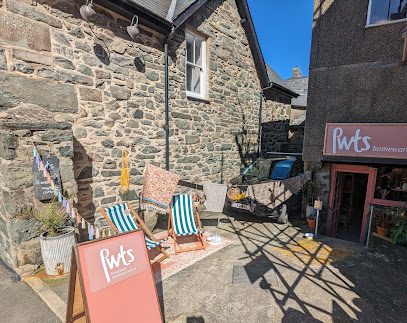
Discover unique Welsh gifts and homewares at Pwts, a charming independent shop near Harlech Castle offering artisan treasures and local craftsmanship.
Seasons & Reasons
10.5 km
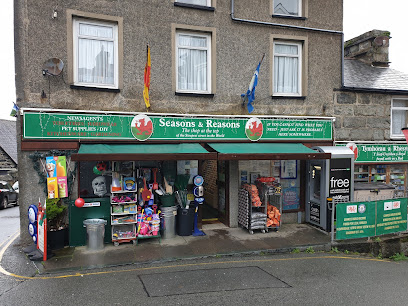
Discover the charm of Harlech at Seasons & Reasons, your ultimate DIY store for home improvement and creative projects.
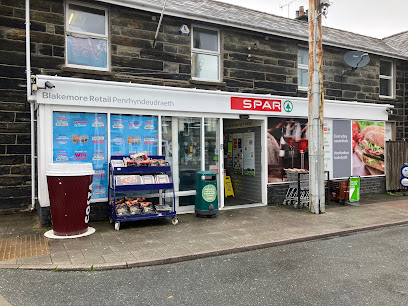
SPAR Penrhyn
11.2 km
Discover SPAR Penrhyn, your convenient shopping destination in Penrhyndeudraeth, offering local favorites and essentials for every traveler.
Essential bars & hidden hideouts

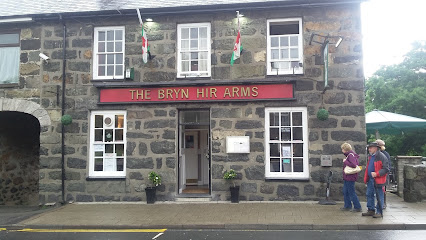
Bryn Hir Arms
0.4 km
Experience authentic Welsh pub culture with great beers, warm hospitality, and a lively atmosphere in the heart of Criccieth.
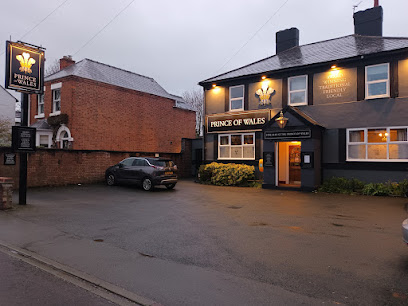
Prince of Wales
0.4 km
A welcoming traditional pub in Criccieth offering hearty meals, lively social atmosphere, and a true taste of Welsh coastal charm.
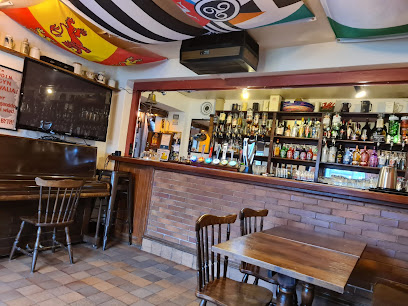
Tafarn Y Plu
2.5 km
Historic Welsh pub in Llanystumdwy offering traditional fare, local ales, and a cozy atmosphere steeped in Welsh culture.
Tafarn Glanaber
4.5 km
Cozy coastal bar and restaurant in Morfa Bychan serving fresh Welsh seafood with stunning sea views and a warm, relaxed atmosphere.
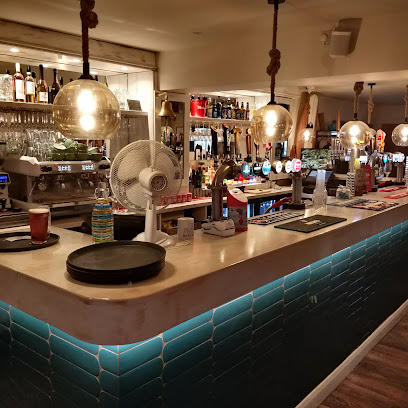
Black Rock Beach Club
4.5 km
Stylish beachside dining and drinks with heated outdoor terrace, BBQ flavors, and a welcoming vibe in Morfa Bychan, North Wales.
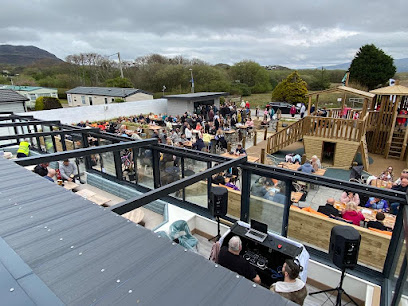
The Union Inn
6.7 km
Historic 19th-century village pub in Tremadog offering cozy rooms, traditional Welsh fare, and a warm, welcoming atmosphere.
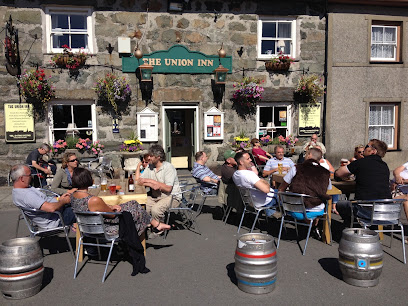
Red Lion
6.8 km
A welcoming traditional Welsh pub in Porthmadog with a spacious beer garden, pool table, and lively atmosphere for locals and visitors alike.
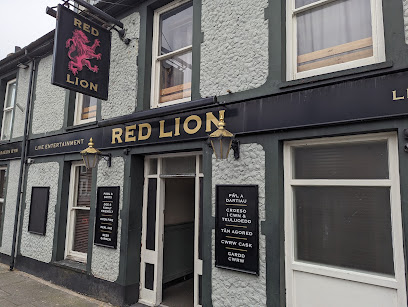
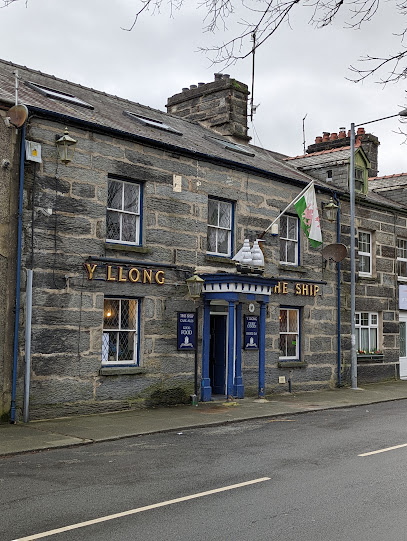
The Ship Inn/ Y Llong
6.9 km
A traditional Welsh pub in Porthmadog offering hearty homemade meals and a warm, welcoming atmosphere steeped in maritime heritage.
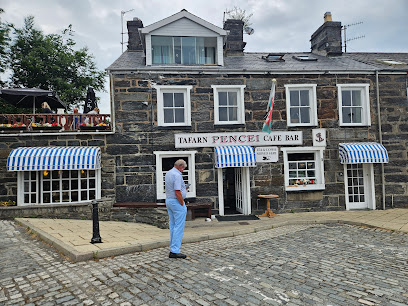
Tafarn Pencei
6.9 km
Historic Grade II listed pub on Porthmadog’s harbour, serving traditional ales and diverse food in a welcoming Welsh atmosphere.
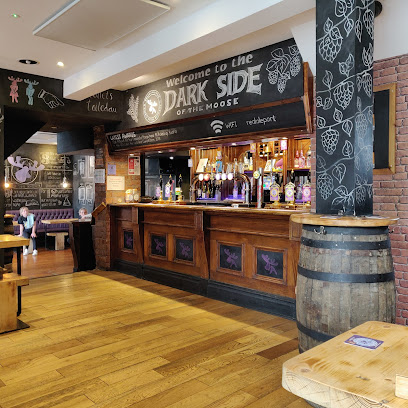
The Australia
7.0 km
A lively Purple Moose Brewery pub in Porthmadog offering hearty pub fare, vegan options, and a welcoming atmosphere with local craft beers.
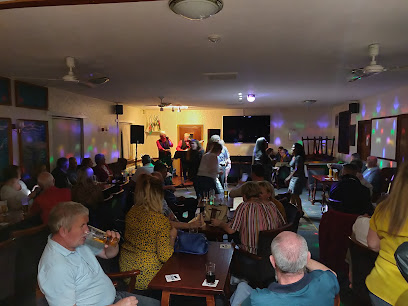
Clwb Llyn Bach
7.1 km
A lively pub and social club in Porthmadog offering spirited nights, friendly service, and a welcoming atmosphere for locals and visitors alike.
Vics Boogie-Nights
10.0 km
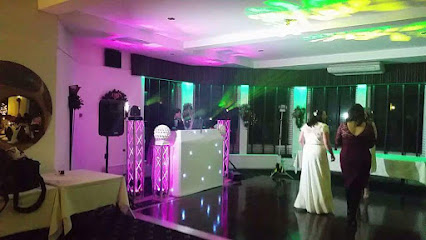
Energetic bar in Abererch offering lively DJ nights and a friendly atmosphere for music lovers and nightlife seekers.
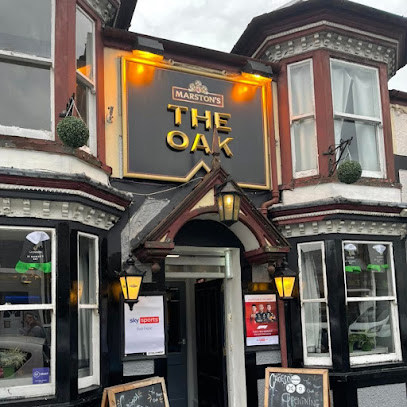
Oak
11.2 km
A traditional Welsh pub in Penrhyndeudraeth offering friendly atmosphere, well-kept Marston’s ales, hearty food, and a genuine local experience.
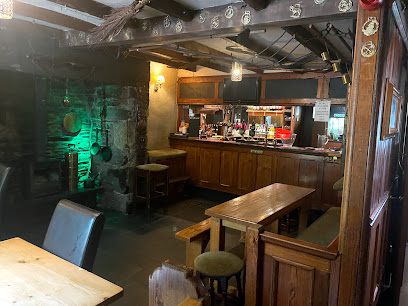
The Brondanw Arms
12.0 km
A charming Welsh country pub in Llanfrothen offering hearty food, local ales, dog-friendly warmth, and stunning countryside views.
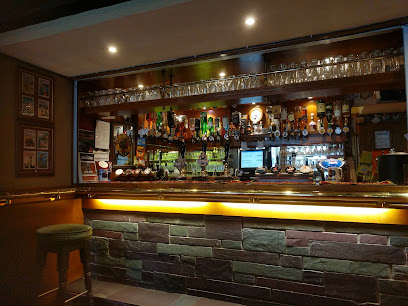
Tanronnen Inn
13.7 km
Traditional Welsh inn and pub in scenic Beddgelert, offering cozy rooms, hearty home-cooked meals, and warm hospitality near Snowdon.
Nightclubs & after hour spots

The Cove
6.9 km
Experience the vibrant nightlife at The Cove in Hafan Y Mor, North Wales, where music, dancing, and unforgettable memories await.

New Horizons
19.5 km
Experience vibrant nightlife and lively music at New Horizons, Dyffryn Ardudwy’s welcoming nightclub with spaces for all ages.

The Club Barmouth
24.6 km
Experience vibrant Saturday nights at The Club Barmouth, where stylish vibes meet lively music by the scenic Welsh coast.
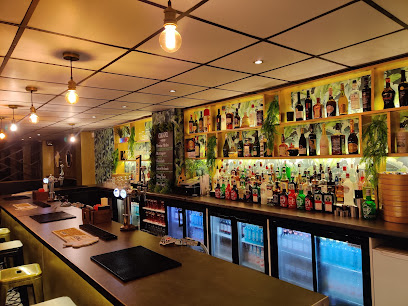
The Victoria
34.6 km
Traditional Welsh pub and restaurant with scenic Menai Strait views, recently refurbished for a welcoming and modern experience.
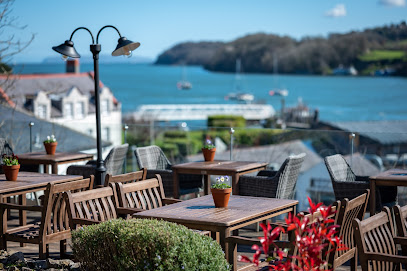
Academi
35.1 km
Bangor’s beloved student nightclub, offering vibrant music, a welcoming atmosphere, and a central role in university social life.
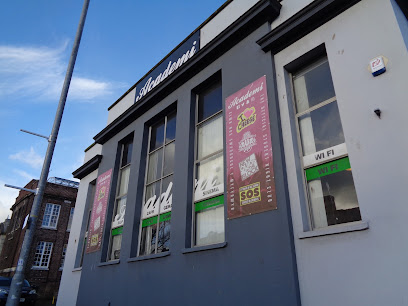
Trilogy Nightclub
35.6 km
Experience Bangor’s vibrant nightlife at Trilogy Nightclub, where diverse music rooms and lively weekend parties create unforgettable nights.
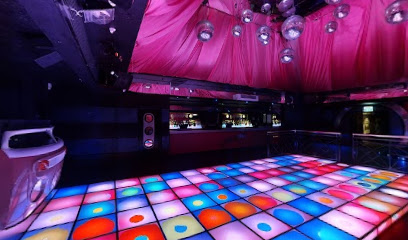
Wellman's Sports & Social Club
37.6 km
Llangefni’s vibrant social hub with lively entertainment, spacious dance floor, and a welcoming community atmosphere.
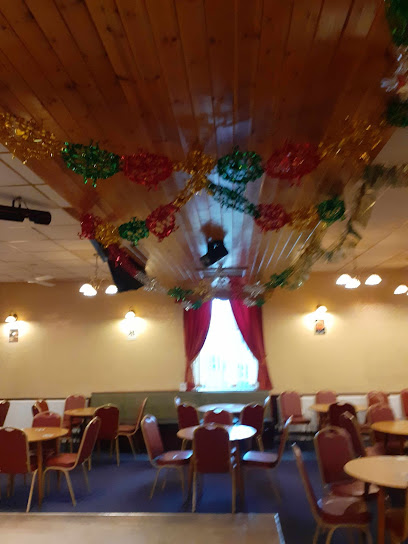
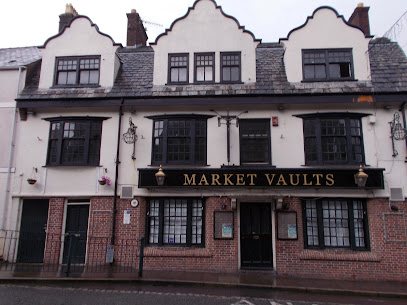
The Market Vaults
38.2 km
Experience the warm ambiance and local flavors at The Market Vaults, a beloved pub in the heart of Llangefni.
The Foundry Vaults
38.2 km
Discover the vibrant atmosphere and exciting entertainment at The Foundry Vaults, Llangefni's premier pub for drinks, karaoke, and sports.
The Buffs
51.5 km
A welcoming social club in Holyhead offering lively nights, friendly faces, and a true taste of local nightlife on Cambria Street.
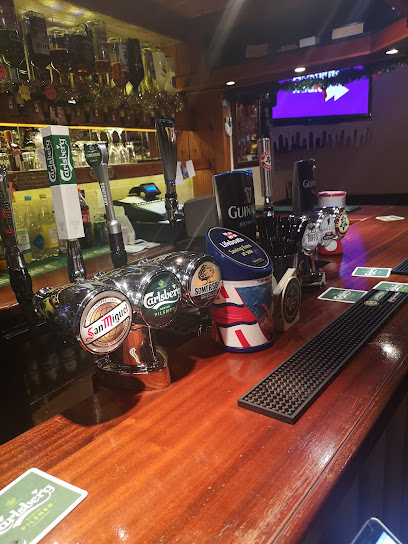
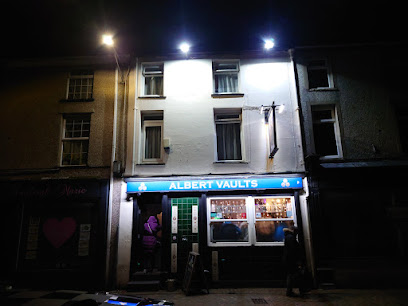
Albert Vaults
51.6 km
Experience authentic Welsh hospitality at Albert Vaults, a charming pub in Anglesey with a vibrant atmosphere and exceptional drinks.
Club 147
52.9 km
Llandudno’s energetic nightclub and sports bar offering electronic beats, pool, and a lively social scene in the town centre.

Broadway Boulevard
52.9 km
Llandudno’s largest nightclub, Broadway Boulevard pulses with vibrant music, themed events, and a lively party atmosphere in the heart of town.

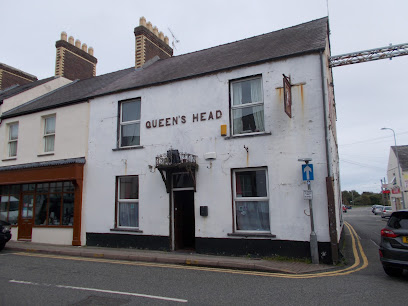
The Queens Head
55.4 km
Experience the heart of Amlwch at The Queens Head, a welcoming pub with local ales and hearty meals in a cozy atmosphere.
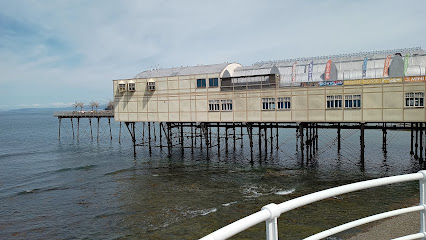
Pier Pressure
56.5 km
Experience Aberystwyth’s vibrant nightlife at Pier Pressure, a lively nightclub set on the historic Royal Pier by scenic Cardigan Bay.
For the vibe & atmosphere seeker
- Scenic
- Tranquil
- Historic
- Relaxing
For the design and aesthetic lover
- Rustic Designs
- Vintage Styles
For the architecture buff
- Historic
- Landmarks
For the view chaser and sunset hunter
- Iconic Views
- Panoramas
- Waterfront
- Sunset Spots
For the social media creator & influencer
- Instagrammable
- Photo Spots
- Selfie Spots
- Architectural Shots
For the eco-conscious traveler
- Public-Transport Accessible
- Low Impact
- Locally Managed
For the kind of experience you’re after
- Cultural Heritage
- Photowalk
- Nature Escape
- Day Trip
- Weekend Getaway
- Myth & Legends
For how adventurous you want the journey to be
- Easy Access
Location Audience
- Family Friendly
- Senior Friendly
- Child Friendly
- Teen Friendly
- Solo Friendly
- Couple Friendly
- Pet Friendly


