

Snowdonia National Park Travel Guide - Free Web & App
Your ultimate guide to Snowdonia National Park. Discover top landmarks, proposed trips, and local tips. Free on the web or via the Evendo companion app.


Snowdonia National Park in Wales offers Eryri mountains, Yr Wyddfa, lakes, castles, walking routes, heritage railways and outdoor adventures.
A Mountain Landscape in North Wales
Snowdonia National Park, officially known in Welsh as Eryri National Park, occupies a broad area of north-west Wales where rugged mountain ranges, glacial valleys, dark lakes and a deeply layered cultural landscape meet. Its centrepiece is Yr Wyddfa, known in English as Snowdon, the highest mountain in Wales and a major focus for walkers, mountain railway passengers and visitors exploring the surrounding Llanberis Pass. Yet the park extends far beyond its best-known summit, encompassing the Carneddau, Glyderau, Moel Hebog and Cadair Idris ranges, as well as the coast and estuaries of northern and western Wales.Read more about Snowdonia National Park
Landscape, Wildlife and Outdoor Life
Welsh Culture and Industrial Heritage
When is the best time to visit Snowdonia National Park?
Best: June–August · 19–21°C| Month | High (°C) | Rainfall (mm) |
|---|---|---|
| January | 8 | 100 |
| February | 7 | 80 |
| March | 9 | 80 |
| April | 12 | 70 |
| May | 15 | 80 |
| June (best) | 19 | 90 |
| July (best) | 21 | 90 |
| August (best) | 21 | 90 |
| September | 18 | 80 |
| October | 14 | 90 |
| November | 11 | 100 |
| December | 8 | 110 |
Getting to and around Snowdonia National Park
How to get there
Transportation
Best attractions in Snowdonia National Park
Snowdonia National Park offers an unusually broad range of attractions across its mountain and coastal landscape. Yr Wyddfa, or Snowdon, draws walkers to routes from Llanberis, Pen-y-Pass, Beddgelert and other approaches, while the Snowdon Mountain Railway provides a separate way to experience the summit area when operating and available. The Glyderau are known for rugged high-level terrain and distinctive rock formations, and Cadair Idris dominates the southern part of the park above Dolgellau. Llyn Padarn at Llanberis, Llyn Tegid near Bala and the waterfalls of Betws-y-Coed provide lower-level alternatives. Visitors can explore slate heritage around Llanberis, Bethesda, Blaenau Ffestiniog and the Nantlle Valley, take heritage railway journeys from Porthmadog and other gateways, or visit Harlech Castle and the communities around the western coast. Beddgelert, Betws-y-Coed and Dolgellau add village character, local history and access to different parts of the park.
-
National park
Eryri National Park (Snowdonia)
Discover Wales’ wild heart in Eryri National Park—where towering peaks, rich heritage, and tranquil landscapes await every adventurer.
-
Tourist attraction
Llandudno Pier
Explore Wales’ longest Victorian pier with stunning sea views, lively arcades, and family-friendly fun on Llandudno’s iconic waterfront.
-
Castle
Conwy Castle
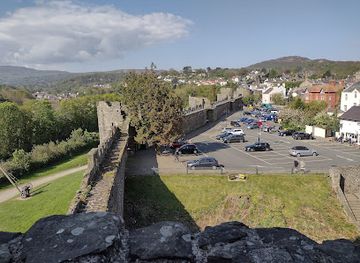
Explore Conwy Castle, a majestic 13th-century fortress with breathtaking views of Snowdonia and the Welsh coast, steeped in history and heritage.
-
Castle
Caernarfon Castle
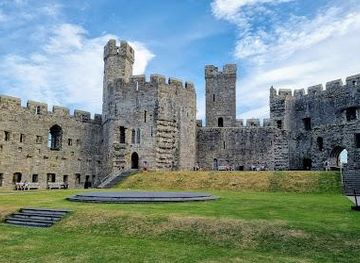
Explore Caernarfon Castle, a majestic medieval fortress with rich royal history and breathtaking views of North Wales’ coastline.

Best landmarks in Snowdonia National Park
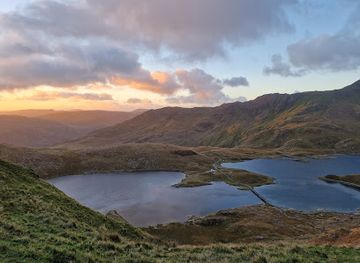
The defining natural landmark is Yr Wyddfa, the highest mountain in Wales, whose summit and ridges overlook several glacial valleys and lakes. The Glyderau's weathered rock formations and the broad, imposing massif of Cadair Idris provide contrasting mountain identities in the north and south of the park. Llyn Padarn and Llyn Tegid are major freshwater landmarks, while the Conwy Valley and the wooded surroundings of Betws-y-Coed show the transition from high mountain terrain to lower valleys. Human landmarks include Harlech Castle and the wider Edwardian castle heritage of north-west Wales, the slate quarries and industrial remains around Llanberis and Blaenau Ffestiniog, and the viaducts and stations of the region's narrow-gauge railways. Together these features demonstrate that Snowdonia's identity is formed as much by working landscapes, transport and settlement as by dramatic peaks.
-
Castle
Caernarfon Castle
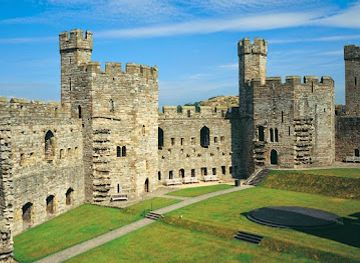
Explore Caernarfon Castle, a majestic medieval fortress with iconic polygonal towers, rich history, and stunning views in the heart of North Wales.
-
Bridge
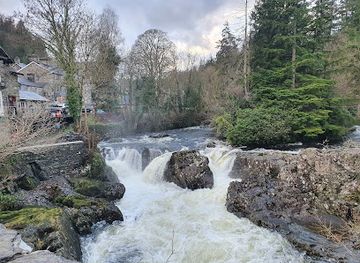
Pont-y-Pair Bridge
Historic medieval bridge with bubbling waterfall, scenic views, and rich cultural legacy in the heart of Betws-y-Coed.
-
Historical landmark
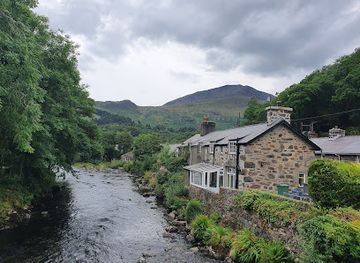
Bedd Gelert
Discover Beddgelert, a charming village in Snowdonia National Park where legend, nature, and Welsh hospitality unite in stunning mountain surroundings.
-
Historical landmark
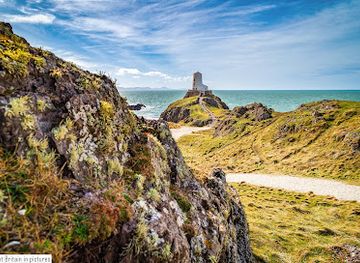
Goleudy Tŵr Mawr
Historic white lighthouse on a magical tidal island, offering spectacular coastal views and rich Welsh maritime heritage.
Explore Snowdonia National Park on the map
Plan your trip on one map. See where the top attractions, landmarks, restaurants and hotels are, and book hotels and experiences in a few clicks.
Best hotels in Snowdonia National Park
Best restaurants in Snowdonia National Park
Dining in and around Snowdonia reflects a rural, Welsh-speaking region shaped by farming, fishing, forestry and tourism. Gateway towns and villages such as Llanberis, Betws-y-Coed, Beddgelert, Dolgellau, Bala, Porthmadog and Harlech provide the main concentration of cafés, pubs, bakeries and restaurants, while options become sparse in remote valleys and on mountain approaches. Menus may feature Welsh lamb and beef, locally sourced vegetables, farmhouse cheeses, bara brith and Welsh cakes, alongside seafood from the north and west Wales coast where available. Traditional inns and village pubs remain important places for food and conversation, while farm shops and independent producers offer regional ingredients for self-catering. Welsh beer, cider and gin may appear on local drinks lists, though specific menus and opening arrangements vary seasonally and should be checked before travelling.
-
Restaurant
Black Boy Inn Four & Six Restaurant & Bar
Historic Welsh inn in Caernarfon offering charming rooms, award-winning local cuisine, and a warm, authentic atmosphere near Snowdonia.
-
Restaurant
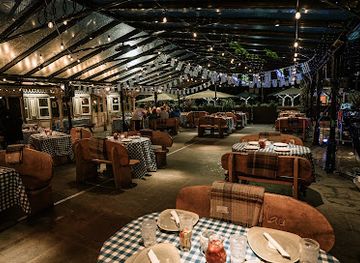
Y Stablau - Stables Bar
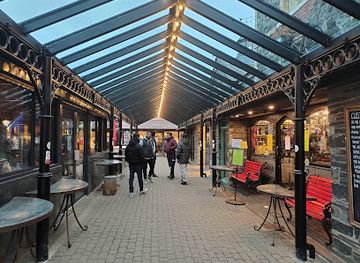
A lively bar and restaurant in Betws-y-Coed offering fresh local food, Welsh ales, live entertainment, and a welcoming atmosphere year-round.
-
Pizza
Hangin' Pizzeria
Savor wood-fired pizzas and local charm at Hangin' Pizzeria, a cozy spot nestled in Betws-y-Coed’s stunning Snowdonia National Park setting.
-
Seafood
Dylan's Criccieth
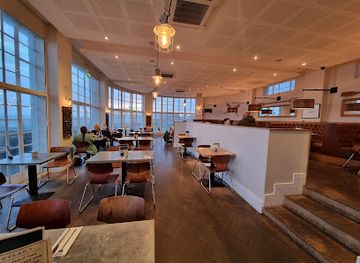
Eclectic seafood dining in a stunning Art Deco building with sweeping sea views on Criccieth’s Esplanade.

Best bars in Snowdonia National Park
Evening entertainment in Snowdonia is generally quiet and community-centred rather than club-focused. Traditional pubs and inns in places such as Betws-y-Coed, Llanberis, Beddgelert, Dolgellau and Bala provide spaces for local conversation, food and drinks, with occasional live music or cultural events depending on the season and venue. Larger towns around the park, including Porthmadog, Caernarfon and Bangor, offer a broader choice of pubs, bars, cinemas and evening performances, but they are gateway settlements rather than nightlife districts within the mountains. In remote valleys, the evening may be defined by dark skies, rural tranquillity and the facilities of a guesthouse or self-catering base. Visitors should not expect late-night transport between dispersed villages, and event programmes and venue availability change throughout the year.
-
Bar
Black Boy Inn Four & Six Restaurant & Bar
Historic Welsh inn and lively bar in Caernarfon offering hearty local cuisine and timeless charm in the heart of North Wales.
-
Bar
Y Stablau - Stables Bar
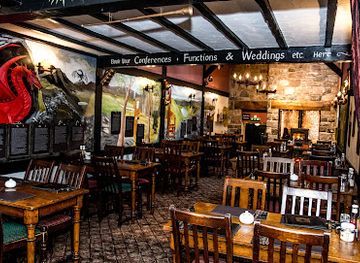
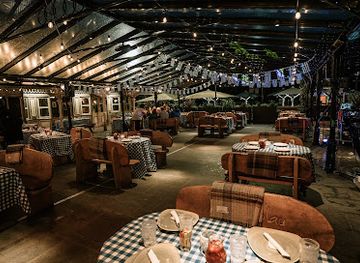
A lively bar and restaurant in Betws-y-Coed offering fresh local Welsh cuisine, cask ales, and a welcoming atmosphere inside and out.
-
Grill
Cross Foxes - Bar Grill Rooms
A welcoming bar and grill in Dolgellau serving local seasonal dishes with scenic views towards Snowdonia.
-
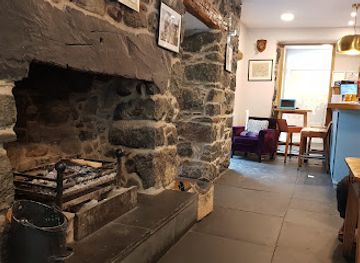
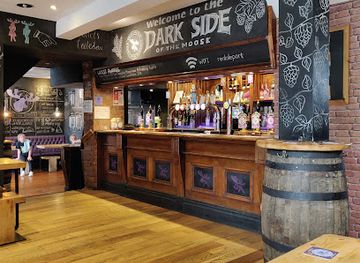
Pub
The Australia
A lively Purple Moose Brewery pub in Porthmadog offering hearty pub fare, vegan options, and a welcoming atmosphere with local craft beers.
Best nightclubs in Snowdonia National Park
Evening entertainment in Snowdonia is generally quiet and community-centred rather than club-focused. Traditional pubs and inns in places such as Betws-y-Coed, Llanberis, Beddgelert, Dolgellau and Bala provide spaces for local conversation, food and drinks, with occasional live music or cultural events depending on the season and venue. Larger towns around the park, including Porthmadog, Caernarfon and Bangor, offer a broader choice of pubs, bars, cinemas and evening performances, but they are gateway settlements rather than nightlife districts within the mountains. In remote valleys, the evening may be defined by dark skies, rural tranquillity and the facilities of a guesthouse or self-catering base. Visitors should not expect late-night transport between dispersed villages, and event programmes and venue availability change throughout the year.
-
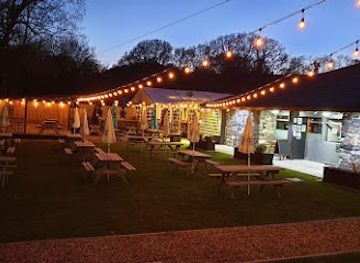
Pub
Bryn Arms
A cozy pub in Gellilydan offering hearty homemade meals, lively events, and charming gardens for a welcoming Welsh experience.
-
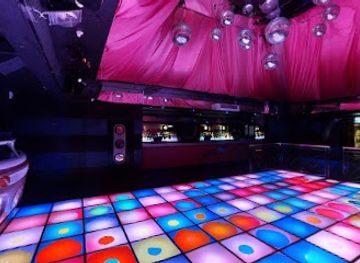
Nightclub
Trilogy Nightclub
Experience Bangor’s vibrant nightlife at Trilogy Nightclub, where diverse music rooms and lively weekend parties create unforgettable nights.
-
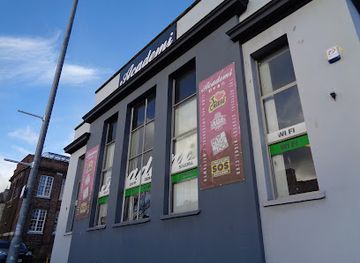
Nightclub
Academi
Bangor’s beloved student nightclub, offering vibrant music, a welcoming atmosphere, and a central role in university social life.
-
Nightclub
Club 147
Llandudno’s energetic nightclub and sports bar with vibrant DJ sets, casual vibes, and a central location on Mostyn Street.

Best shops in Snowdonia National Park
Shopping within Snowdonia is concentrated in gateway towns and villages rather than in a single commercial centre. Llanberis, Betws-y-Coed, Dolgellau, Bala, Porthmadog, Harlech and Caernarfon provide everyday shops, outdoor equipment, cafés, galleries and independent businesses, while village shops serve local communities and visitors staying in the valleys. Regional products may include Welsh wool and textiles, locally made pottery, woodwork, artwork, books, preserves, honey, cheese and baked goods, although stock varies between businesses. Farm shops and food producers are useful for self-catering supplies and gifts, particularly where visitors are staying in cottages or rural accommodation. Slate products and slate-related craft goods reflect the area's industrial heritage. Remote trailheads and mountain viewpoints have little or no retail provision, so food, water and practical equipment should be obtained before setting out.
-
Convenience Store
Co-op Food - Blaenau Ffestiniog
Your friendly Co-op Food store on Blaenau Ffestiniog’s High Street, offering fresh, ethical groceries and community care every day.
-
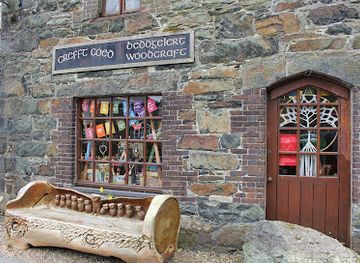
Craft shop
Beddgelert Woodcraft
Discover handcrafted Welsh wooden gifts and ethnic crafts in the heart of Snowdonia’s picturesque village of Beddgelert.
-
Gift shop
The Knight Shop
Discover authentic medieval and Viking treasures at The Knight Shop, Conwy’s premier destination for historical replicas and unique gifts.
-
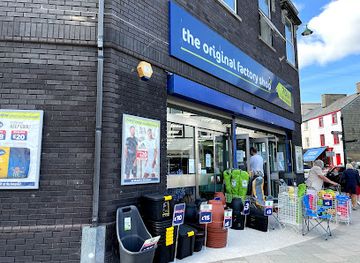
Discount shop
The Original Factory Shop (Porthmadog)
Discover unbeatable deals on big brands at The Original Factory Shop in Porthmadog, your friendly local discount destination for fashion, beauty, and homeware.


Get your free copy of our complete guide to Snowdonia National Park, delivered straight to you.
Everything on this page, from attractions and restaurants to essentials and local phrases, in one PDF you can read offline, print or share.
Already have an account? Sign in
Your Snowdonia National Park guide is ready.
We'll send it to · Not you? Sign out

Getting your guide ready…
We are putting together a fresh copy of the Snowdonia National Park guide. This can take up to a minute.
This can take a few moments. If your browser asks, choose Allow so the download can start. You'll find the guide in your Downloads folder.
Nothing happened? Download it again
Sorry, the guide is taking longer than usual. Please try again in a minute, or get it by email instead.
Snowdonia National Park essentials
Currency and Payment
Safety
Emergency Situations
Do's and Don'ts
Local Tips
From Eve
Local phrases worth knowing
You don't need to get them perfect. A few words go a long way, and locals appreciate the effort.
Basics
| English | Local | Say it |
|---|---|---|
| Hello | Helo | [heh-lo] |
| Goodbye | Hwyl fawr | [hoyl vowr] |
| Yes | Iawn | [ee-oun] |
| No | Na | [nah] |
| Please/You're welcome | Os gwelwch yn dda | [os gweh-luch un thah] |
| Thank you | Diolch | [dee-olch] |
| Excuse me/Sorry | Mae'n ddrwg gennyf | [mine droog gen-iv] |
| How are you? | Sut wyt ti? | [sit weet tee] |
| Fine. And you? | Iawn. A ti? | [ee-oun. Ah tee] |
| Do you speak English? | Wyt ti'n siarad Saesneg? | [weet teen sha-rad sighs-neg] |
| I don't understand | Dydw i ddim yn deall | [dih-dwee eethim un deh-ahl] |
Eating & Drinking
| English | Local | Say it |
|---|---|---|
| I'd like to see the menu, please | Hoffwn i weld y fwydlen, os gwelwch yn dda | [hoff-oon ee weld uh voo-id-len, os gweh-luch un thah] |
| I don't eat meat | Dydw i ddim yn bwyta cig | [dih-dwee eethim un boo-ee-tah keeg] |
| Cheers! | Iechyd da! | [yeh-khid dah] |
| I would like to pay, please | Hoffwn i dalu, os gwelwch yn dda | [hoff-oon ee tal-ee, os gweh-luch un thah] |
Emergencies
| English | Local | Say it |
|---|---|---|
| Help! | Help! | [help] |
| Go away! | Dewch yma! | [dewch um-ah] |
| Call the Police! | Galw'r heddlu! | [gal-oor hedh-lee] |
| Call a doctor! | Galw meddyg! | [gal-oor meth-ig] |
| I'm lost | Dw i'n colled | [doo een choll-ed] |
| I'm ill | Dw i'n sal | [doo een sahl] |
Shopping
| English | Local | Say it |
|---|---|---|
| I'd like to buy... | Hoffwn i brynu... | [hoff-oon ee brin-ee] |
| I'm just looking | Dw i'n edrych jyst | [doo een ed-reech jist] |
| How much is it? | Faint yw e? | [vaynt yoo eh] |
| That's too expensive | Mae hynny'n rhy drud | [my hun-yn ree dreed] |
| Can you lower the price? | Allwch chi ostwng y pris? | [ahl-lukh chee ost-ung uh prees] |
Time & Numbers
| English | Local | Say it |
|---|---|---|
| What time is it? | Faint yw'r awr? | [vaynt yoore ow-er] |
| It's one o'clock | Mae hi'n un o'r gloch | [my heen een ore gloch] |
| Half past (10) | Hanner wedi (10) | [han-er weh-dee (10)] |
| Morning | Bore | [bor-eh] |
| Afternoon | Prynhawn | [prin-hown] |
| Evening | Noswaith | [nos-wyth] |
| Yesterday | Ddoe | [thoy] |
| Today | Heddiw | [hed-ee] |
| Tomorrow | Yfory | [uh-vor-ee] |
| 1 | Un | [een] |
| 2 | Dau | [die] |
| 3 | Tri | [tree] |
| 4 | Pedair | [peh-dy-eer] |
| 5 | Pum | [peem] |
| 6 | Chwech | [khwech] |
| 7 | Saith | [sigh-ith] |
| 8 | Wyth | [weeth] |
| 9 | Naw | [now] |
| 10 | Deg | [deg] |
Transport & Directions
| English | Local | Say it |
|---|---|---|
| Where's a/the...? | Ble mae'r...? | [bleh myre...?] |
| What's the address? | Beth yw'r cyfeiriad? | [beth yoo're ku-yeh-ree-ad?] |
| Can you show me (on the map)? | Allwch chi ddangos i mi (ar y map)? | [ahl-lukh chee thang-os ee mee (ar uh map)?] |
| When's the next (bus)? | Pryd mae'r (bws) nesaf? | [preed myre (boos) ness-av?] |
| A ticket (to ....) | Tocyn (i ....) | [toh-kin (ee ....)] |
History of Snowdonia National Park
A Landscape Shaped by Ice and Rock
The mountains and valleys of Snowdonia were formed over immense geological timescales, with ancient volcanic and sedimentary rocks later carved by glaciers during the Ice Age. This process created the distinctive peaks, corries, passes and ribbon lakes that define Eryri today. Yr Wyddfa, the Glyderau and the Carneddau display particularly varied rocky landscapes, while glacial valleys such as Nant Gwynant and Llanberis provide routes through the mountain country. Geological history remains visible in the area's cliffs, screes and exposed ridges, although the landscape visitors encounter has also been substantially altered by farming, quarrying, forestry and tourism.
Early Communities and Medieval Wales
People have lived and worked in the region since prehistoric times, leaving traces that include standing stones, hillforts and other archaeological remains. In the medieval period, the mountains formed part of the heartland of the princes of Gwynedd, whose political power was challenged and eventually subdued by Edward I in the late thirteenth century. Castles at Harlech and Caernarfon, both associated with Edwardian conquest and now part of the UNESCO-designated Castles and Town Walls of King Edward in Gwynedd, reflect the strategic importance of north-west Wales. The surviving Welsh language and local traditions continue to connect modern communities with this long history.
Farming, Slate and Rural Industry
For centuries, upland communities combined livestock farming with forestry, quarrying, small-scale extraction and trade. From the eighteenth and nineteenth centuries, industrial slate quarrying transformed parts of north-west Wales, particularly around Llanberis, Bethesda, Blaenau Ffestiniog and the Nantlle Valley. Quarrymen excavated extensive mountain workings and moved slate through inclines, tramways, roads and railways towards ports and markets. The industry created distinctive settlements and left vast terraces, tips and workings in the landscape. Although large-scale quarrying declined, its physical and cultural legacy remains central to the region's identity and is represented by the Slate Landscape of North-west Wales World Heritage Site.
Railways, Tourism and Mountaineering
Improved roads and railways in the nineteenth century made the mountains increasingly accessible to visitors from beyond Wales. The opening of the Snowdon Mountain Railway in 1896 established a celebrated route towards the summit of Yr Wyddfa, while narrow-gauge lines built for industrial transport later became important heritage railways. Artists, writers, climbers and early mountaineers helped shape the area's reputation as a place for landscape appreciation and adventure. Tourism grew alongside local transport, accommodation and guiding traditions, though many valleys continued to depend on farming and quarrying rather than visitors alone.
National Park and Contemporary Conservation
Snowdonia National Park was designated in 1951, becoming the first national park in Wales. Its purposes include conserving the landscape and cultural heritage while enabling public enjoyment and supporting the communities that live and work within it. Modern management must balance heavy visitor pressure on popular routes, rural access, housing and transport concerns, farming needs, biodiversity, water resources and the preservation of Welsh-language communities. Renaming the park Eryri National Park in Welsh reflects the prominence of the Welsh language in its contemporary identity, while the English name Snowdonia remains widely used internationally.
Snowdonia National Park in Photos
Browse through our photo collection highlighting the charm and character of the destination.
Neighbouring destination travel guides
The closest destinations to Snowdonia National Park, if you have time for more than one.
-
 Llandudno
, United Kingdom: explore the Great Orme, Victorian promenade, sandy beaches, Alice in Wonderland links and North Wales coastal scenery.
Llandudno
Llandudno, United Kingdom: explore the Great Orme, Victorian promenade, sandy beaches, Alice in Wonderland links and North Wales coastal scenery.
-
 Blackpool
, United Kingdom combines a famous seafront, Blackpool Tower, Pleasure Beach, historic trams, illuminations, theatres and Lancashire seaside culture.
Blackpool
Blackpool, United Kingdom combines a famous seafront, Blackpool Tower, Pleasure Beach, historic trams, illuminations, theatres and Lancashire seaside culture.
-
 Cregneash
Explore Cregneash, a living museum on the Isle of Man, where traditional Manx life and stunning coastal views converge in a timeless village setting.
Cregneash
Explore Cregneash, a living museum on the Isle of Man, where traditional Manx life and stunning coastal views converge in a timeless village setting.
-
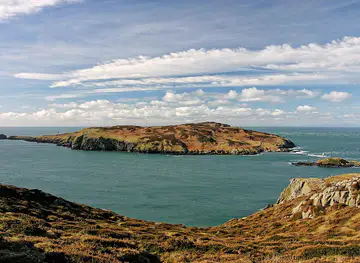 The Sound
Discover The Sound on the Isle of Man: A picturesque haven of natural beauty, rich wildlife, and historical intrigue, perfect for nature enthusiasts and history buffs.
The Sound
Discover The Sound on the Isle of Man: A picturesque haven of natural beauty, rich wildlife, and historical intrigue, perfect for nature enthusiasts and history buffs.
-
 Douglas Head
Discover the panoramic vistas, historical landmarks, and tranquil trails of Douglas Head, the Isle of Man's scenic treasure trove.
Douglas Head
Discover the panoramic vistas, historical landmarks, and tranquil trails of Douglas Head, the Isle of Man's scenic treasure trove.
Swipe for more destinations
Explore more

Explore more of Caernarfonshire
Explore Caernarfonshire in north-west Wales for medieval castles, Eryri mountains, slate heritage, Welsh-speaking communities and Llŷn Peninsula coastlines.
Explore Caernarfonshire
Explore more of United Kingdom
Discover the United Kingdom: A blend of rich history, stunning landscapes, and vibrant cities, offering a unique travel experience for every visitor.
Explore United Kingdom