
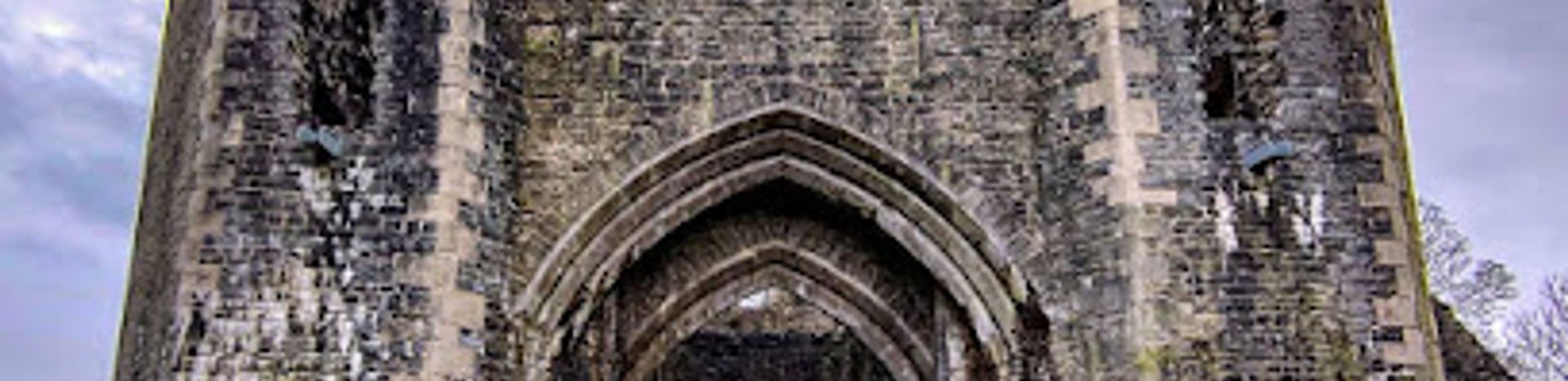
St Quentin's Castle: Medieval Stronghold of Glamorgan
Explore the evocative ruins of St Quentin's Castle, a medieval stone fortress perched above the Welsh countryside near Cowbridge.
St Quentin's Castle, also known as Llanblethian Castle, is a striking early 14th-century stone fortress perched on high ground near Cowbridge, Wales. Built by Gilbert de Clare but likely never completed, the castle features a formidable gatehouse, thick curtain walls, and remains of towers overlooking steep slopes and the River Thaw. Managed by Cadw, it offers visitors a glimpse into medieval military architecture and Welsh history amidst tranquil rural surroundings.
A brief summary to St Quentin's Castle
- 7 Castle Hill, Cowbridge, GB
- Visit website
- Duration: 1 to 2.5 hours
- Budget
-
 Outdoor
- Mobile reception: 4 out of 5
- Monday 10 am-4 pm
- Tuesday 10 am-4 pm
- Wednesday 10 am-4 pm
- Thursday 10 am-12 am
- Friday 10 am-12 am
- Saturday 10 am-12 am
- Sunday 10 am-12 am
Local tips
- Visit on weekdays for a quieter experience and to enjoy the peaceful rural setting.
- Bring sturdy footwear as the castle sits on uneven terrain with steep slopes.
- Read the onsite historical signs to fully appreciate the castle’s complex history and architecture.
- Combine your visit with a walk along the River Thaw valley for scenic views.

For the on-the-go comforts that matter to you
- Information Boards
- Seating Areas
Getting There
-
Bus
Take the local bus service from Cowbridge town center to Llanblethian, a 10-15 minute ride. Buses run approximately every hour Monday to Saturday. From the village, it is a 15-minute walk to the castle through rural paths. Tickets cost around £2-£4.
-
Car
Driving from Cowbridge, the castle is about a 5-minute drive via local roads. Limited parking is available near the village; expect a short walk on uneven terrain. No parking fees apply.
-
Walking
For active visitors, a scenic 30-40 minute walk from Cowbridge town center to the castle is possible via country lanes and footpaths. Terrain includes gentle hills and some uneven surfaces; suitable footwear recommended.
St Quentin's Castle location weather suitability
-
 Any Weather
-
 Clear Skies
-
 Mild Temperatures
-
 Rain / Wet Weather
Discover more about St Quentin's Castle
Origins and Early Fortifications
St Quentin's Castle stands on a commanding spur overlooking the village of Llanblethian, about 1.5 km southwest of Cowbridge. The site’s defensive use dates back to around 1102 when Herbert de St Quentin, a Norman lord, established a timber ringwork fortification. This early structure featured wooden walls, a bank, and a ditch, serving as a strategic stronghold in the region. Later in the 12th century, a rectangular stone keep replaced the timber defenses, the remains of which are now integrated within the later gatehouse.14th-Century Construction and Incomplete Ambitions
The stone castle visible today was begun in the early 1300s by Gilbert de Clare, a powerful English noble and military commander. Construction likely started shortly after 1307 but was interrupted by Gilbert’s death at the Battle of Bannockburn in 1314. Historians believe the castle was never fully completed, as evidenced by the absence of inner courtyard buildings and relatively weak curtain walls. Nonetheless, the rectangular enclosure, approximately 64 meters east to west, was fortified with thick stone walls about 1.2 meters wide and flanked by towers.Defensive Features and Strategic Positioning
The castle’s design maximizes natural defenses, with steep slopes on all sides except the east, which is protected by a twin-towered gatehouse and additional towers. The southern side offers the strongest defense, dropping sharply to the River Thaw below. The gatehouse remains a highlight, with visible portcullis slits and fittings for heavy doors, evoking the castle’s martial past. Though much of the bailey walls and internal structures have vanished, the surviving towers and gatehouse provide a vivid sense of medieval fortification.Later History and Present Condition
After the de Clare family, ownership passed through various hands, including Hugh Despenser and Isabel, Countess of Warwick. By the 18th century, the castle was largely ruinous, its stones reclaimed for local buildings. Today, it is a scheduled monument and Grade II* listed building under Cadw’s care, preserved as an evocative ruin. Ivy-clad stonework and rugged masonry blend with the Welsh countryside, inviting contemplation of centuries past.Visitor Experience and Interpretation
Visitors to St Quentin’s Castle can explore the atmospheric gatehouse and towers, with interpretive signs detailing the site’s history and architecture. The elevated position offers scenic views of the surrounding farmland and the River Thaw valley. The peaceful rural setting enhances the sense of stepping back into medieval times, making it a rewarding destination for history enthusiasts and those seeking a tranquil cultural escape.Architectural Significance and Legacy
St Quentin’s Castle exemplifies early 14th-century military architecture in Glamorgan, illustrating the transition from timber to stone fortifications. Its incomplete state provides unique insights into medieval construction practices and the impact of historical events on castle building. As both a heritage site and a picturesque ruin, it stands as a testament to the region’s Norman and medieval past, contributing to Wales’s rich tapestry of historic castles.Iconic landmarks you can’t miss

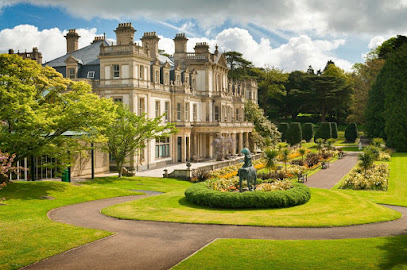
Visit the Vale
3.9 km
Explore the Vale: Your gateway to stunning landscapes, rich heritage, and unforgettable experiences in a picturesque region.
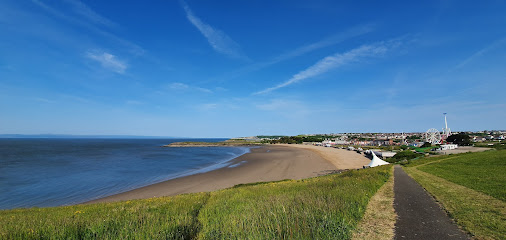
WWII Coast Artillery Search Light Emplacement
15.2 km
Explore a pivotal WWII coastal defense site in Barry, where history meets stunning views of the Bristol Channel.
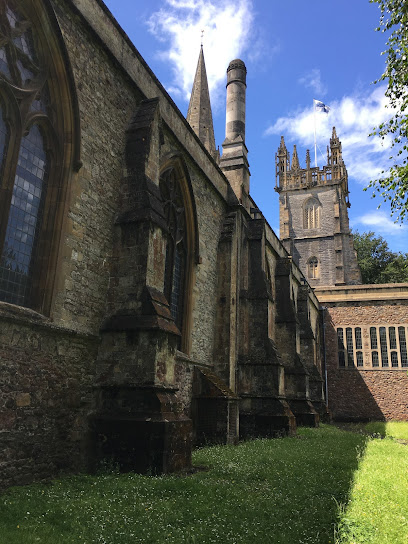
Llandaff Cathedral
17.0 km
Discover the beauty and history of Llandaff Cathedral, a stunning architectural gem nestled in Cardiff, offering a serene atmosphere and captivating artistry.
Fforest Fawr
17.1 km
Experience the serene beauty of Fforest Fawr, a captivating woodland in Wales, perfect for hiking, cycling, and wildlife watching amidst stunning landscapes.
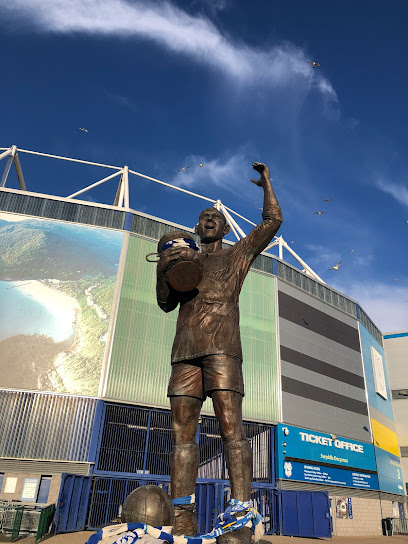
Cardiff City Stadium
17.6 km
Wales's premier football arena where passion meets modern sport in the heart of Cardiff.
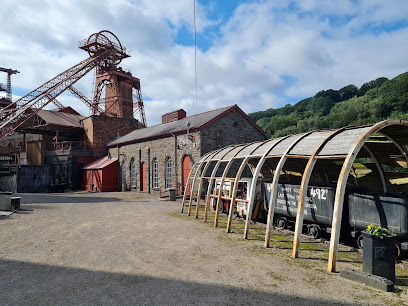
A Welsh Coal Mining Experience
17.7 km
Explore the rich history of Welsh coal mining at Rhondda Heritage Park, a captivating local history museum with engaging exhibits and a charming café.
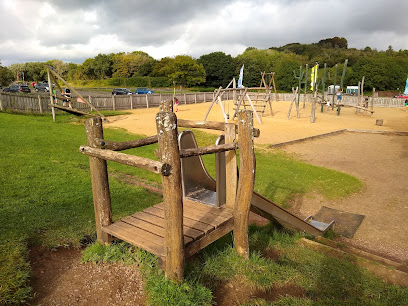
Mountain View Ranch
18.4 km
Discover the beauty of the Welsh countryside at Mountain View Ranch, where adventure meets nature for unforgettable experiences.
River Cruises
18.9 km
Explore Cardiff's rich history and stunning architecture from the serenity of the water with unforgettable river cruises through the heart of the city.
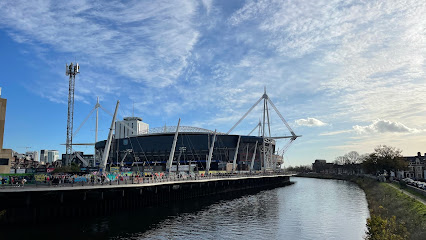
Bute Park
19.0 km
Discover the beauty and tranquility of Bute Park, Cardiff's premier urban park and a hub of culture and nature in the heart of the city.
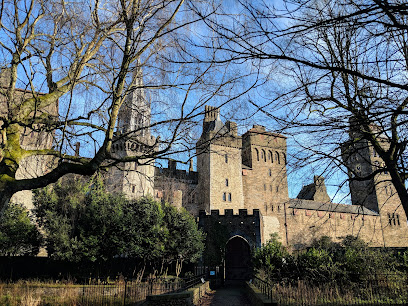
Animal Wall
19.0 km
Explore the Animal Wall in Cardiff, a historical landmark filled with whimsical animal sculptures that tell the story of the city's rich heritage.
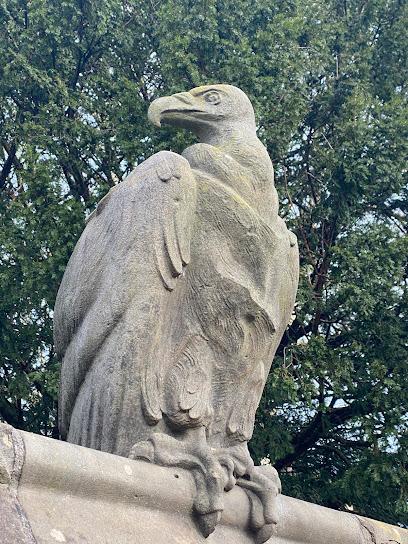
Principality Stadium
19.1 km
Experience the energy and excitement of Principality Stadium, Cardiff's premier venue for sports, concerts, and unforgettable events.

Queen Anne Square
19.1 km
Explore Queen Anne Square in Cardiff: A serene gem filled with history, beautiful architecture, and perfect spots for relaxation and photography.
Cardiff Central Train Station Water Tower
19.1 km
A historic Grade II listed water tower overlooking Cardiff Central Station and the River Taff, symbolizing the city’s rich railway heritage.
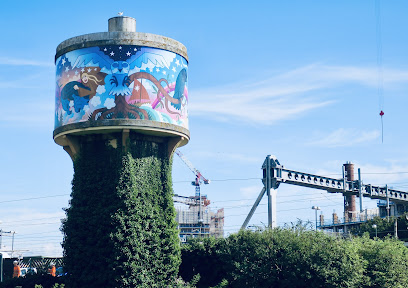
Cardiff Castle Museum
19.1 km
Explore Cardiff Castle Museum, a historic landmark that invites you to dive into the rich heritage of Wales with captivating exhibits and stunning architecture.
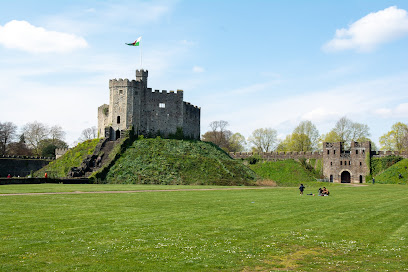
Cardiff Castle
19.2 km
Discover the rich history and stunning architecture of Cardiff Castle, a treasure in the heart of Wales that combines culture, beauty, and adventure.
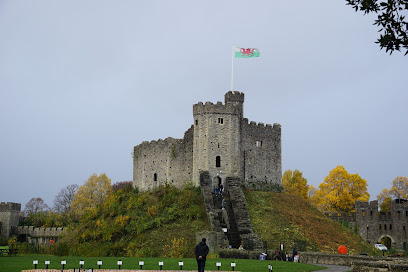
Unmissable attractions to see

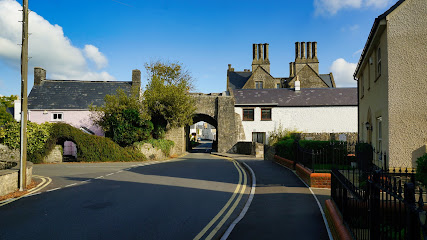
Cowbridge South Gate
0.5 km
Discover the charm and history of Cowbridge South Gate, a stunning landmark that embodies the rich heritage of this picturesque Welsh town.
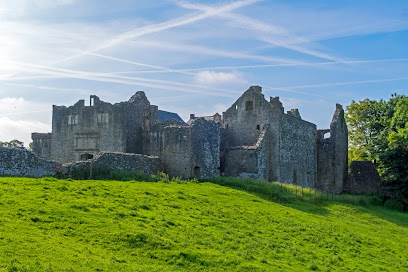
Old Beaupre Castle
2.9 km
Discover Old Beaupre Castle, a hidden Tudor manor with stunning Renaissance architecture nestled in the tranquil Vale of Glamorgan countryside.
The Old Swan Inn
5.9 km
Historic gastropub in Llantwit Major offering cozy charm, fresh local dishes, and a welcoming garden retreat.
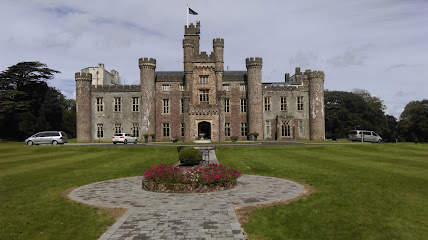
Hensol Castle
7.5 km
Experience the grandeur of a historic Gothic Revival castle set in rolling Welsh countryside, perfect for weddings, events, and luxurious stays.
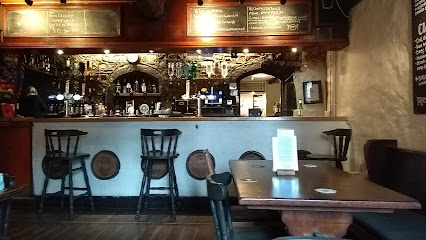
Hensol Castle Distillery
7.6 km
Discover the unique blend of history and craft gin making in the atmospheric cellars of 17th-century Hensol Castle.
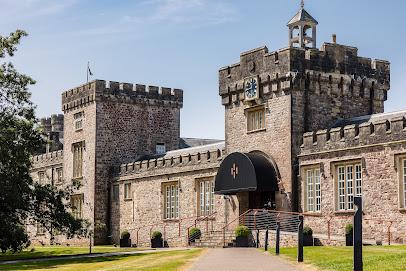
St Donat's Castle and Arts Centre
8.2 km
A historic medieval castle transformed into a vibrant arts and education centre overlooking the Bristol Channel.
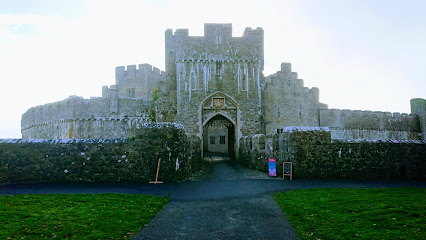
Fonmon Castle
8.4 km
Explore Fonmon Castle, a rare medieval fortress in South Wales with centuries of history and stunning rococo interiors.
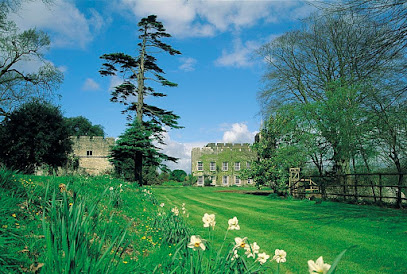
Ewenny Priory
8.5 km
Discover Ewenny Priory, a remarkable Norman Romanesque monastery fortified like a castle, blending medieval spirituality with military might in the Welsh countryside.
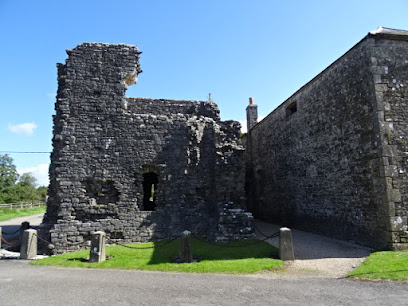
Brynna Woods
8.8 km
A tranquil 38-hectare reserve blending ancient woodland, rare wildlife habitats, and coal mining heritage near Pontyclun, Wales.
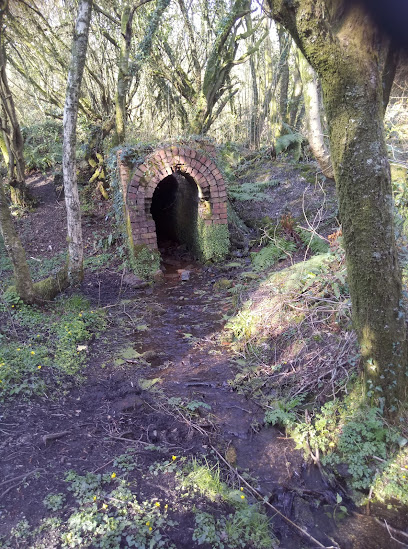
Nash Point Lighthouse
9.2 km
Historic 1832 lighthouse on Wales’ Glamorgan Heritage Coast, blending maritime legacy with stunning cliff-top views and rare wildlife.
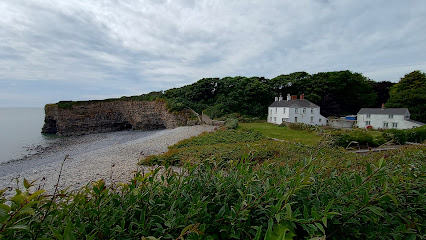
Vale of Glamorgan
9.7 km
Discover the Vale of Glamorgan’s stunning coastline, historic towns, and tranquil countryside just west of Cardiff.
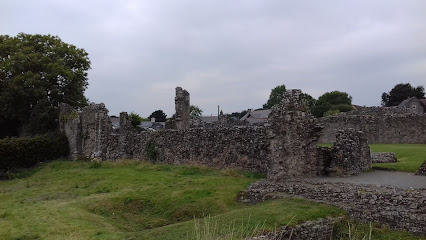
Castell Coety
9.8 km
Explore the evocative ruins of Castell Coety, a Norman castle rich in Welsh history and medieval resilience near Bridgend.
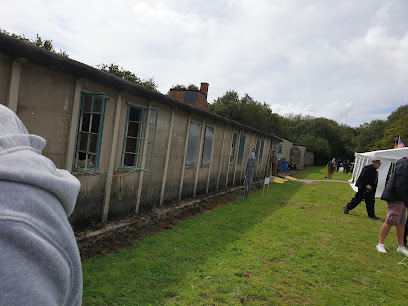
Hut 9, Island Farm
9.9 km
Explore the preserved Hut 9 at Island Farm, the site of Britain’s largest WWII German POW escape and a unique window into wartime history.
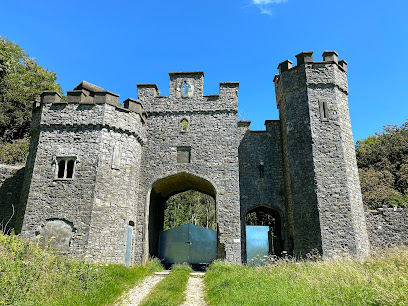
Dunraven Castle
10.3 km
Explore the evocative ruins and historic gardens of Dunraven Castle, a Gothic coastal landmark steeped in Welsh history and legends.
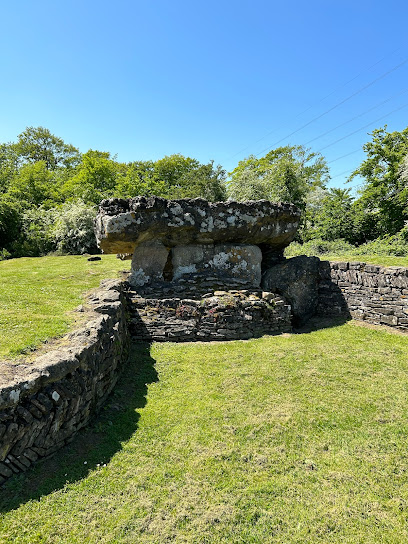
Tinkinswood Burial Chamber
10.3 km
Explore Tinkinswood, Wales’ awe-inspiring 6,000-year-old Neolithic burial chamber crowned by Europe’s largest capstone.
Essential places to dine

Hare & Hounds
2.1 km
Rustic charm meets refined dining at Hare & Hounds, Aberthin’s beloved pub and restaurant with locally inspired, flavour-packed cuisine.
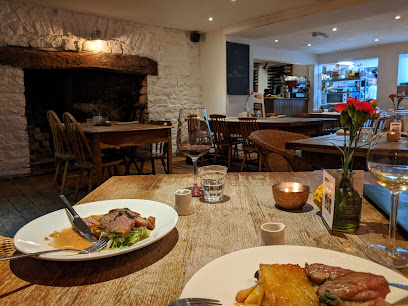
The Fox at Penllyn
2.6 km
Experience authentic Welsh pub charm and hearty cuisine in the cozy countryside setting of The Fox at Penllyn near Cowbridge.
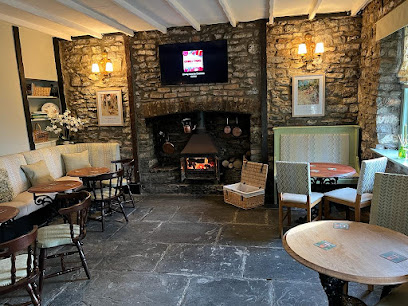
The Bush Inn
2.8 km
A charming Welsh country pub in Cowbridge offering hearty British fare, cosy atmosphere, and friendly service in a picturesque village setting.
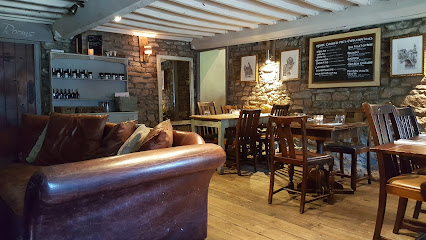
The Barley Mow
3.3 km
A cozy Welsh pub in Graig Penllyn offering fresh local fare, seasonal ales, and a warm community atmosphere near Cowbridge.
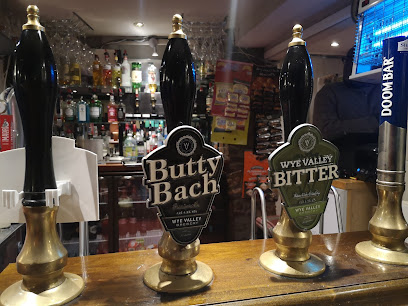
The White Lion
4.1 km
A vibrant Welsh country pub and hotel offering exceptional food, warm hospitality, and cozy accommodations in picturesque Ystradowen.
The Cwtch Restaurant
5.8 km
A cosy Welsh dining haven in Llantwit Major offering modern British cuisine with fresh seafood, steaks, and warm hospitality.
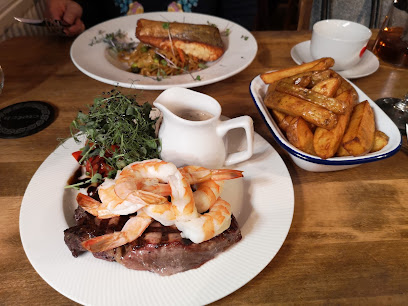
Illtud's 216
5.9 km
Cozy restaurant and bar in Llantwit Major offering homemade dishes, warm ambience, and attentive service in a historic setting.
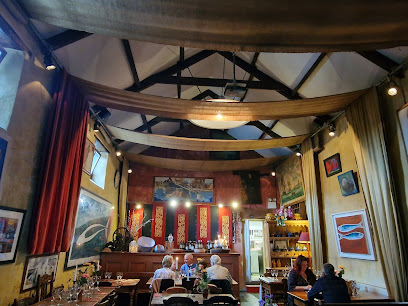
The Roost
6.6 km
A charming countryside pub blending modern comfort, home-cooked classics, and lively entertainment in St Athan near Barry.
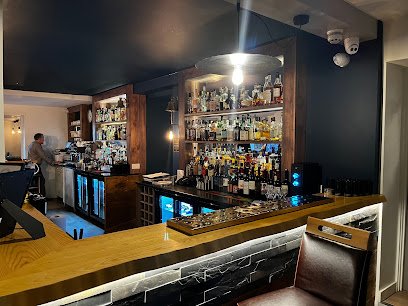
Pantruthyn Farm Table Table
6.8 km
Family-friendly pub dining in a cosy farm setting offering classic British dishes, hearty roasts, and great value near Bridgend.
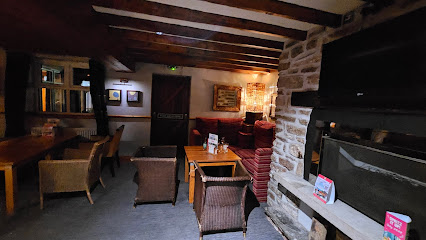
Golden Mile Inn
7.0 km
A charming country pub in Corntown offering delicious traditional fare, scenic views, and warm Welsh hospitality.
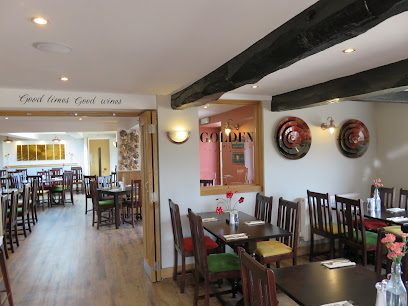
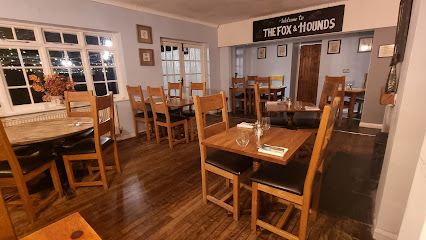
The Fox and Hounds Pub
7.3 km
A cozy gastropub in scenic Llancarfan offering hearty food, warm hospitality, and charming rooms for a perfect countryside escape.
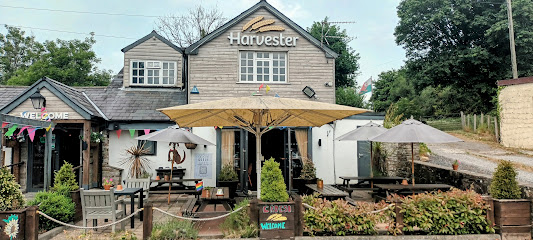
Harvester Old Mill Bridgend
7.4 km
A welcoming family-friendly British restaurant in Bridgend offering hearty meals, casual vibes, and attentive service for all ages.
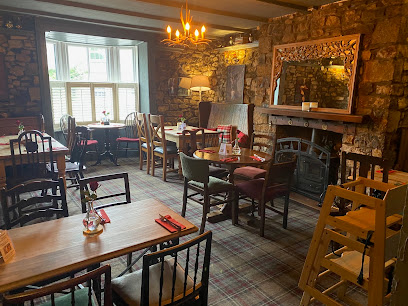
The Red Lion
7.7 km
A welcoming village pub in Bonvilston offering hearty homemade meals, cozy charm, and friendly hospitality near Cardiff.
Llanerch Vineyard Restaurant
8.1 km
Award-winning vineyard dining with seasonal Welsh cuisine, scenic vineyard views, and expert wine pairings in a charming countryside setting.
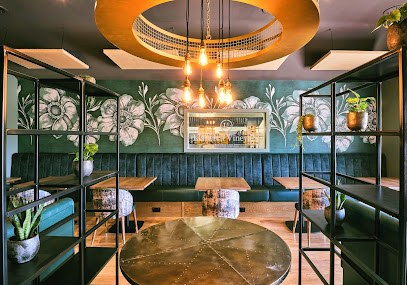
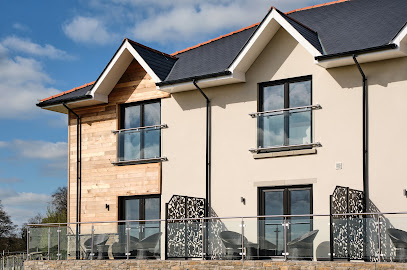
Llanerch Vineyard Hotel
8.1 km
Experience luxury and tranquility in Wales’ only vineyard hotel, where scenic beauty meets exquisite dining and elegant accommodations.
Markets, malls and hidden boutiques

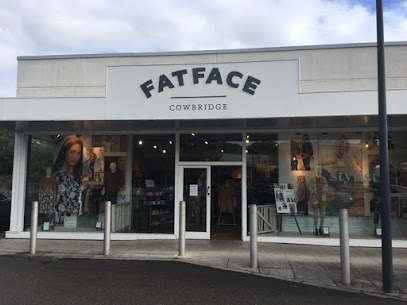
FatFace
0.6 km
Contemporary British fashion for the whole family in the heart of Cowbridge's charming high street.
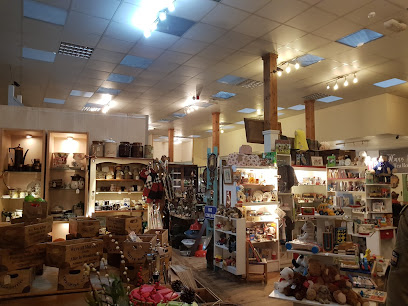
Happy Days Vintage Home Store
0.6 km
Discover vintage treasures and homemade delights in this charming Cowbridge emporium with a cozy café.
Cancer Research UK
0.7 km
Shop sustainably at Cancer Research UK in Cowbridge and support vital cancer research through your thoughtful purchases.
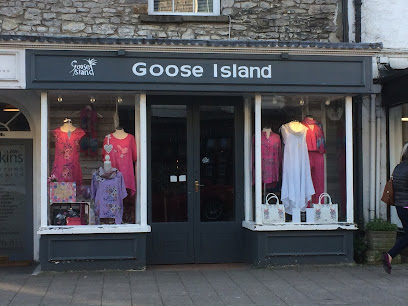
Goose Island Cowbridge
0.7 km
Discover timeless elegance and unique women's fashion at Goose Island Cowbridge, your stylish boutique on Cowbridge’s historic High Street.
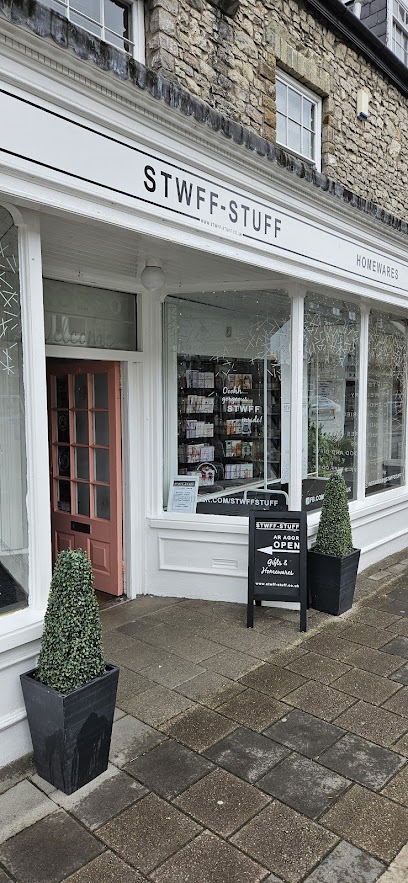
Stwff-Stuff
0.7 km
Discover unique Welsh gifts, homewares, and accessories in a warm, welcoming shop nestled in Cowbridge’s historic High Street.
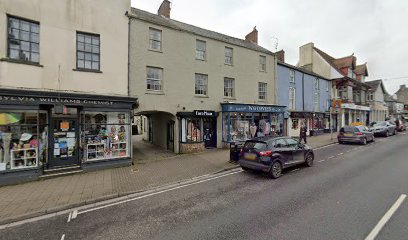
Cocoplum
0.7 km
Discover exclusive designer ladies' fashion in Cowbridge’s charming boutique, blending elegance with personalized style advice.
Willow In White Bridal Co
0.7 km
Discover exquisite wedding gowns and personalized service at Willow In White Bridal Co in Cowbridge, the perfect place for brides-to-be.

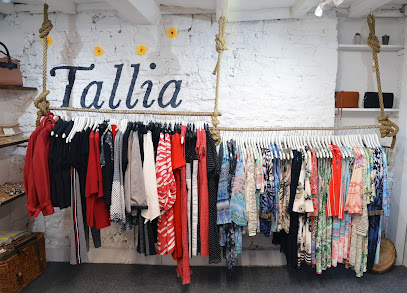
Tallia Cowbridge
0.7 km
Explore Tallia Cowbridge for a unique shopping experience filled with stylish clothing and local charm in the heart of Cowbridge.
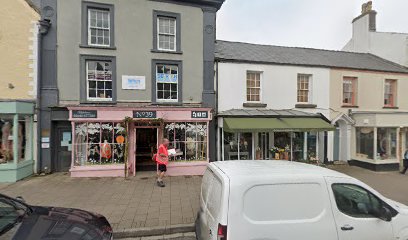
Your Ethical home
0.7 km
Explore 'Your Ethical Home' in Cowbridge for sustainably crafted candles that fill your space with warmth and ethical charm.
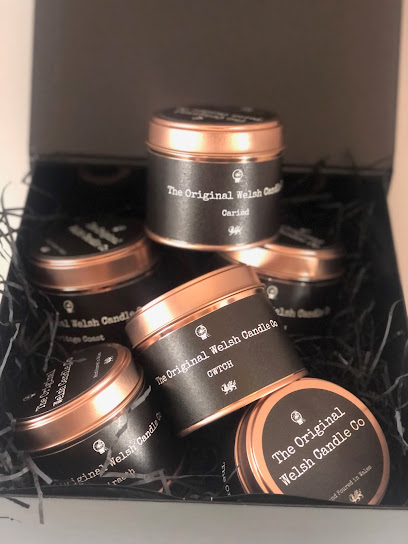
The Original Welsh Candle Co
0.7 km
Discover luxury hand-poured Welsh soy candles that evoke the spirit and beauty of Wales at The Original Welsh Candle Co in Cowbridge.
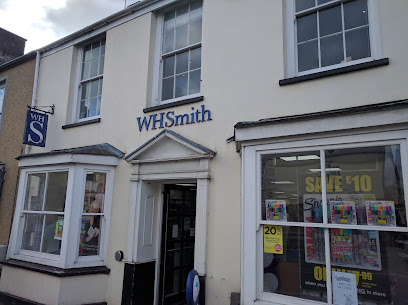
WHSmith
0.7 km
A welcoming High Street staple in Cowbridge offering books, stationery, local crafts, and everyday essentials with friendly service and convenient hours.
The Vintage HQ
0.7 km
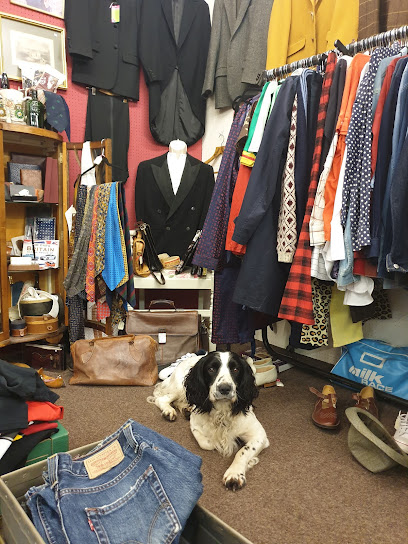
Discover sustainable vintage and designer fashion treasures with expert care at The Vintage HQ in Cowbridge.
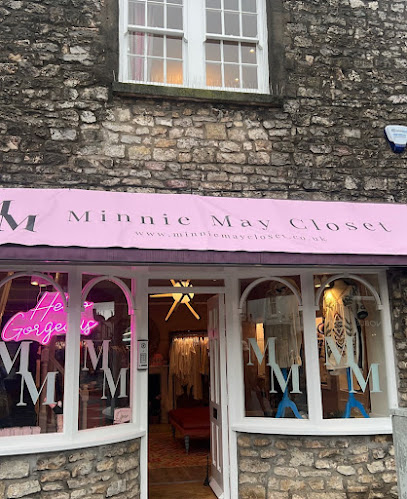
Minnie May Closet - Boutique
0.7 km
Discover curated fashion and personalized service at Minnie May Closet, a stylish boutique in the heart of historic Cowbridge.
E91
0.8 km
Explore E91 in Cowbridge for a unique clothing experience that blends local charm with stylish fashion options.
Visage
0.8 km
Discover Scandinavian-inspired smart casual fashion at Visage, Cowbridge’s boutique for unique ladies’ clothing beyond the high street.

Essential bars & hidden hideouts

Vale Of Glamorgan Inn
0.7 km
A cozy Welsh pub in Cowbridge offering real ales, homemade food, and a lively beer garden with friendly service.
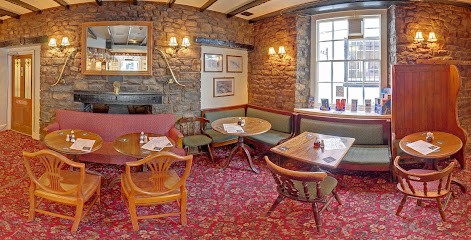
The Sycamore Tree
5.0 km
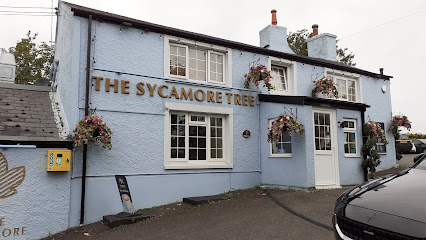
A charming countryside pub in Colwinston offering hearty meals, warm hospitality, and a welcoming atmosphere in the Vale of Glamorgan.
Lamb & Flag
6.8 km
Historic Welsh pub in Wick offering hearty British fare, lively entertainment, and a warm community atmosphere.
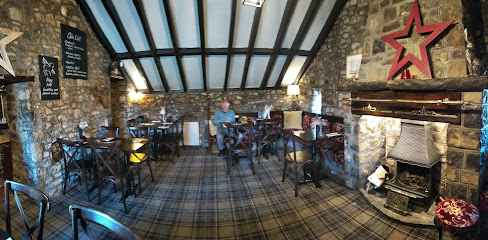
The Plough & Harrow
7.8 km
A cozy traditional pub in Monknash offering fresh local cuisine, real ales, and warm hospitality in the scenic Vale of Glamorgan.
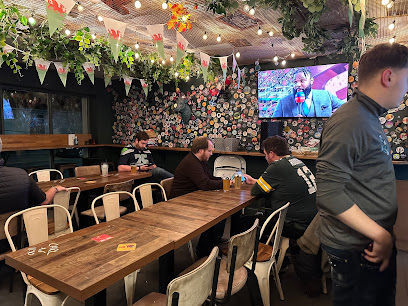
Pipeworks Bar
8.4 km
A cozy micro bar in Pontyclun offering craft keg beers, ciders, and gins in a friendly, unique atmosphere with occasional live music.
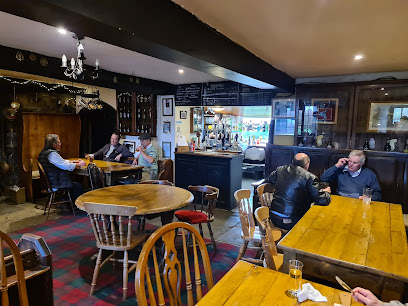
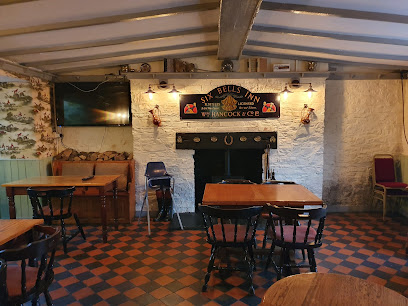
The Six Bells
8.7 km
Historic Welsh village pub with medieval roots, cozy fires, and locally sourced fare in the heart of Penmark.
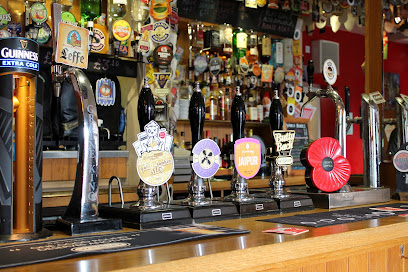
The Coach
9.6 km
Historic Bridgend brewpub blending 19th-century charm with modern craft beers, lively events, and a welcoming community vibe.
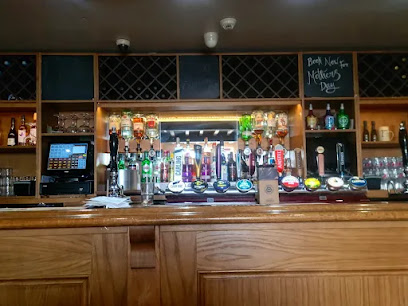
The Highwayman Inn
9.7 km
Rustic British pub in Rhoose famed for hearty portions, classic dishes, and a warm, lively atmosphere.
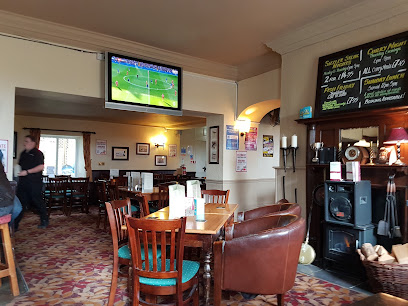
Fontygary Inn
10.1 km
A friendly traditional pub in Rhoose offering hearty meals, local ales, and a vibrant community atmosphere in the heart of the Vale of Glamorgan.
The Little Bar On The Bridge
10.2 km
A charming, intimate craft beer bar on Bridgend’s Old Stone Bridge, offering quality brews and a welcoming local atmosphere.
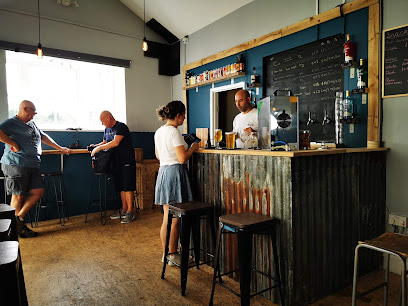
The Flying Club
10.4 km
A friendly, affordable bar in Rhoose offering unique planespotting views and a cozy atmosphere near Cardiff Airport.
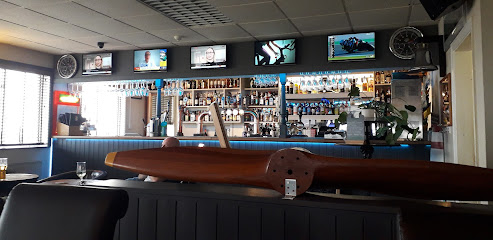
Ocean Lounge
11.9 km
Charming coastal pub nestled in Porthkerry Caravan Park offering stunning sea views, local ales, and a welcoming atmosphere in South Wales.
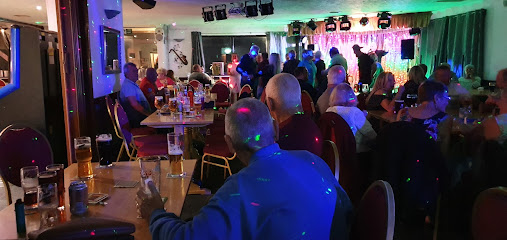
Cherry Orchard
13.4 km
A modern, family-friendly pub in Barry offering great ales, tasty meals, and a welcoming atmosphere in a charming historic setting.
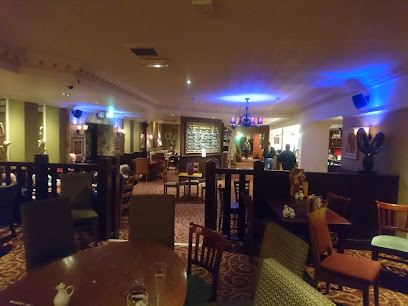
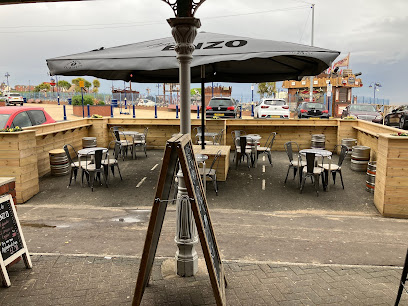
Bar Enzo
14.5 km
A cozy, friendly bar on Barry’s seafront offering Welsh lagers, cocktails, and a relaxed coastal vibe with inviting indoor and outdoor seating.
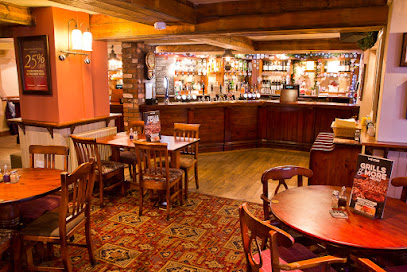
Star Inn
16.6 km
Cosy village pub in Dinas Powys offering classic dishes, a friendly atmosphere, dog-friendly spaces, and seasonal celebrations year-round.
Nightclubs & after hour spots

Coco Cubanas
13.6 km
Experience the vibrant weekend nightlife and energetic dance scene at Coco Cubanas, Barry’s premier late-night club on Broad Street.
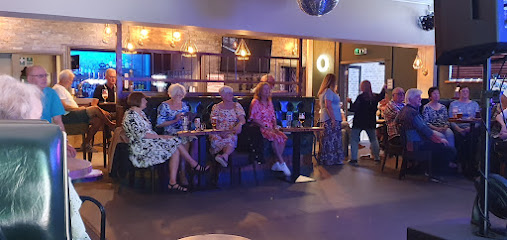
Bar Cocoa
13.6 km
Experience Barry’s vibrant weekend nightlife at Bar Cocoa, a lively nightclub where music and dancing keep the party going until the early morning.

Eclipse Nightclub
17.0 km
Experience Pontypridd’s vibrant midweek nightlife at Eclipse Nightclub, where music, dancing, and community come alive every Wednesday night.
Squares Night club
17.5 km
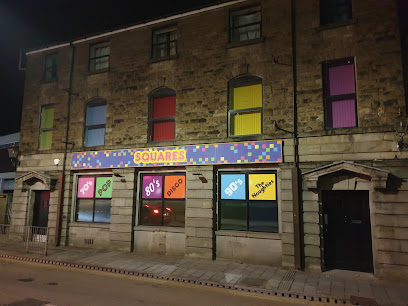
Experience Porth’s vibrant nightlife at Squares Nightclub, where music, dance, and unforgettable evenings come alive every weekend.
Fuel Rock Club
19.2 km
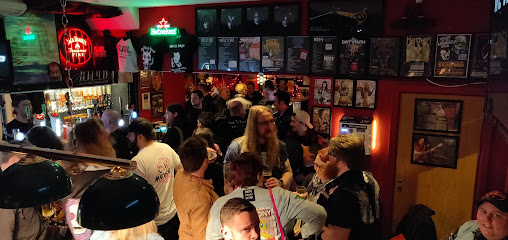
Cardiff's unyielding rock fortress on Womanby Street: live metal mayhem, cheap drinks, and a beer garden for the faithful.
Clwb Ifor Bach
19.2 km
Cardiff's gritty Welsh club heart: live music legends, late-night dances, and cultural rebellion on historic Womanby Street since 1983.

For Your Eyes Only
19.3 km
Elegant and vibrant dance club in Cardiff’s city centre offering stylish interiors, live entertainment, and a lively nightlife atmosphere.
Popworld - Cardiff
19.4 km
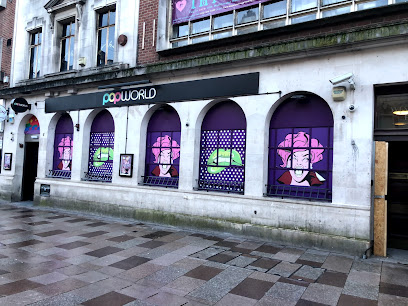
Dive into cheesy pop heaven at Popworld Cardiff—karaoke, half-price drinks, and dance floor anthems until 3am on vibrant St Mary Street.
Metros
19.4 km
Cardiff's alternative nightclub haven: cheap drinks, eclectic DJs, and non-stop rock, ska, and indie beats fueling wild weekends till 4am.

Walkabout - Cardiff
19.4 km
Discover the ultimate sports bar experience in Cardiff, offering vibrant nightlife, delicious food, and live sports in a lively atmosphere.
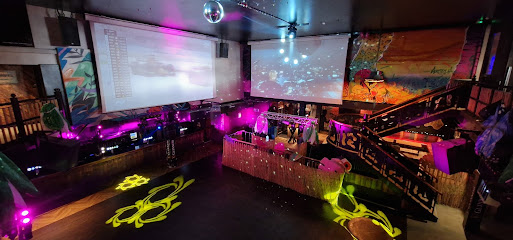
Be At One - Cardiff
19.5 km
Discover the vibrant cocktail culture at Be At One in Cardiff, where every drink is a celebration and the atmosphere is electric!
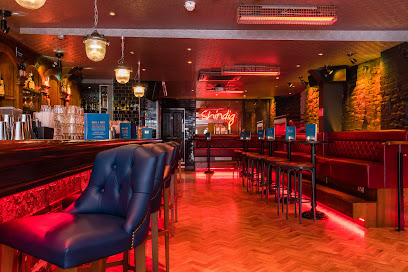
Retro
19.5 km
Experience the vibrant nightlife of Cardiff at Retro, where nostalgia meets fun in a lively bar and nightclub atmosphere.

Tiger Tiger Cardiff
19.5 km
A dynamic nightclub with themed rooms and diverse bars offering a vibrant nightlife experience in the heart of Cardiff.
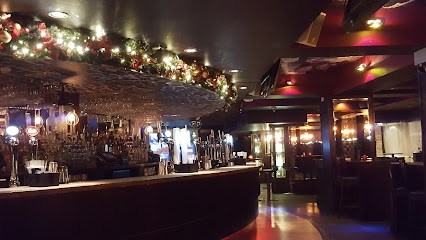
The CUBE
19.5 km
Cardiff’s vibrant nightclub hotspot offering dynamic music, dancing, and an electric atmosphere in the heart of the city.
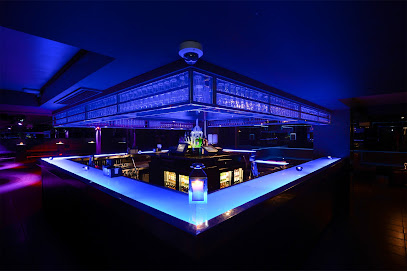
Yates - Cardiff
19.6 km
Experience the vibrant atmosphere of Yates in Cardiff, where great food, drinks, and sports come together in a lively setting.
For the vibe & atmosphere seeker
- Tranquil
- Scenic
- Unique
- Historic
For the design and aesthetic lover
- Rustic Designs
- Vintage Styles
For the architecture buff
- Historic
- Landmarks
For the view chaser and sunset hunter
- Iconic Views
- Panoramas
For the social media creator & influencer
- Instagrammable
- Photo Spots
- Selfie Spots
For the eco-conscious traveler
- Protected Area
- Public-Transport Accessible
- Locally Managed
For the kind of experience you’re after
- Cultural Heritage
- Photowalk
- Day Trip
- Weekend Getaway
For how adventurous you want the journey to be
- Easy Access
Location Audience
- Family Friendly
- Senior Friendly
- Child Friendly
- Teen Friendly
- Wheelchair Access
- Solo Friendly
- Couple Friendly


