
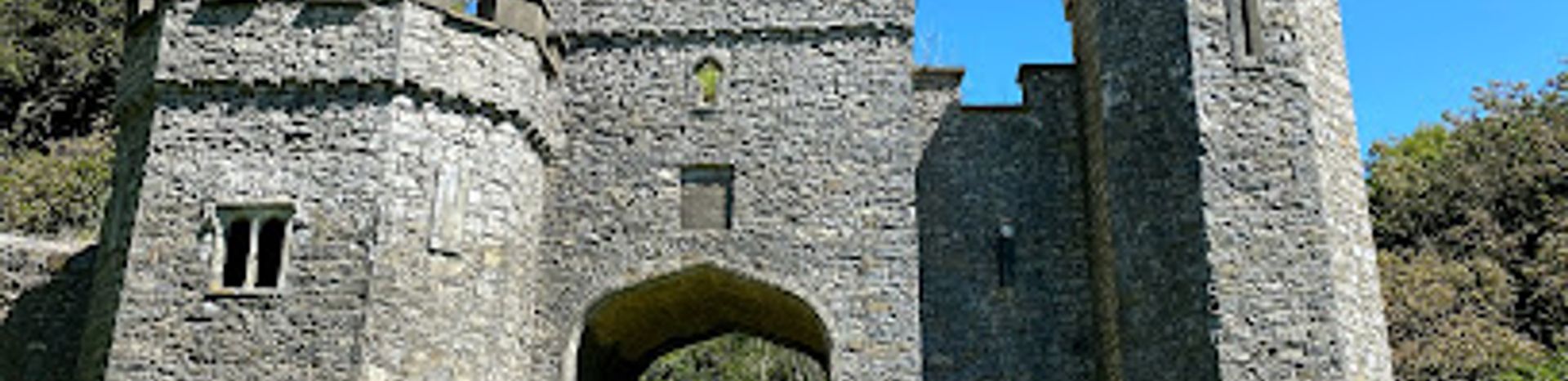
Ruins and Legacy of Dunraven Castle on the Glamorgan Heritage Coast
Explore the evocative ruins and historic gardens of Dunraven Castle, a Gothic coastal landmark steeped in Welsh history and legends.
Dunraven Castle, once a grand castellated mansion near Southerndown, South Wales, now lies in evocative ruins on the clifftops overlooking the Bristol Channel. Originally a medieval fort site, the castle was rebuilt in the early 19th century as a Gothic hunting lodge by the Wyndham family and served as a Red Cross hospital during both World Wars. Demolished in 1963, its atmospheric remains and the surrounding walled gardens offer a poignant glimpse into centuries of Welsh history and coastal heritage.
A brief summary to Dunraven Castle
- Beach Rd, Bridgend, Southerndown, CF32 0RP, GB
- Duration: 1 to 3 hours
- Free
-
 Outdoor
- Mobile reception: 4 out of 5
- Monday 12 am-12 am
- Tuesday 12 am-12 am
- Wednesday 12 am-12 am
- Thursday 12 am-12 am
- Friday 12 am-12 am
- Saturday 12 am-12 am
- Sunday 12 am-12 am
Local tips
- Visit at low tide to enjoy Dunraven Bay’s beach and coastal views fully, as high tide limits beach access.
- Explore the walled gardens for a peaceful retreat with Victorian-era features and seasonal floral displays.
- Bring a camera to capture stunning clifftop panoramas and atmospheric ruins, especially during sunset.
- Wear sturdy footwear for uneven terrain around the ruins and coastal paths.
- Respect the protected status of the site by staying on designated paths and avoiding disturbance of ruins.

For the on-the-go comforts that matter to you
- Restrooms
- Seating Areas
- Trash Bins
- Information Boards
Getting There
-
Car
Driving from Bridgend town center to Dunraven Castle takes approximately 20 to 30 minutes via the A48 and local roads. Parking is available near Dunraven Bay with a small fee; note that spaces can fill during peak times. The roads are well maintained but narrow in places, so cautious driving is advised.
-
Bus
Local bus services connect Bridgend to Southerndown, with stops within a 15-minute walk of Dunraven Castle ruins. Journey times range from 40 to 60 minutes depending on the route. Bus frequency may be limited on weekends and public holidays, so check schedules in advance. The terrain from the stop to the site involves some gentle slopes.
-
Walking
For walkers, the Wales Coast Path passes close to Dunraven Castle, offering scenic coastal hiking options. Walking from Southerndown village to the site takes about 30 to 45 minutes over uneven terrain with some steep sections. Suitable footwear and moderate fitness are recommended.
Dunraven Castle location weather suitability
-
 Any Weather
-
 Rain / Wet Weather
-
 Clear Skies
-
 Windy Conditions
-
 Mild Temperatures
Discover more about Dunraven Castle
Historical Evolution of Dunraven Castle
The site of Dunraven Castle has a rich history dating back to the mid-12th century when a fortification was reportedly built by Arnold le Boteler. Over the centuries, the property evolved from a medieval stronghold into a 16th-century manor house owned by the Vaughan family. In 1642, the estate passed to the Wyndham family, who transformed the manor into a castellated hunting lodge between 1802 and 1806, a design inspired by Clearwell Castle and led by Thomas Wyndham’s wife. This Gothic revival mansion was extensively remodelled later in the 19th century, with enhancements including towers, turrets, and a conservatory replacing the central tower, reflecting Victorian tastes and grandeur.The Castle’s Role Through Conflict and Change
Dunraven Castle played a vital role during the First and Second World Wars as a Red Cross hospital, accommodating wounded soldiers and serving the war effort. After the wars, the castle was rented by the Workers Travel Association, providing affordable holidays for working families. However, by the 1950s, the Wyndham family had little involvement, and the castle’s fate took a dramatic turn. Following a dispute with local authorities over development plans, the castle was demolished in 1963, and its stones were sold as quarry material. Today, only ruins remain, evoking the grandeur and tragedy of its past.Architectural and Landscape Features
Though the main building was lost, several structures survive, including the walled gardens, gatehouse, and ice house, all designated Grade II listed. The gardens, dating back to the 16th century, were recently renovated and remain open year-round, offering a tranquil sanctuary with Victorian and Edwardian features, fountain pools, and floral displays. The estate’s grounds once included a deer park, and the surrounding coastal landscape provides panoramic views of the Bristol Channel, blending natural beauty with historical resonance.Legends and Local Lore
Dunraven is steeped in folklore, including tales of coastal wreckers who allegedly lured ships onto rocks with false lights, a practice that brought both fear and fortune to local communities. The castle’s long history also includes stories of ghostly apparitions, particularly a woman in blue said to haunt the ruins, adding a mystical dimension to the site. These legends enrich the visitor experience, connecting the tangible ruins with the intangible heritage of the Glamorgan coast.Present-Day Visitor Experience
Visitors today can explore the atmospheric ruins perched on the clifftops, wander the peaceful walled gardens, and enjoy the dramatic coastal scenery. The site is open year-round with no formal opening hours, allowing for flexible visits. The nearby beach and car park also remain accessible, making Dunraven Castle a compelling destination for history enthusiasts, photographers, and nature lovers alike. While the castle itself no longer stands, its legacy endures in the landscape and stories that surround it.Conservation and Heritage Status
The surviving elements of Dunraven Castle and its gardens are protected as part of the Glamorgan Heritage Coast and are registered for their historic interest. Conservation efforts focus on preserving the ruins and gardens, maintaining public access, and interpreting the site’s layered history for future generations. This stewardship ensures that Dunraven Castle remains a vital link to Wales’s cultural and architectural heritage.Iconic landmarks you can’t miss

Visit the Vale
14.0 km
Explore the Vale: Your gateway to stunning landscapes, rich heritage, and unforgettable experiences in a picturesque region.
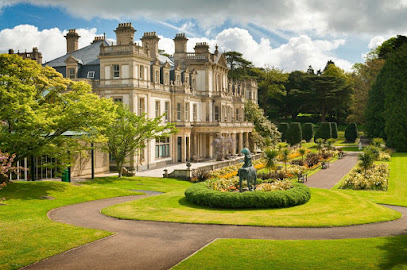
Y Bwlwarcau
16.4 km
Explore Y Bwlwarcau, a serene Iron Age hillfort nestled on Mynydd Margam’s slopes, revealing ancient Welsh heritage amidst tranquil countryside.

WWII Coast Artillery Search Light Emplacement
24.0 km
Explore a pivotal WWII coastal defense site in Barry, where history meets stunning views of the Bristol Channel.
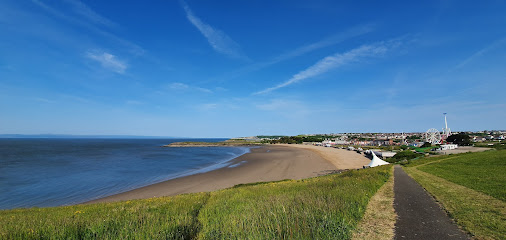
Forest Farm Country Park
26.0 km
Experience nature's tranquility at Forest Farm Country Park, Cardiff's hidden gem for outdoor adventures and family fun.
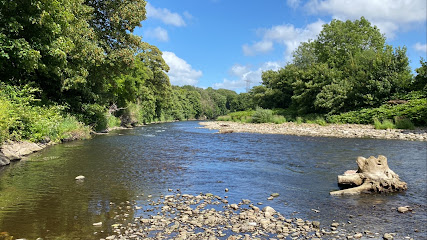
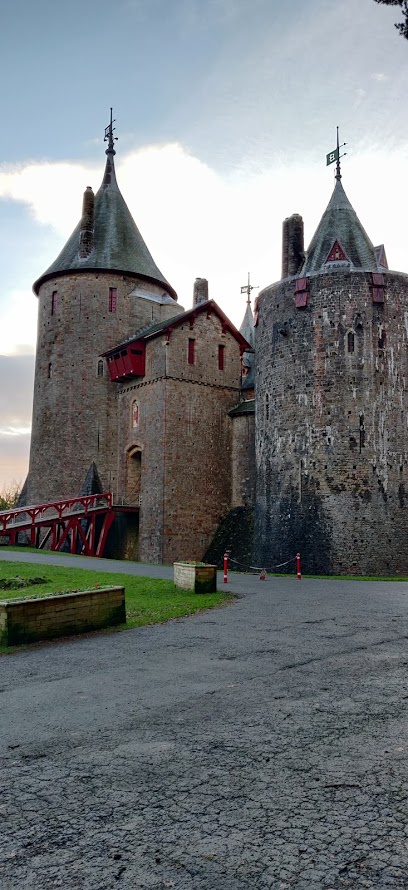
Castell Coch
26.2 km
Explore the fairy-tale charm of Castell Coch, a stunning Gothic Revival castle nestled in the woodlands of Cardiff, showcasing rich history and exquisite architecture.
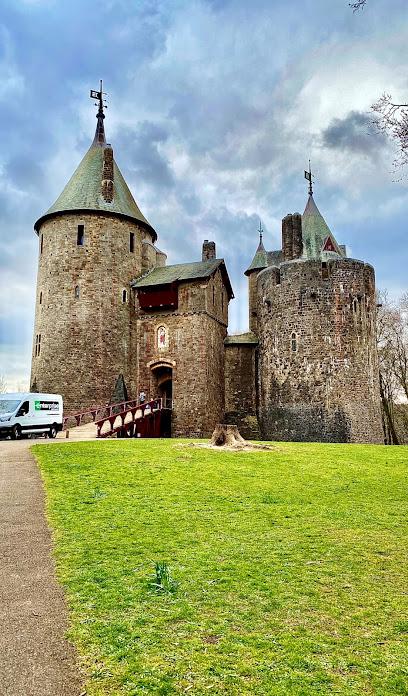
Fforest Fawr
26.8 km
Experience the serene beauty of Fforest Fawr, a captivating woodland in Wales, perfect for hiking, cycling, and wildlife watching amidst stunning landscapes.
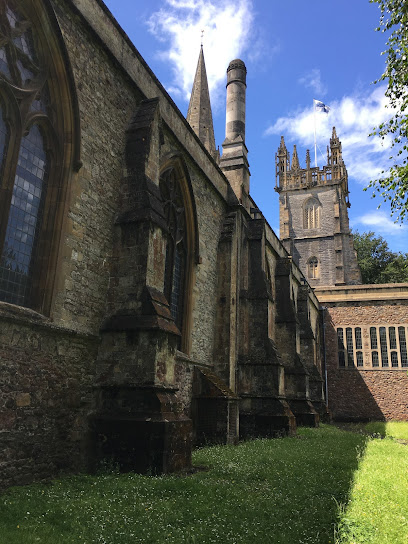
Llandaff Cathedral
27.3 km
Discover the beauty and history of Llandaff Cathedral, a stunning architectural gem nestled in Cardiff, offering a serene atmosphere and captivating artistry.
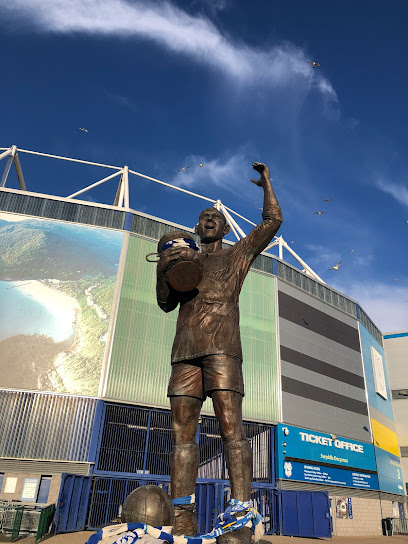
Cardiff City Stadium
27.9 km
Wales's premier football arena where passion meets modern sport in the heart of Cardiff.
Mountain View Ranch
27.9 km
Discover the beauty of the Welsh countryside at Mountain View Ranch, where adventure meets nature for unforgettable experiences.
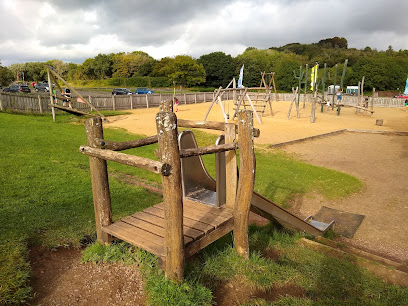
Tours of Wales
29.0 km
Discover Wales’ rich history and stunning landscapes on small-group, expertly guided day tours with Tours of Wales.
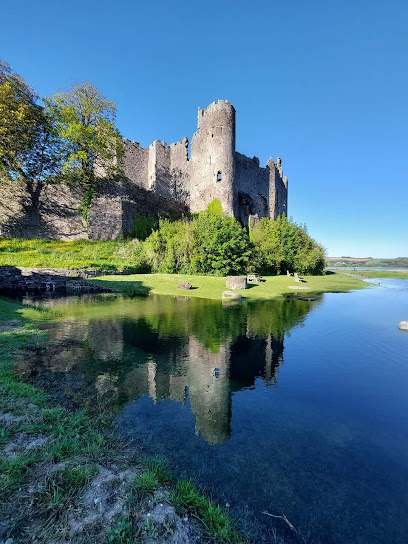
Hawk Adventures
29.1 km
Experience unforgettable outdoor adventures at Hawk Adventures, where thrilling activities meet the beauty of nature in stunning landscapes.
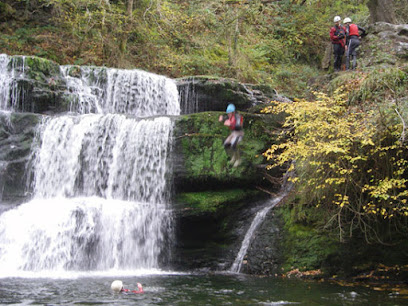
River Cruises
29.2 km
Explore Cardiff's rich history and stunning architecture from the serenity of the water with unforgettable river cruises through the heart of the city.
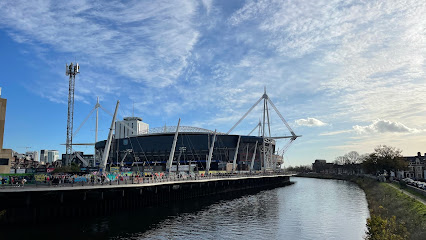
Cosmeston Medieval Village
29.2 km
Immerse yourself in the rich history of the Middle Ages at Cosmeston Medieval Village, a captivating historical landmark in Vale of Glamorgan.
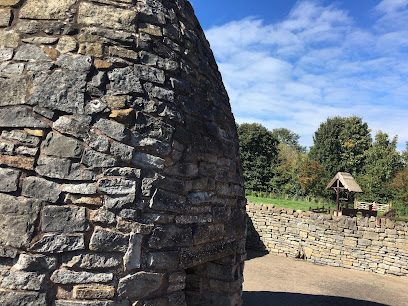
Cosmeston Lakes Country Park & Medieval Village
29.2 km
Experience the natural beauty and historical charm of Cosmeston Lakes Country Park & Medieval Village - a perfect getaway for nature lovers and history buffs.
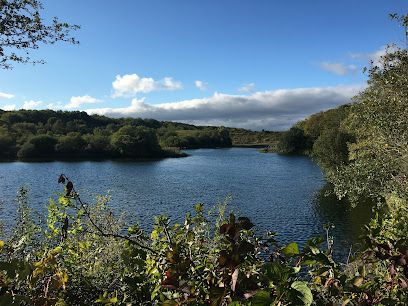
Bute Park
29.2 km
Discover the beauty and tranquility of Bute Park, Cardiff's premier urban park and a hub of culture and nature in the heart of the city.
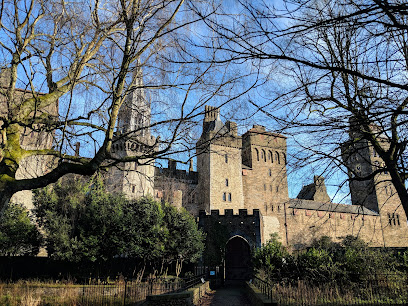
Unmissable attractions to see

Ogmore by the sea
1.9 km
Peaceful coastal village with expansive golden beaches, historic ruins, and scenic walks along the Glamorgan Heritage Coast.
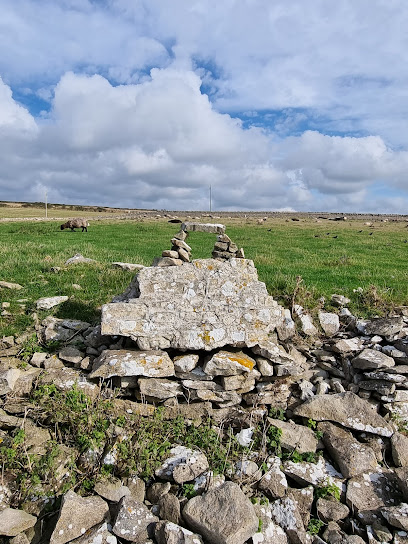
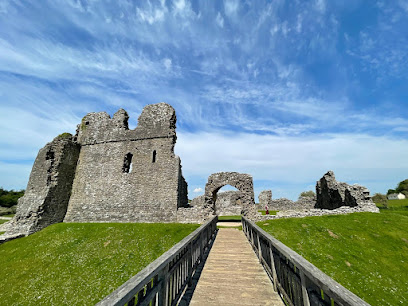
Ogmore Castle
4.2 km
Explore Ogmore Castle, a Norman fortress with ancient tidal defenses and a rich medieval history nestled by the River Ewenny in South Wales.
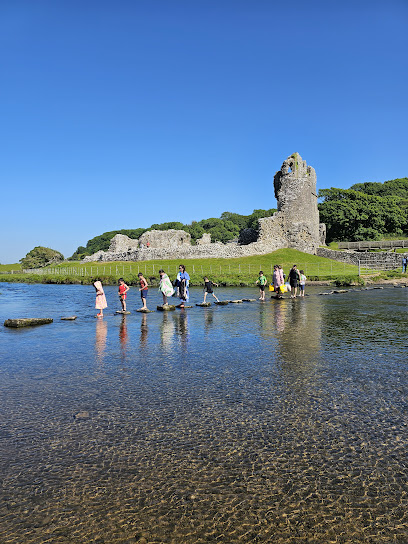
The Stepping Stones
4.2 km
Historic stepping stones beside Ogmore Castle offer scenic river crossing and timeless Welsh heritage in Bridgend’s tranquil countryside.
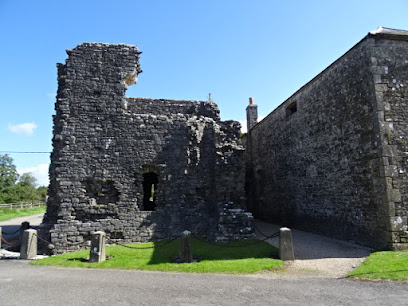
Ewenny Priory
5.5 km
Discover Ewenny Priory, a remarkable Norman Romanesque monastery fortified like a castle, blending medieval spirituality with military might in the Welsh countryside.
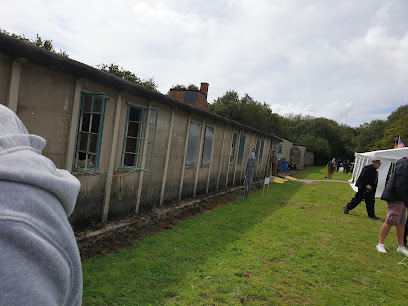
Hut 9, Island Farm
5.8 km
Explore the preserved Hut 9 at Island Farm, the site of Britain’s largest WWII German POW escape and a unique window into wartime history.
Nash Point Lighthouse
5.9 km
Historic 1832 lighthouse on Wales’ Glamorgan Heritage Coast, blending maritime legacy with stunning cliff-top views and rare wildlife.
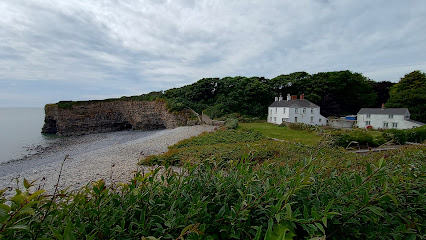
St Donat's Castle and Arts Centre
6.7 km
A historic medieval castle transformed into a vibrant arts and education centre overlooking the Bristol Channel.
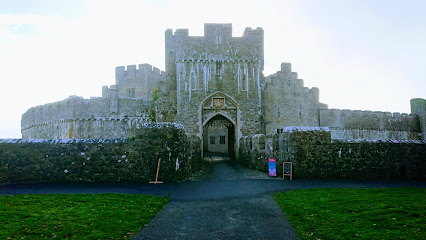
The Old Swan Inn
9.0 km
Historic gastropub in Llantwit Major offering cozy charm, fresh local dishes, and a welcoming garden retreat.
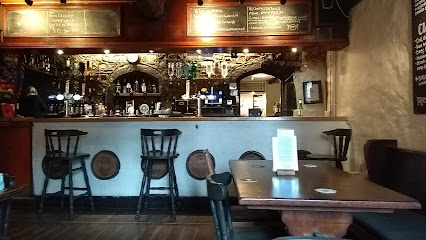
Castell Coety
9.4 km
Explore the evocative ruins of Castell Coety, a Norman castle rich in Welsh history and medieval resilience near Bridgend.
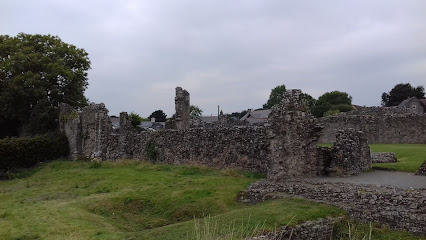
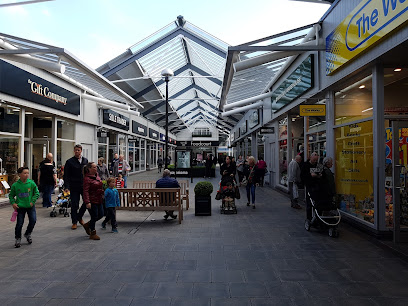
Designer Outlet Bridgend
10.0 km
Discover top designer brands with up to 60% off in a charming village-style outlet near Cardiff and Swansea.
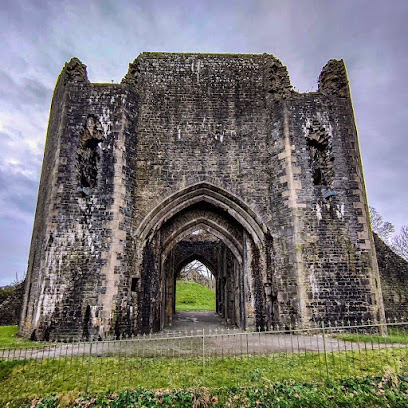
St Quentin's Castle
10.3 km
Explore the evocative ruins of St Quentin's Castle, a medieval stone fortress perched above the Welsh countryside near Cowbridge.
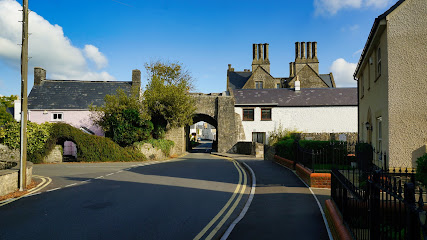
Cowbridge South Gate
10.7 km
Discover the charm and history of Cowbridge South Gate, a stunning landmark that embodies the rich heritage of this picturesque Welsh town.
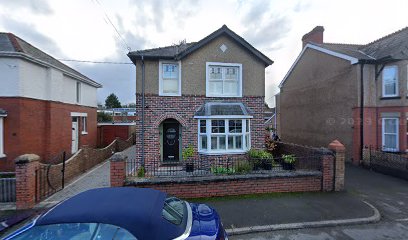
Glamorgan Family History Society
10.8 km
Discover your roots with the Glamorgan Family History Society’s rich archives and expert community in Aberkenfig.
Wiggleys Fun Farm
11.8 km
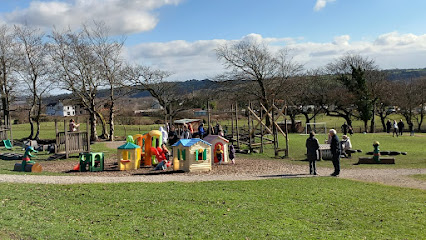
A lively family-friendly farm park in Bridgend offering year-round indoor and outdoor play, animal encounters, and nature trails for young children.
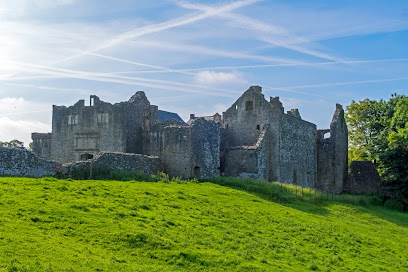
Old Beaupre Castle
12.1 km
Discover Old Beaupre Castle, a hidden Tudor manor with stunning Renaissance architecture nestled in the tranquil Vale of Glamorgan countryside.
Essential places to dine

Frolics
1.1 km
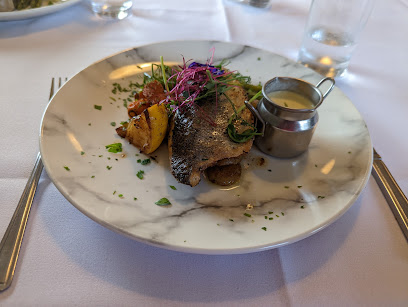
Coastal charm meets exquisite European cuisine at Frolics, Southerndown’s beloved family-run restaurant known for fresh flavors and warm hospitality.
Three Golden Cups - Pub | Dining | Campsite
1.1 km
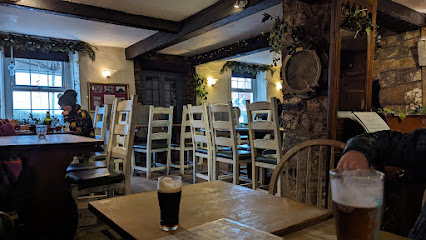
A cosy coastal pub with fresh dining and a spacious campsite, perfect for exploring Southerndown’s stunning bay and countryside.
Golden Mile Inn
6.0 km
A charming country pub in Corntown offering delicious traditional fare, scenic views, and warm Welsh hospitality.
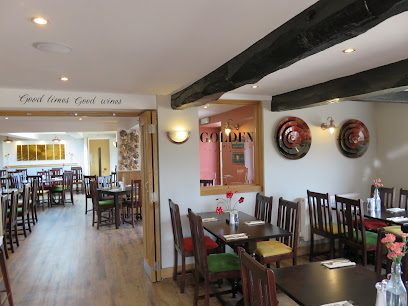
1832
7.7 km
A distinguished British restaurant and cocktail bar offering exquisite fish dishes and scenic harbour views on Porthcawl’s Eastern Promenade.
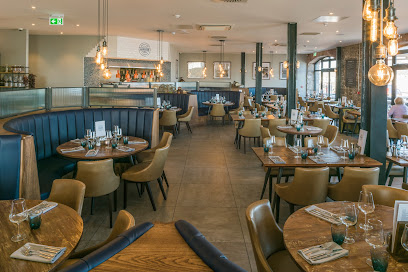
Illtud's 216
9.0 km
Cozy restaurant and bar in Llantwit Major offering homemade dishes, warm ambience, and attentive service in a historic setting.
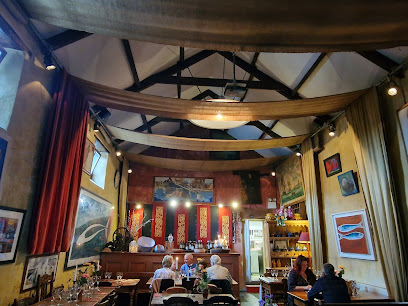
The Cwtch Restaurant
9.0 km
A cosy Welsh dining haven in Llantwit Major offering modern British cuisine with fresh seafood, steaks, and warm hospitality.
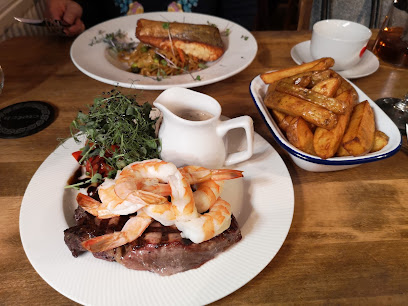
The Fox at Penllyn
9.2 km
Experience authentic Welsh pub charm and hearty cuisine in the cozy countryside setting of The Fox at Penllyn near Cowbridge.
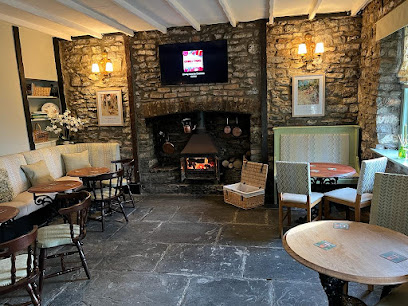
The Barley Mow
10.0 km
A cozy Welsh pub in Graig Penllyn offering fresh local fare, seasonal ales, and a warm community atmosphere near Cowbridge.
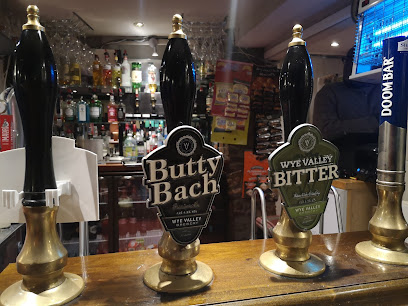
Pantruthyn Farm Table Table
10.8 km
Family-friendly pub dining in a cosy farm setting offering classic British dishes, hearty roasts, and great value near Bridgend.
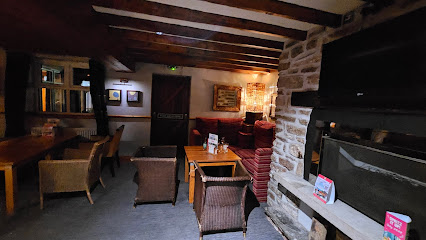
Harvester Old Mill Bridgend
12.0 km
A welcoming family-friendly British restaurant in Bridgend offering hearty meals, casual vibes, and attentive service for all ages.
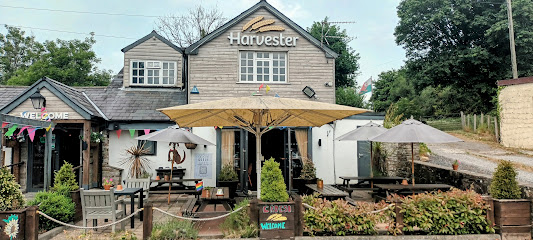
Prince Of Wales Inn
12.3 km
Experience delightful gastropub dining at Prince Of Wales Inn in Bridgend - where local flavors meet warm hospitality.
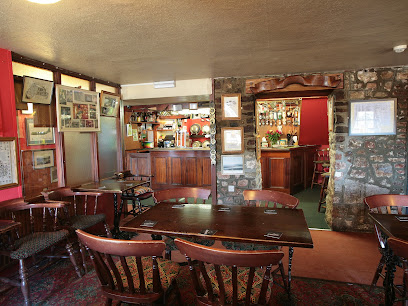
Hare & Hounds
12.3 km
Rustic charm meets refined dining at Hare & Hounds, Aberthin’s beloved pub and restaurant with locally inspired, flavour-packed cuisine.
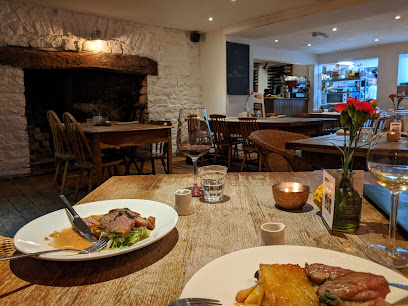
The Bush Inn
12.8 km
A charming Welsh country pub in Cowbridge offering hearty British fare, cosy atmosphere, and friendly service in a picturesque village setting.
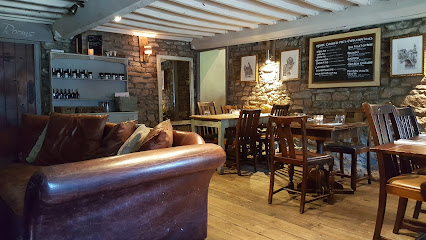
The White Lion
13.3 km
A vibrant Welsh country pub and hotel offering exceptional food, warm hospitality, and cozy accommodations in picturesque Ystradowen.
The Roost
13.8 km
A charming countryside pub blending modern comfort, home-cooked classics, and lively entertainment in St Athan near Barry.
Markets, malls and hidden boutiques

Elfin Mid Century
7.3 km
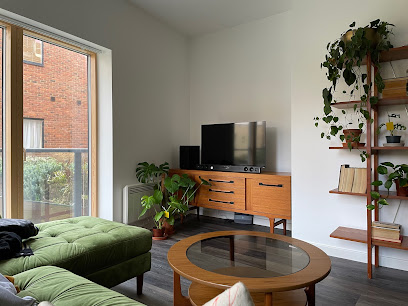
Discover timeless mid-century modern antiques in a unique industrial setting at Elfin Mid Century in Cowbridge’s Vale Business Park.
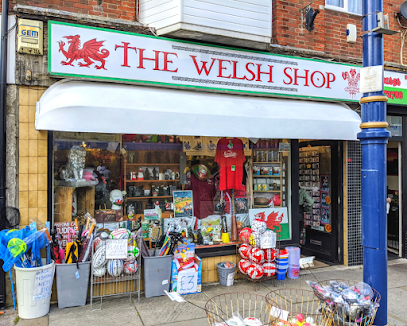
The Welsh Gift & Craft Shop Porthcawl
8.0 km
Authentic Welsh crafts and unique souvenirs in the heart of Porthcawl’s charming coastal town.
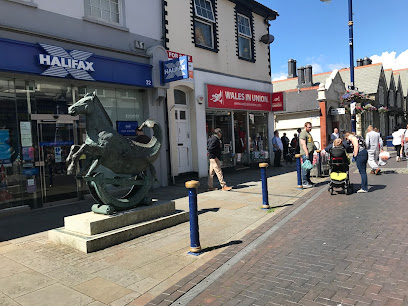
Maple
8.0 km
Discover handmade luxury chocolates and unique gifts in the heart of Porthcawl’s charming John Street at Maple.
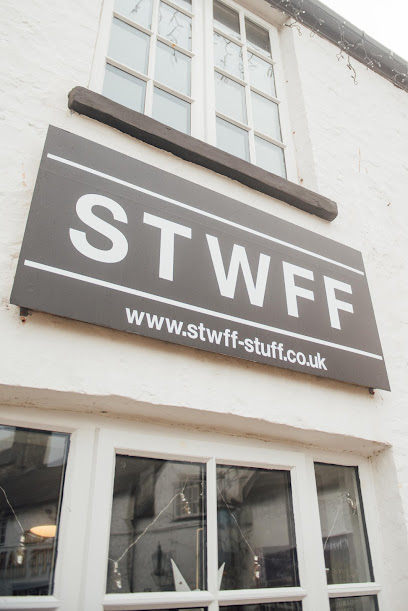
Stwff-Stuff
8.9 km
Discover unique gifts, fashion accessories, and local treasures in the heart of historic Llantwit Major at Stwff-Stuff.
Litus Gifts
9.6 km
Discover unique treasures and thoughtful gifts in the heart of historic Llantwit Major at Litus Gifts.

The Gift Company
10.1 km
Discover unique gifts and home furnishings with a family touch at The Gift Company in Bridgend’s Designer Outlet.

Forage Farm Shop and Kitchen
10.2 km
Experience the best of local produce and hearty meals at Forage Farm Shop and Kitchen in Cowbridge, a delightful retreat for all ages.
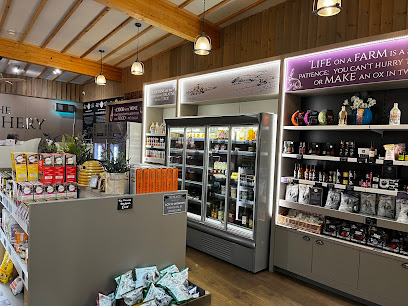
Bargain Booze Select Convenience
10.4 km
Your friendly local convenience store in Llantwit Major offering a wide range of beers, wines, spirits, tobacco, and vaporisers at great prices.

Cancer Research UK
10.8 km
Shop sustainably at Cancer Research UK in Cowbridge and support vital cancer research through your thoughtful purchases.
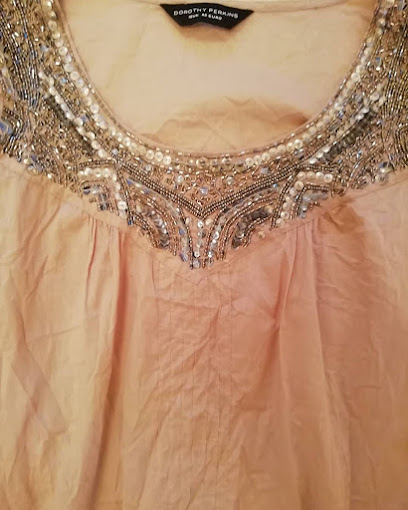
Happy Days Vintage Home Store
10.8 km
Discover vintage treasures and homemade delights in this charming Cowbridge emporium with a cozy café.
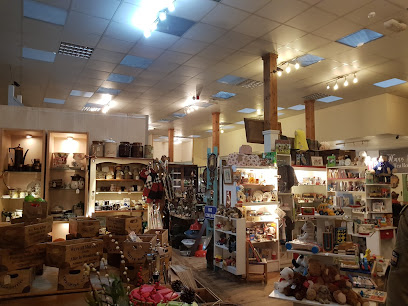
Goose Island Cowbridge
10.8 km
Discover timeless elegance and unique women's fashion at Goose Island Cowbridge, your stylish boutique on Cowbridge’s historic High Street.
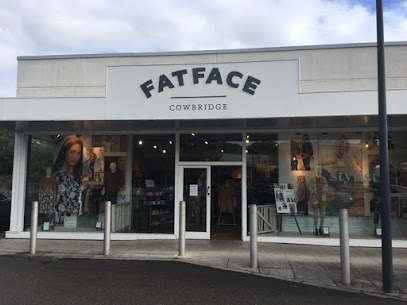
FatFace
10.8 km
Contemporary British fashion for the whole family in the heart of Cowbridge's charming high street.
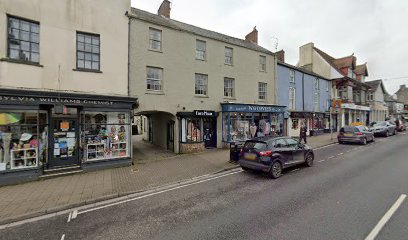
Willow In White Bridal Co
10.9 km
Discover exquisite wedding gowns and personalized service at Willow In White Bridal Co in Cowbridge, the perfect place for brides-to-be.

Cocoplum
10.9 km
Discover exclusive designer ladies' fashion in Cowbridge’s charming boutique, blending elegance with personalized style advice.
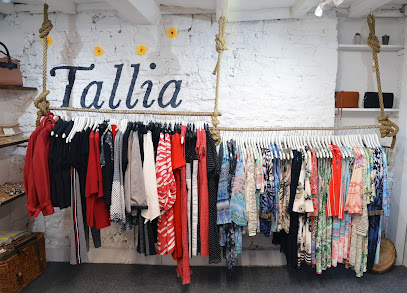
Tallia Cowbridge
10.9 km
Explore Tallia Cowbridge for a unique shopping experience filled with stylish clothing and local charm in the heart of Cowbridge.
Essential bars & hidden hideouts

Lamb & Flag
3.8 km
Historic Welsh pub in Wick offering hearty British fare, lively entertainment, and a warm community atmosphere.
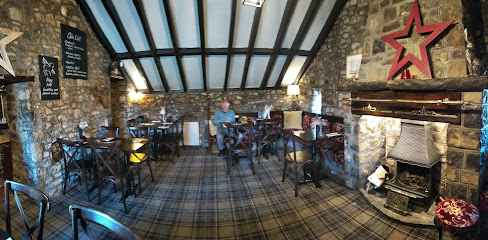
The Plough & Harrow
3.9 km
A cozy traditional pub in Monknash offering fresh local cuisine, real ales, and warm hospitality in the scenic Vale of Glamorgan.
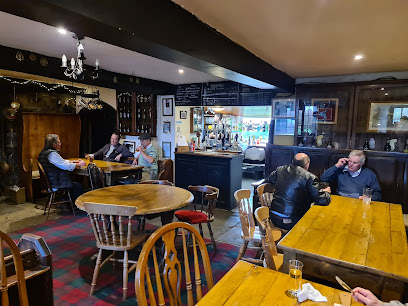
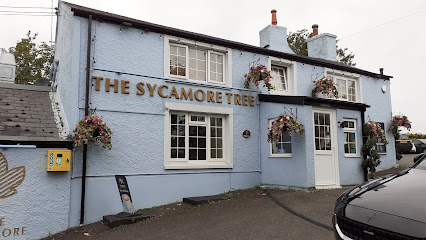
The Sycamore Tree
5.9 km
A charming countryside pub in Colwinston offering hearty meals, warm hospitality, and a welcoming atmosphere in the Vale of Glamorgan.
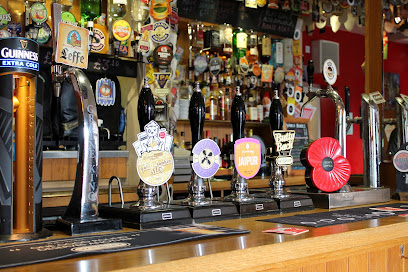
The Coach
6.7 km
Historic Bridgend brewpub blending 19th-century charm with modern craft beers, lively events, and a welcoming community vibe.
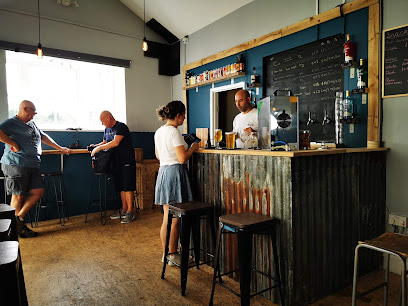
The Little Bar On The Bridge
7.2 km
A charming, intimate craft beer bar on Bridgend’s Old Stone Bridge, offering quality brews and a welcoming local atmosphere.
Vale Of Glamorgan Inn
10.8 km
A cozy Welsh pub in Cowbridge offering real ales, homemade food, and a lively beer garden with friendly service.
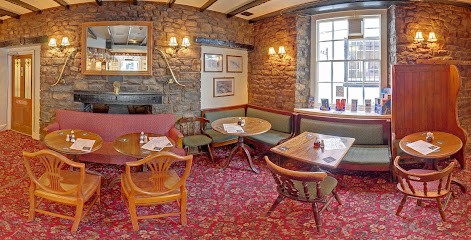
Pipeworks Bar
17.0 km
A cozy micro bar in Pontyclun offering craft keg beers, ciders, and gins in a friendly, unique atmosphere with occasional live music.
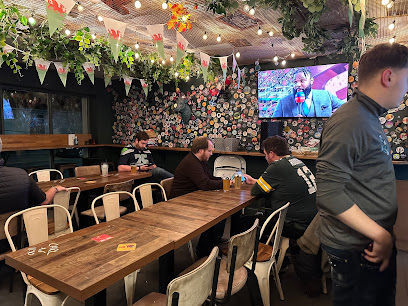
The Six Bells
17.5 km
Historic Welsh village pub with medieval roots, cozy fires, and locally sourced fare in the heart of Penmark.
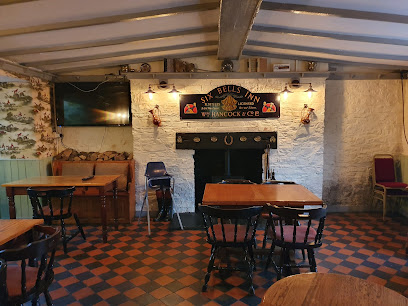
Fontygary Inn
17.7 km
A friendly traditional pub in Rhoose offering hearty meals, local ales, and a vibrant community atmosphere in the heart of the Vale of Glamorgan.
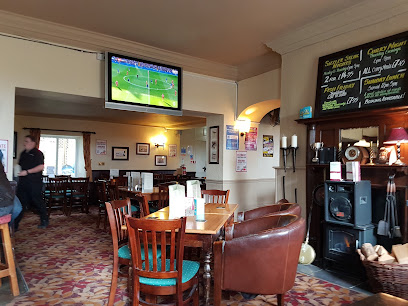
The Highwayman Inn
17.9 km
Rustic British pub in Rhoose famed for hearty portions, classic dishes, and a warm, lively atmosphere.
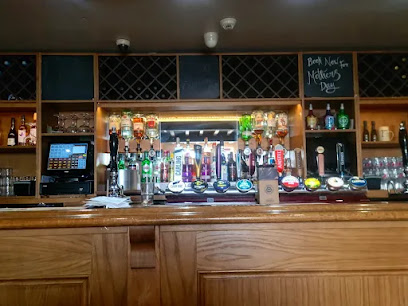
The Flying Club
18.7 km
A friendly, affordable bar in Rhoose offering unique planespotting views and a cozy atmosphere near Cardiff Airport.
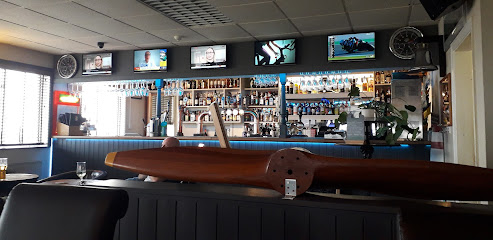
Ocean Lounge
20.1 km
Charming coastal pub nestled in Porthkerry Caravan Park offering stunning sea views, local ales, and a welcoming atmosphere in South Wales.
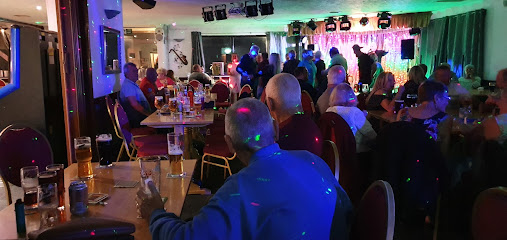
Cherry Orchard
22.8 km
A modern, family-friendly pub in Barry offering great ales, tasty meals, and a welcoming atmosphere in a charming historic setting.
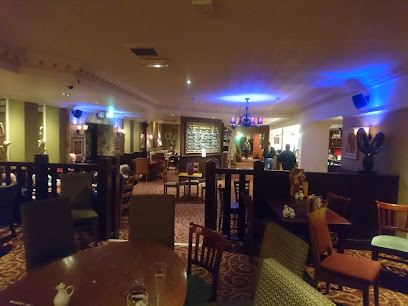
Bar Enzo
23.3 km
A cozy, friendly bar on Barry’s seafront offering Welsh lagers, cocktails, and a relaxed coastal vibe with inviting indoor and outdoor seating.
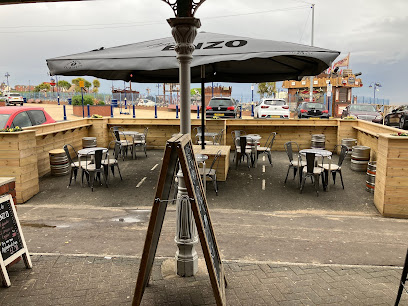
The Tyn
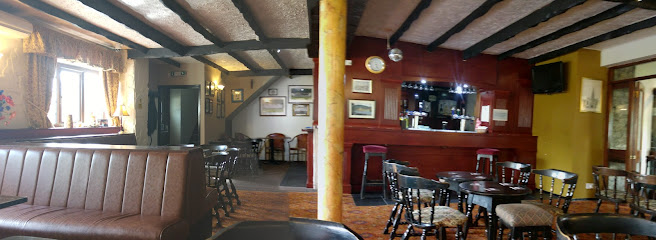
23.7 km
A charming Baglan pub blending Welsh hospitality, local ales, and lively events in a cozy setting with a popular beer garden.
Nightclubs & after hour spots

The Top Club
20.3 km
Experience Blaengarw’s vibrant nightlife at The Top Club, where electrifying entertainment meets community spirit in the heart of South Wales.
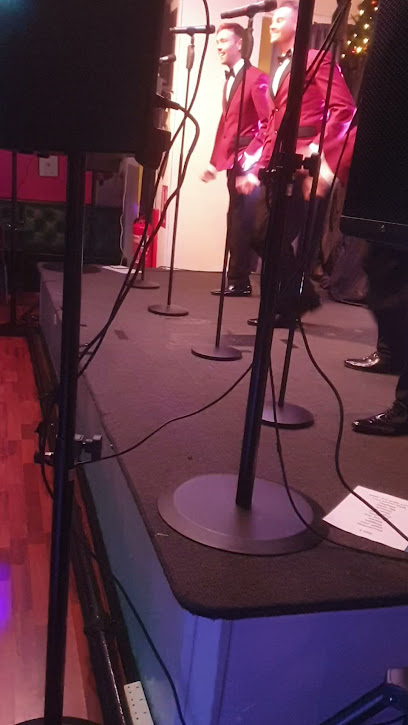
Jimmy's Bar
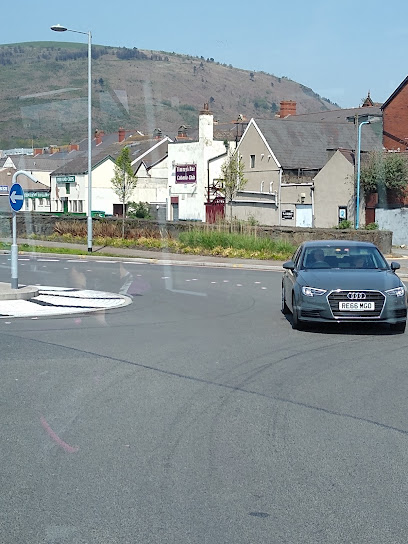
20.8 km
Experience the vibrant nightlife and live music scene at Jimmy's Bar, Port Talbot’s lively local hotspot with a welcoming atmosphere.
Coco Cubanas
22.7 km
Experience the vibrant weekend nightlife and energetic dance scene at Coco Cubanas, Barry’s premier late-night club on Broad Street.
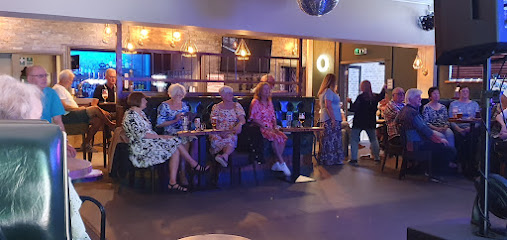
Bar Cocoa
22.7 km
Experience Barry’s vibrant weekend nightlife at Bar Cocoa, a lively nightclub where music and dancing keep the party going until the early morning.

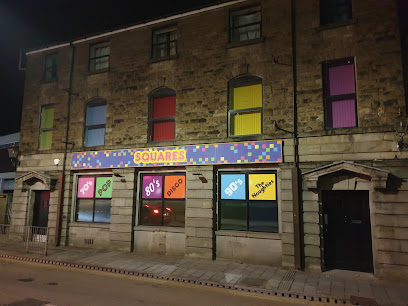
Squares Night club
23.0 km
Experience Porth’s vibrant nightlife at Squares Nightclub, where music, dance, and unforgettable evenings come alive every weekend.
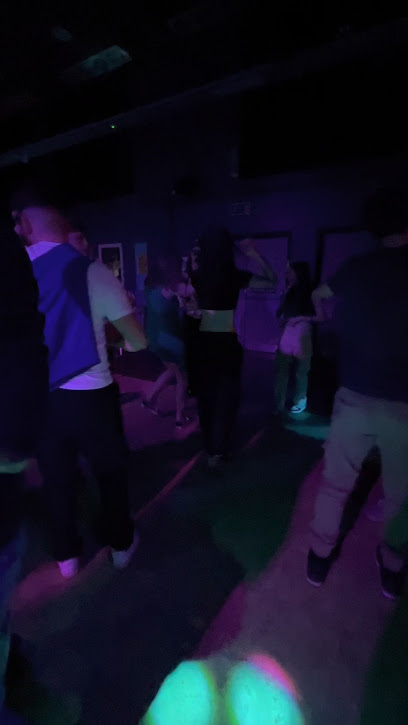
Eclipse Nightclub
24.8 km
Experience Pontypridd’s vibrant midweek nightlife at Eclipse Nightclub, where music, dancing, and community come alive every Wednesday night.
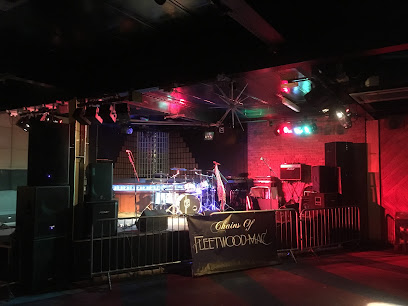
The Arch Bar & Nightclub
28.2 km
A lively Neath hotspot blending nightclub energy, live music, pub charm, and Thai cuisine in one vibrant venue.
Fuel Rock Club
29.4 km
Cardiff's unyielding rock fortress on Womanby Street: live metal mayhem, cheap drinks, and a beer garden for the faithful.
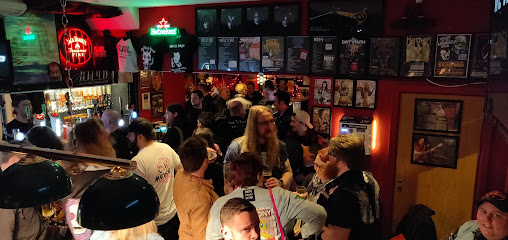
Clwb Ifor Bach
29.4 km
Cardiff's gritty Welsh club heart: live music legends, late-night dances, and cultural rebellion on historic Womanby Street since 1983.

For Your Eyes Only
29.6 km
Elegant and vibrant dance club in Cardiff’s city centre offering stylish interiors, live entertainment, and a lively nightlife atmosphere.

Popworld - Cardiff
29.6 km
Dive into cheesy pop heaven at Popworld Cardiff—karaoke, half-price drinks, and dance floor anthems until 3am on vibrant St Mary Street.
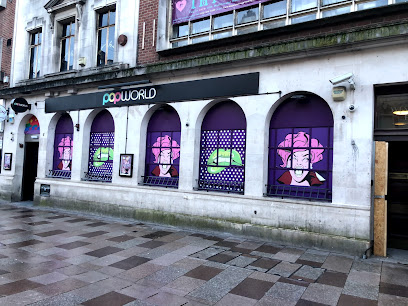
Walkabout - Cardiff
29.7 km
Discover the ultimate sports bar experience in Cardiff, offering vibrant nightlife, delicious food, and live sports in a lively atmosphere.

Metros
29.7 km
Cardiff's alternative nightclub haven: cheap drinks, eclectic DJs, and non-stop rock, ska, and indie beats fueling wild weekends till 4am.

The Live Lounge Cardiff
29.7 km
Immerse yourself in the energetic atmosphere of The Live Lounge Cardiff, where live music, delicious cuisine, and vibrant nightlife await.
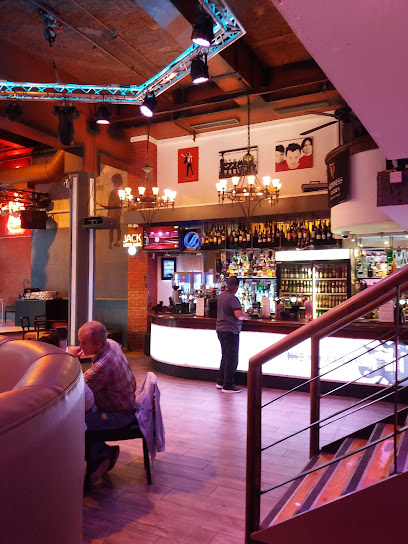
Be At One - Cardiff
29.7 km
Discover the vibrant cocktail culture at Be At One in Cardiff, where every drink is a celebration and the atmosphere is electric!
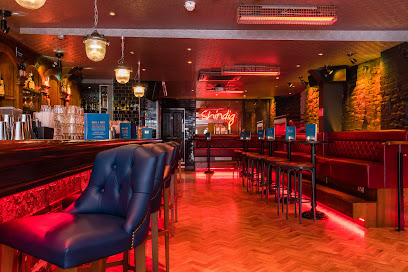
For the vibe & atmosphere seeker
- Tranquil
- Scenic
- Unique
- Romantic
For the design and aesthetic lover
- Vintage Styles
- Rustic Designs
For the architecture buff
- Historic
- Landmarks
- Parks & Gardens
- Heritage Neighborhoods
For the view chaser and sunset hunter
- Iconic Views
- Panoramas
- Sunset Spots
For the social media creator & influencer
- Instagrammable
- Photo Spots
- Selfie Spots
For the eco-conscious traveler
- Protected Area
- Public-Transport Accessible
- Leave-No-Trace Critical
- Locally Managed
For the kind of experience you’re after
- Cultural Heritage
- Myth & Legends
- Nature Escape
- Day Trip
- Photowalk
- Weekend Getaway
For how adventurous you want the journey to be
- Easy Access
Location Audience
- Family Friendly
- Senior Friendly
- Child Friendly
- Teen Friendly
- Wheelchair Access
- Pet Friendly
- Solo Friendly
- Couple Friendly
- Vegetarian Friendly
- Vegan Friendly


