
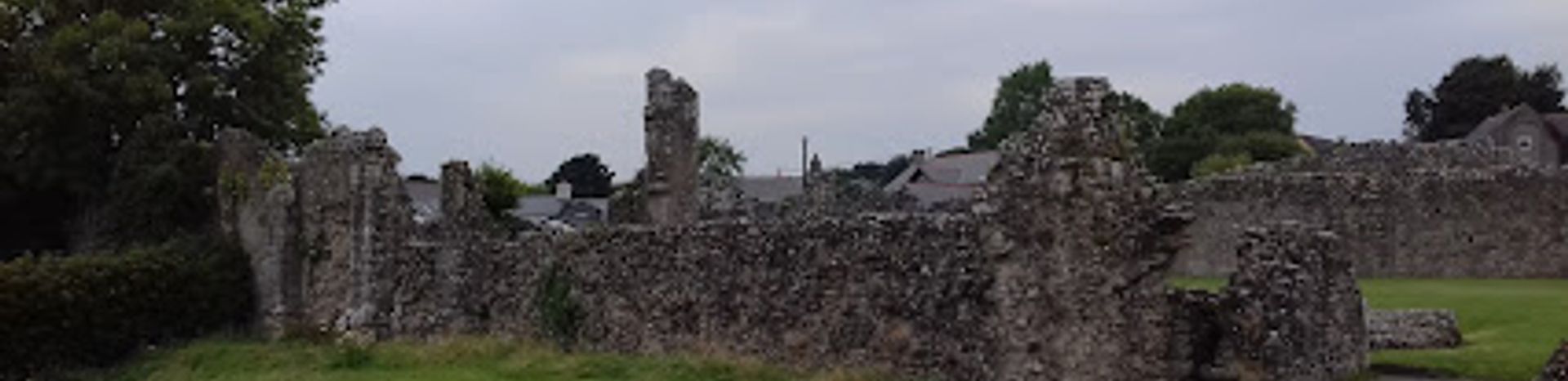
Castell Coety: A Norman Stronghold Steeped in Welsh History
Explore the evocative ruins of Castell Coety, a Norman castle rich in Welsh history and medieval resilience near Bridgend.
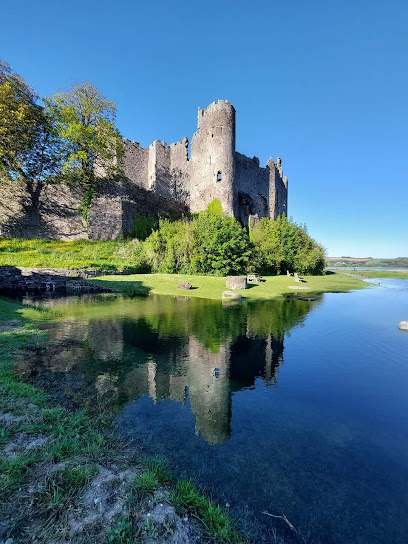
Castell Coety, located in Coity near Bridgend, Wales, is a captivating Norman castle ruin with origins dating back to the early 12th century. Originally an earthwork fortress, it evolved through centuries of architectural additions and sieges, notably surviving a prolonged siege during Owain Glyndŵr's uprising. Today, the castle’s ruins reveal a layered history with stone keeps, curtain walls, and Tudor-era modifications, offering visitors a fascinating glimpse into medieval Welsh heritage.
A brief summary to Castell Coety
- Bridgend, Coity, CF35 6BG, GB
- +443000256000
- Visit website
- Duration: 1 to 2 hours
- Free
-
 Outdoor
- Mobile reception: 4 out of 5
- Monday 10 am-4 pm
- Tuesday 10 am-4 pm
- Wednesday 10 am-4 pm
- Thursday 10 am-4 pm
- Friday 10 am-4 pm
- Saturday 10 am-4 pm
- Sunday 10 am-4 pm
Local tips
- Wear sturdy shoes as some paths around the moat can be narrow and slippery, especially when wet.
- Respect safety barriers and do not climb on the ruins to avoid injury.
- Bring a camera to capture the impressive east gate, curtain walls, and atmospheric ruins.
- Visit during daylight hours (10am–4pm) as the castle is closed after 4pm and on major holidays.
- The site is dog-friendly but keep pets on a lead to protect wildlife and respect other visitors.

For the on-the-go comforts that matter to you
- Restrooms
- Seating Areas
- Information Boards
Getting There
-
By Car
Drive to Coity village near Bridgend via the A4061, with parking available on a designated hard-standing space at the castle entrance or in nearby residential streets. Travel time from Bridgend town center is approximately 7–10 minutes. Be mindful of local access and avoid blocking residential drives.
-
By Train and Walk
Take a train to Bridgend railway station, about 3.2 km from Castell Coety. From the station, a 35–45 minute walk through mostly flat terrain leads to the castle. Suitable for those comfortable with a moderate walk on gravel and grass paths.
-
By Bicycle
Cycle along National Cycle Network Route 885, which passes near Coity Castle. The route offers a scenic and safe approach suitable for most cyclists, with an estimated cycling time of 15–20 minutes from Bridgend town center.
Castell Coety location weather suitability
-
 Any Weather
-
 Rain / Wet Weather
-
 Clear Skies
-
 Mild Temperatures
-
 Windy Conditions
Discover more about Castell Coety
Origins and Early Construction
Castell Coety was founded in the early 12th century by Sir Payn "the Demon" de Turberville, one of the legendary Twelve Knights of Glamorgan who played a key role in the Norman conquest of south-eastern Wales. The site likely had earlier strategic significance, possibly hosting a Roman fort controlling vital routes. The castle began as an earthwork ringwork around AD 1100, with a rectangular stone keep and curtain wall added in the late 12th century by Gilbert de Turberville, reflecting the need for stronger defenses amid Welsh-Norman conflicts.Architectural Evolution Through Centuries
Over the 14th and 15th centuries, Castell Coety underwent major rebuilding and expansion. The 14th century saw modernization under Gilbert IV and his son Richard, while the 15th century brought further enhancements by Sir Lawrence Berkerolles. These modifications included the addition of a third floor and improvements to defensive structures. The castle’s architecture is a complex jumble of styles, with surviving features such as a large stone keep, curtain walls, a drawbridge over the moat, and remnants of ribbed vaults and fireplaces that illustrate its long occupation.The Historic Siege and Later Decline
Castell Coety is renowned for withstanding a nearly two-year siege during Owain Glyndŵr’s Welsh uprising in 1404-1405. Despite the rebellion’s successes elsewhere, the castle’s defenders resisted fiercely, marking the siege as its most famous historical event. However, the castle sustained significant damage and gradually fell into disrepair. Ownership disputes and changing political circumstances led to its abandonment in the early 18th century, after which it became a romantic ruin.Present-Day Experience and Conservation
Today, Castell Coety is managed by Cadw and is open daily from 10am to 4pm, free of charge. Visitors can explore the atmospheric ruins, including the impressive east gate, curtain walls, and central green space. The site is largely flat with grass and gravel paths, though some areas can be narrow or slippery when wet. Guardrails protect visitors from unsafe areas, and climbing on ruins is prohibited for safety. The castle is dog-friendly and offers an educational experience for all ages, revealing centuries of Welsh history through its stones.Local Context and Surroundings
Situated just northeast of Bridgend, Castell Coety stands within the village of Coity, surrounded by residential streets and farmland. The castle’s location on historic routes underscores its strategic importance. Nearby, visitors can enjoy the charm of the village and explore other Cadw-managed sites in the region. Parking is limited near the castle entrance, with additional options in surrounding streets, ensuring a quiet and respectful environment for the ruins.Legacy and Cultural Significance
Castell Coety embodies the turbulent history of Norman and Welsh interactions, the resilience of medieval fortifications, and the cultural heritage of Glamorgan. Its layered architecture tells stories of conquest, rebellion, and aristocratic life, while its survival as a ruin invites reflection on the passage of time. The castle remains a symbol of Welsh identity and medieval legacy, attracting history enthusiasts and casual visitors alike to explore its evocative grounds.Iconic landmarks you can’t miss

Y Bwlwarcau
11.0 km
Explore Y Bwlwarcau, a serene Iron Age hillfort nestled on Mynydd Margam’s slopes, revealing ancient Welsh heritage amidst tranquil countryside.

Visit the Vale
13.4 km
Explore the Vale: Your gateway to stunning landscapes, rich heritage, and unforgettable experiences in a picturesque region.
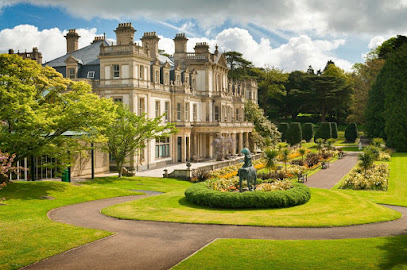
Mountain View Ranch
22.0 km
Discover the beauty of the Welsh countryside at Mountain View Ranch, where adventure meets nature for unforgettable experiences.
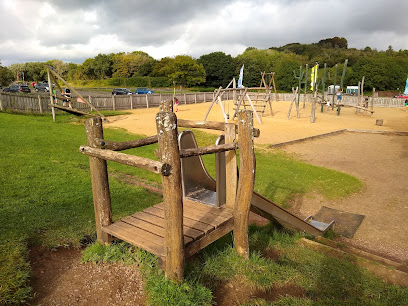
Caerau Fort
22.1 km
Explore Caerau Fort, an ancient Iron Age hillfort in Cardiff, rich in history and breathtaking views, perfect for history buffs and nature lovers.
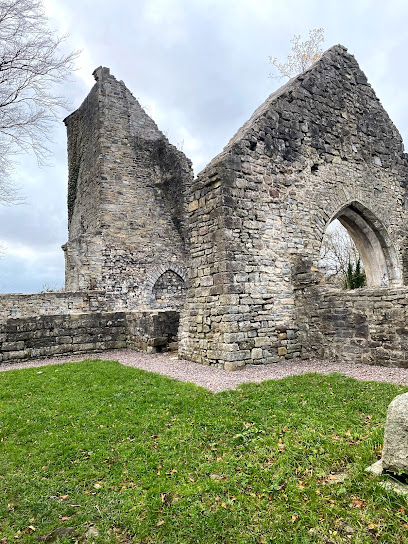
Dramatic Heart of Wales
22.2 km
Discover the breathtaking landscapes and vibrant culture of the Dramatic Heart of Wales, a must-visit destination for every traveler.
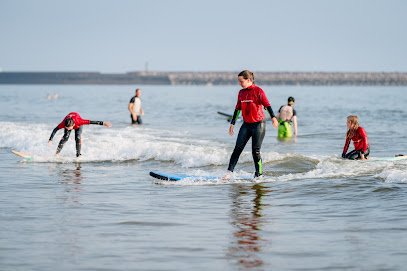
Bronze age mound
22.2 km
Discover the Bronze Age Mound in Barry, a remarkable historical landmark where ancient history and natural beauty intertwine for an unforgettable experience.
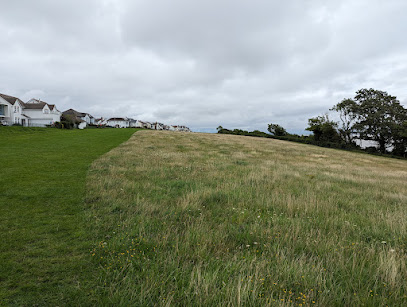
Barry Castle
22.7 km
Explore the rich history and stunning architecture of Barry Castle, a medieval gem nestled in the heart of Barry, Wales.
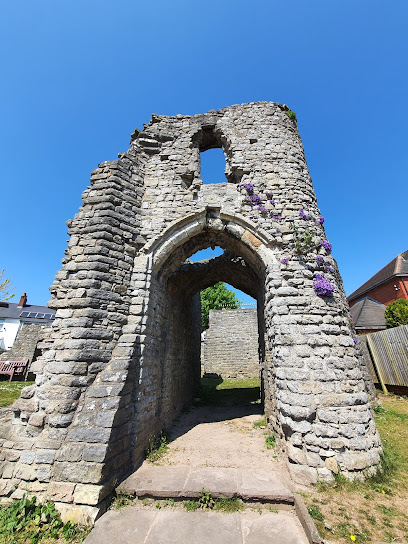
Llandaff Cathedral
23.4 km
Discover the beauty and history of Llandaff Cathedral, a stunning architectural gem nestled in Cardiff, offering a serene atmosphere and captivating artistry.
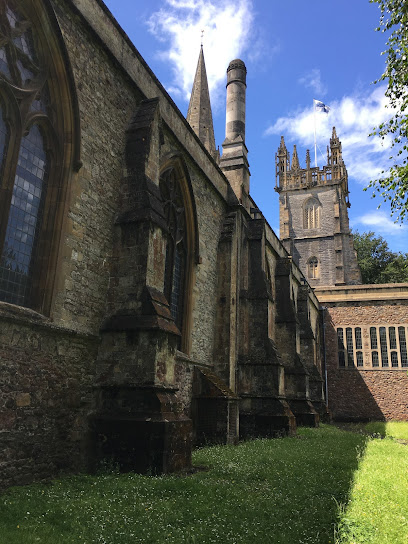
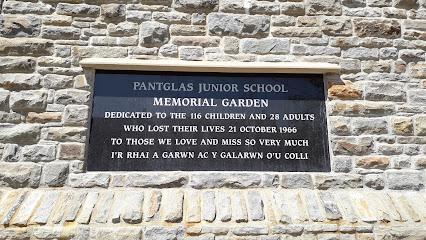
Aberfan Disaster Memorial
23.5 km
Explore the Aberfan Disaster Memorial, a poignant tribute to resilience and remembrance in the heart of Wales, honoring lives lost in the 1966 tragedy.
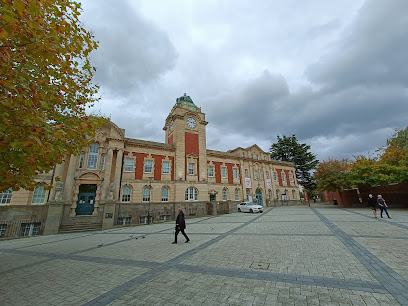
King Square, Barry
23.6 km
Experience the heart of Barry at King Square, a vibrant town square filled with history, culture, and local charm in Wales.
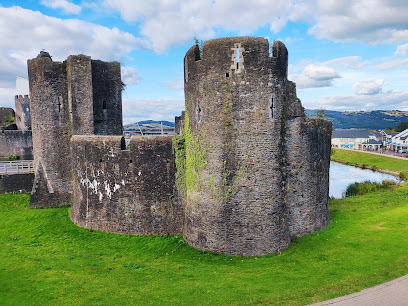
Castell Caerffili / Caerphilly Castle
23.8 km
Explore Caerphilly Castle, the grand second largest castle in the UK, where history and architecture come alive in stunning Welsh landscapes.
Tommy Cooper Statue
23.9 km
Discover the joy of comedy at the Tommy Cooper Statue in Caerphilly, a charming tribute to the legendary Welsh comedian.

Barry War Museum
24.1 km
Explore the Barry War Museum, a captivating destination that brings military history to life through engaging exhibits and local stories of bravery and sacrifice.
Tours of Wales
24.6 km
Discover Wales’ rich history and stunning landscapes on small-group, expertly guided day tours with Tours of Wales.
Jackson's Bay
24.8 km
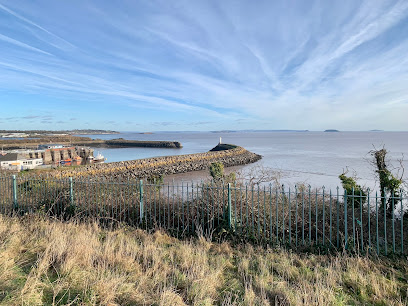
Experience the breathtaking beauty and tranquility of Jackson's Bay, a coastal gem in Barry, Wales, perfect for relaxation and adventure.
Unmissable attractions to see

Designer Outlet Bridgend
2.0 km
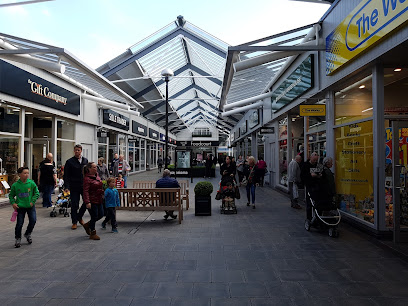
Discover top designer brands with up to 60% off in a charming village-style outlet near Cardiff and Swansea.
Glamorgan Family History Society
3.5 km
Discover your roots with the Glamorgan Family History Society’s rich archives and expert community in Aberkenfig.
Hut 9, Island Farm
3.8 km
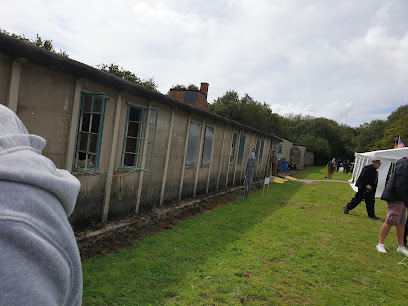
Explore the preserved Hut 9 at Island Farm, the site of Britain’s largest WWII German POW escape and a unique window into wartime history.
Ewenny Priory
3.9 km
Discover Ewenny Priory, a remarkable Norman Romanesque monastery fortified like a castle, blending medieval spirituality with military might in the Welsh countryside.
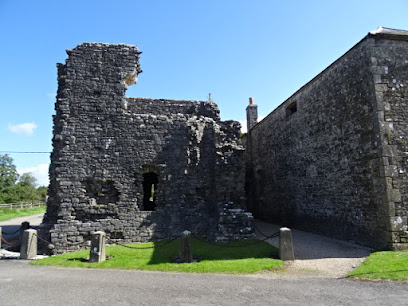
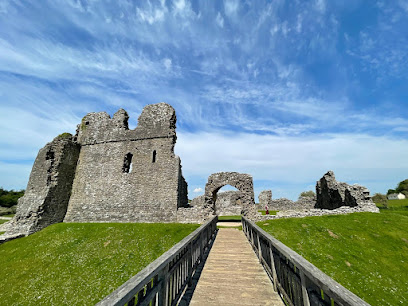
Ogmore Castle
6.1 km
Explore Ogmore Castle, a Norman fortress with ancient tidal defenses and a rich medieval history nestled by the River Ewenny in South Wales.
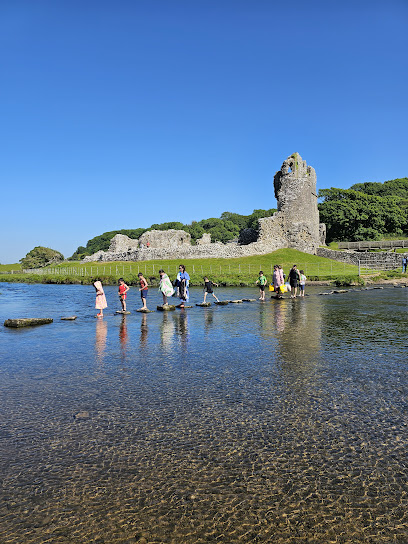
The Stepping Stones
6.1 km
Historic stepping stones beside Ogmore Castle offer scenic river crossing and timeless Welsh heritage in Bridgend’s tranquil countryside.
Wiggleys Fun Farm
6.4 km
A lively family-friendly farm park in Bridgend offering year-round indoor and outdoor play, animal encounters, and nature trails for young children.
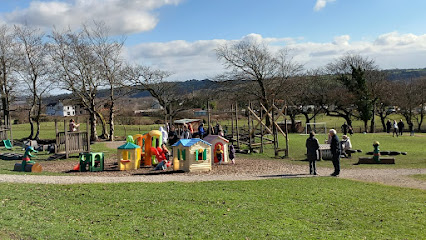
Brynna Woods
6.5 km
A tranquil 38-hectare reserve blending ancient woodland, rare wildlife habitats, and coal mining heritage near Pontyclun, Wales.
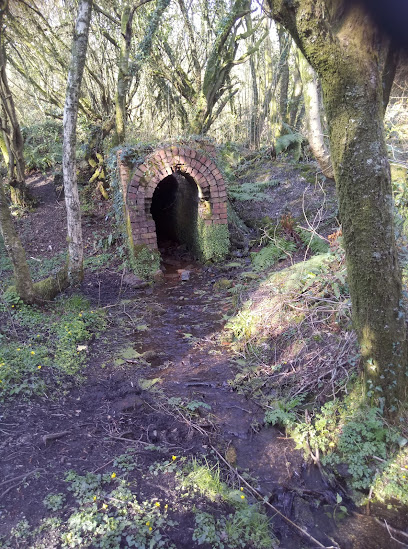
Ogmore by the sea
9.0 km
Peaceful coastal village with expansive golden beaches, historic ruins, and scenic walks along the Glamorgan Heritage Coast.
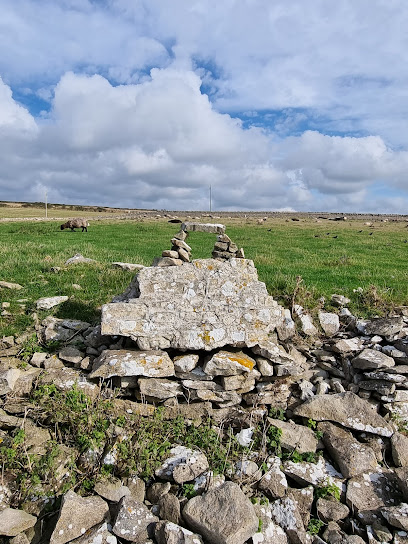
Dunraven Castle
9.4 km
Explore the evocative ruins and historic gardens of Dunraven Castle, a Gothic coastal landmark steeped in Welsh history and legends.
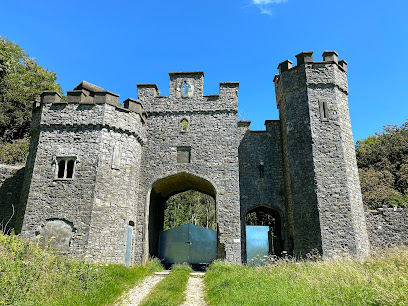
Cowbridge South Gate
9.8 km
Discover the charm and history of Cowbridge South Gate, a stunning landmark that embodies the rich heritage of this picturesque Welsh town.
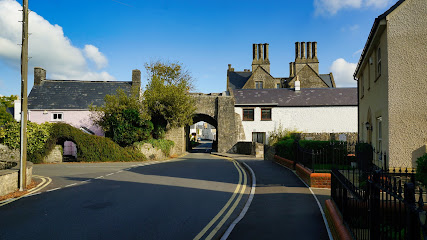
St Quentin's Castle
9.8 km
Explore the evocative ruins of St Quentin's Castle, a medieval stone fortress perched above the Welsh countryside near Cowbridge.
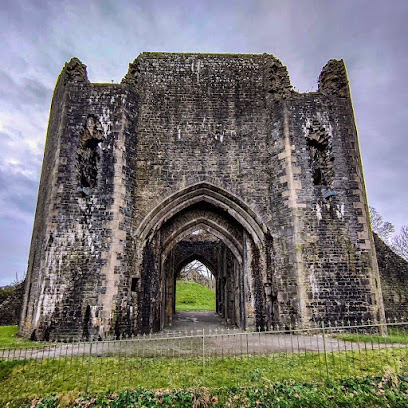
The Royal Mint Experience
12.0 km
Step inside the historic Royal Mint in Llantrisant to witness coin-making craft, explore centuries of heritage, and strike your own UK coin.

Billy Wynt
12.1 km
Explore the historical landmark Billy Wynt in Llantrisant, where stunning views and rich heritage await every visitor.
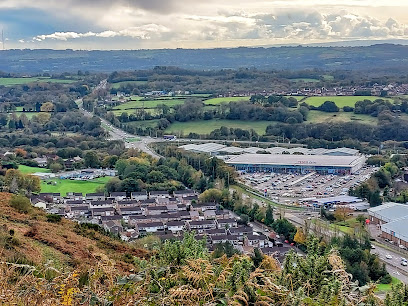
Go Ape Margam
12.5 km
Thrilling treetop adventures and breathtaking coastal views await in the historic Margam Country Park.
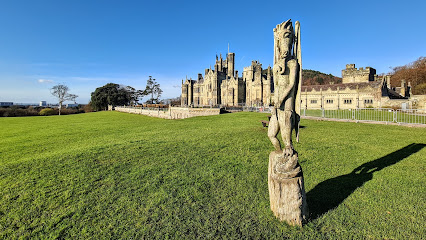
Essential places to dine

Golden Mile Inn
4.1 km
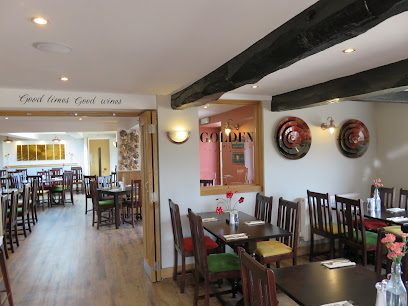
A charming country pub in Corntown offering delicious traditional fare, scenic views, and warm Welsh hospitality.
Pantruthyn Farm Table Table
4.2 km
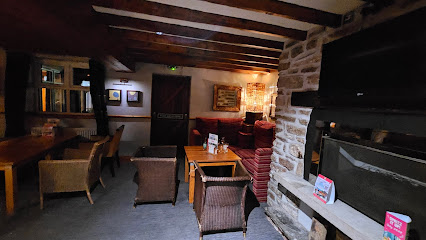
Family-friendly pub dining in a cosy farm setting offering classic British dishes, hearty roasts, and great value near Bridgend.
Harvester Old Mill Bridgend
4.8 km
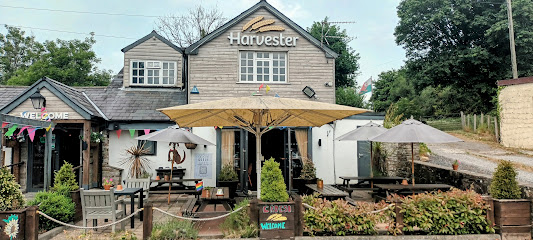
A welcoming family-friendly British restaurant in Bridgend offering hearty meals, casual vibes, and attentive service for all ages.
Llangeinor Arms
6.4 km
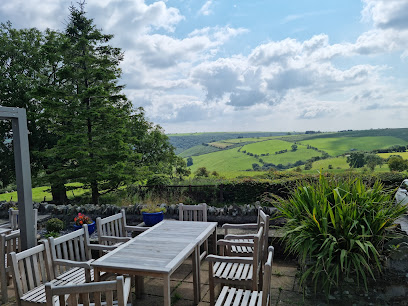
Authentic Welsh gastropub serving hearty home-cooked meals and local craft beers in a warm, welcoming setting in Bettws, Mid Glamorgan.
The Barley Mow
6.8 km
A cozy Welsh pub in Graig Penllyn offering fresh local fare, seasonal ales, and a warm community atmosphere near Cowbridge.
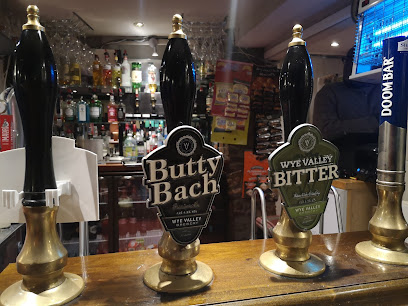
The Fox at Penllyn
7.2 km
Experience authentic Welsh pub charm and hearty cuisine in the cozy countryside setting of The Fox at Penllyn near Cowbridge.
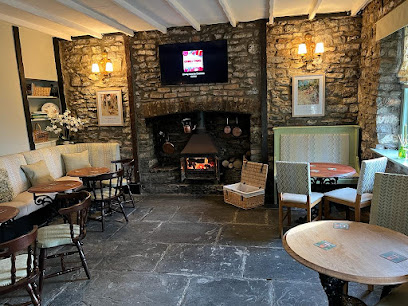
Three Golden Cups - Pub | Dining | Campsite
8.7 km
A cosy coastal pub with fresh dining and a spacious campsite, perfect for exploring Southerndown’s stunning bay and countryside.
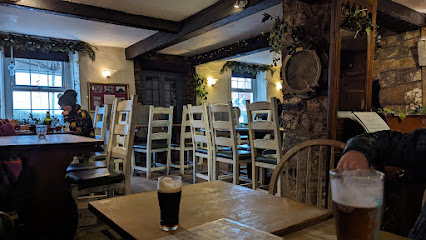
Frolics
8.7 km
Coastal charm meets exquisite European cuisine at Frolics, Southerndown’s beloved family-run restaurant known for fresh flavors and warm hospitality.
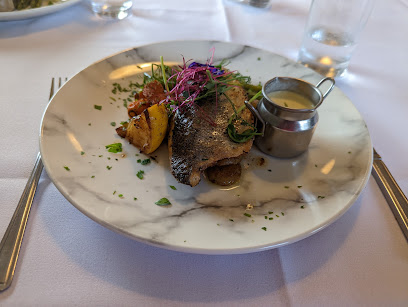
The White Lion
9.6 km
A vibrant Welsh country pub and hotel offering exceptional food, warm hospitality, and cozy accommodations in picturesque Ystradowen.
Hare & Hounds
10.5 km
Rustic charm meets refined dining at Hare & Hounds, Aberthin’s beloved pub and restaurant with locally inspired, flavour-packed cuisine.
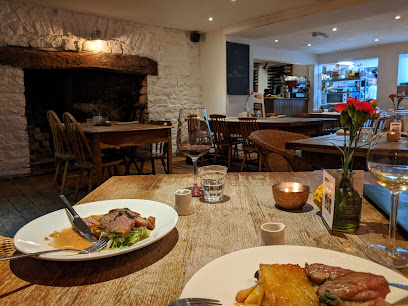
1832
11.6 km
A distinguished British restaurant and cocktail bar offering exquisite fish dishes and scenic harbour views on Porthcawl’s Eastern Promenade.
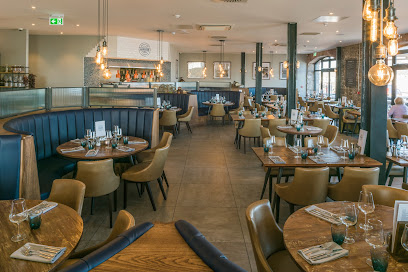
The Longbow Beefeater
11.7 km
Classic British bar and grill in Pontyclun offering hearty steaks, family-friendly dining, and a welcoming atmosphere all day long.
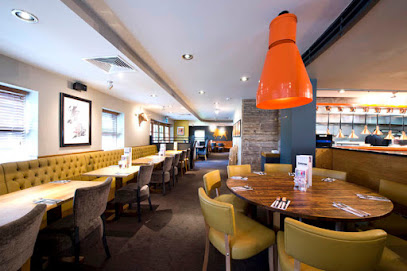
Prince Of Wales Inn
11.9 km
Experience delightful gastropub dining at Prince Of Wales Inn in Bridgend - where local flavors meet warm hospitality.
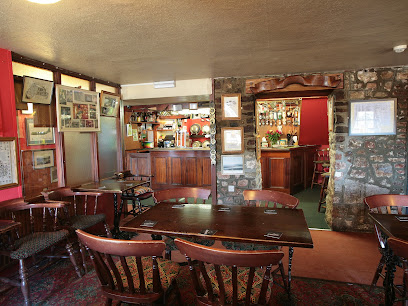
Harvester Llantrisant
12.1 km
Family-friendly bar & grill in Talbot Green Shopping Park serving classic British dishes with a welcoming atmosphere.
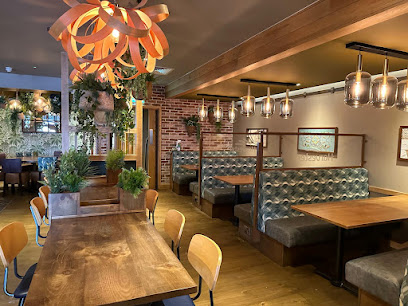
Miskin Arms
12.3 km
A cozy and quality-driven restaurant and bar in Pontyclun, serving fresh local meats and fish with a welcoming atmosphere.
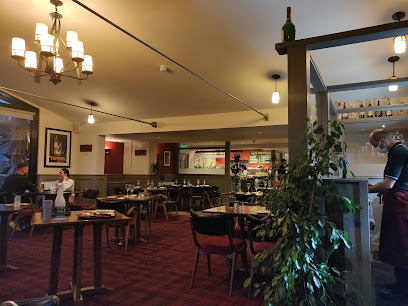
Markets, malls and hidden boutiques

The Gift Company
2.0 km
Discover unique gifts and home furnishings with a family touch at The Gift Company in Bridgend’s Designer Outlet.

Forage Farm Shop and Kitchen
9.0 km
Experience the best of local produce and hearty meals at Forage Farm Shop and Kitchen in Cowbridge, a delightful retreat for all ages.
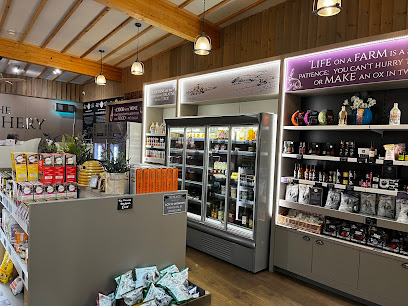
Cancer Research UK
9.8 km
Shop sustainably at Cancer Research UK in Cowbridge and support vital cancer research through your thoughtful purchases.
Goose Island Cowbridge
9.8 km
Discover timeless elegance and unique women's fashion at Goose Island Cowbridge, your stylish boutique on Cowbridge’s historic High Street.
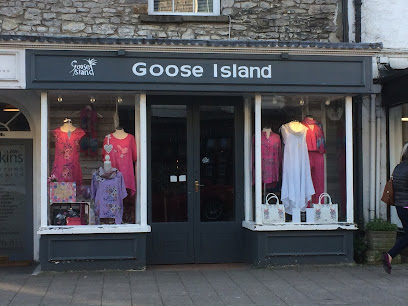
Stwff-Stuff
9.8 km
Discover unique Welsh gifts, homewares, and accessories in a warm, welcoming shop nestled in Cowbridge’s historic High Street.
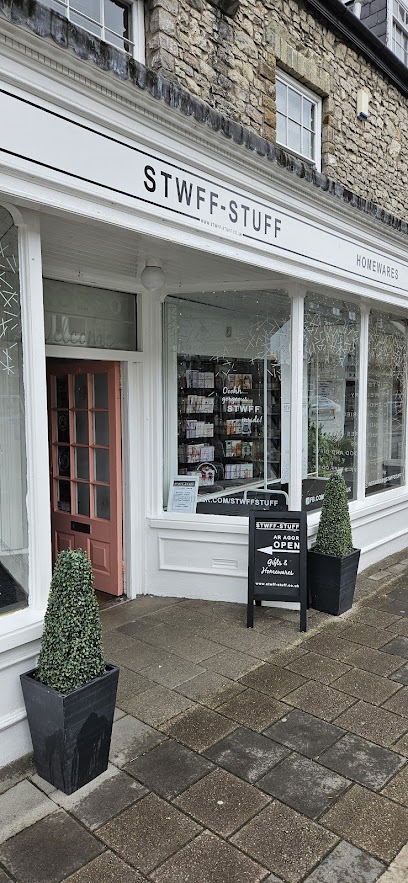
Happy Days Vintage Home Store
9.8 km
Discover vintage treasures and homemade delights in this charming Cowbridge emporium with a cozy café.
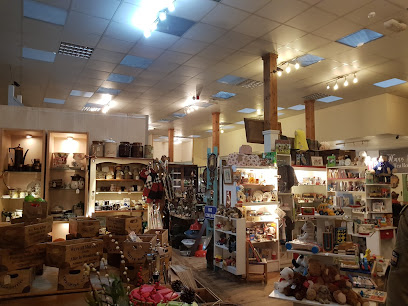
Tallia Cowbridge
9.8 km
Explore Tallia Cowbridge for a unique shopping experience filled with stylish clothing and local charm in the heart of Cowbridge.
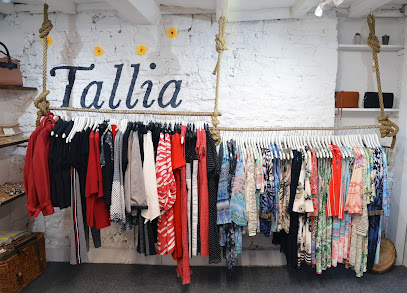
Willow In White Bridal Co
9.8 km
Discover exquisite wedding gowns and personalized service at Willow In White Bridal Co in Cowbridge, the perfect place for brides-to-be.

Your Ethical home
9.8 km
Explore 'Your Ethical Home' in Cowbridge for sustainably crafted candles that fill your space with warmth and ethical charm.
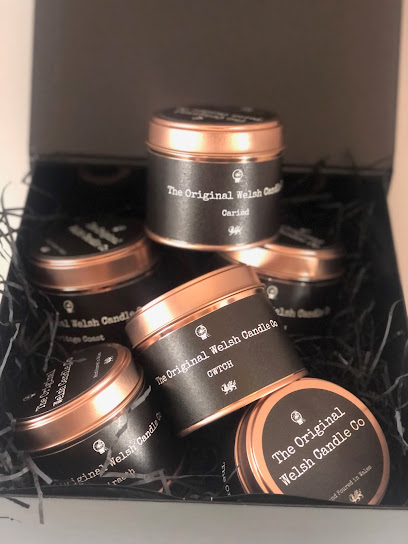
The Original Welsh Candle Co
9.8 km
Discover luxury hand-poured Welsh soy candles that evoke the spirit and beauty of Wales at The Original Welsh Candle Co in Cowbridge.
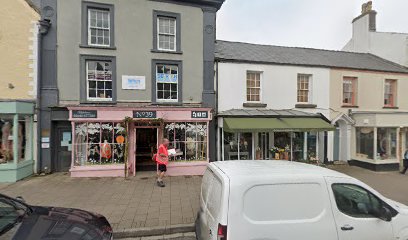
Cocoplum
9.9 km
Discover exclusive designer ladies' fashion in Cowbridge’s charming boutique, blending elegance with personalized style advice.
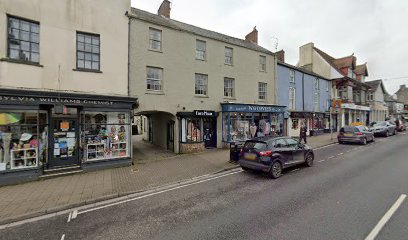
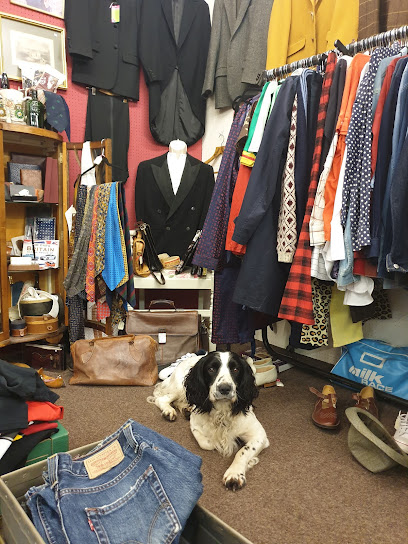
The Vintage HQ
9.9 km
Discover sustainable vintage and designer fashion treasures with expert care at The Vintage HQ in Cowbridge.
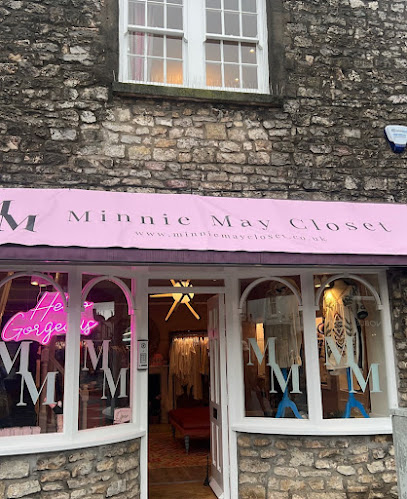
Minnie May Closet - Boutique
9.9 km
Discover curated fashion and personalized service at Minnie May Closet, a stylish boutique in the heart of historic Cowbridge.
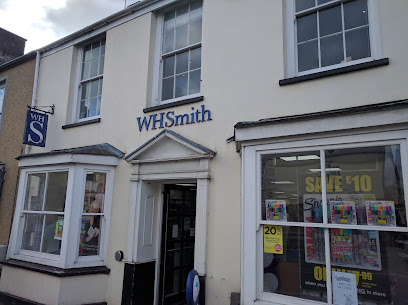
WHSmith
9.9 km
A welcoming High Street staple in Cowbridge offering books, stationery, local crafts, and everyday essentials with friendly service and convenient hours.
E91
9.9 km
Explore E91 in Cowbridge for a unique clothing experience that blends local charm with stylish fashion options.
Essential bars & hidden hideouts

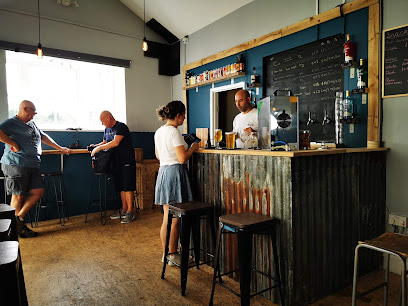
The Little Bar On The Bridge
2.5 km
A charming, intimate craft beer bar on Bridgend’s Old Stone Bridge, offering quality brews and a welcoming local atmosphere.
The Coach
2.7 km
Historic Bridgend brewpub blending 19th-century charm with modern craft beers, lively events, and a welcoming community vibe.
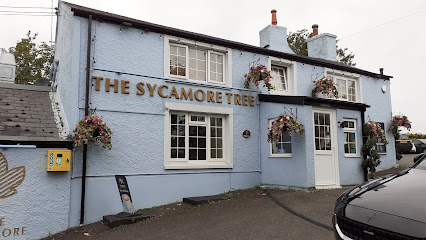
The Sycamore Tree
6.3 km
A charming countryside pub in Colwinston offering hearty meals, warm hospitality, and a welcoming atmosphere in the Vale of Glamorgan.
Lamb & Flag
9.3 km
Historic Welsh pub in Wick offering hearty British fare, lively entertainment, and a warm community atmosphere.
Vale Of Glamorgan Inn
9.8 km
A cozy Welsh pub in Cowbridge offering real ales, homemade food, and a lively beer garden with friendly service.
The Plough & Harrow
10.9 km
A cozy traditional pub in Monknash offering fresh local cuisine, real ales, and warm hospitality in the scenic Vale of Glamorgan.
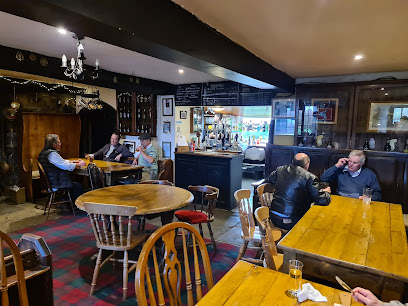
Pipeworks Bar
11.1 km
A cozy micro bar in Pontyclun offering craft keg beers, ciders, and gins in a friendly, unique atmosphere with occasional live music.
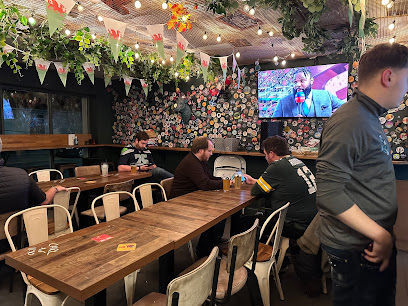
The Six Bells
18.4 km
Historic Welsh village pub with medieval roots, cozy fires, and locally sourced fare in the heart of Penmark.
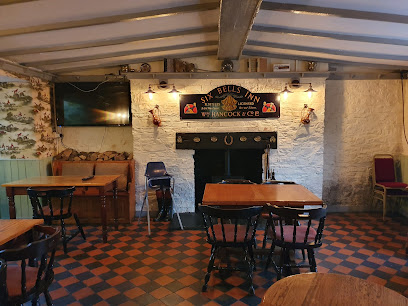
The Highwayman Inn
19.5 km
Rustic British pub in Rhoose famed for hearty portions, classic dishes, and a warm, lively atmosphere.
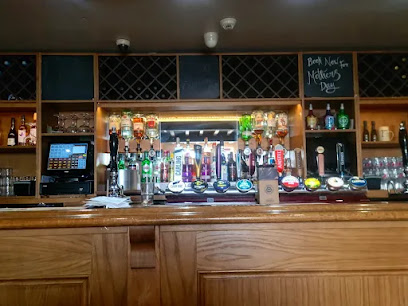
Fontygary Inn
19.9 km
A friendly traditional pub in Rhoose offering hearty meals, local ales, and a vibrant community atmosphere in the heart of the Vale of Glamorgan.
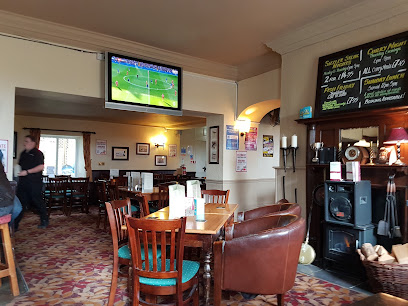
The Tyn
20.1 km
A charming Baglan pub blending Welsh hospitality, local ales, and lively events in a cozy setting with a popular beer garden.
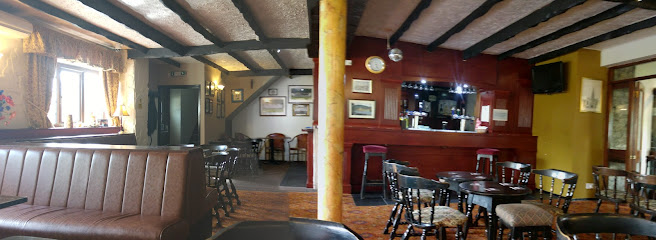
The Flying Club
20.3 km
A friendly, affordable bar in Rhoose offering unique planespotting views and a cozy atmosphere near Cardiff Airport.
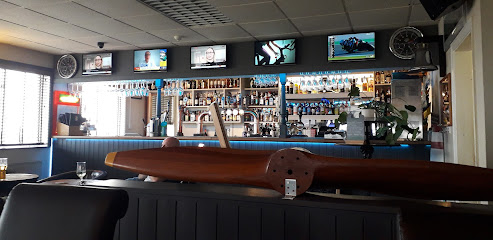
Ocean Lounge
21.7 km
Charming coastal pub nestled in Porthkerry Caravan Park offering stunning sea views, local ales, and a welcoming atmosphere in South Wales.
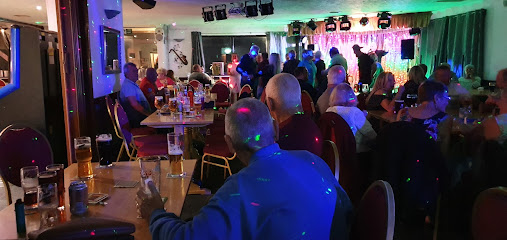
Cherry Orchard
22.8 km
A modern, family-friendly pub in Barry offering great ales, tasty meals, and a welcoming atmosphere in a charming historic setting.
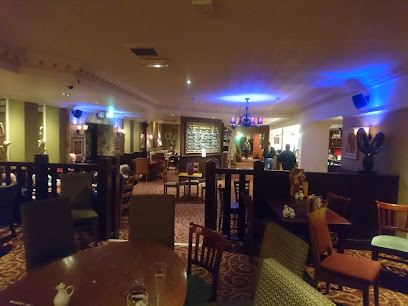
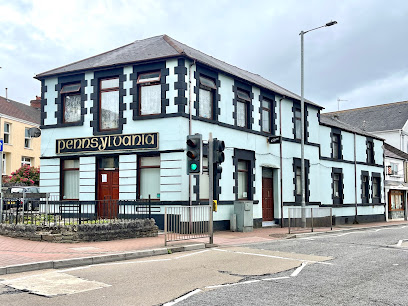
The Pennsylvania
23.0 km
A welcoming traditional pub on Briton Ferry Road, The Pennsylvania offers a classic Welsh community gathering spot with a friendly and relaxed atmosphere.
Nightclubs & after hour spots

The Top Club
11.9 km
Experience Blaengarw’s vibrant nightlife at The Top Club, where electrifying entertainment meets community spirit in the heart of South Wales.
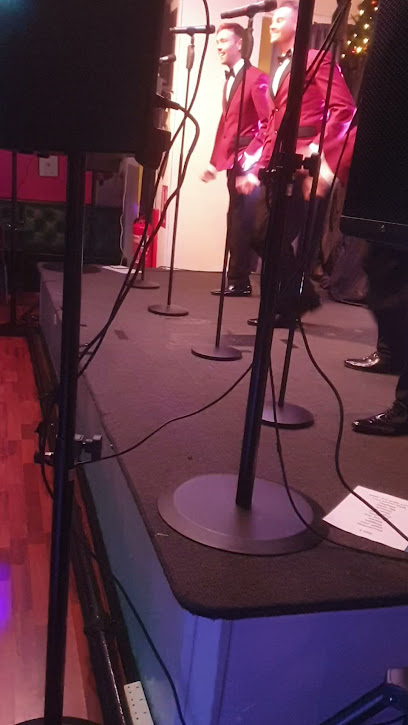
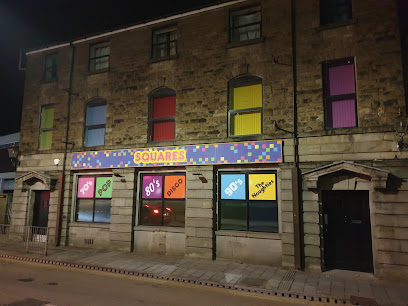
Squares Night club
14.1 km
Experience Porth’s vibrant nightlife at Squares Nightclub, where music, dance, and unforgettable evenings come alive every weekend.
Eclipse Nightclub
17.2 km
Experience Pontypridd’s vibrant midweek nightlife at Eclipse Nightclub, where music, dancing, and community come alive every Wednesday night.

Jimmy's Bar
17.6 km
Experience the vibrant nightlife and live music scene at Jimmy's Bar, Port Talbot’s lively local hotspot with a welcoming atmosphere.
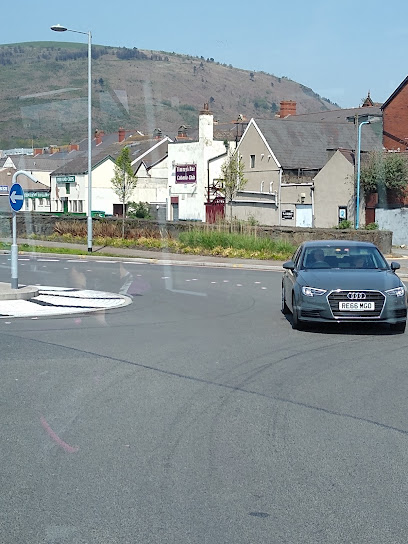
Coco Cubanas
23.2 km
Experience the vibrant weekend nightlife and energetic dance scene at Coco Cubanas, Barry’s premier late-night club on Broad Street.
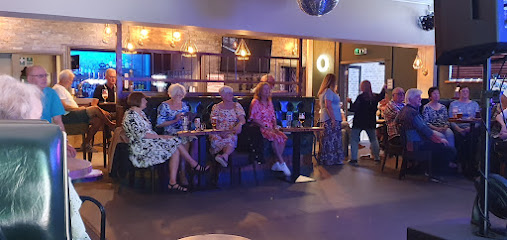
Bar Cocoa
23.2 km
Experience Barry’s vibrant weekend nightlife at Bar Cocoa, a lively nightclub where music and dancing keep the party going until the early morning.

The Arch Bar & Nightclub
23.5 km
A lively Neath hotspot blending nightclub energy, live music, pub charm, and Thai cuisine in one vibrant venue.
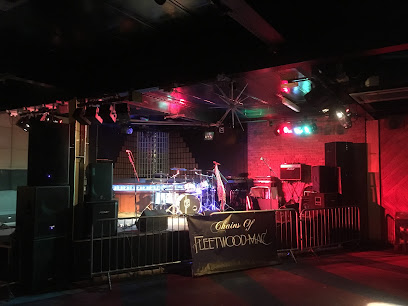
Fuel Rock Club
26.1 km
Cardiff's unyielding rock fortress on Womanby Street: live metal mayhem, cheap drinks, and a beer garden for the faithful.
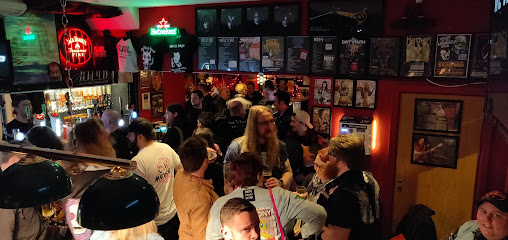
Clwb Ifor Bach
26.1 km
Cardiff's gritty Welsh club heart: live music legends, late-night dances, and cultural rebellion on historic Womanby Street since 1983.

For Your Eyes Only
26.3 km
Elegant and vibrant dance club in Cardiff’s city centre offering stylish interiors, live entertainment, and a lively nightlife atmosphere.

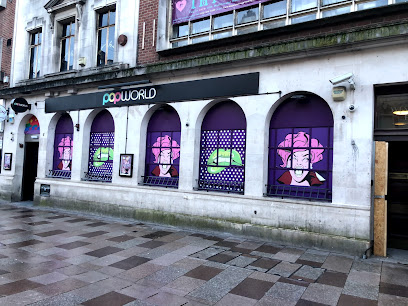
Popworld - Cardiff
26.4 km
Dive into cheesy pop heaven at Popworld Cardiff—karaoke, half-price drinks, and dance floor anthems until 3am on vibrant St Mary Street.
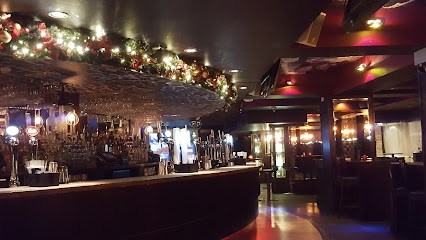
Tiger Tiger Cardiff
26.4 km
A dynamic nightclub with themed rooms and diverse bars offering a vibrant nightlife experience in the heart of Cardiff.
The CUBE
26.4 km
Cardiff’s vibrant nightclub hotspot offering dynamic music, dancing, and an electric atmosphere in the heart of the city.

Metros
26.4 km
Cardiff's alternative nightclub haven: cheap drinks, eclectic DJs, and non-stop rock, ska, and indie beats fueling wild weekends till 4am.

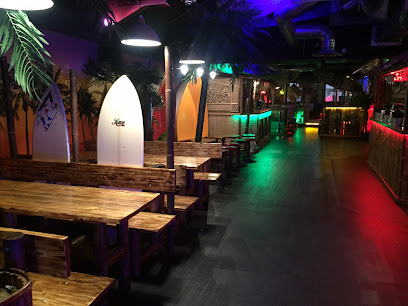
Kapu
26.5 km
Cardiff's tiki cocktail haven: exotic drinks, tropical vibes, and nightlife energy from afternoon to the early hours.
For the vibe & atmosphere seeker
- Romantic
- Tranquil
- Scenic
- Unique
For the design and aesthetic lover
- Rustic Designs
- Vintage Styles
For the architecture buff
- Historic
- Landmarks
- Heritage Neighborhoods
For the view chaser and sunset hunter
- Iconic Views
- Panoramas
For the social media creator & influencer
- Instagrammable
- Photo Spots
For the eco-conscious traveler
- Public-Transport Accessible
- Low Impact
- Locally Managed
For the kind of experience you’re after
- Cultural Heritage
- Photowalk
- Day Trip
- Weekend Getaway
- Myth & Legends
For how adventurous you want the journey to be
- Easy Access
Location Audience
- Family Friendly
- Senior Friendly
- Child Friendly
- Teen Friendly
- Wheelchair Access
- Pet Friendly
- Solo Friendly
- Couple Friendly
- Solo Female Friendly


