

Free South Glamorgan Travel Guide & Mobile App
Explore South Glamorgan with free travel guides. Discover regional history, expert tips, proposed trips, and audio guides on web or mobile app.


Explore Cardiff, Barry and the Vale of Glamorgan for Welsh heritage, coastal walks, historic towns, museums and distinctive local food.
Read more about South Glamorgan
When is the best time to visit South Glamorgan?
Best: June–August · 20–23°C| Month | High (°C) | Rainfall (mm) |
|---|---|---|
| January | 10 | 80 |
| February | 10 | 70 |
| March | 12 | 75 |
| April | 15 | 65 |
| May | 18 | 70 |
| June (best) | 20 | 75 |
| July (best) | 23 | 80 |
| August (best) | 22 | 85 |
| September | 19 | 80 |
| October | 16 | 85 |
| November | 12 | 90 |
| December | 10 | 95 |
Getting to and around South Glamorgan
How to get there
Transportation
Top city travel guides in South Glamorgan
The cities of South Glamorgan, and the easiest places to base yourself.

Swipe for more cities
Best attractions in South Glamorgan
South Glamorgan's attractions range from major national institutions in Cardiff to coastal and rural sites across the Vale. Cardiff Castle and the National Museum Cardiff provide a concentrated introduction to Welsh history, art and architecture, while the Wales Millennium Centre and other Cardiff Bay venues represent the region's contemporary cultural life. St Fagans National Museum of History is one of the most rewarding places to understand everyday Welsh life, with historic buildings relocated or reconstructed in extensive grounds. Cosmeston Medieval Village offers a more focused medieval setting, and Dyffryn Gardens combines formal horticulture with parkland. Along the coast, Barry Island, Penarth and the Vale's cliff-top paths provide beaches, promenades and estuary views, while inland lanes lead towards Cowbridge, historic churches and estate landscapes. Walking, cycling, birdwatching and tide-dependent coastal exploration are important parts of the experience, though the region's beaches and paths vary considerably in surface, accessibility and exposure.
-
Castle
Cardiff Castle
Nearly 2,000 years of history from Roman forts to Victorian fantasy, crowned by panoramic city views.
-
Shopping Centre
St David’s Dewi Sant
Cardiff’s largest shopping centre with over 160 shops, dining, and entertainment all under one roof in the city centre.
-
Stadium
Principality Stadium
Wales’ national stadium with a retractable roof, iconic rugby heritage, and world-class events in the heart of Cardiff.
-
St. Fagans National Museum of History
Explore Wales’s rich history through authentic buildings, crafts, and landscapes at St. Fagans, one of Europe’s premier open-air museums.


Best landmarks in South Glamorgan
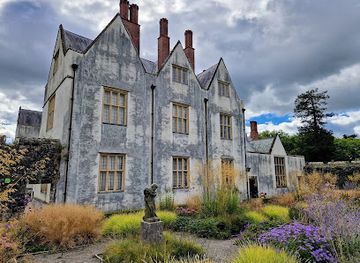
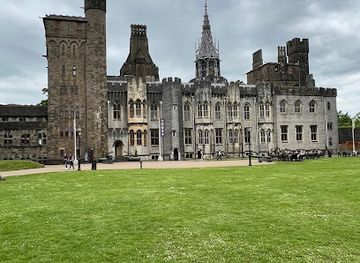
Cardiff Castle is South Glamorgan's most recognisable historic landmark, with Roman foundations, medieval fortifications and the elaborate Gothic Revival interiors created for the Bute family. Llandaff Cathedral, rebuilt after medieval destruction and wartime damage, anchors one of Cardiff's oldest settlements beside the River Taff. The Principality Stadium dominates the central city skyline and symbolises Cardiff's modern sporting identity, while the Senedd and Wales Millennium Centre give Cardiff Bay a distinctly contemporary architectural character. Penarth Pier extends into the Severn Estuary from the Victorian resort town and offers one of the region's clearest visual links between built heritage and tidal landscape. Barry's docks and railway-related structures recall the era when coal exports made the town a major port. Inland, the limestone villages, medieval remains at Cosmeston and historic houses and gardens such as Dyffryn provide a less urban landmark landscape, shaped by agriculture, landed estates and the distinctive geology of the Vale.
-
Wedding venue
Hensol Castle
Experience the grandeur and romance of a historic Welsh castle set in stunning grounds, perfect for unforgettable weddings and celebrations.
-
 Hotel
Premier Inn Cardiff Bay hotel
Comfortable, accessible, and modern hotel steps from Cardiff Bay’s cultural and waterfront attractions.
-
Memorial park
Aberfan Disaster Memorial
A solemn memorial garden honoring 144 lives lost in Wales' greatest tragedy, where resilience blooms amid remembrance.
-
Museum
Firing Line Cardiff Castle Museum of the Welsh Soldier
Explore Wales’ military heritage beneath Cardiff Castle in the immersive Firing Line Museum, honoring centuries of Welsh soldiers’ bravery.


Explore South Glamorgan on the map
Plan your trip on one map. See where the top cities, national parks and sights are, and book hotels and experiences in a few clicks.
Best hotels in South Glamorgan
Best restaurants in South Glamorgan
Dining in South Glamorgan reflects Cardiff's international population and the Vale's produce-led, more localised character. Cardiff offers restaurants spanning Welsh, British, European, Middle Eastern, South Asian and East Asian cuisines, with cafés and food stalls adding to the choice around the city centre, arcades, market areas and Cardiff Bay. Welsh ingredients such as lamb, beef, farmhouse cheeses, seasonal vegetables, laverbread and cockles appear in traditional and contemporary cooking, although not every dish described as Welsh is exclusive to this region. Penarth and Barry provide cafés, pubs and casual coastal dining, while Cowbridge has restaurants, bakeries and food shops serving both local and wider British fare. Look for Welsh cakes, bara brith, regional cheeses and locally produced preserves in markets and independent shops. The Vale's farming landscape supports farm shops and seasonal produce, but opening arrangements vary, so rural food stops are best incorporated into a planned route.
-
Pub
Cedar Tree Farm - Farmhouse Inns
A family-friendly Cardiff pub known for hearty carveries, legendary desserts, and a welcoming atmosphere with indoor play and beer garden.
-
Restaurant
Cosy Club
Chic British dining and all-day drinks in Cardiff’s St David’s Dewi Sant, blending timeless glamour with a welcoming atmosphere.
-
Family friendly
Harvester Cardiff Bay Penarth
A lively family-friendly British bar & grill in Penarth offering hearty meals and a welcoming atmosphere near Cardiff Bay.
-
Steak
Pasture Restaurant Cardiff
Savor expertly crafted steaks and vibrant atmosphere at Pasture, Cardiff’s celebrated destination for premium meat dining.


Best bars in South Glamorgan
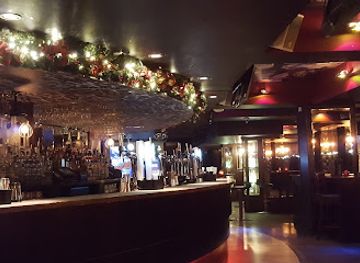
Cardiff has South Glamorgan's broadest evening scene, centred on the city centre, St Mary Street, the arcades, the waterfront and neighbourhoods such as Pontcanna and Canton. Options include traditional pubs, modern beer venues, cocktail bars, live music rooms, theatres and clubs, with the largest crowds often appearing on event nights and weekends. Cardiff Bay provides restaurants and bars in a more open waterfront setting, while the city has a strong cultural programme around the Wales Millennium Centre and other performance venues. Penarth offers pubs, wine-led venues and restaurants for a quieter evening, and Barry's nightlife is more closely tied to local pubs, casual dining and seasonal resort activity than to a large club district. In the rural Vale, evenings generally centre on village pubs, restaurants and community events rather than late-night venues, so check the last transport home before travelling out of Cardiff.
-
Pub
Cedar Tree Farm - Farmhouse Inns
A family-friendly Cardiff pub with hearty carvery, spacious beer garden, and welcoming atmosphere in Grangetown.
-
Pub
Tiny Rebel Cardiff
Discover Cardiff’s vibrant craft beer scene and lively pub culture at Tiny Rebel, a hub for award-winning brews and eclectic events.
-
Bar
The Live Lounge Cardiff
Cardiff’s lively hotspot for live music, affordable eats, and vibrant nightlife until 4am every day.
-
Pub
The Captains Wife
Rustic coastal pub in Penarth offering hearty British fare, cask ales, and a cozy seaside atmosphere.


Best nightclubs in South Glamorgan
Cardiff has South Glamorgan's broadest evening scene, centred on the city centre, St Mary Street, the arcades, the waterfront and neighbourhoods such as Pontcanna and Canton. Options include traditional pubs, modern beer venues, cocktail bars, live music rooms, theatres and clubs, with the largest crowds often appearing on event nights and weekends. Cardiff Bay provides restaurants and bars in a more open waterfront setting, while the city has a strong cultural programme around the Wales Millennium Centre and other performance venues. Penarth offers pubs, wine-led venues and restaurants for a quieter evening, and Barry's nightlife is more closely tied to local pubs, casual dining and seasonal resort activity than to a large club district. In the rural Vale, evenings generally centre on village pubs, restaurants and community events rather than late-night venues, so check the last transport home before travelling out of Cardiff.
-
Nightclub
Tiger Tiger Cardiff
Experience Cardiff’s eclectic nightlife with seven themed rooms, vibrant bars, and lively entertainment under one roof on Greyfriars Road.
-
Nightclub
Sin City
Lively Swansea nightclub and live music venue known for affordable drinks, energetic parties, and a casual, vibrant atmosphere.

Best shops in South Glamorgan
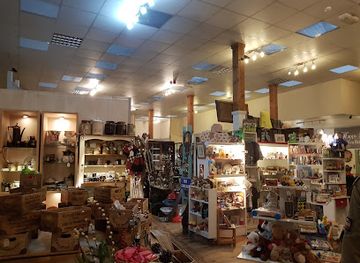
Cardiff is South Glamorgan's principal shopping centre, combining national retailers around the main streets with independent businesses in Victorian and Edwardian arcades, specialist food shops, bookshops, galleries and makers' outlets. Cardiff Market is useful for food, everyday goods and local atmosphere, while the arcades provide a more intimate alternative to large commercial areas. Cardiff Bay has a primarily leisure-oriented retail character rather than a traditional high street. Penarth's centre supports independent shops, cafés, galleries and small food businesses, and Cowbridge is known for its market-town streets, boutiques, interiors shops and delis. Barry offers practical high-street shopping, with the seafront and Barry Island providing seasonal visitor retail. Welsh cakes, bara brith, local cheeses, preserves, crafts, books about Wales and contemporary Welsh design make more meaningful souvenirs than generic branded goods. Farmers' markets and specialist food shops vary by day and season, so confirm arrangements before making a dedicated trip.
-
Gift shop
Menkind
Discover quirky gadgets and unique gifts for men at Menkind Cardiff, nestled in the vibrant St David's Shopping Centre.
-
Gift shop
Happy Days Vintage Home Store
Eclectic vintage emporium with 30 dealer stalls, homemade café, and genuine Welsh charm in Cowbridge.
-
Gift shop
The Queen B Boutique
Elegant occasion wear and personalized service combine at The Queen B Boutique, Penarth’s charming fashion and gift destination.
-
Gift shop
Little Welsh Company
Discover authentic Welsh gifts and local craftsmanship in the heart of Cardiff at the Little Welsh Company.


Get your free copy of our complete guide to South Glamorgan, delivered straight to you.
Everything on this page, from attractions and restaurants to essentials and local phrases, in one PDF you can read offline, print or share.
Already have an account? Sign in
Your South Glamorgan guide is ready.
We'll send it to · Not you? Sign out

Getting your guide ready…
We are putting together a fresh copy of the South Glamorgan guide. This can take up to a minute.
This can take a few moments. If your browser asks, choose Allow so the download can start. You'll find the guide in your Downloads folder.
Nothing happened? Download it again
Sorry, the guide is taking longer than usual. Please try again in a minute, or get it by email instead.
South Glamorgan essentials
Currency and Payment
Safety
Emergency Situations
Do's and Don'ts
Local Tips
From Eve
Local phrases worth knowing
You don't need to get them perfect. A few words go a long way, and locals appreciate the effort.
Basics
| English | Local | Say it |
|---|---|---|
| Hello | Hello | [həˈloʊ] |
| Goodbye | Goodbye | [ɡʊdˈbaɪ] |
| Yes | Yes | [jɛs] |
| No | No | [noʊ] |
| Please/You're welcome | Please/You're welcome | [pliːz/jʊr ˈwɛlkəm] |
| Thank you | Thank you | [θæŋk ju] |
| Excuse me/Sorry | Excuse me/Sorry | [ɪkˈskjuz mi/ˈsɔri] |
| How are you? | How are you? | [haʊ ɑr ju] |
| Fine. And you? | Fine. And you? | [faɪn. ənd ju] |
| Do you speak English? | Do you speak English? | [du ju spiːk ˈɪŋɡlɪʃ] |
| I don't understand | I don't understand | [aɪ doʊnt ˌʌndərˈstænd] |
Eating & Drinking
| English | Local | Say it |
|---|---|---|
| I'd like to see the menu, please | I'd like to see the menu, please | [aɪd laɪk tə si ðə ˈmɛnju, pliːz] |
| I don't eat meat | I don't eat meat | [aɪ doʊnt iːt miːt] |
| Cheers! | Cheers! | [tʃɪrz] |
| I would like to pay, please | I would like to pay, please | [aɪ wʊd laɪk tə peɪ, pliːz] |
Emergencies
| English | Local | Say it |
|---|---|---|
| Help! | Help! | [hɛlp] |
| Go away! | Go away! | [ɡoʊ əˈweɪ] |
| Call the Police! | Call the Police! | [kɔl ðə pəˈlis] |
| Call a doctor! | Call a doctor! | [kɔl ə ˈdɒktə] |
| I'm lost | I'm lost | [aɪm lɔst] |
| I'm ill | I'm ill | [aɪm ɪl] |
Shopping
| English | Local | Say it |
|---|---|---|
| I'd like to buy... | I'd like to buy... | [aɪd laɪk tə baɪ...] |
| I'm just looking | I'm just looking | [aɪm dʒʌst ˈlʊkɪŋ] |
| How much is it? | How much is it? | [haʊ mʌtʃ ɪz ɪt] |
| That's too expensive | That's too expensive | [ðæts tuː ɪkˈspɛnsɪv] |
| Can you lower the price? | Can you lower the price? | [kæn ju ˈloʊər ðə praɪs] |
Time & Numbers
| English | Local | Say it |
|---|---|---|
| What time is it? | What time is it? | [wɒt taɪm ɪz ɪt] |
| It's one o'clock | It's one o'clock | [ɪts wʌn əˈklɒk] |
| Half past (10) | Half past (10) | [hɑːf pɑːst (10)] |
| Morning | Morning | [ˈmɔrnɪŋ] |
| Afternoon | Afternoon | [ˌæftərˈnun] |
| Evening | Evening | [ˈiːvnɪŋ] |
| Yesterday | Yesterday | [ˈjɛstərdeɪ] |
| Today | Today | [təˈdeɪ] |
| Tomorrow | Tomorrow | [təˈmɒroʊ] |
| 1 | 1 | [wʌn] |
| 2 | 2 | [tuː] |
| 3 | 3 | [θriː] |
| 4 | 4 | [fɔːr] |
| 5 | 5 | [faɪv] |
| 6 | 6 | [sɪks] |
| 7 | 7 | [sɛvən] |
| 8 | 8 | [eɪt] |
| 9 | 9 | [naɪn] |
| 10 | 10 | [tɛn] |
Transport & Directions
| English | Local | Say it |
|---|---|---|
| Where's a/the...? | Where's a/the...? | [wɛrz ə/ðə...?] |
| What's the address? | What's the address? | [wɒts ðə əˈdrɛs] |
| Can you show me (on the map)? | Can you show me (on the map)? | [kæn ju ʃoʊ mi (ɒn ðə mæp)?] |
| When's the next (bus)? | When's the next (bus)? | [wɛnʤ ðə nɛkst (bʌs)?] |
| A ticket (to ....) | A ticket (to ....) | [ə ˈtɪkɪt (tə ...)] |
History of South Glamorgan
Prehistoric Landscapes and Early Communities
South Glamorgan's landscape preserves evidence of human activity long before written history. Neolithic and Bronze Age communities used the fertile Vale and coastal margins, leaving burial monuments and other archaeological traces across the wider region. The limestone plateau, river valleys and sheltered shorelines offered farmland, grazing and access to the sea. Many remains are subtle rather than monumental, but they establish the long continuity of settlement in an area later shaped by Roman administration, medieval lordship and industrial expansion.
Roman Cardiff and the Coastal Frontier
The Romans established a fort at Cardiff, probably in the late first century, close to the River Taff and the valuable Severn Estuary. Cardiff's castle mound still incorporates elements of this military site, although later construction has transformed its appearance. Roman roads and settlements connected the fort with other parts of south Wales, while the coastal position supported movement and supply. Roman influence did not erase local communities, but it drew the area into the military and administrative systems of the empire.
Norman Lordship and Medieval Castles
After the Norman conquest of south-east Wales, Cardiff became the centre of a marcher lordship and its castle was developed as a major seat of power. Other castles and fortified places, including those at Dinas Powys and Fonmon, reflected the contested politics of the medieval Welsh Marches. Cardiff's market and harbour encouraged its growth, while villages and religious foundations developed across the Vale. Medieval traces remain visible in castle sites, church buildings, settlement patterns and the historic cores of towns such as Cowbridge.
Tudor and Early Modern Change
The Tudor union of Wales with England brought greater administrative integration and gradually reduced the distinctive political autonomy of the Marcher lordships. Cardiff continued as a market and port town, while the Vale remained predominantly agricultural, with estates, farms and market centres shaping the countryside. Cowbridge's planned streets and trading role became increasingly important, and large houses such as Fonmon reflected the influence of landed families. Religious change after the Reformation altered church life and the ownership of religious property throughout the region.
Coal, Docks and the Growth of Cardiff
The industrial expansion of the South Wales coalfield transformed Cardiff from a relatively modest port into one of the world's major coal-exporting centres during the nineteenth and early twentieth centuries. Docks, railways, warehouses and riverside industries reshaped the capital, while migration brought workers and communities from across Britain and beyond. The wealth generated by coal funded civic buildings, parks and cultural institutions. Cardiff's docklands and urban architecture still reveal the scale of this commercial transformation.
Barry Docks and the Maritime Vale
Barry developed rapidly after the opening of its dock in the late nineteenth century, becoming a major coal-exporting port and a rival to Cardiff. The dock attracted rail connections, workers and supporting industries, while Barry Island developed as a popular leisure resort. The port's later decline reflected the collapse of the coal trade and wider changes in shipping and industry. Today, dockside structures, railway heritage, resort buildings and local museums help explain how maritime commerce altered the southern Vale.
Modern Welsh Civic and Cultural Identity
The twentieth and twenty-first centuries brought major changes to Cardiff and the surrounding region. Coal and heavy industry declined, while public administration, education, media, sport and the arts became increasingly important. The creation of the Welsh Assembly, now the Senedd, strengthened Cardiff's role as Wales's political capital, and the regeneration of Cardiff Bay created a new waterfront quarter. The region's museums, music venues, theatres and bilingual public life express contemporary Welsh identity alongside older urban, rural and maritime traditions.
South Glamorgan in Photos
Browse through our photo collection highlighting the charm and character of the destination.
Neighbouring regions of South Glamorgan
The closest regions to South Glamorgan, if you have time for more than one.
-

-
-

-

-


Swipe for more regions
Explore more

Explore more of United Kingdom
Discover the United Kingdom: A blend of rich history, stunning landscapes, and vibrant cities, offering a unique travel experience for every visitor.
Explore United Kingdom