
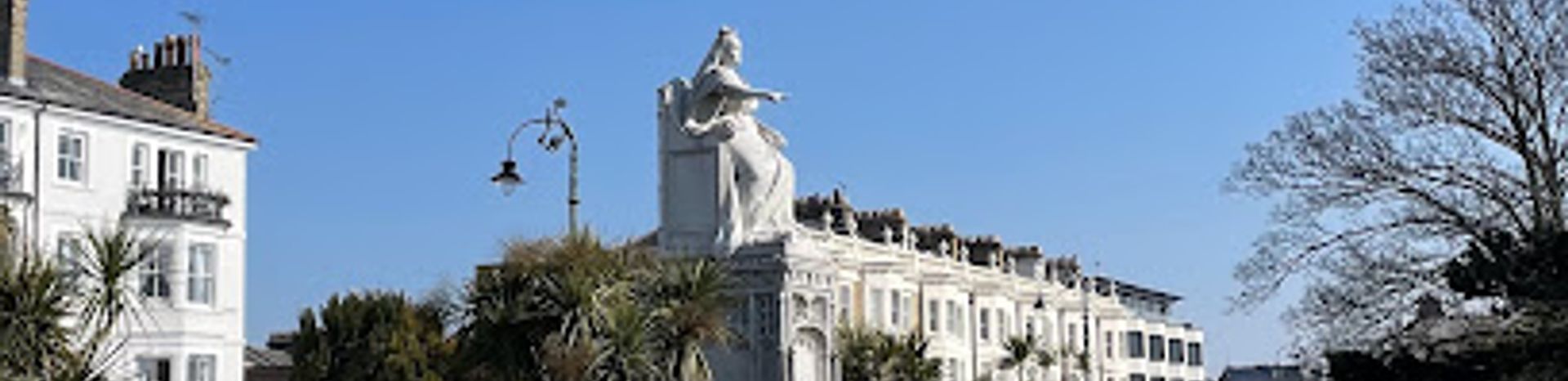
Queen Victoria Statue at Clifftown Parade, Southend-on-Sea
Historic marble statue of Queen Victoria overlooking Southend’s seafront, symbolizing Victorian heritage and seaside charm.
The Queen Victoria Statue in Southend-on-Sea is a historic marble monument commemorating Queen Victoria’s Diamond Jubilee in 1897. Originally unveiled at Pier Hill in 1898, the statue depicts the Queen enthroned in neo-Gothic style, carved from a massive block of Carrara marble. Relocated in 1962 to Clifftown Parade, it overlooks the seafront, symbolizing Southend’s Victorian heritage and seaside charm.
A brief summary to Queen Victoria Statue
- 4-7 Clifftown Parade, Southend-on-Sea, SS1 1DP, GB
- Duration: 0.5 to 1.5 hours
- Free
-
 Outdoor
- Mobile reception: 4 out of 5
- Monday 12 am-12 am
- Tuesday 12 am-12 am
- Wednesday 12 am-12 am
- Thursday 12 am-12 am
- Friday 12 am-12 am
- Saturday 12 am-12 am
- Sunday 12 am-12 am
Local tips
- Visit during daylight hours to fully appreciate the intricate marble details and coastal views.
- Combine your visit with a walk along Clifftown Parade to explore Southend’s Victorian seaside atmosphere.
- Look for the wrought iron fence around the statue base, installed to protect it from vandalism.
- Photography enthusiasts will find excellent opportunities capturing the statue against the backdrop of the sea.

For the on-the-go comforts that matter to you
- Seating Areas
- Information Boards
- Trash Bins
Getting There
-
Bus
Take local bus services running to Southend town center; from there, Clifftown Parade is a 10-15 minute walk along the seafront. Bus fares typically range from £2 to £4, with frequent service during the day.
-
Train
Southend Central railway station is approximately 1.5 km from Clifftown Parade. From the station, a 20-minute walk or a short taxi ride costing around £5 will bring you to the statue.
-
Car
Driving to Clifftown Parade is straightforward with parking available in nearby public car parks. Parking fees range from £1.50 to £3 per hour. Note that weekends and holidays may see higher demand for parking spaces.
Queen Victoria Statue location weather suitability
-
 Any Weather
-
 Clear Skies
-
 Mild Temperatures
-
 Windy Conditions
-
 Rain / Wet Weather
Discover more about Queen Victoria Statue
Origins and Artistic Heritage
The Queen Victoria Statue was commissioned to celebrate the Diamond Jubilee of Queen Victoria in 1897, a significant milestone marking 60 years of her reign. Gifted to Southend-on-Sea by then-mayor Bernard Wiltshire Tolhurst, the statue was sculpted by Joseph Swynnerton in his Italian studio using a 19-tonne block of pristine Carrara marble. The monument stands approximately 20 feet tall and features the Queen seated on a throne designed in neo-Gothic style by architect Edward Goldie, known for his Roman Catholic church designs. This artistic collaboration blends regal symbolism with Victorian architectural elegance.Historical Placement and Relocation
Originally unveiled on 24 May 1898 at Pier Hill, the statue was strategically positioned to face north towards the River Thames, symbolically watching over passing vessels. It was a prominent landmark near the Royal Hotel, though local humor once noted its orientation towards the gentlemen's toilets. In the 1960s, changing urban development and architectural trends prompted the relocation of the statue to Clifftown Parade, where it has since presided over the Southend seafront. This move preserved the statue’s visibility while adapting to the evolving cityscape.Symbolism and Physical Features
Queen Victoria is depicted enthroned, embodying dignity and authority. The statue originally featured the Queen holding a sceptre, which has since been lost due to vandalism. Over the years, damage to the statue included the breaking and theft of the Queen’s fingers, but restoration efforts in 2020 saw local sculptors craft a new hand to restore its integrity. The statue’s nose shows signs of weathering, a testament to its age and seaside exposure. A wrought iron fence now protects the monument from further vandalism, ensuring its preservation for future generations.Connection to Southend’s Victorian Seaside Identity
Southend-on-Sea’s identity as a Victorian seaside resort is closely linked to this statue. The monument not only commemorates the Queen but also reflects Southend’s historical significance as a popular retreat during the Victorian era. Positioned on Clifftown Parade, the statue overlooks the coastline, connecting visitors to the town’s maritime past and its cultural heritage. It stands as a reminder of the town’s evolution and its enduring ties to the Victorian period.Visitor Experience and Atmosphere
Today, the Queen Victoria Statue is a cherished historical landmark and a photographic highlight along the Southend seafront. Visitors can appreciate the intricate marble craftsmanship while enjoying panoramic views of the coastline. The statue’s serene presence contributes to the tranquil and reflective atmosphere of Clifftown Parade, inviting contemplation of the town’s rich history and the legacy of Queen Victoria herself.Preservation and Community Value
Despite challenges from weather and vandalism, local authorities and community groups have actively worked to maintain and protect the statue. The installation of protective fencing and restoration of damaged parts demonstrate a commitment to preserving this emblem of Southend’s heritage. The statue continues to be a focal point for cultural pride and historical education, linking past and present in a meaningful way.Iconic landmarks you can’t miss

Prittlewell royal Anglo-Saxon burial
2.2 km
Explore the earliest princely Anglo-Saxon burial in England, revealing a royal Christian tomb rich with ancient treasures and history.
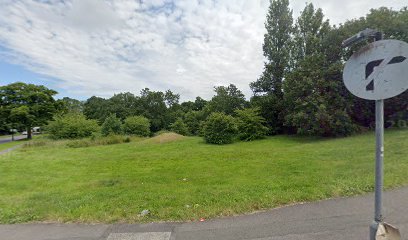
Laindon War Memorial
20.3 km
A solemn tribute in Basildon honoring Laindon's wartime heroes, blending history with community remembrance.
Great Baddow Chain Home Radar Tower
24.2 km
The only complete Chain Home radar tower in the UK, a towering symbol of WWII air defence and Cold War innovation in Great Baddow.
Barnards Miniature Railway
24.6 km
Discover the magic of model trains at Barnards Miniature Railway, a charming attraction in Brentwood offering fun for all ages amidst beautiful landscapes.
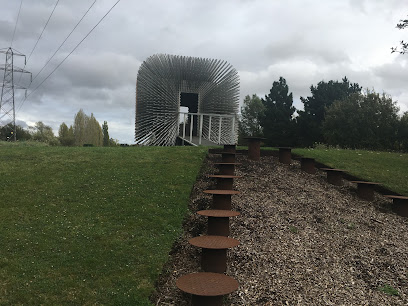
Tilbury Fort
24.9 km
Discover the historical significance of Tilbury Fort, a well-preserved fortress along the River Thames, showcasing Britain's military heritage.
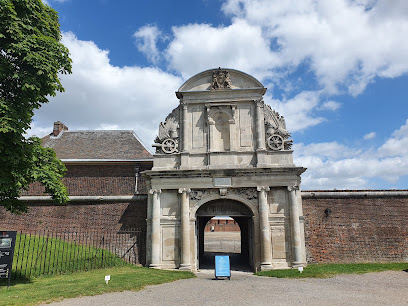
Ingatestone Hall
26.2 km
Experience the grandeur of Ingatestone Hall, a historic Tudor mansion offering a glimpse into England's rich heritage and architectural beauty.
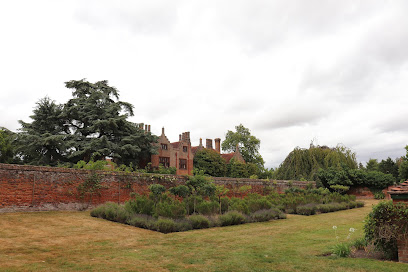
St Mary Magdalene Church, Cobham
26.9 km
Explore the historic St Mary Magdalene Church in Cobham, a serene landmark with stunning architecture and a rich cultural heritage.

Hylands House
27.2 km
Explore the historic Hylands House, a stunning landmark in Chelmsford, surrounded by lush gardens and rich cultural heritage, perfect for all visitors.
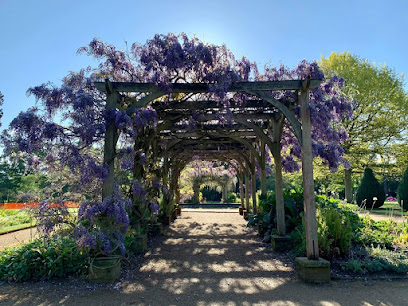
Falklands Island Monument
27.5 km
A solemn tribute in Grays honoring merchant seafarers who sacrificed their lives in the 1982 Falklands War.
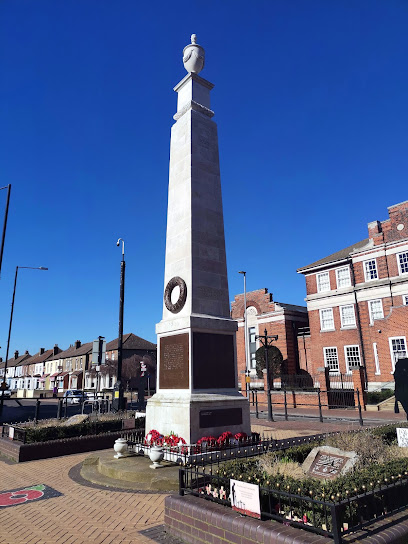
Chelmsford Cathedral
27.7 km
A serene 11th-century cathedral in the city centre offering free entry, beautiful architecture, and vibrant cultural events.
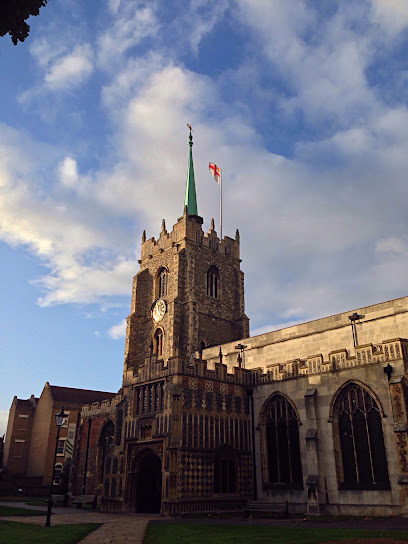
Mountnessing Windmill
27.9 km
Explore the unique charm of Mountnessing Windmill, a historic attraction offering captivating views and a glimpse into England's milling heritage.
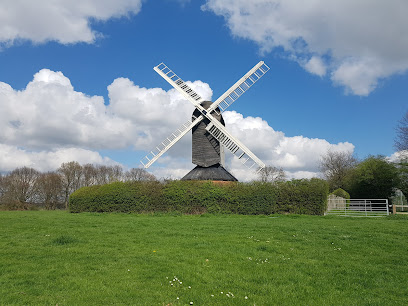
Upside Down House – Lakeside
29.8 km
Discover the Upside Down House in Lakeside, a whimsical amusement park attraction that turns reality on its head for a fun-filled day of exploration and laughter.
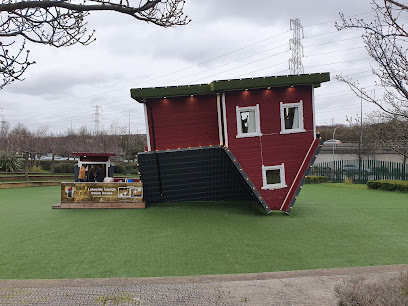
Hopefield Animal Sanctuary
30.2 km
Explore Hopefield Animal Sanctuary in Brentwood, a nurturing haven for rescued animals and a must-visit for nature-loving tourists seeking compassion and education.

Mersea Island Museum
30.2 km
Explore the rich maritime heritage of Mersea Island at the captivating Mersea Island Museum, a hidden gem for history enthusiasts and travelers alike.
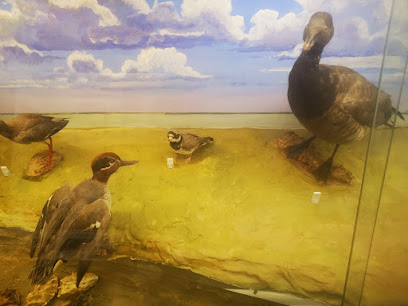
The Tiptree Jam Museum
30.4 km
Explore the delightful world of jam-making in Tiptree at the fascinating Tiptree Jam Museum, a sweet adventure for all visitors.
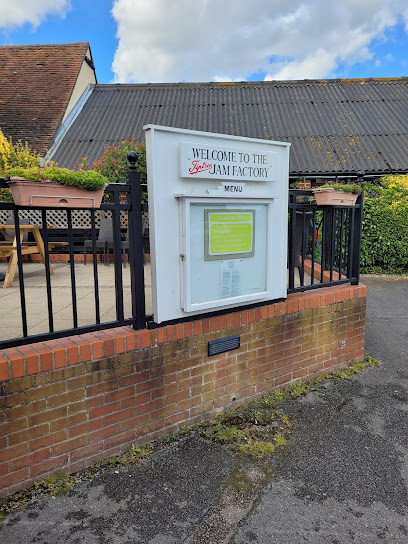
Unmissable attractions to see

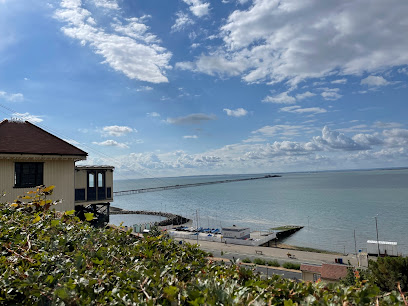
Cliff Lift
0.1 km
Ride Britain’s shortest historic funicular railway, a charming vintage lift linking Southend’s clifftop to its scenic seafront.
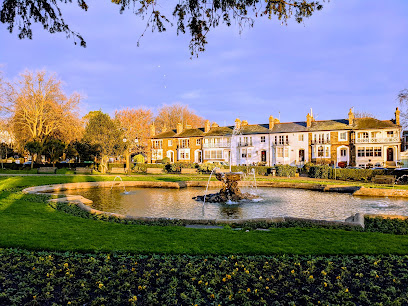
Prittlewell Gardens
0.1 km
Discover Southend’s oldest park, a serene garden oasis with vibrant blooms, a tranquil pond, and scenic estuary views in the town centre.
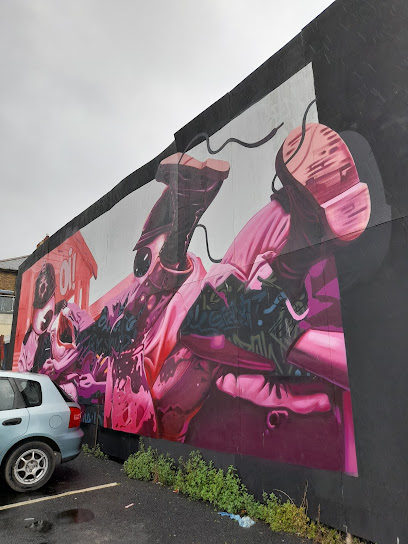
Rocket01 street art mural
0.2 km
A vibrant, large-scale street art mural by Rocket01 that energizes Southend-on-Sea with bold colors and urban creativity.
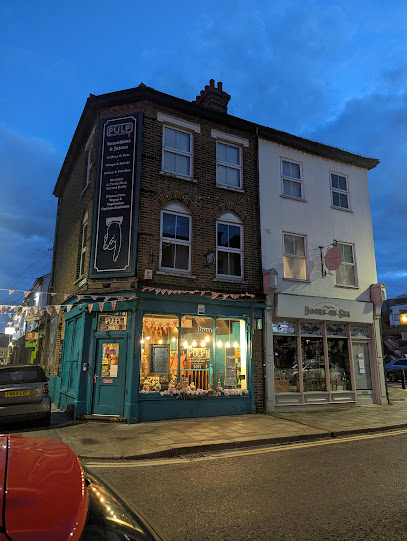
Pulp Kitchen
0.3 km
Cozy Southend bistro serving fresh, healthy dishes with vegan and gluten-free options in a friendly, jazzy atmosphere.
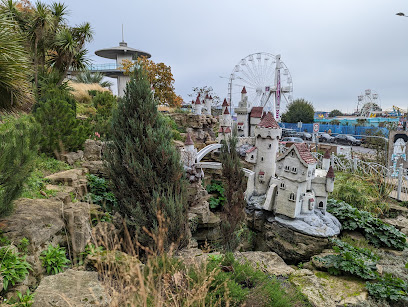
Never Never Land
0.3 km
Step into the enchanting fairy-tale world of Never Never Land, Southend’s magical seaside park filled with whimsical castles and timeless charm.
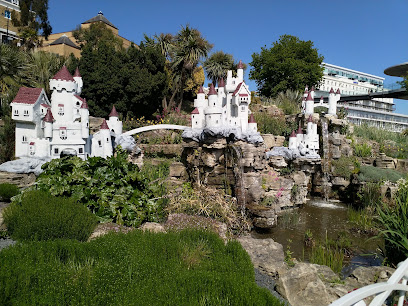
The Shrubbery
0.3 km
A historic cliffside garden in Southend-on-Sea blending Georgian charm with tranquil seaside greenery and scenic estuary views.
Southend Observation Tower
0.4 km
Historic Pier Hill lift offering stunning panoramic views over the Thames Estuary in Southend-on-Sea.
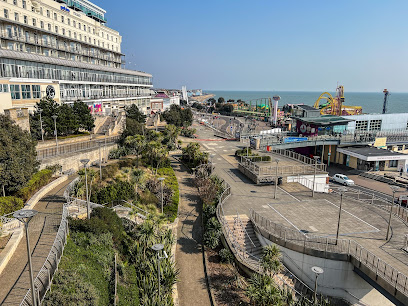
The Royals Shopping Centre
0.4 km
A vibrant shopping hub at Southend-on-Sea’s High Street southern end, blending retail variety with coastal charm and visitor-friendly amenities.
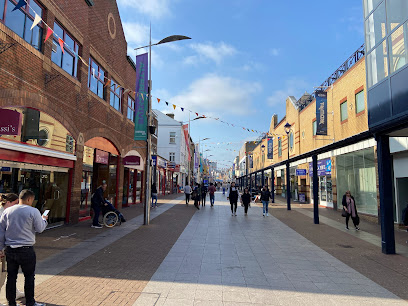
Talking post
0.4 km
Discover tranquility at Talking Post Garden, a lush oasis in Westcliff-on-Sea, perfect for nature lovers and peaceful retreats.
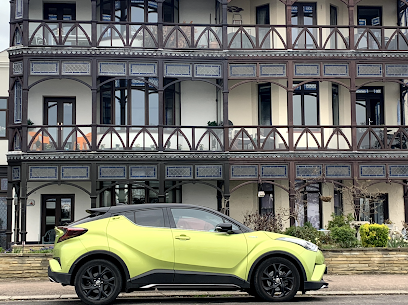
Southend Pier and Railway
0.4 km
Experience the world's longest pleasure pier, blending rich history, scenic railway rides, and vibrant seaside leisure in Southend-on-Sea.
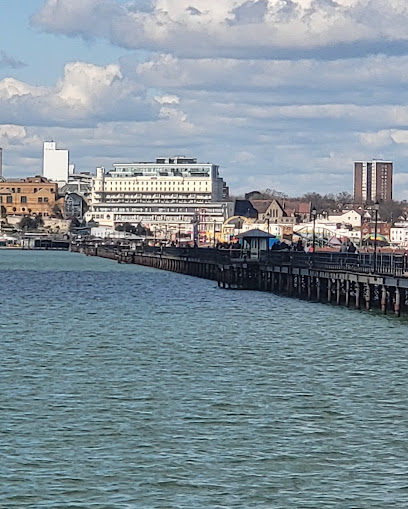
Adventure Inside
0.5 km
A vibrant indoor playground and ride zone for children under 10, offering year-round fun and soft play at Southend’s Adventure Island.
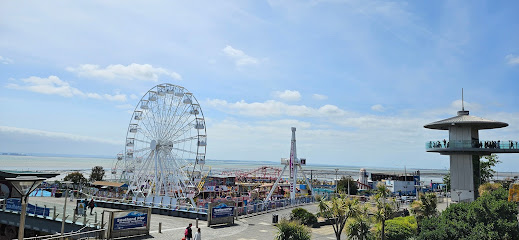
Adventure Island
0.5 km
Southend’s vibrant beachfront amusement park offering free entry, thrilling rides, indoor fun, and family-friendly entertainment all year round.
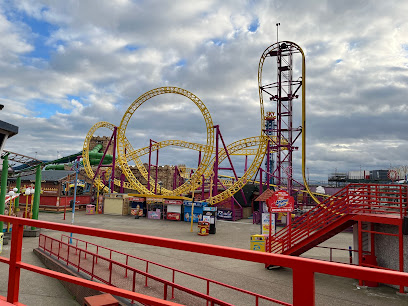
Focal Point Gallery
0.5 km
Southend-on-Sea’s vibrant contemporary art gallery offering free exhibitions, workshops, and outdoor digital art in a welcoming city-centre setting.

Westcliff clifton parade
0.6 km
Tranquil garden promenade with sweeping estuary views, perfect for peaceful walks and coastal relaxation near Westcliff-on-Sea Station.
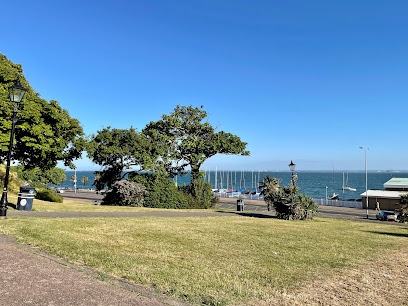
Spinning Turtle Ride
0.6 km
Enjoy gentle spinning swings on the turtle-themed Archelon ride at Adventure Island, a lively seaside amusement park in Southend-on-Sea.
Essential places to dine

La Petite Petanque
0.2 km
Experience authentic French cuisine in a charming garden pavilion overlooking Southend’s bowling green, blending relaxed vibes with classic flavors.
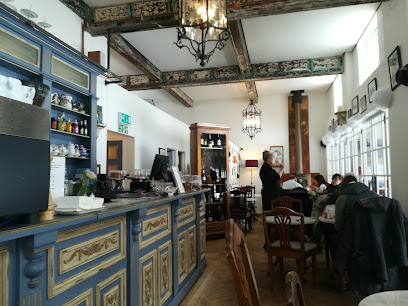
Aurum Restaurant
0.2 km
Refined modern British dining with stunning estuary views at Southend’s boutique Seven Hotel.
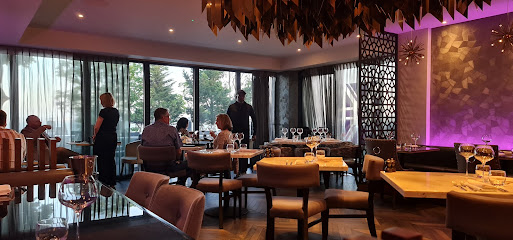
San Fairie Ann
0.2 km
Eclectic Modern European dining with vibrant live music and unique events in the heart of Southend-on-Sea.
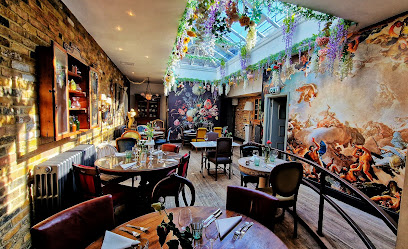
The Mews
0.2 km
Intimate French-influenced dining in a characterful Victorian mews with warm hospitality and carefully crafted cuisine.
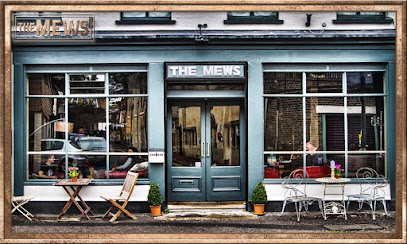
The Royal Hotel
0.3 km
Historic charm meets modern dining with stunning estuary views at Southend’s iconic Royal Hotel.
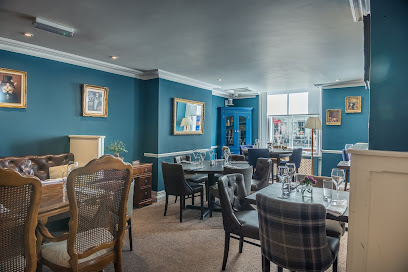
Tomassi's
0.3 km
A welcoming Southend-on-Sea eatery serving hearty meals, pizzas, and ice cream in a friendly, casual setting on the town’s High Street.
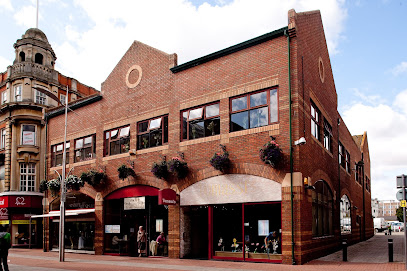
Clarence Restaurant & Cafe
0.3 km
A cozy Southend-on-Sea cafe serving hearty breakfasts and classic British fare with friendly service and great value.
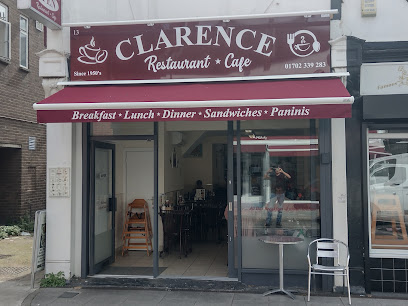
Waves Restaurant
0.4 km
Modern European fine dining with a relaxed atmosphere in the heart of Southend-on-Sea’s Luker Road.
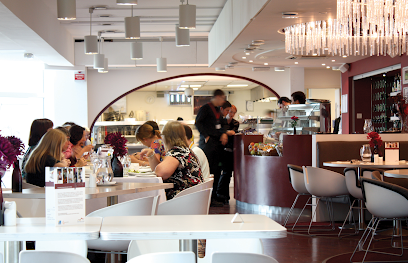
The Pipe of Port
0.4 km
A cozy Dickensian wine bar and restaurant in Southend, famed for hearty British pies and an exceptional wine cellar since 1976.
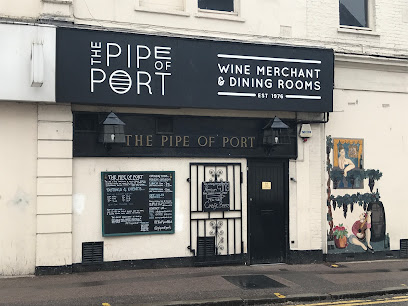
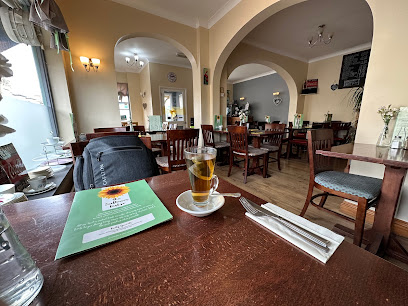
The Sunflower Bistro
0.6 km
A welcoming, affordable bistro in Southend-on-Sea offering fresh British fare and a relaxed, friendly atmosphere perfect for any casual meal.
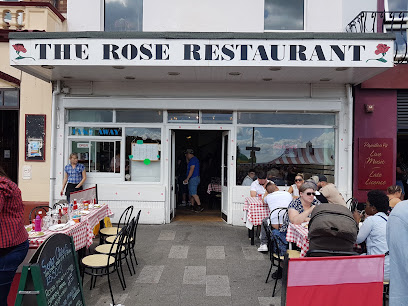
Rose Restaurant
0.6 km
Fresh English and European cuisine served with friendly warmth on Southend’s scenic Marine Parade, perfect for family dining by the sea.
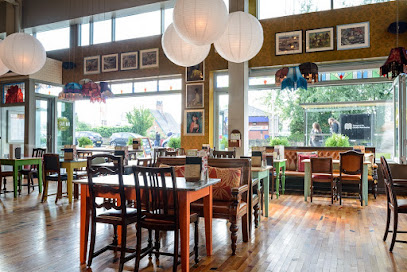
Molo Lounge
0.6 km
A vibrant, artsy lounge on Southend’s High Street offering extensive vegan and gluten-free menus in a cozy, welcoming atmosphere.
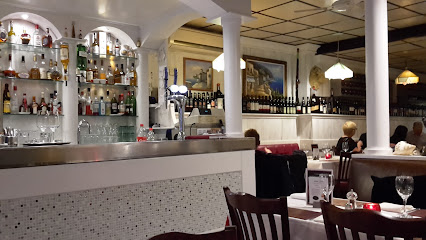
Il Pescatore
0.6 km
Experience authentic Sicilian seafood and Italian hospitality in the heart of Southend-on-Sea at Il Pescatore.
Great Tides Restaurant & Bar
0.6 km
Modern European dining with stunning sea views and a vibrant bar atmosphere on Westcliff Parade, Westcliff-on-Sea.
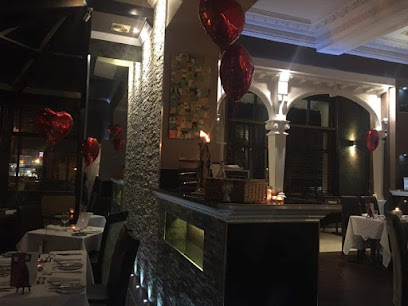
ASK Italian
0.7 km
Modern Italian dining near Southend seafront, blending classic flavors with community spirit and seasonal delights.
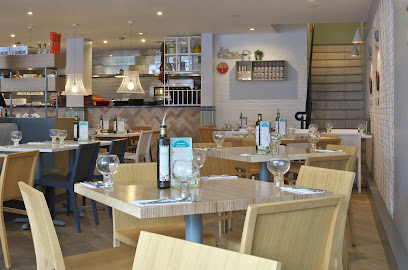
Markets, malls and hidden boutiques

By the Sea Vintage
0.2 km
Discover curated retro fashion and unique vintage treasures in the heart of Southend-on-Sea’s vibrant Alexandra Street.
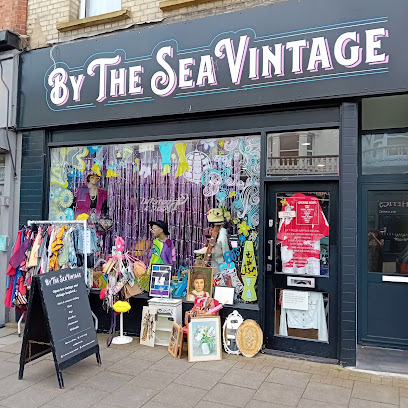
Linked UK Clothing Limited
0.2 km
Discover authentic luxury fashion with curated unworn and pre-owned designer pieces at Linked UK Clothing Limited in Southend-on-Sea.

Books-on-Sea
0.2 km
Rare and secondhand literary treasures in the heart of Southend-on-Sea's town centre.
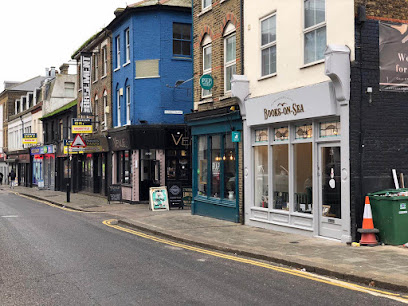
Santas Surprise Letter
0.3 km
Discover festive magic and unique personalized Santa letters at Santas Surprise Letter, Southend-on-Sea’s charming holiday gift shop.
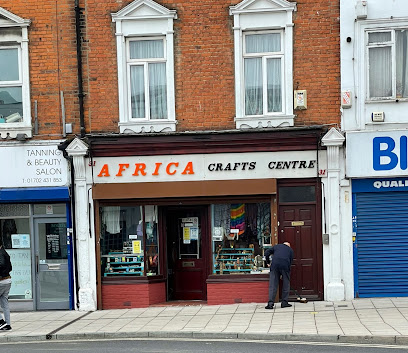
Africa Crafts Centre
0.6 km
Discover authentic African crafts and vibrant textiles in Southend-on-Sea’s beloved cultural gift shop.
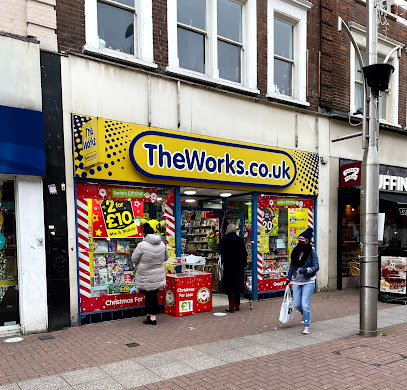
The Works
0.6 km
Affordable gifts, books, art supplies and toys in the heart of Southend-on-Sea’s High Street.
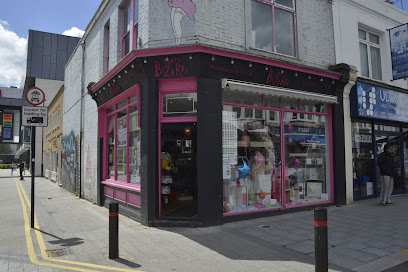
That's Bizarre
0.6 km
Discover unique gifts, personalised keepsakes, and high-vibration crystals at That's Bizarre, Southend-on-Sea’s family-run alternative gift shop since 1971.
Clinton Cards
0.6 km
A classic British card and gift shop on Southend’s High Street, offering thoughtful cards and gifts in a welcoming setting.
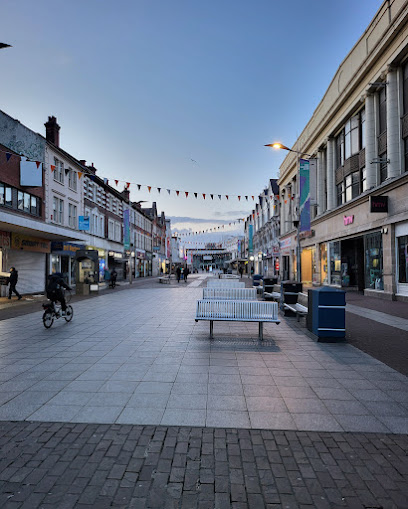
ideal gift shop
0.7 km
Discover unique and thoughtful gifts in the heart of Westcliff-on-Sea’s welcoming Ideal Gift Shop on London Road.
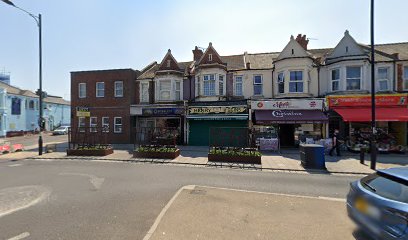
Victoria Shopping Centre
0.7 km
Modern shopping hub with 30+ stores, dining, and entertainment adjacent to Victoria Railway Station.
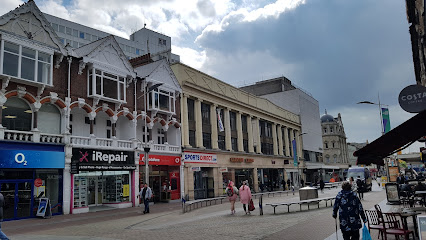
Teddy Station
0.7 km
Discover rare collectible teddy bears and join a warm community of enthusiasts at Southend’s Teddy Station, a haven for teddy bear lovers.
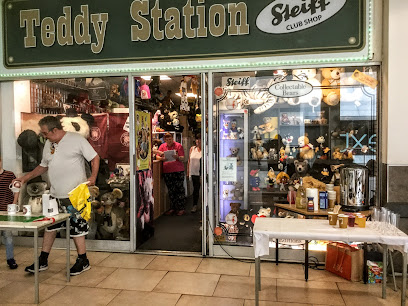
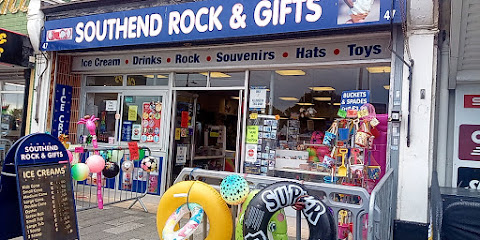
Southend Rock & Gifts
0.9 km
Discover charming seaside souvenirs and unique gifts at Southend Rock & Gifts, nestled on the vibrant Marine Parade.
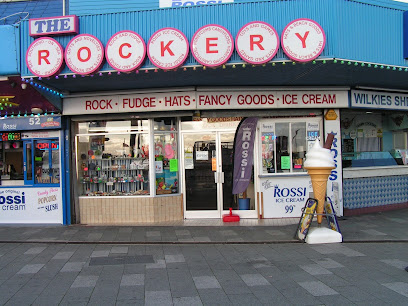
The Rockery
0.9 km
Discover unique gifts and local treasures at The Rockery, a charming seaside shop on Southend’s vibrant Marine Parade.
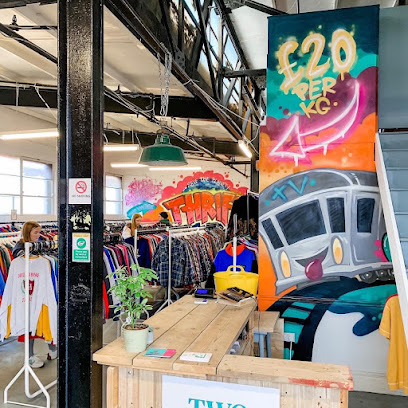
Two Vintage
1.1 km
Discover timeless style and unique vintage finds at Two Vintage, Southend-on-Sea’s curated clothing boutique.
No Potential
1.2 km
Independent art studio and vintage fashion shop blending creative practice with curated nostalgia.

Essential bars & hidden hideouts

View Bar
0.1 km
Friendly seaside bar with great views, well-priced drinks, and a welcoming atmosphere on Southend’s Clifftown Parade.
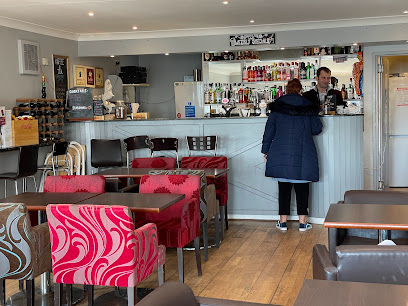
The Alex
0.1 km
A lively and welcoming pub in Southend-on-Sea offering great vegan options, casual British fare, and a vibrant social scene.
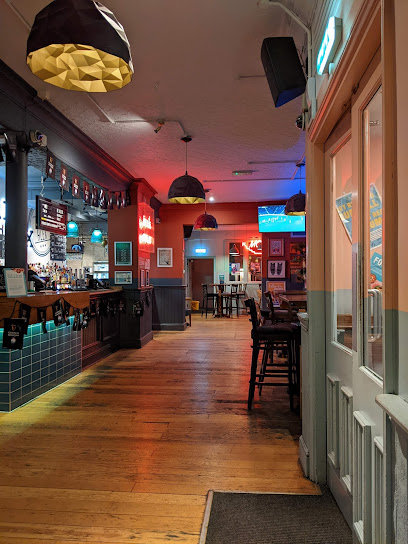
The N & M Club
0.2 km
Historic social club on Southend’s cliff top offering live entertainment, real ales, great food, and stunning sea views in a welcoming atmosphere.
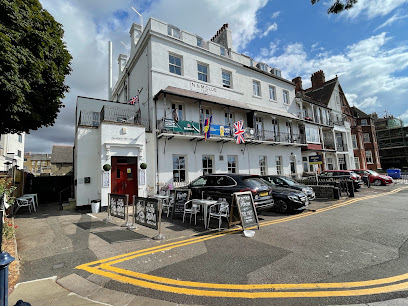
Infinity Showbar
0.2 km
A vibrant hub for karaoke, drag shows, and late-night parties in Southend-on-Sea’s lively Alexandra Street nightlife district.
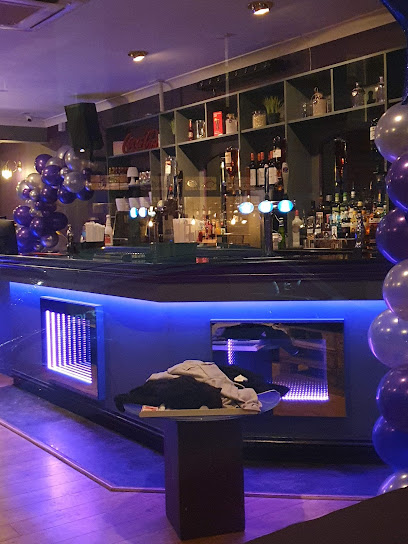
Aloha Lounge
0.3 km
Experience a vibrant tropical oasis in Southend-on-Sea with exceptional cocktails, island-inspired cuisine, and warm, welcoming vibes at Aloha Lounge.
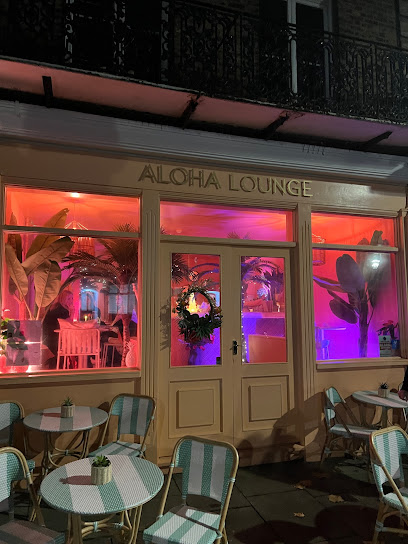
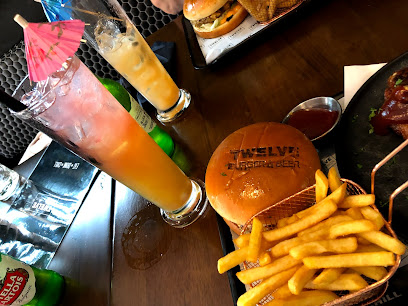
Twelve Brunch & Cocktails
0.3 km
A lively hotspot in Southend-on-Sea where brunch delights meet expertly crafted cocktails in a trendy, vibrant setting.
The Hush Bar
0.3 km
A lively and affordable bar in Southend-on-Sea with a welcoming vibe and vibrant music scene for all-night socializing.
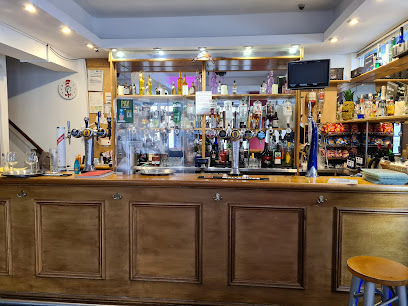
The Terrace Bar & Restaurant
0.3 km
Modern grill and cocktail bar with lively entertainment and a spacious terrace near Southend’s iconic seafront.
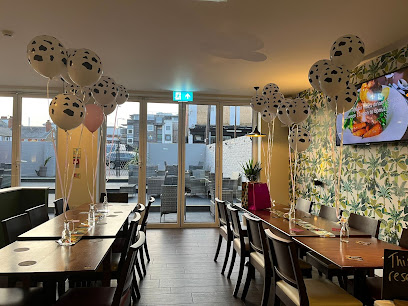
Legbas - Private Hire Speakeasy Bar
0.3 km
An exclusive, vintage-inspired speakeasy bar in Southend-on-Sea’s Royal Hotel basement, perfect for private celebrations and crafted cocktails.
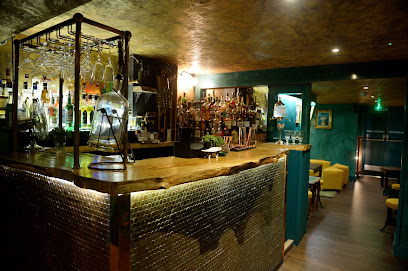
SAKS BAR SOUTHEND
0.3 km
A lively Southend pub blending live jazz, weekend music, and sports screenings in a friendly, relaxed atmosphere.
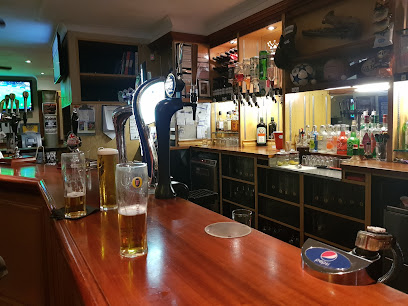
The Last Post - JD Wetherspoon
0.3 km
Historic post office turned lively JD Wetherspoon pub and hotel in Southend-on-Sea, offering affordable dining, live sports, and comfortable stays.
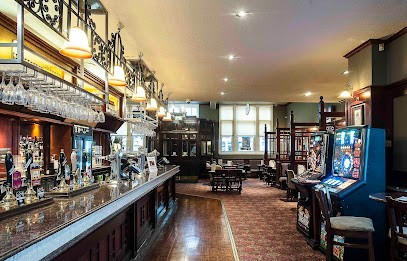
The Cliff
0.4 km
A lively, inclusive LGBT+ pub in Southend-on-Sea offering great cocktails, karaoke nights, and a welcoming atmosphere for all.
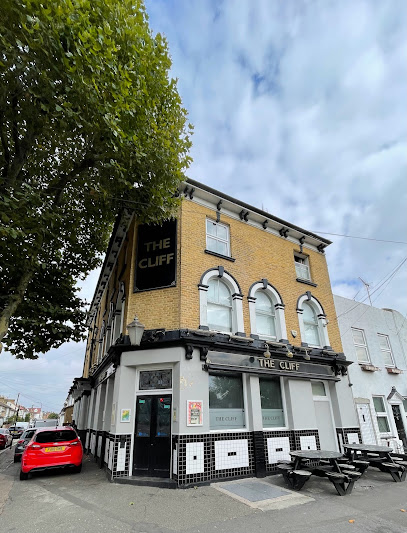
The Dickens
0.5 km
Lively pub and nightclub in Southend-on-Sea offering karaoke, great drinks, and a welcoming atmosphere for all-night fun.
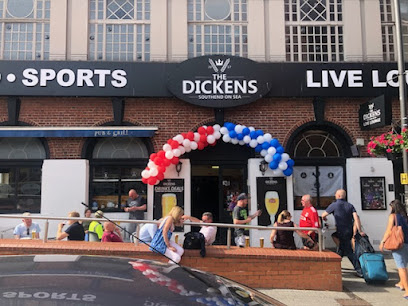
SWITCH
0.6 km
A vibrant cocktail bar and games lounge in Southend-on-Sea blending creative drinks with interactive fun and social gaming.
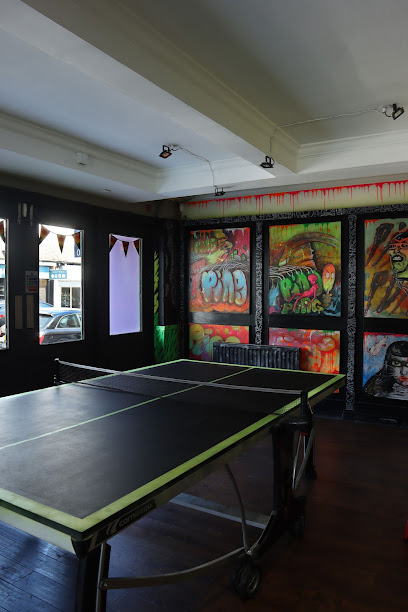
Popworld Southend
0.6 km
Popworld Southend: Where nostalgic pop hits meet vibrant nightlife for unforgettable party experiences in Essex.
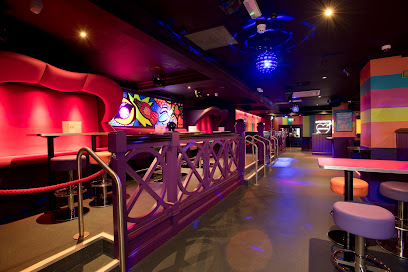
Nightclubs & after hour spots

Sunrooms2
0.2 km
Experience Southend-on-Sea’s dynamic nightlife at Sunrooms², where live music and DJ-driven parties keep the energy alive until the early hours.

Foundation
0.3 km
Vibrant nightclub and bar in Southend-on-Sea offering lively music, crafted cocktails, and a welcoming atmosphere for memorable nights out.
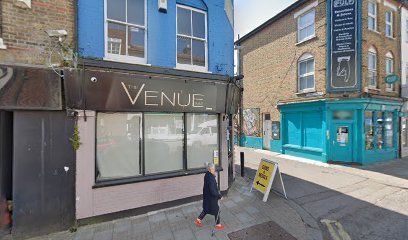
MYST Club
0.5 km
Experience the vibrant pulse of Southend-on-Sea’s nightlife at MYST Club, where music, dancing, and social energy converge.
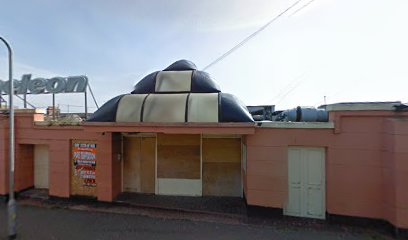
MooMoo Clubrooms Southend
0.6 km
Experience Southend’s vibrant nightlife at MooMoo Clubrooms, where themed rooms and lively beats create unforgettable party nights.
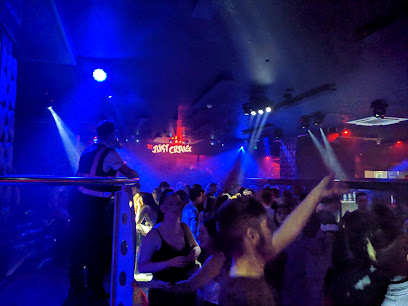
Just Vibez
0.8 km
Experience vibrant nightlife and non-stop dancing at Just Vibez, Southend-on-Sea’s energetic nightclub hotspot.
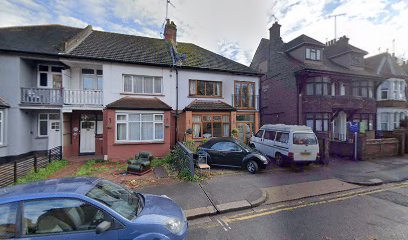
The Moonraker Club
1.5 km
A vibrant, intimate nightclub in Westcliff-on-Sea with top DJs, a powerful sound system, and a lively social scene for unforgettable nights out.
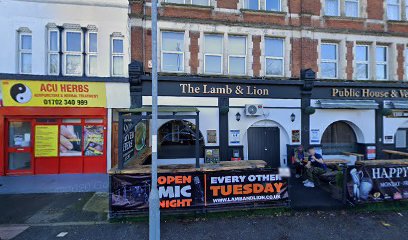
The Lounge Jazz Club
4.6 km
Experience intimate jazz and soul performances in a cozy, elegant venue near Southend Airport with fine drinks and a lively atmosphere.

The Loft Basildon
17.9 km
Experience Basildon’s vibrant dance scene with energetic music nights, friendly staff, and a lively atmosphere at The Loft Basildon.
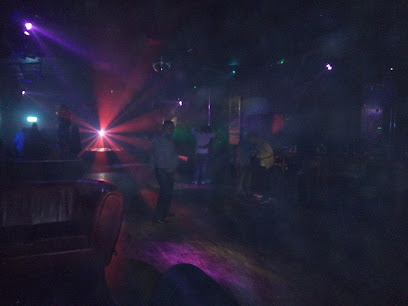
Bar & Beyond Chelmsford
27.3 km
A large, lively nightclub in Chelmsford known for affordable drinks, vibrant atmosphere, and a mix of praise and controversy around its staff and music.
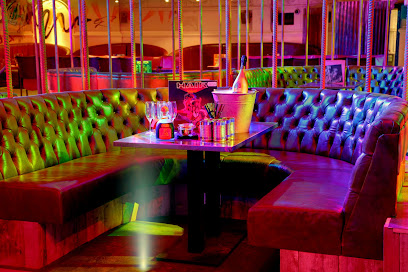
Club Tantalize
27.3 km
Chelmsford’s largest and most luxurious lapdancing club offering stylish nightlife with live pole shows and private VIP experiences.
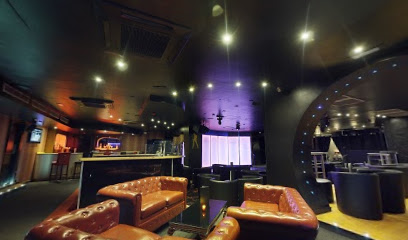
Popworld - Chelmsford
27.3 km
Experience Chelmsford’s ultimate pop-themed nightclub with vibrant music, creative cocktails, and unforgettable themed parties.
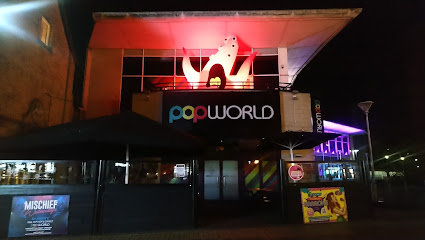
Funky Friday Over 30's Night
30.6 km
Funky Friday Over 30's Night in Greenhithe offers a vibrant atmosphere with live music, perfect for dancing and socializing with friends.
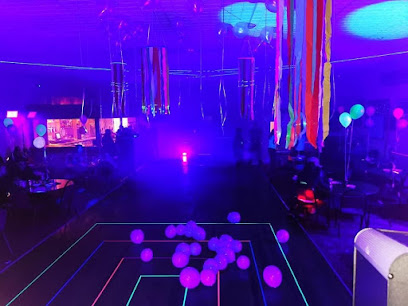
Air & Breathe Nightclub
35.7 km
Vibrant dual-zone nightclub in Dartford blending youthful energy with plush exclusivity for over 25s.

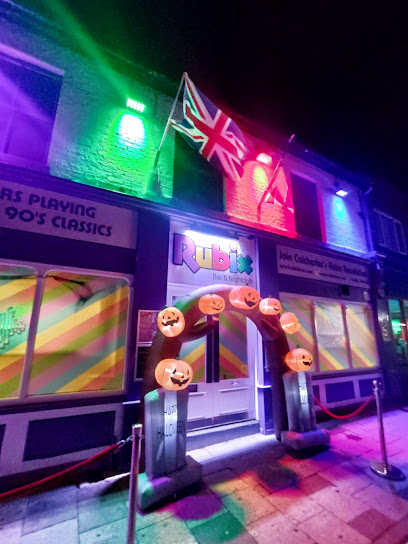
Rubix Bar & Nightclub
41.3 km
Experience Colchester’s lively nightlife with Rubix Bar & Nightclub’s energetic music, vibrant dance floor, and welcoming social scene every weekend night.
Trilogy Nightclub
41.7 km
Experience Colchester’s vibrant nightlife at Trilogy Nightclub, where diverse music and energetic crowds create unforgettable weekends.

For the vibe & atmosphere seeker
- Tranquil
- Scenic
- Historic
- Relaxing
For the design and aesthetic lover
- Vintage Styles
- Rustic Designs
For the architecture buff
- Historic
- Landmarks
For the view chaser and sunset hunter
- Iconic Views
- Waterfront
For the social media creator & influencer
- Instagrammable
- Photo Spots
For the eco-conscious traveler
- Public-Transport Accessible
- Locally Managed
For the kind of experience you’re after
- Cultural Heritage
- Photowalk
- Day Trip
- Weekend Getaway
For how adventurous you want the journey to be
- Easy Access
Location Audience
- Family Friendly
- Senior Friendly
- Child Friendly
- Teen Friendly
- Wheelchair Access
- Pet Friendly
- Solo Friendly
- Couple Friendly


