

Southend-on-Sea Travel Guide - Free Web & App
Your ultimate guide to Southend-on-Sea. Discover top landmarks, proposed trips, and local tips. Free on the web or via the Evendo companion app.


Southend-on-Sea, United Kingdom, combines a historic pier, Thames Estuary beaches, seaside attractions, cultural heritage, wildlife and coastal walks.
A Thames Estuary Seaside Town
Southend-on-Sea stretches along the northern shore of the Thames Estuary in south-east Essex, where broad skies, tidal mudflats and gently shelving beaches give the coast a distinctive maritime character. The town grew as a resort for London visitors, but its identity is more varied than a traditional seaside strip: Victorian and Edwardian architecture, lively cultural venues, residential neighbourhoods, nature reserves and historic villages all sit within the wider borough. At the centre is Southend Pier, extending more than two kilometres into the estuary and carrying visitors beyond the shore for changing views across the water.Read more about Southend-on-Sea
Seafront Attractions and Open Landscapes
Heritage, Culture and Local Character
When is the best time to visit Southend-on-Sea?
Best: July–September · 21–23°C| Month | High (°C) | Rainfall (mm) |
|---|---|---|
| January | 8 | 51 |
| February | 9 | 39 |
| March | 11 | 42 |
| April | 14 | 45 |
| May | 18 | 52 |
| June | 21 | 50 |
| July (best) | 23 | 48 |
| August (best) | 23 | 51 |
| September (best) | 21 | 43 |
| October | 18 | 48 |
| November | 14 | 50 |
| December | 11 | 57 |
Getting to and around Southend-on-Sea
How to get there
Transportation
Best attractions in Southend-on-Sea
Southend Pier is the defining attraction, projecting deep into the Thames Estuary with long views back towards the town and across the water; visitors can walk along it or use the pier railway when operating. The central seafront brings together beaches, promenades, Adventure Island and the Sea Life Adventure aquarium, while the Kursaal remains an important reminder of Southend’s early resort culture. Prittlewell Priory offers a quieter historical experience among the remains of its medieval religious complex and gardens. To the west, Chalkwell provides an open beach and promenade setting, while Thorpe Bay and Shoebury introduce broader coastal views and a less concentrated resort atmosphere. Nature interests are best understood through the estuarine foreshore, where tidal mudflats and shallow waters support birdlife, although access must follow local guidance. Southend Museum and the town’s cultural venues add context through local history, art and changing exhibitions.
-
Tourist attraction
Adventure Island
Southend’s vibrant beachfront amusement park offering free entry, thrilling rides, indoor fun, and family-friendly entertainment all year round.
-
Tourist attraction
Southend Pier
Explore Southend Pier, the world's longest pleasure pier, offering historic charm, scenic views, and vibrant seaside leisure.
-
Shopping Centre
The Royals Shopping Centre
A vibrant shopping hub at Southend-on-Sea’s High Street southern end, blending retail variety with coastal charm and visitor-friendly amenities.
-
Tourist attraction
Southend Pier and Railway
Experience the world's longest pleasure pier, blending rich history, scenic railway rides, and vibrant seaside leisure in Southend-on-Sea.


Explore Southend-on-Sea on the map
Plan your trip on one map. See where the top attractions, landmarks, restaurants and hotels are, and book hotels and experiences in a few clicks.
Best hotels in Southend-on-Sea
Best restaurants in Southend-on-Sea
Southend’s food scene reflects its position as a sizeable Essex town and traditional seaside resort. Fish and chips, ice cream, cafés and casual food remain closely associated with the seafront, while the town centre and surrounding neighbourhoods offer a broad range of international cuisines and contemporary dining. Local ice-cream traditions are particularly prominent, with Rossi Ice Cream among the names historically associated with Southend. Seafood is a natural feature of coastal menus, although visitors should distinguish regionally sourced produce from general seaside dining. Restaurants and cafés are concentrated around the town centre, seafront and established shopping areas, with additional options in districts such as Leigh-on-Sea and surrounding settlements. Those exploring the quieter eastern beaches should plan food stops carefully, as facilities are less concentrated away from the central resort.
-
Modern European
Ocean Beach
Modern European beach club and restaurant with stunning sea views, family-friendly vibes, and a vibrant coastal atmosphere in Southend-on-Sea.
-
Restaurant
Molo Lounge
A vibrant, artsy lounge on Southend’s High Street offering extensive vegan and gluten-free menus in a cozy, welcoming atmosphere.
-
Italian
Padrino Italian Restaurant & Pizzeria
Classic Italian dining with warm hospitality and flavorful pizzas in the heart of Westcliff-on-Sea.
-
Tapas
Billy Hundreds Fish n Tapas
Fresh seafood tapas with a family touch, served in a vibrant beachfront setting on Southend-on-Sea’s Eastern Esplanade.


Best bars in Southend-on-Sea
Evening life is concentrated in central Southend, where pubs, bars, restaurants and entertainment venues serve residents as well as visitors. The town has a more developed nightlife scene than a small coastal village, but its character varies considerably by street and evening, with traditional pubs and casual bars alongside venues aimed at later-night entertainment. The seafront is more associated with seasonal attractions, restaurants and illuminated leisure activity than with a continuous club district. Leigh-on-Sea, within the wider Southend borough, has its own collection of pubs and bars around the old town and waterfront. In quieter coastal areas such as Thorpe Bay and Shoebury, evenings are generally more subdued, with accommodation, local pubs and walks replacing concentrated nightlife.
-
Pub
The Last Post - JD Wetherspoon
Historic post office turned lively JD Wetherspoon pub and hotel in Southend-on-Sea, offering affordable dining, live sports, and comfortable stays.
-
Cocktail bar
Slug & Lettuce - Southend
Lively cocktail bar and restaurant in Southend-on-Sea offering stylish vibes, bottomless brunch, and vibrant social events by the seaside.
-
Pub
Saxon King
A cozy British pub in Southend-on-Sea blending historic charm with hearty classics and family-friendly warmth.
-
Pub
The Alex
A lively and welcoming pub in Southend-on-Sea offering great vegan options, casual British fare, and a vibrant social scene.


Best nightclubs in Southend-on-Sea
Evening life is concentrated in central Southend, where pubs, bars, restaurants and entertainment venues serve residents as well as visitors. The town has a more developed nightlife scene than a small coastal village, but its character varies considerably by street and evening, with traditional pubs and casual bars alongside venues aimed at later-night entertainment. The seafront is more associated with seasonal attractions, restaurants and illuminated leisure activity than with a continuous club district. Leigh-on-Sea, within the wider Southend borough, has its own collection of pubs and bars around the old town and waterfront. In quieter coastal areas such as Thorpe Bay and Shoebury, evenings are generally more subdued, with accommodation, local pubs and walks replacing concentrated nightlife.
-
Nightclub
MooMoo Clubrooms Southend
Experience Southend’s vibrant nightlife with diverse music rooms, top DJs, and a lively atmosphere at MooMoo Clubrooms.
-
Nightclub
The Lounge Jazz Club
Experience intimate jazz and soul performances in a cozy, elegant venue near Southend Airport with fine drinks and a lively atmosphere.
-
Nightclub
The Moonraker Club
A vibrant, intimate nightclub in Westcliff-on-Sea with top DJs, a powerful sound system, and a lively social scene for unforgettable nights out.
-
Nightclub
Just Vibez
Experience vibrant nightlife and non-stop dancing at Just Vibez, Southend-on-Sea’s energetic nightclub hotspot.


Best shops in Southend-on-Sea
Shopping is centred on Southend town centre, where visitors find mainstream stores, independent businesses, cafés and indoor retail areas, with further local shopping around established neighbourhoods. The seafront supplies traditional holiday purchases, sweets, toys, souvenirs and beach essentials rather than specialist regional crafts. Leigh-on-Sea offers a more independent atmosphere around its old town and waterfront, including small shops, galleries, food businesses and places associated with local creative production, although the exact mix changes over time. Southend’s most recognisable edible souvenirs include ice cream and other classic seaside treats, while local food shops and markets can provide a more practical connection with Essex produce. Visitors seeking specialist retail or outdoor equipment should concentrate on the larger town centres rather than expecting extensive shopping beside the more open eastern beaches.
-
Shopping Centre
Victoria Shopping Centre
Modern shopping hub with 30+ stores, dining, and entertainment adjacent to Victoria Railway Station.
-
Gift shop
Argosy Toys & Gifts
Discover a treasure trove of toys and gifts at Argosy Toys, a cherished independent shop in Westcliff-on-Sea since 1947.
-
Gift shop
Under the Sun
Discover unique gifts, charming décor, and warm service at Under the Sun, Southend-on-Sea’s beloved local treasure.
-
Gift shop
Clinton Cards
A classic British card and gift shop on Southend’s High Street, offering thoughtful cards and gifts in a welcoming setting.


Get your free copy of our complete guide to Southend-on-Sea, delivered straight to you.
Everything on this page, from attractions and restaurants to essentials and local phrases, in one PDF you can read offline, print or share.
Already have an account? Sign in
Your Southend-on-Sea guide is ready.
We'll send it to · Not you? Sign out

Getting your guide ready…
We are putting together a fresh copy of the Southend-on-Sea guide. This can take up to a minute.
This can take a few moments. If your browser asks, choose Allow so the download can start. You'll find the guide in your Downloads folder.
Nothing happened? Download it again
Sorry, the guide is taking longer than usual. Please try again in a minute, or get it by email instead.
Southend-on-Sea essentials
Currency and Payment
Safety
Emergency Situations
Do's and Don'ts
Local Tips
From Eve
Local phrases worth knowing
You don't need to get them perfect. A few words go a long way, and locals appreciate the effort.
Basics
| English | Local | Say it |
|---|---|---|
| Hello | Alright | [uh-RAHT] |
| Goodbye | Cheers | [CHEERS] |
| Yes | Yeah | [YEH] |
| No | Nah | [NAH] |
| Please/You're welcome | No worries | [NO WURR-IES] |
| Thank you | Ta | [TAH] |
| Excuse me/Sorry | Sorry mate | [SOR-RY MATE] |
| How are you? | You alright? | [YOU UH-RAHT?] |
| Fine. And you? | Good, you? | [GOOD, YOU?] |
| Do you speak English? | Can you speak English? | [CAN YOU SPEEK ING-LISH?] |
| I don't understand | I don’t get it | [I DON’T GET IT] |
Eating & Drinking
| English | Local | Say it |
|---|---|---|
| I'd like to see the menu, please | Can I see the menu, please? | [CAN I SEE THE MEN-YOU, PLEASE?] |
| I don't eat meat | I’m a veggie | [I'M A VEJ-EE] |
| Cheers! | Cheers! | [CHEERS!] |
| I would like to pay, please | Can I have the bill, please? | [CAN I HAVE THE BILL, PLEASE?] |
Emergencies
| English | Local | Say it |
|---|---|---|
| Help! | Help! | [HELP!] |
| Go away! | Clear off! | [CLEA-OFF!] |
| Call the Police! | Get the police! | [GET THE PO-LEES!] |
| Call a doctor! | Get a doc! | [GET A DOC!] |
| I'm lost | I’m a bit lost | [I'M A BIT LOST] |
| I'm ill | I’m not well | [I'M NOT WELL] |
Shopping
| English | Local | Say it |
|---|---|---|
| I'd like to buy... | I want to buy... | [I WANT TO BUY...] |
| I'm just looking | Just browsing | [JUST BROW-SING] |
| How much is it? | How much's this? | [HOW MUCH'S THIS?] |
| That's too expensive | That's a bit steep | [THAT'S A BIT STEEP] |
| Can you lower the price? | Can you do a deal? | [CAN YOU DO A DEEL?] |
Time & Numbers
| English | Local | Say it |
|---|---|---|
| What time is it? | What’s the time? | [WHAT'S THE TIME?] |
| It's one o'clock | It's one o'clock | [IT'S ONE O'CLOCK] |
| Half past (10) | Half ten | [HALF TEN] |
| Morning | Morning | [MORN-ING] |
| Afternoon | Afternoon | [AFTER-NOON] |
| Evening | Evening | [EEV-NING] |
| Yesterday | Yesterday | [YES-TER-DAY] |
| Today | Today | [TO-DAY] |
| Tomorrow | Tomorrow | [TOM-OR-ROW] |
| 1 | One | [WUN] |
| 2 | Two | [TOO] |
| 3 | Three | [THREE] |
| 4 | Four | [FOUR] |
| 5 | Five | [FIVE] |
| 6 | Six | [SIX] |
| 7 | Seven | [SEV-EN] |
| 8 | Eight | [EIGHT] |
| 9 | Nine | [NINE] |
| 10 | Ten | [TEN] |
Transport & Directions
| English | Local | Say it |
|---|---|---|
| Where's a/the...? | Where’s the...? | [WHERE'S THE...?] |
| What's the address? | What’s the address? | [WHAT'S THE AD-DRESS?] |
| Can you show me (on the map)? | Can you show me on the map? | [CAN YOU SHOW ME ON THE MAP?] |
| When's the next (bus)? | When’s the next bus? | [WHEN'S THE NEXT BUS?] |
| A ticket (to ....) | One ticket to... | [ONE TICKET TO...] |
History of Southend-on-Sea
Estuary Landscape and Early Settlement
Southend occupies a coastal setting shaped by the Thames Estuary, whose tides, saltmarshes, mudflats and shallow channels influenced settlement and trade long before the resort era. The area contains evidence of prehistoric and Roman activity, while the settlement now known as Southend developed from the southern end of the larger village of Prittlewell. Its position beside the estuary connected local communities with fishing, farming, coastal transport and the wider economy of south-east England.
The Prittlewell Princely Burial
The discovery of an exceptionally furnished Anglo-Saxon burial at Prittlewell in 2003 transformed understanding of the area’s early medieval importance. The burial, dating from the sixth or seventh century, contained a chamber and objects suggesting high status, including a gold cross and an elaborate drinking vessel. The identity of the individual remains uncertain, but the find demonstrates that the region was connected to powerful communities and long-distance exchange centuries before Southend became a seaside resort.
Prittlewell Priory and Medieval Southend
Prittlewell Priory was founded in the early twelfth century as an Augustinian religious house and became a significant local landowner. The surviving remains and associated grounds provide a tangible connection with medieval religious life and the agricultural landscape around Prittlewell. Following the Dissolution of the Monasteries in the sixteenth century, the priory’s religious function ended and the buildings passed through later phases of private use. Its preserved ruins and gardens now stand among Southend’s most important heritage sites.
From Village to Seaside Resort
Southend began developing as a resort in the eighteenth century, when visitors from London were attracted by the estuary air, bathing and coastal scenery. Expansion accelerated during the nineteenth century as transport links improved and the town acquired hotels, promenades, pleasure grounds and other visitor facilities. Southend Pier opened in 1889, replacing an earlier landing stage and allowing steamers and pedestrians to reach deeper water. The railway connections that followed helped turn the town into a popular day-trip and holiday destination.
Entertainment, Industry and the Modern Borough
The resort economy expanded around attractions such as the Kursaal, opened in 1901 as a major leisure complex, alongside theatres, amusement facilities and traditional seaside businesses. Southend also developed through aviation, engineering, commerce and residential growth, becoming a substantial urban centre rather than a resort dependent solely on tourism. The borough’s later identity has been shaped by cultural regeneration, conservation of historic buildings, protection of estuarine habitats and the continuing evolution of its seafront attractions.
Southend-on-Sea in Photos
Browse through our photo collection highlighting the charm and character of the destination.
Neighbouring destination travel guides
The closest destinations to Southend-on-Sea, if you have time for more than one.
-

-

-

-

-


Swipe for more destinations
Explore more
Explore more of Essex
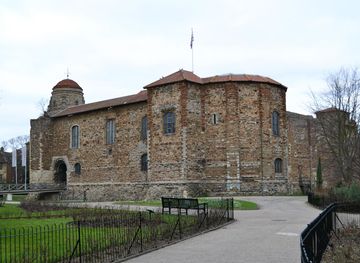
Explore Essex for Roman Colchester, tidal estuaries, historic houses, coastal resorts, market towns and the produce of eastern England.
Explore Essex
Explore more of United Kingdom
Discover the United Kingdom: A blend of rich history, stunning landscapes, and vibrant cities, offering a unique travel experience for every visitor.
Explore United Kingdom