
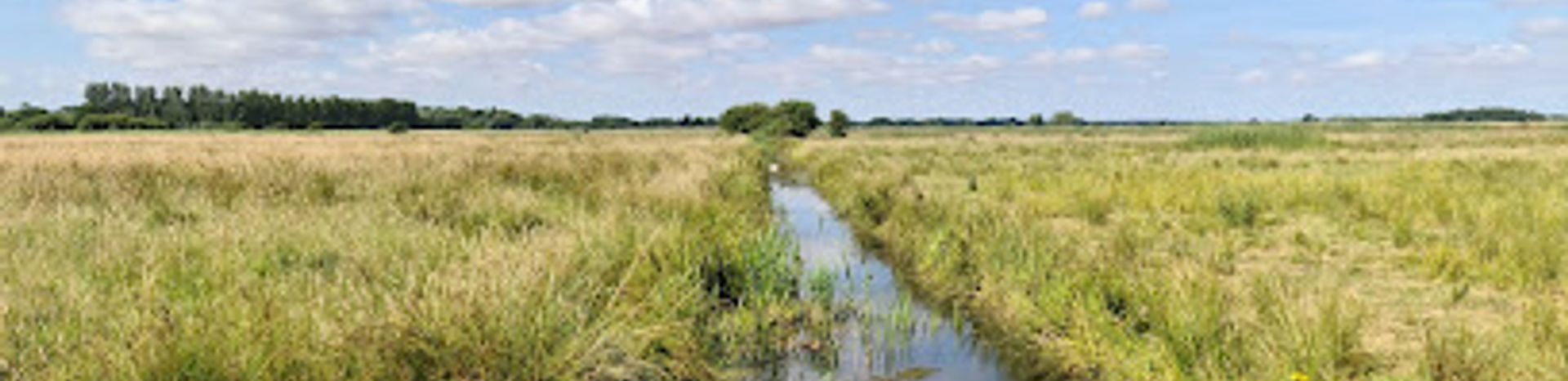
Carlton & Oulton Marshes Nature Reserve
Explore 1,000 acres of rich wetland habitats at Carlton & Oulton Marshes, a sanctuary for rare wildlife and peaceful nature escapes.
Carlton & Oulton Marshes is a vast 1,000-acre nature reserve at the southern tip of the Norfolk Broads, managed by Suffolk Wildlife Trust. This mosaic of grazing marshes, fens, peat pools, reedbeds, and dykes supports diverse wildlife including marsh harriers, water voles, fen raft spiders, and 28 species of dragonflies. The reserve features accessible trails, a visitor centre with a café and gift shop, and offers a tranquil escape into East Anglia’s rich wetland habitats.
A brief summary to Carlton & Oulton Marshes
- Burnt Hill Ln, Lowestoft, Carlton Colville, NR33 8HU, GB
- +441502359480
- Visit website
- Duration: 1 to 4 hours
- Free
-
 Outdoor
- Mobile reception: 4 out of 5
- Monday 10 am-4:30 pm
- Tuesday 10 am-4:30 pm
- Wednesday 10 am-4:30 pm
- Thursday 10 am-4:30 pm
- Friday 10 am-4:30 pm
- Saturday 10 am-4:30 pm
- Sunday 10 am-4:30 pm
Local tips
- Visit the Visitor Centre for maps, wildlife information, and a café serving hot food.
- Wear waterproof footwear and bring binoculars for birdwatching along the trails.
- Dogs must be kept on short leads throughout the reserve due to wildlife protection rules.
- Use the accessible paths and easy-access gates if mobility is a concern; some areas are suitable for wheelchairs and pushchairs.
- Plan visits in early summer for wildflower displays or winter for watching wildfowl.

For the on-the-go comforts that matter to you
- Restrooms
- Drink Options
- Food Options
- Seating Areas
- Trash Bins
- Information Boards
- Visitor Center
Getting There
-
Train
Take a train to Oulton Broad South Station from Lowestoft (about 5 minutes) or Ipswich (approximately 85 minutes). From the station, it is a 20-minute walk along well-marked paths to the Visitor Centre. Trains run regularly but check schedules for off-peak times.
-
Bus
Several local buses stop near Burnt Hill Lane on the A146, close to the reserve entrance. Bus frequency varies, so check local timetables. From the bus stop, expect a 15 to 20-minute walk on flat terrain to the Visitor Centre.
-
Car
Free parking is available at the Visitor Centre car park, including two Blue Badge spaces. Parking is ample but can fill during weekends and holidays. A suggested donation of £3 supports the reserve. Note that dogs must be kept on leads within the reserve.
-
Walking
For local residents or nearby visitors, walking to the reserve is an option. Trails around the marshes are flat and well surfaced, suitable for pushchairs and wheelchairs on designated paths. Walking times vary depending on starting point but expect at least 20 minutes from Oulton Broad South.
Carlton & Oulton Marshes location weather suitability
-
 Any Weather
-
 Rain / Wet Weather
-
 Clear Skies
-
 Mild Temperatures
-
 Windy Conditions
Discover more about Carlton & Oulton Marshes
A Living Mosaic of Wetland Habitats
Carlton & Oulton Marshes form a sprawling 1,000-acre nature reserve situated in the Waveney Valley, marking the southern gateway to the Broads National Park. The landscape is a complex patchwork of grazing marshes, tall fen, peat pools, short fen meadows, reedbeds, dykes, and scrub. These habitats, largely shaped by centuries of traditional management and peat digging, have created an invaluable sanctuary for a wide variety of specialized wetland flora and fauna. The reserve’s dykes and pools teem with life, including rare plants like water soldier and insectivorous bladderwort, which traps tiny water fleas in underwater bladder-like sacs.Wildlife Highlights and Conservation Successes
This reserve is renowned for its birdlife, especially marshland species and birds of prey such as the Eurasian hobby and western marsh harrier. The reed and sedge beds provide ideal nesting cover for reed warblers, sedge warblers, bearded tits, Cetti’s warblers, and the elusive grasshopper warbler. In addition to birds, the reserve supports water voles and is a stronghold for the rare fen raft spider, successfully reintroduced in 2012. The presence of diverse freshwater snails reflects the excellent water quality maintained in the dykes. Seasonal wildflower displays include southern marsh orchid, marsh marigold, ragged-robin, and scarcer species like bogbean and marsh cinquefoil.Visitor Facilities and Accessibility
The Carlton Marshes Visitor Centre offers a welcoming hub with a café serving hot food, a gift shop, and accessible restrooms. The centre is fully wheelchair accessible, including firm paths with easy-access gates around parts of the marsh. Parking is free with designated Blue Badge bays, and dogs must be kept on short leads due to a Public Space Protection Order. Several well-marked and colour-coded trails lead visitors through different habitats, with bird hides and resting spots enhancing the experience. A children’s play area with natural climbing features adds family-friendly appeal.Engaging with Nature and Seasonal Experiences
Visitors can enjoy year-round access from dawn to dusk, with the visitor centre open daily from 10am to 4:30pm in summer and until 4pm in winter. The reserve is a hotspot for dragonfly enthusiasts, with 28 species recorded, and offers excellent opportunities for birdwatching, photography, and peaceful nature walks. In winter, the marshes attract large numbers of wildfowl such as wigeon, teal, and snipe, while spring brings breeding waders like lapwing and redshank. The ongoing restoration projects, including the creation of new wetland areas like Peto’s Marsh, continue to enhance biodiversity and visitor experiences.Historical and Ecological Significance
The habitats here are mostly man-made, shaped by peat digging and grazing over hundreds of years. The reserve’s pools, such as Sprat’s and Round Water, are remnants of historic peat extraction and now serve as vital wildlife havens. The careful balance of water management, grazing, and conservation efforts has preserved this unique fenland ecosystem, making Carlton & Oulton Marshes a microcosm of the Broads. Its role as a nature reserve contributes significantly to regional biodiversity and environmental education.A Destination for All Seasons and Interests
Whether you are a birdwatcher, botanist, family with children, or someone seeking tranquility in nature, Carlton & Oulton Marshes offers a rich and varied experience. Its accessible trails, abundant wildlife, and scenic landscapes make it a cherished destination for day trips and weekend getaways. The reserve’s commitment to conservation and visitor engagement ensures it remains a vital part of Suffolk’s natural heritage.Iconic landmarks you can’t miss

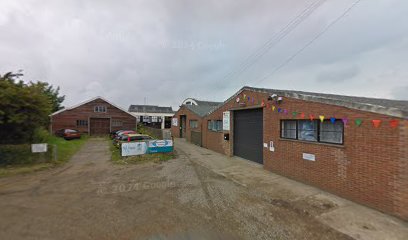
SOUTHWOLD OLD DRILL HALL
15.3 km
Historic Edwardian drill hall in Southwold, blending military heritage with vibrant community life.
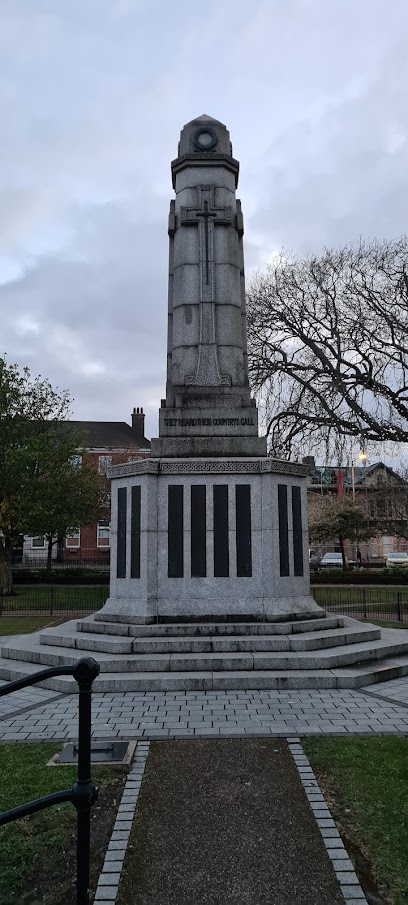
War Memorial
15.6 km
A solemn tribute in Great Yarmouth, honouring local service personnel and civilians lost in 20th-century conflicts with quiet dignity and enduring respect.
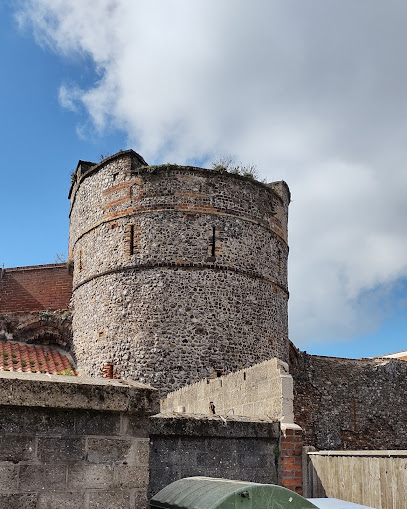
Pudding tower
15.9 km
Explore Pudding Tower, a medieval defensive relic in Great Yarmouth, steeped in history and local lore from the town’s fortified past.
Wheatfen Broad - Ted Ellis Trust
22.8 km
Explore the serene beauty of Wheatfen Broad, a nature reserve near Norwich, rich in wildlife and stunning landscapes ideal for relaxation and exploration.
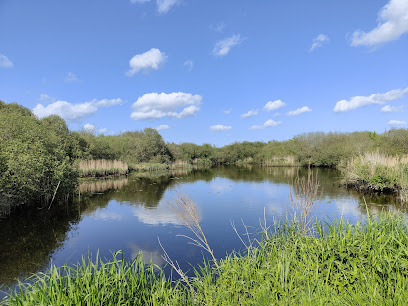
Discover the Norfolk Broads
23.9 km
Discover the natural beauty and tranquil waterways of the Norfolk Broads, a haven for outdoor enthusiasts and nature lovers in East Anglia.
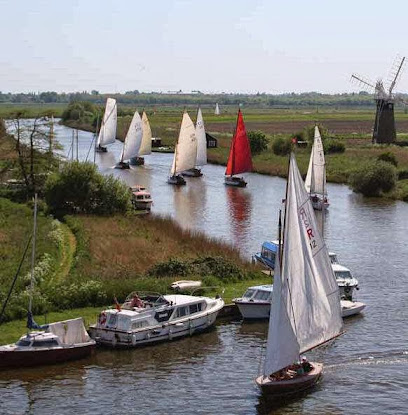
Fairhaven Woodland & Water Garden
25.5 km
Explore the natural beauty of Fairhaven Woodland & Water Garden, where lush landscapes meet serene waters in the heart of Norfolk.
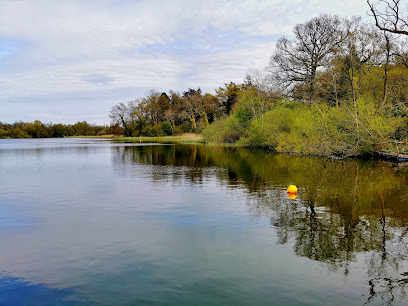
St. Benet's Abbey
27.0 km
Discover the enchanting ruins of St. Benet's Abbey, a historical gem in Great Yarmouth, surrounded by breathtaking natural beauty and rich heritage.
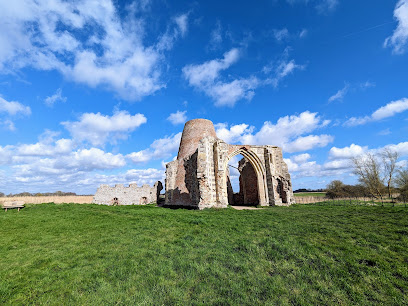
Potter Heigham bridge
27.9 km
Historic 14th-century bridge and boating hub in Norfolk Broads, blending medieval charm with scenic waterways and vibrant village life.
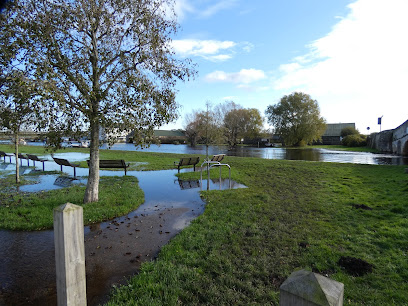
Ranworth Broad
28.0 km
Discover the serene beauty of Ranworth Broad, a tranquil waterway in Norfolk perfect for wildlife enthusiasts and nature lovers seeking peace and adventure.
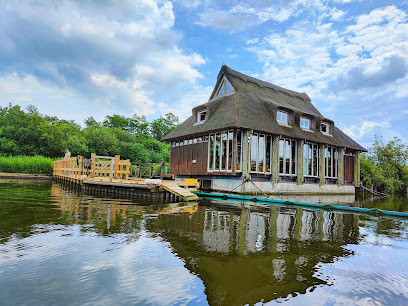
Salhouse Broad
29.8 km
Experience the beauty of nature at Salhouse Broad, a tranquil haven for outdoor adventures and wildlife exploration in the heart of the Norfolk Broads.
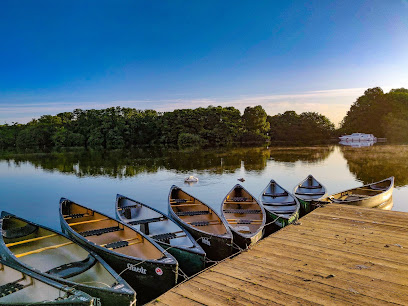
Whitlingham Country Park
29.8 km
Explore Whitlingham Country Park: a tranquil retreat with picturesque trails, diverse wildlife, and exciting outdoor activities near Norwich.
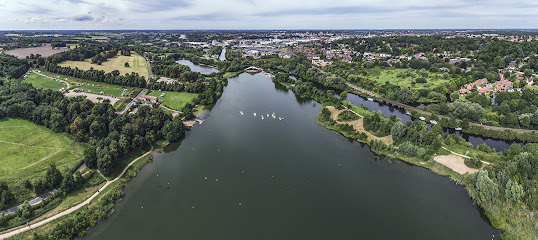
Hickling Broad
30.2 km
Discover the tranquil beauty of Hickling Broad, a premier nature reserve in Norfolk perfect for birdwatching, walking, and kayaking.
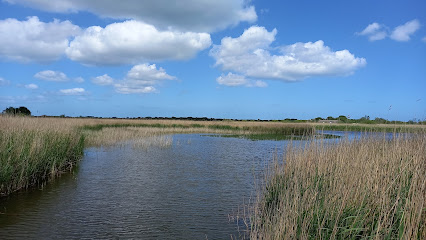
How Hill Trust Environmental Education Centre
30.3 km
Experience the beauty of nature and environmental education at How Hill Trust Environmental Education Centre in the heart of the Norfolk Broads.
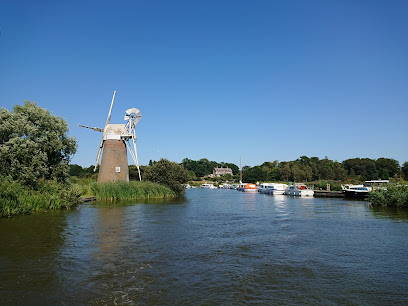
Toad Hole Cottage Museum
30.4 km
Explore the Toad Hole Cottage Museum and dive into the rich history of the Norfolk Broads in a charming and serene setting.
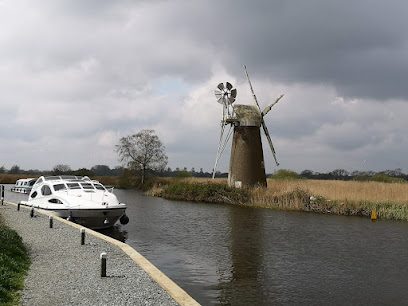
National Trust - Horsey Windpump
30.6 km
Explore the historic Horsey Windpump in the Broads National Park, a charming blend of nature, history, and breathtaking views.
Unmissable attractions to see

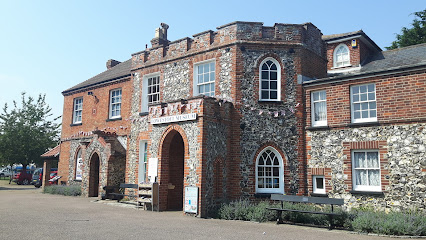
Lowestoft Museum
1.3 km
Explore Lowestoft’s rich heritage in a charming 17th-century house filled with porcelain, fossils, maritime history, and immersive local exhibits.
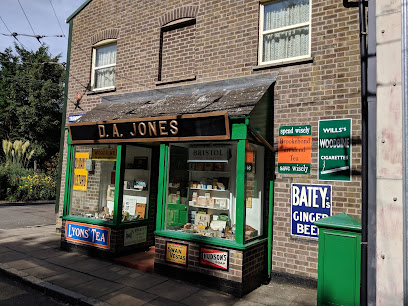
East Anglia Transport Museum
1.7 km
Ride through history on authentic trams, trolleybuses, and a narrow-gauge railway at East Anglia’s unique open-air transport museum.
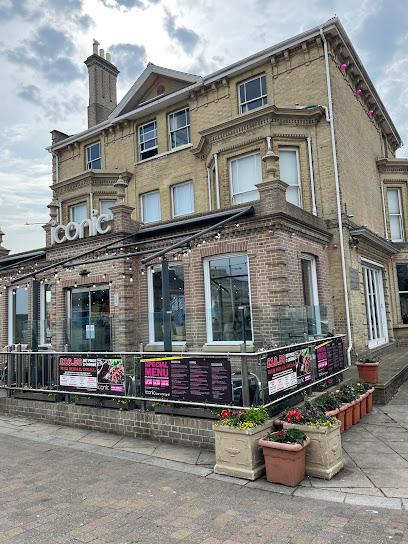
South Beach
3.9 km
Classic British seaside fun and stunning coastal views await at Lowestoft’s Claremont Pier on South Beach.
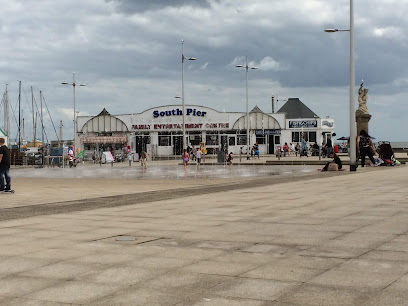
The South Pier
4.3 km
Experience nostalgic seaside fun and stunning coastal views at Lowestoft’s iconic South Pier, a lively hub of amusement and maritime charm.
Lowestoft Ness Point
5.1 km
Stand at the UK’s easternmost point and enjoy sweeping sea views, unique wildlife, and a touch of industrial heritage at Lowestoft’s Ness Point.
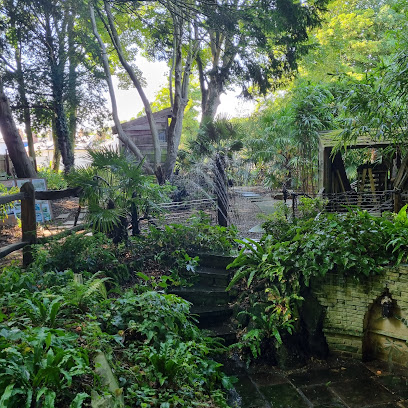
Henstead Exotic Gardens
6.1 km
Discover a lush subtropical haven in Suffolk where rare palms and exotic plants flourish in a tranquil garden setting.
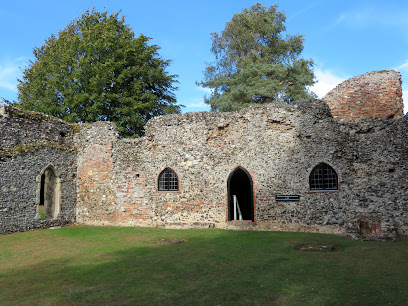
St Olave's Priory
9.1 km
Explore the serene ruins of St Olave's Priory, a rare 14th-century brick undercroft nestled in Norfolk’s historic landscape.
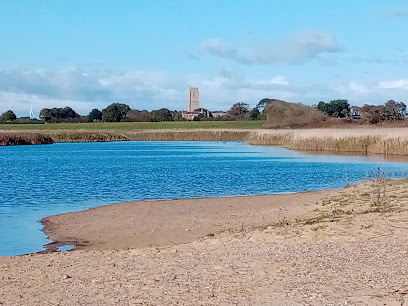
Benacre National Nature Reserve
9.3 km
A wild Suffolk coast reserve of lagoons, dunes and bird-rich reedbeds, perfect for coastal walks and quiet birdwatching between Southwold and Lowestoft.
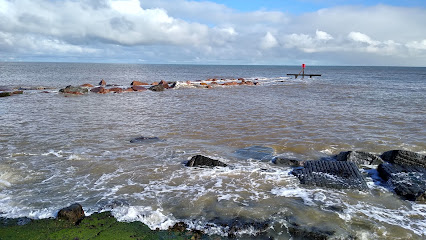
Gorleston Beach
11.2 km
A charming Victorian-era sandy beach near Great Yarmouth, perfect for families, surfers, and those seeking a peaceful traditional seaside escape.
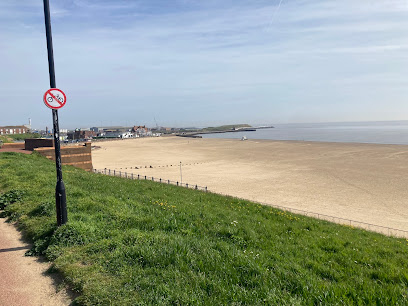
Gorleston
11.8 km
Historic fishing port turned beloved seaside resort with sandy beaches, Edwardian charm, and vibrant coastal leisure south of Great Yarmouth.
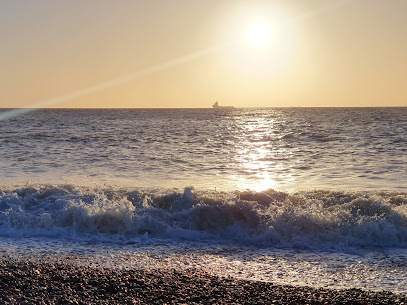
Gorleston-on-Sea Lighthouse
12.0 km
Historic 1887 red brick lighthouse guiding vessels at the mouth of the River Yare in charming Gorleston-on-Sea.
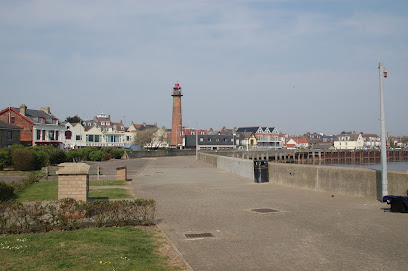
Priory Gardens
13.0 km
A peaceful, historic garden in the heart of Gorleston-on-Sea, perfect for a quiet stroll, a picnic, or a moment of calm by the sea.
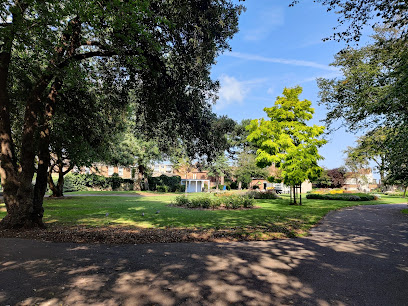
Burgh Castle
13.1 km
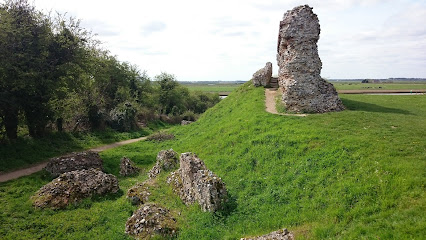
Explore Burgh Castle, Norfolk’s best-preserved Roman fort with towering walls and breathtaking estuary views steeped in centuries of history.
Cannells By The River
13.2 km
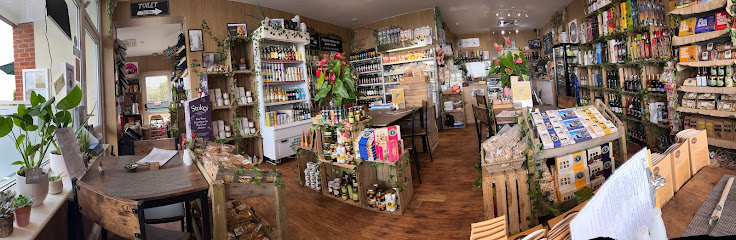
Rustic riverside farm shop and café offering local produce, artisan coffee, and scenic views on the Norfolk Broads.
RSPB Berney Marshes
13.6 km
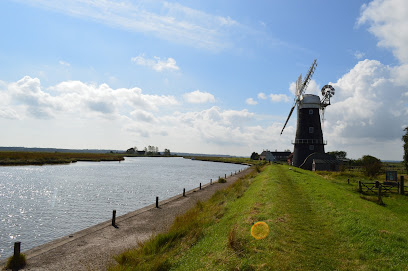
A tranquil, remote Broadland sanctuary renowned for spectacular wintering birds and unspoilt marshland vistas.
Essential places to dine

Crooked Barn
0.6 km
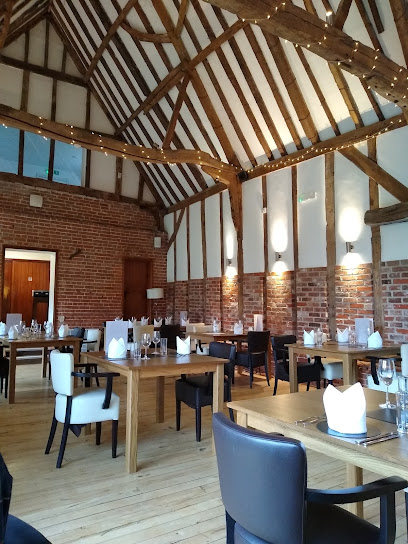
Rustic barn dining with hearty British fare in the tranquil countryside of Lowestoft, Suffolk.
The Waveney Inn
2.2 km
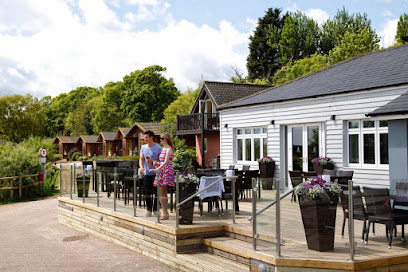
A tranquil riverside inn with stunning Broads views, fresh local dining, and cozy accommodations in the heart of Norfolk’s natural beauty.
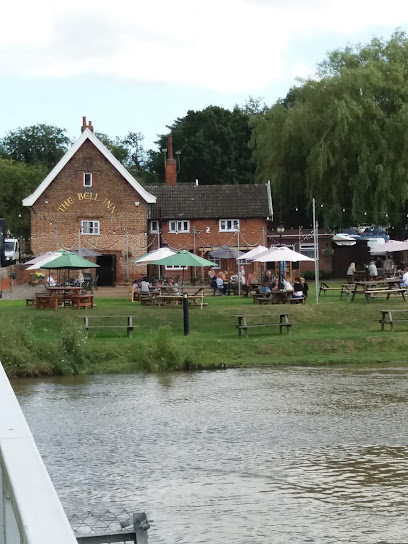
The Bell Inn
9.0 km
Historic pub nestled on the Norfolk Broads offering hearty British fare and a cozy, scenic waterside retreat.
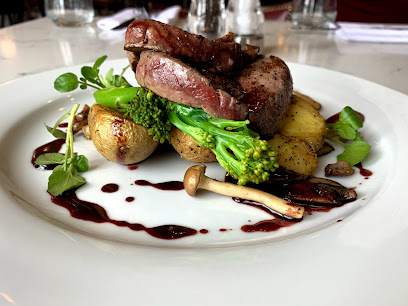
Muse Restaurant
11.8 km
Elegant coastal dining with Art Deco charm, attentive service, and expertly crafted dishes in Gorleston-on-Sea.
Burgh Hall
12.7 km
Discover Burgh Hall: A charming grill offering delicious grilled dishes in the scenic setting of Burgh Castle near Great Yarmouth.
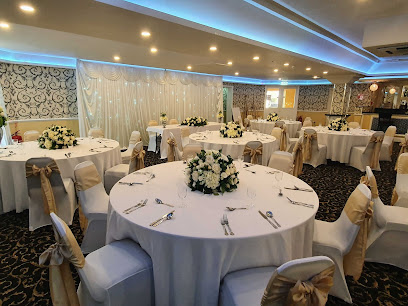
Olive Garden
12.9 km
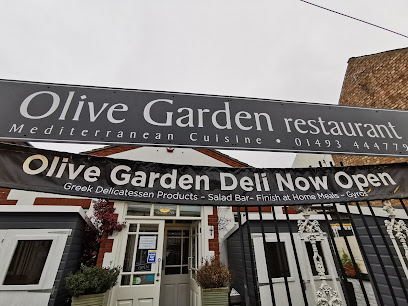
Experience authentic Greek and Cypriot cuisine with fresh, locally sourced ingredients in a warm Mediterranean setting in Gorleston-on-Sea.
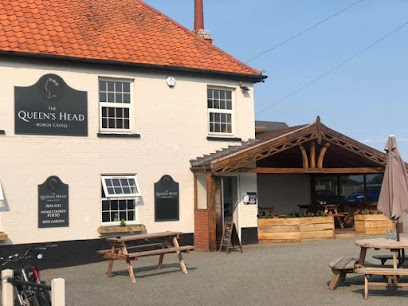
The Queen's Head
13.5 km
Norfolk's neighbourhood gem where quality food, genuine warmth, and inclusive hospitality meet traditional pub charm.
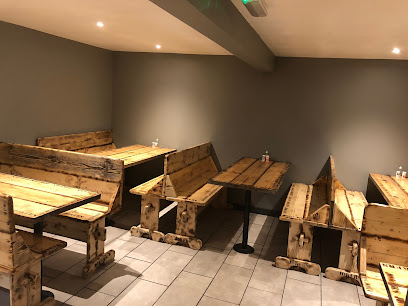
Joker's Diner
13.8 km
Joker's Diner serves up hearty British breakfasts and comfort food with fresh ingredients and friendly service in Great Yarmouth.
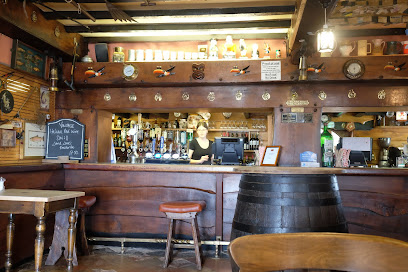
Reedham Ferry Inn
13.9 km
A charming riverside pub and campsite by the Norfolk Broads with scenic ferry crossings and classic British hospitality.
Great Yarmouth Seafront Beefeater
14.1 km
Family-friendly Beefeater on Great Yarmouth’s Golden Mile serving hearty grills and British classics with beach views.
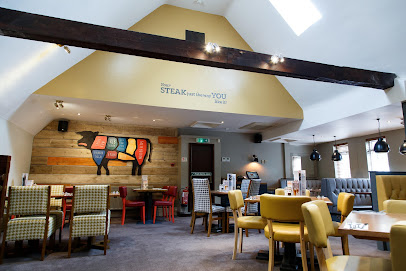
HMS Hinchinbrook great Yarmouth
15.2 km
Classic British fish restaurant on Great Yarmouth’s Marine Parade, blending tradition with modern flavors in a friendly seaside setting.
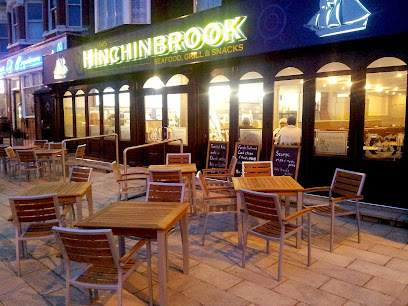
Beach Bistro
15.2 km
Classic British fish and chips served right at Southwold Pier’s entrance, perfect for a casual seaside meal with views of the beach and pier.
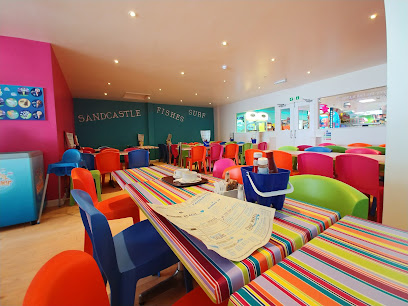
The Boardwalk
15.2 km
Fresh, seasonal dishes with unbeatable sea views on Southwold Pier’s iconic Boardwalk Restaurant.
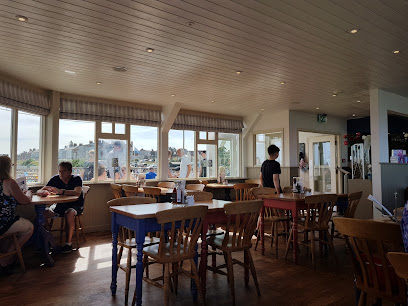
The Clockhouse
15.2 km
Relax with fresh coffee and homemade cakes at The Clockhouse, a cozy café perched on the iconic Southwold Pier with stunning sea views.
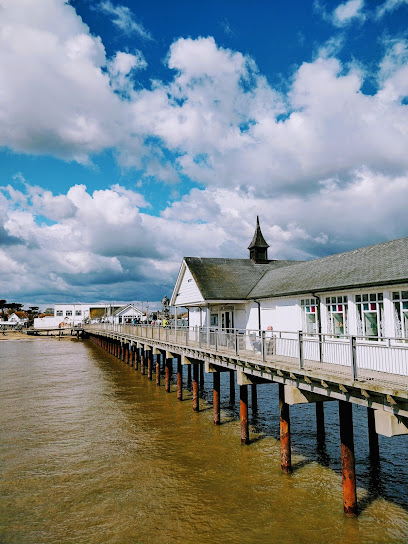
The Blyth
15.2 km
Charming Victorian hotel with award-winning dining, friendly service, and a prime location near Southwold’s seaside attractions.

Markets, malls and hidden boutiques

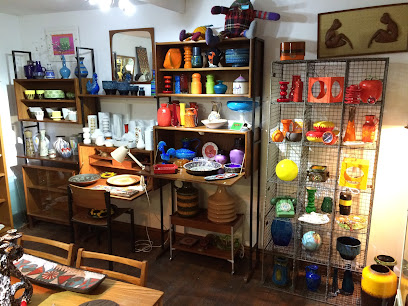
Vintage Mischief
8.8 km
Discover unique vintage and mid-century treasures in a charming Beccles antique shop nestled in a historic dairy building.
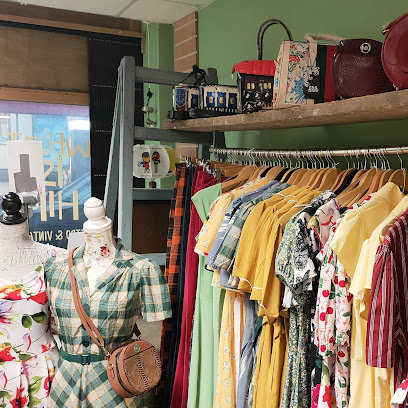
What Is Hip
12.9 km
Discover timeless vintage fashion and unique homewares at What Is Hip, a beloved retro clothing shop in the heart of Gorleston-on-Sea.
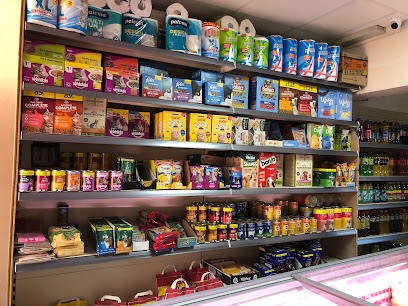
Reedham Stores
13.2 km
A welcoming village convenience store offering local flavors and essentials in the heart of Norfolk Broads’ scenic Reedham.
The Loft Emporium
14.1 km
Discover unique treasures and hidden gems at The Loft Emporium, Great Yarmouth’s charming shopping centre for eclectic finds.
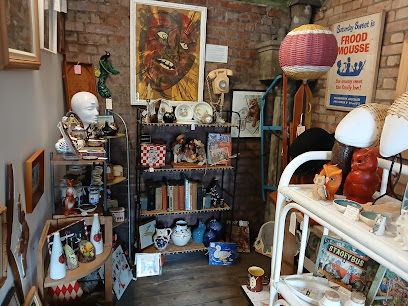
Aurora Gift Store
14.7 km
Discover charming gifts and souvenirs in the heart of Great Yarmouth at Aurora Gift Store, your local stop for unique keepsakes.
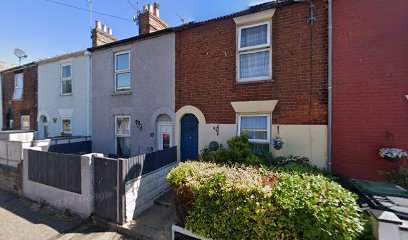
Picnic Patch
14.7 km
Discover timeless retro fashion and unique vintage treasures at Picnic Patch, Great Yarmouth’s charming vintage clothing boutique.

Gift Emporium
15.0 km
Discover unique maritime-inspired gifts and authentic local crafts at Great Yarmouth’s charming Gift Emporium by Wellington Pier.
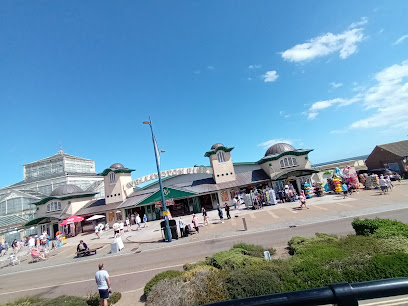
Seaweed & Salt
15.2 km
Discover unique homeware and gifts in a bright boutique at the end of Southwold Pier, blending seaside charm with artistic design.
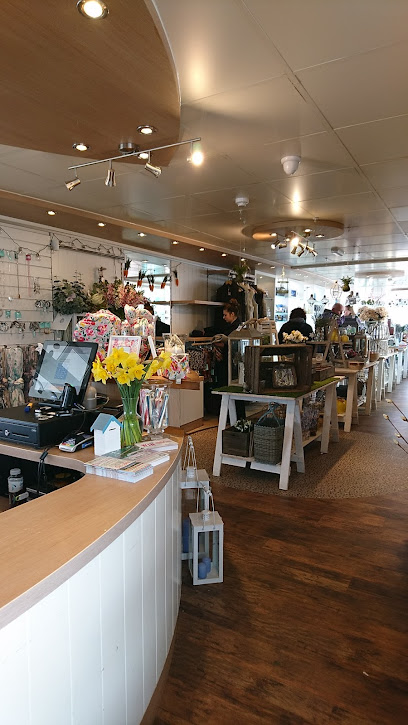
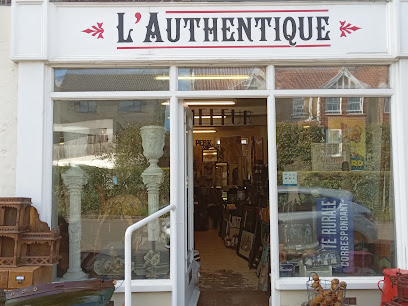
L'AUTHENTIQUE
15.3 km
A charming Southwold antique and interior design shop filled with unique furniture, decorative pieces, and garden treasures for coastal and country homes.
Gallery Thea
15.3 km
Discover joyful handcrafted ceramics, personalised pottery, and coastal-inspired gifts at Gallery Thea in Southwold’s creative heart.

Life's A Beach
15.4 km
Charming seaside gift shop on Marine Parade offering beach-themed souvenirs and a taste of Great Yarmouth’s coastal spirit.
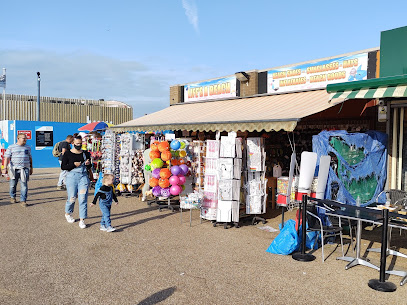
Ferailles Shop - (Knot Just A Furniture Shop!) - Great Yarmouth
15.5 km
Discover Ferailles Shop in Great Yarmouth – a treasure trove of antiques, art, and unique fashion accessories that tell timeless stories.
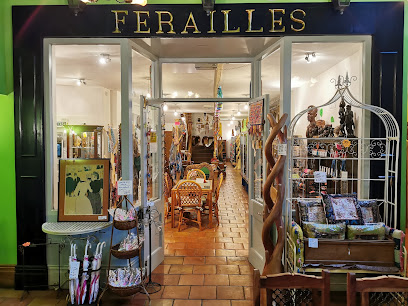
Lift Store Suffolk
15.5 km
A charming boutique in Southwold offering curated cards, gifts, and homeware with a personal, sustainable touch.

Red Eyed Dove
15.5 km
Discover timeless antiques and unique vintage treasures in the heart of Southwold’s charming High Street at the Red Eyed Dove.
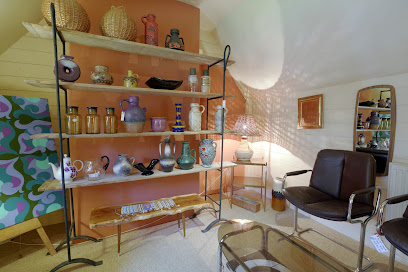
FatFace
15.5 km
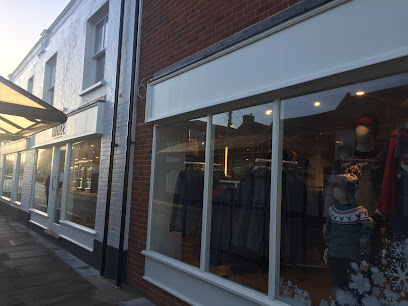
Discover relaxed, stylish British casualwear at FatFace Southwold, your go-to for quality clothing on the charming High Street.
Essential bars & hidden hideouts

The William Adams
12.8 km
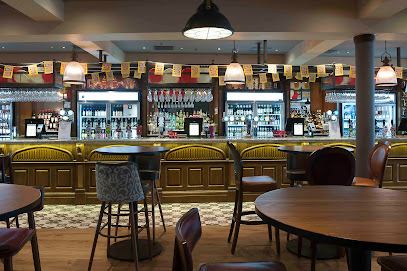
A vibrant coastal pub honoring Gorleston’s lifesaving hero with great food, real ales, and a welcoming community vibe.
The Rumbold Arms
14.5 km
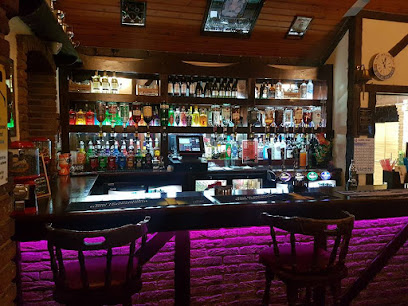
A friendly, family-oriented pub in Great Yarmouth known for hearty home-cooked meals, lively community spirit, and a spacious garden with play area.
The Red Herring
15.1 km
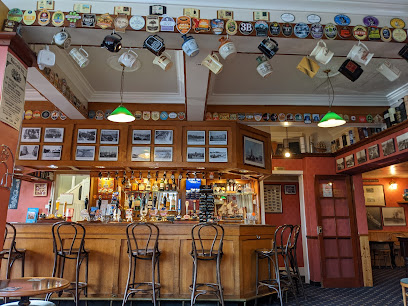
A cozy, traditional Great Yarmouth pub offering quality ales, local charm, and a welcoming community atmosphere.
The Alexandra Freehouse
15.2 km
A lively family-run pub in Great Yarmouth offering traditional ales, hearty food, and a warm, welcoming atmosphere.
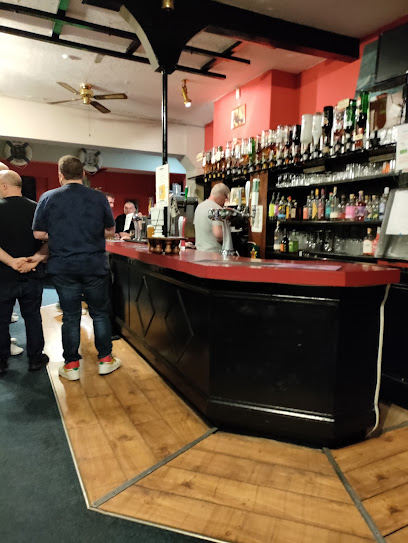
The Marine
15.3 km
A lively beachfront pub and hotel in Great Yarmouth, blending traditional charm with vibrant entertainment and family-friendly dining.
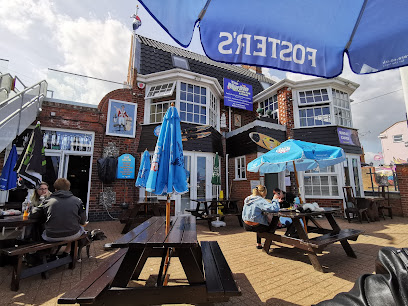
The Blue Oyster
15.4 km
A lively Great Yarmouth bar blending expertly crafted cocktails, hearty food, and warm hospitality in a vibrant social setting.
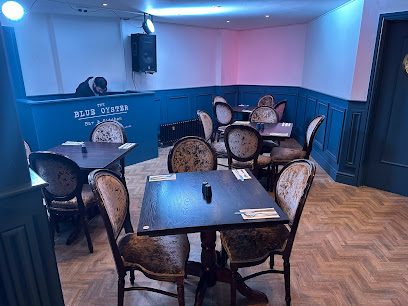
Liberty's Rock Cafe
15.5 km
A vibrant rock-themed pub in Great Yarmouth offering lively atmosphere, affordable drinks, and extended late-night hours in the heart of town.
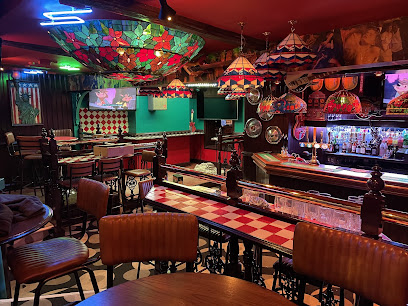
The Landmark
15.6 km
A lively seafront pub with family-friendly play area, freshly grilled meals, and a warm, rustic atmosphere in the heart of Great Yarmouth.
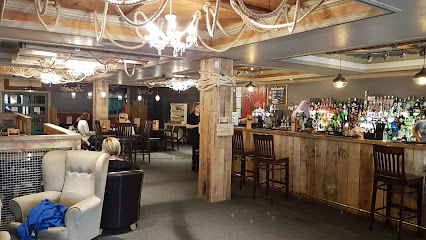
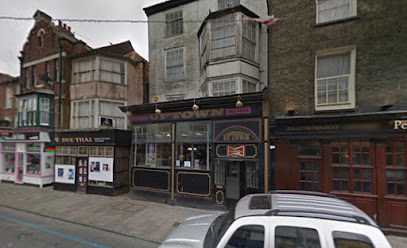
Uptown Bar
15.6 km
A friendly, affordable bar in Great Yarmouth offering lively atmosphere and good ales in a casual, welcoming setting.
Peggotys Lounge
15.6 km
Experience vibrant nightlife and expertly crafted cocktails at Peggotys Lounge, Great Yarmouth’s lively pub and restaurant hotspot.
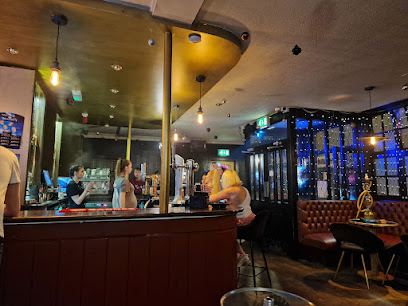
Lady Haven
15.6 km
A cozy, affordable pub in Great Yarmouth offering friendly vibes and a welcoming atmosphere for locals and visitors alike.
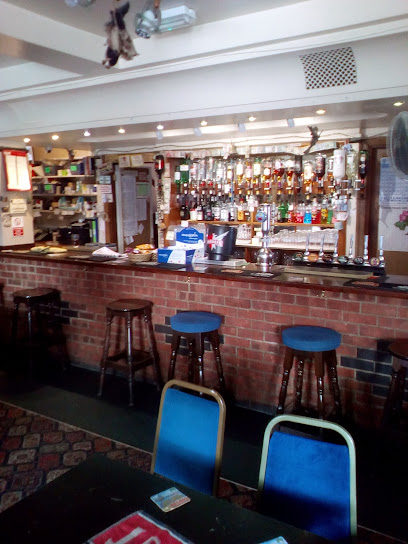
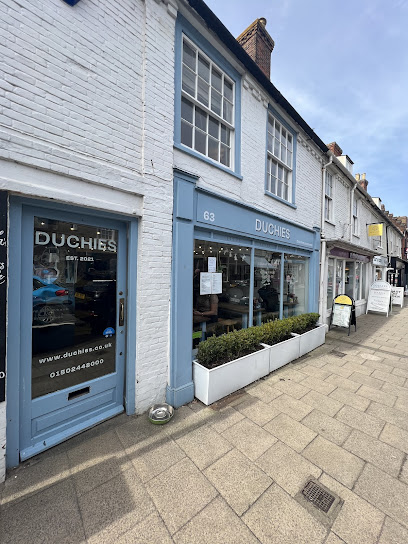
Duchies
15.7 km
Duchies offers exceptional breakfasts and warm hospitality in a stylish, relaxed café setting on Southwold’s historic High Street.
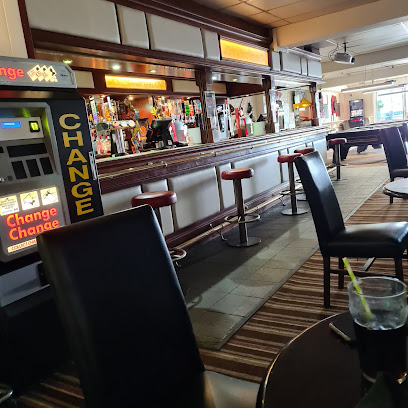
Merlin’s Sports Bar
15.7 km
A vibrant sports bar in Great Yarmouth offering live games, pool, snooker, and a lively social scene with sea views and great drinks.
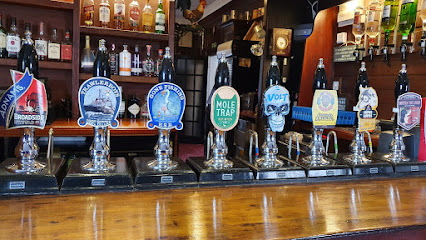
The Mariners
15.7 km
A beloved Great Yarmouth pub famed for its rich selection of cask ales, lively atmosphere, and authentic British charm.
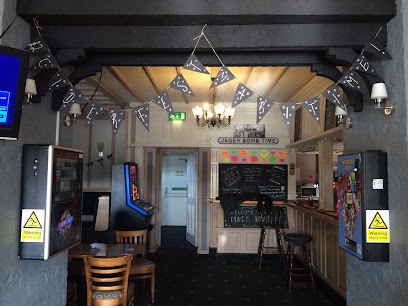
Duke's Head Hotel
15.7 km
Historic coastal charm and friendly hospitality converge at Duke's Head Hotel, a welcoming bar and stay in Great Yarmouth’s heart.
Nightclubs & after hour spots

Moonlight Cabaret & Karaoke
13.3 km
Experience lively karaoke nights and captivating cabaret shows in the heart of Great Yarmouth’s vibrant nightlife scene.
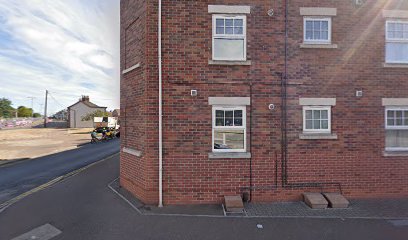
Buddha Club
15.4 km
Experience Great Yarmouth’s vibrant nightlife at Buddha Club, where modern beats, colorful lights, and coastal vibes create unforgettable weekend nights.
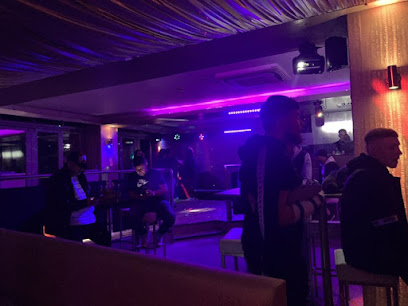
Mavvy’s
15.5 km
Experience Great Yarmouth’s vibrant nightlife at Mavvy’s, where music, dancing, and lively atmosphere come alive until the early hours.

Southwold Reydon & District Constitutional Club
15.7 km
Experience the local social scene at Southwold Reydon & District Constitutional Club, where community spirit and friendly faces await.
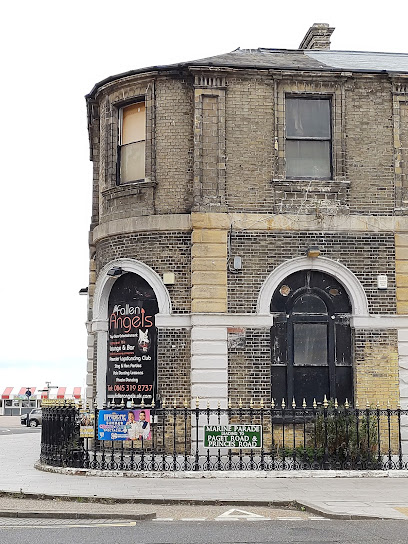
Fallen Angels
16.1 km
Experience vibrant nightlife and adult entertainment at Fallen Angels, Great Yarmouth’s premier late-night club on Marine Parade.
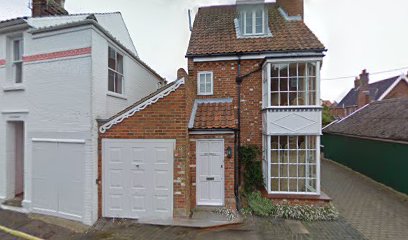
The Bermuda Club
25.0 km
A welcoming nightclub and bar in Hemsby offering lively evenings, family-friendly nights, and affordable drinks near Norfolk’s scenic coast.

Loft Nightclub
31.8 km
Norwich’s vibrant gay nightclub with over 30 years of inclusive nightlife, music, and community spirit in the heart of the city.
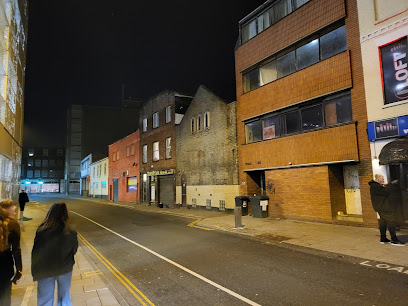
Popworld - Norwich
31.8 km
Norwich’s vibrant late-night hotspot for pop hits, friendly vibes, and unforgettable party nights on Prince of Wales Road.

Fluke
31.9 km
Experience Norwich’s vibrant nightlife at Fluke, where great music, affordable drinks, and a lively crowd come together for unforgettable nights.

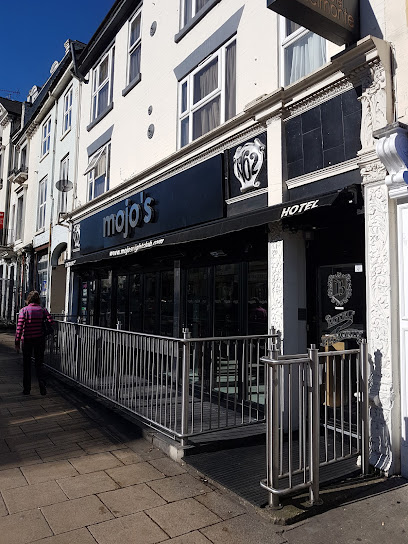
Mojo's
31.9 km
Mojo's: Norwich's gritty, no-frills nightclub pulsing with late-night beats and authentic urban energy.
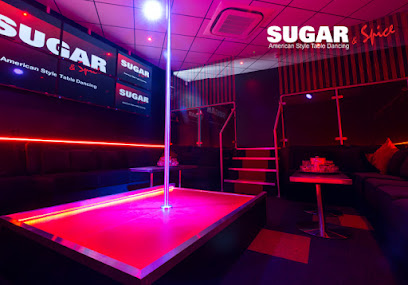
Sugar & Spice - Strip Club and Lap Dancing Norwich
31.9 km
Norwich’s premier American-style strip club offering vibrant entertainment, VIP experiences, and a welcoming atmosphere for all guests.
Mantra
31.9 km
Experience vibrant nightlife and great music at Mantra Nightclub, Norwich’s energetic weekend party destination with friendly staff and affordable drinks.

ClubKA
44.4 km
Traditional charm meets lively nightlife at The Kings Arms Hotel and ClubKA in North Walsham, offering comfort, great food, and late-night fun.
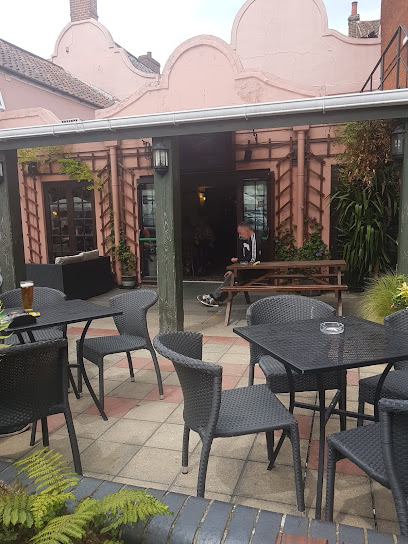
Carbon Nightclub
56.3 km
Experience Stowmarket’s lively nightlife at Carbon Nightclub, a modern venue pulsing with music and weekend energy.

Supper Club
58.5 km
Lively nightclub in Ipswich offering great drinks, music, and a vibrant social scene from afternoon until early morning.

For the vibe & atmosphere seeker
- Tranquil
- Relaxing
- Scenic
- Fun-filled
- Unique
For the design and aesthetic lover
- Rustic Designs
- Colorful Aesthetics
For the architecture buff
- Parks & Gardens
- Heritage Neighborhoods
- Viewpoints
For the view chaser and sunset hunter
- Iconic Views
- Panoramas
- Sunrise Spots
- Sunset Spots
For the social media creator & influencer
- Instagrammable
- Photo Spots
- Selfie Spots
- Aesthetic Corners
For the eco-conscious traveler
- Sustainable
- Eco-Friendly
- Low Impact
- Protected Area
- Nature Reserve
- Public-Transport Accessible
- Leave-No-Trace Critical
- Locally Managed
- Wildlife Habitat
For the kind of experience you’re after
- Cultural Heritage
- Nature Escape
- Day Trip
- Weekend Getaway
- Photowalk
- Myth & Legends
For how adventurous you want the journey to be
- Easy Access
Location Audience
- Family Friendly
- LGBT Friendly
- Senior Friendly
- Child Friendly
- Teen Friendly
- Wheelchair Access
- Pet Friendly
- Solo Friendly
- Couple Friendly
- Solo Female Friendly
- Vegetarian Friendly
- Vegan Friendly


