Burgh Castle, East Of England Travel Guide
Explore Burgh Castle, Norfolk’s best-preserved Roman fort with towering walls and breathtaking estuary views steeped in centuries of history.
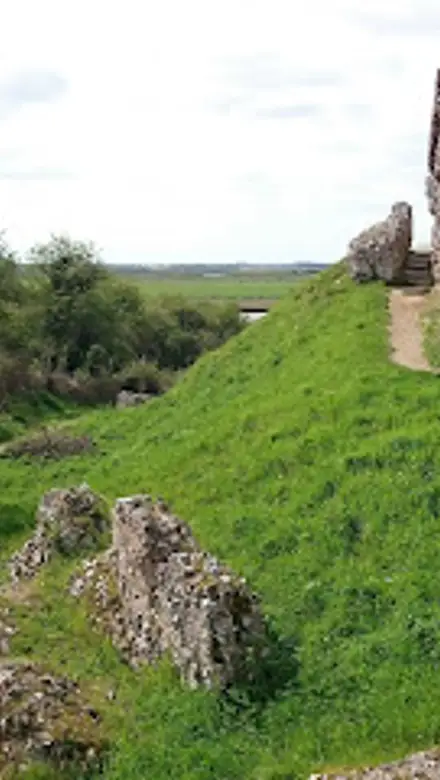
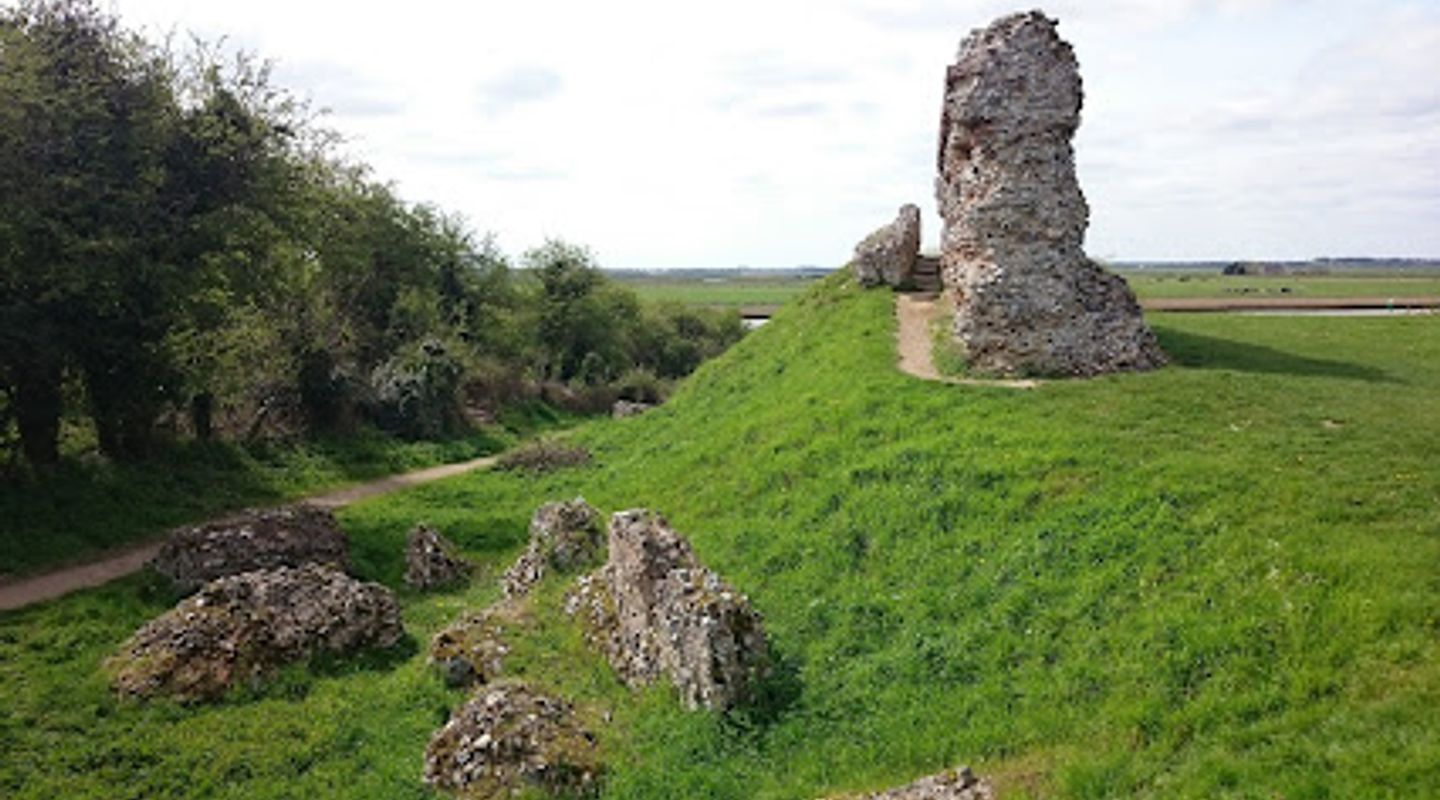
Burgh Castle is one of the best-preserved Roman forts in Britain, built in the late 3rd century AD as part of the Saxon Shore defense system. Located on a low cliff overlooking the Waveney estuary, its massive stone walls stand impressively, offering panoramic views over Breydon Water and the surrounding marshes. The site also reveals layers of history from Anglo-Saxon settlements to Norman castles, making it a rich heritage landmark free to explore.
A brief summary to Burgh Castle
- Butt Ln, Great Yarmouth, Burgh Castle, NR31 9QB, GB
- Click to display
- Click to display
- Duration: 1 to 3 hours
- Free
-
 Outdoor
- Mobile reception: 4 out of 5

Know before you go
Hi, I'm Eve. Here are a few practical things to know before exploring Burgh Castle.
- Visit during late afternoon for stunning golden hour views over Breydon Water and the surrounding marshes.
- Combine your visit with a walk along the Angles Way footpath for scenic riverside landscapes and wildlife spotting.
- Explore the nearby St Peter and St Paul’s Church to see Roman building materials and a distinctive round tower.
- Bring binoculars for birdwatching, especially in winter when thousands of wildfowl inhabit the estuary.
- Parking is free nearby, but the car park closes at 6 PM, so plan your visit accordingly.
Do you manage this location?
Take control to get all the benefits, like improved information, better appearance, and stronger visibility across AI-powered discovery. Learn more about listing your business on Evendo
Activate your presenceOther nearby places you may find interesting
The closest places of the same kind, if this one is not quite what you had in mind.
Explore Burgh Castle on the Map
A handpicked selection of must-see spots near Burgh Castle, mapped for you.
Getting There
-
Bus
Take the First Eastern Counties Service 5 bus from Great Yarmouth to Burgh Castle, a journey of approximately 30–40 minutes. The bus stops near the Queen’s Head pub, a short walk from the fort. Service frequency varies, so check current timetables. The fare typically ranges from £3 to £6 one way.
-
Car
Drive from Great Yarmouth via the A12 and A143 roads, with an estimated travel time of 15–20 minutes. Free parking is available at the Burgh Castle car park, which closes at 6 PM. Note that local lanes near the site can be narrow, and parking options near the church are limited.
-
Walking
Follow the Angles Way long-distance footpath from Great Yarmouth to Burgh Castle for a scenic 6 km (about 1.5–2 hours) walk along the southern shore of Breydon Water. The terrain is mostly flat and suitable for moderate fitness levels, with some muddy patches after rain.
For the on-the-go comforts that matter to you
-
 Restrooms
-
 Seating Areas
-
 Information Boards
Discover more about Burgh Castle
Ancient Roman Military Architecture and Coastal Defense
Burgh Castle was constructed around AD 300 as a key part of the Saxon Shore forts, a network of coastal defenses built to protect Roman Britain from seaborne raiders, particularly Saxons. The fort's walls, originally enclosing about 2.4 hectares, are up to 3.5 meters thick at the base and rise approximately 4.5 meters high. Three of its four massive stone walls survive almost to their original height, showcasing exceptional Roman engineering. The fort’s strategic position on a low cliff above the River Waveney estuary allowed it to guard the entrance to a wide estuary system, controlling access to inland waterways and settlements.Historical Layers: Anglo-Saxon and Norman Influence
After the Romans withdrew from Britain, Burgh Castle was reoccupied during the Anglo-Saxon period. Excavations have uncovered timber buildings and over 160 burials dating from around AD 700–900, suggesting a thriving settlement. The site is linked to the early Christian missionary St Fursey, who is believed to have founded a monastery within the fort’s walls around AD 630, known as Cnobheresburh. Following the Norman Conquest, a motte-and-bailey castle was constructed within the Roman fort's perimeter, though the earthworks have largely disappeared. The parish church of St Peter and St Paul nearby incorporates Roman materials and features a distinctive round tower, reflecting the long continuum of occupation and adaptation.Scenic Setting and Natural Surroundings
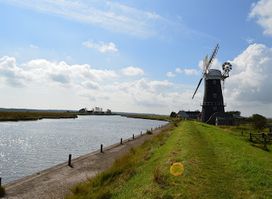
Burgh Castle commands stunning panoramic views over Breydon Water, an estuary rich in wildlife and a haven for birdwatchers. The marshes and waterways at the foot of the fort are home to thousands of overwintering wildfowl and a variety of summer birds, including lapwings and avocets. The surrounding landscape offers peaceful walking paths, including the Angles Way long-distance footpath that runs along the estuary’s edge. From the fort’s ramparts, visitors can also spot the iconic Berney Arms Windmill, rising over 70 feet above the marshes.Visitor Experience and Site Features
Visitors to Burgh Castle can explore the impressive fort walls and enjoy the tranquil atmosphere of the marshland setting. The site is open free of charge and offers information boards that help interpret its rich history. Although there are no shops or extensive facilities on site, the nearby village provides amenities including a pub and a post office. The short walk from the car park to the fort passes through scenic lanes and farmland, enhancing the sense of discovery. The site’s openness allows ample space for families and individuals to roam and appreciate the scale and significance of this ancient monument.Conservation and Heritage Status
Burgh Castle is a Scheduled Monument with its walls designated as a Grade I listed building, reflecting its national importance. The site is managed by the Norfolk Archaeological Trust on behalf of English Heritage, ensuring its preservation for future generations. The fort’s remarkable state of preservation makes it one of the most significant Roman military sites in East Anglia and a vital link to Britain’s coastal defense history. Its layered past from Roman to Norman times offers a unique window into the region’s evolving cultural landscape.Nearby Attractions and Cultural Context
Close to the fort stands the parish church of St Peter and St Paul, one of Norfolk’s rare round-tower churches, built partly with Roman materials from the fort. The village of Burgh Castle itself is a charming rural community with traditional pubs and access to the Norfolk Broads. The area’s natural beauty and historical richness make it a popular destination for day-trippers, birdwatchers, and history enthusiasts alike, providing a compelling blend of heritage and environment.












Your all‑in‑one travel companion app
Explore expert travel guides, compare and book tours, experiences, hotels, and more—all from the palm of your hand. Download now for seamless trip planning wherever your wanderlust takes you.


Explore More of East Of England
Looking beyond Burgh Castle? Discover East Of England for broader travel guides, local hot-spots, and regional highlights.
Explore East Of England
Norfolk's ultimate family adventure: zoo animals, kid rides, playgrounds, and Broads beauty for unforgettable days out with the little ones.
A tranquil, remote Broadland sanctuary renowned for spectacular wintering birds and unspoilt marshland vistas.