Hen Reedbeds Nature Reserve
A tranquil Suffolk wetland reserve where bitterns boom, marsh harriers soar, and kingfishers dart over dykes and reedbeds.
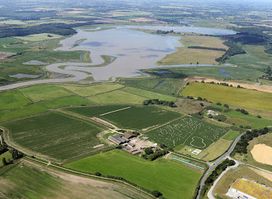
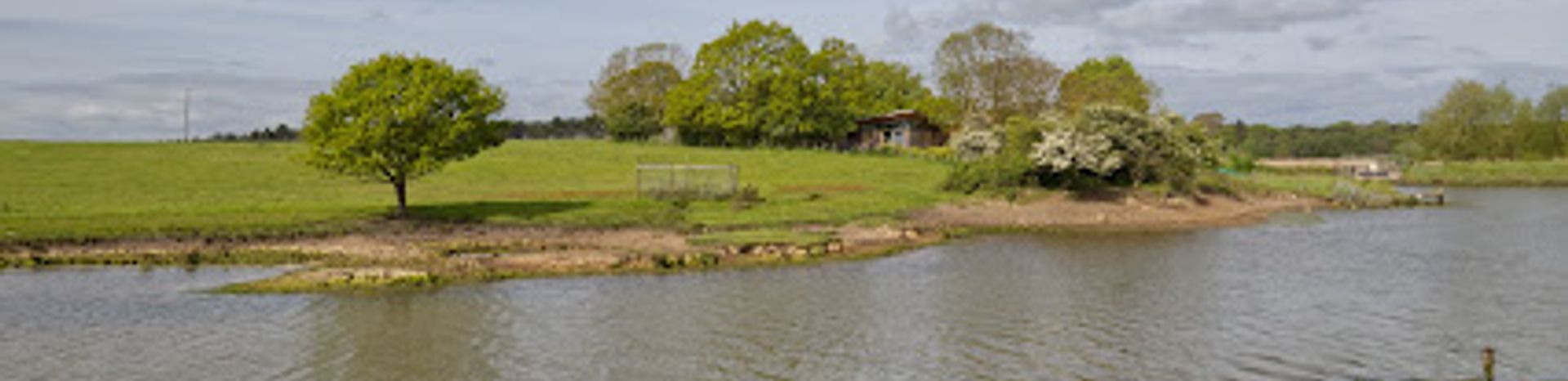
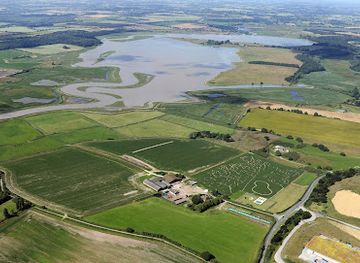
A peaceful wetland nature reserve in the Blyth Valley near Southwold, managed by Suffolk Wildlife Trust. Created in 1999, it supports a rich mosaic of reedbeds, fens, dykes and pools, providing vital habitat for bittern, marsh harrier, bearded tit, otters and water voles. A network of trails and hides offers excellent birdwatching and wildlife observation, especially from March to July. Open all day, every day, with no entrance fee.
A brief summary to Hen Reedbeds
- Southwold, GB
- Click to display
- Click to display
- Duration: 0.5 to 2 hours
- Free
-
 Outdoor
- Mobile reception: 4 out of 5
- Monday 12 am-12 am
- Tuesday 12 am-12 am
- Wednesday 12 am-12 am
- Thursday 12 am-12 am
- Friday 12 am-12 am
- Saturday 12 am-12 am
- Sunday 12 am-12 am

Know before you go
Hi, I'm Eve. Here are a few practical things to know before exploring Hen Reedbeds.
- Visit between March and July for the best chance to see breeding birds like bittern, marsh harrier and bearded tit.
- Bring binoculars or a spotting scope – the hides and viewing platform are perfect for patient birdwatching.
- Wear waterproof footwear, especially after rain, as paths can be muddy and soft near the dykes and pools.
- Check the tide times if you want to scan the mudflats behind the viewing platform for feeding waders like redshank and avocet.
- Respect the wildlife and stay on marked paths to avoid disturbing nesting birds and sensitive habitats.
Do you manage this location?
Take control to get all the benefits, like improved information, better appearance, and stronger visibility across AI-powered discovery. Learn more
Activate your presenceOther nearby places you may find interesting

Getting There
-
Car
From Southwold, follow the A1095 Halesworth Road west for about 4 km; the reserve is signposted from the road near the Blythburgh junction. There is a small informal parking area near the reserve entrance, suitable for a few cars. Parking is free but can fill up on fine weekends.
-
Public Transport
From Southwold, take a local bus towards Halesworth or Blythburgh and alight at the stop near the A1095; the reserve entrance is a short walk from the road. Check local timetables as services are infrequent, especially outside peak season.
-
Cycling
From Southwold, cycle west along the A1095 for about 4 km to the reserve entrance. The route is mostly flat but busy in places; use caution on the main road. There are no formal cycle racks, so lock your bike securely near the path entrance.
-
Walking
From Southwold, walk west along the A1095 for about 4 km to reach the reserve entrance. The path is on the roadside with no dedicated footpath for the full stretch, so wear bright clothing and be cautious of traffic, especially in low light.
For the on-the-go comforts that matter to you
-
 Seating Areas
-
 Trash Bins
-
 Information Boards
Discover more about Hen Reedbeds
A Wetland Haven in the Blyth Valley
Nestled in the Blyth Valley between Reydon and Blythburgh, just a few miles west of Southwold, Hen Reedbeds is a carefully restored wetland nature reserve managed by Suffolk Wildlife Trust. Created in 1999 with support from the Heritage Lottery Fund, this 50-hectare site was designed to provide new breeding habitat for bittern and other wetland species. The reserve blends reedbeds, fens, dykes and open water into a rich mosaic that supports a remarkable diversity of birds, mammals, insects and plants.The landscape here is classic East Anglian marsh: flat, open and alive with the sounds of wind in the reeds, distant bird calls and the occasional splash of a water vole or otter. At its heart lies Wolsey Creek Marshes, a large mere that forms the focal point for many of the reserve’s best views. The area is part of a wider network of marshes and floodplains that make this stretch of Suffolk one of the most important wetland regions in eastern England.Wildlife and Seasonal Highlights
Hen Reedbeds is a magnet for birdwatchers, especially during the breeding season from March to July. Bittern, once rare, now regularly breeds here, and its deep, booming call can sometimes be heard at dawn and dusk. Marsh harriers quarter low over the reeds, while herons and little egrets stalk the shallows. Bearded tits flit through the reedbeds, and reed and sedge warblers fill the air with song.In summer, the reserve teems with dragonflies and damselflies, including the four-spot chaser, hairy dragonfly and Norfolk hawker. Kingfishers flash along the dykes, and waders such as redshank, avocet and sandpiper feed on the mudflats at low tide. Wildfowl like gadwall, tufted duck, shoveler and teal are common, and godwits, oystercatchers and teal can often be seen from the hides overlooking the scrapes and islands along Wolsey Creek.Exploring the Reserve
The reserve is crisscrossed by a network of way-marked trails that lead through the reedbeds and along the edges of dykes and pools. A key feature is the viewing platform on the far side of the road, which offers panoramic views over Wolsey Creek Marshes and is an excellent spot to scan for wildfowl and waders. Several hides are positioned along Wolsey Creek, each providing sheltered vantage points over smaller scrapes and islands where birds often gather.Each hide contains a logbook where visitors can record their sightings, adding to a living record of the reserve’s wildlife. The paths are generally level and well-maintained, making much of the reserve accessible for casual walkers, though some areas can be muddy after rain. There are no formal visitor facilities on site, so visitors should come prepared with appropriate clothing, binoculars and perhaps a field guide.Conservation and Atmosphere
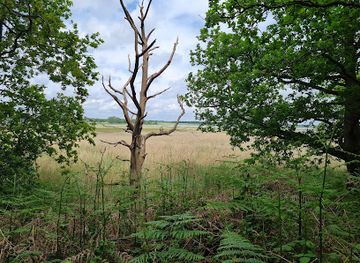
Hen Reedbeds is a working conservation site, where careful water level management and habitat maintenance support its rich biodiversity. The reserve plays a vital role in the wider Blyth Valley ecosystem, providing refuge for secretive mammals like otters and water voles as well as a wide range of invertebrates and plants adapted to wetland conditions.The atmosphere is one of quiet immersion in nature. There are no crowds, no loud noises, just the gentle rustle of reeds, the calls of birds and the occasional distant hum of traffic from the nearby road. It’s a place to slow down, listen, and watch – ideal for those seeking a peaceful escape into the natural world, whether for a short stroll or a longer session of patient wildlife observation.Explore the best of what Hen Reedbeds has to offer















More about East Of England
Experience the East of England: a picturesque blend of historic towns, stunning coastlines, and serene countryside, offering a perfect retreat for every traveler.
Tell me more about East Of England