
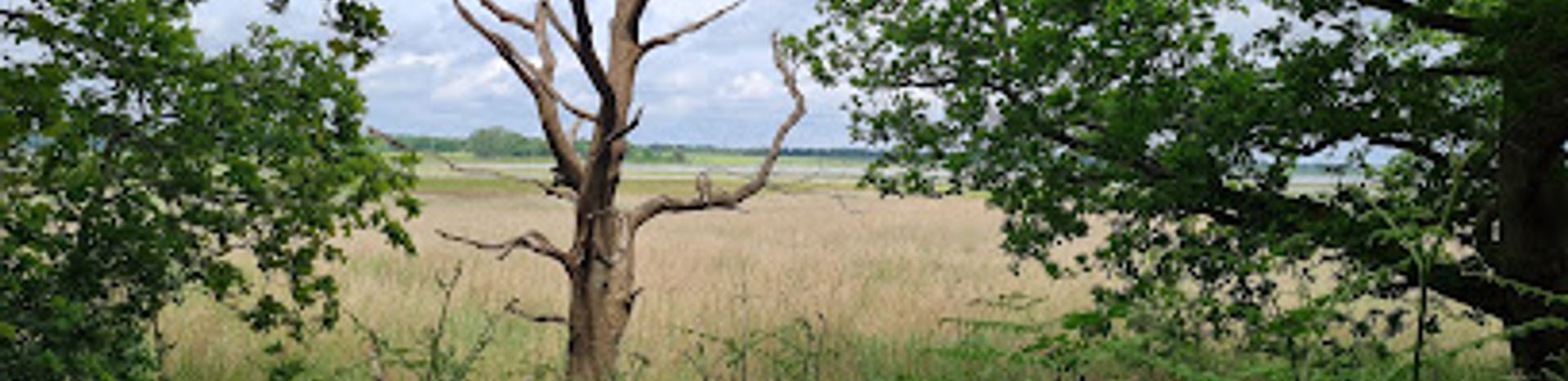
Suffolk Coast National Nature Reserve
East Anglia's premier coastal wetland sanctuary where rare birds, shingle flora, and tidal marshes converge.
A sprawling 909-hectare protected coastal landscape near Walberswick and Southwold, comprising three interconnected reserves: Walberswick, Hen Reedbeds, and Dingle Marshes. This mosaic of shingle beaches, salt marshes, reedbeds, heathlands, and wetlands supports exceptional biodiversity including bitterns, marsh harriers, avocets, and rare invertebrates. Well-marked trails wind through diverse habitats, offering year-round birdwatching and nature exploration along the Suffolk Coast & Heaths Path.
A brief summary to Suffolk Coast National Nature Reserve
- Southwold, GB
- Duration: 2 to 5 hours
- Free
-
 Outdoor
- Mobile reception: 3 out of 5
Local tips
- Visit between March and July for peak birdwatching, when breeding species including bitterns and marsh harriers are most active and visible.
- Time your visit to coincide with low tide to observe wading birds feeding on exposed mudflats behind Wolsey Creek.
- Bring binoculars and a field guide; the seven bird-spotting hides offer excellent shelter and vantage points for patient observation.
- Wear waterproof footwear and clothing; the terrain can be muddy and exposed, particularly in winter and after rain.
- Explore the viewing platform overlooking Wolsey Creek Marshes early in the morning when wildlife activity is highest and light is optimal for photography.

For the on-the-go comforts that matter to you
- Restrooms
- Seating Areas
- Sheltered Areas
- Picnic Areas
- Trash Bins
- Information Boards
- Visitor Center
Getting There
-
Car from Southwold
Drive south from Southwold town centre toward Walberswick village, approximately 3 kilometres, taking around 8–10 minutes. Follow signs to Walberswick and the nature reserve car park. Parking is available at designated reserve car parks near the main trailheads. No entrance fee required.
-
Bus from Southwold
Take the local bus service from Southwold town centre to Walberswick village, approximately 15–20 minutes depending on service frequency. Services operate several times daily. From the village, the reserve entrance and trails are within walking distance, typically 10–15 minutes on foot. Fares are approximately £2–4 per journey.
-
Cycling via Suffolk Coast & Heaths Path
Access the reserve via the Suffolk Coast & Heaths Path or Sustrans National Cycle Network Route 1, which passes near or through the reserve. Journey times vary depending on starting point, but from Southwold, allow 20–30 minutes by bicycle. The route is relatively flat and suitable for recreational cyclists. No fees apply.
-
Walking from Walberswick village
From Walberswick village centre, walk toward the reserve entrance and trailheads, approximately 1–2 kilometres depending on which section you wish to access first. Walking time is typically 15–25 minutes on flat terrain. The village is accessible by bus or car from Southwold.
Suffolk Coast National Nature Reserve location weather suitability
-
 Any Weather
-
 Clear Skies
-
 Mild Temperatures
Discover more about Suffolk Coast National Nature Reserve
A Landscape of Coastal Contrasts
The Suffolk Coast National Nature Reserve represents one of Britain's most ecologically significant coastal landscapes, designated in 2003 to protect and enhance a uniquely diverse mosaic of habitats. Stretching across 909 hectares near the villages of Walberswick and Reydon, south of Southwold, the reserve comprises three interconnected sites: Walberswick, Hen Reedbeds, and Dingle Marshes. Each reserve contributes distinct ecological character to the whole, creating a landscape of remarkable variety within a relatively compact area. The reserve sits within the Suffolk Coast & Heaths Area of Outstanding Natural Beauty, a designation reflecting the region's unspoilt character and tranquil atmosphere.Habitats of International Importance
The reserve's ecological value stems from its extraordinary range of coastal and wetland habitats. Shingle beaches support a distinctive East Anglian flora including yellow horned poppy, sea kale, sea holly, and prickly saltwort, plants specially adapted to harsh coastal conditions. Behind the shingle, extensive reedbeds create a rich tapestry of wetland vegetation including marsh sow thistle, marsh mallow, and golden dock. The northern dunes host sheep-bit and the rare grey hair grass, while heathland areas support acid-loving species such as fenugreek and mossy stonecrop. Salt marshes fringe the mudflats, and dykes and pools create additional microhabitats that support an astonishing diversity of invertebrates, particularly rare beetles and spiders.Wildlife and Seasonal Spectacles
The reserve functions as a critical breeding and feeding ground for numerous bird species, making it a premier destination for birdwatchers throughout the year. Summer months bring bitterns, marsh harriers, herons, bearded tits, and hobbies hunting over the reedbeds and dykes. Wading birds including avocets, redshank, and sandpipers feed on the mudflats at low tide, while wildfowl such as gadwall, tufted duck, shoveler, and little grebes inhabit the pools and marshes. The reserve also harbours secretive mammals including otters and water voles, creatures rarely glimpsed but integral to the ecosystem's health. Dragonflies and damselflies, including the four-spot chaser and hairy dragonfly, create iridescent clouds above the water in summer.Exploration and Access
Well-marked trails guide visitors through the reserve's varied landscapes, with viewing platforms positioned to maximize wildlife observation opportunities. The trail system leads through reedbeds and across open marshes to platforms overlooking Wolsey Creek Marshes and other key viewing points. Seven bird-spotting hides strategically placed throughout the reserve provide shelter and excellent vantage points for patient observers. The reserve lies on the route of the Suffolk Coast & Heaths Path, a major walking trail that connects the broader coastal landscape, and forms part of the Sustrans National Cycle Network Route 1, making it accessible to cyclists as well as walkers.Management and Conservation
The reserve is managed collaboratively by Natural England and Suffolk Wildlife Trust, organizations committed to maintaining and enhancing its ecological integrity. Hen Reedbeds was specifically created in 1999 with support from The Heritage Lottery Fund to provide new breeding habitat for bitterns and other wetland specialists. This active management approach ensures that habitats remain suitable for the species that depend upon them, balancing conservation with public access and education. The reserve's free admission, supported by membership donations to Suffolk Wildlife Trust, reflects a commitment to making nature accessible to all visitors.Iconic landmarks you can’t miss

SOUTHWOLD OLD DRILL HALL
3.8 km
Historic Edwardian drill hall in Southwold, blending military heritage with vibrant community life.
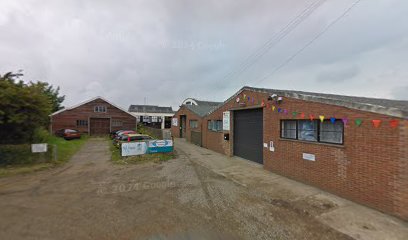
Framlingham Castle
21.6 km
Explore the rich history and stunning architecture of Framlingham Castle, a quintessential English heritage site in the heart of Suffolk.
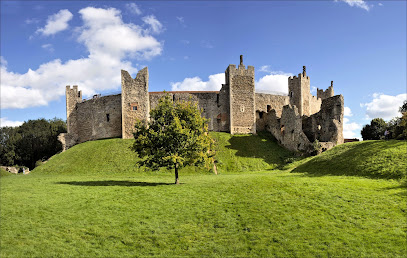
English Heritage - Orford Castle
25.5 km
Discover the rich history and breathtaking views of Orford Castle, a stunning medieval fortress in the heart of England's picturesque countryside.

National Trust - Sutton Hoo
31.4 km
Explore Sutton Hoo, an iconic archaeological site revealing the secrets of the Anglo-Saxon era in stunning natural surroundings.

Eye Castle
32.3 km
Discover the historic Eye Castle, a medieval gem in Eye, England, offering stunning architecture and rich history for curious travelers.
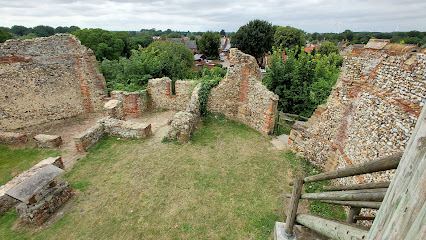
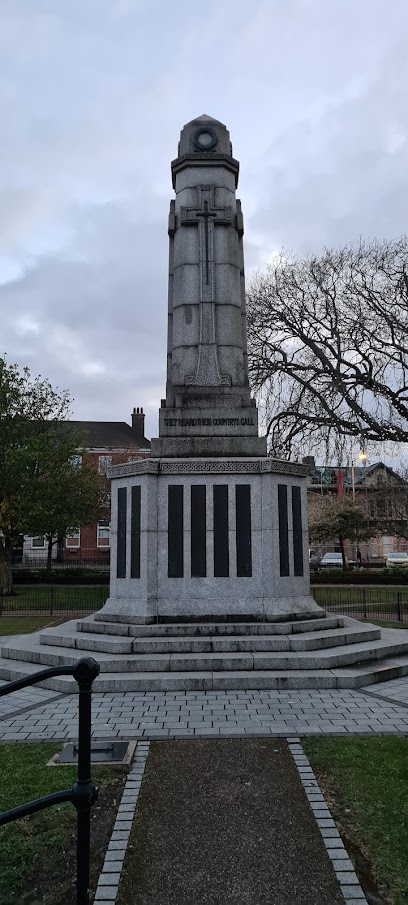
War Memorial
33.0 km
A solemn tribute in Great Yarmouth, honouring local service personnel and civilians lost in 20th-century conflicts with quiet dignity and enduring respect.
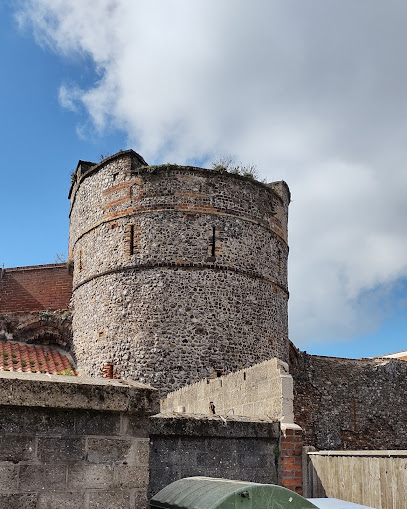
Pudding tower
33.3 km
Explore Pudding Tower, a medieval defensive relic in Great Yarmouth, steeped in history and local lore from the town’s fortified past.
Britannia Pier
33.4 km
Historic Great Yarmouth pier blending classic seaside amusements, live shows, bars, and panoramic coastal charm for all ages.

The Broads National Park
33.5 km
Explore the breathtaking waterways and rich wildlife of The Broads National Park, a hidden gem in Norfolk and Suffolk perfect for nature lovers.
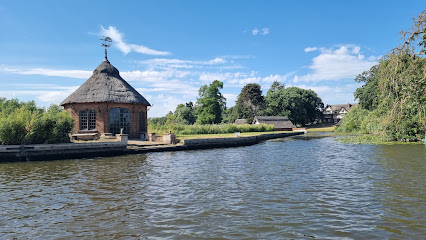
Wheatfen Broad - Ted Ellis Trust
34.1 km
Explore the serene beauty of Wheatfen Broad, a nature reserve near Norwich, rich in wildlife and stunning landscapes ideal for relaxation and exploration.
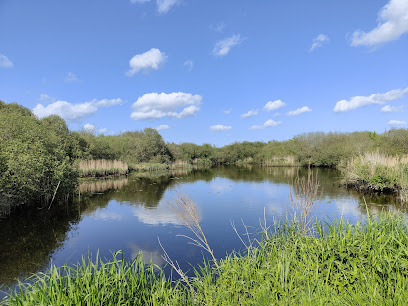
Whitlingham Country Park
39.5 km
Explore Whitlingham Country Park: a tranquil retreat with picturesque trails, diverse wildlife, and exciting outdoor activities near Norwich.
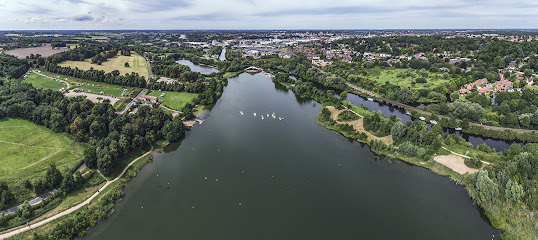
Discover the Norfolk Broads
39.7 km
Discover the natural beauty and tranquil waterways of the Norfolk Broads, a haven for outdoor enthusiasts and nature lovers in East Anglia.
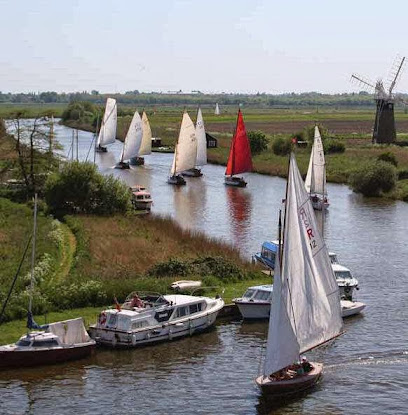
Fairhaven Woodland & Water Garden
39.8 km
Explore the natural beauty of Fairhaven Woodland & Water Garden, where lush landscapes meet serene waters in the heart of Norfolk.
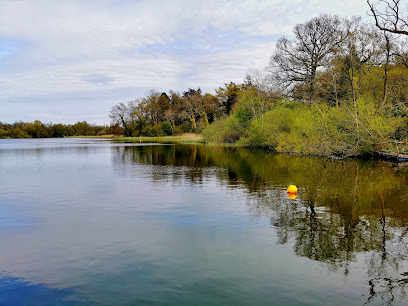
Ladybelt Country Park
40.6 km
Experience the vibrant wildlife and serene landscapes of Ladybelt Country Park, a natural oasis perfect for family outings and nature exploration in East Carleton.
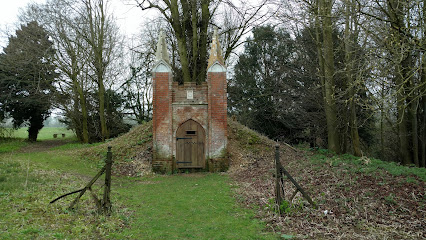
The Broads Authority
40.7 km
Explore the breathtaking landscapes of The Broads Authority, where nature meets adventure in the heart of Norfolk's stunning waterways.

Unmissable attractions to see

Dingle Great Hill
2.1 km
Discover the peaceful trails and natural beauty of Dingle Great Hill, a tranquil nature reserve in historic Dunwich, Suffolk.
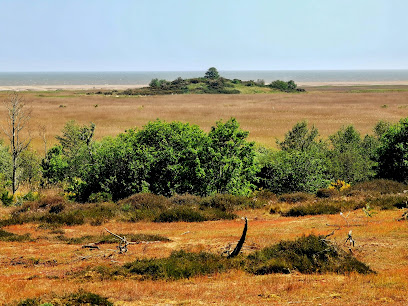
Hen Reedbeds
2.3 km
A tranquil Suffolk wetland reserve where bitterns boom, marsh harriers soar, and kingfishers dart over dykes and reedbeds.
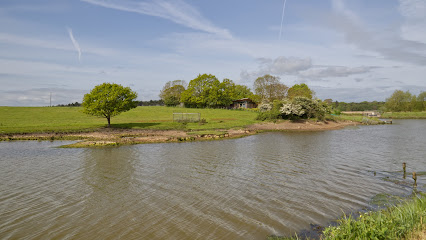
Harbour Inn
2.5 km
Historic harbourside pub in Southwold offering fresh seafood, lively music nights, and a cozy, welcoming atmosphere by the water.
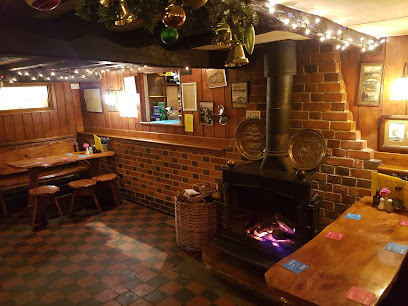
Southwold Maize Maze
2.7 km
Navigate 8 acres of maize puzzles and family fun on a working Suffolk farm.
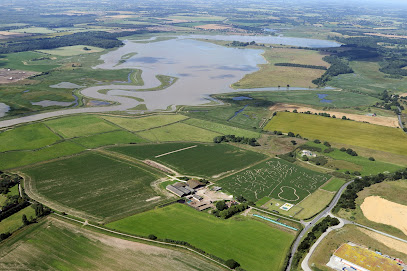
Walberswick - Southwold Ferry
2.8 km
A charming, traditional rowing ferry linking Walberswick and Southwold across the scenic River Blyth, blending history, nature, and community spirit.
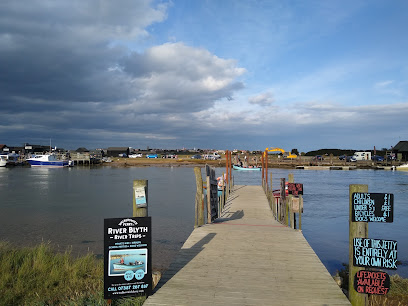
Walberswick Harbour
2.9 km
A tranquil Suffolk harbour linking historic Walberswick and Southwold with timeless ferry crossings and stunning natural beauty.
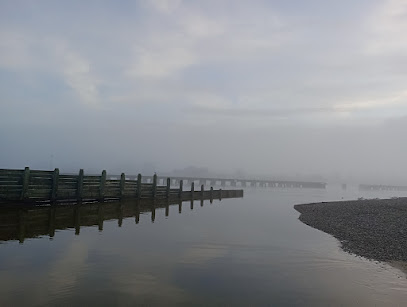
Southwold Harbour
3.2 km
Historic fishing port and vibrant leisure harbour set within Suffolk’s Area of Outstanding Natural Beauty, blending maritime heritage with stunning coastal scenery.
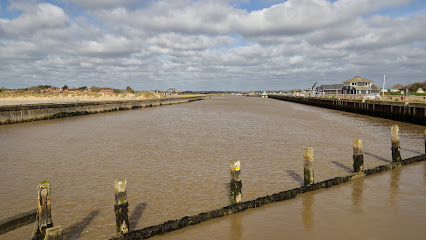
Southwold Railway Trust
3.2 km
Discover the charm and history of Suffolk’s narrow-gauge steam railway at Southwold Railway Trust’s Steamworks.
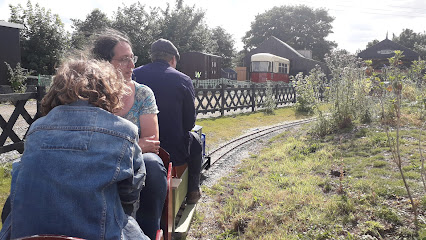
Alfred Corry Lifeboat Museum
3.2 km
Restored Victorian lifeboat and intimate museum celebrating 25 years of coastal rescue heroism
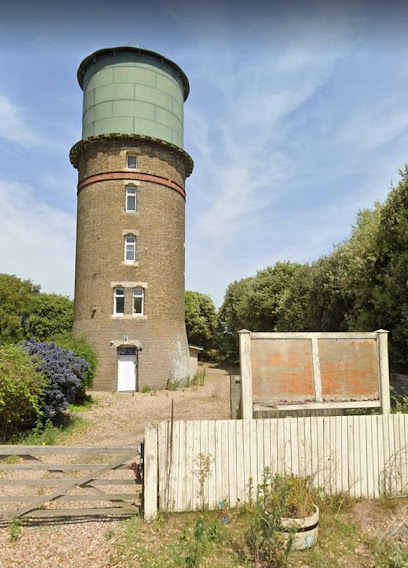
The Old Water Tower
3.3 km
Historic 1886 water tower in Southwold, blending coastal heritage with pioneering wind-powered water supply innovation.
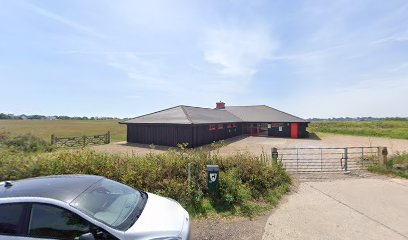
Southwold Cricket Club
3.3 km
Experience traditional English cricket by the Suffolk coast at Southwold Cricket Club, where community spirit meets sporting heritage.
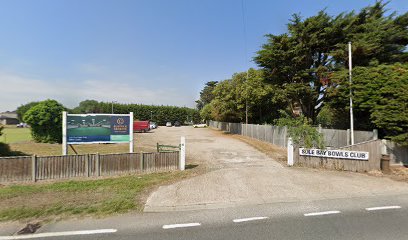
Sole Bay Bowls Club
3.5 km
A welcoming community bowls club with modern greens set in the scenic Suffolk Coast and Heaths Area of Outstanding Natural Beauty.
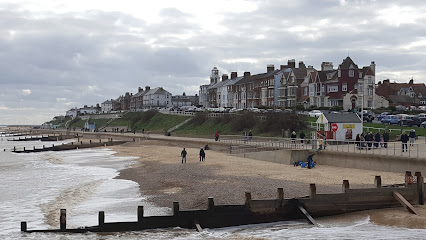
The Denes Beach
3.5 km
A tranquil sand and shingle beach with natural dunes, dog-friendly spaces, and easy access to Southwold’s charming coastal town.
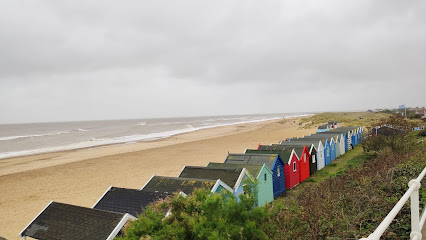
Dunwich Forest
3.6 km
Explore Dunwich Forest’s tranquil mix of rewilded woodland and rare heathland in Suffolk’s stunning coastal landscape.

Henham Steam & Country Show
3.6 km
Experience the vibrant heritage of steam engines, vintage vehicles, and rural crafts at Henham Steam & Country Show in scenic Henham Park.

Essential places to dine

Anchor at Walberswick
2.5 km
A warm, Arts & Crafts coastal pub and inn in Walberswick serving fresh local seafood and seasonal dishes with a welcoming village charm.
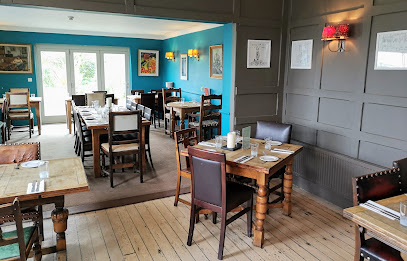
Le ROC at the Harbour
2.7 km
Charming French bistro on Southwold harbour, serving fresh Mediterranean-influenced dishes with stunning sunset views and warm, dog-friendly hospitality.
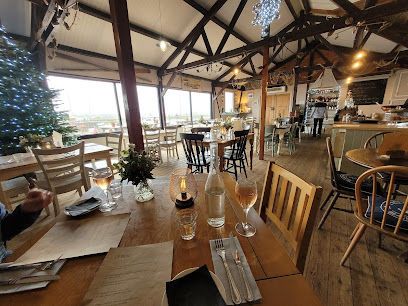
Sole Bay Fish Company
2.8 km
Rustic harbour-side seafood eatery in Southwold serving fresh fish, classic fish and chips, and indulgent shellfish platters with estuary views.
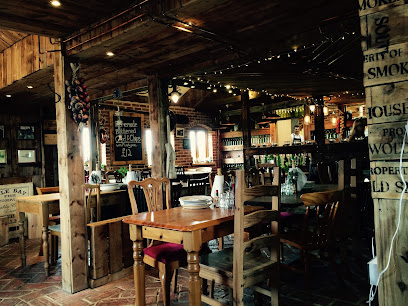
Clubhouse Bar & Catering
3.0 km
Cozy dining on Southwold’s Common with fresh local flavors and warm, attentive service in a charming coastal setting.
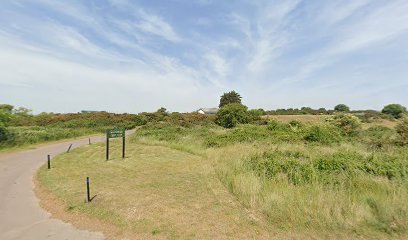
Al Fresco Dining
3.0 km
Enjoy fresh, locally sourced meals in the charming open-air setting of The Common, Southwold’s beloved al fresco dining spot.
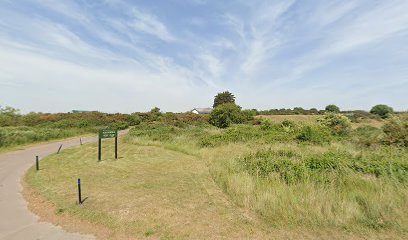
The Sail Loft
3.5 km
A vibrant seaside restaurant and hotel offering fresh seafood, rustic charm, and stunning sea views in the heart of Southwold.
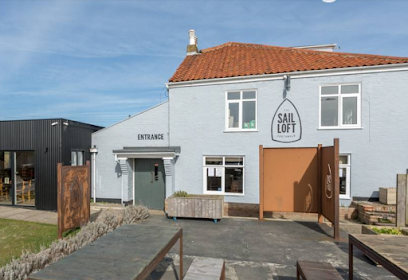
Doh Pizzeria
3.7 km
Family-run pizzeria on Southwold High Street serving fresh, authentic Anglo-Italian pizzas in a cozy, welcoming atmosphere with vegan options.

Loaded Southwold Ltd
3.7 km
A vibrant American-style restaurant and wine bar in Southwold, offering loaded fries, brunch, and a dog-friendly, casual dining experience.
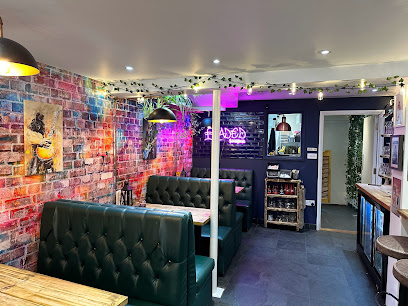
Dining at Sutherland House
3.7 km
A historic Southwold gem offering refined seafood dining and boutique adult-only accommodation in a beautifully restored 15th-century building.
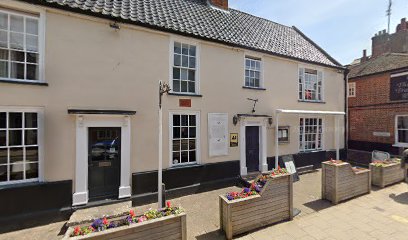
Sutherland House
3.7 km
Historic boutique hotel and acclaimed restaurant offering gourmet dining and cozy rooms in the heart of charming Southwold.
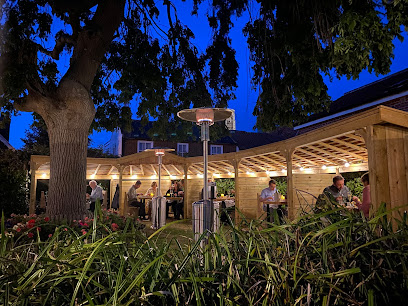
The Blyth
3.8 km
Charming Victorian hotel with award-winning dining, friendly service, and a prime location near Southwold’s seaside attractions.

Squiers of Southwold
3.8 km
A quaint, traditional tearoom on Southwold’s High Street offering simple, hearty fare and a warm community spirit.
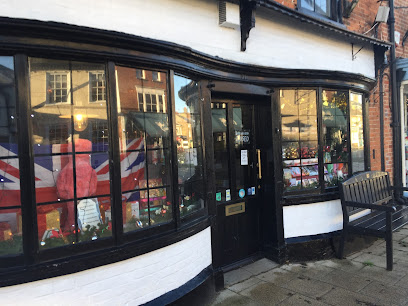
The Crown
3.8 km
Historic Georgian inn on Southwold High Street offering cozy rooms, a welcoming bar, and quality dining near the beach.
Jack's Burgers & Friends
3.8 km
Tasty, freshly cooked burgers and kebabs served in a relaxed, friendly setting in the heart of Southwold’s Market Place.

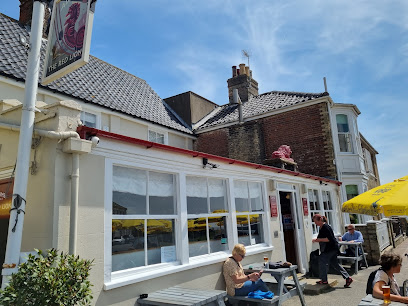
Red Lion
3.8 km
Historic 17th-century pub on South Green offering local ales, home-cooked food, and a welcoming, dog-friendly atmosphere.
Markets, malls and hidden boutiques

The Parish Lantern
2.6 km
Charming gift shop and tea room where village life unfolds over freshly prepared food and curated treasures.

Cornucopia
3.6 km
Discover unique antiques and timeless treasures in the cozy Cornucopia shop nestled in the heart of Southwold.

Red Eyed Dove
3.7 km
Discover timeless antiques and unique vintage treasures in the heart of Southwold’s charming High Street at the Red Eyed Dove.
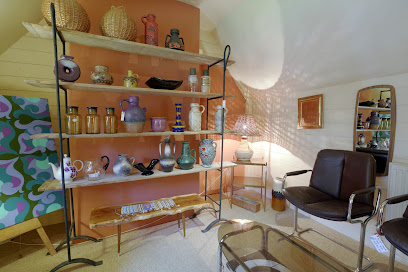
T Schotte Antiques
3.7 km
Historic bakehouse turned antique haven in charming Southwold, Suffolk.
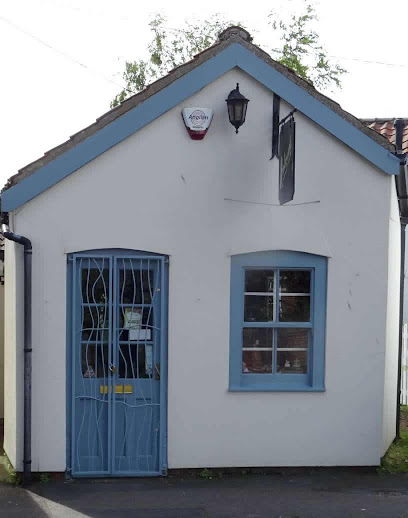
FatFace
3.7 km
Discover relaxed, stylish British casualwear at FatFace Southwold, your go-to for quality clothing on the charming High Street.

Tilley & Grace
3.7 km
Discover timeless elegance and curated ladies’ fashion at Tilley & Grace, Southwold’s premier boutique for stylish clothing and accessories.
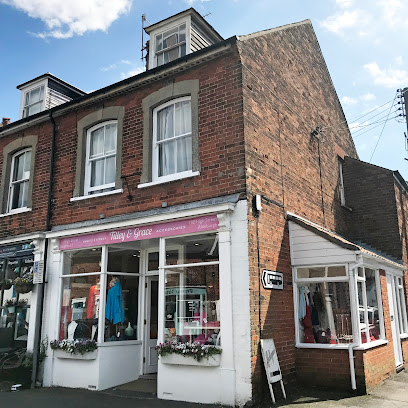
Southwold Food and Gifts
3.7 km
Discover unique gifts, seasonal treats, and postal services at Southwold’s beloved High Street shop blending charm with convenience.

L'AUTHENTIQUE
3.7 km
A charming Southwold antique and interior design shop filled with unique furniture, decorative pieces, and garden treasures for coastal and country homes.
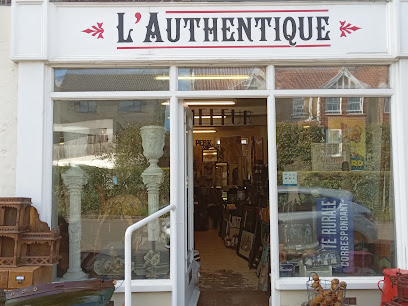
Gallery Thea
3.7 km
Discover joyful handcrafted ceramics, personalised pottery, and coastal-inspired gifts at Gallery Thea in Southwold’s creative heart.

East of Eden
3.7 km
Discover unique gifts and local charm at East of Eden, Southwold’s welcoming boutique on the historic High Street.
Joules
3.8 km
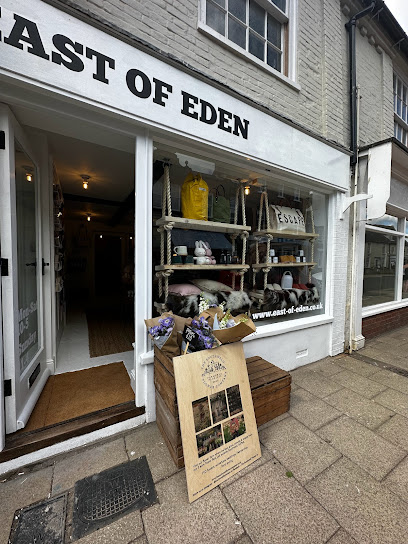
Contemporary British clothing and lifestyle retailer anchoring Southwold's High Street with style and accessibility.
Lift Store Suffolk
3.8 km
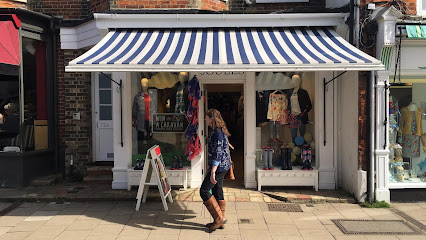
A charming boutique in Southwold offering curated cards, gifts, and homeware with a personal, sustainable touch.

MEA boutique
3.8 km
Discover MEA Boutique, Southwold’s charming family-run shop offering stylish women’s clothing, footwear, and accessories in a welcoming coastal setting.
Mountain Warehouse Southwold
3.8 km
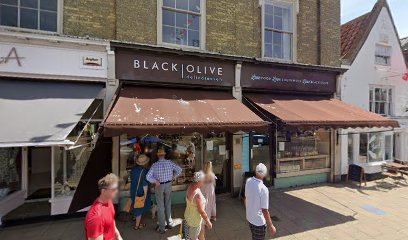
Your trusted outdoor gear and clothing store in Southwold, ready to equip every adventure with quality and value.
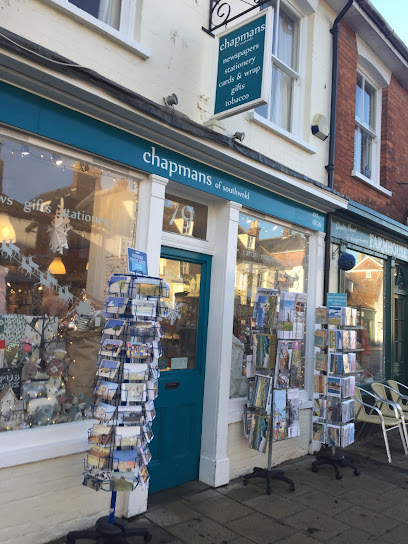
Chapmans of Southwold
3.8 km
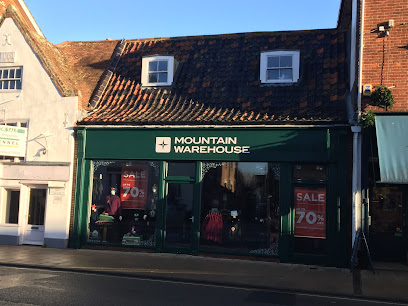
Discover unique gifts and Southwold souvenirs at Chapmans, a charming High Street shop blending tradition with local spirit.
Essential bars & hidden hideouts

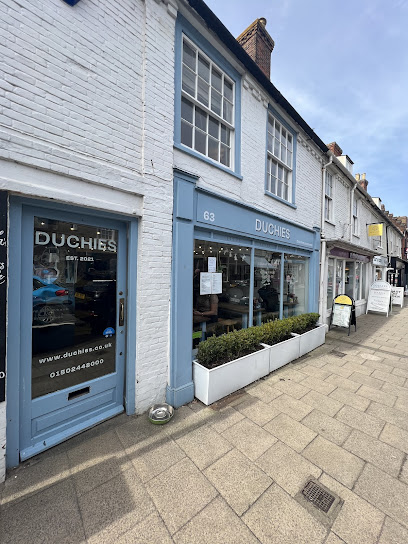
Duchies
3.7 km
Duchies offers exceptional breakfasts and warm hospitality in a stylish, relaxed café setting on Southwold’s historic High Street.
The William Adams
30.2 km
A vibrant coastal pub honoring Gorleston’s lifesaving hero with great food, real ales, and a welcoming community vibe.
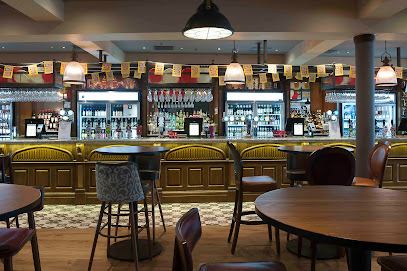
The Rumbold Arms
31.9 km
A friendly, family-oriented pub in Great Yarmouth known for hearty home-cooked meals, lively community spirit, and a spacious garden with play area.

The Red Herring
32.5 km
A cozy, traditional Great Yarmouth pub offering quality ales, local charm, and a welcoming community atmosphere.
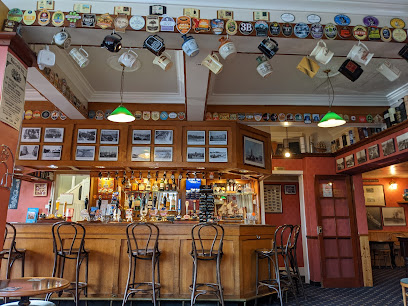
The Alexandra Freehouse
32.6 km
A lively family-run pub in Great Yarmouth offering traditional ales, hearty food, and a warm, welcoming atmosphere.

The Marine
32.7 km
A lively beachfront pub and hotel in Great Yarmouth, blending traditional charm with vibrant entertainment and family-friendly dining.
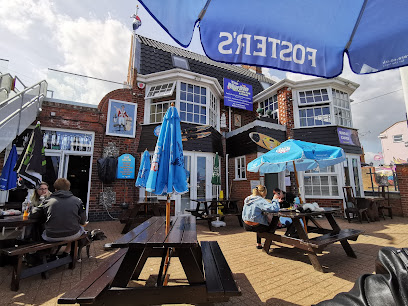
The Blue Oyster
32.8 km
A lively Great Yarmouth bar blending expertly crafted cocktails, hearty food, and warm hospitality in a vibrant social setting.
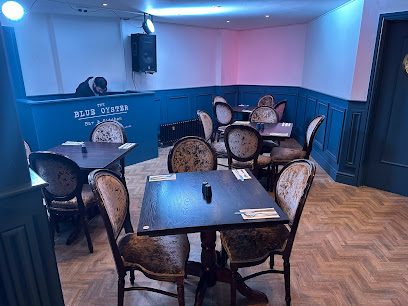
Liberty's Rock Cafe
32.9 km
A vibrant rock-themed pub in Great Yarmouth offering lively atmosphere, affordable drinks, and extended late-night hours in the heart of town.

The Landmark
33.0 km
A lively seafront pub with family-friendly play area, freshly grilled meals, and a warm, rustic atmosphere in the heart of Great Yarmouth.

Lady Haven
33.0 km
A cozy, affordable pub in Great Yarmouth offering friendly vibes and a welcoming atmosphere for locals and visitors alike.
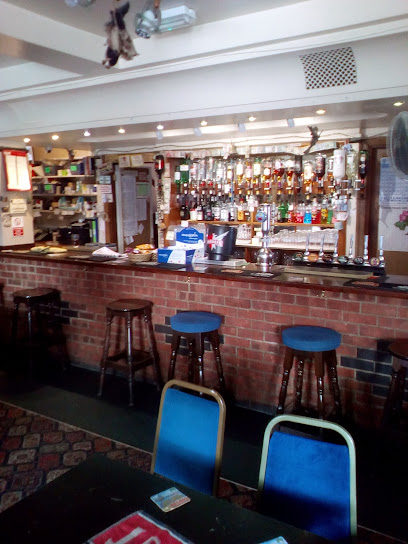
Uptown Bar
33.0 km
A friendly, affordable bar in Great Yarmouth offering lively atmosphere and good ales in a casual, welcoming setting.
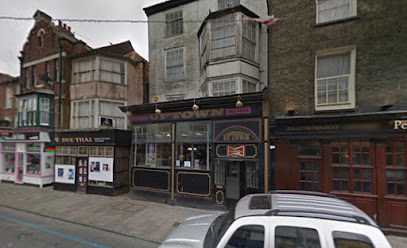
Peggotys Lounge
33.0 km
Experience vibrant nightlife and expertly crafted cocktails at Peggotys Lounge, Great Yarmouth’s lively pub and restaurant hotspot.
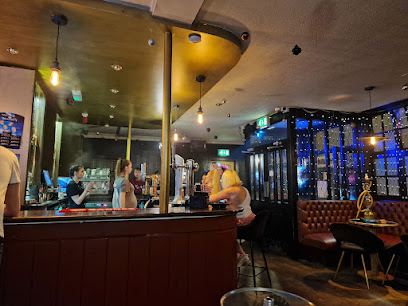
Merlin’s Sports Bar
33.1 km
A vibrant sports bar in Great Yarmouth offering live games, pool, snooker, and a lively social scene with sea views and great drinks.

The Mariners
33.1 km
A beloved Great Yarmouth pub famed for its rich selection of cask ales, lively atmosphere, and authentic British charm.
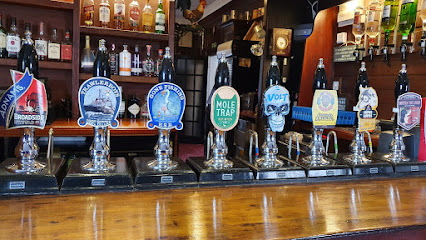
Duke's Head Hotel
33.1 km
Historic coastal charm and friendly hospitality converge at Duke's Head Hotel, a welcoming bar and stay in Great Yarmouth’s heart.
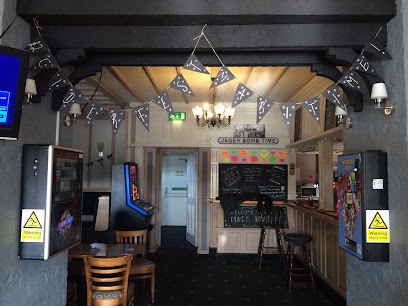
Nightclubs & after hour spots

Southwold Reydon & District Constitutional Club
3.7 km
Experience the local social scene at Southwold Reydon & District Constitutional Club, where community spirit and friendly faces await.
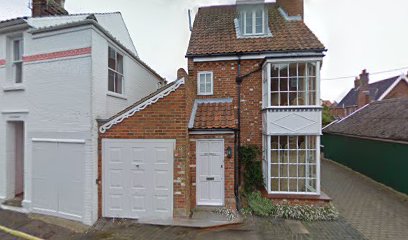
Moonlight Cabaret & Karaoke
30.7 km
Experience lively karaoke nights and captivating cabaret shows in the heart of Great Yarmouth’s vibrant nightlife scene.
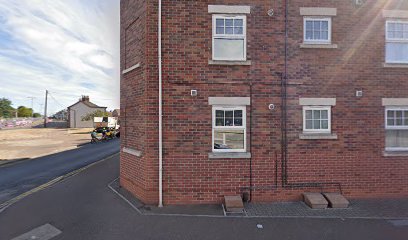
Buddha Club
32.9 km
Experience Great Yarmouth’s vibrant nightlife at Buddha Club, where modern beats, colorful lights, and coastal vibes create unforgettable weekend nights.

Mavvy’s
32.9 km
Experience Great Yarmouth’s vibrant nightlife at Mavvy’s, where music, dancing, and lively atmosphere come alive until the early hours.

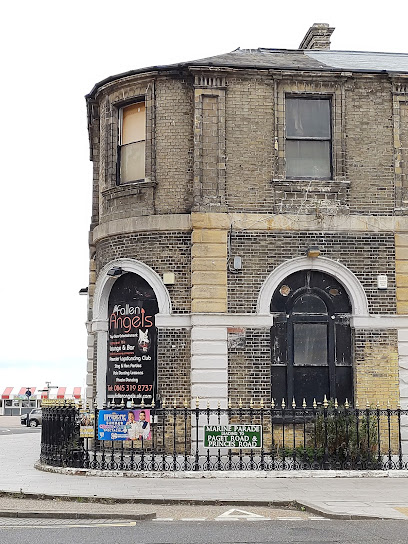
Fallen Angels
33.5 km
Experience vibrant nightlife and adult entertainment at Fallen Angels, Great Yarmouth’s premier late-night club on Marine Parade.
Loft Nightclub
41.1 km
Norwich’s vibrant gay nightclub with over 30 years of inclusive nightlife, music, and community spirit in the heart of the city.
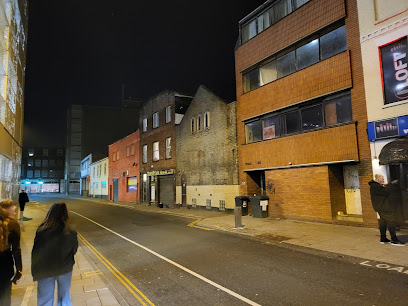
Popworld - Norwich
41.1 km
Norwich’s vibrant late-night hotspot for pop hits, friendly vibes, and unforgettable party nights on Prince of Wales Road.

Fluke
41.2 km
Experience Norwich’s vibrant nightlife at Fluke, where great music, affordable drinks, and a lively crowd come together for unforgettable nights.

Mojo's
41.2 km
Mojo's: Norwich's gritty, no-frills nightclub pulsing with late-night beats and authentic urban energy.
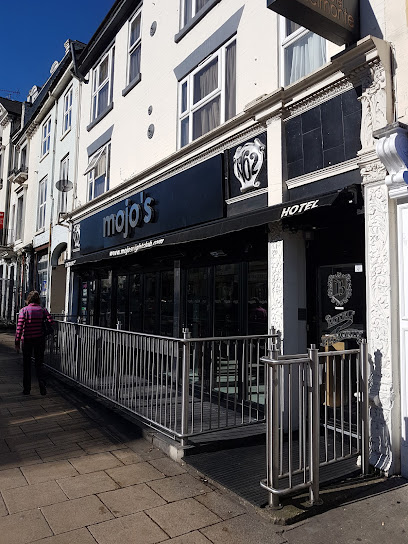
Sugar & Spice - Strip Club and Lap Dancing Norwich
41.2 km
Norwich’s premier American-style strip club offering vibrant entertainment, VIP experiences, and a welcoming atmosphere for all guests.

Mantra
41.2 km
Experience vibrant nightlife and great music at Mantra Nightclub, Norwich’s energetic weekend party destination with friendly staff and affordable drinks.

The Bermuda Club
42.1 km
A welcoming nightclub and bar in Hemsby offering lively evenings, family-friendly nights, and affordable drinks near Norfolk’s scenic coast.

Supper Club
43.1 km
Lively nightclub in Ipswich offering great drinks, music, and a vibrant social scene from afternoon until early morning.

The Club
43.2 km
Experience Ipswich’s vibrant nightlife at The Club, where music, dancing, and a lively atmosphere come alive in the city centre.
Carbon Nightclub
44.9 km
Experience Stowmarket’s lively nightlife at Carbon Nightclub, a modern venue pulsing with music and weekend energy.

For the vibe & atmosphere seeker
- Tranquil
- Scenic
- Adventurous
- Nature Escape
For the architecture buff
- Parks & Gardens
- Viewpoints
For the view chaser and sunset hunter
- Panoramas
- Waterfront
- Sunrise Spots
- Sunset Spots
For the social media creator & influencer
- Photo Spots
- Architectural Shots
For the eco-conscious traveler
- Protected Area
- Nature Reserve
- Eco-Friendly
- Wildlife Habitat
- Locally Managed
- Leave-No-Trace Critical
For the kind of experience you’re after
- Nature Escape
- Photowalk
- Cultural Heritage
- Day Trip
For how adventurous you want the journey to be
- Easy Access
- Requires Hike
Location Audience
- Family Friendly
- Senior Friendly
- Solo Friendly
- Couple Friendly
- Wheelchair Access


