
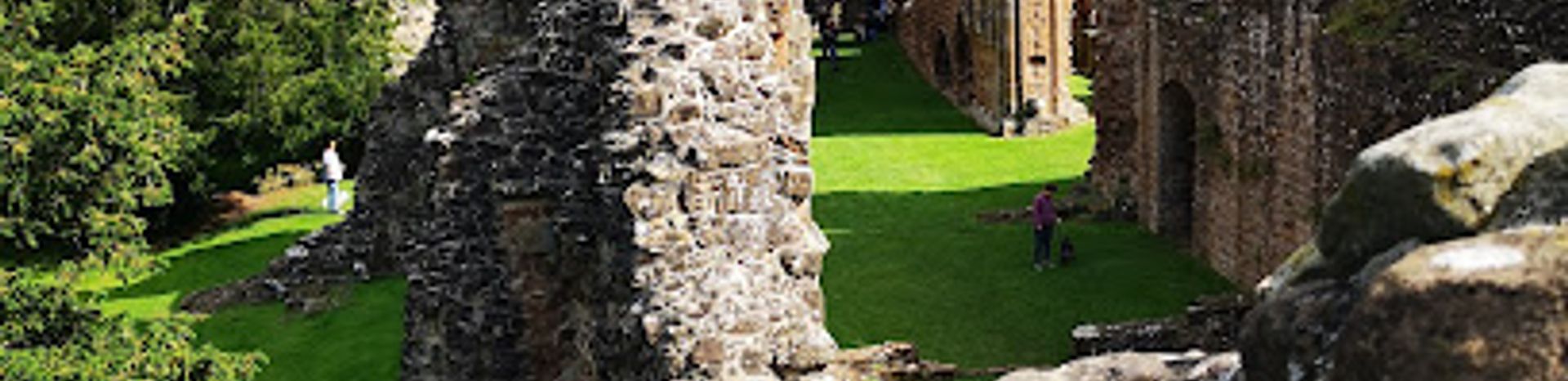
Lilleshall Abbey: Tranquil Ruins of a Medieval Augustinian Monastery
Explore the serene ruins of a 12th-century Augustinian abbey nestled in tranquil Shropshire countryside, rich with history and stunning medieval architecture.
Lilleshall Abbey, founded around 1148 in Shropshire, England, is a peaceful and evocative ruin of a once-powerful Augustinian monastery. Set in a serene rural landscape near Newport, the site features impressive medieval stonework, including a sculpted Norman doorway, cloister remnants, and a well-preserved stairwell offering panoramic views. Free to explore, it invites visitors to step back into England’s monastic past amid tranquil gardens and historic architecture.
A brief summary to Lilleshall Abbey
- Abbey Road, Newport, Lilleshall, TF10 9HW, GB
- +443703331181
- Visit website
- Duration: 0.5 to 2 hours
- Free
-
 Outdoor
- Mobile reception: 4 out of 5
- Monday 10 am-6 pm
- Tuesday 10 am-6 pm
- Wednesday 10 am-6 pm
- Thursday 10 am-6 pm
- Friday 10 am-6 pm
- Saturday 10 am-6 pm
- Sunday 10 am-6 pm
Local tips
- Wear sturdy footwear as the terrain is uneven with low walls and some narrow stairways.
- Visit on weekday mornings for a quieter, more peaceful experience.
- Climb the spiral stairwell to enjoy panoramic views of the abbey ruins and surrounding countryside.
- Bring a picnic to enjoy in the peaceful lawns around the abbey, as there are no on-site food facilities.

For the on-the-go comforts that matter to you
- Information Boards
Getting There
-
Car
Driving from Telford town center takes approximately 20-30 minutes via the A518 and local roads. Limited parking is available at the abbey entrance from April to mid-October; in winter months, park at the gateway entrance and walk 250 meters to the site. Parking is free.
-
Bus
Local bus services from Newport to Lilleshall run several times daily, with a journey time of about 15-20 minutes. From the bus stop, visitors face a 10-15 minute walk along a country lane to reach the abbey. Check local timetables for seasonal variations.
-
Walking
For those staying in nearby Newport or Lilleshall village, walking to the abbey is possible within 30-45 minutes over gentle rural terrain. Paths may be uneven and not suitable for wheelchairs or pushchairs.
Lilleshall Abbey location weather suitability
-
 Any Weather
-
 Clear Skies
-
 Mild Temperatures
-
 Rain / Wet Weather
Discover more about Lilleshall Abbey
Founding and Religious Significance
Lilleshall Abbey was established in the mid-12th century, around 1148, by Richard de Belmeis for Augustinian canons relocating from Dorchester Abbey in Oxfordshire. The abbey followed the austere customs of the Abbey of Arrouaise in northern France, emphasizing a monastic life of worship, preaching, and parish duties. Initially, the community lived in temporary wooden buildings before constructing the grand stone abbey church and monastic buildings over the 12th and 13th centuries. The abbey quickly gained prestige and wealth through donations, landholdings, farms, mills, and tolls, becoming a significant religious and economic institution in medieval England.Architectural Highlights and Layout
Visitors to Lilleshall Abbey can explore the ruins of the church, cloister, sacristy, chapter house, warming room, kitchen, refectory, and the abbot’s hall and parlour added in the 14th century. The west front of the church is notable for its large Norman processional doorway adorned with intricate carvings. The abbey’s cloister courtyard, once a garden space for contemplation, remains partially intact. A distinctive feature is the well-preserved spiral stairwell leading to the gallery level, offering spectacular views over the church ruins and surrounding Shropshire countryside. The abbey’s large windows would originally have been filled with stained glass, creating a cathedral-like atmosphere.Historical Challenges and Decline
Despite its early prosperity and royal patronage, including visits from King Henry III and other nobility, Lilleshall Abbey faced financial difficulties by the 14th century. Declining numbers of canons and poor management led to its gradual weakening. The abbey was dissolved in 1538 during King Henry VIII’s Dissolution of the Monasteries, and its valuable materials were sold off. The site later became a private residence but suffered severe damage during the English Civil War when Royalist forces fortified it and it endured a siege by Parliamentarian troops. This conflict left the abbey in ruin, with only the stone walls and architectural fragments surviving.Present-Day Atmosphere and Visitor Experience
Today, Lilleshall Abbey is a tranquil and somewhat secluded heritage site managed by English Heritage. Visitors enjoy wandering through the peaceful grounds, imagining the lives of the black-robed canons who once worshipped here. The abbey’s ruins provide a contemplative atmosphere, enhanced by the surrounding lawns and countryside setting. Informative panels help bring the history to life, while the lack of crowds allows for a private exploration. The intact stairwell is a highlight, offering a unique vantage point and photographic opportunity. The site is free to visit and open daily, though parking is limited and access involves uneven terrain.Conservation and Cultural Importance
Lilleshall Abbey stands as a testament to medieval monastic life and the turbulent history of England’s religious institutions. Its preservation offers insight into Augustinian architecture and the social-economic role of abbeys in the Middle Ages. The ruins also reflect the impact of the Reformation and Civil War on England’s heritage. As a protected historical landmark, it contributes to the cultural fabric of Shropshire and provides a peaceful retreat for history enthusiasts, photographers, and those seeking a quiet connection with the past.Engagement with Nature and Surroundings
Set within a rural landscape, the abbey’s grounds invite visitors to enjoy the natural beauty of Shropshire. The site’s open-air environment allows for picnics, quiet reflection, and gentle walks amid the ruins and green lawns. Wildlife such as birds and small amphibians can often be spotted, adding to the sensory experience. The peaceful ambience makes Lilleshall Abbey a perfect destination for mindful exploration away from urban bustle, blending history with serene countryside charm.Iconic landmarks you can’t miss

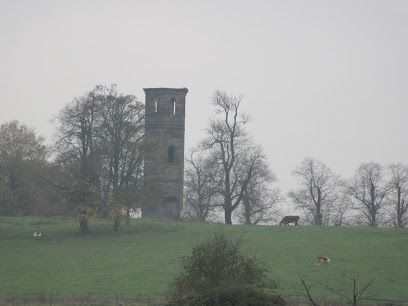
Portobello Tower
23.2 km
An evocative 18th-century folly commemorating a historic naval victory, standing as a haunting landmark in Featherstone’s rural landscape.
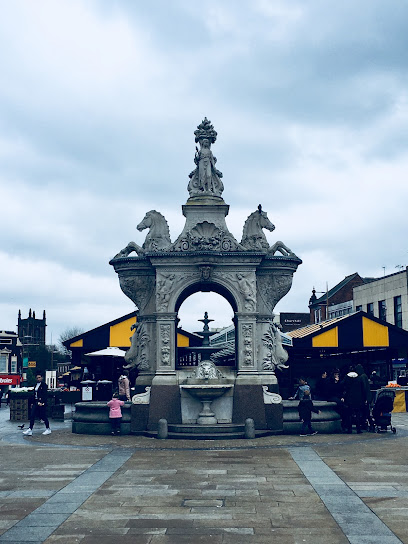
The Fountain
31.6 km
Discover The Fountain, Dudley’s iconic historical landmark nestled in the vibrant Market Place, where heritage meets lively community spirit.
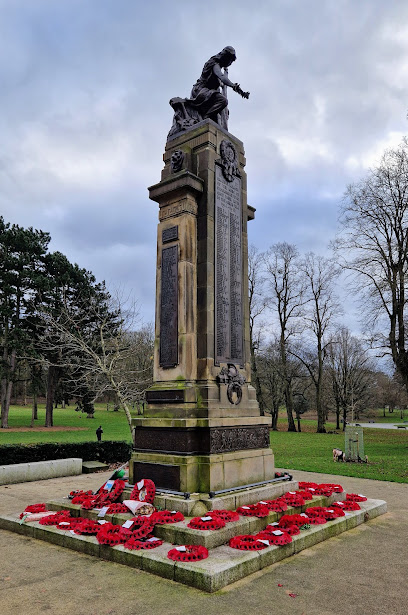
War Memorial
34.6 km
A solemn and artistically rich memorial in Mary Stevens Park honoring Stourbridge’s fallen heroes of the World Wars.
Hack Green Secret Nuclear Bunker
34.9 km
Discover the intriguing history of the Cold War at the Hack Green Secret Nuclear Bunker, a unique museum in Nantwich, UK, showcasing the era's military secrets.

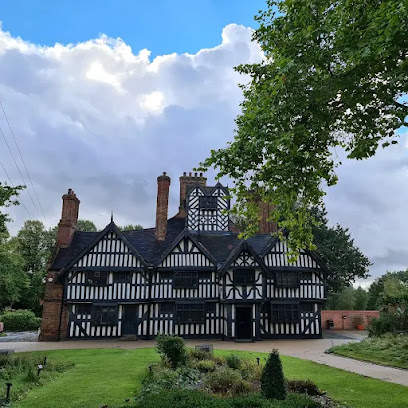
Oak House Museum
34.9 km
Explore the rich history and enchanting architecture of the Oak House Museum in West Bromwich, a must-visit destination for culture enthusiasts.
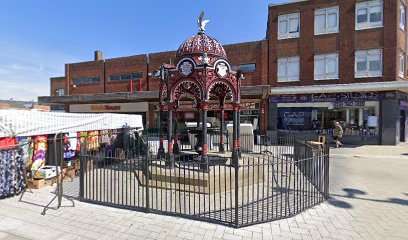
Fountain
35.5 km
A Victorian memorial fountain anchoring West Bromwich's historic High Street and town centre.
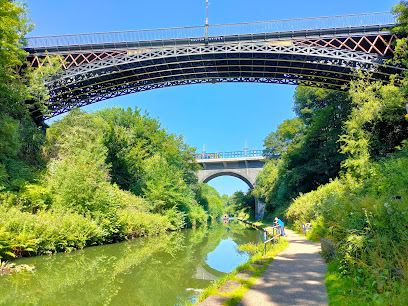
Galton Bridge
37.2 km
Explore Galton Bridge, a pioneering 1829 cast-iron marvel by Thomas Telford, standing proudly in Smethwick’s historic Galton Valley.
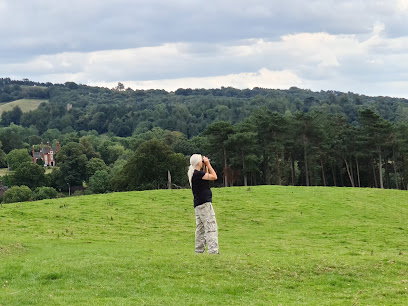
Wychbury Obelisk
37.3 km
A towering 18th-century neoclassical monument atop historic Wychbury Hill, offering panoramic views and a touch of local mystery.
St Mary's Church
38.2 km
Discover the historical beauty of St Mary's Church in Lichfield, an architectural gem showcasing Gothic design and serene surroundings in a picturesque city.

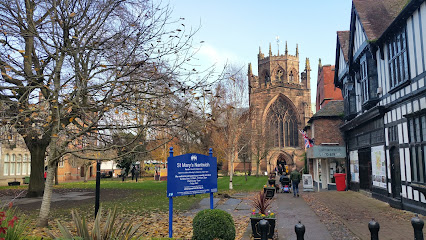
St Mary’s Church, Nantwich
39.1 km
Explore the exquisite architecture and rich history of St Mary’s Church, a captivating medieval landmark in the heart of Nantwich.
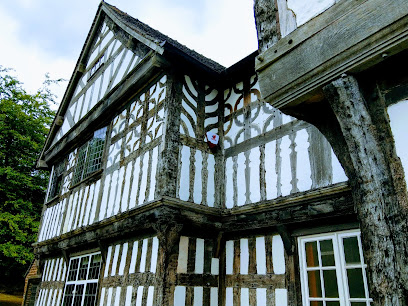
Ford Green Hall
39.6 km
Discover the historical charm of Ford Green Hall, a captivating museum in Stoke-on-Trent, offering a glimpse into 17th-century life and culture.
BeWILDerwood Cheshire
40.1 km
Discover the magic of BeWILDerwood Cheshire, an enchanting amusement park where adventure, nature, and imagination collide for an unforgettable family experience.
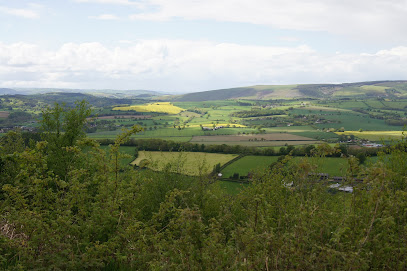
Flounders' Folly
40.1 km
Historic 80-foot stone tower atop Callow Hill offering panoramic views and scenic walks near Craven Arms, South Shropshire.
Soho House Museum
40.3 km
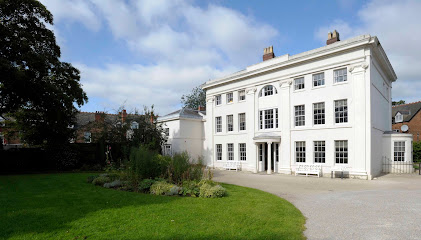
Explore Soho House Museum, the elegant Georgian home of industrial pioneer Matthew Boulton and a birthplace of the Industrial Revolution.
Cholmondeley Castle Gardens
40.9 km
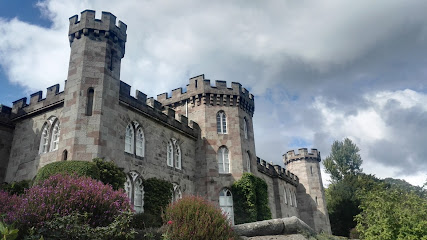
Explore the breathtaking landscapes of Cholmondeley Castle Gardens, a serene escape in Cheshire blending nature, history, and enchanting beauty.
Unmissable attractions to see

Lilleshall Monument
1.6 km
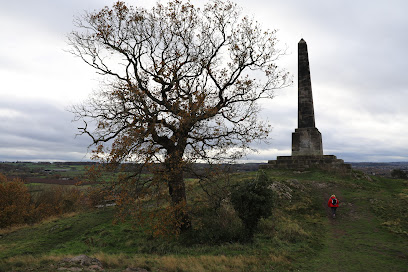
Historic 70-foot obelisk atop Lilleshall Hill offering sweeping panoramic views across Shropshire’s countryside and rich local heritage.
Hoo Zoo and Dinosaur World
4.6 km
Discover wildlife wonders and prehistoric thrills in Telford’s family-friendly Hoo Zoo and Dinosaur World, where conservation meets adventure.

Weston Park
7.7 km
Explore Weston Park’s majestic estate, enchanting gardens, thrilling woodland adventures, and luxurious accommodations on 1,000 acres of English heritage.
Aqualate Mere National Nature Reserve Car Park
7.9 km
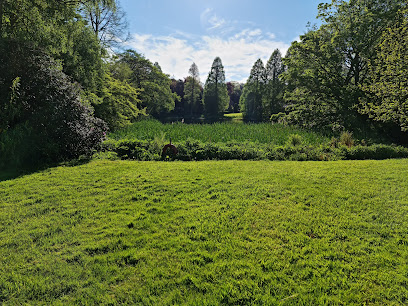
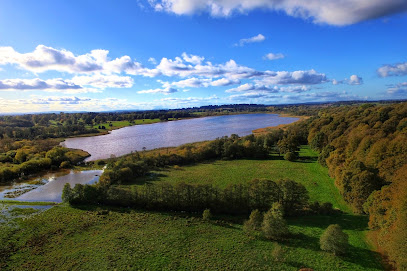
Explore the Midlands’ largest natural lake with rich wildlife, tranquil walks, and a serene bird hide at Aqualate Mere National Nature Reserve.
Royal Air Force Museum Midlands
10.2 km
Explore historic aircraft, immersive Cold War exhibits, and family-friendly aviation fun at this free-entry museum in Shropshire.

White Ladies Priory
11.0 km
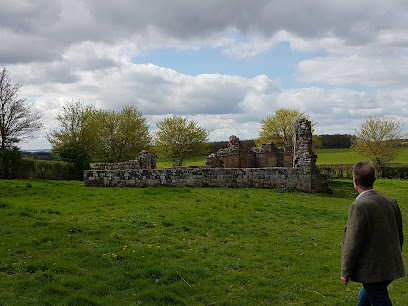
Explore the evocative ruins of a 12th-century Augustinian priory, famed for sheltering Charles II during his dramatic 1651 escape.
Loynton Moss
11.1 km
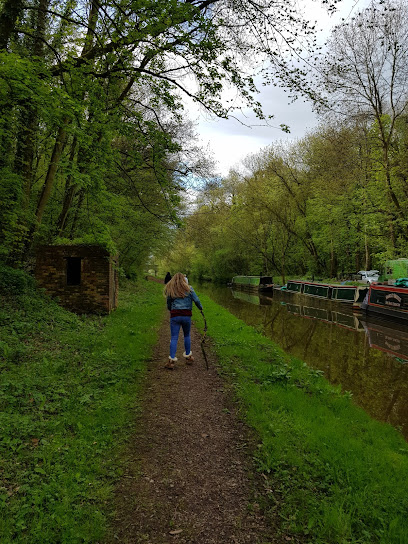
Discover the tranquil wetlands of Loynton Moss, a rich wildlife sanctuary and peaceful nature reserve near Stafford, perfect for serene walks and birdwatching.
Boscobel House and The Royal Oak
11.6 km
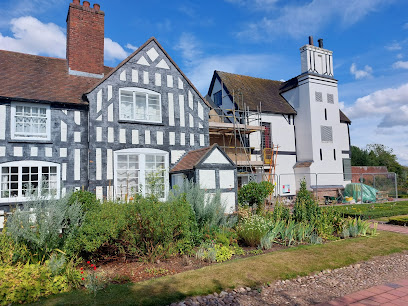
Discover the historic sanctuary where King Charles II hid in the iconic Royal Oak, a symbol of monarchy and survival.
Iron Bridge Tollhouse
12.6 km
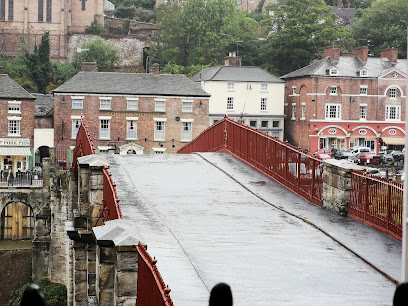
Explore the historic Iron Bridge Tollhouse, a key attraction celebrating industrial heritage in picturesque Ironbridge, Telford.
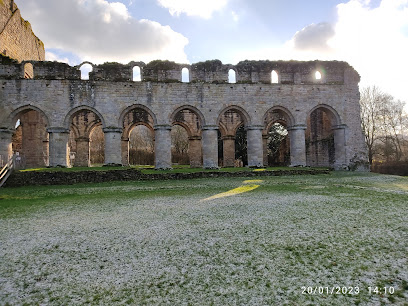
Buildwas Abbey
13.6 km
Explore the peaceful, well-preserved ruins of a 12th-century Cistercian abbey nestled beside the River Severn near Ironbridge Gorge.
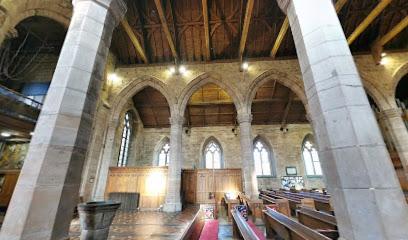
Saint Mary the Virgin and Saint Chad
15.6 km
Historic 13th-century parish church in Brewood, blending medieval architecture with vibrant community worship and ancient religious heritage.
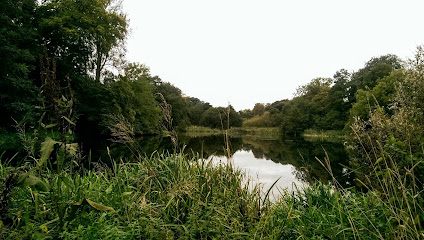
Jackson's Coppice & Marsh
16.4 km
Discover tranquil ancient woodlands and vibrant marshes at Jackson's Coppice & Marsh, a sanctuary for wildlife and nature lovers near Eccleshall.
Wroxeter Roman City
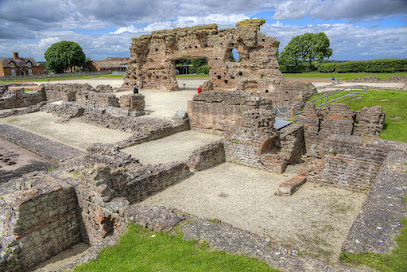
18.0 km
Step into the ruins of Wroxeter Roman City, Britain’s ancient urban marvel with immersive history and stunning archaeological remains.
Wenlock Priory
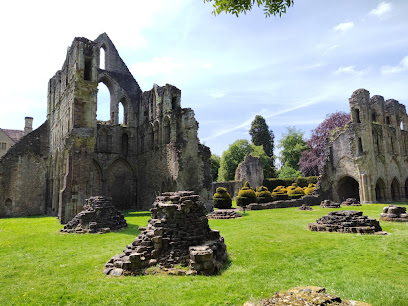
18.0 km
Explore the serene medieval ruins of Wenlock Priory, a historic Cluniac monastery nestled in the picturesque Shropshire countryside.
Stafford Castle
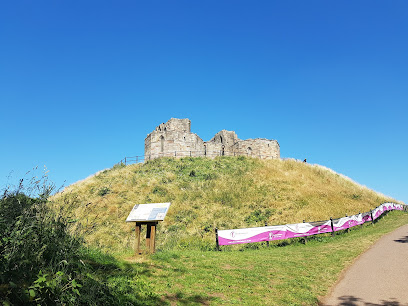
18.2 km
Explore 900 years of Norman history amid scenic woodlands and interactive exhibits at Stafford Castle, a captivating heritage site in Staffordshire.
Essential places to dine

Oscars Restaurant
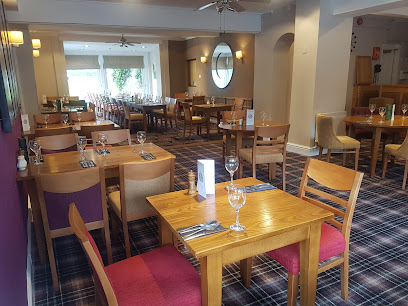
2.6 km
Modern British dining in Telford with a warm atmosphere, quality food, and attentive service at moderate prices.
Latimer's of Shifnal
6.7 km
A vibrant Mediterranean tapas and cocktail bar in Shifnal’s historic market place, blending superb food with warm hospitality.
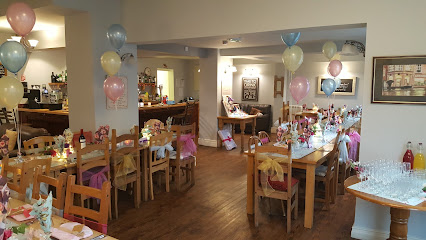
The Pheasant Inn
10.3 km
Experience authentic British dining at The Pheasant Inn in Admaston - where great food meets warm hospitality.
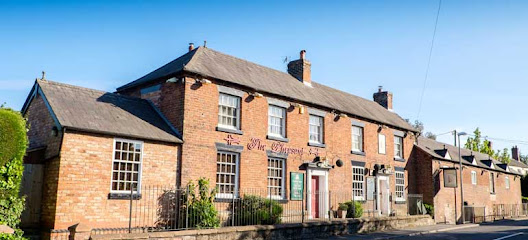
The Huntsman of Little Wenlock
11.5 km
Charming country inn in Little Wenlock offering hearty British classics, cozy fires, and warm hospitality in Shropshire’s scenic countryside.
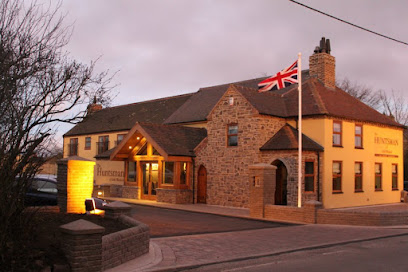
Chez Maw Restaurant
12.7 km
Refined modern British dining in the historic heart of Ironbridge, blending local flavors with elegant service and a welcoming atmosphere.
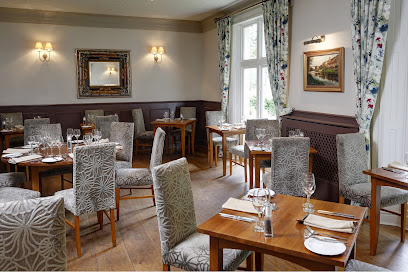
Staffordshire Grill
15.5 km
A charming Grade II listed country pub in Brewood serving premium steaks, handcrafted cocktails, and boutique accommodations.
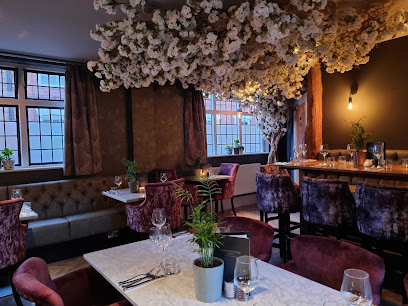
The Old Smithy
17.7 km
A charming traditional gastropub in Eccleshall offering quality British cuisine, a relaxed atmosphere, and versatile event spaces.
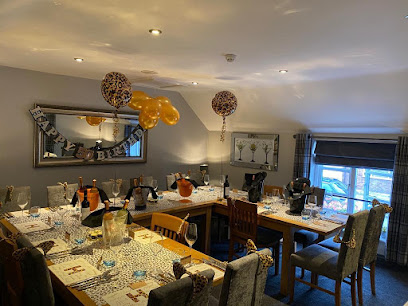
The Haughmond
18.2 km
A historic 17th-century coaching inn offering fine dining, stylish rooms, and tranquil gardens in the peaceful village of Upton Magna near Shrewsbury.
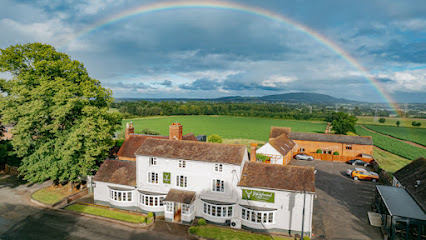
Riverside Inn
19.0 km
Charming riverside pub and restaurant in Shrewsbury’s Cound village offering classic British fare, cozy rooms, and scenic views by the River Severn.
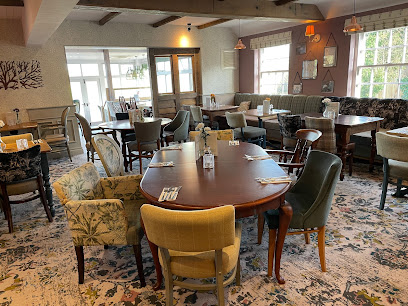
The Mill at Worston
19.5 km
A charming Staffordshire country pub with seasonal British fare, scenic gardens, and warm, friendly hospitality near Great Bridgeford.
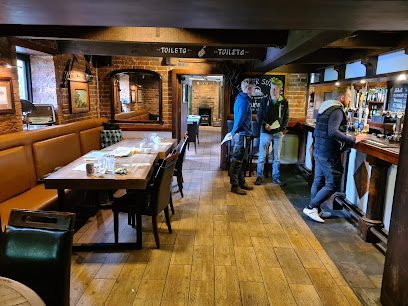
Orangery Restaurant at The Moat House
20.1 km
A bright conservatory restaurant at a historic Staffordshire hotel, serving seasonal British cuisine and classic afternoon teas by tranquil waters.
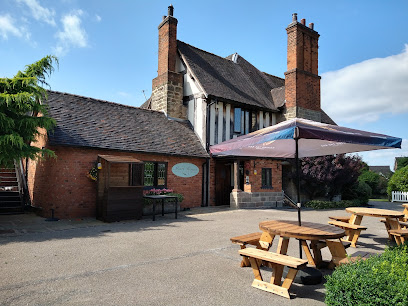
The Riverbank Restaurant(NSCG)
20.2 km
Experience top-quality student-prepared cuisine at Stafford College’s Riverbank Restaurant, where education meets exceptional dining.
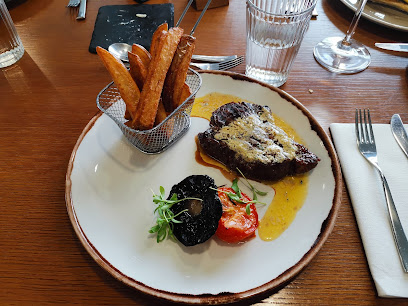
The Soup Kitchen
20.4 km
Stafford’s cozy café offering homemade British classics, rooftop garden charm, and a welcoming atmosphere near historic St Mary’s Church.
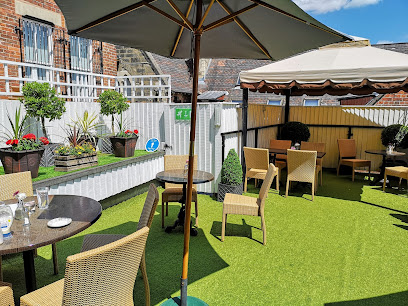
La Casa Italian
20.4 km
Authentic Italian flavors with a welcoming atmosphere and dedicated vegan options in the heart of Stafford.
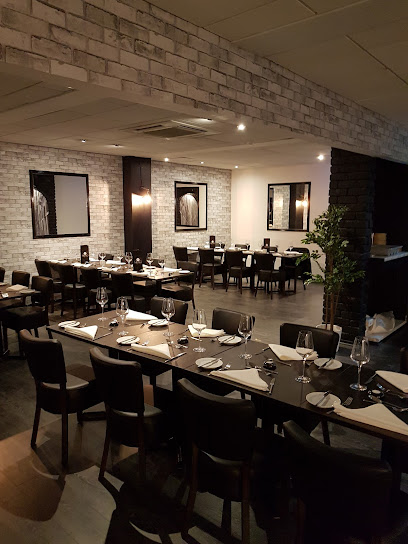
The Post House Bar & Grill
20.5 km
Historic elegance meets vibrant dining in Stafford’s premier bar and grill with exceptional food, cocktails, and private event spaces.
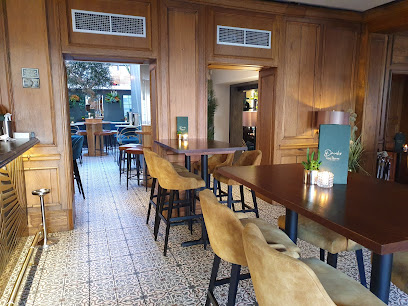
Markets, malls and hidden boutiques

Fab Little Gift Shop
2.1 km
Discover unique, quirky treasures and thoughtful gifts at Fab Little Gift Shop, Telford’s charming independent boutique.
The Forge Retail Park
6.4 km
A vibrant and convenient outdoor shopping destination in Telford with diverse stores and ample parking for all your retail needs.

Menkind
6.6 km
Discover quirky gadgets, unique gifts, and playful novelties at Menkind in Telford Shopping Centre, the ultimate destination for fun and original presents.

Telford Centre
6.6 km
A comprehensive shopping and leisure destination in Telford with over 160 stores and seamless access to entertainment at Southwater.

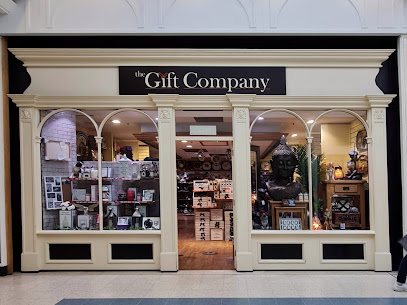
Gift Company TELFORD
6.7 km
A cheerful, budget-friendly gift shop in Telford Shopping Centre, packed with fun presents, seasonal decorations, and affordable home items.
Copper Fox
12.5 km
Unique gifts and homewares in the heart of Ironbridge's UNESCO World Heritage Site.
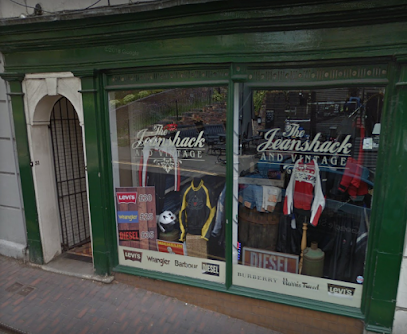
The Jeanshack and Vintage
12.5 km
Discover timeless style and quality vintage apparel at Ironbridge’s friendly and affordable Jeanshack and Vintage boutique.
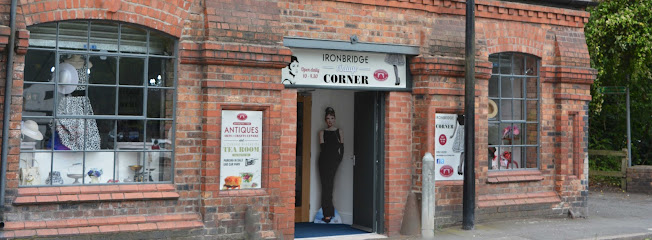
Ironbridge Vintage Corner
12.6 km
Discover timeless vintage fashion in the historic heart of Coalbrookdale at Ironbridge Vintage Corner.
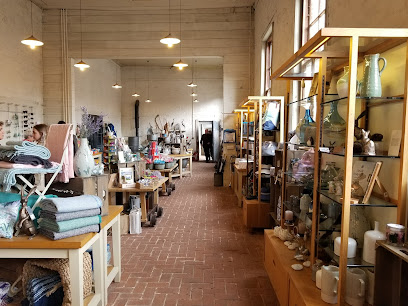
National Trust Gift Shop
19.4 km
Discover unique local crafts and heritage gifts at the National Trust Gift Shop within the historic Attingham Park estate.
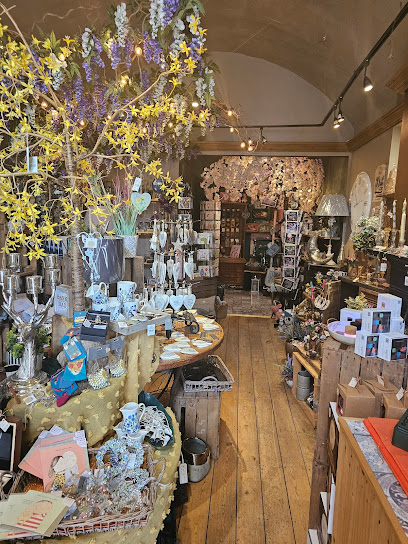
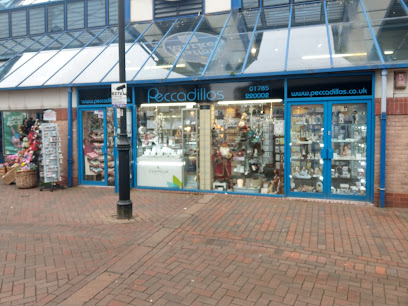
Peccadillos
20.4 km
Discover unique, high-quality gifts at Peccadillos, Stafford’s beloved boutique blending tradition, craftsmanship, and personal service.
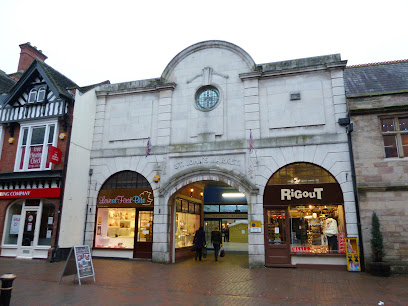
Guildhall Shopping Centre
20.4 km
A vibrant shopping and dining hub in the heart of Stafford, blending modern convenience with a welcoming community atmosphere.
Primark
20.7 km
Discover trendy, affordable fashion and home goods at Primark Stafford, your go-to riverside shopping destination in the heart of Stafford.

Queens Shopping Park
20.9 km
A bustling retail park in Stafford offering diverse shops, convenient hours, and a welcoming atmosphere for all shoppers.
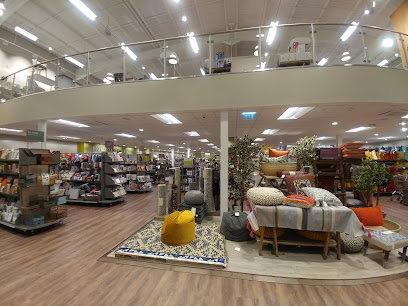
Homesense Stafford
21.0 km
Discover unique homewares and stylish décor treasures at Homesense Stafford, your destination for eclectic and affordable interior finds.

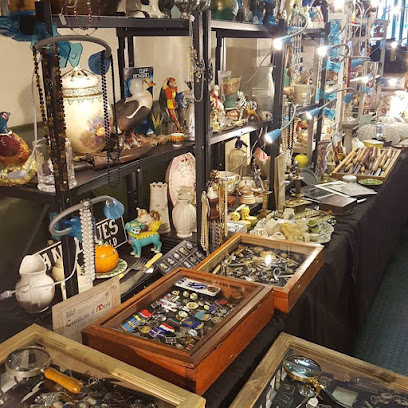
Browse-a-while Ltd. House & Estate Clearance, Auction House, Antiques Buyer, Stafford & UK
21.3 km
Trusted Stafford auction house offering expert antiques buying, estate clearance, and collectibles in a convenient industrial estate setting.
Essential bars & hidden hideouts

Heath & Moor mobile bars
13.3 km
Discover a unique mobile bar experience with Heath & Moor, offering expertly crafted beverages for your special events.

The Oxleathers
18.6 km
A beloved community pub in Stafford offering a unique atmosphere, friendly staff, and lively events in a welcoming setting.
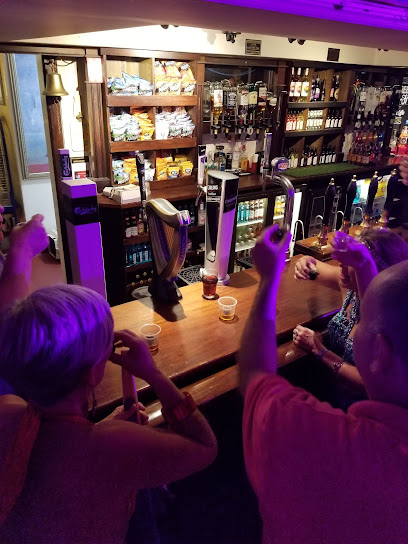
The Mytton & Mermaid
20.1 km
Historic riverside pub and hotel blending traditional charm with modern comfort and fresh, high-end cuisine in scenic Atcham.
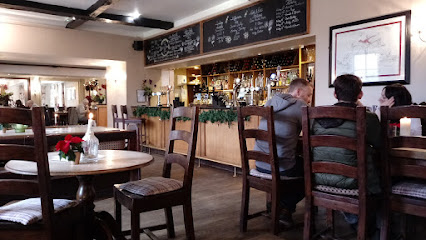
The Bird In Hand
20.3 km
A cherished Stafford pub blending traditional ales, hearty carvery, and lively entertainment in a welcoming town centre setting.
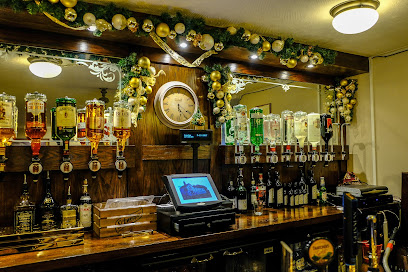
Casa
20.5 km
Lively late-night bar with a welcoming outdoor area, nestled in Stafford’s historic Express & Star building.
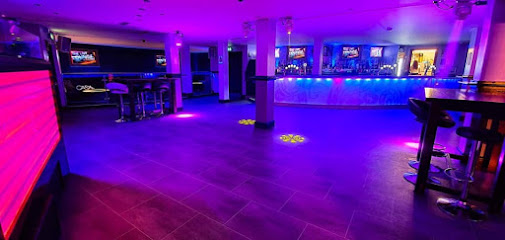
Bear Stafford
20.5 km
Bear Stafford: A lively, welcoming pub blending traditional charm with unique local quirks in the heart of Stafford.
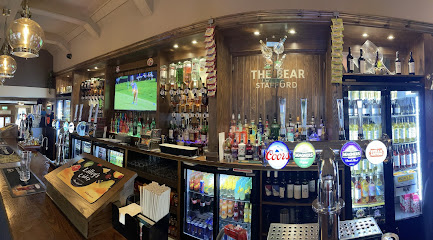
Hogarths
20.5 km
Experience Stafford’s vibrant Edwardian-themed Hogarths Gin Bar with its vast gin selection, live entertainment, and cozy social spaces.
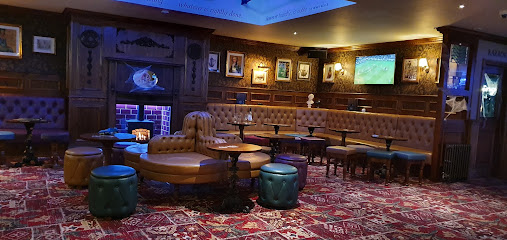
The Sun Inn
20.5 km
A traditional Stafford pub serving home-cooked meals and Titanic Brewery ales in a welcoming, pet-friendly setting.
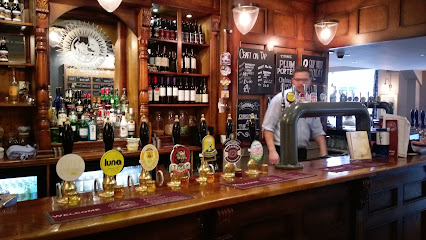
The Butler's Bell By Davenports
20.5 km
A lively gastropub in Stafford serving hearty classics, award-winning ales, and all-day breakfast in a welcoming, accessible setting.
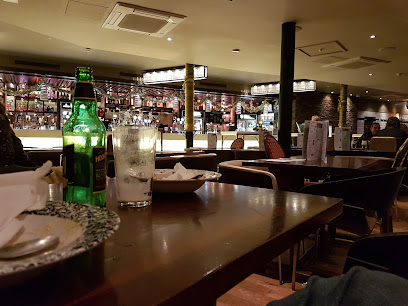
Market Vaults
20.5 km
A cosy, dog-friendly Stafford pub renowned for spectacular food, cask ales, and a welcoming atmosphere from noon to late every day.
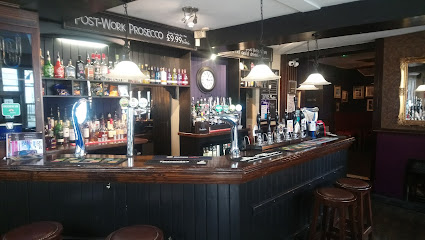
The Liquor Tank Stafford
20.6 km
A lively and modern bar in Stafford offering quality cocktails, casual dining, and a vibrant social atmosphere daily until midnight.

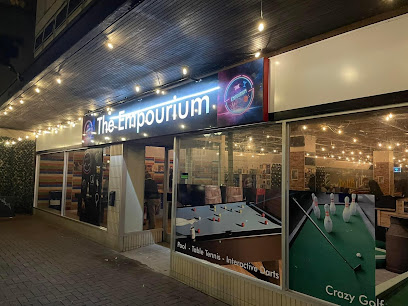
The Empourium
20.6 km
A quirky, fun-filled bar in Stafford’s town center, offering great value drinks and a playful social atmosphere in a unique setting.
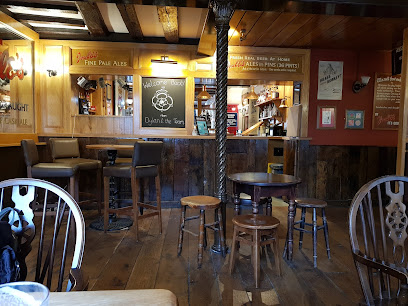
The Ye Olde Rose & Crown
20.6 km
A beloved Stafford pub known for local Joules ales, lively music nights, and a warm, authentic British atmosphere.
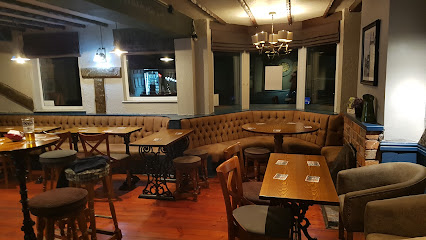
The Kings Arms
21.0 km
A friendly, traditional Stafford pub offering quality ales, hearty food, and cozy rooms in a welcoming local setting.

The Spittal Brook
21.1 km
A friendly Stafford pub and inn offering great ales, home-cooked meals, cozy rooms, and a welcoming atmosphere for all occasions.
Nightclubs & after hour spots

Mainstreet Nightclub
5.0 km
Experience Newport’s vibrant nightlife at Mainstreet Nightclub, where music, dancing, and a lively crowd create unforgettable late-night memories.
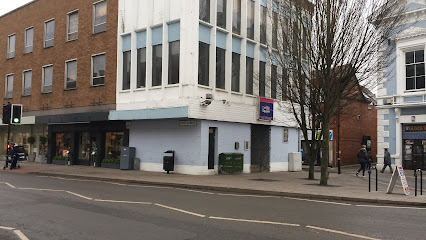
We Love Oldskool Nights
7.3 km
Experience the vibrant energy of classic 90s and 2000s R’n’B and hip-hop at We Love Oldskool Nights, the ultimate dance club for nostalgic partygoers.

757 Night Club & Laluna events venue
9.0 km
A vibrant nightclub and events venue in Wellington, Telford, blending modern style with lively weekend entertainment.

Havana Republic
24.0 km
Experience the vibrant Latin-inspired nightlife of Havana Republic, Shrewsbury’s hotspot for cocktails, music, and late-night fun.

The Buttermarket
24.2 km
Shrewsbury’s iconic Grade II listed venue, The Buttermarket, offers vibrant live music, club nights, and diverse entertainment across three dynamic floors.
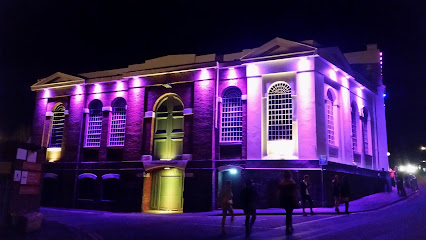
Boutique - Shrewsbury
24.8 km
A vibrant 90s-inspired nightclub in Shrewsbury offering lively nights, stylish booths, and a nostalgic yet modern clubbing experience.
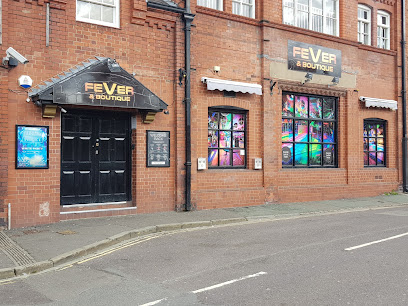
Reflex - Newcastle Under Lyme
33.7 km
Experience vibrant nightlife at Reflex, Newcastle Under Lyme’s central nightclub and lounge with lively music and social vibes.
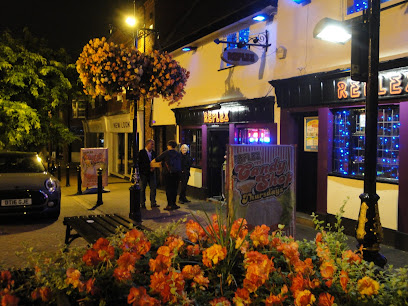
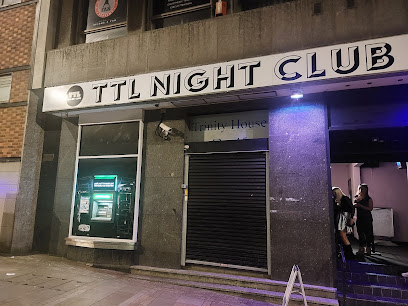
TTL Nightclub
36.3 km
Experience Stoke-on-Trent’s vibrant nightlife at TTL Nightclub, Hanley’s energetic hub for dance, music, and social nights.
Reflex - Hanley
36.4 km
Energetic and inclusive nightclub in Hanley, offering classic 80s/90s tunes, affordable drinks, and a welcoming atmosphere for memorable nights out.

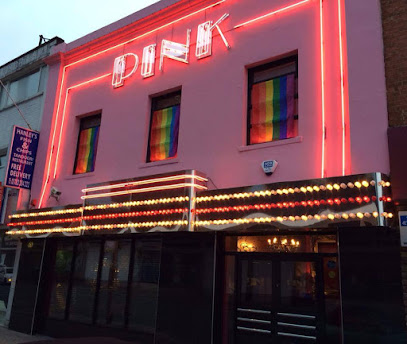
Pink Nightclub - Stoke on Trent
36.5 km
Experience the vibrant and friendly nightlife of Pink Nightclub, Hanley’s lively late-night venue with great drinks and a welcoming atmosphere.
Gossip!
36.6 km
Stoke-on-Trent’s premier gay nightclub with vibrant bars, dance floor, and beer garden offering lively, inclusive nightlife in Hanley.

The Studio
39.1 km
Experience Nantwich’s energetic nightlife at The Studio, a vibrant club known for live DJs, dance music, and late-night fun in the town center.

Eleven
39.9 km
Experience the pulse of Stoke-on-Trent's music scene at Eleven, where live performances and a lively bar atmosphere await every night.

DIAMOND SPARKLEZ
41.7 km
Ignite your night in Birmingham's diamond district at this glittering nightclub, where top DJs, stunning lights, and electric crowds create pure nightlife magic.

PAVO Birmingham
41.8 km
Vibrant African fusion lounge and nightclub in Birmingham's Jewellery Quarter, where bold flavors meet electrifying beats until 4am on weekends.

For the vibe & atmosphere seeker
- Tranquil
- Scenic
- Relaxing
- Unique
For the design and aesthetic lover
- Rustic Designs
- Vintage Styles
For the architecture buff
- Historic
- Landmarks
- Sacred Sites
For the view chaser and sunset hunter
- Iconic Views
- Panoramas
For the social media creator & influencer
- Instagrammable
- Photo Spots
- Selfie Spots
For the eco-conscious traveler
- Protected Area
- Public-Transport Accessible
- Leave-No-Trace Critical
- Locally Managed
For the kind of experience you’re after
- Cultural Heritage
- Photowalk
- Nature Escape
- Day Trip
- Mindfulness
For how adventurous you want the journey to be
- Easy Access
Location Audience
- Family Friendly
- Senior Friendly
- Child Friendly
- Solo Friendly
- Couple Friendly
- Vegetarian Friendly
- Vegan Friendly


