

Free Staffordshire Travel Guide & Mobile App
Explore Staffordshire with free travel guides. Discover regional history, expert tips, proposed trips, and audio guides on web or mobile app.


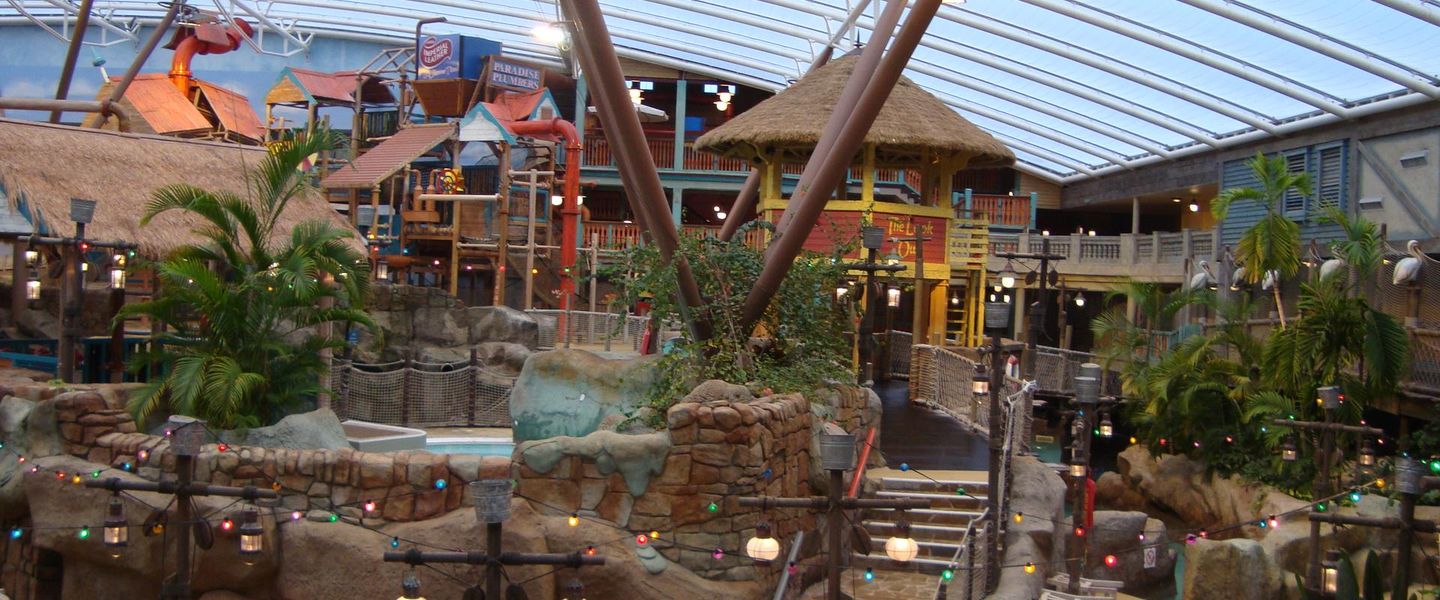


Explore Staffordshire for historic towns, English pottery, country estates, Cannock Chase, Peak District landscapes and family attractions.
Read more about Staffordshire
When is the best time to visit Staffordshire?
Best: June–August · 19–21°C| Month | High (°C) | Rainfall (mm) |
|---|---|---|
| January | 6 | 60 |
| February | 6 | 50 |
| March | 10 | 50 |
| April | 12 | 50 |
| May | 16 | 50 |
| June (best) | 19 | 60 |
| July (best) | 21 | 60 |
| August (best) | 21 | 60 |
| September | 18 | 60 |
| October | 14 | 60 |
| November | 9 | 60 |
| December | 6 | 60 |
Getting to and around Staffordshire
How to get there
Transportation
Top city travel guides in Staffordshire
The cities of Staffordshire, and the easiest places to base yourself.

Swipe for more cities
Best attractions in Staffordshire
Staffordshire’s attractions range from internationally recognised ceramics heritage to wooded countryside, historic estates and large family destinations. In Stoke-on-Trent, the Potteries Museum & Art Gallery, Gladstone Pottery Museum and World of Wedgwood reveal different aspects of design, manufacturing and industrial life. Shugborough near Stafford combines an eighteenth-century house with gardens, parkland and estate buildings, while Trentham Estate offers formal gardens, woodland paths and a modern leisure setting. Cannock Chase is the principal outdoor landscape, with walking, cycling, wildlife and memorial sites across heath and forest. The Staffordshire Moorlands provide access to upland scenery and the eastern edge of the Peak District, though some celebrated landscapes continue across the county boundary. Alton Towers is the county’s major theme-park attraction, and Drayton Manor near Tamworth combines rides with a family-oriented zoo. Lichfield Cathedral, Stafford Castle, Tamworth Castle and the National Memorial Arboretum add historical and cultural variety, allowing visitors to move from industrial towns to rural landscapes within a relatively compact central-England region.
-
Theme park
Alton Towers
Experience the thrill and magic of Alton Towers, the UK’s ultimate theme park destination blending adrenaline rides with enchanting landscapes.
-
Museum
Royal Air Force Museum Midlands
Explore historic aircraft, immersive Cold War exhibits, and family-friendly aviation fun at this free-entry museum in Shropshire.
-
Theme park
Drayton Manor Resort
Family fun and thrilling rides await at Drayton Manor Resort, Staffordshire’s expansive theme park, zoo, and hotel destination.
-
Memorial park
National Memorial Arboretum (Alrewas, Staffordshire)
A serene 150-acre living tribute in Staffordshire, honouring service and sacrifice through woodland memorials and reflective spaces.

Best landmarks in Staffordshire
Staffordshire’s landmarks express its mixture of medieval power, industrial achievement and managed landscapes. Lichfield Cathedral, with its three spires and Gothic fabric, is the county’s most recognisable ecclesiastical building and reflects Lichfield’s long importance as a religious centre. Stafford Castle occupies a prominent hill above the county town, while Tamworth Castle preserves the strategic significance of the historic Mercian town. In Stoke-on-Trent, surviving bottle kilns and pottery works are distinctive industrial landmarks, with the Gladstone Pottery Museum offering one of the clearest interpretations of that built heritage. Shugborough Hall and its surrounding estate present the architecture and landscape of an important country property near Stafford. Cannock Chase is a geographical landmark as much as a recreational landscape, its heath and woodland marking a substantial green area amid the Midlands. The National Memorial Arboretum at Alrewas is a modern landmark of national remembrance, defined by avenues, memorials and planted grounds rather than a single historic building.
-
Abbey
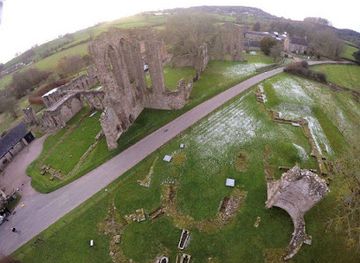
Croxden Abbey
Medieval Cistercian ruins revealing centuries of monastic life, prosperity, and spiritual devotion in rural Staffordshire.
-
Historical landmark
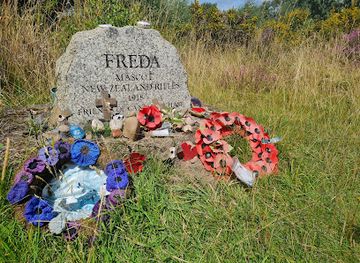
Freda's Grave
A touching memorial to Freda, the Harlequin Great Dane mascot of the New Zealand Rifle Brigade, resting in the peaceful heathland of Cannock Chase.
Explore Staffordshire on the map
Plan your trip on one map. See where the top cities, national parks and sights are, and book hotels and experiences in a few clicks.
Best hotels in Staffordshire
Best restaurants in Staffordshire
Staffordshire’s food scene reflects its industrial towns, market centres and farming districts rather than a single emblematic cuisine. Stoke-on-Trent retains a strong café, pub and bakery culture, with oatcakes among the area’s best-known local foods; these savoury fermented pancakes are commonly served with fillings such as cheese, bacon or sausage. Potteries towns also offer a broad range of international restaurants shaped by modern urban communities. Across the county, traditional pubs, rural inns and farm shops provide opportunities to try locally produced meats, cheeses, breads, preserves and seasonal cakes, while Lichfield, Stafford, Newcastle-under-Lyme and the larger towns have more varied contemporary dining. The estates around Trentham and Shugborough support food-focused visits, and farmers’ markets or independent delis are useful for regional produce. Local breweries and the wider Midlands brewing tradition are well represented, though menus and producers change, so visitors should check current arrangements rather than rely on historic reputations.
-
Grill
Orange Tree Bar and Grill
Stylish bar and grill in Stoke-on-Trent offering creative grill dishes, excellent steaks, and a lively, welcoming atmosphere for all occasions.
-
Gastropub
The Wayfarer
A contemporary gastropub in Stone blending British classics with international flair in a cozy, stylish setting.
-
Restaurant
Seven Stars
A stylish gastropub near Stafford offering creative dishes and a welcoming atmosphere in a modern setting close to Cannock Chase.
-
Restaurant
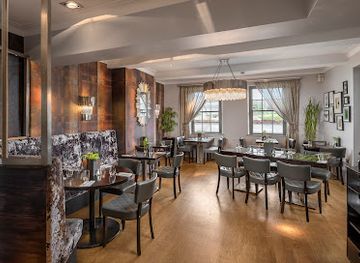
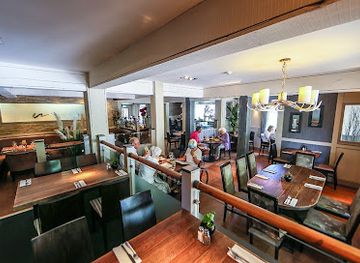
The Mill at Worston
A charming Staffordshire country pub with seasonal British fare, scenic gardens, and warm, friendly hospitality near Great Bridgeford.

Best bars in Staffordshire
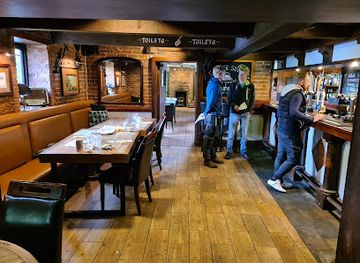
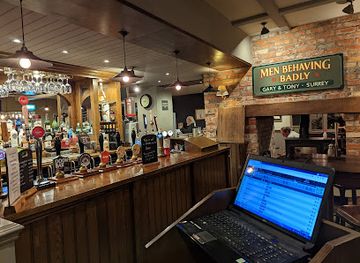
Evenings in Staffordshire are centred mainly on pubs, restaurants, live music and the larger town centres rather than one county-wide nightlife district. Stoke-on-Trent has the broadest urban choice, with bars, music venues and late-night establishments concentrated around areas such as Hanley, while Stafford, Lichfield, Tamworth and Newcastle-under-Lyme offer pubs, cocktail bars and smaller venues. Traditional pubs remain important in market towns and villages, often occupying historic buildings and serving local or regional beers. The Potteries’ industrial heritage also provides a setting for contemporary breweries and independent drinking places, although opening arrangements vary. Around Cannock Chase, the Staffordshire Moorlands and rural estates, evening activity is quieter and usually revolves around a pub meal or an organised event. Visitors should arrange transport back from country locations in advance and avoid assuming that late services will be available.
-
Pub
The Plume of Feathers- With Neil Morrissey
A friendly canalside pub in Barlaston offering fresh local food, Neil Morrissey’s ales, and a welcoming atmosphere for all ages and pets.
-
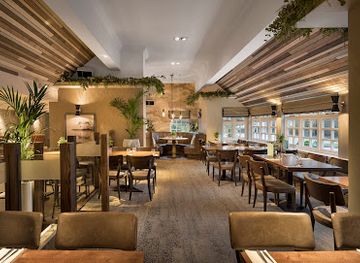
Gastropub
The Swan With Two Necks
A stylish gastropub in Blackbrook blending classic British flavours with modern comfort and scenic countryside charm.
-
Pub
The Butler's Bell By Davenports
A lively gastropub in Stafford serving hearty classics, award-winning ales, and all-day breakfast in a welcoming, accessible setting.
-
 Pub
PubDog & Doublet Inn
A charming Arts & Crafts pub and restaurant in Sandon offering warm hospitality, classic British cuisine, and cozy accommodations.
Best nightclubs in Staffordshire
Evenings in Staffordshire are centred mainly on pubs, restaurants, live music and the larger town centres rather than one county-wide nightlife district. Stoke-on-Trent has the broadest urban choice, with bars, music venues and late-night establishments concentrated around areas such as Hanley, while Stafford, Lichfield, Tamworth and Newcastle-under-Lyme offer pubs, cocktail bars and smaller venues. Traditional pubs remain important in market towns and villages, often occupying historic buildings and serving local or regional beers. The Potteries’ industrial heritage also provides a setting for contemporary breweries and independent drinking places, although opening arrangements vary. Around Cannock Chase, the Staffordshire Moorlands and rural estates, evening activity is quieter and usually revolves around a pub meal or an organised event. Visitors should arrange transport back from country locations in advance and avoid assuming that late services will be available.
-
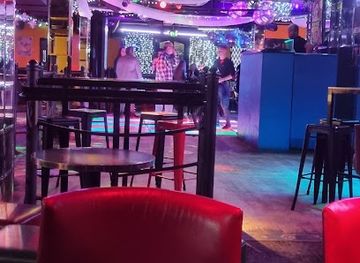
Nightclub
Reflex - Hanley
Energetic and inclusive nightclub in Hanley, offering classic 80s/90s tunes, affordable drinks, and a welcoming atmosphere for memorable nights out.
-
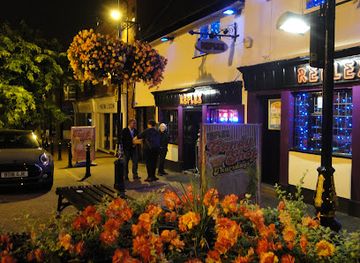
Nightclub
Reflex - Newcastle Under Lyme
Experience vibrant nightlife at Reflex, Newcastle Under Lyme’s central nightclub and lounge with lively music and social vibes.
-
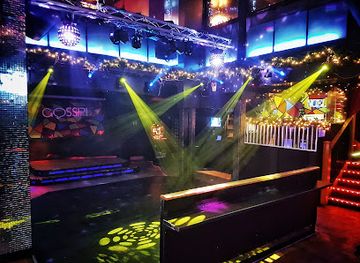
Nightclub
Gossip!
Stoke-on-Trent’s premier gay nightclub with vibrant bars, dance floor, and beer garden offering lively, inclusive nightlife in Hanley.
-
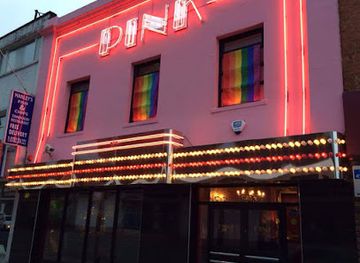
Nightclub
Pink Nightclub - Stoke on Trent
Experience the vibrant and friendly nightlife of Pink Nightclub, Hanley’s lively late-night venue with great drinks and a welcoming atmosphere.
Best shops in Staffordshire
Shopping in Staffordshire combines practical town-centre retail with distinctive ceramics, local food and independent businesses. Stoke-on-Trent is the principal destination for pottery, where factory shops, studio outlets and specialist retailers sell tableware, decorative ceramics and seconds from established and smaller makers. The Potteries Centre in Hanley provides mainstream shopping, while Burslem and other pottery towns offer a more heritage-focused experience, although individual premises and trading patterns change. Lichfield, Stafford, Tamworth and Newcastle-under-Lyme have traditional high streets with cafés, independent shops, market stalls and national retailers. Rural areas are better suited to farm shops, garden-centre food halls, antique shops and craft galleries than to extensive retail districts. Regional cheeses, preserves, baked goods, brewing products and ceramics make more useful souvenirs than generic merchandise. Visitors interested in pottery should compare museum shops, factory outlets and contemporary studios, as styles and prices vary considerably between producers.
-
Shopping Centre
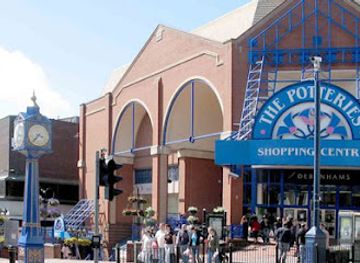
The Potteries Centre
Staffordshire’s largest shopping and leisure destination with over 50 stores, dining, cinema, and community events all under one roof.
-
Shopping Centre
Trentham Shopping Village
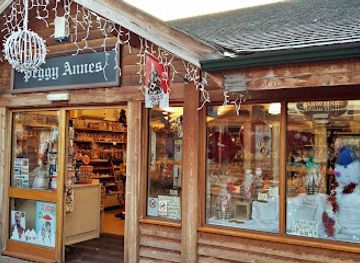
Explore over 77 charming timber lodges filled with unique shops, cafés, and restaurants in a friendly village atmosphere near Trentham Gardens.
-
Shopping Centre
Festival Heights Retail Park
A modern, accessible retail park in Stoke-on-Trent offering diverse shopping options and convenient amenities for a seamless shopping experience.
-
Shopping Centre
Queens Shopping Park
A bustling retail park in Stafford offering diverse shops, convenient hours, and a welcoming atmosphere for all shoppers.

Get your free copy of our complete guide to Staffordshire, delivered straight to you.
Everything on this page, from attractions and restaurants to essentials and local phrases, in one PDF you can read offline, print or share.
Already have an account? Sign in
Your Staffordshire guide is ready.
We'll send it to · Not you? Sign out

Getting your guide ready…
We are putting together a fresh copy of the Staffordshire guide. This can take up to a minute.
This can take a few moments. If your browser asks, choose Allow so the download can start. You'll find the guide in your Downloads folder.
Nothing happened? Download it again
Sorry, the guide is taking longer than usual. Please try again in a minute, or get it by email instead.
Staffordshire essentials
Currency and Payment
Safety
Emergency Situations
Do's and Don'ts
Local Tips
From Eve
Local phrases worth knowing
You don't need to get them perfect. A few words go a long way, and locals appreciate the effort.
Basics
| English | Local | Say it |
|---|---|---|
| Hello | Alright | [uh-ryte] |
| Goodbye | Ta-ra | [tah-rah] |
| Yes | Yeh | [yeh] |
| No | Nah | [nah] |
| Please/You're welcome | Please/No problem | [pleez/no prob-lem] |
| Thank you | Cheers | [cheerz] |
| Excuse me/Sorry | Sorry | [saw-ree] |
| How are you? | How's it going? | [how's it goin'?] |
| Fine. And you? | Sound. You? | [sownd. you?] |
| Do you speak English? | Do ya talk English? | [doo yah talk ing-glish?] |
| I don't understand | I don't get it | [I don't get it] |
Eating & Drinking
| English | Local | Say it |
|---|---|---|
| I'd like to see the menu, please | Can I have a look at the menu, please? | [kan I hav a luk at the men-yoo, pleez?] |
| I don't eat meat | I don't do meat | [I don't do meet] |
| Cheers! | Cheers! | [cheerz!] |
| I would like to pay, please | Can I pay, please? | [kan I pay, pleez?] |
Emergencies
| English | Local | Say it |
|---|---|---|
| Help! | Help! | [help!] |
| Go away! | Get lost! | [get lost!] |
| Call the Police! | Ring the coppers! | [ring the cop-pers!] |
| Call a doctor! | Get a doc! | [get a dok!] |
| I'm lost | I'm a bit lost | [I'm a bit lost] |
| I'm ill | I'm not well | [I'm not wel] |
Shopping
| English | Local | Say it |
|---|---|---|
| I'd like to buy... | I want to buy... | [I want to buy...] |
| I'm just looking | Just having a look | [just havin' a luk] |
| How much is it? | What’s the price? | [what's the prahys?] |
| That's too expensive | That's well pricey | [that's wel pry-see] |
| Can you lower the price? | Can ya knock the price down? | [kan yah nok the prahys doun?] |
Time & Numbers
| English | Local | Say it |
|---|---|---|
| What time is it? | What time is it? | [what time iz it?] |
| It's one o'clock | It's one o'clock | [its wun o'clok] |
| Half past (10) | Half ten | [half ten] |
| Morning | Mornin' | [mornin'] |
| Afternoon | Afternoon | [afternoon] |
| Evening | Evenin' | [evenin'] |
| Yesterday | Yesterday | [yes-ter-day] |
| Today | Today | [to-day] |
| Tomorrow | Tomorrow | [to-morrow] |
| 1 | One | [wun] |
| 2 | Two | [too] |
| 3 | Three | [three] |
| 4 | Four | [for] |
| 5 | Five | [fiv] |
| 6 | Six | [siks] |
| 7 | Seven | [sev-en] |
| 8 | Eight | [ayt] |
| 9 | Nine | [nayn] |
| 10 | Ten | [ten] |
Transport & Directions
| English | Local | Say it |
|---|---|---|
| Where's a/the...? | Where's the...? | [where's the...?] |
| What's the address? | What's the address? | [what's the ad-dress?] |
| Can you show me (on the map)? | Can ya show me on the map? | [kan yah sho me on the map?] |
| When's the next (bus)? | When's the next bus? | [when's the nekst bus?] |
| A ticket (to ....) | A ticket to... | [a tik-it to...] |
History of Staffordshire
Prehistoric Landscapes and Roman Roads
Staffordshire’s earliest story is preserved in prehistoric earthworks, burial sites and later archaeological discoveries across its river valleys and uplands. The Romans established roads, forts and settlements in the region, linking the Midlands to military and commercial centres elsewhere in Britain. The route of Watling Street helped shape later movement through the south of the county, while the wider landscape supported farming and extraction. Roman influence did not erase earlier settlement patterns, but it introduced new administrative, engineering and trading connections whose lines remained important long after imperial rule ended.
Mercia and the Rise of Lichfield
During the Anglo-Saxon period, much of Staffordshire formed part of the powerful kingdom of Mercia. Lichfield became a major religious centre, particularly under Bishop Chad in the seventh century, and its ecclesiastical importance endured through the medieval period. Tamworth served as an important Mercian royal centre, associated with the kingdom’s political power and later medieval development. This period established the region’s enduring connection with central English state formation, Christianity and the network of towns that grew around royal, religious and trading institutions.
Medieval Castles, Abbeys and Market Towns
After the Norman Conquest, castles and manorial estates strengthened control over Staffordshire’s roads, settlements and agricultural resources. Stafford Castle occupied a strategic hill above the county town, while Tutbury Castle, historically associated with the Earls of Derby, stood near the county’s western boundary in neighbouring Staffordshire. Lichfield Cathedral developed into a major Gothic landmark, and towns such as Stafford, Tamworth, Newcastle-under-Lyme and Uttoxeter expanded through markets and fairs. Abbeys, parish churches and fortified residences shaped both the appearance and economy of the medieval county.
The Industrial Revolution and the Potteries
Staffordshire was transformed by industrialisation from the eighteenth century onwards. North Staffordshire’s pottery towns became one of the world’s leading ceramics centres, supported by local coal, clay, canals and later railways. Josiah Wedgwood’s innovations in production and marketing helped establish an internationally recognised industry, while numerous factories created the distinctive bottle kilns still visible in Stoke-on-Trent. Coal mining, ironworking, engineering and brickmaking also expanded across the county. The industrial landscape brought employment and wealth but also crowded housing and pollution, legacies explored in the region’s museums and surviving factory quarters.
Canals, Railways and National Connections
Transport infrastructure tied Staffordshire more closely to Britain’s expanding industrial economy. The Trent and Mersey Canal connected the Potteries with waterways leading towards the Midlands and the ports, while the Staffordshire and Worcestershire Canal linked important river systems. Railways later accelerated the movement of pottery, coal, manufactured goods and passengers, helping towns such as Stafford, Stoke-on-Trent, Tamworth and Lichfield develop as regional centres. These routes remain significant to visitors: canals now support walking and boating, while the railway network provides access across the county and beyond.
Twentieth-Century Change and Cultural Renewal
The twentieth century brought both contraction and reinvention. Coal mining declined, many traditional pottery works closed or modernised, and manufacturing employment fell, leaving substantial areas of former industrial land. Stoke-on-Trent retained ceramics as a defining cultural and commercial skill, while museums, studio makers and educational institutions helped present the industry to new audiences. Elsewhere, former estates, woodlands and industrial waterways developed as leisure destinations. The National Memorial Arboretum, established at Alrewas in the late twentieth century, represents a different strand of modern Staffordshire: a national place of remembrance within a county shaped by both industry and landscape.
Staffordshire in Photos
Browse through our photo collection highlighting the charm and character of the destination.
Neighbouring regions of Staffordshire
The closest regions to Staffordshire, if you have time for more than one.
-

-

-

-

-


Swipe for more regions
Explore more

Explore more of United Kingdom
Discover the United Kingdom: A blend of rich history, stunning landscapes, and vibrant cities, offering a unique travel experience for every visitor.
Explore United Kingdom