

Ramshorn Graveyard, Stirling Travel Guide
Historic 18th-century Glasgow graveyard and Gothic Revival kirk, resting place of Tobacco Lords and cultural pioneers in the Merchant City.
Ramshorn Graveyard, located at 98 Ingram Street in Glasgow, is a historic cemetery dating back to 1719. Nestled in the heart of the Merchant City, it was the prestigious burial ground for Glasgow’s elite, including influential Tobacco Lords and Enlightenment figures. The adjacent Ramshorn Kirk, a Gothic Revival masterpiece built in 1826, complements this tranquil green oasis amid the urban bustle.
A brief summary to Ramshorn Graveyard
- 98 Ingram St, Glasgow, G1 1EX, GB
- Duration: 0.5 to 2 hours
- Free
-
 Outdoor
- Mobile reception: 4 out of 5

Know before you go
Hi, I'm Eve. Here are a few practical things to know before exploring Ramshorn Graveyard.
- Visit during daylight hours to appreciate the detailed gravestones and Gothic architecture of the Ramshorn Kirk.
- Join one of the free guided tours offered by the Friends of Ramshorn Graveyard to learn about its rich history.
- Bring a camera for capturing the atmospheric green space and intricate stonework.
- Take time to read inscriptions to discover stories of Glasgow’s influential merchants and Enlightenment figures.
Do you manage this location?
Take control to get all the benefits, like improved information, better appearance, and stronger visibility across AI-powered discovery. Learn more about listing your business on Evendo
Activate your presenceOther nearby places you may find interesting
The closest places of the same kind, if this one is not quite what you had in mind.
Explore Ramshorn Graveyard on the Map
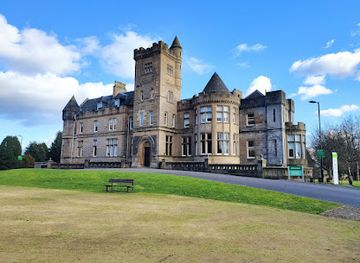
A handpicked selection of must-see spots near Ramshorn Graveyard, mapped for you.
Unlock the Best of Ramshorn Graveyard
Buy tickets
-
No tickets available
Book tours with entry


Getting There
-
Public Transport
Take Glasgow Subway to Buchanan Street station, then walk approximately 10 minutes through the Merchant City to reach Ramshorn Graveyard. Subway tickets cost around £1.50–£2.50 depending on ticket type, with frequent service every 5–10 minutes.
-
Bus
Multiple Glasgow City buses serve Ingram Street with stops within 200 meters of the graveyard. Bus journeys from central locations typically take 10–20 minutes, costing about £1.80–£2.20 per trip. Service frequency varies but is generally every 10–15 minutes during the day.
-
Walking
From Glasgow Central Station, a 15-minute walk through the city centre on mostly flat, paved streets leads to Ramshorn Graveyard. The route is accessible for wheelchair users and suitable for all fitness levels.
For the on-the-go comforts that matter to you
-
 Seating Areas
-
 Information Boards
-
 Trash Bins
Discover more about Ramshorn Graveyard
A Prestigious Resting Place in Glasgow’s Merchant City
Ramshorn Graveyard was established in 1719 and served as the principal burial ground for Glasgow’s wealthy merchant class until 1915. It predates the more famous Necropolis by over a century, marking it as one of the city’s oldest cemeteries. Situated in the Merchant City district, the graveyard reflects Glasgow’s rise as a commercial powerhouse during the 18th and 19th centuries. Many of the city’s Tobacco Lords, who amassed fortunes through the tobacco trade, are interred here, including John Glassford and Andrew Buchanan, key figures in Glasgow’s mercantile history.The Ramshorn Kirk: A Gothic Revival Landmark
Adjacent to the graveyard stands the Ramshorn Kirk, originally known as St David’s Parish Church, constructed between 1824 and 1826. Designed by Thomas Rickman, a pioneer of the Gothic Revival architectural style, the kirk features pointed arches, ribbed vaulting, and a prominent tower that dominates the surrounding skyline. This building replaced an earlier church dating to 1720 and has since been repurposed as a cultural venue while preserving its architectural heritage.Notable Figures and Cultural Legacy
Beyond the Tobacco Lords, the graveyard is the final resting place for influential cultural figures such as Robert and Andrew Foulis, renowned booksellers, printers, and publishers of the Scottish Enlightenment era. Their legacy includes founding Glasgow’s first Academy of Fine Arts, which played a significant role in the city’s artistic development. The graveyard’s inscriptions and monuments narrate stories of Glasgow’s intellectual and commercial ascendancy.A Green Oasis Amid Urban Renewal
Today, Ramshorn Graveyard offers a tranquil green space in Glasgow’s busy city centre. Though many headstones were relocated to the perimeter during 20th-century urban development, the site retains its historic atmosphere. It serves as a quiet reminder of Glasgow’s past, surrounded by modern buildings yet preserving the memory of its influential citizens. The graveyard is also a focus for community engagement, with free guided tours that explore its rich history and notable burials.Architectural and Historical Significance
The graveyard and kirk together represent an important chapter in Glasgow’s architectural and social history. The kirk’s Gothic Revival design exemplifies early 19th-century ecclesiastical architecture, while the graveyard’s monuments provide insight into burial customs and social stratification of the time. The site’s layered history—from its 18th-century origins to its 20th-century transformation—offers visitors a deep connection to Glasgow’s evolving identity.Preservation and Contemporary Use
Managed with care to balance heritage and urban needs, Ramshorn Graveyard remains a protected historic site. It is accessible to the public for quiet reflection and historical exploration. The adjacent kirk, now a theatre and cultural venue, continues to contribute to Glasgow’s vibrant arts scene, linking the past with present-day community life.












Your all‑in‑one travel companion app
Explore expert travel guides, compare and book tours, experiences, hotels, and more—all from the palm of your hand. Download now for seamless trip planning wherever your wanderlust takes you.


Explore More of Stirling
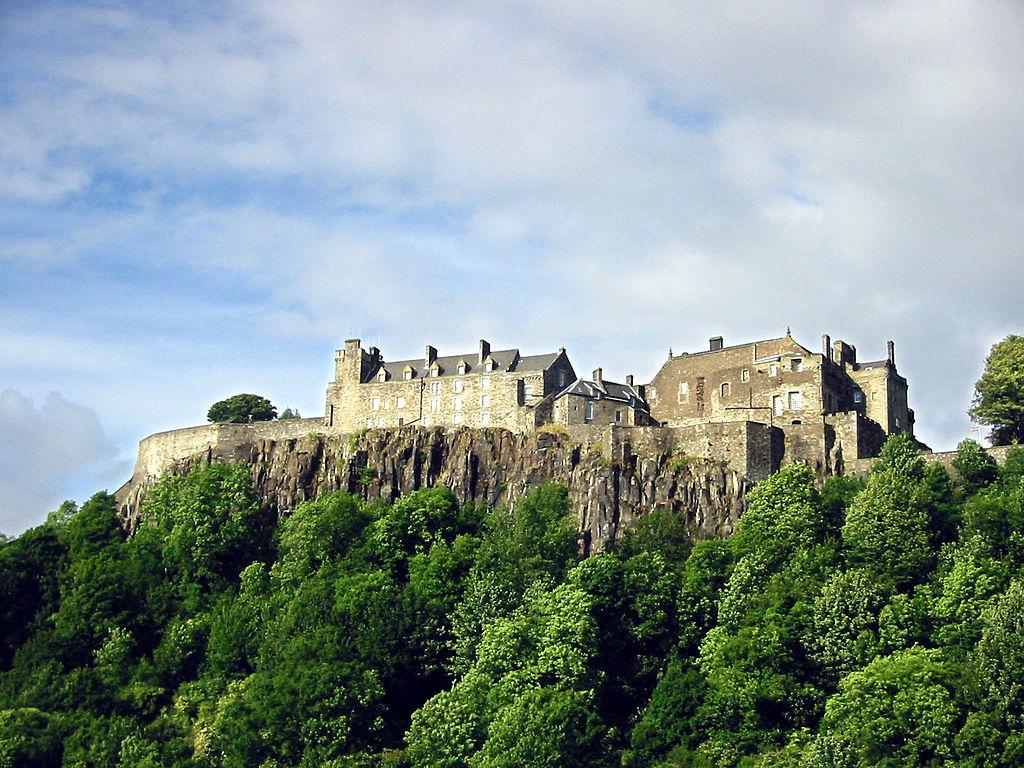
Looking beyond Ramshorn Graveyard? Discover Stirling for broader travel guides, local hot-spots, and regional highlights.
Explore Stirling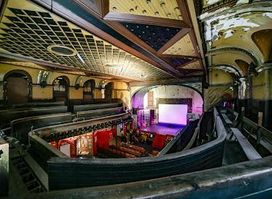
Step into Glasgow’s Britannia Panopticon, the world’s oldest surviving music hall, where Victorian variety meets early cinema in a vibrant historic venue.

Historic resting place of Glasgow’s merchant elite, blending Gothic architecture and tranquil urban heritage in the heart of Merchant City.
