

Bridge of Sighs, Glasgow
A quiet stone bridge in Glasgow’s Cathedral Square, linking the medieval cathedral to the Victorian Necropolis and echoing centuries of farewells.
Spanning the old Molendinar Ravine in Glasgow’s Cathedral Square, the Bridge of Sighs is a poignant 19th-century footbridge linking Glasgow Cathedral to the Necropolis, the city’s grand Victorian cemetery. Built in the 1830s by James Hamilton, it earned its evocative name from the funereal processions that once crossed it, echoing Venice’s famous bridge. Today it stands as a quiet, atmospheric gateway between the realms of the living and the dead, framed by the cathedral’s Gothic spires and the wooded Necropolis hill.
A brief summary to Bridge of Sighs
- Cathedral Square, Glasgow, G4 0UZ, GB
- Visit website
- Duration: 0.5 to 2 hours
- Free
-
 Outdoor
- Mobile reception: 5 out of 5
Local tips
- Visit early in the morning or late afternoon to avoid crowds and enjoy the bridge and Necropolis in soft, atmospheric light.
- Combine your visit with Glasgow Cathedral and the Necropolis for a full historical walk through the city’s spiritual and funerary heritage.
- Look for the red sandstone pavilion and inscription near the bridge entrance; it explains the bridge’s purpose and symbolic meaning.

For the on-the-go comforts that matter to you
- Restrooms
- Drink Options
- Drinking Water
- Food Options
- Seating Areas
- Information Boards
Getting There
-
On foot from Glasgow Cathedral
From the main entrance of Glasgow Cathedral in Cathedral Square, follow the road that leads slightly downhill towards the Necropolis. The Bridge of Sighs is clearly visible a few minutes’ walk away, just before the main gates of the Necropolis. The route is paved and suitable for most visitors.
-
Public transport to Glasgow city centre
Take a train to Glasgow Central or Glasgow Queen Street station, or a bus to Buchanan Street or George Square. From there, walk about 10–15 minutes through the city centre to Cathedral Square. The walk is straightforward on paved streets and leads directly to the bridge and Necropolis entrance.
Bridge of Sighs location weather suitability
-
 Any Weather
-
 Clear Skies
-
 Mild Temperatures
Discover more about Bridge of Sighs
A Bridge Between Worlds
Standing in Glasgow’s Cathedral Square, the Bridge of Sighs forms a slender, elegant span that once crossed the Molendinar Burn, a now-culverted stream that once carved a ravine between the city and the Necropolis hill. Constructed in the 1830s, this modest stone bridge was designed to carry mourners from Glasgow Cathedral to the newly established Necropolis, Glasgow’s first large-scale garden cemetery. Its name, borrowed from Venice’s Bridge of Sighs, speaks not of romance but of sorrow: it commemorates the countless funeral processions that once passed over it, marking the final journey from the cathedral’s hallowed ground to the city of the dead.Gateway to the Necropolis
The bridge serves as the ceremonial entrance to the Glasgow Necropolis, a 37‑acre Victorian cemetery laid out in the Classical Revival style on a rocky hill behind the cathedral. The Merchants’ House of Glasgow created the Necropolis in the 1830s, inspired by Paris’s Père Lachaise, as a dignified resting place for the city’s growing population. A red sandstone pavilion near the bridge bears an inscription explaining that the bridge was built to unite the tombs of past generations with those destined for future ones, until the resurrection. From here, paths climb through a forest of ornate tombs, mausoleums, and monuments, including the towering statue of John Knox at the summit.Architecture and Atmosphere
Though modest in scale, the Bridge of Sighs is rich in character. Its simple stone arches and iron railings reflect early 19th‑century civic engineering, while its setting gives it a powerful emotional weight. The bridge is flanked by ornate gates and approached from Cathedral Square along a road that descends slightly into the old ravine. Today, with the burn buried beneath Wishart Street, the bridge feels more like a symbolic threshold than a practical crossing, connecting the medieval grandeur of Glasgow Cathedral with the romantic, overgrown melancholy of the Necropolis. The contrast between the cathedral’s soaring Gothic forms and the cemetery’s classical monuments creates a layered, contemplative atmosphere.History and Legacy
The bridge’s construction was part of a broader transformation of Glasgow in the early Victorian era. As the city expanded and its population grew, traditional churchyards became overcrowded, prompting the creation of new cemeteries like the Necropolis. The Bridge of Sighs became a focal point of this change, physically and symbolically linking the living city with its dead. Over the decades, it witnessed thousands of burials, including those of Glasgow’s industrial magnates, civic leaders, and a small Jewish section established when Jewish people could not be buried in Christian grounds. Though no longer used for funerals, the bridge remains a powerful reminder of how the Victorians confronted death with grandeur and sentiment.Visiting the Bridge Today
Today, the Bridge of Sighs is easily accessible from Cathedral Square, just a short walk from Glasgow Cathedral. Visitors can cross the bridge on foot and continue into the Necropolis, where winding paths offer panoramic views over the city and a chance to explore a remarkable collection of funerary art and architecture. The site is free to enter and open year‑round, making it ideal for a quiet stroll, photography, or historical reflection. Interpretive plaques and occasional guided walks help contextualize the bridge’s role in Glasgow’s story, while the surrounding area – including the cathedral, Provand’s Lordship, and St Mungo’s Museum – makes this one of the city’s most historically rich precincts.Iconic landmarks you can’t miss

Bridge of Sighs
0.0 km
A quiet stone bridge in Glasgow’s Cathedral Square, linking the medieval cathedral to the Victorian Necropolis and echoing centuries of farewells.
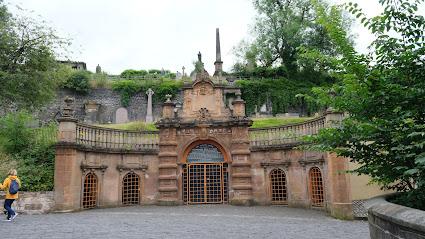
Glasgow City Heritage Trust
0.8 km
Explore Glasgow's rich history with the Glasgow City Heritage Trust, a non-profit dedicated to preserving the city's architectural and cultural heritage.
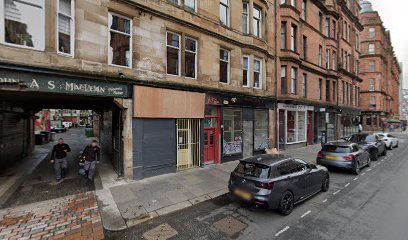
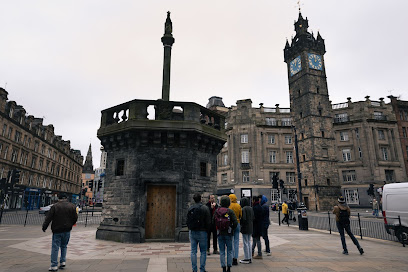
Tolbooth Steeple
0.9 km
Glasgow’s iconic 17th-century Tolbooth Steeple stands tall as a historic clock tower and enduring symbol of the city’s rich civic past.
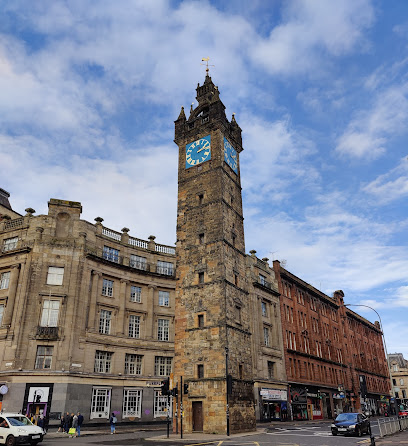
Buffalo Bill Statue
0.9 km
Where the American frontier met Victorian Glasgow in an unforgettable winter spectacle.
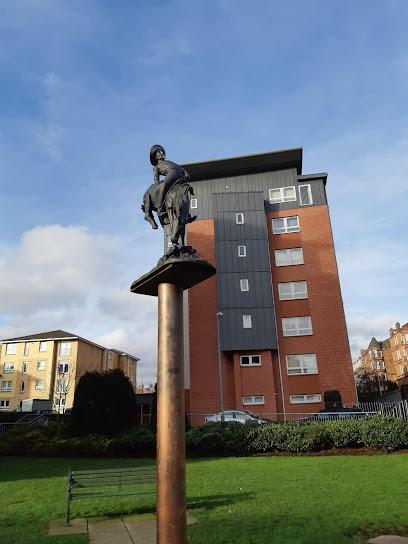
Historic Walking Tours of Glasgow
1.0 km
Explore Glasgow's rich history with guided walking tours that reveal the city's hidden gems and captivating stories.
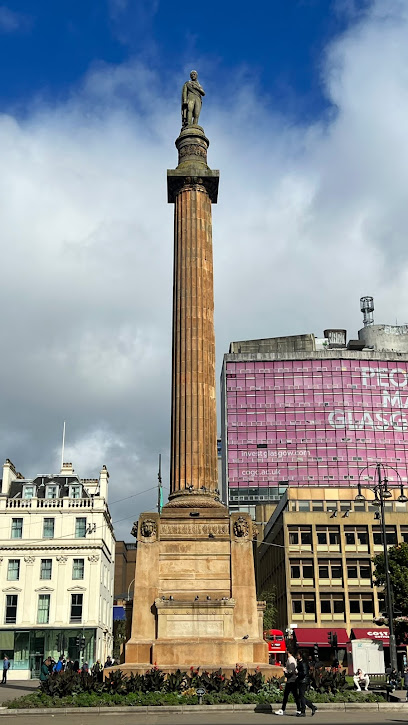
Walter Scott Monument
1.0 km
A towering Gothic tribute to Sir Walter Scott in Glasgow’s historic George Square, celebrating Scotland’s literary heritage.
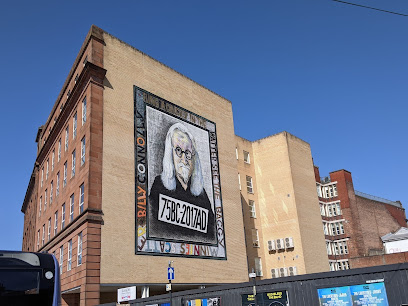
Mural Trail #.09 Billy Connolly
1.1 km
Explore the vibrant Mural Trail #.09 in Glasgow, celebrating Billy Connolly's legacy through stunning public art. A cultural gem awaits your discovery.
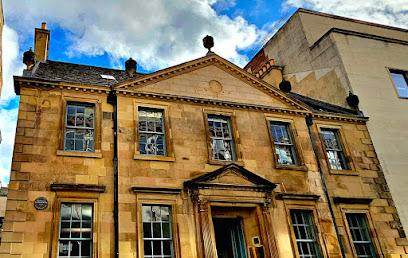
Tobacco Merchant's House
1.1 km
Explore the Tobacco Merchant's House, a historic site in Glasgow that reveals the fascinating story of the tobacco trade and its impact on the city's heritage.
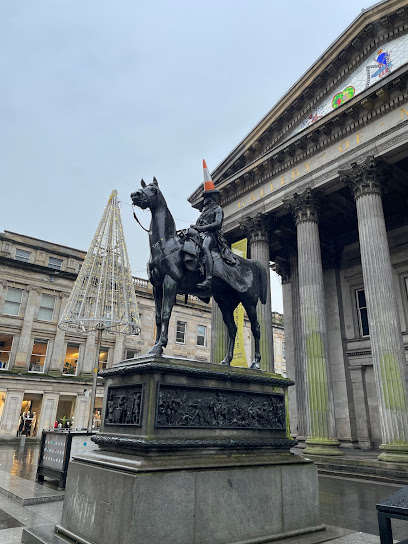
Equestrian statue of the Duke of Wellington, Glasgow
1.2 km
Discover the Equestrian Statue of the Duke of Wellington in Glasgow, a quirky landmark that merges history with local humor.
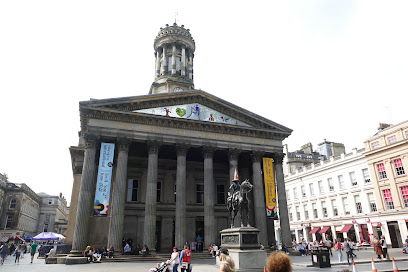
Royal Exchange Square
1.2 km
Discover the lively Royal Exchange Square in Glasgow, a cultural landmark renowned for its stunning architecture, art exhibitions, and vibrant atmosphere.
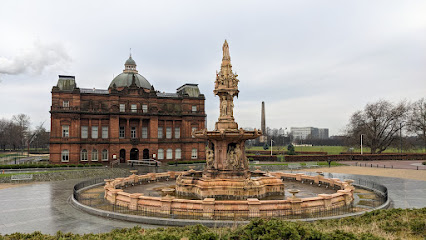
People's Palace
1.2 km
Explore Glasgow's social history at the People's Palace, where captivating exhibits and stunning architecture tell the story of the city's vibrant past.
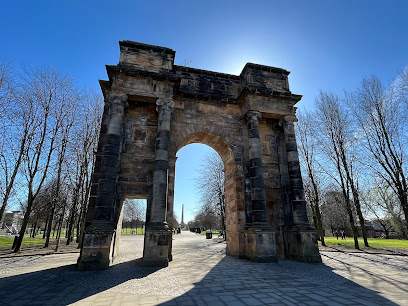
McLennan Arch
1.2 km
A neoclassical sandstone archway marking Glasgow Green’s historic entrance, embodying the city’s rich cultural and architectural heritage.
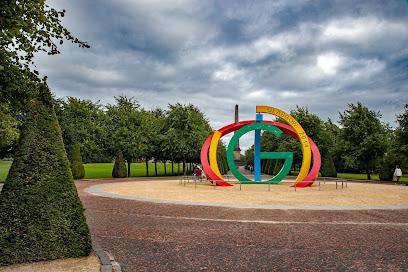
Glasgow 2014 Monument
1.2 km
A bold, colourful sculpture celebrating Glasgow’s 2014 Commonwealth Games, where sport, art and civic pride come together in a striking riverside landmark.
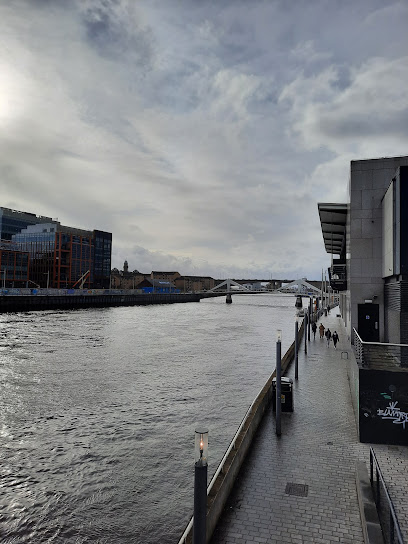
Bronze 3D Map of City Centre
1.3 km
Explore Glasgow's heart through the captivating Bronze 3D Map of City Centre, a stunning sculpture and guide to the city's rich heritage.
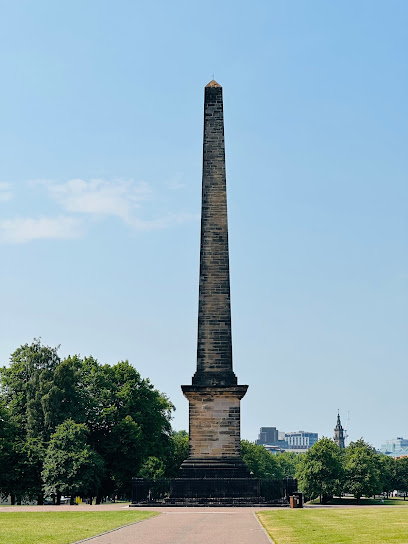
Nelson's Monument, Glasgow
1.3 km
A towering 44-meter obelisk on Glasgow Green honoring Admiral Nelson’s naval victories and Glasgow’s pioneering civic spirit.
Unmissable attractions to see

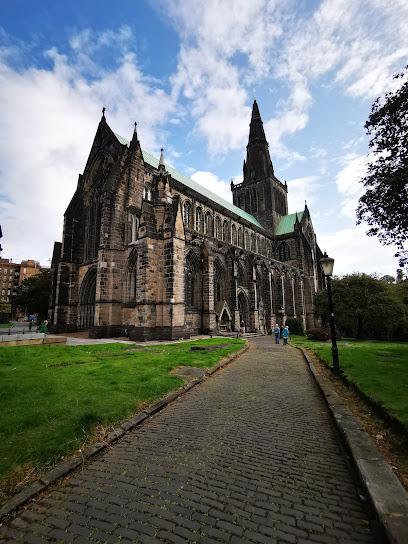
Glasgow Cathedral
0.1 km
Discover Glasgow Cathedral, a breathtaking medieval Gothic treasure and spiritual heart of Scotland’s largest city, open daily with free entry and rich history.
The Glasgow Necropolis
0.2 km
Explore the haunting beauty of the Glasgow Necropolis, a historical cemetery with stunning architecture and breathtaking city views.

St. Mungo Museum Of Religious Life & Art
0.2 km
Explore world religions and spiritual art in Glasgow’s historic museum featuring Britain’s first Zen garden and free entry.
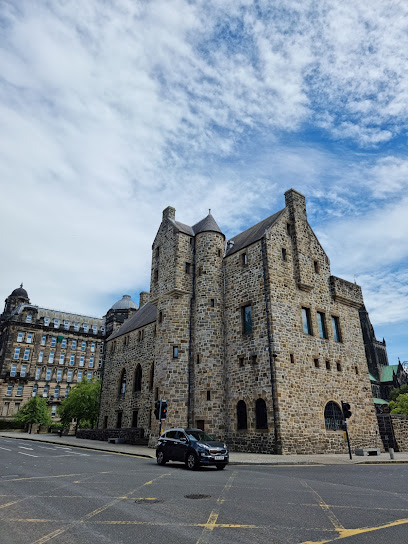
Friends of Glasgow Royal Infirmary Museum
0.2 km
Discover Glasgow’s medical heritage through pioneering innovations and inspiring stories at this unique hospital museum.
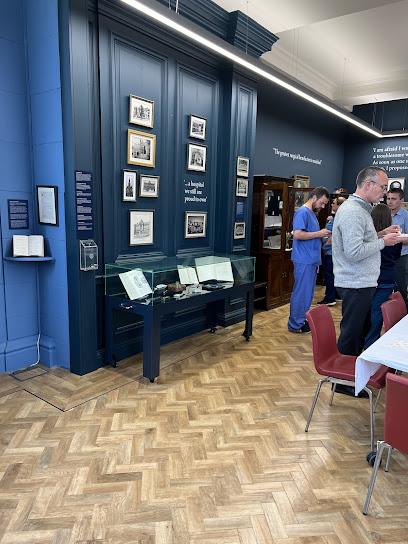
Provand's Lordship
0.2 km
Step back to 1471 in Glasgow’s oldest house, a medieval gem showcasing centuries of history with period furnishings, royal portraits, and a tranquil herb garden.
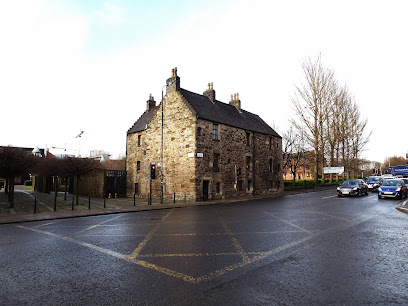
Drygate Brewing Co.
0.2 km
Glasgow’s pioneering experiential brewery with craft beers, fearless food, panoramic brewhouse views, and a lively, family-friendly atmosphere.
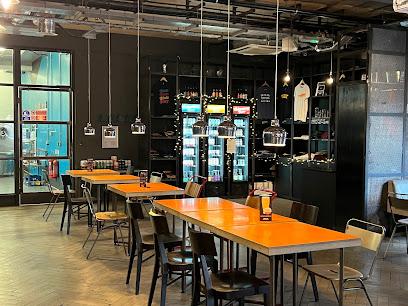
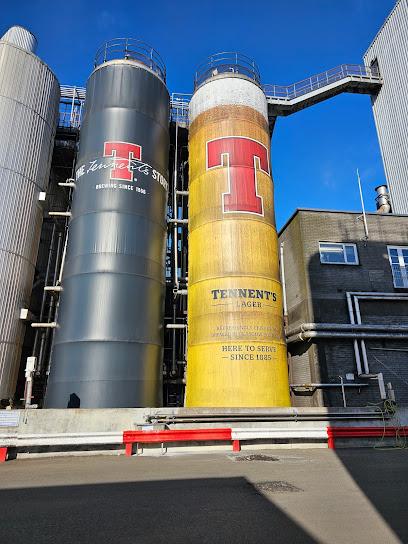
Wellpark Brewery
0.4 km
Discover Glasgow’s oldest brewery where centuries of tradition meet the birthplace of Scotland’s iconic Tennent’s Lager.
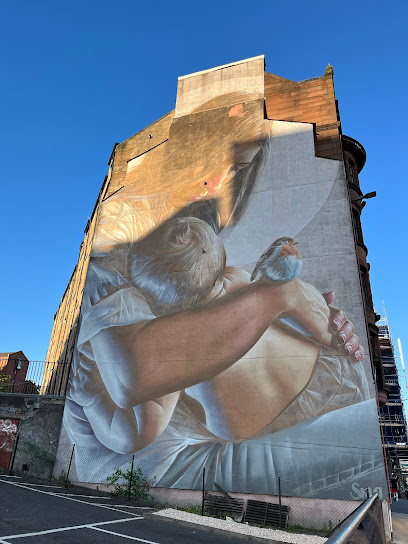
Mural of Woman, child and robin (St. Mungo and mother)
0.4 km
A heartfelt modern mural celebrating Glasgow’s patron saint, his mother, and the legendary robin that symbolizes the city’s spirit.
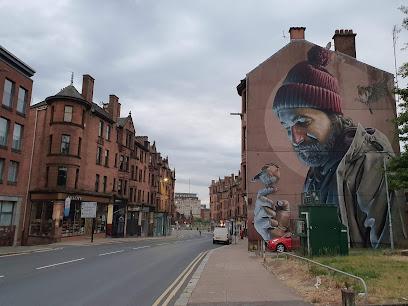
High St
0.6 km
Historic High Street in Glasgow links the city’s rich past with vibrant shopping streets and cultural landmarks.
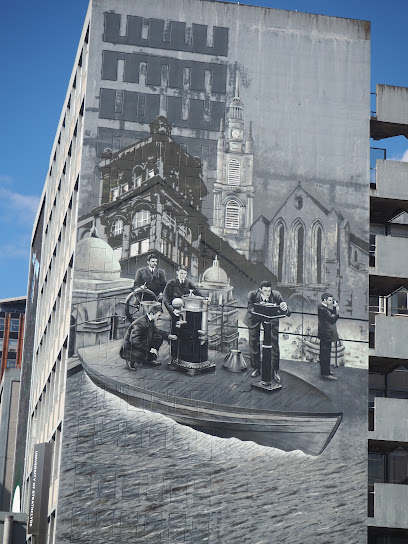
Strath Wonderwall Mural - Land Ship
0.6 km
A vibrant mural celebrating Glasgow’s maritime heritage and the University of Strathclyde’s academic achievements through stunning street art.
Ramshorn Graveyard
0.7 km
Historic 18th-century Glasgow graveyard and Gothic Revival kirk, resting place of Tobacco Lords and cultural pioneers in the Merchant City.
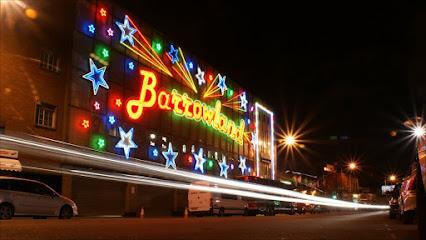
Barrowland Ballroom
0.8 km
Glasgow’s legendary live music venue with iconic neon sign, superb acoustics, and a storied history as a dance hall turned concert landmark.
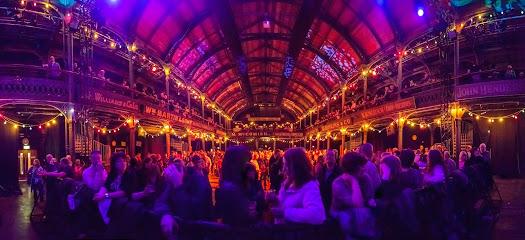
City Halls & Old Fruitmarket
0.8 km
Historic Glasgow music venues blending Victorian grandeur with vibrant live performances in the heart of Merchant City.
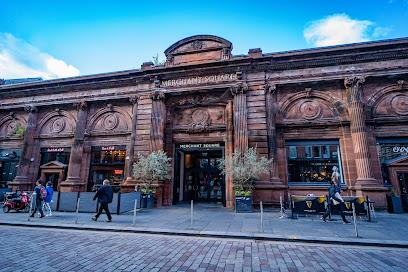
Merchant Square
0.8 km
Experience Glasgow’s Merchant City charm with vibrant dining, lively events, and a historic courtyard at Merchant Square.
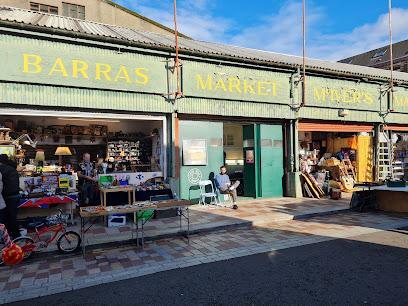
Barras Market
0.8 km
Explore Glasgow’s historic Barras Market, a lively weekend bazaar famed for antiques, street food, and authentic local culture every Saturday and Sunday.
Essential places to dine

Celentano's
0.1 km
Michelin-awarded Italian cuisine celebrating Scottish ingredients in a historic city-centre setting.
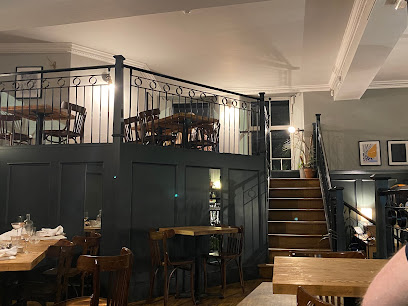
The Italian Kitchen
0.7 km
Authentic Italian flavors and warm hospitality in the heart of Glasgow’s Merchant City.
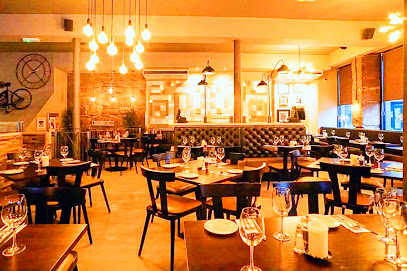
Santa Lucia Merchant City Glasgow
0.7 km
Authentic Italian dining with fresh flavors, lively ambiance, and live music in the heart of Glasgow’s Merchant City.
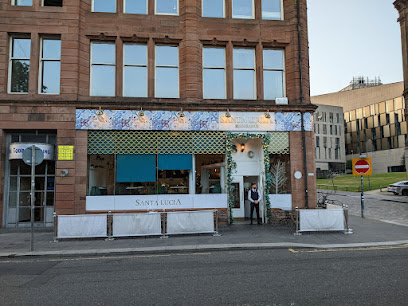
Cafe Gandolfi
0.8 km
A historic Glasgow bistro blending Scottish culinary tradition with artisanal craftsmanship and warm, convivial atmosphere.
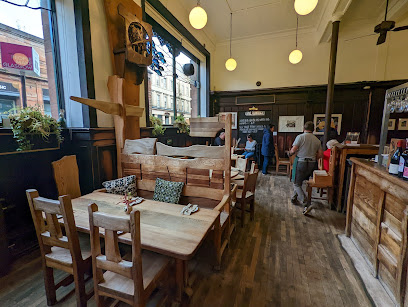
Bar Soba Merchant City
0.8 km
Experience Glasgow's Asian fusion at Bar Soba Merchant City - where unique cocktails meet vibrant flavors in an unforgettable atmosphere.
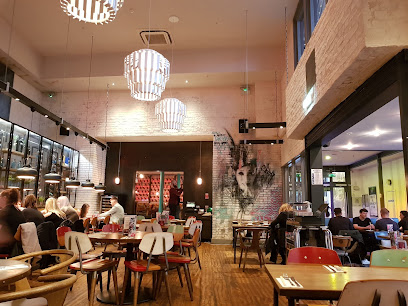
Bilsons Cafe Bistro
0.8 km
Experience innovative Scottish brunch and unique wine pairings in a charming Glasgow bistro known for fresh, seasonal dishes and warm hospitality.
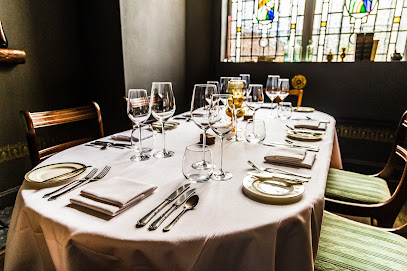
Table Twenty Eight
0.8 km
Chic restaurant and cocktail bar in Glasgow’s Merchant Square, renowned for gourmet dishes, vibrant atmosphere, and expertly crafted drinks.
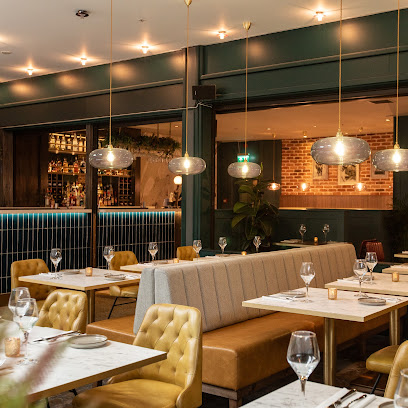
Turkiye EFES Restaurant
0.8 km
Authentic Turkish cuisine and grilled meats served with warmth and tradition in Glasgow’s vibrant Merchant City.
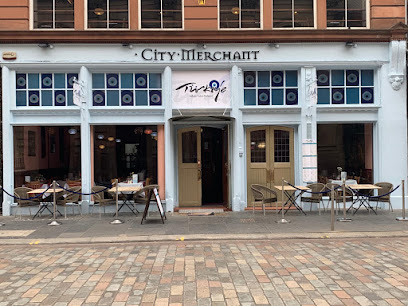
Metropolitan Bar and Restaurant
0.8 km
Experience Glasgow's vibrant culinary scene at Metropolitan Bar & Restaurant – where gourmet pub fare meets expertly crafted cocktails.
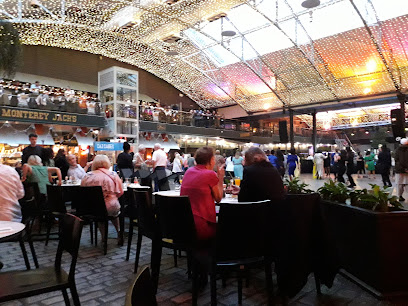
Saint Luke's & The Winged Ox
0.8 km
Discover the fusion of delicious grill cuisine and live music at Saint Luke's & The Winged Ox in Glasgow – where every meal is an experience.
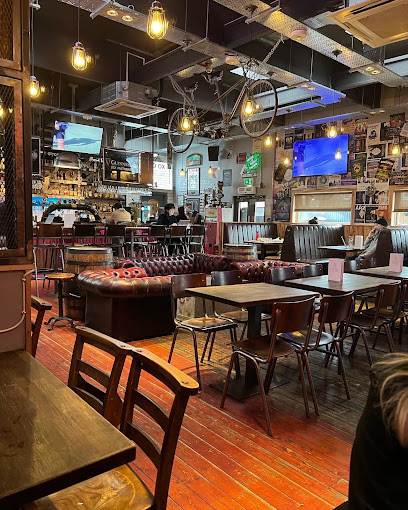
Mharsanta - Scottish Restaurant & Bar
0.9 km
Experience authentic Scottish cuisine and warm hospitality in the heart of Glasgow’s historic Merchant City.
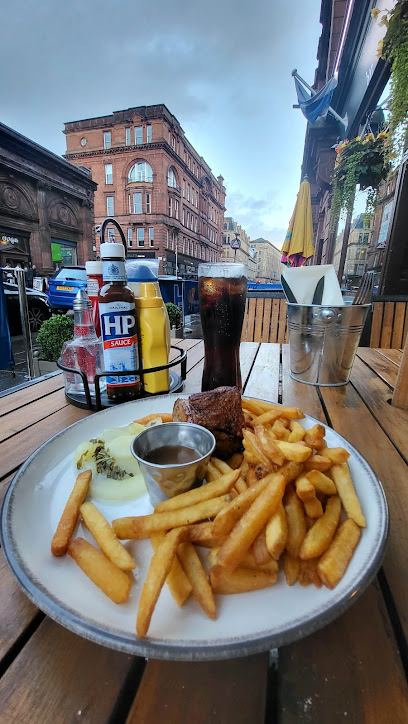
The Dhabba
0.9 km
Experience authentic Northern Indian cuisine in Glasgow with vibrant flavors, a nut-free menu, and a welcoming atmosphere at The Dhabba.
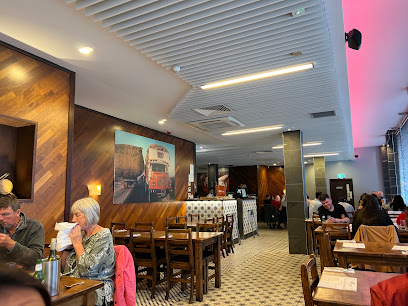
Saints of Ingram
0.9 km
Historic Hutchesons’ Hall hosts Saints of Ingram, a stylish Glasgow venue blending classic brunch, cocktails, and live weekend entertainment.
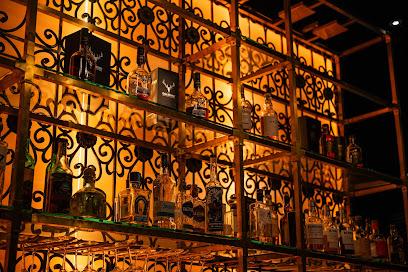
Boteco Do Brasil
0.9 km
Discover the vibrant flavors of Brazil at Boteco Do Brasil in Glasgow – where delicious cuisine meets lively nightlife.
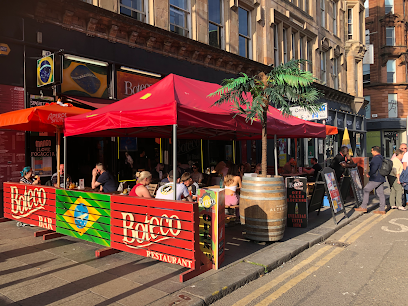
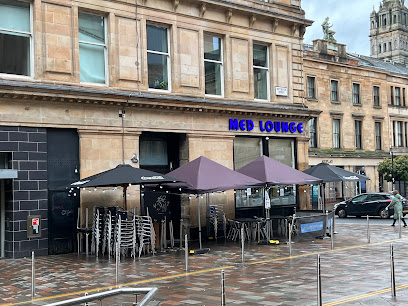
Mediterraneo Italian Restaurant & Champagne Bar
1.0 km
Experience authentic Mediterranean flavors and elegant champagne moments in the heart of Glasgow’s vibrant city centre.
Markets, malls and hidden boutiques

Frida and Coco
0.4 km
Discover unique vintage treasures and creative flair at Frida and Coco, Glasgow’s beloved boutique for timeless style and costume fashion.
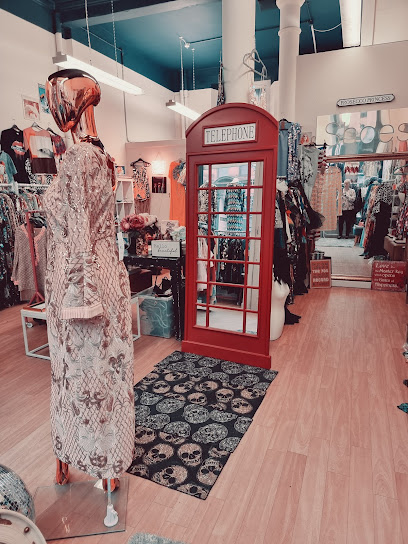
Never miss a gift
0.8 km
Explore Never Miss a Gift in Glasgow for unique candles and health products that capture the essence of thoughtful gifting.

Modern Love Store
0.9 km
Pastel-hued trove of global homewares, kitsch glassware, and joyful gifts in Glasgow's east end—unique finds with character await.
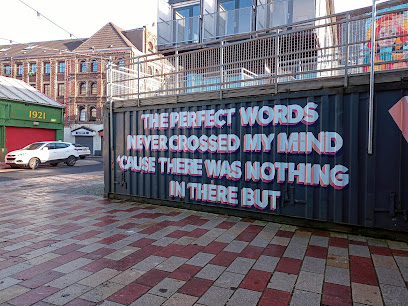
Minted
1.1 km
Discover rare vintage streetwear and sustainable style at Minted, Glasgow’s curated hub for iconic 90s and sportswear fashion.
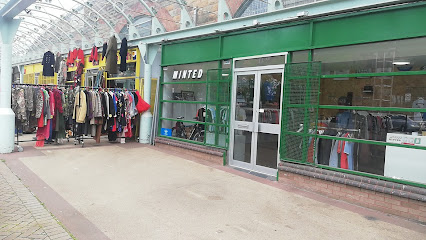
Social Recluse
1.1 km
Discover unique gifts and stylish apparel at Social Recluse, Glasgow’s boutique for creative and quality designs in the city center.
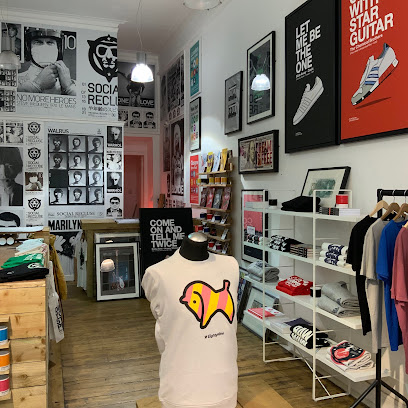
Mr Ben Retro Clothing
1.1 km
A snug, long‑established vintage boutique in Kings Court with handpicked garments, textured displays and friendly, specialist service.
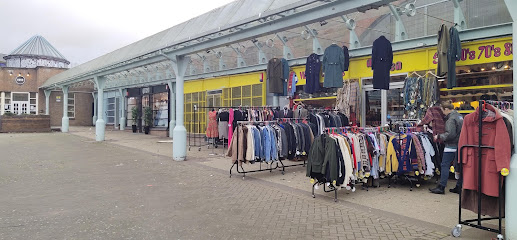
The Glasgow Souvenir Outlet
1.1 km
Authentic Scottish treasures in Glasgow's vibrant core: tartans, whisky keepsakes, and artisan crafts for every traveler's suitcase.
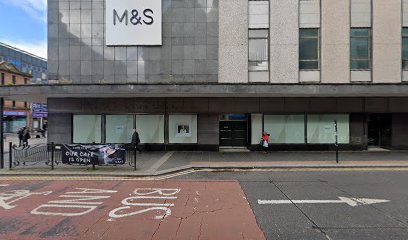
Flying Tiger Copenhagen
1.1 km
Discover colorful, affordable Scandinavian fun and creative essentials at Flying Tiger Copenhagen in Glasgow’s Buchanan Galleries.
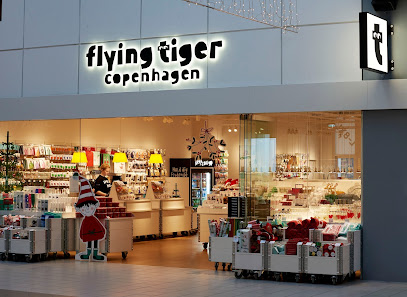
Ilahui&Ximi Vogue Life Uk
1.1 km
Discover bold, stylish gifts and fashion-forward lifestyle treasures in the heart of Glasgow’s Buchanan Galleries.
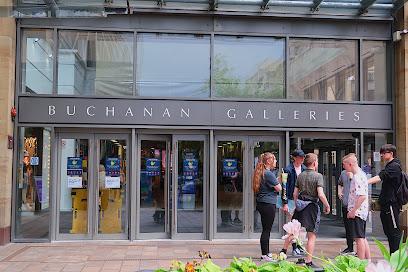
Pride of Glasgow
1.2 km
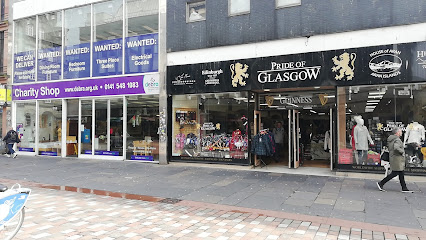
Discover tartan treasures and whisky wonders at this spirited Argyle Street shop, where Scottish pride meets Glasgow's cheeky charm in every authentic souvenir.
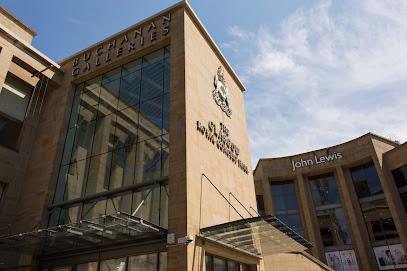
Buchanan Galleries
1.2 km
Glasgow's premier shopping destination with over 80 brands, dining, and entertainment in the city centre.
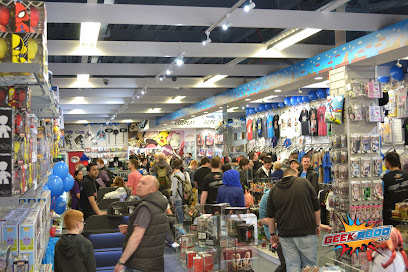
Geek-aboo
1.2 km
Dive into Glasgow's ultimate geek haven: official merch, epic collectibles, and gaming events from your favorite franchises await at Geek-aboo.
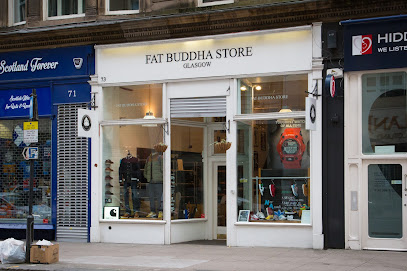
Fat Buddha Store
1.2 km
Glasgow's ultimate streetwear haven: premium menswear, spray paints, vinyl toys, and urban essentials across three vibrant floors since 2006.
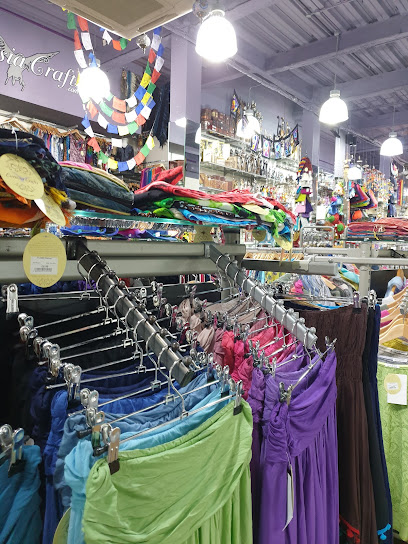
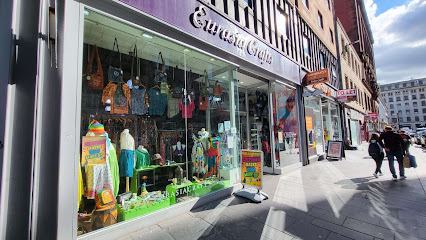
Eurasia Crafts
1.2 km
Discover handcrafted wonders from Eurasia in a cozy Glasgow gem—unique gifts, artisan stories, and cultural treasures await on elegant Queen Street.
Osiris - Alternative Fashion Store
1.2 km
A compact, characterful alternative-fashion and curios shop on Queen Street specialising in goth, emo and eclectic accessories.
Essential bars & hidden hideouts

Strathduie Bar
0.7 km
Traditional Glasgow pub revived in Merchant City: darts, live music, draught beers, and cozy rooms for authentic Scottish hospitality.
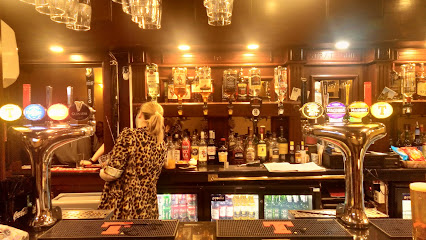
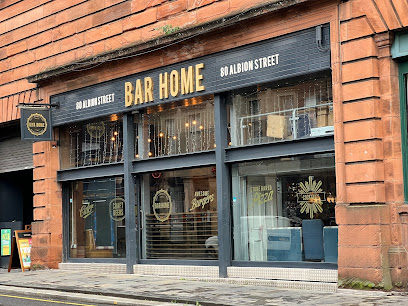
Home
0.8 km
Glasgow's go-to pub for live sports, craft cocktails, and hearty sharing plates in the vibrant Merchant City – where every visit feels like home turf.
Bar 91
0.8 km
Laid-back Merchant City pub pouring craft brews, global bites, and live tunes opposite City Halls—a Glasgow essential for day-to-night vibes.
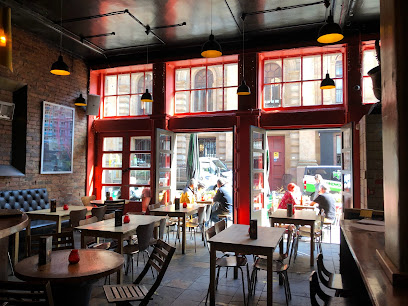
Speakeasy
0.9 km
A vibrant and welcoming gay bar in Glasgow’s Merchant City, blending relaxed pub vibes with lively nightlife and creative cocktails.
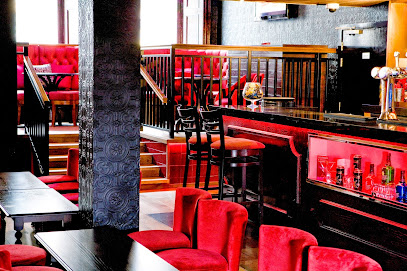
Maggies Rock n Rodeo
0.9 km
Experience Glasgow’s wild side with live music, line dancing, and a mechanical bull at Maggie’s Rock n Rodeo in Merchant City.
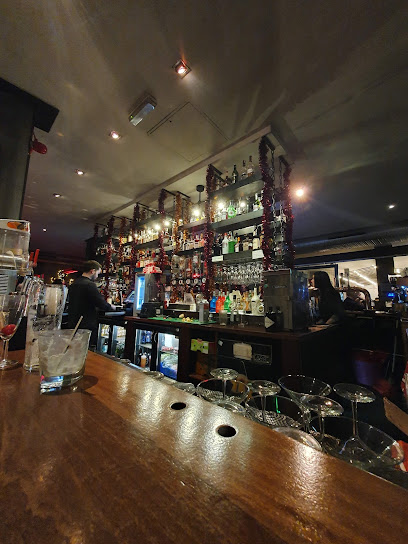
BrewDog Glasgow Merchant City
0.9 km
Craft beer rebellion meets smoky barbecue in Glasgow's historic Merchant City – 25 taps, outdoor patio, and dog-friendly vibes await.
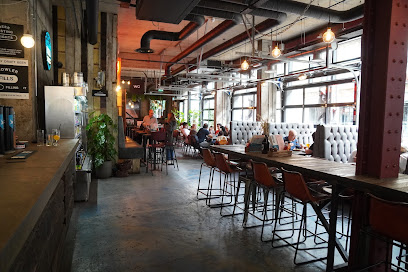
The Alchemist Glasgow
1.0 km
Experience Glasgow’s most theatrical cocktails and innovative dining in the heart of George Square’s mystical setting.
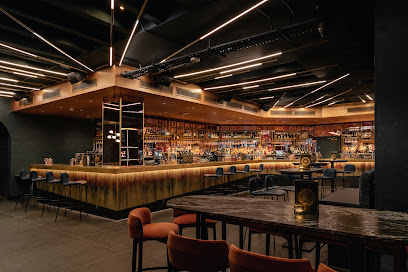
The Piper Whisky Bar
1.0 km
Glasgow's premier whisky haven with 200+ Scotches, live music nightly, and pub grub overlooking George Square – pure Scottish spirit in every sip.
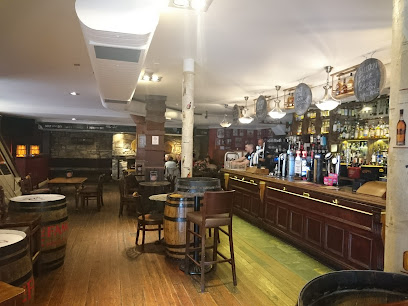
Bacchus Bar
1.0 km
Glasgow's friendliest independent bar in Merchant City, pouring wine-god vibes with live music, quizzes, and unbeatable value since over two decades.
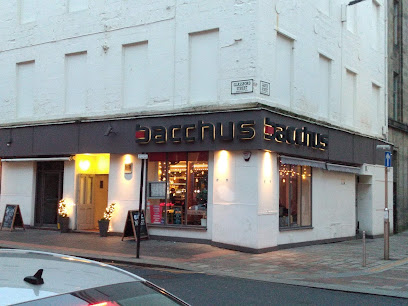
Steps Bar
1.0 km
Discover Glasgow's Art Deco time capsule: Steps Bar's preserved 1930s elegance, walnut gantry, and jukebox vibes await in Merchant City's historic heart.
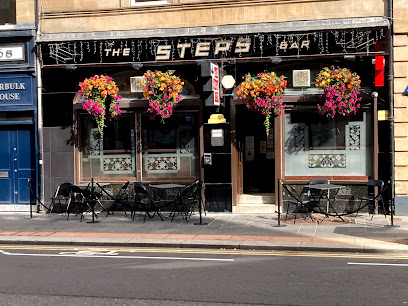
Avant Garde Music Bar & Restaurant
1.0 km
Dive into Glasgow's underground beats at Avant Garde, where live music, modern eats, and vaulted vibes create unforgettable Merchant City nights.
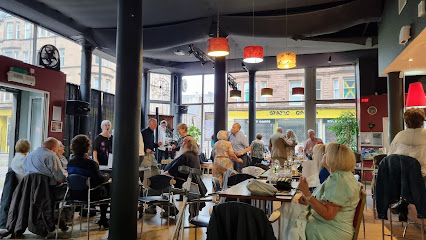
The Spiritualist Glasgow
1.1 km
Moody, theatrical cocktail bar and small-plate restaurant in central Glasgow — inventive drinks, shareable dishes and a lively evening atmosphere.
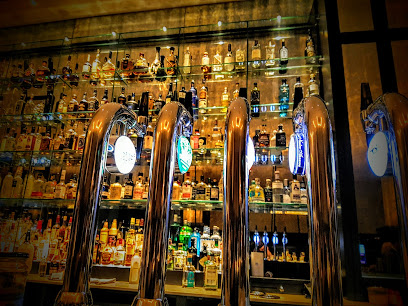
Cairns Bar
1.2 km
Cozy Merchant City pub pouring Belhaven ales, serving pub classics, and screening live sports in Glasgow's lively heart—perfect for pints and pies anytime.
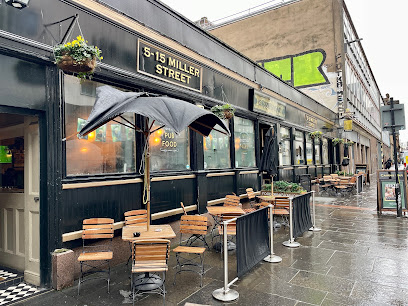
Waxy O'Connor's Glasgow
1.2 km
Explore Glasgow’s largest Irish pub maze with live music, hearty food, and spirited sports in the heart of Merchant City.
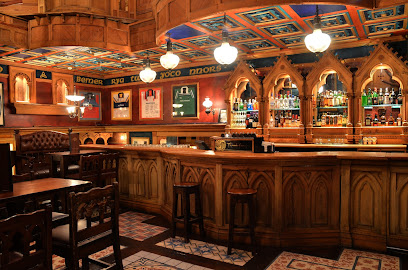
The Social
1.2 km
Cocktail haven in Merchant City with quirky drinks, wood-fired eats, terrace views, and late-night DJ vibes in Royal Exchange Square.
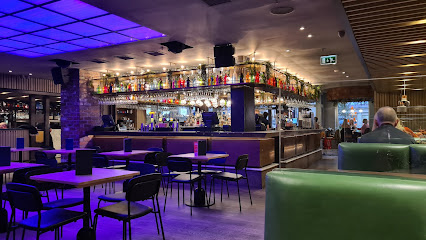
Nightclubs & after hour spots

18 Candleriggs
0.9 km
Glasgow's kitsch cabaret haven where dazzling shows, tasty grill fare, and lively vibes create unforgettable Merchant City nights.
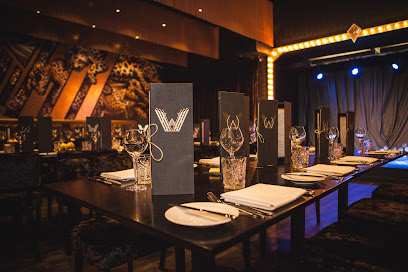
AXM Glasgow
1.0 km
Scotland's biggest LGBTQ+ nightclub: two floors of pop, charts, and dance in Glasgow's heart, with cheap drinks and zero attitude.
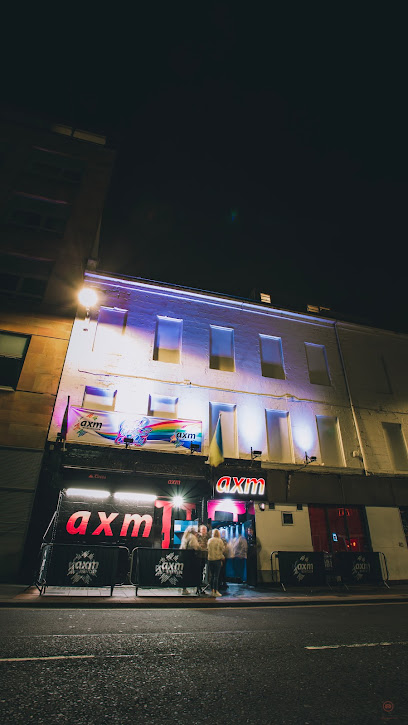
Polo Lounge
1.0 km
Glasgow's grandest gay nightclub: multi-level dance floors, cheap drinks, and non-stop energy until dawn in Merchant City's heart.
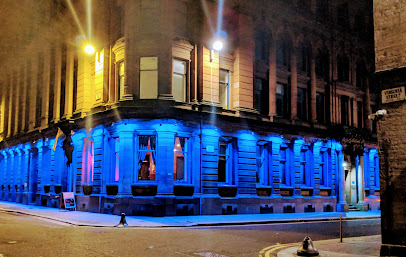
Riding Room
1.1 km
Fancy cabaret club in Glasgow's gay triangle, serving exotic kettle cocktails alongside burlesque, magic, and cheeky shows in a lively, intimate venue.
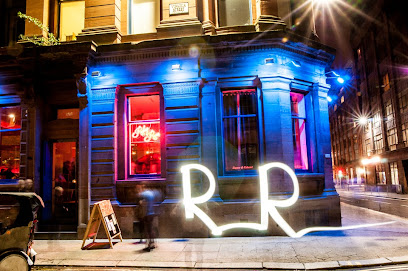
Delmonicas
1.1 km
Scotland's biggest gay club: drag shows, karaoke, DJs, and non-stop inclusive party vibes in Glasgow's Merchant City heart.
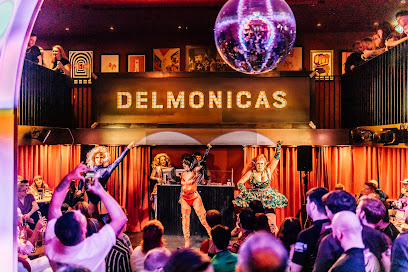
Club X
1.1 km
Glasgow's underground RnB haven: where beats throb, lights flash, and the LGBTQ+ community dances till dawn in Merchant City's beating heart.
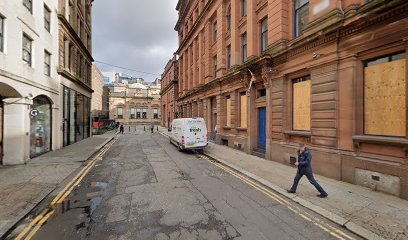
La Cheetah Club
1.2 km
Glasgow’s intimate basement club with a powerful sound system, vibrant underground beats, and a welcoming community spirit.
Popworld Glasgow
1.4 km
Dive into a whirlwind of 80s-00s pop anthems, retro props, and cocktail-fueled dance marathons at Glasgow's ultimate cheesy nightclub escape.
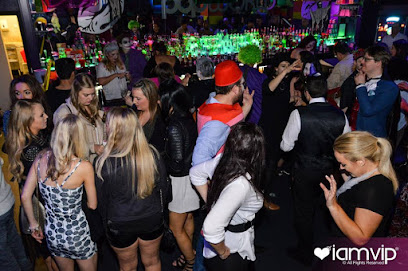
Platinum Lace Glasgow
1.4 km
Glasgow’s premier gentlemen’s club with stunning dancers, VIP luxury, and an electric nightlife atmosphere in the city centre.
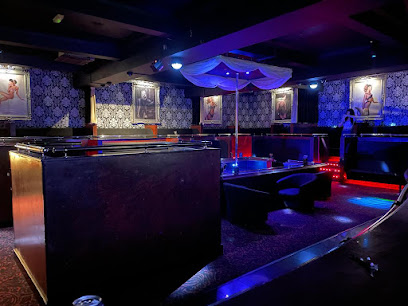
Bamboo
1.4 km
Glasgow’s energetic three-room basement nightclub offering affordable drinks and diverse music for a lively student crowd.
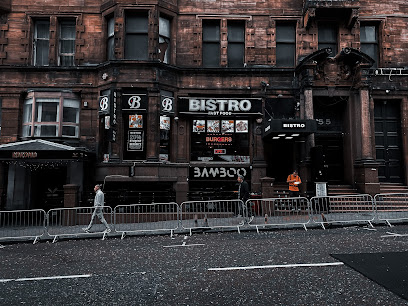
Kokomo Glasgow
1.4 km
Kokomo Glasgow was a late-night nightclub and bar known for its energetic vibe and central city location on West Regent Street.
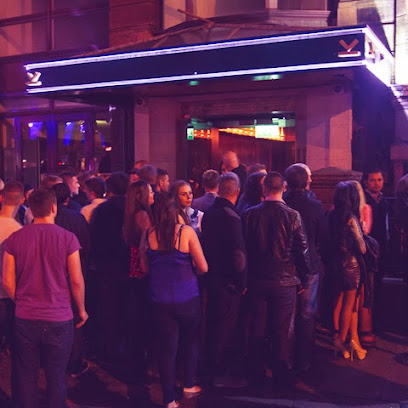
Club Tropicana & Venga
1.5 km
Two-room retro nightclub in central Glasgow with themed ’80s/’90s nights, booth bookings and a high-energy weekend atmosphere.
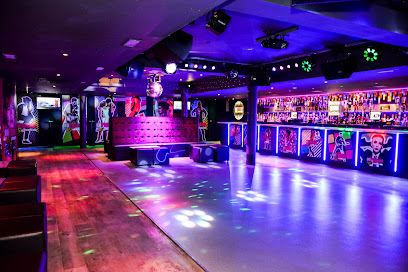
Cathouse Rock Club
1.5 km
Glasgow's unrelenting rock fortress since 1990—metal riffs, live gigs, and alternative fury across three pounding rooms.
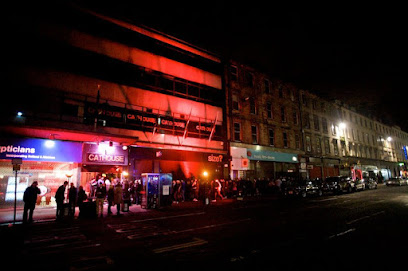
Classic Grand
1.5 km
Glasgow's ultimate electronic music haven in a reborn cinema, where thunderous beats and euphoric crowds collide until dawn.
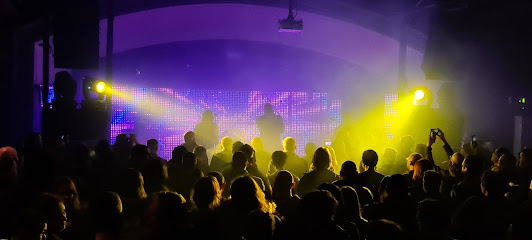
Sub Club
1.5 km
Glasgow’s legendary underground nightclub, Sub Club, pulses with cutting-edge sound and authentic dance culture in an intimate basement setting.
For the vibe & atmosphere seeker
- Tranquil
- Scenic
- Unique
- Relaxing
For the design and aesthetic lover
- Vintage Styles
- Rustic Designs
For the architecture buff
- Historic
- Landmarks
- Parks & Gardens
- Sacred Sites
For the view chaser and sunset hunter
- Iconic Views
- Panoramas
- Sunset Spots
For the social media creator & influencer
- Instagrammable
- Photo Spots
- Aesthetic Corners
For the eco-conscious traveler
- Public-Transport Accessible
- Low Impact
- Protected Area
For the kind of experience you’re after
- Cultural Heritage
- Photowalk
- Mindfulness
- Spiritual / Energy Spot
For how adventurous you want the journey to be
- Easy Access
Location Audience
- Family Friendly
- Senior Friendly
- Child Friendly
- Teen Friendly
- Wheelchair Access
- Solo Friendly
- Couple Friendly
- Solo Female Friendly
- Business Friendly


