

Metropolitan Cathedral of St Andrew, Glasgow
Historic Neo-Gothic cathedral and spiritual heart of Glasgow’s Catholic community since the early 19th century.
The Metropolitan Cathedral of St Andrew is the mother church of the Roman Catholic Archdiocese of Glasgow. Built in the early 19th century in a Neo-Gothic style by James Gillespie Graham, it stands on Clyde Street near the River Clyde. Despite its modest scale and lack of a steeple, it is a richly decorated and historically significant cathedral, reflecting the revival of Catholicism in Glasgow after centuries of suppression. The cathedral underwent extensive restoration in 2010 to enhance its facilities and preserve its heritage.
A brief summary to Metropolitan Cathedral of St Andrew
- 196 Clyde St, Glasgow, G1 4JY, GB
- +441412042409
- Visit website
- Duration: 0.5 to 2 hours
- Free
-
 Indoor
- Mobile reception: 4 out of 5
Local tips
- Visit during weekday mornings for a quieter experience and to appreciate the cathedral’s serene atmosphere.
- Attend a Mass service to experience the cathedral’s active role in Glasgow’s Catholic community.
- Explore the nearby reflective modern administrative building for an interesting contrast in architectural styles.
- Check the cathedral’s website or contact ahead for any special events or guided tours.

For the on-the-go comforts that matter to you
- Restrooms
- Seating Areas
- Information Boards
Getting There
-
Public Transport
Take local buses serving central Glasgow with frequent stops near Clyde Street; journey times from Glasgow Central Station range from 10 to 20 minutes. Bus fares typically cost around £1.80 to £2.50 per single trip.
-
Train
Arrive at Glasgow Central or Queen Street stations, both about a 15-minute walk from the cathedral. The walk is mostly flat and suitable for most travelers.
-
Car
Parking is available on nearby streets with paid parking zones. Expect charges around £2 to £4 per hour. Traffic can be busy during peak times.
-
Walking
From George Square, a 10 to 15-minute walk along mostly flat, paved streets leads to the cathedral, suitable for most visitors including those with limited mobility.
Metropolitan Cathedral of St Andrew location weather suitability
-
 Any Weather
-
 Rain / Wet Weather
-
 Mild Temperatures
Discover more about Metropolitan Cathedral of St Andrew
Origins and Historical Significance
The Metropolitan Cathedral of St Andrew was constructed beginning in 1814 to serve Glasgow's growing Catholic population, which had been largely suppressed since the Reformation. Designed by James Gillespie Graham in an early Gothic Revival style, the cathedral was completed in 1816 and was the first Catholic church built in Glasgow after centuries of religious persecution. It became the mother church of the newly re-established Archdiocese of Glasgow, symbolizing a renewed Catholic presence in the city. The cathedral’s foundation marked a turning point for Glasgow’s Catholics, many of whom were Irish immigrants and Highlanders drawn by industrial expansion.Architectural Character and Design
Unlike many grand cathedrals, St Andrew's is modest in scale and lacks a traditional steeple or bell tower, reflecting legal restrictions on Catholic church prominence at the time. Its Neo-Gothic design features ornamental stonework and a plain but elegant interior, which was later enhanced with choir stalls and side altars by the firm Pugin & Pugin in the late 19th and early 20th centuries. The cathedral’s restrained exterior contrasts with its richly decorated interior, creating a unique architectural identity that blends reverence with subtlety.Modern Restoration and Community Role
In the early 21st century, the cathedral underwent a major restoration project completed in 2010, which modernized heating, lighting, sound systems, and electrical wiring while preserving its historic fabric. This £4.5 million refurbishment was funded largely by donations and the sale of unused property. Today, St Andrew's Cathedral remains a vibrant center for worship and community events, offering a tranquil sanctuary amid Glasgow’s bustling city center.Setting and Surroundings
Situated on Clyde Street, the cathedral overlooks the River Clyde and is surrounded by a mix of historic and modern buildings, including a reflective modern administrative building that complements the cathedral’s stonework. The juxtaposition of old and new architecture creates a visually engaging environment that highlights the cathedral's enduring presence in Glasgow’s urban landscape.Spiritual and Cultural Importance
As the seat of the Archbishop of Glasgow, the cathedral holds great spiritual significance for local Catholics and visitors alike. It serves as a focal point for major religious celebrations and is dedicated to St Andrew, the patron saint of Scotland. The cathedral’s history and architecture embody the resilience and revival of Catholic faith in Scotland, offering visitors insight into the city’s complex religious heritage.Visitor Experience and Atmosphere
Visitors to St Andrew’s Cathedral can appreciate its peaceful and welcoming interior, characterized by light-filled spaces and intricate detailing. The cathedral offers a quiet retreat for reflection and prayer, as well as an opportunity to explore Glasgow’s rich ecclesiastical history. Its central location makes it accessible for those wishing to combine cultural exploration with spiritual discovery.Iconic landmarks you can’t miss

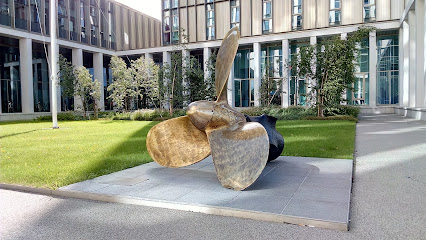
The Glenlee Propellers
0.4 km
Discover the Glenlee Propellers, iconic steel relics symbolizing Glasgow’s proud shipbuilding heritage and maritime history.
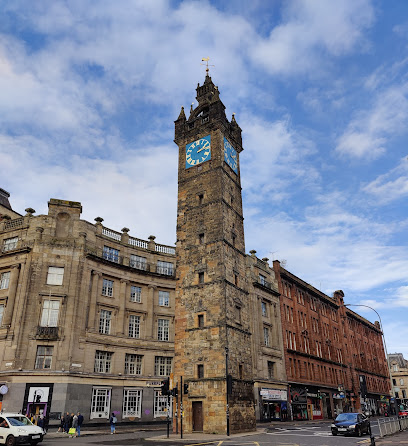
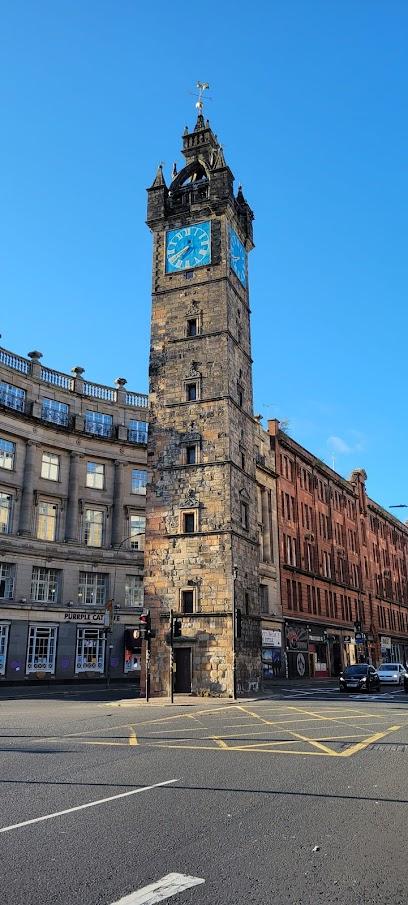
Tolbooth Steeple
0.6 km
Glasgow’s iconic 17th-century Tolbooth Steeple stands tall as a historic clock tower and enduring symbol of the city’s rich civic past.
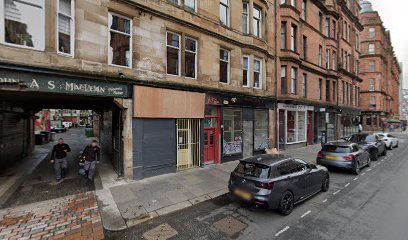
Glasgow City Heritage Trust
0.6 km
Explore Glasgow's rich history with the Glasgow City Heritage Trust, a non-profit dedicated to preserving the city's architectural and cultural heritage.
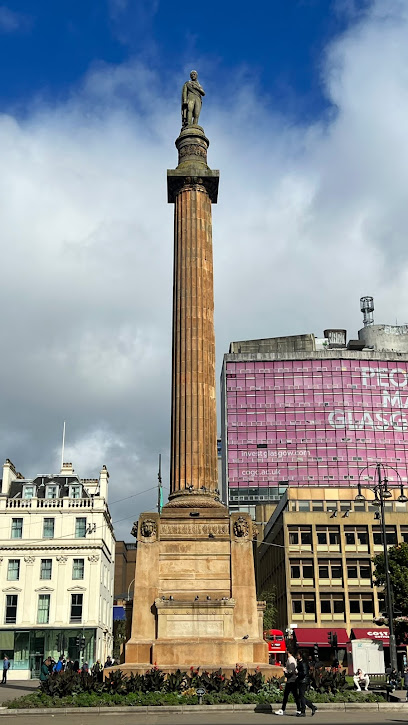
Walter Scott Monument
0.7 km
A towering Gothic tribute to Sir Walter Scott in Glasgow’s historic George Square, celebrating Scotland’s literary heritage.
Glasgow 2014 Monument
0.7 km
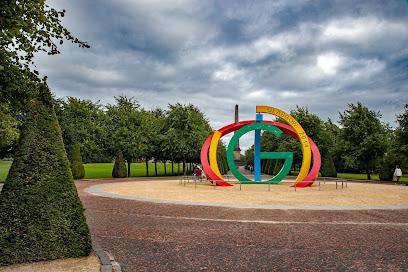
A bold, colourful sculpture celebrating Glasgow’s 2014 Commonwealth Games, where sport, art and civic pride come together in a striking riverside landmark.
Historic Walking Tours of Glasgow
0.7 km
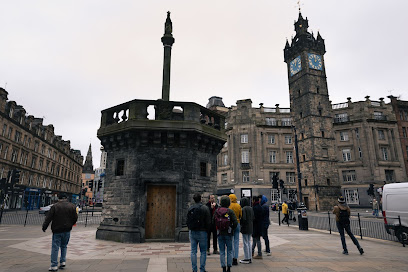
Explore Glasgow's rich history with guided walking tours that reveal the city's hidden gems and captivating stories.
Barrowland Park
0.7 km
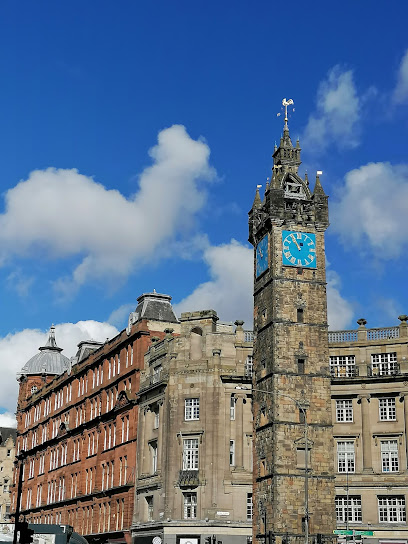
Experience the charm of Barrowland Park, Glasgow's vibrant oasis featuring art, play areas, and a glimpse into the city's rich cultural heritage.
Nelson Mandela Pl
0.7 km
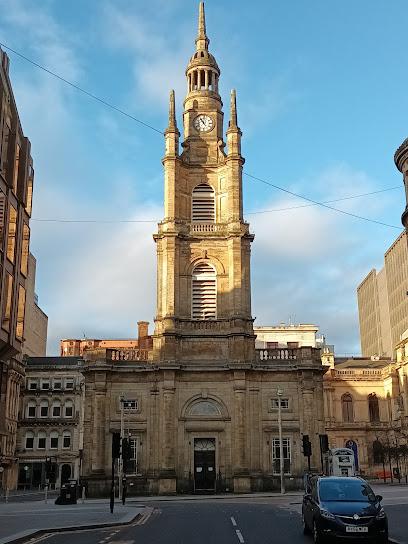
Explore Nelson Mandela Place in Glasgow, a vibrant square honoring the legacy of human rights with stunning architecture, art, and local culture.
Ramshorn Graveyard
0.7 km
Explore the serene beauty and rich history of Ramshorn Graveyard, a hidden gem in the heart of Glasgow, perfect for reflection and discovery.
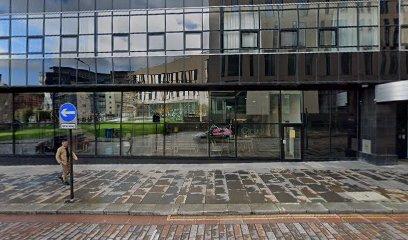
St George's Tron Church of Scotland
0.7 km
Historic Presbyterian church with iconic Baroque tower, rooted in Glasgow’s evangelical heritage and vibrant city centre life.
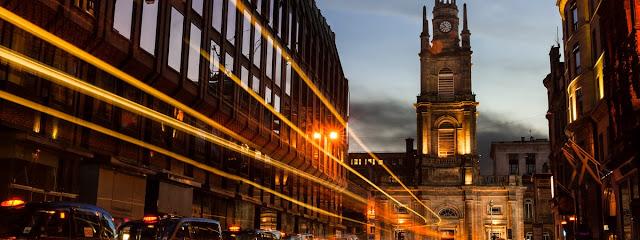
ToursByLocals - Glasgow
0.8 km
Discover Glasgow's rich culture and hidden gems through personalized tours with local experts at ToursByLocals.
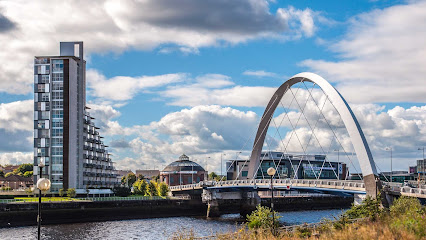
glasgow south side
0.8 km
Discover the cultural heart of Glasgow's South Side, where vibrant art, historic landmarks, and local cuisine create an unforgettable experience.
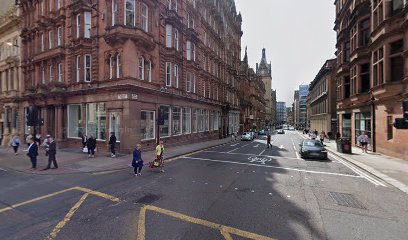
Gorbals
0.9 km
Discover the vibrant transformation of Gorbals, a unique housing development in Glasgow blending history, culture, and contemporary living.
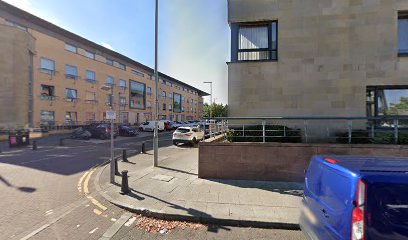
Strath Wonderwall Mural - Land Ship
0.9 km
Experience the vibrant Strath Wonderwall Mural in Glasgow, a stunning street art piece that reflects the city's creative spirit and cultural richness.
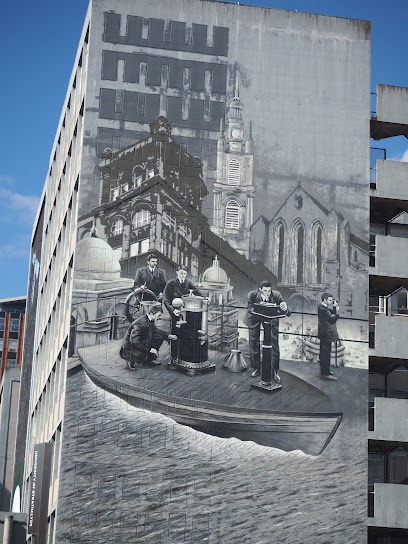
Nelson's Monument, Glasgow
0.9 km
A towering 44-meter obelisk on Glasgow Green honoring Admiral Nelson’s naval victories and Glasgow’s pioneering civic spirit.
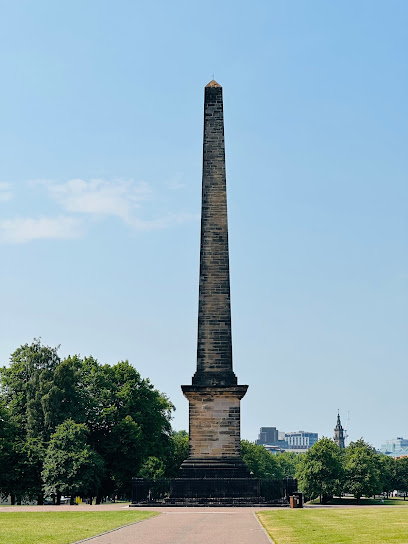
Unmissable attractions to see

St. Enoch Centre
0.1 km
Glasgow's vibrant shopping epicentre: fashion, food, films, and festive energy in the heart of St. Enoch Square.
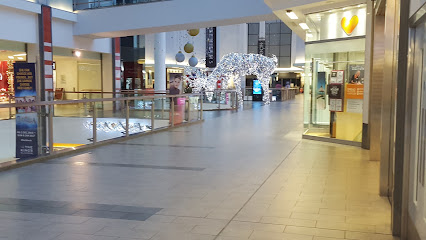
St. Enoch Shopping Centre
0.2 km
Glasgow’s vibrant city-centre shopping and leisure destination with diverse retail, dining, and entertainment options.
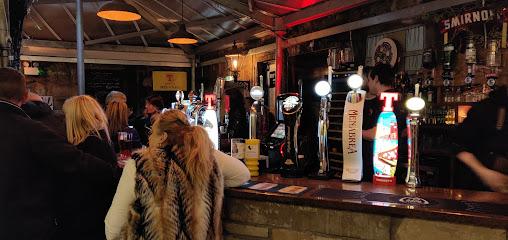
Clutha & Victoria Bar
0.2 km
Explore Clutha & Victoria Bar in Glasgow, a lively pub offering live music, delicious pizza, and a warm Scottish atmosphere.
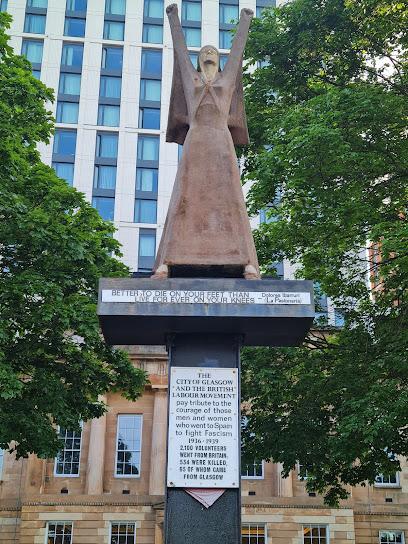
La Pasionaria
0.3 km
A bold tribute on Glasgow’s Clyde to Dolores Ibárruri, symbolizing the fight against fascism and honoring local heroes of the Spanish Civil War.
Street Art from The rebel bear
0.3 km
Explore the compelling street art of The Rebel Bear, Glasgow’s mysterious muralist blending social commentary with vibrant urban creativity.
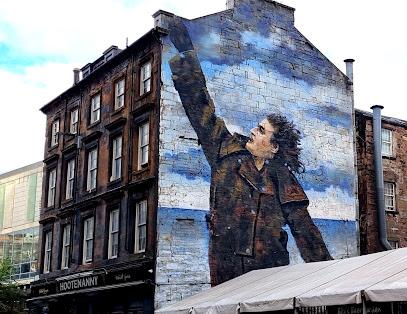
Mural Trail #.09 Billy Connolly
0.3 km
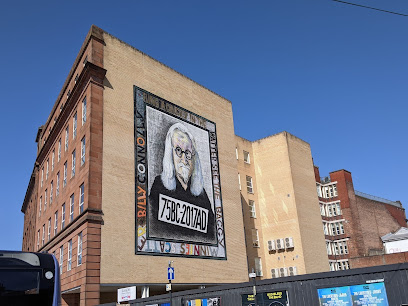
Celebrate Glasgow’s beloved comedian Billy Connolly through this vibrant mural on Osborne Street, a highlight of the city’s renowned Mural Trail.
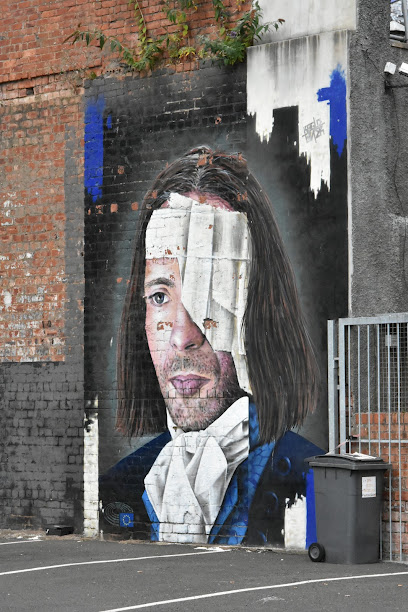
Murial of a man
0.3 km
A vibrant pop art mural blending graphic novel style and Japanese influences, lighting up Glasgow’s historic Trongate with bold color and creativity.
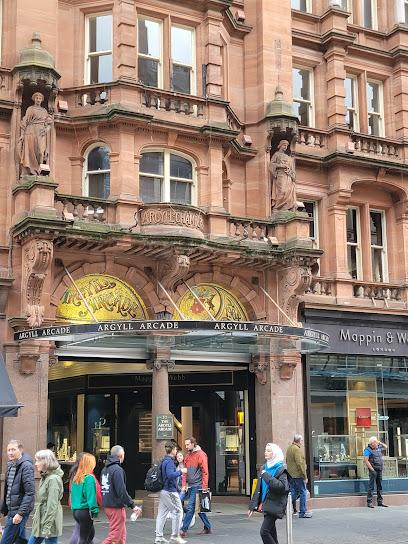
55 Argyll Arcade
0.4 km
Scotland’s oldest covered arcade, Argyll Arcade dazzles with historic charm and a premier collection of jewellers in Glasgow’s heart.
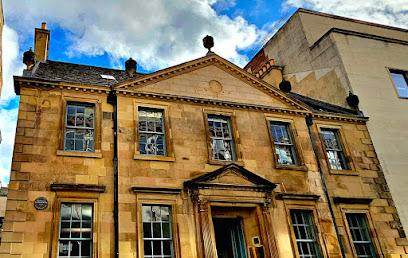
Tobacco Merchant's House
0.4 km
Glasgow’s last 18th-century tobacco merchant villa, a preserved Georgian gem and vivid reminder of the city’s mercantile and colonial past.
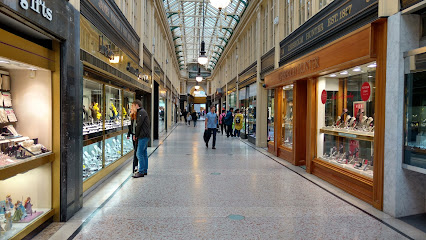
Argyll Arcade
0.4 km
Scotland's diamond epicenter: Victorian arcade brimming with luxury jewelry, watches, and bespoke sparkle in Glasgow's heart.
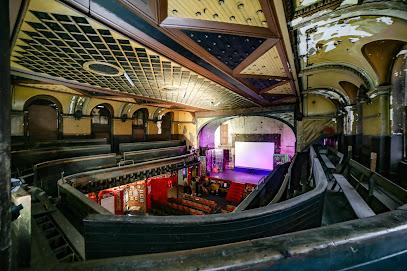
Britannia Panopticon
0.4 km
Discover Glasgow’s Britannia Panopticon, the world’s oldest surviving music hall, where Victorian variety meets early cinema in a vibrant historic venue.
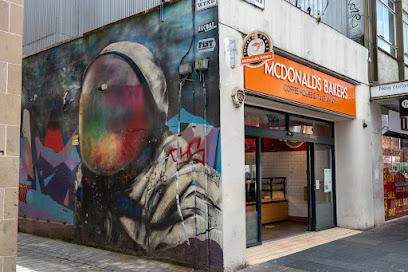
"SPACEMAN" Mural Trail #5
0.4 km
A vibrant, graphic novel-inspired mural bringing cosmic color and modern art flair to Glasgow’s historic Merchant City.
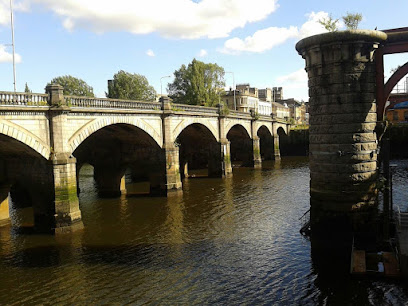
King George V Bridge
0.4 km
A majestic stone bridge over the River Clyde offering historic charm and sweeping city views in the heart of Glasgow.
Princes Square Shopping Centre
0.4 km
A stunning blend of Victorian elegance, luxury shopping, and fine dining beneath Glasgow’s iconic glass roof.
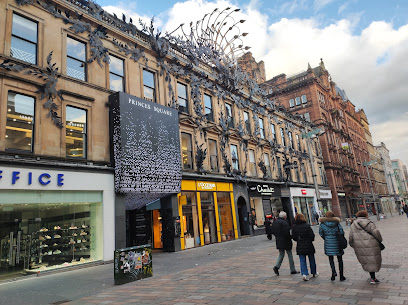
Merchant City
0.4 km
Discover Glasgow’s Merchant City: where historic elegance meets vibrant arts, dining, and shopping in the city’s cultural heart.
Essential places to dine

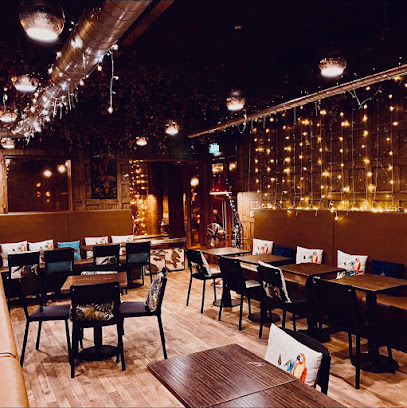
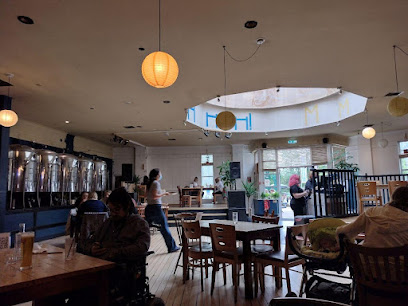
Brutti Compadres Platos Pequenos
0.4 km
Discover vibrant Mediterranean tapas and inventive cocktails in Glasgow’s charming Merchant City hotspot, Brutti Compadres Platos Pequenos.
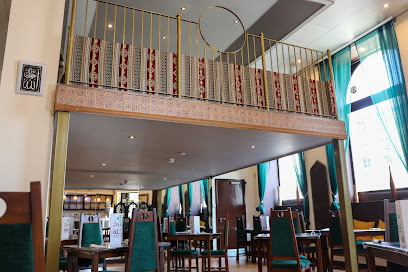
Palmtree Kitchen - مطعم النخلة
0.4 km
Experience the rich, authentic flavors of Yemen with generous portions and warm hospitality in Glasgow’s vibrant Palmtree Kitchen.
Mono
0.4 km
Glasgow’s vibrant vegan café-bar blending creative plant-based cuisine, indie music vibes, and a unique record shop atmosphere.
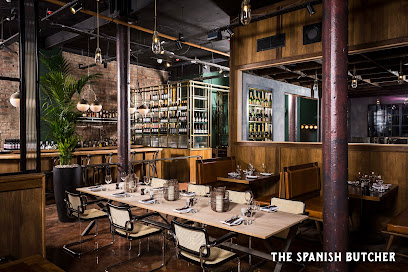
The Spanish Butcher Glasgow
0.5 km
Savor premium Galician beef and Spanish flavors in a chic, industrial-style steakhouse at Glasgow’s vibrant city centre.
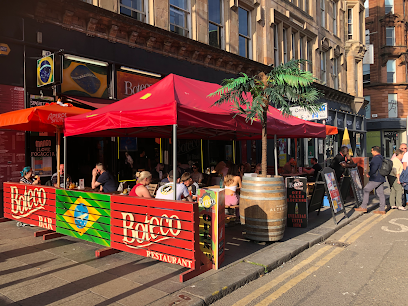
Boteco Do Brasil
0.5 km
Discover the vibrant flavors of Brazil at Boteco Do Brasil in Glasgow – where delicious cuisine meets lively nightlife.
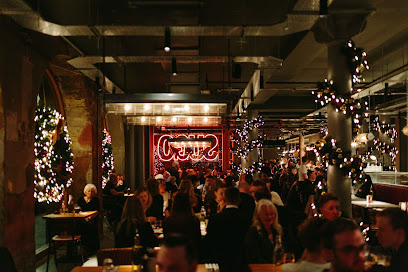
Sugo Pasta
0.5 km
Fresh, handmade regional Italian pasta in a lively, modern Glasgow setting – no bookings, just great pasta and a buzzing atmosphere.
The Dhabba
0.5 km
Experience authentic Northern Indian cuisine in Glasgow with vibrant flavors, a nut-free menu, and a welcoming atmosphere at The Dhabba.
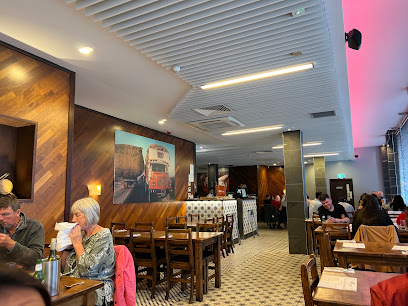
Mediterraneo Italian Restaurant & Champagne Bar
0.6 km
Experience authentic Mediterranean flavors and elegant champagne moments in the heart of Glasgow’s vibrant city centre.
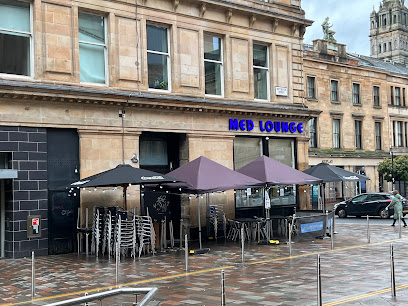
Glaschu Restaurant & Bar
0.6 km
Elegant modern Scottish dining in the heart of Glasgow’s historic Royal Exchange Square with a stylish atmosphere and locally inspired cuisine.
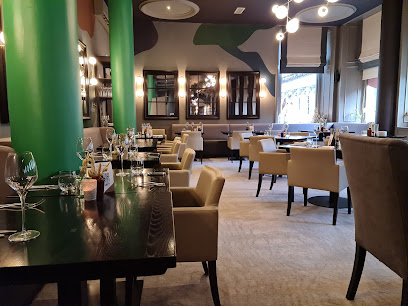
Mharsanta - Scottish Restaurant & Bar
0.6 km
Experience authentic Scottish cuisine and warm hospitality in the heart of Glasgow’s historic Merchant City.
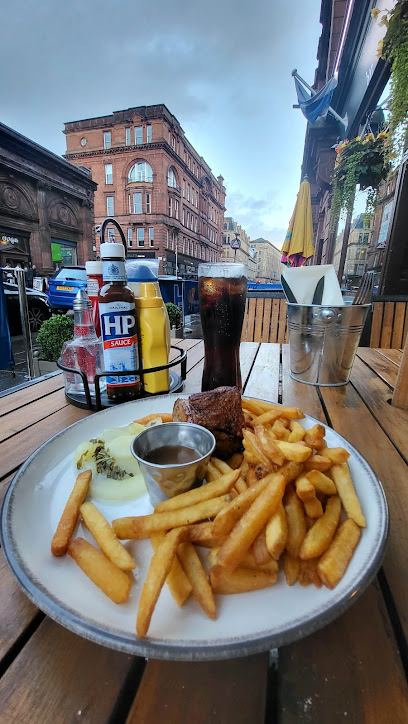
The Ivy Buchanan Street, Glasgow
0.6 km
Glamorous Glasgow brasserie with art deco charm, reliable British cooking, and cocktails in a converted bank.
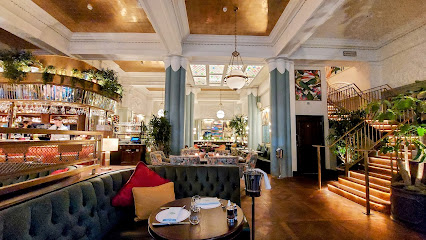
Metropolitan Bar and Restaurant
0.6 km
Experience Glasgow's vibrant culinary scene at Metropolitan Bar & Restaurant – where gourmet pub fare meets expertly crafted cocktails.
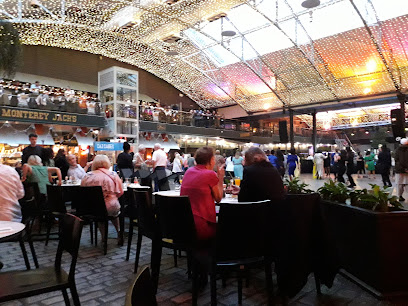
La Lanterna
0.6 km
Authentic Italian dining in Glasgow’s city centre, blending tradition, quality, and warm hospitality since 1980.
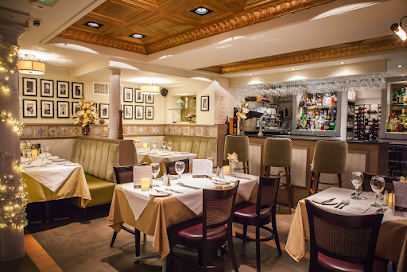
Saints of Ingram
0.6 km
Historic Hutchesons’ Hall hosts Saints of Ingram, a stylish Glasgow venue blending classic brunch, cocktails, and live weekend entertainment.
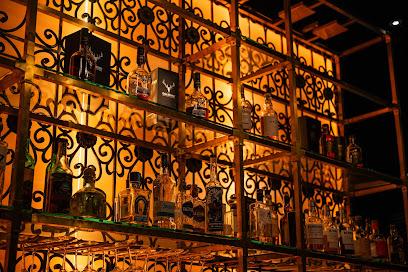
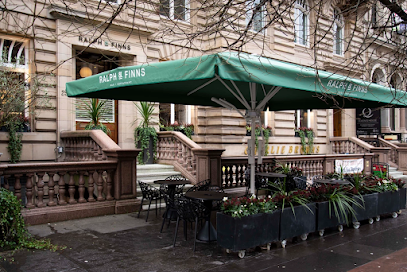
Ralph & Finns
0.6 km
Elegant modern Scottish dining and creative cocktails in a historic Glasgow Merchant City setting.
Markets, malls and hidden boutiques

Shop Small at St Enoch
0.2 km
Discover unique fashion finds at Shop Small in Glasgow’s iconic St Enoch Centre, where historic charm meets modern shopping under Europe’s largest glass roof.
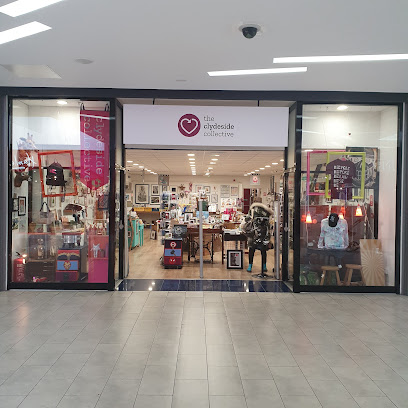
The Clydeside Collective
0.2 km
Explore Glasgow’s creative heart at The Clydeside Collective, a vibrant gift shop showcasing unique handcrafted arts and crafts by local artisans.
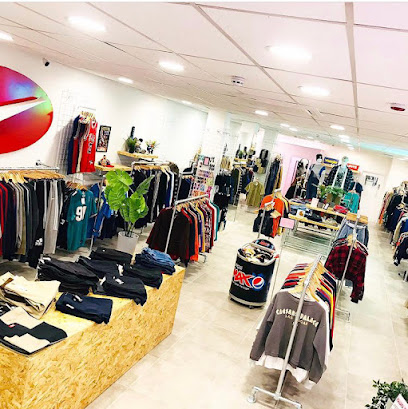
The Vintage Scene Glasgow
0.3 km
Discover timeless vintage fashion treasures and sustainable style at The Vintage Scene, Glasgow’s premier vintage clothing shop in St Enoch Square.
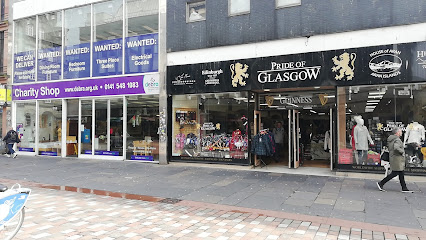
Pride of Glasgow
0.3 km
Discover tartan treasures and whisky wonders at this spirited Argyle Street shop, where Scottish pride meets Glasgow's cheeky charm in every authentic souvenir.
The Glasgow Souvenir Outlet
0.3 km
Authentic Scottish treasures in Glasgow's vibrant core: tartans, whisky keepsakes, and artisan crafts for every traveler's suitcase.
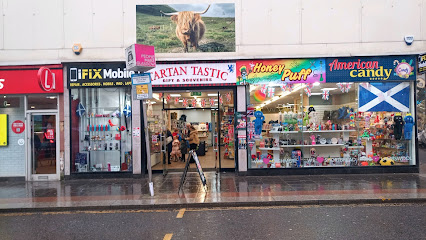
Tartan Tastic Gift & Souvenirs
0.3 km
Discover authentic Scottish tartan treasures and traditional gifts in the heart of Glasgow’s vibrant Queen Street.
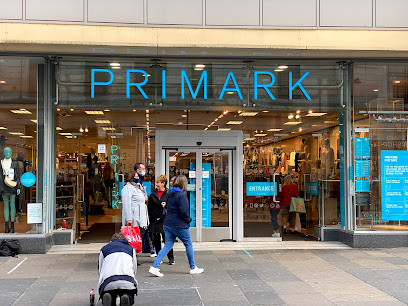
Primark
0.3 km
Vast budget fashion haven on Glasgow's Argyle Street: trendy clothes, beauty, home goods, and more in a wheelchair-accessible city-center mega-store.
Taste of Scotland
0.3 km
Discover authentic Scottish gifts and rare whiskies in the heart of Glasgow at Taste of Scotland, your gateway to Scotland’s rich heritage.
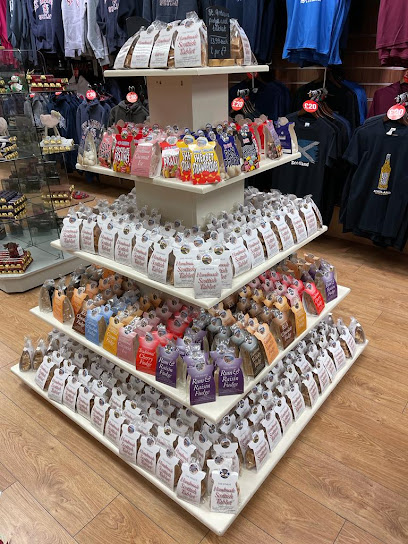
House of Fraser
0.4 km
Discover Glasgow’s historic House of Fraser on Buchanan Street, a vibrant hub for fashion, beauty, and homewares since 1849.
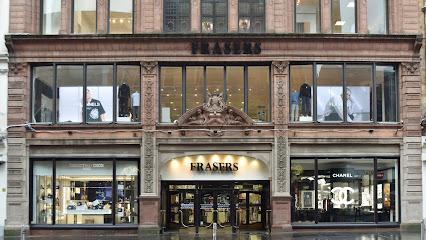
Social Recluse
0.4 km
Discover unique gifts and stylish apparel at Social Recluse, Glasgow’s boutique for creative and quality designs in the city center.
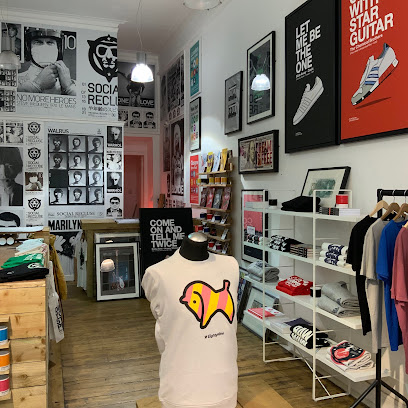
Mr Ben Retro Clothing
0.4 km
A snug, long‑established vintage boutique in Kings Court with handpicked garments, textured displays and friendly, specialist service.
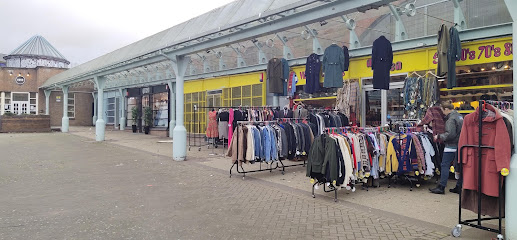
Eurasia Crafts
0.4 km
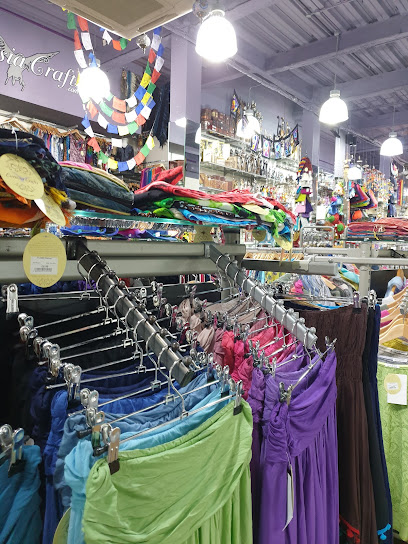
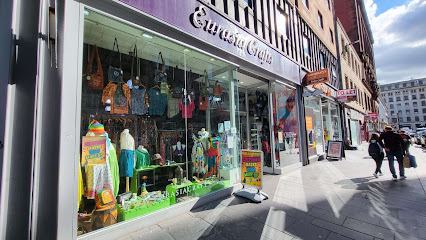
Discover handcrafted wonders from Eurasia in a cozy Glasgow gem—unique gifts, artisan stories, and cultural treasures await on elegant Queen Street.
Osiris - Alternative Fashion Store
0.4 km
A compact, characterful alternative-fashion and curios shop on Queen Street specialising in goth, emo and eclectic accessories.
Minted
0.4 km
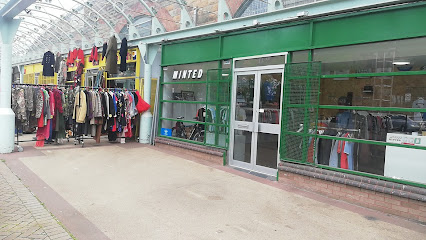
Discover rare vintage streetwear and sustainable style at Minted, Glasgow’s curated hub for iconic 90s and sportswear fashion.
Geek-aboo
0.4 km
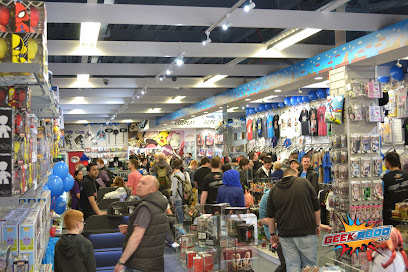
Dive into Glasgow's ultimate geek haven: official merch, epic collectibles, and gaming events from your favorite franchises await at Geek-aboo.
Essential bars & hidden hideouts

Cairns Bar
0.3 km
Cozy Merchant City pub pouring Belhaven ales, serving pub classics, and screening live sports in Glasgow's lively heart—perfect for pints and pies anytime.
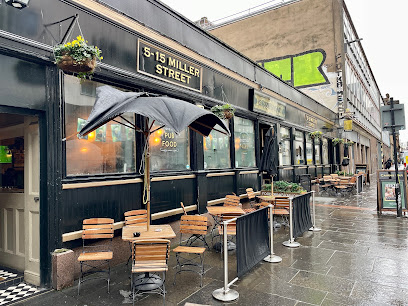
Sloans
0.3 km
Glasgow’s oldest bar and restaurant since 1797, famed for lively events, historic charm, and legendary Macaroni Cheese in a vibrant city-centre setting.
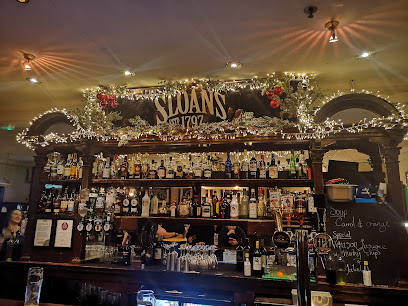
Avant Garde Music Bar & Restaurant
0.4 km
Dive into Glasgow's underground beats at Avant Garde, where live music, modern eats, and vaulted vibes create unforgettable Merchant City nights.
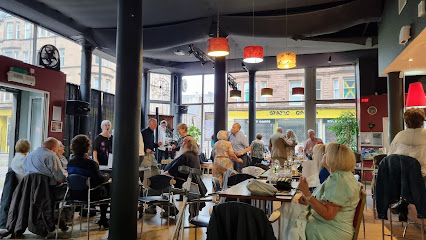
The Spiritualist Glasgow
0.4 km
Moody, theatrical cocktail bar and small-plate restaurant in central Glasgow — inventive drinks, shareable dishes and a lively evening atmosphere.
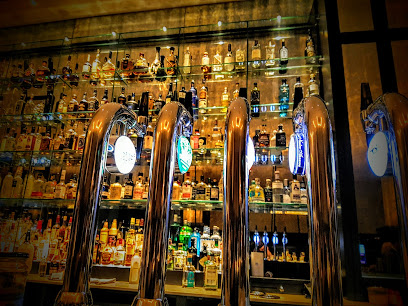
Wunderbar
0.5 km
Lively Glasgow cocktail bar blending pizza, pub vibes, and live music in a vibrant city center setting.
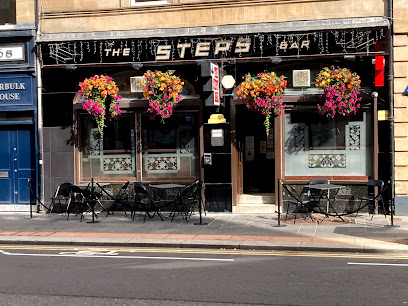
Steps Bar
0.5 km
Discover Glasgow's Art Deco time capsule: Steps Bar's preserved 1930s elegance, walnut gantry, and jukebox vibes await in Merchant City's historic heart.
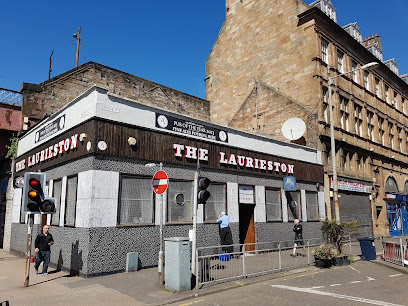
Laurieston Bar
0.5 km
Glasgow's 1960s time-capsule pub: flawless pints, diverse crowds, and unyielding Southside soul in the heart of Gorbals.
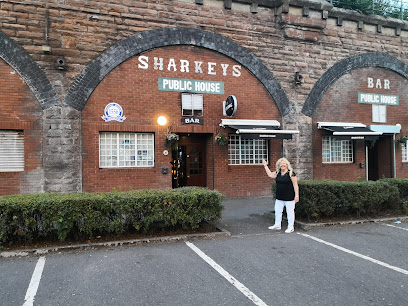
Sharkeys Bar
0.5 km
Family-run Gorbals gem serving hearty pies, perfect pints, and warm welcomes in a dog-friendly local atmosphere.
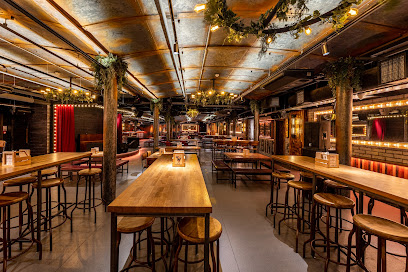
TABAC
0.5 km
Retro Parisian cocktail bar on hidden Mitchell Lane, blending masterful mixes, street food bites, and lively vibes in Glasgow's heart.
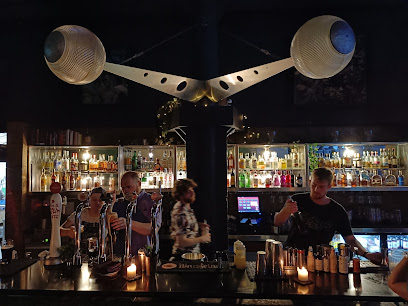
Maggies Rock n Rodeo
0.5 km
Experience Glasgow’s wild side with live music, line dancing, and a mechanical bull at Maggie’s Rock n Rodeo in Merchant City.
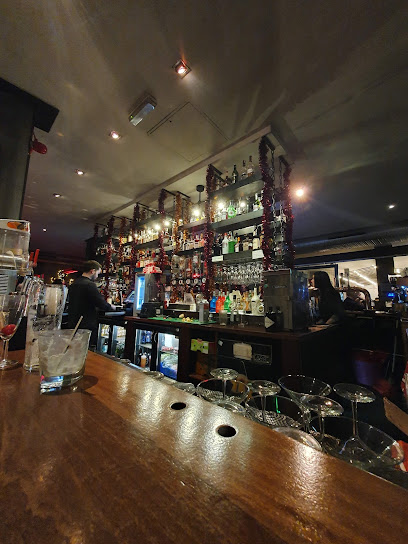
Ross's Original Bar
0.5 km
Classic Glasgow pub with hearty food, lively karaoke nights, and a welcoming old-school atmosphere in the heart of the city.
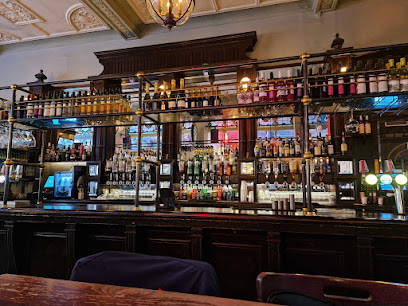
Bacchus Bar
0.5 km
Glasgow's friendliest independent bar in Merchant City, pouring wine-god vibes with live music, quizzes, and unbeatable value since over two decades.
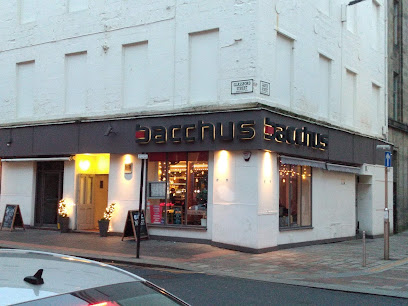
BrewDog Glasgow Merchant City
0.5 km
Craft beer rebellion meets smoky barbecue in Glasgow's historic Merchant City – 25 taps, outdoor patio, and dog-friendly vibes await.
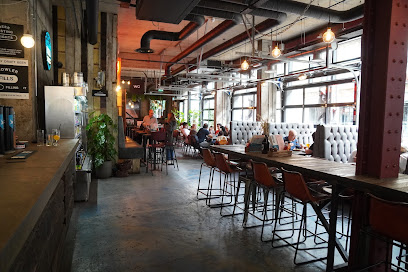
Bar 91
0.6 km
Laid-back Merchant City pub pouring craft brews, global bites, and live tunes opposite City Halls—a Glasgow essential for day-to-night vibes.
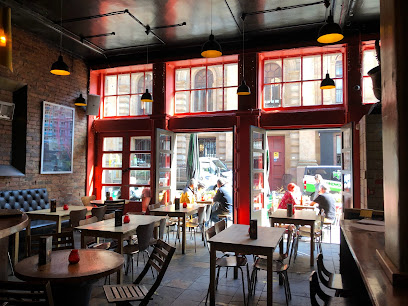
The Piper Whisky Bar
0.6 km
Glasgow's premier whisky haven with 200+ Scotches, live music nightly, and pub grub overlooking George Square – pure Scottish spirit in every sip.
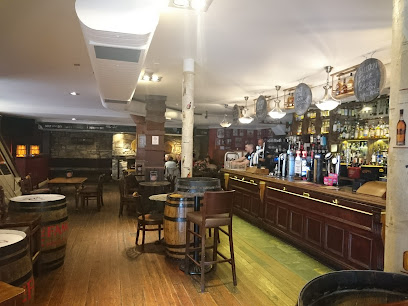
Nightclubs & after hour spots

Sub Club
0.4 km
Glasgow’s legendary underground nightclub, Sub Club, pulses with cutting-edge sound and authentic dance culture in an intimate basement setting.
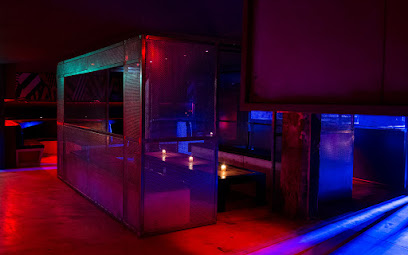
Classic Grand
0.4 km
Glasgow's ultimate electronic music haven in a reborn cinema, where thunderous beats and euphoric crowds collide until dawn.
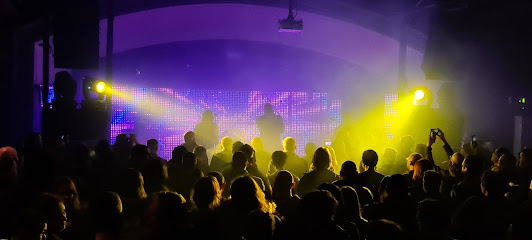
Polo Lounge
0.4 km
Glasgow's grandest gay nightclub: multi-level dance floors, cheap drinks, and non-stop energy until dawn in Merchant City's heart.
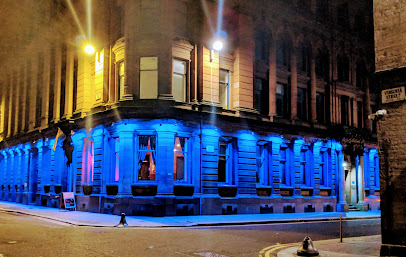
La Cheetah Club
0.4 km
Glasgow’s intimate basement club with a powerful sound system, vibrant underground beats, and a welcoming community spirit.
Riding Room
0.4 km
Fancy cabaret club in Glasgow's gay triangle, serving exotic kettle cocktails alongside burlesque, magic, and cheeky shows in a lively, intimate venue.
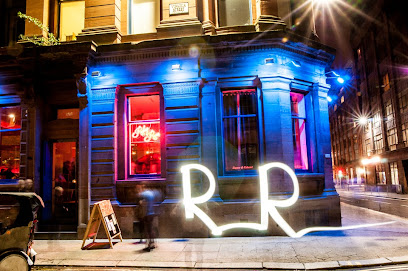
Cathouse Rock Club
0.4 km
Glasgow's unrelenting rock fortress since 1990—metal riffs, live gigs, and alternative fury across three pounding rooms.
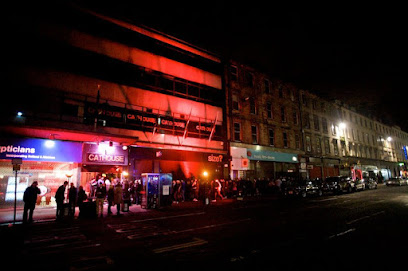
Club X
0.5 km
Glasgow's underground RnB haven: where beats throb, lights flash, and the LGBTQ+ community dances till dawn in Merchant City's beating heart.
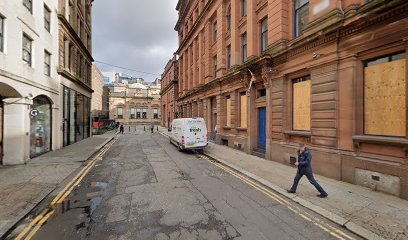
Delmonicas
0.5 km
Scotland's biggest gay club: drag shows, karaoke, DJs, and non-stop inclusive party vibes in Glasgow's Merchant City heart.
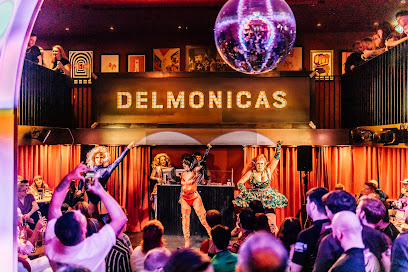
18 Candleriggs
0.5 km
Glasgow's kitsch cabaret haven where dazzling shows, tasty grill fare, and lively vibes create unforgettable Merchant City nights.
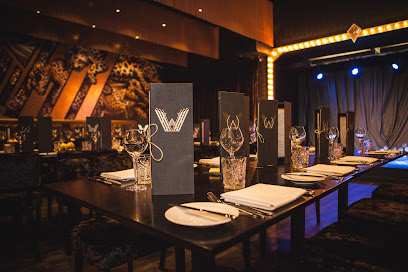
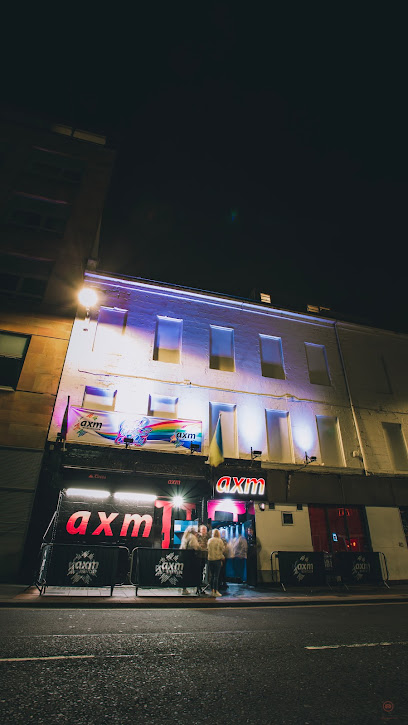
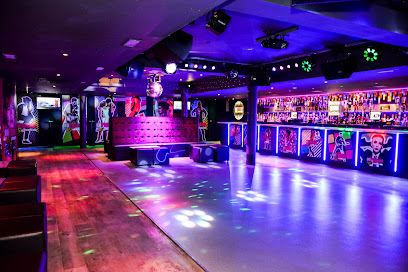
AXM Glasgow
0.5 km
Scotland's biggest LGBTQ+ nightclub: two floors of pop, charts, and dance in Glasgow's heart, with cheap drinks and zero attitude.
Club Tropicana & Venga
0.6 km
Two-room retro nightclub in central Glasgow with themed ’80s/’90s nights, booth bookings and a high-energy weekend atmosphere.
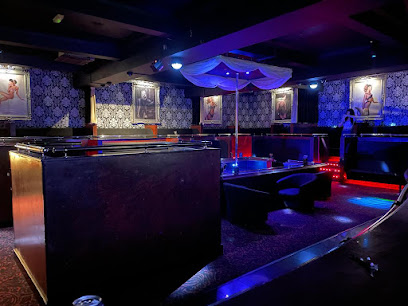
Platinum Lace Glasgow
0.7 km
Glasgow’s premier gentlemen’s club with stunning dancers, VIP luxury, and an electric nightlife atmosphere in the city centre.
142B Lounge
0.8 km
Glasgow's premier spot for Afrobeats, Amapiano, and African flavors—dance, dine, and vibe in luxury VIP style until dawn.
Popworld Glasgow
0.8 km
Dive into a whirlwind of 80s-00s pop anthems, retro props, and cocktail-fueled dance marathons at Glasgow's ultimate cheesy nightclub escape.
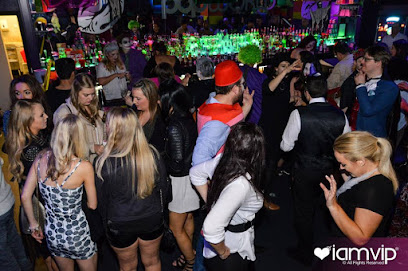
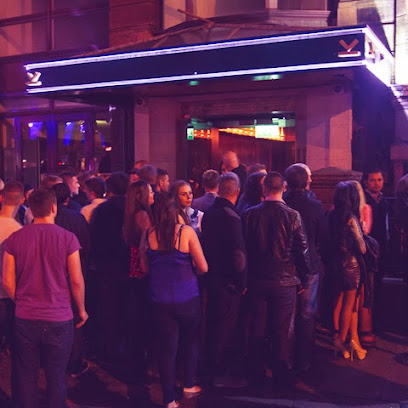
Kokomo Glasgow
0.9 km
Kokomo Glasgow was a late-night nightclub and bar known for its energetic vibe and central city location on West Regent Street.
For the vibe & atmosphere seeker
- Tranquil
- Scenic
- Relaxing
- Unique
For the design and aesthetic lover
- Vintage Styles
- Rustic Designs
For the architecture buff
- Historic
- Landmarks
- Sacred Sites
For the view chaser and sunset hunter
- Iconic Views
- Waterfront
For the social media creator & influencer
- Instagrammable
- Photo Spots
For the eco-conscious traveler
- Public-Transport Accessible
- Locally Managed
For the kind of experience you’re after
- Cultural Heritage
- Spiritual / Energy Spot
- Mindfulness
- Day Trip
For how adventurous you want the journey to be
- Easy Access
Location Audience
- Family Friendly
- Senior Friendly
- Child Friendly
- Teen Friendly
- Wheelchair Access
- Solo Friendly
- Couple Friendly
- Solo Female Friendly


