

The Glasgow Necropolis, Stirling Travel Guide
Explore Glasgow’s grand Victorian garden cemetery, a city of ornate monuments and panoramic views steeped in history and artistry.
The Glasgow Necropolis is a vast Victorian garden cemetery located on a prominent hill east of Glasgow Cathedral. Established in 1833 and modeled on Paris’s Père-Lachaise, it contains around 3,500 tombs and an estimated 50,000 burials. The site features grand monuments, sculptures, and panoramic city views, commemorating Glasgow’s notable industrialists, reformers, and civic leaders in a tranquil, historic setting.
A brief summary to The Glasgow Necropolis
- Castle St, Glasgow, Glasgow, G4 0UZ, GB
- Click to display
- Click to display
- Duration: 1 to 3 hours
- Free
-
 Outdoor
- Mobile reception: 4 out of 5
- Monday 7 am-4:30 pm
- Tuesday 7 am-4:30 pm
- Wednesday 7 am-4:30 pm
- Thursday 7 am-4:30 pm
- Friday 7 am-4:30 pm
- Saturday 7 am-4:30 pm
- Sunday 7 am-4:30 pm

Know before you go
Hi, I'm Eve. Here are a few practical things to know before exploring The Glasgow Necropolis.
- Visit early in the day to enjoy peaceful surroundings and avoid crowds, as the Necropolis closes at 4:30 pm daily.
- Take a guided tour with the Friends of Glasgow Necropolis to learn detailed histories and stories behind the monuments.
- Wear comfortable shoes and be prepared for uphill walking on cobblestone paths and terraces.
- Don’t miss the Jewish section of the cemetery, restored and historically significant for Glasgow’s Jewish community.
- Combine your visit with Glasgow Cathedral nearby for a fuller experience of the city’s religious and cultural heritage.
Do you manage this location?
Take control to get all the benefits, like improved information, better appearance, and stronger visibility across AI-powered discovery. Learn more about listing your business on Evendo
Activate your presenceOther nearby places you may find interesting
The closest places of the same kind, if this one is not quite what you had in mind.
Explore The Glasgow Necropolis on the Map
A handpicked selection of must-see spots near The Glasgow Necropolis, mapped for you.
Unlock the Best of The Glasgow Necropolis
Buy tickets
-
No tickets available
Book tours with entry


Getting There
-
Public Transport
Take the Glasgow Subway to St Enoch Station, then a 15-20 minute walk east to Castle Street near Glasgow Cathedral. Frequent bus services also run along nearby routes, with a 10-15 minute walk to the Necropolis entrance. Tickets cost around £1.80–£2.50 GBP.
-
Taxi or Rideshare
A taxi or rideshare from Glasgow city centre to the Necropolis takes approximately 5-10 minutes depending on traffic. Fares typically range from £5 to £10 GBP. Drop-off is available near the main gates on Castle Street.
-
Walking
From George Square or Glasgow Central Station, walking to the Necropolis takes about 20-25 minutes. The route is mostly uphill with some cobblestone paths, so comfortable footwear is recommended.
For the on-the-go comforts that matter to you
-
 Restrooms
-
 Seating Areas
-
 Information Boards
Discover more about The Glasgow Necropolis
A Monumental Victorian Cemetery with Rich Heritage
The Glasgow Necropolis, often described as one of Europe’s most significant cemeteries, was established in 1833 by the Merchants’ House of Glasgow. It was designed as a non-denominational garden cemetery, inspired by the famous Père-Lachaise Cemetery in Paris. Spanning approximately 37 acres on a hill adjacent to Glasgow Cathedral, the Necropolis was intended not only as a burial ground but also as a monument to the wealth and stature of Glasgow’s Victorian-era elite. The site was originally part of the Wester Craigs estate and evolved from a Victorian arboretum into a carefully planned cemetery featuring terraces and landscaped grounds.Architectural and Artistic Masterpieces
The Necropolis is renowned for its eclectic and grand funerary architecture, showcasing styles primarily in Classical Revival fashion. Around 3,500 tombs and monuments rise from the landscaped terraces, many designed by eminent architects such as Alexander ‘Greek’ Thomson and Charles Rennie Mackintosh. The cemetery’s centerpiece is the towering 70-foot monument to John Knox, the 16th-century Scottish reformer, erected in 1825, which dominates the skyline. Other notable monuments include the Monteath Mausoleum with its Hindu gargoyles and the Celtic Cross designed by Mackintosh. The site also contains a dedicated Jewish section, established in 1832, reflecting Glasgow’s diverse history and the religious segregation of the time.Historical Significance and Notable Burials
The Necropolis holds the remains and memorials of many of Glasgow’s most influential figures, including industrialists, shipbuilders, historians, and civic leaders such as Charles Tennant, John Elder, and several Lords Provost. It was one of the first cemeteries in the UK to meticulously record details of the deceased, including profession and cause of death. The burial ground also contains war graves from both World Wars. The site’s historical importance is enhanced by its connection to Glasgow Cathedral and the Royal Infirmary nearby, symbolizing the cycle of life, faith, and death within the city.A Place of Reflection with Panoramic Views
Set on a hill, the Necropolis offers visitors sweeping panoramic views of Glasgow’s cityscape, including the cathedral and the Victorian Royal Infirmary. The peaceful atmosphere and the artistry of the monuments provide a contemplative experience amid the greenery. The site is well maintained, with grassy areas replacing many grave surrounds for easier upkeep, but the grandeur of the tombs remains striking. The bridge leading to the Necropolis, known as the 'Bridge of Sighs,' adds to the site’s evocative character, historically part of funeral processions.Visiting and Exploring the Necropolis Today
Managed by Glasgow City Council since 1966, the Necropolis is open daily from 7:00 am to 4:30 pm. Visitors can explore the grounds independently or join guided tours offered by the Friends of Glasgow Necropolis, which provide detailed histories and stories behind the monuments and those interred. The site is accessible from Castle Street near Glasgow Cathedral and is a short walk from the city centre. Its combination of history, architecture, and natural beauty makes it a unique cultural landmark and a must-visit for those interested in Glasgow’s heritage.The Necropolis in Glasgow’s Urban Landscape
Though the surrounding cityscape has evolved with modern buildings and infrastructure, the Necropolis remains a verdant and serene enclave. Its elevated position preserves its prominence in the skyline, while the extensive greenery offers a contrast to the urban environment. The site’s careful design and ongoing conservation efforts ensure that it continues to serve as a historical record and a place of remembrance, bridging Glasgow’s past and present.












Your all‑in‑one travel companion app
Explore expert travel guides, compare and book tours, experiences, hotels, and more—all from the palm of your hand. Download now for seamless trip planning wherever your wanderlust takes you.


Explore More of Stirling
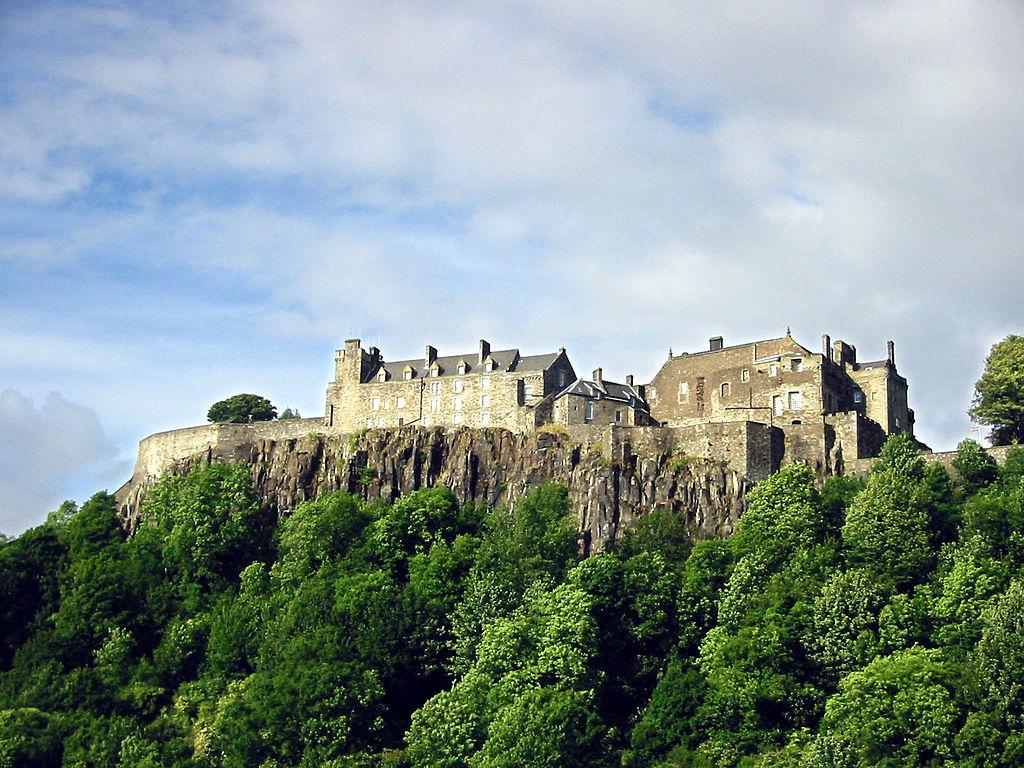
Looking beyond The Glasgow Necropolis? Discover Stirling for broader travel guides, local hot-spots, and regional highlights.
Explore Stirling
Glasgow’s pioneering experiential brewery with craft beers, fearless food, panoramic brewhouse views, and a lively, family-friendly atmosphere.
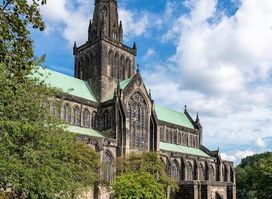
A majestic Victorian garden cemetery overlooking Glasgow Cathedral, rich with history, architecture, and panoramic city views.
