

Provand's Lordship: Glasgow's Oldest Medieval House
Step back to 1471 in Glasgow’s oldest house, a medieval gem showcasing centuries of history with period furnishings, royal portraits, and a tranquil herb garden.
Provand's Lordship, built in 1471, is Glasgow's oldest surviving domestic building and a rare medieval relic in the city. Originally part of St Nicholas's Hospital, this historic house offers visitors a glimpse into life from the 15th to 17th centuries through its preserved architecture, period furnishings, and royal portraits. Situated near Glasgow Cathedral and the St Mungo Museum, it also features a tranquil herb garden and intriguing sculptures, making it a captivating cultural landmark in Glasgow's historic core.
A brief summary to Provand's Lordship
- 3 Castle St, Glasgow, G4 0RH, GB
- +441412761625
- Visit website
- Duration: 1 to 2 hours
- Free
-
 Outdoor
- Mobile reception: 4 out of 5
- Monday 10 am-5 pm
- Tuesday 10 am-5 pm
- Wednesday 10 am-5 pm
- Thursday 10 am-5 pm
- Friday 11 am-5 pm
- Saturday 10 am-5 pm
- Sunday 11 am-5 pm
Local tips
- Visit the adjacent St Nicholas Garden to enjoy medicinal plants and the unique Tontine Heads sculptures.
- Explore nearby Glasgow Cathedral and the St Mungo Museum for a full historic precinct experience.
- Take time to appreciate the 17th-century furniture donated by Sir William Burrell inside the house.
- Check opening hours carefully; the house is closed on Mondays and opens mostly from 10am to 5pm.
- Ground floor is wheelchair accessible; upper floors involve spiral staircases and may not be suitable for all visitors.

For the on-the-go comforts that matter to you
- Restrooms
- Food Options
- Seating Areas
- Information Boards
Getting There
-
Bus
First Bus services 19, 19A, 38, 57, and 57A stop near Provand's Lordship. Travel times vary from 10 to 25 minutes depending on your starting point. Tickets cost approximately £1.80 to £3.00. Buses run frequently but check schedules for evenings and weekends.
-
Train
The nearest train station is High Street Station, about a 10-minute walk from Provand's Lordship. Trains connect from Glasgow Central and Queen Street stations, with travel times around 5–10 minutes. Tickets cost £2 to £4 depending on origin.
-
Walking
From central Glasgow locations like Buchanan Street, walking to Provand's Lordship takes approximately 15–20 minutes on mostly flat, paved urban terrain. The route is accessible and suitable for wheelchairs.
-
Car
Pay-and-display parking is available on Castle Street near the site, including free disabled parking bays. Traffic can be busy during peak hours, and parking fees range from £1.50 to £3.00 per hour.
Provand's Lordship location weather suitability
-
 Any Weather
-
 Rain / Wet Weather
-
 Mild Temperatures
Discover more about Provand's Lordship
Foundations of a Medieval Legacy
Provand's Lordship was constructed in 1471 under the direction of Andrew Muirhead, Bishop of Glasgow, as part of the complex for St Nicholas's Hospital. This building is one of only four medieval structures to survive in Glasgow and stands as the oldest domestic house in the city. Originally, it likely served as the manse for the Master of the Chapel and Hospital of St Nicholas. Over time, it became the town residence for the Lord of the Prebend of Provan, linking it to ecclesiastical estates that supported canons of Glasgow Cathedral. The house's survival is remarkable given the extensive urban redevelopment that erased many medieval buildings in the area.Architecture and Interior Through the Centuries
The house is a three-storey stone structure connected by a spiral staircase, with a western extension added in 1670. Its original medieval features, including oak floor beams, have been carefully preserved beneath protective false floors. The interiors showcase period furnishings primarily from the 17th century, generously donated by Sir William Burrell in the 1920s. Royal portraits and household items depict domestic life from the 1500s to 1700s, offering visitors an immersive historical experience. The upper floors reflect the residential use of the house through the centuries, including its time as a sweet shop in the early 20th century.Preservation and Public Access
By the early 1900s, Provand's Lordship faced the threat of demolition, but the formation of the Provand's Lordship Society successfully campaigned to save it. After acquiring the property from the Morton family, who operated a sweet factory there, the Society restored the house to its approximate state around 1700. The City of Glasgow took ownership in 1978, undertaking major repairs and reopening it as a museum in 1983. A significant £1.6 million restoration was completed recently, ensuring the building's continued preservation and enhancing visitor facilities.The Garden and Surrounding Heritage
Behind the house lies the St Nicholas Garden, designed in 1995 to honor Glasgow's herbal medicine traditions. The garden features labeled medicinal plants and the unique Tontine Heads sculptures, which date from the 18th and 19th centuries. The garden provides a peaceful complement to the historic house and connects visitors to the broader medieval precinct, which includes Glasgow Cathedral and the nearby Necropolis.Cultural Significance and Visitor Experience
Provand's Lordship offers a rare window into Glasgow's medieval past and the evolution of urban life over centuries. It is closely linked with significant historical figures, including Mary Queen of Scots, who is reputed to have visited. The house’s collection, enriched by Burrell's donations, includes exquisite furniture and art that enhance the storytelling of Glasgow’s heritage. Its location opposite the St Mungo Museum of Religious Life and Art situates it within a rich cultural landscape, making it a must-visit for history enthusiasts.Continuing Legacy and Educational Value
Today, Provand's Lordship serves as a vital educational resource, illustrating medieval domestic architecture and social history. It welcomes visitors of all ages and abilities, with accessible ground-floor areas and informative displays. The museum fosters appreciation for Glasgow’s historical fabric and encourages exploration of the wider Cathedral Precinct. Its free admission policy ensures that this cultural treasure remains open to all who seek to connect with Scotland’s past.Iconic landmarks you can’t miss

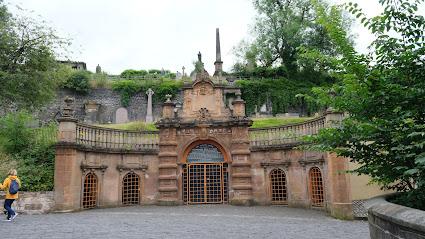
Bridge of Sighs
0.2 km
A quiet stone bridge in Glasgow’s Cathedral Square, linking the medieval cathedral to the Victorian Necropolis and echoing centuries of farewells.
Glasgow City Heritage Trust
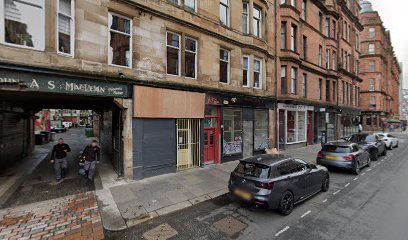
0.7 km
Explore Glasgow's rich history with the Glasgow City Heritage Trust, a non-profit dedicated to preserving the city's architectural and cultural heritage.
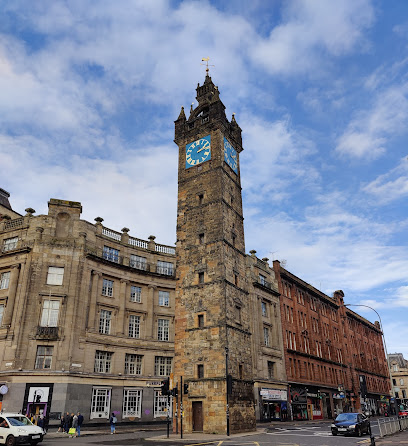
Tolbooth Steeple
0.7 km
Glasgow’s iconic 17th-century Tolbooth Steeple stands tall as a historic clock tower and enduring symbol of the city’s rich civic past.
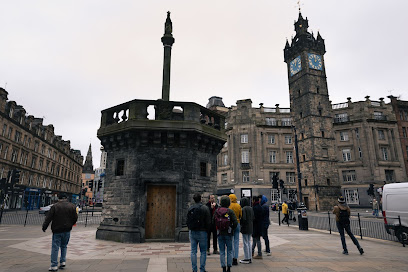
Historic Walking Tours of Glasgow
0.8 km
Explore Glasgow's rich history with guided walking tours that reveal the city's hidden gems and captivating stories.
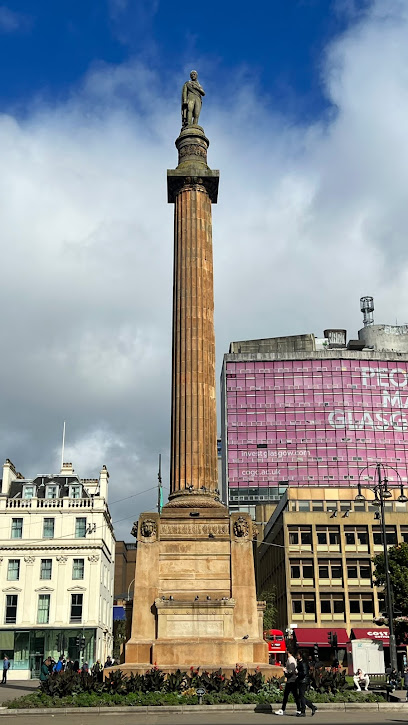
Walter Scott Monument
0.8 km
A towering Gothic tribute to Sir Walter Scott in Glasgow’s historic George Square, celebrating Scotland’s literary heritage.
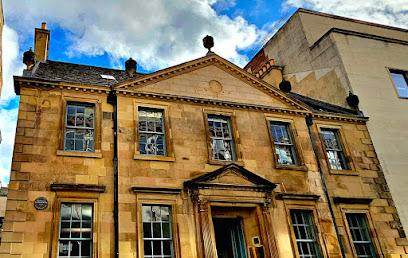
Tobacco Merchant's House
1.0 km
Explore the Tobacco Merchant's House, a historic site in Glasgow that reveals the fascinating story of the tobacco trade and its impact on the city's heritage.
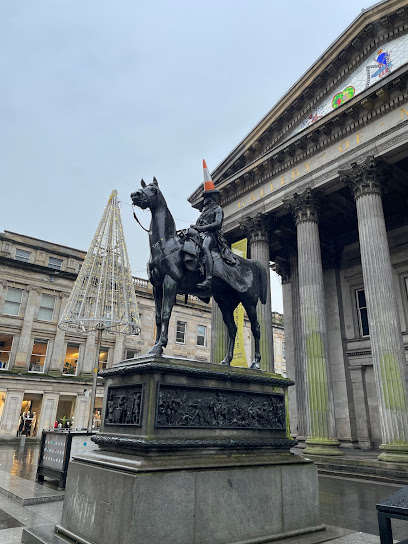
Equestrian statue of the Duke of Wellington, Glasgow
1.0 km
Discover the Equestrian Statue of the Duke of Wellington in Glasgow, a quirky landmark that merges history with local humor.
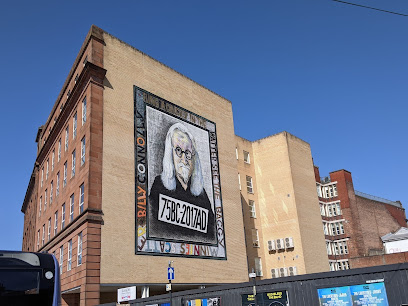
Mural Trail #.09 Billy Connolly
1.0 km
Explore the vibrant Mural Trail #.09 in Glasgow, celebrating Billy Connolly's legacy through stunning public art. A cultural gem awaits your discovery.
Royal Exchange Square
1.0 km
Discover the lively Royal Exchange Square in Glasgow, a cultural landmark renowned for its stunning architecture, art exhibitions, and vibrant atmosphere.
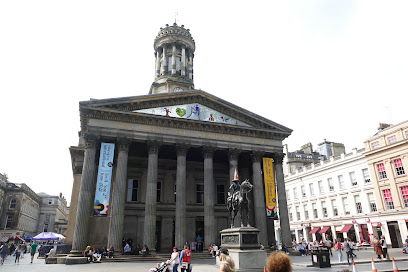
Bronze 3D Map of City Centre
1.1 km
Explore Glasgow's heart through the captivating Bronze 3D Map of City Centre, a stunning sculpture and guide to the city's rich heritage.
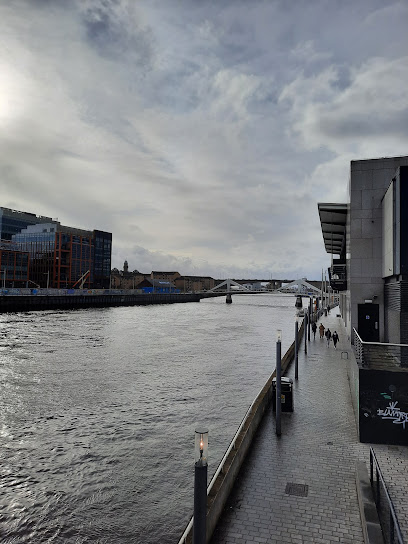
Nelson Mandela Pl
1.1 km
Explore Nelson Mandela Place in Glasgow, a vibrant square honoring the legacy of human rights with stunning architecture, art, and local culture.
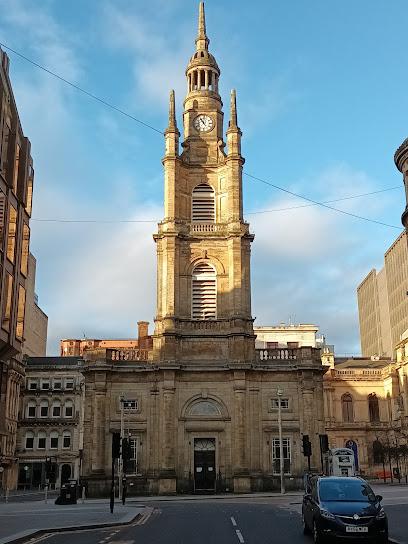
St George's Tron Church of Scotland
1.1 km
Historic Presbyterian church with iconic Baroque tower, rooted in Glasgow’s evangelical heritage and vibrant city centre life.
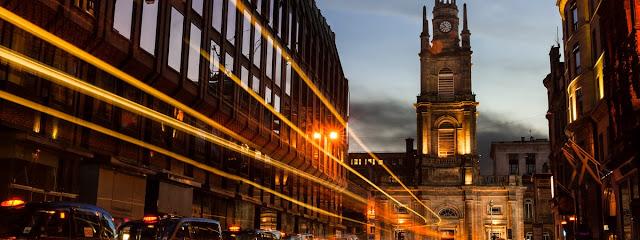
Buffalo Bill Statue
1.1 km
Where the American frontier met Victorian Glasgow in an unforgettable winter spectacle.
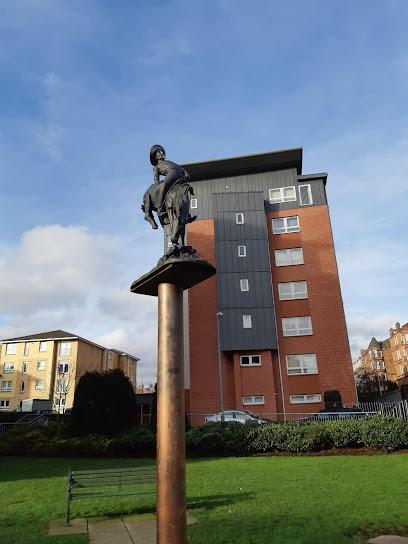
Good as Gold Street Art
1.1 km
Explore Good as Gold Street Art in Glasgow - a vibrant open-air gallery showcasing stunning murals and street art that reflect the city's creative spirit.
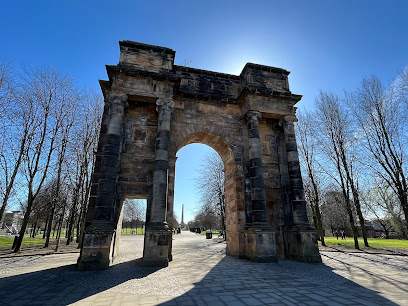
McLennan Arch
1.1 km
A neoclassical sandstone archway marking Glasgow Green’s historic entrance, embodying the city’s rich cultural and architectural heritage.
Unmissable attractions to see

St. Mungo Museum Of Religious Life & Art
0.0 km
Explore world religions and spiritual art in Glasgow’s historic museum featuring Britain’s first Zen garden and free entry.
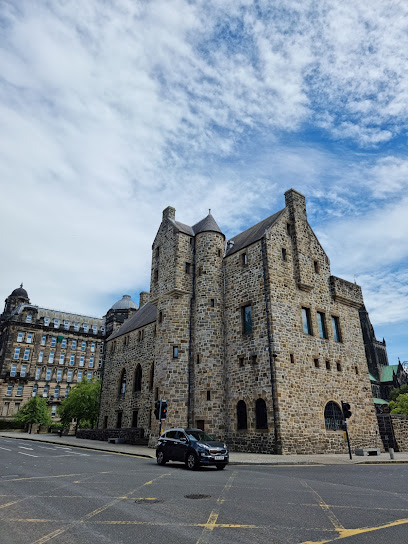
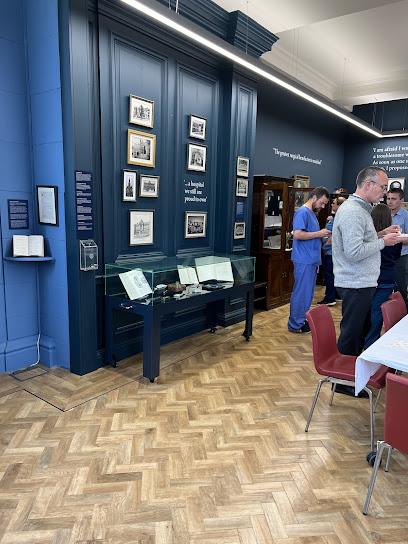
Friends of Glasgow Royal Infirmary Museum
0.1 km
Discover Glasgow’s medical heritage through pioneering innovations and inspiring stories at this unique hospital museum.
Glasgow Cathedral Burial Ground
0.1 km
Explore Glasgow’s Victorian Necropolis—a stunning garden cemetery rich with history, architecture, and panoramic city views.
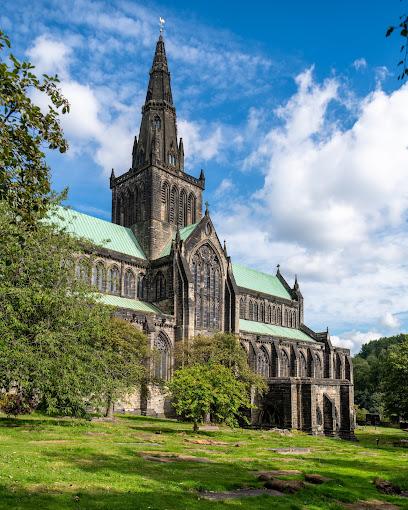
Glasgow Cathedral
0.2 km
Discover Glasgow Cathedral, a breathtaking medieval Gothic treasure and spiritual heart of Scotland’s largest city, open daily with free entry and rich history.
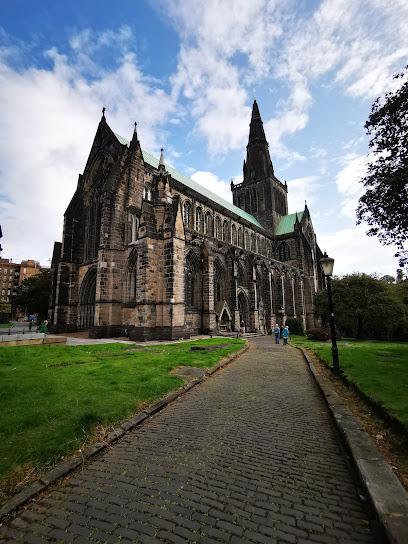
Mural of Woman, child and robin (St. Mungo and mother)
0.3 km
A heartfelt modern mural celebrating Glasgow’s patron saint, his mother, and the legendary robin that symbolizes the city’s spirit.
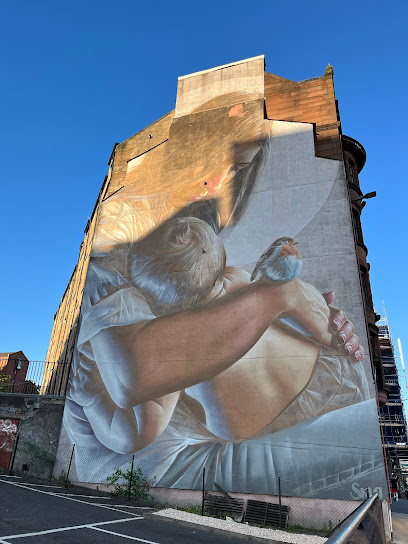
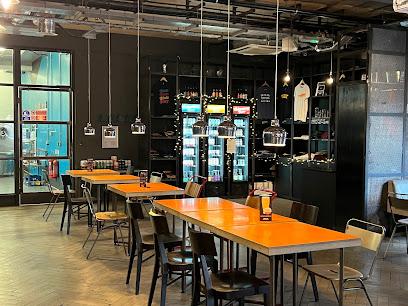
Drygate Brewing Co.
0.3 km
Glasgow’s pioneering experiential brewery with craft beers, fearless food, panoramic brewhouse views, and a lively, family-friendly atmosphere.
The Glasgow Necropolis
0.4 km
Explore the haunting beauty of the Glasgow Necropolis, a historical cemetery with stunning architecture and breathtaking city views.

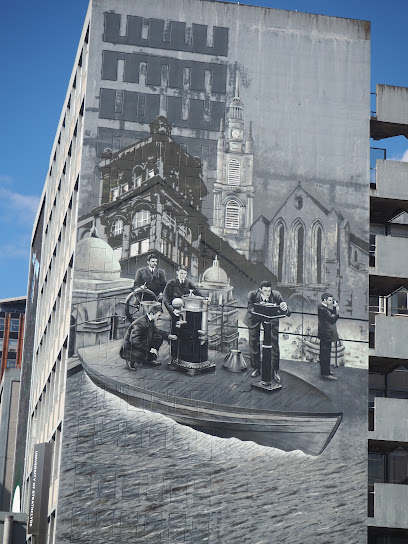
Strath Wonderwall Mural - Land Ship
0.4 km
A vibrant mural celebrating Glasgow’s maritime heritage and the University of Strathclyde’s academic achievements through stunning street art.
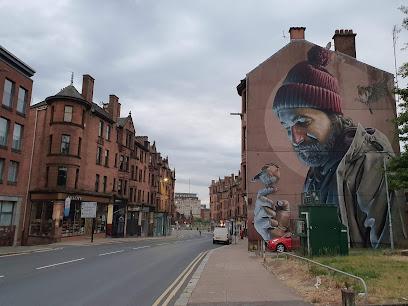
High St
0.4 km
Historic High Street in Glasgow links the city’s rich past with vibrant shopping streets and cultural landmarks.
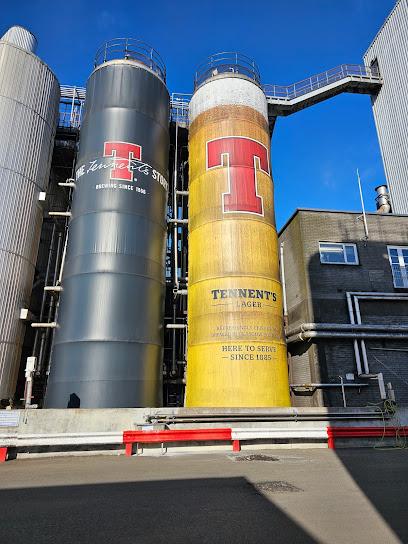
Wellpark Brewery
0.5 km
Discover Glasgow’s oldest brewery where centuries of tradition meet the birthplace of Scotland’s iconic Tennent’s Lager.
Ramshorn Graveyard
0.5 km
Historic 18th-century Glasgow graveyard and Gothic Revival kirk, resting place of Tobacco Lords and cultural pioneers in the Merchant City.
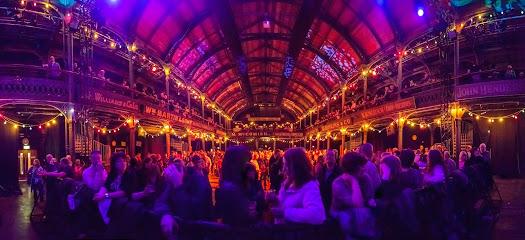
City Halls & Old Fruitmarket
0.6 km
Historic Glasgow music venues blending Victorian grandeur with vibrant live performances in the heart of Merchant City.
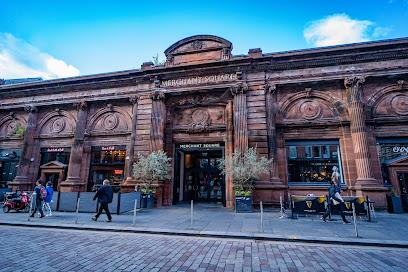
Merchant Square
0.7 km
Experience Glasgow’s Merchant City charm with vibrant dining, lively events, and a historic courtyard at Merchant Square.
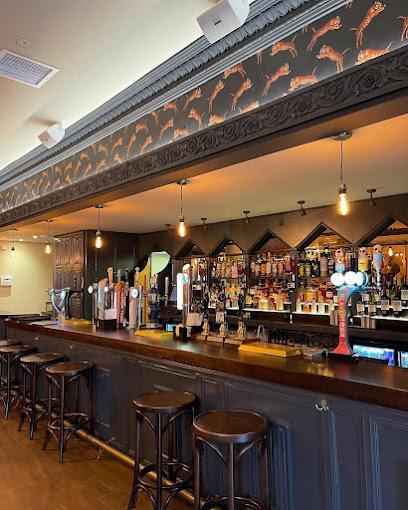
Blackfriars of Bell Street
0.7 km
Discover Glasgow's Blackfriars: A lively gastropub offering hearty meals, craft drinks, and live music in a cozy, inviting atmosphere.
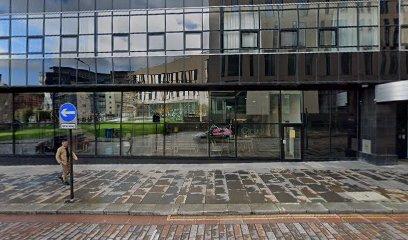
Glasgow Police Museum
0.7 km
Discover Glasgow’s policing heritage through fascinating artifacts and a global uniform collection in this volunteer-run, free museum in Merchant City.
Essential places to dine

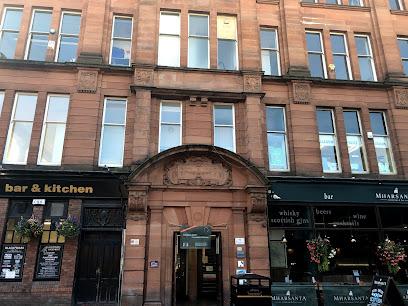
Celentano's
0.1 km
Michelin-awarded Italian cuisine celebrating Scottish ingredients in a historic city-centre setting.
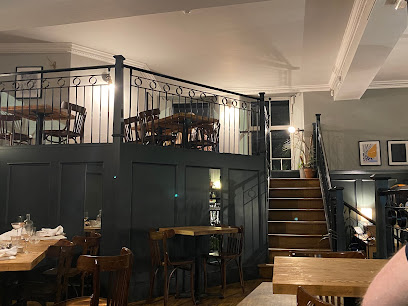
The Italian Kitchen
0.5 km
Authentic Italian flavors and warm hospitality in the heart of Glasgow’s Merchant City.
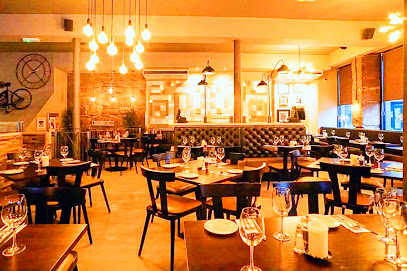
Santa Lucia Merchant City Glasgow
0.5 km
Authentic Italian dining with fresh flavors, lively ambiance, and live music in the heart of Glasgow’s Merchant City.
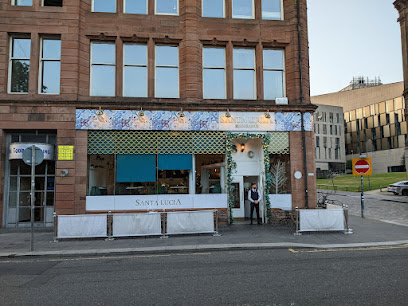
Cafe Gandolfi
0.6 km
A historic Glasgow bistro blending Scottish culinary tradition with artisanal craftsmanship and warm, convivial atmosphere.
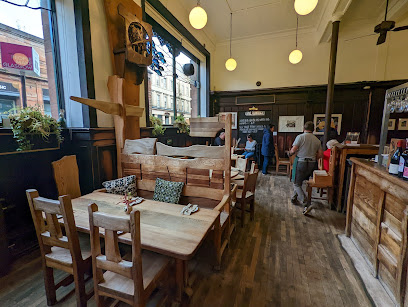
Bar Soba Merchant City
0.6 km
Experience Glasgow's Asian fusion at Bar Soba Merchant City - where unique cocktails meet vibrant flavors in an unforgettable atmosphere.
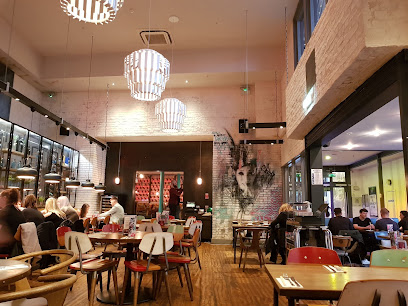
Table Twenty Eight
0.7 km
Chic restaurant and cocktail bar in Glasgow’s Merchant Square, renowned for gourmet dishes, vibrant atmosphere, and expertly crafted drinks.
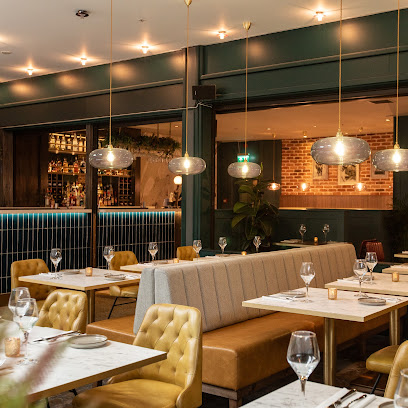
Turkiye EFES Restaurant
0.7 km
Authentic Turkish cuisine and grilled meats served with warmth and tradition in Glasgow’s vibrant Merchant City.
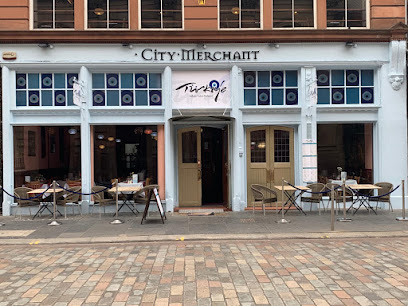
Metropolitan Bar and Restaurant
0.7 km
Experience Glasgow's vibrant culinary scene at Metropolitan Bar & Restaurant – where gourmet pub fare meets expertly crafted cocktails.
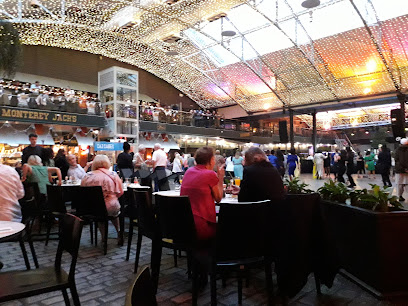
Mharsanta - Scottish Restaurant & Bar
0.7 km
Experience authentic Scottish cuisine and warm hospitality in the heart of Glasgow’s historic Merchant City.
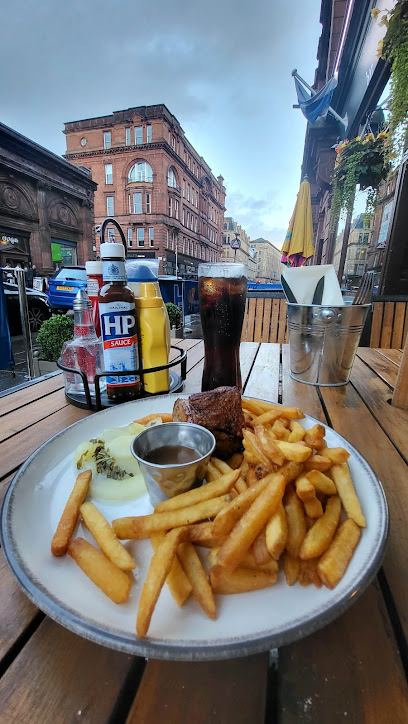
Saints of Ingram
0.7 km
Historic Hutchesons’ Hall hosts Saints of Ingram, a stylish Glasgow venue blending classic brunch, cocktails, and live weekend entertainment.
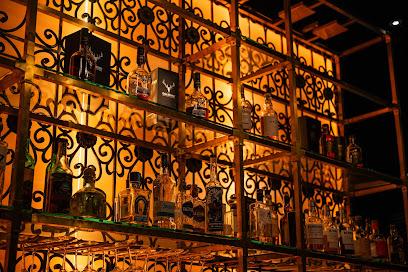
The Dhabba
0.7 km
Experience authentic Northern Indian cuisine in Glasgow with vibrant flavors, a nut-free menu, and a welcoming atmosphere at The Dhabba.
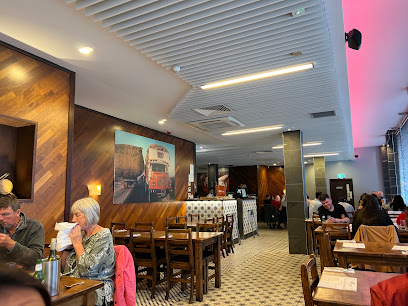
Mediterraneo Italian Restaurant & Champagne Bar
0.8 km
Experience authentic Mediterranean flavors and elegant champagne moments in the heart of Glasgow’s vibrant city centre.
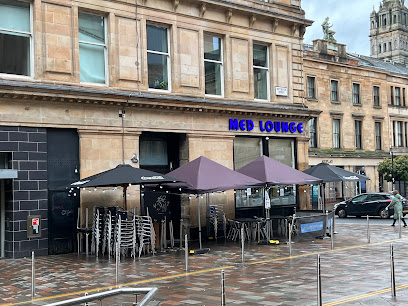
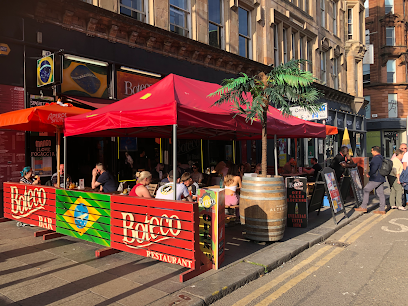
Boteco Do Brasil
0.8 km
Discover the vibrant flavors of Brazil at Boteco Do Brasil in Glasgow – where delicious cuisine meets lively nightlife.
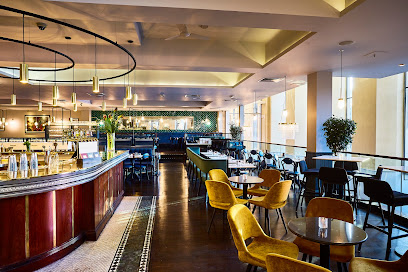
Browns Glasgow
0.8 km
Historic charm meets contemporary British cuisine in the heart of Glasgow’s George Square at Browns Brasserie & Bar.
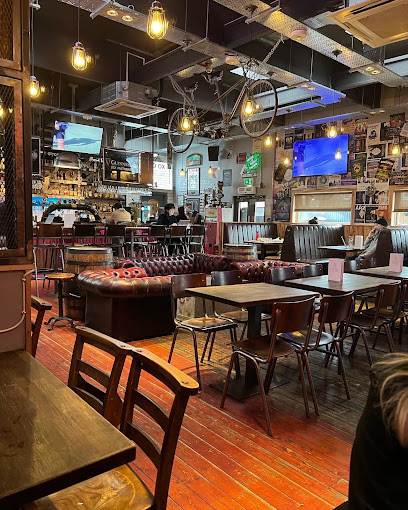
Saint Luke's & The Winged Ox
0.9 km
Discover the fusion of delicious grill cuisine and live music at Saint Luke's & The Winged Ox in Glasgow – where every meal is an experience.
Markets, malls and hidden boutiques

Frida and Coco
0.2 km
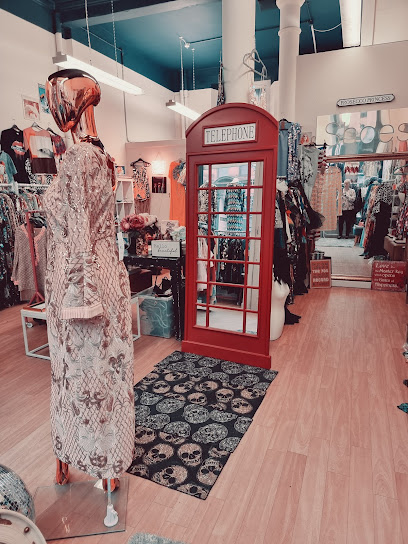
Discover unique vintage treasures and creative flair at Frida and Coco, Glasgow’s beloved boutique for timeless style and costume fashion.
Never miss a gift
0.8 km
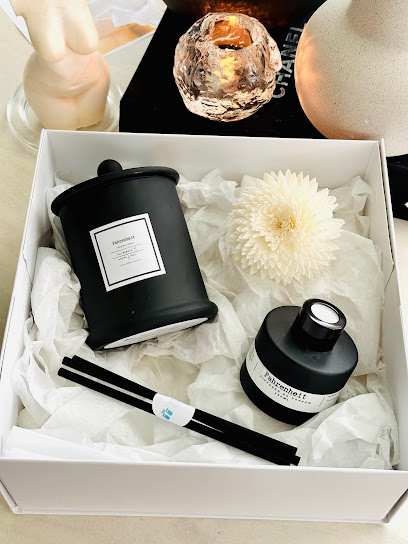
Explore Never Miss a Gift in Glasgow for unique candles and health products that capture the essence of thoughtful gifting.
Modern Love Store
0.9 km
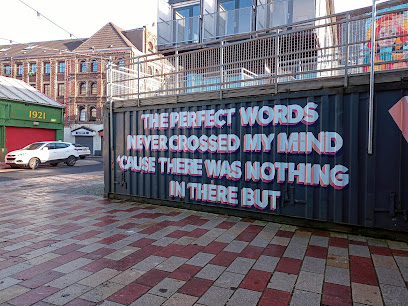
Pastel-hued trove of global homewares, kitsch glassware, and joyful gifts in Glasgow's east end—unique finds with character await.
Social Recluse
0.9 km
Discover unique gifts and stylish apparel at Social Recluse, Glasgow’s boutique for creative and quality designs in the city center.
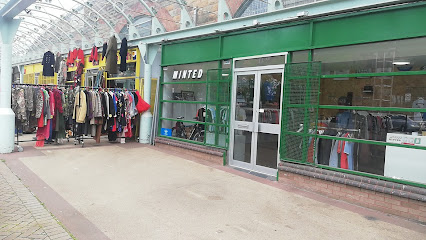
Minted
0.9 km
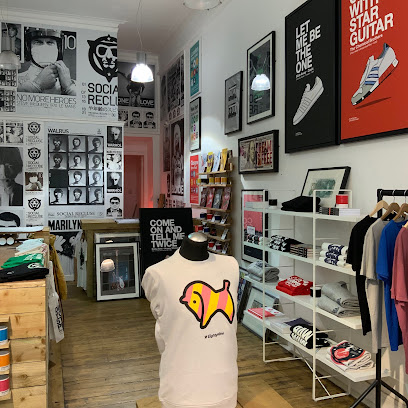
Discover rare vintage streetwear and sustainable style at Minted, Glasgow’s curated hub for iconic 90s and sportswear fashion.
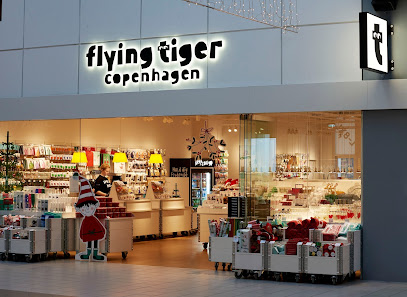
Flying Tiger Copenhagen
0.9 km
Discover colorful, affordable Scandinavian fun and creative essentials at Flying Tiger Copenhagen in Glasgow’s Buchanan Galleries.
Ilahui&Ximi Vogue Life Uk
1.0 km
Discover bold, stylish gifts and fashion-forward lifestyle treasures in the heart of Glasgow’s Buchanan Galleries.
The Glasgow Souvenir Outlet
1.0 km
Authentic Scottish treasures in Glasgow's vibrant core: tartans, whisky keepsakes, and artisan crafts for every traveler's suitcase.
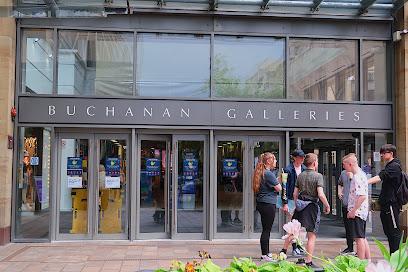
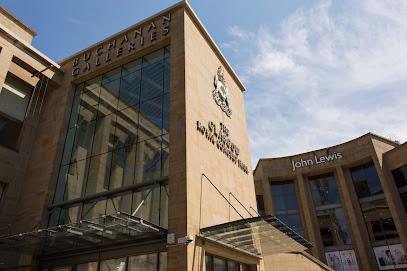
Buchanan Galleries
1.0 km
Glasgow's premier shopping destination with over 80 brands, dining, and entertainment in the city centre.
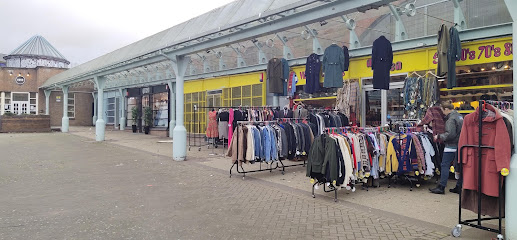
Mr Ben Retro Clothing
1.0 km
A snug, long‑established vintage boutique in Kings Court with handpicked garments, textured displays and friendly, specialist service.
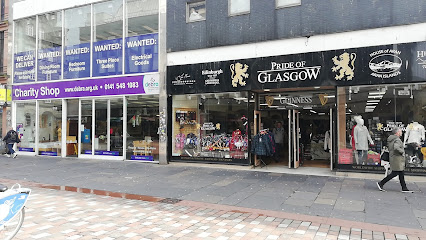
Pride of Glasgow
1.0 km
Discover tartan treasures and whisky wonders at this spirited Argyle Street shop, where Scottish pride meets Glasgow's cheeky charm in every authentic souvenir.
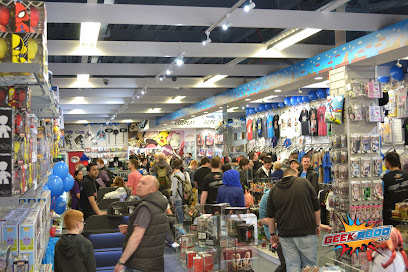
Geek-aboo
1.0 km
Dive into Glasgow's ultimate geek haven: official merch, epic collectibles, and gaming events from your favorite franchises await at Geek-aboo.
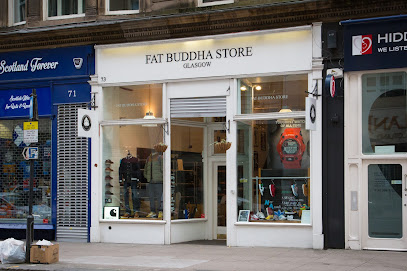
Fat Buddha Store
1.0 km
Glasgow's ultimate streetwear haven: premium menswear, spray paints, vinyl toys, and urban essentials across three vibrant floors since 2006.
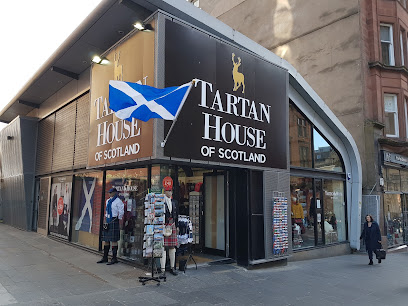
Tartan House of Scotland
1.0 km
Authentic Scottish tartans and souvenirs in the heart of Glasgow’s vibrant Buchanan Street shopping district.
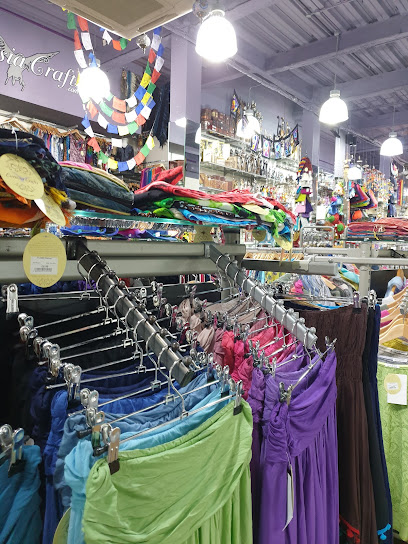
Eurasia Crafts
1.0 km
Discover handcrafted wonders from Eurasia in a cozy Glasgow gem—unique gifts, artisan stories, and cultural treasures await on elegant Queen Street.
Essential bars & hidden hideouts

Strathduie Bar
0.6 km
Traditional Glasgow pub revived in Merchant City: darts, live music, draught beers, and cozy rooms for authentic Scottish hospitality.
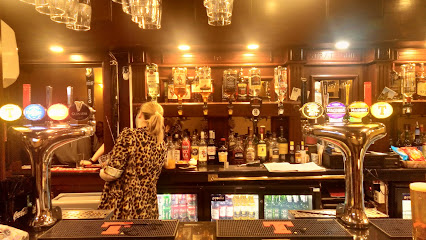
Home
0.6 km
Glasgow's go-to pub for live sports, craft cocktails, and hearty sharing plates in the vibrant Merchant City – where every visit feels like home turf.
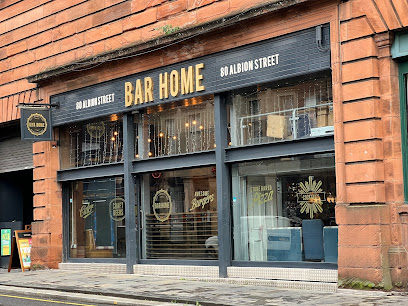
Bar 91
0.7 km
Laid-back Merchant City pub pouring craft brews, global bites, and live tunes opposite City Halls—a Glasgow essential for day-to-night vibes.
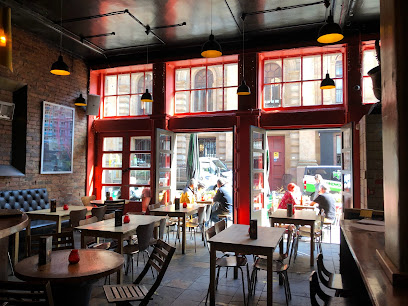
Speakeasy
0.7 km
A vibrant and welcoming gay bar in Glasgow’s Merchant City, blending relaxed pub vibes with lively nightlife and creative cocktails.
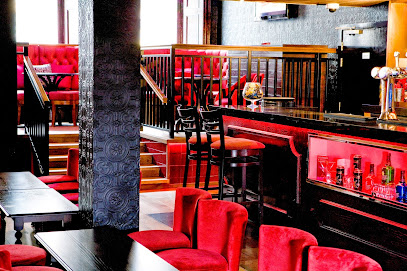
The Alchemist Glasgow
0.8 km
Experience Glasgow’s most theatrical cocktails and innovative dining in the heart of George Square’s mystical setting.
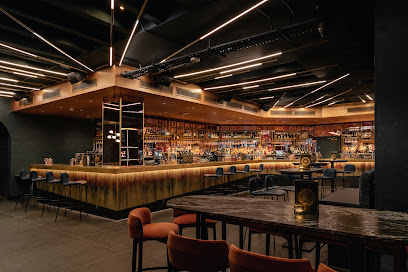
BrewDog Glasgow Merchant City
0.8 km
Craft beer rebellion meets smoky barbecue in Glasgow's historic Merchant City – 25 taps, outdoor patio, and dog-friendly vibes await.
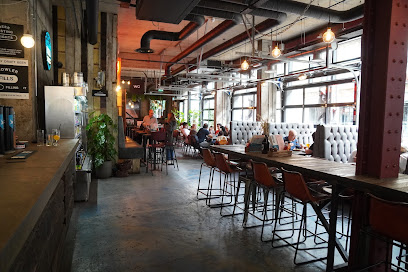
The Piper Whisky Bar
0.8 km
Glasgow's premier whisky haven with 200+ Scotches, live music nightly, and pub grub overlooking George Square – pure Scottish spirit in every sip.
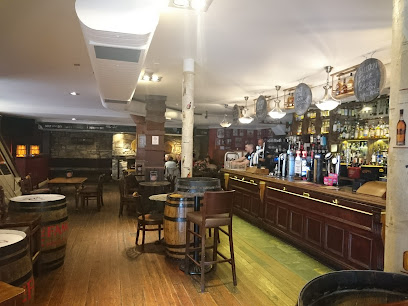
Maggies Rock n Rodeo
0.8 km
Experience Glasgow’s wild side with live music, line dancing, and a mechanical bull at Maggie’s Rock n Rodeo in Merchant City.
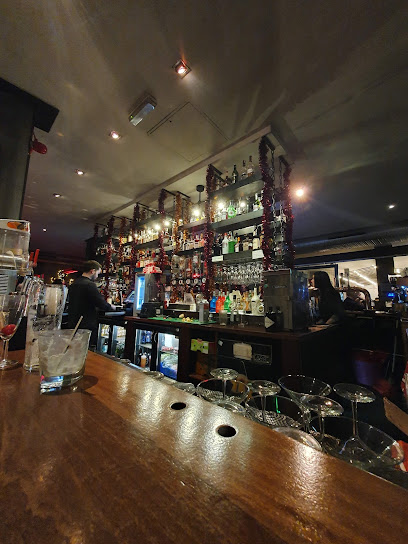
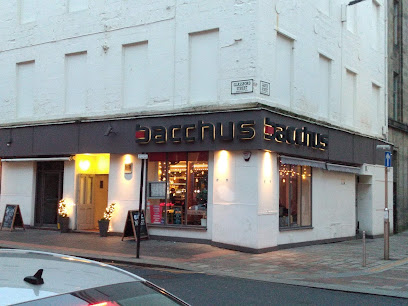
Bacchus Bar
0.8 km
Glasgow's friendliest independent bar in Merchant City, pouring wine-god vibes with live music, quizzes, and unbeatable value since over two decades.
Steps Bar
0.8 km
Discover Glasgow's Art Deco time capsule: Steps Bar's preserved 1930s elegance, walnut gantry, and jukebox vibes await in Merchant City's historic heart.
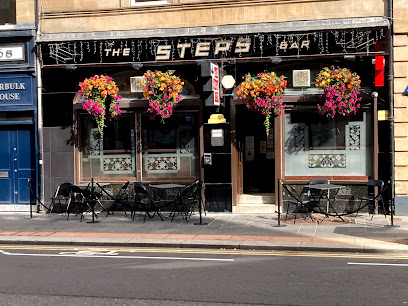
Avant Garde Music Bar & Restaurant
0.9 km
Dive into Glasgow's underground beats at Avant Garde, where live music, modern eats, and vaulted vibes create unforgettable Merchant City nights.
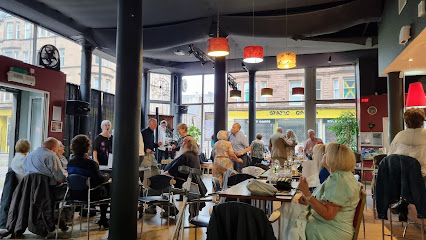
The Spiritualist Glasgow
0.9 km
Moody, theatrical cocktail bar and small-plate restaurant in central Glasgow — inventive drinks, shareable dishes and a lively evening atmosphere.
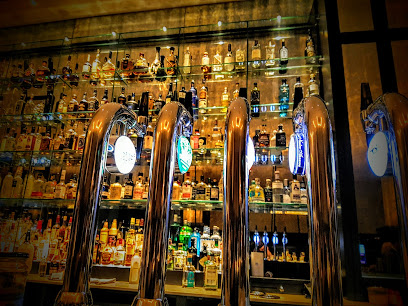
Waxy O'Connor's Glasgow
1.0 km
Explore Glasgow’s largest Irish pub maze with live music, hearty food, and spirited sports in the heart of Merchant City.
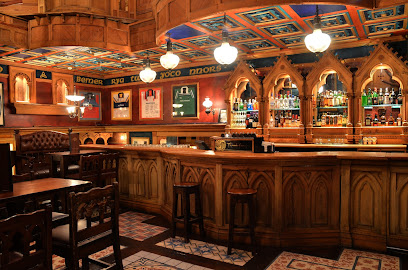
Cairns Bar
1.0 km
Cozy Merchant City pub pouring Belhaven ales, serving pub classics, and screening live sports in Glasgow's lively heart—perfect for pints and pies anytime.
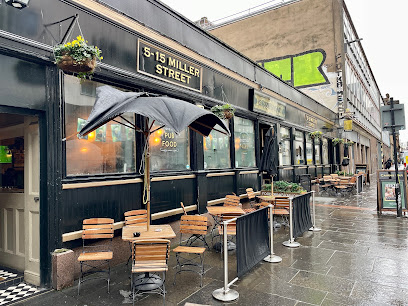
The Social
1.1 km
Cocktail haven in Merchant City with quirky drinks, wood-fired eats, terrace views, and late-night DJ vibes in Royal Exchange Square.
Nightclubs & after hour spots

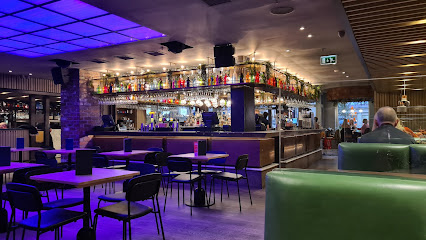
18 Candleriggs
0.8 km
Glasgow's kitsch cabaret haven where dazzling shows, tasty grill fare, and lively vibes create unforgettable Merchant City nights.
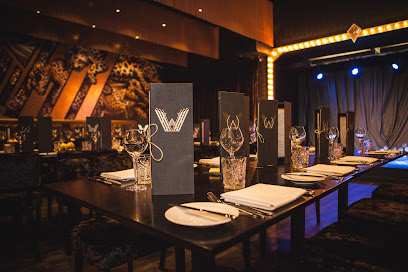
AXM Glasgow
0.8 km
Scotland's biggest LGBTQ+ nightclub: two floors of pop, charts, and dance in Glasgow's heart, with cheap drinks and zero attitude.
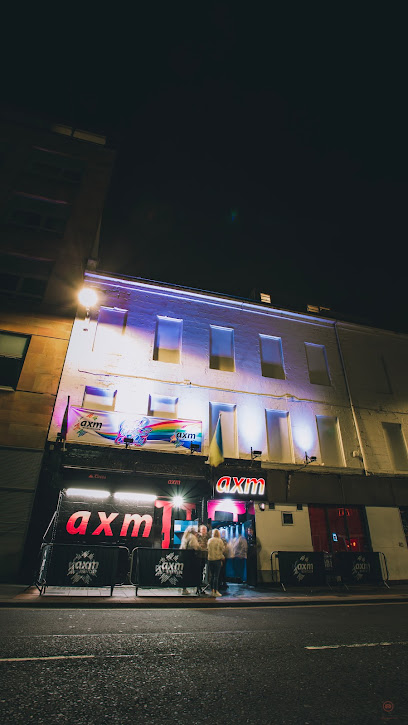
Polo Lounge
0.9 km
Glasgow's grandest gay nightclub: multi-level dance floors, cheap drinks, and non-stop energy until dawn in Merchant City's heart.
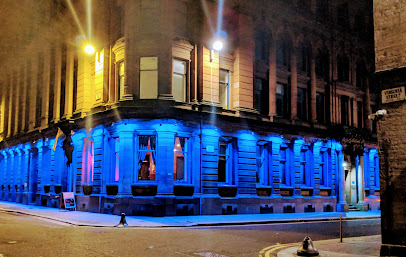
Delmonicas
0.9 km
Scotland's biggest gay club: drag shows, karaoke, DJs, and non-stop inclusive party vibes in Glasgow's Merchant City heart.
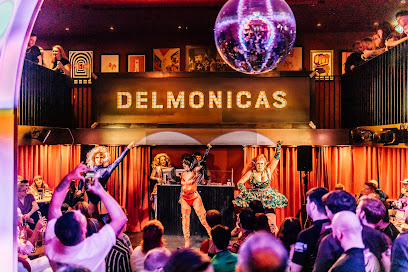
Club X
0.9 km
Glasgow's underground RnB haven: where beats throb, lights flash, and the LGBTQ+ community dances till dawn in Merchant City's beating heart.
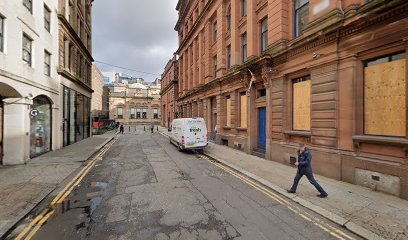
Riding Room
0.9 km
Fancy cabaret club in Glasgow's gay triangle, serving exotic kettle cocktails alongside burlesque, magic, and cheeky shows in a lively, intimate venue.
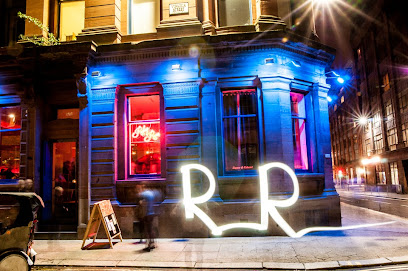
La Cheetah Club
1.0 km
Glasgow’s intimate basement club with a powerful sound system, vibrant underground beats, and a welcoming community spirit.
Popworld Glasgow
1.2 km
Dive into a whirlwind of 80s-00s pop anthems, retro props, and cocktail-fueled dance marathons at Glasgow's ultimate cheesy nightclub escape.
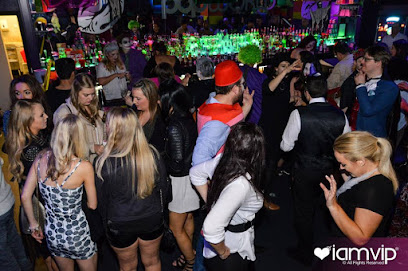
Platinum Lace Glasgow
1.2 km
Glasgow’s premier gentlemen’s club with stunning dancers, VIP luxury, and an electric nightlife atmosphere in the city centre.
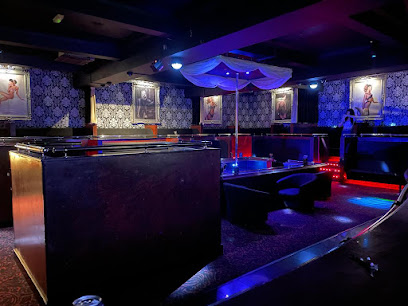
Bamboo
1.2 km
Glasgow’s energetic three-room basement nightclub offering affordable drinks and diverse music for a lively student crowd.
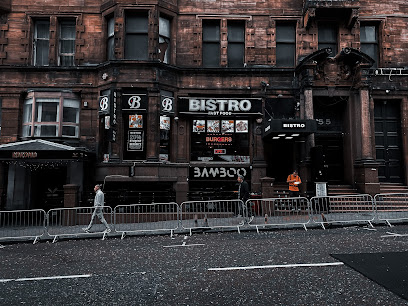
Kokomo Glasgow
1.2 km
Kokomo Glasgow was a late-night nightclub and bar known for its energetic vibe and central city location on West Regent Street.
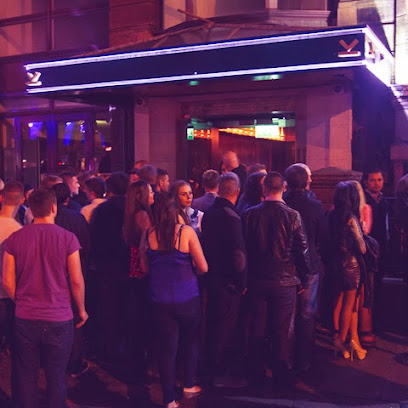
Club Tropicana & Venga
1.3 km
Two-room retro nightclub in central Glasgow with themed ’80s/’90s nights, booth bookings and a high-energy weekend atmosphere.
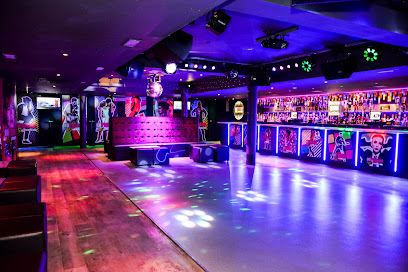
Cathouse Rock Club
1.3 km
Glasgow's unrelenting rock fortress since 1990—metal riffs, live gigs, and alternative fury across three pounding rooms.
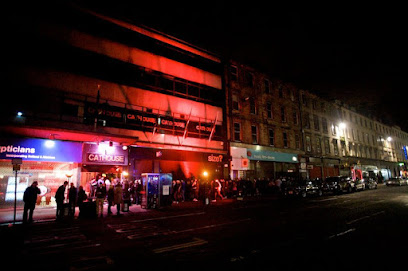
The Savoy
1.3 km
Experience Glasgow’s vibrant weekend nightlife at The Savoy, a lively nightclub on Sauchiehall Street pulsing with music and energy until dawn.

142B Lounge
1.4 km
Experience Glasgow’s vibrant Afrobeat and Amapiano hotspot with stylish vibes, great music, and authentic African flavors.
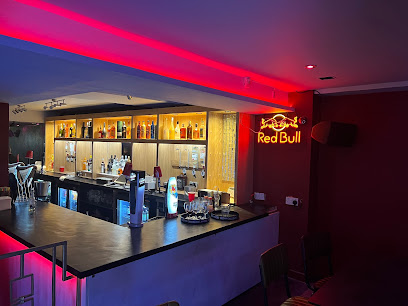
For the vibe & atmosphere seeker
- Tranquil
- Scenic
- Unique
- Cultural Heritage
For the design and aesthetic lover
- Vintage Styles
- Rustic Designs
For the architecture buff
- Historic
- Heritage Neighborhoods
For the view chaser and sunset hunter
- Iconic Views
For the social media creator & influencer
- Instagrammable
- Photo Spots
- Architectural Shots
For the eco-conscious traveler
- Public-Transport Accessible
- Locally Managed
For the kind of experience you’re after
- Cultural Heritage
- Photowalk
- Day Trip
- Weekend Getaway
For how adventurous you want the journey to be
- Easy Access
Location Audience
- Family Friendly
- Senior Friendly
- Child Friendly
- Wheelchair Access
- Solo Friendly
- Couple Friendly


