

Royal Crescent, Cheltenham: Regency Elegance in a Historic Terrace
Elegant Regency crescent in Cheltenham showcasing handcrafted ironwork and historic spa town charm from the early 1800s.
The Royal Crescent in Cheltenham is a distinguished Grade II* listed Regency crescent built between 1806 and 1811. Comprising 18 terraced houses with elegant curved facades and striking ironwork balconies, it represents some of Cheltenham’s earliest and finest Regency architecture. Originally designed as fashionable lodgings for spa visitors, the crescent exemplifies the town’s blend of Georgian simplicity and classical influences, set within a historic spa town renowned for its architectural heritage.
A brief summary to Royal Cres
- Cheltenham, GB
- Duration: 0.5 to 2 hours
- Free
-
 Outdoor
- Mobile reception: 4 out of 5
Local tips
- Admire the intricate wrought-iron balconies, a hallmark of Regency craftsmanship unique to Cheltenham.
- Visit during daylight to fully appreciate the crescent’s curved facade and classical architectural details.
- Explore nearby Regency architecture gems like Montpellier and Bath Road to see complementary styles.
- Consider a guided walking tour to learn about Cheltenham’s spa town history and Regency heritage.

For the on-the-go comforts that matter to you
- Seating Areas
- Information Boards
Getting There
-
Bus
Take local Cheltenham bus routes 1, 2, or 5 from the town center, with a journey time of approximately 10-15 minutes. Buses run frequently throughout the day. The Royal Crescent is a short walk from the nearest stop near the bus station. No parking is available directly at the crescent.
-
Train and Walk
From Cheltenham Spa railway station, it is a 20-minute walk to the Royal Crescent through mostly flat urban streets. The route is accessible for most travelers and offers an opportunity to see other Regency architecture along the way.
-
Car
Driving to Cheltenham Royal Crescent is possible with parking available in nearby public car parks such as Imperial Gardens or Clarence Street, about a 5-10 minute walk away. Parking fees range from £1.50 to £3.50 per hour. Note that the crescent itself has no dedicated parking and is in a residential area with limited street parking.
Royal Cres location weather suitability
-
 Any Weather
-
 Clear Skies
-
 Mild Temperatures
Discover more about Royal Cres
Architectural Heritage Rooted in Regency Style
The Royal Crescent in Cheltenham stands as a premier example of Regency architecture, constructed between 1806 and 1811. This Grade II* listed crescent comprises 18 terraced houses arranged in a graceful curve, echoing the classical crescents found in Bath but with a distinctive Cheltenham simplicity. The design reflects the Regency period’s preference for understated elegance, featuring smooth facades, multi-paned sash windows, and magnificent wrought-iron balconies and verandas handcrafted by local blacksmiths. This architectural style blends the austerity of Georgian design with classical elements inspired by ancient Greek and Roman orders, creating a harmonious yet refined streetscape.Historical Significance as Spa Town Lodgings
Cheltenham’s Royal Crescent was originally built to serve as fashionable lodgings for visitors drawn to the town’s renowned spa waters. During the Regency era, Cheltenham blossomed as a health and leisure destination, attracting aristocrats and affluent visitors seeking the reputed healing properties of its mineral springs. The crescent’s elegant homes provided an ideal setting for these guests, combining comfort with architectural grandeur. This historical role situates the Royal Crescent not only as a residential landmark but also as a symbol of Cheltenham’s social and cultural development during the early 19th century.Distinctive Regency Features and Classical Influences
The crescent’s design incorporates hallmark Regency features such as flat vertical facades, string courses separating floors, and stucco finishes. The ironwork balconies are particularly notable, showcasing intricate craftsmanship that adds artistic flair to the otherwise restrained exteriors. Classical architectural motifs, including porticos, columns (both fluted and plain), entablatures, and modillions, are subtly integrated, reflecting the period’s fascination with ancient Greek and Roman aesthetics. This blend of simplicity and classical decoration typifies Cheltenham’s Regency architecture and contributes to the crescent’s timeless appeal.Urban Context and Preservation
Situated just behind Cheltenham’s bus station, the Royal Crescent occupies a prominent position within the town’s historic core. It is part of a broader Regency architectural heritage that defines Cheltenham’s identity as Britain’s most complete Regency town. The crescent’s preservation as a Grade II* listed building ensures that its architectural integrity and historic character are maintained, allowing visitors to appreciate its original charm and craftsmanship. The surrounding area features other Regency gems, enhancing the crescent’s role as a key attraction within Cheltenham’s urban landscape.Living Heritage and Contemporary Use
While originally designed as single-family lodgings, many of the houses within the Royal Crescent have been adapted over time, often subdivided into apartments that accommodate modern living needs while retaining historic features. This adaptive reuse reflects the crescent’s ongoing relevance and vitality within Cheltenham’s residential fabric. The combination of heritage conservation and contemporary habitation exemplifies how historic architecture can be preserved and appreciated in a living urban environment.Symbol of Regency Elegance in Cheltenham
The Royal Crescent remains a testament to Cheltenham’s Regency heyday, embodying the elegance, social history, and architectural refinement of the early 19th century. Its curved terraces and handcrafted ironwork continue to captivate visitors and residents alike, offering a window into a period when Cheltenham emerged as a fashionable spa town. As an enduring landmark, it enriches the town’s cultural landscape and invites exploration of the broader Regency architectural heritage that defines Cheltenham’s unique character.Iconic landmarks you can’t miss

World Walks (inc. Cotswold Journeys, British & Irish Walks)
4.8 km
Explore the captivating beauty of the Cotswolds with World Walks, your gateway to unforgettable guided walking tours across Britain and Ireland.
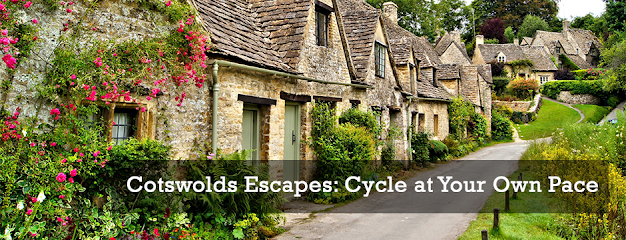
Cotswold Journeys
4.8 km
Explore the enchanting Cotswolds on expertly crafted walking tours with seamless logistics and charming local stays.

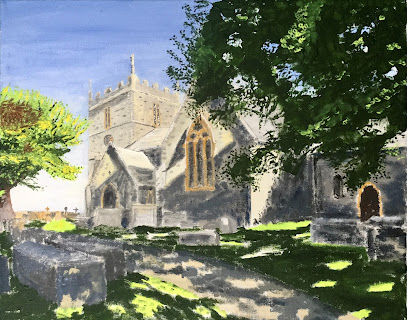
Gloucestershire Historic Churches Trust
7.9 km
Explore the rich ecclesiastical heritage of Gloucestershire through its historic churches, showcasing stunning architecture and engaging community initiatives.
Visit Cotswolds Online
7.9 km
Explore the enchanting Cotswolds, where rolling hills, historic villages, and breathtaking landscapes await every traveler seeking an unforgettable adventure.
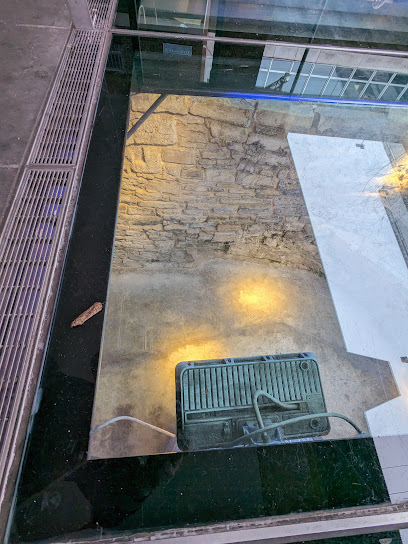
Eastgate viewing chamber
12.0 km
Discover Gloucester’s ancient Roman and medieval city defenses through a unique underground viewing chamber beneath Eastgate Street.
National Waterways Museum Gloucester
12.7 km
Explore the National Waterways Museum in Gloucester, where the rich history of Britain's canals comes to life through engaging exhibits and scenic boat trips.
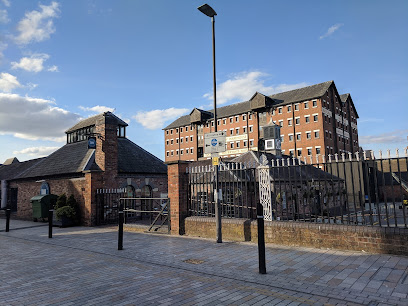
Summit of Robinswood Hill
12.9 km
Discover the breathtaking views and serene landscapes at the Summit of Robinswood Hill, a country park ideal for hikers and nature lovers in Gloucester.
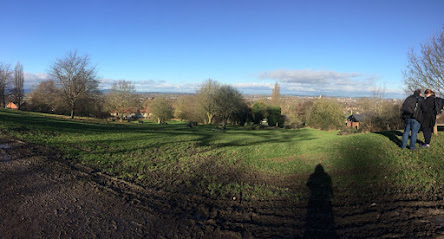
Hailes Abbey
12.9 km
Discover the serene beauty and rich history of Hailes Abbey, a stunning Cotswolds gem that transports visitors back to medieval times.
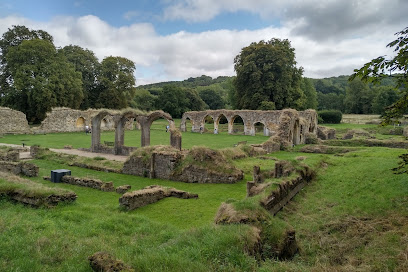
Painswick Beacon
12.9 km
Explore the ancient hillfort summit of Painswick Beacon with stunning 360-degree views across the iconic Cotswold Hills and beyond.
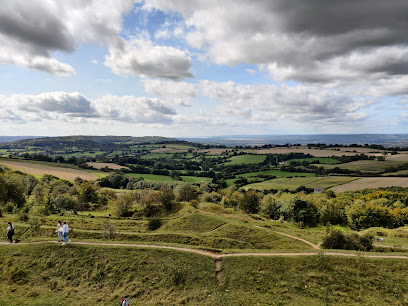
Hailes Church
12.9 km
Explore the medieval Hailes Church and evocative ruins of Hailes Abbey, a royal-founded pilgrimage site famed for the Holy Blood relic.
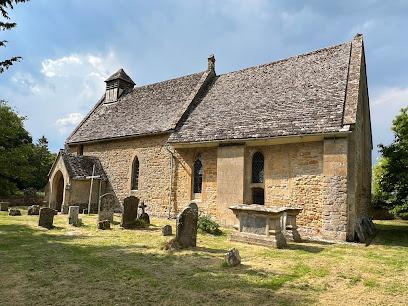
Chedworth Nature Reserve
12.9 km
Discover the serene beauty of Chedworth Nature Reserve, a hidden gem in Cheltenham offering lush landscapes and diverse wildlife for nature lovers.

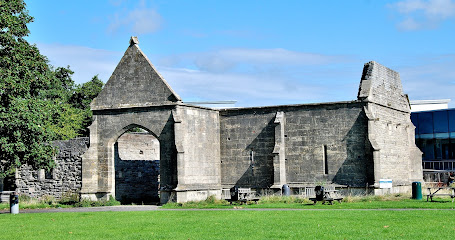
Llanthony Secunda Priory
13.0 km
Explore the rich heritage of Llanthony Secunda Priory, a stunning medieval site surrounded by picturesque landscapes in Gloucester.
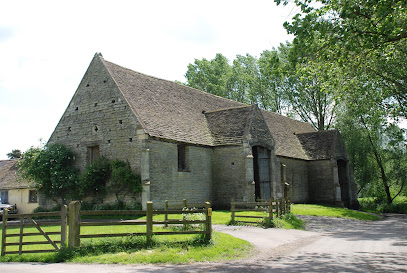
National Trust - Ashleworth Tithe Barn
13.2 km
Explore the historic Ashleworth Tithe Barn, a beautifully preserved medieval structure showcasing England's agricultural heritage amidst stunning countryside.
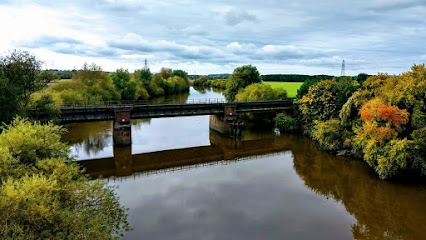
Over Bridge
13.3 km
Historic stone arch bridge by Thomas Telford, offering scenic river views and a glimpse into 19th-century engineering near Gloucester.
The Garden at Miserden
13.6 km
Discover the serene beauty of The Garden at Miserden, a stunning oasis in the Cotswolds perfect for nature lovers and relaxation seekers.
Unmissable attractions to see

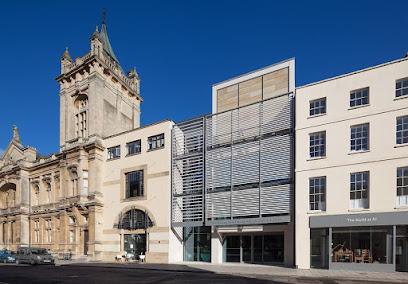
The Wilson Art Gallery and Museum and The Wilson Kitchen arts café
0.2 km
Discover Cheltenham’s vibrant arts and heritage hub with inspiring exhibitions, family activities, and a charming café in the heart of the town.
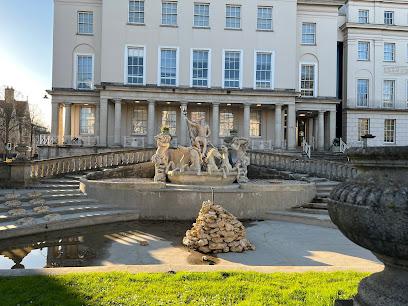
The Neptune Fountain
0.2 km
A majestic 19th-century fountain on Cheltenham’s Promenade, celebrating Neptune with classical grandeur and Regency elegance.
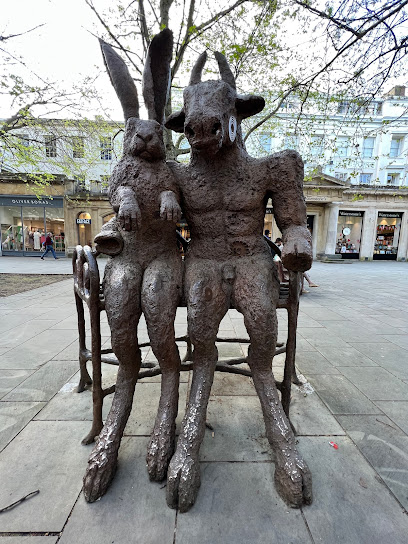
The Hare and the Minotaur
0.2 km
A captivating sculpture blending myth and nature, The Hare and the Minotaur stands tall on Cheltenham’s Promenade, crafted from reclaimed metal by Sophie Ryder.
High St
0.3 km
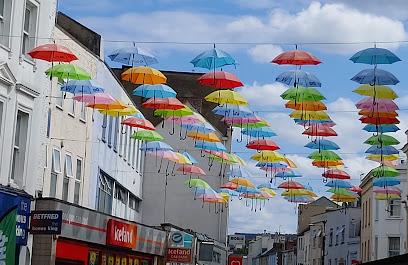
Cheltenham’s main shopping street, where big brands meet independent boutiques in a lively Cotswolds market town.
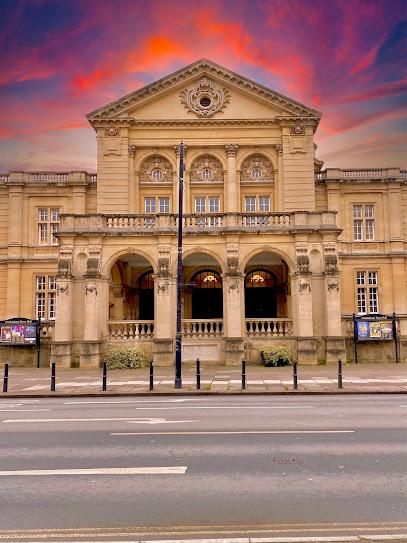
Cheltenham Town Hall
0.3 km
A stunning Edwardian Baroque venue in Cheltenham’s Imperial Square, hosting vibrant concerts, festivals, and events in a grand historic setting.
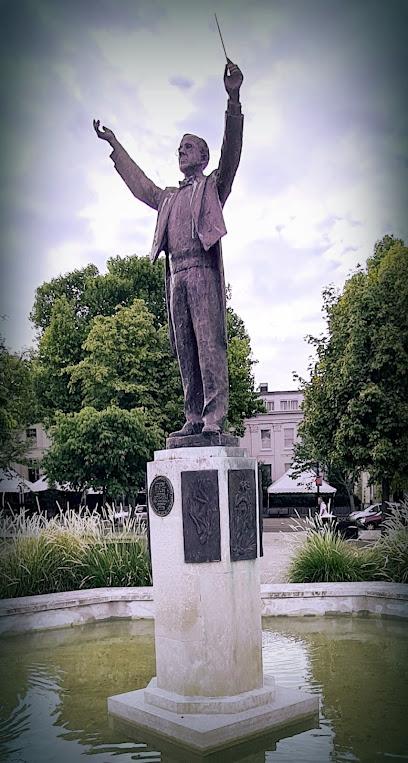
Gustav Holst Statue & Planets Fountain
0.3 km
A captivating bronze tribute in Cheltenham’s Imperial Gardens celebrating Gustav Holst and his iconic orchestral suite The Planets.
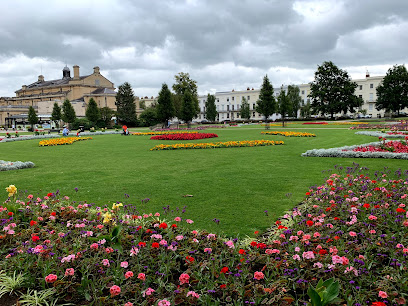
Imperial Gardens
0.4 km
A historic and vibrant formal garden in Cheltenham’s heart, hosting stunning floral displays and lively festivals year-round.
Montpellier Walk
0.6 km
Elegant Regency promenade in Cheltenham with historic architecture, boutique shops, and a lively café culture at its heart.
Montpellier Gardens
0.6 km
A serene Regency-era garden oasis in Cheltenham, blending historic charm with vibrant community life and lush greenery.
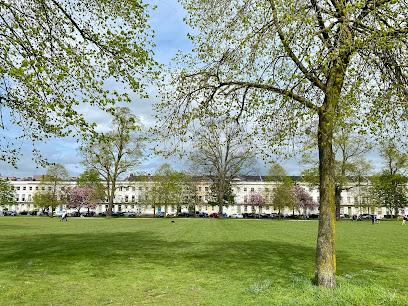
Winston Churchill Memorial Gardens
0.6 km
A serene urban oasis in Cheltenham, blending historic charm with lush gardens and a tribute to Winston Churchill.
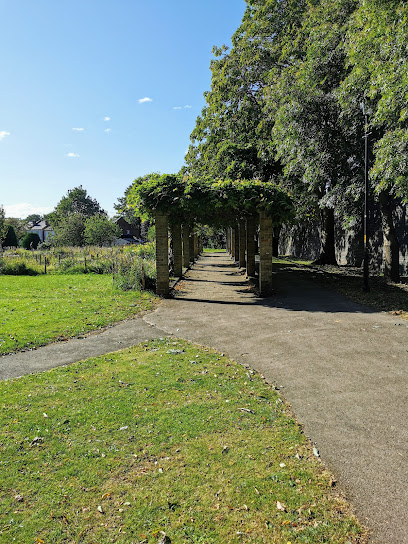
Holst Victorian House
0.7 km
Step into the birthplace of Gustav Holst and experience authentic Victorian life in Cheltenham’s only open Victorian home.
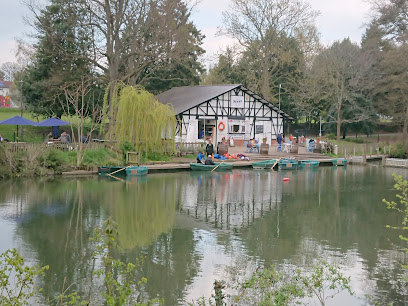
Pittville Park
1.4 km
Cheltenham’s largest ornamental park blending Victorian heritage, lakes, sports, and family fun in a lush, historic setting.
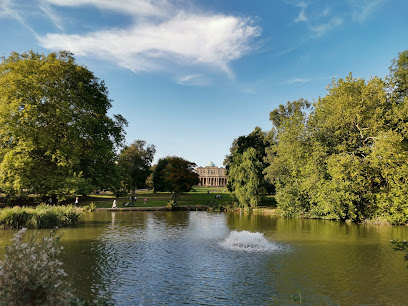
Devil's Chimney
4.0 km
Discover the twisted limestone pillar of Devil's Chimney, a legendary landmark blending nature, history, and folklore atop Leckhampton Hill.
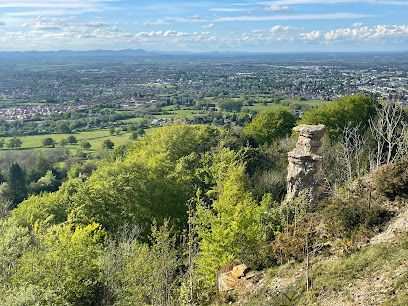
Leckhampton Hill
4.1 km
Limestone cliffs, wild orchids, and panoramic vistas above Cheltenham's cherished skyline.
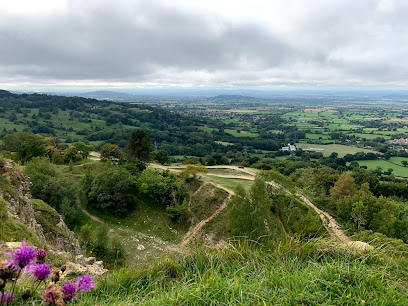
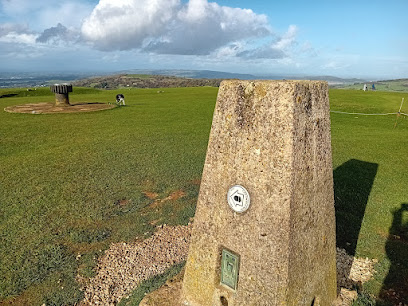
Cleeve Hill
5.5 km
Discover the highest peak of the Cotswolds with breathtaking views, rich nature, and invigorating walking trails at Cleeve Hill.
Essential places to dine

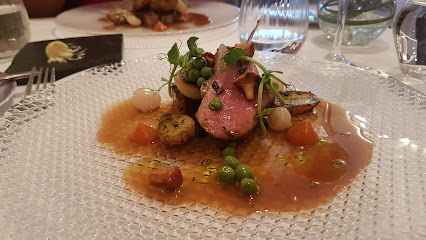
Lumiere
0.1 km
Michelin-starred Lumière in Cheltenham offers innovative British fine dining with seasonal, home-grown ingredients in an elegant, intimate setting.
MUSE Brasserie
0.1 km
Creative fusion of French and Indian cuisine in stylish Cheltenham setting, offering innovative dishes and warm, attentive service.
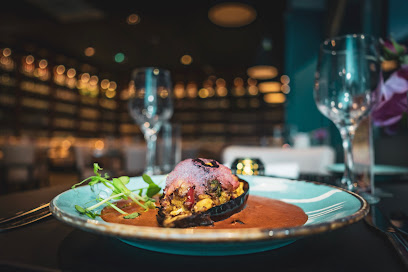
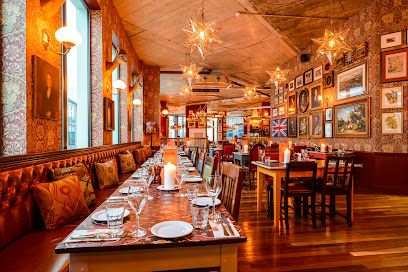
Cosy Club
0.3 km
Eclectic British dining and lively social vibes await you daily in Cheltenham’s vibrant Brewery Quarter.
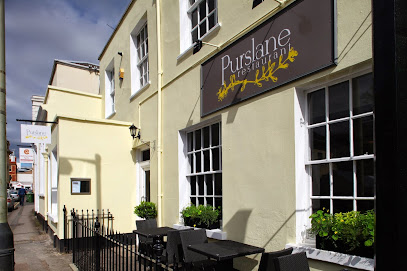
Purslane Restaurant
0.4 km
Discover Purslane, Cheltenham’s intimate modern British restaurant celebrating sustainable seafood and seasonal local produce with inventive flair.
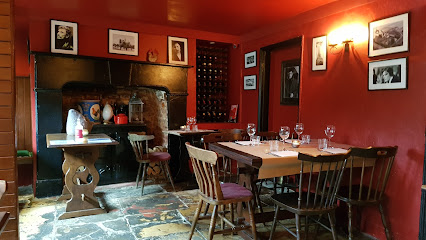
Petit Coco Bistro
0.4 km
Charming French bistro in Cheltenham offering authentic classics, cozy farmhouse decor, and a warm, intimate dining experience.
Prithvi
0.5 km
Experience innovative Indian fine dining in Cheltenham with exquisite flavors, elegant ambiance, and impeccable service at Prithvi.
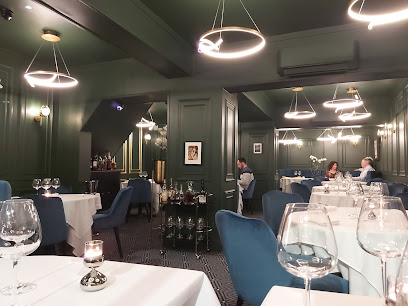
The Ivy Montpellier Brasserie Cheltenham
0.6 km
Elegant dining in Cheltenham’s historic Montpellier Rotunda, blending modern British cuisine with iconic Ivy style and grand architectural charm.
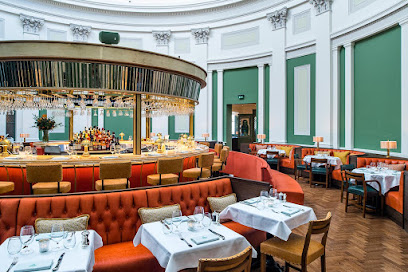
The Coconut Tree Cheltenham
0.8 km
Experience vibrant Sri Lankan street food and island cocktails in a cozy, lively Cheltenham venue with authentic flavours and warm hospitality.
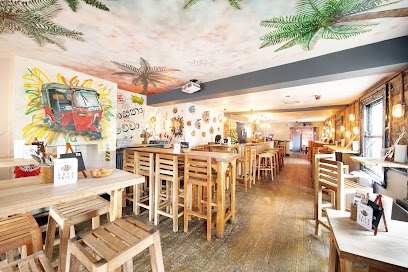
Le Champignon Sauvage
0.9 km
A serene Michelin-starred haven in Cheltenham offering inventive Anglo-French cuisine with exceptional service and a celebrated wine list.
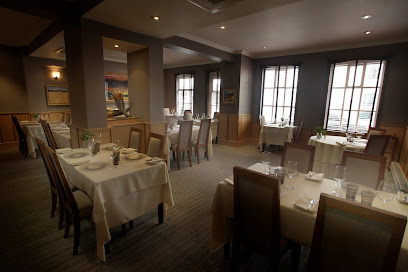
Wheatstone Inn
8.8 km
A traditional British pub in Barnwood, Gloucester, serving classic pub fare and local ales in a relaxed, family-friendly setting.
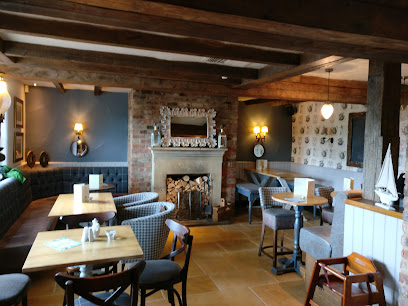
5 North St
9.9 km
An intimate French dining experience in Winchcombe, blending innovative cuisine with cozy charm and unpretentious service.
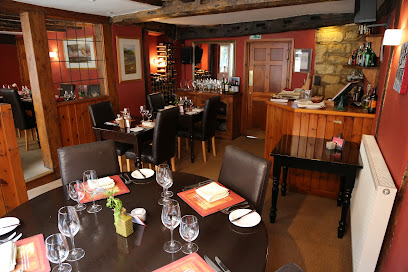
Queens Head Longford
10.9 km
A cherished gastropub in Gloucester offering hearty traditional roasts, friendly service, and a cozy countryside pub atmosphere.
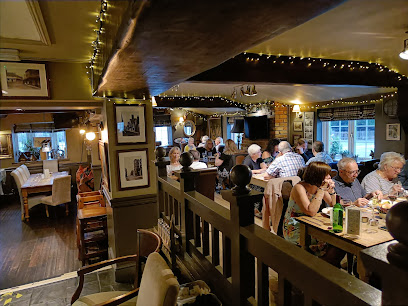
Nepalese Chef
11.5 km
Experience authentic Nepalese and Asian fusion cuisine with a welcoming atmosphere and diverse menu in the heart of Gloucester.
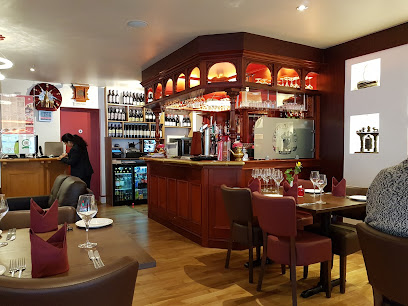
Sebz
11.8 km
Authentic Mediterranean tapas and vibrant wine bar in Gloucester’s historic Northgate Street, blending fresh flavors with a lively atmosphere.
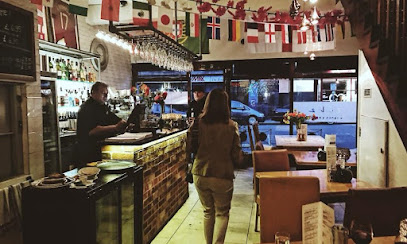
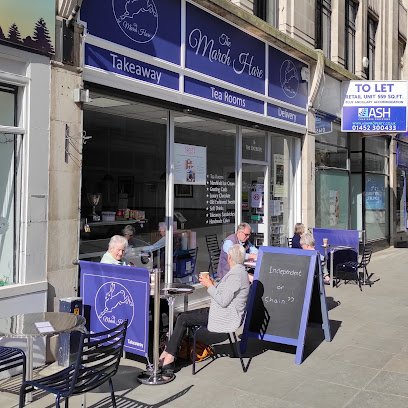
The March Hare
12.0 km
A cozy tearoom in Gloucester’s historic Oxbode offering fresh local fare and friendly service from morning to afternoon.
Markets, malls and hidden boutiques

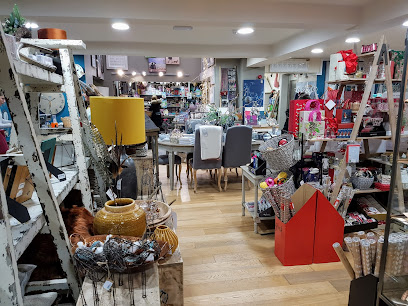
Vinegar Hill
0.2 km
Discover Cheltenham’s family-run boutique blending stylish homewares, fashion, and unique gifts in a warm, inviting setting since 1997.
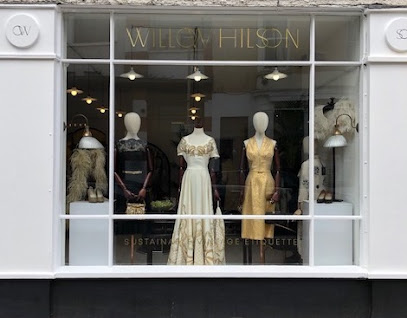
Willow Hilson Vintage
0.8 km
Authentic vintage fashion from the 1920s to 1960s in a charming Cheltenham boutique with artistic flair and photography studio.
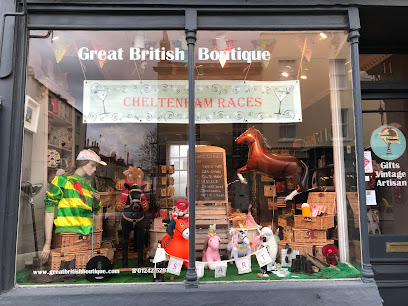
Great British Boutique
1.0 km
Discover unique gifts and quirky homeware in Cheltenham’s welcoming Great British Boutique, where friendly service meets charming finds.
Emporium
1.2 km
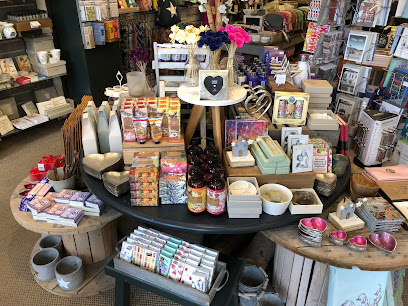
Discover unique gifts and a warm welcome at Emporium, Cheltenham’s charming family-run gift shop on Bath Road.
Cotswold Creates
9.5 km
Discover unique artisan gifts and handcrafted treasures that capture the heart of the Cotswolds in Gloucester’s welcoming Cotswold Creates.

Just Incase Gifts
9.9 km
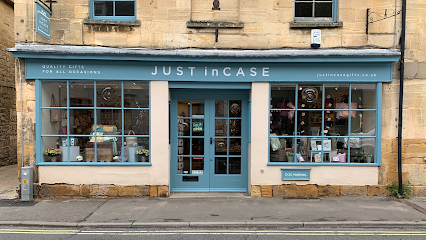
Discover unique, quality gifts and local crafts at this warm, family-run shop in the heart of Winchcombe’s charming Cotswold village.
The Malt House Emporium
11.1 km
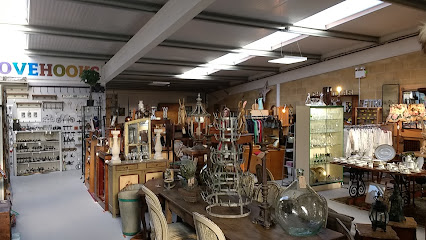
Discover unique antiques, vintage treasures, and a cozy café experience at The Malt House Emporium near Tewkesbury.
King's Walk
12.0 km
Gloucester’s central shopping destination featuring popular high street brands and convenient dining in a lively city centre setting.
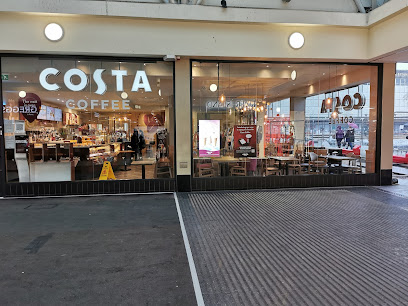
Pilgrims Gloucester
12.1 km
Discover unique gifts and a cosy, atmospheric shopping experience in the heart of historic Gloucester.
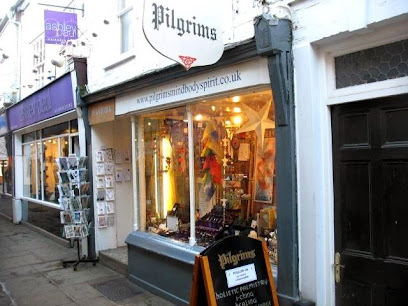
L&S Lifestyle
12.2 km
Discover unique gifts and stylish finds in a cozy boutique setting at L&S Lifestyle, Gloucester’s charming gift shop on College Street.
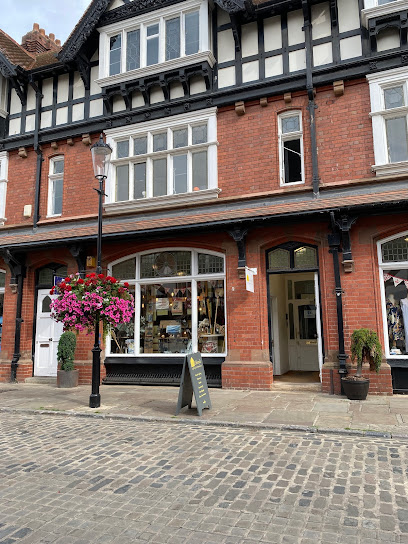
Chez Rose
12.4 km
Discover unique gifts and shabby chic treasures in a warm, welcoming boutique nestled in Gloucester’s historic Westgate Street.
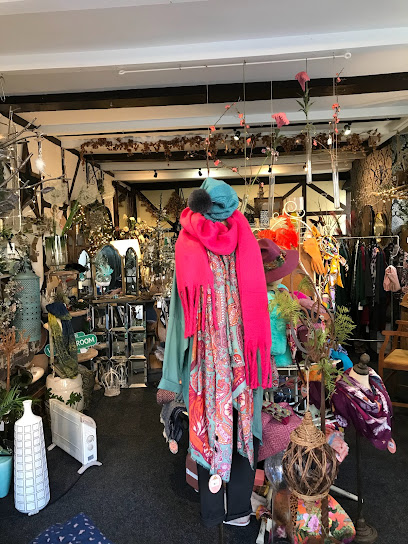
Westgate Retail Park
12.5 km
Convenient shopping with free parking and a variety of homeware stores in the heart of Gloucester’s Westgate Street.
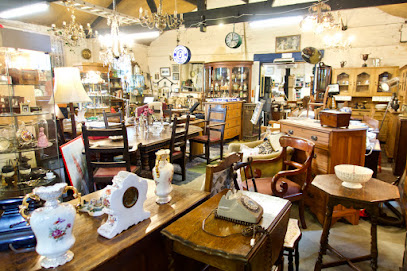
Upstairs Downstairs
12.6 km
Discover Gloucester’s charming antique shop with unique collectibles and a cozy tearoom serving homemade treats.
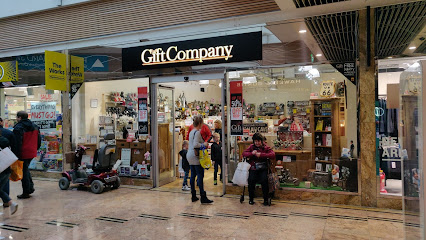
Gift Company
12.7 km
Discover unique gifts and charming homeware at The Gift Company, nestled in the vibrant Gloucester Quays outlet by the historic docks.
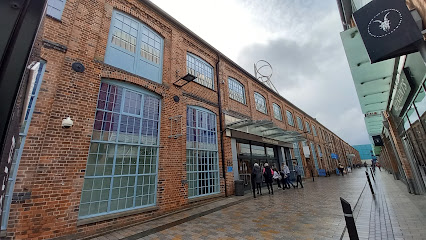
Gloucester Quays
12.7 km
Discover designer bargains and festive charm at Gloucester Quays, a lively waterfront outlet set within historic docks.
Essential bars & hidden hideouts

Copa of Cheltenham
0.3 km
Lively pub and restaurant on Regent Street offering great drinks, tasty pub food, and a welcoming atmosphere with live sports and a beer garden.
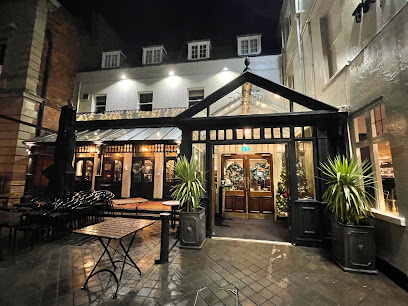
The Cotswold Inn, Cheltenham.
0.5 km
A lively Cheltenham pub blending traditional charm with vibrant live music and a welcoming local atmosphere.
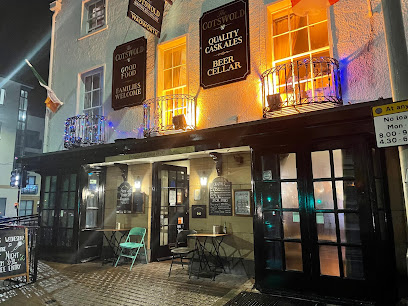
The Retreat
0.8 km
A charming Cheltenham wine bar blending historic ambiance with locally sourced cuisine and a relaxed, inviting atmosphere.
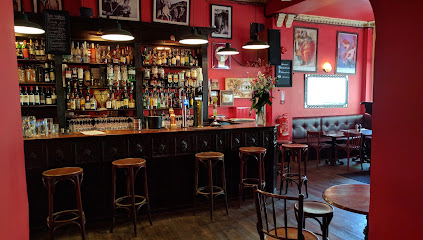
The Royal Oak, Prestbury
2.7 km
Historic 16th-century pub in Prestbury offering traditional Cotswold charm, seasonal British fare, award-winning ales, and a warm, welcoming atmosphere.
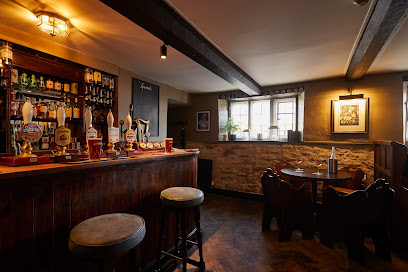
The House in The Tree
4.6 km
A charming and historic English pub in Cheltenham, serving hearty homemade meals in a cozy, welcoming atmosphere with rustic character.
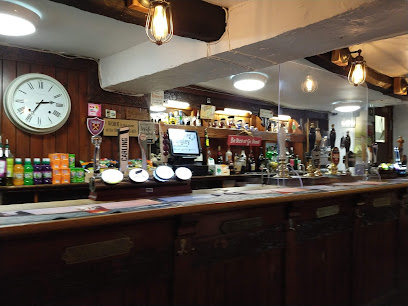
The Gloucester Old Spot
6.1 km
A quintessential English pub in Cheltenham offering hearty modern British fare, rare breed pork specialties, and a warm, inviting atmosphere year-round.
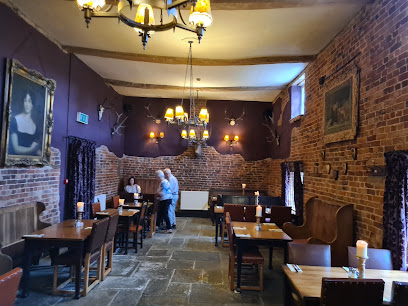
Experimental Cocktail Club Cotswolds
7.9 km
Sophisticated cocktails and vibrant DJ nights in the heart of the Cotswolds at Cowley Manor’s stylish Experimental Cocktail Club.
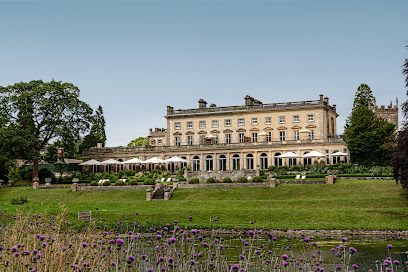
The Green Dragon Inn Pub & Shop
8.5 km
A historic 17th-century Cotswold inn blending rustic charm, fine dining, and countryside comfort in tranquil Cockleford near Cheltenham.
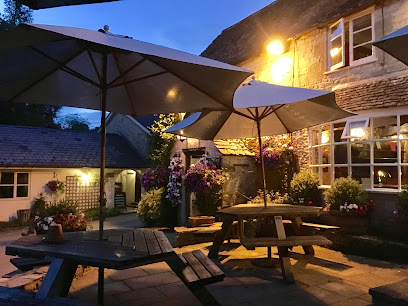
The Lion Inn
9.9 km
Historic 15th-century coaching inn in Winchcombe offering cozy rooms, hearty British fare, and a warm, inviting atmosphere in the heart of the Cotswolds.

England's Glory
11.2 km
A traditional Gloucester pub offering hearty food, the best Guinness, lively events, and a warm, welcoming atmosphere.
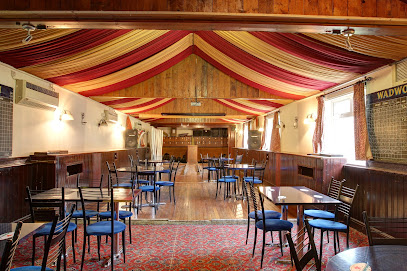
The Heritage
11.7 km
A welcoming Gloucester bar blending rugby spirit with cozy charm and a diverse drink selection for locals and fans alike.
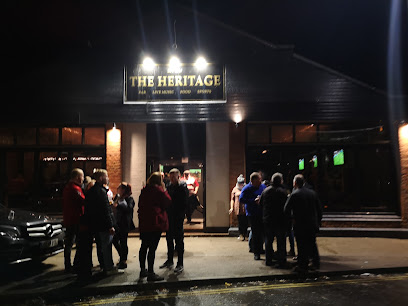
One Eyed Jacks
11.7 km
A vibrant traditional pub in Gloucester blending classic charm with lively entertainment and friendly atmosphere.
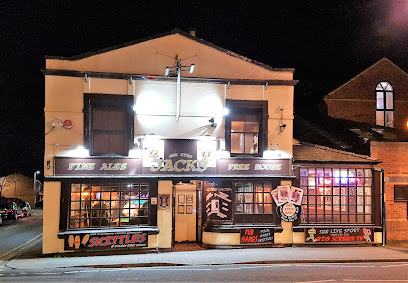
Devoted Deluxe - Mobile Bar Hire
11.7 km
Elegant mobile bar hire in Gloucester delivering bespoke cocktails and personalized service for every special occasion.
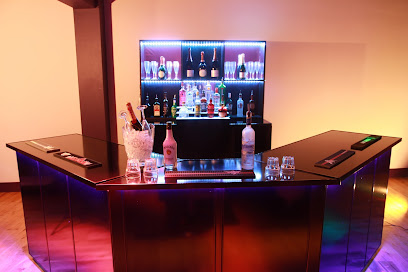
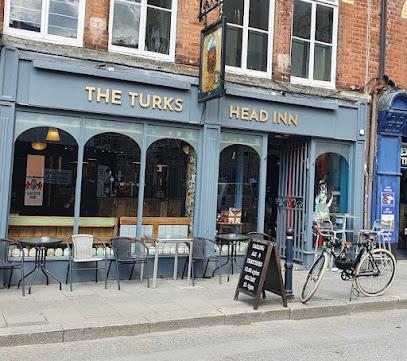
The Turks Head Inn
11.9 km
A welcoming traditional pub in Gloucester’s heart, famed for its excellent cask ales and friendly local atmosphere.
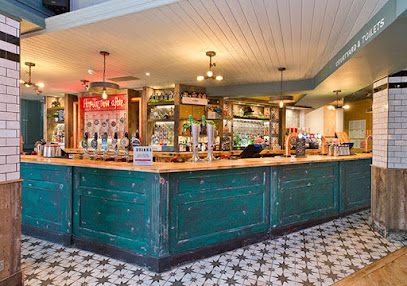
The Abbey
11.9 km
A vibrant Gloucester bar famed for its bottomless brunch, friendly service, and lively social atmosphere in the city centre.
Nightclubs & after hour spots

Home and Botanic Nightclub
0.1 km
Historic charm meets vibrant nightlife at Cheltenham’s Home and Botanic, a multi-room club offering cocktails, live piano, DJs, and unforgettable nights.
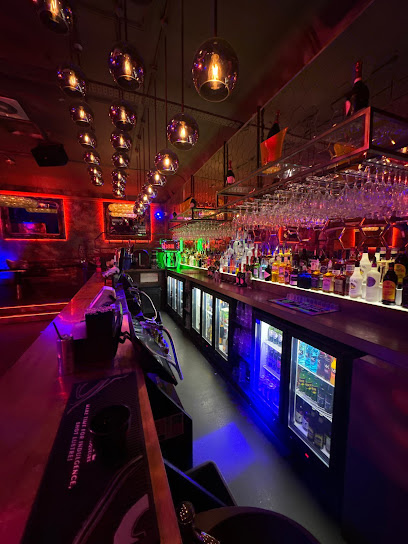
Thirteen Degrees
0.1 km
Cheltenham’s late-night hotspot for dancing, cocktails, and private events in a central urban setting.
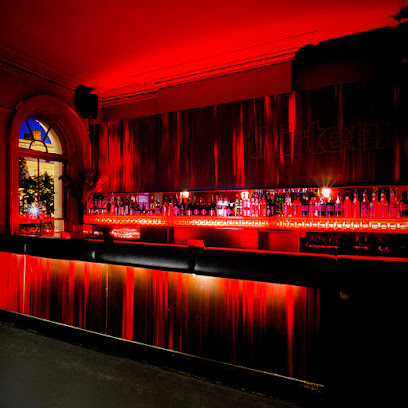
The 21 Club
0.2 km
Experience Cheltenham’s vibrant nightlife at The 21 Club, where music, dancing, and great drinks create unforgettable nights.
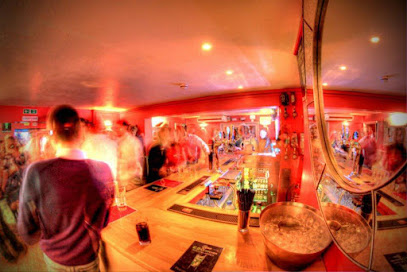
Under the Prom
0.2 km
Experience Cheltenham’s vibrant nightlife with premium drinks, three unique bars, and VIP service at Under The Prom nightclub.

Popworld - Cheltenham
0.2 km
Cheltenham’s lively late-night hotspot where cheesy pop tunes and creative cocktails fuel unforgettable party nights.
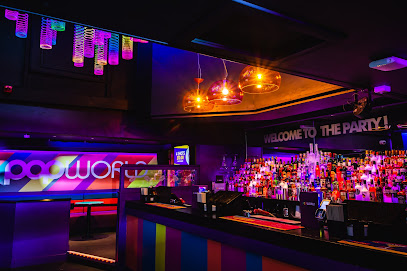
Coco
0.2 km
Cheltenham’s underground hotspot for vibrant nightlife, top DJs, and creative cocktails in a lively basement setting.
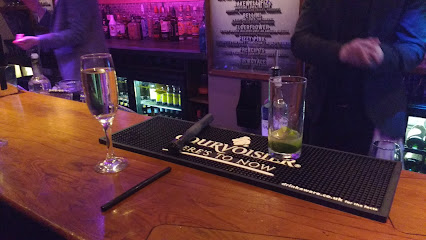
MooMoo Clubrooms Cheltenham
0.3 km
Experience Cheltenham’s vibrant nightlife with dynamic music, VIP vibes, and late-night energy at MooMoo Clubrooms.

2 PIGS
0.3 km
A lively Cheltenham nightclub with dual rooms spinning rock, punk, indie, and classic hits, known for affordable drinks and an alternative vibe.
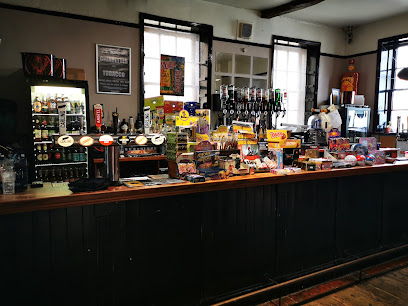
ATIK Gloucester
11.8 km
Gloucester’s largest nightclub, ATIK pulses with vibrant music, student nights, and an energetic party atmosphere until the early hours.

Bar Fever Gloucester
11.9 km
Experience Gloucester’s vibrant nightlife at Bar Fever, a trendy nightclub with dynamic music, stylish interiors, and a welcoming atmosphere.
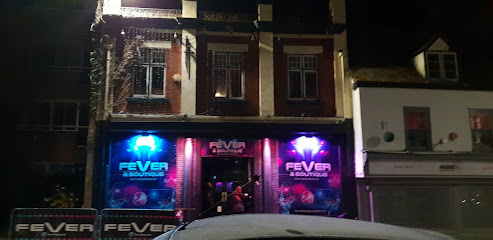
Jax Nightclub Gloucester
12.1 km
Energetic nightclub in Gloucester offering diverse music, two dance floors, and a welcoming atmosphere for late-night fun.
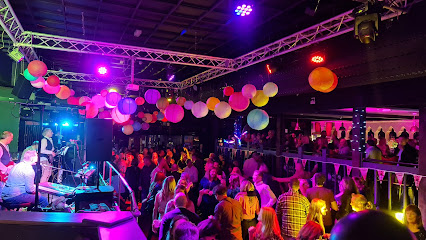
Trio Nightclub
19.7 km
Experience Stroud’s vibrant nightlife at Trio Nightclub, where music, dancing, and energetic vibes light up weekend nights.
ReVA Nightclub
21.8 km
Cirencester’s largest nightclub offering electrifying music, stylish cocktails, and a vibrant atmosphere for unforgettable nights.
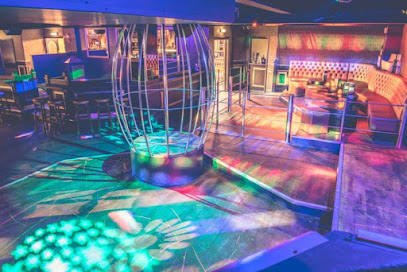
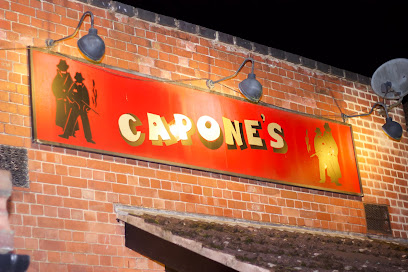
Capones
30.7 km
Historic nightclub in Dursley with legendary ties to Al Capone, offering vibrant weekend nightlife and pulsating music.
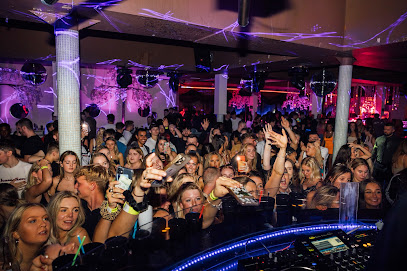
Sin
33.8 km
Experience Worcester’s vibrant nightlife at Sin, a lively nightclub known for energetic music, salsa nights, and a bustling dance floor in the city centre.
For the vibe & atmosphere seeker
- Relaxing
- Scenic
- Historic
- Unique
For the design and aesthetic lover
- Minimalist Designs
- Vintage Styles
For the architecture buff
- Historic
- Heritage Neighborhoods
For the view chaser and sunset hunter
- Iconic Views
For the social media creator & influencer
- Instagrammable
- Photo Spots
- Architectural Shots
For the eco-conscious traveler
- Public-Transport Accessible
- Locally Managed
For the kind of experience you’re after
- Cultural Heritage
- Photowalk
- Day Trip
- Weekend Getaway
For how adventurous you want the journey to be
- Easy Access
Location Audience
- Family Friendly
- Senior Friendly
- Child Friendly
- Couple Friendly
- Solo Friendly
- Vegetarian Friendly


