
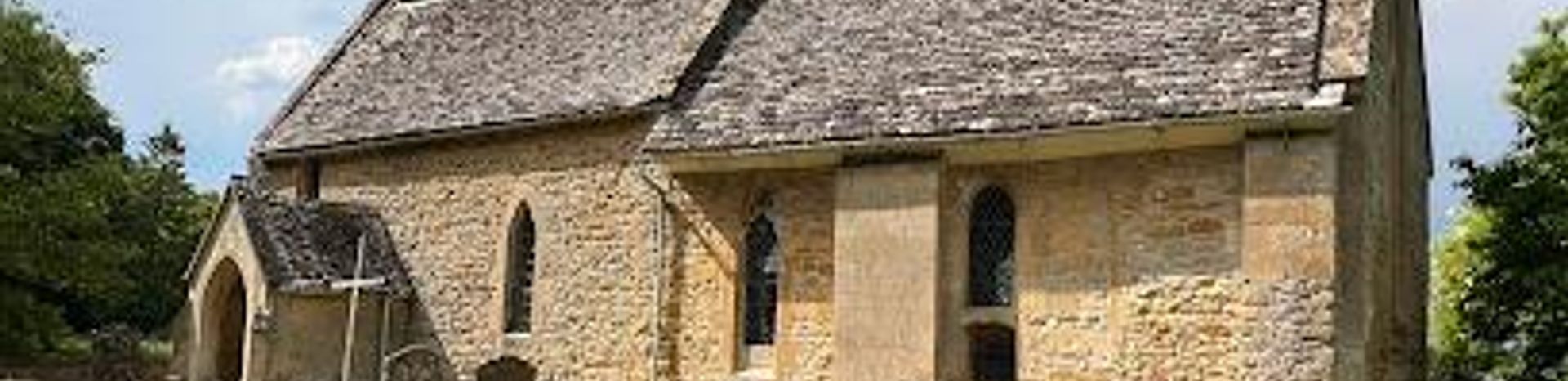
Hailes Church and Abbey Ruins, Cheltenham
Explore the medieval Hailes Church and evocative ruins of Hailes Abbey, a royal-founded pilgrimage site famed for the Holy Blood relic.
Hailes Church, dating back to 1175, stands near the evocative ruins of Hailes Abbey, a former Cistercian monastery founded in 1246 by Richard, Earl of Cornwall. The abbey became a renowned medieval pilgrimage site after acquiring a relic believed to be the Holy Blood of Christ. Though the abbey was dissolved in 1539, the church remains a Grade I listed building, preserving medieval religious heritage amid the tranquil Cotswold countryside.
A brief summary to Hailes Church
- Cheltenham, Hailes, GL54, GB
- +441242621592
- Duration: 1 to 3 hours
- Budget
-
 Outdoor
- Mobile reception: 4 out of 5
Local tips
- Visit the nearby museum at Hailes Abbey to see artefacts recovered from the site and learn about its monastic history.
- Take time to appreciate the medieval floor tiles and stained glass in Hailes Church, remnants of the abbey’s former glory.
- Enjoy the peaceful Cotswold countryside setting surrounding the abbey ruins for a reflective and scenic experience.
- Note that the abbey ruins are open year-round, but check opening hours for the church and museum before visiting.

For the on-the-go comforts that matter to you
- Restrooms
- Information Boards
- Seating Areas
Getting There
-
Train and Taxi
Take a train to Cheltenham Spa from nearby major cities such as London or Birmingham, with journey times ranging from 1.5 to 3 hours. From Cheltenham Spa station, a taxi ride of approximately 20–30 minutes will bring you to Hailes Church and Abbey. Taxi fares typically range from £25 to £40. Note that taxi availability may vary on weekends and evenings.
-
Car
Driving to Hailes Church and Abbey from Cheltenham city center takes about 30 minutes via the A435 and local roads. Limited parking is available near the site, so arriving early is recommended. Be aware that narrow country lanes lead to the location, requiring cautious driving.
-
Bus and Walk
From Cheltenham, take the Stagecoach bus route 94 towards Winchcombe, with a journey time of approximately 1 hour. Disembark at Hailes village stop, then walk about 15 minutes on rural paths to reach the abbey and church. Bus service frequency is limited on Sundays and public holidays.
Hailes Church location weather suitability
-
 Any Weather
-
 Rain / Wet Weather
-
 Clear Skies
-
 Mild Temperatures
Discover more about Hailes Church
Origins and Royal Patronage
Hailes Abbey was founded in 1246 by Richard, Earl of Cornwall, brother to King Henry III and once elected King of the Romans. After surviving a shipwreck in 1242, Richard vowed to build a monastery in gratitude, receiving lands at Hailes to establish a Cistercian religious house. The abbey was rapidly constructed with Richard’s generous funding exceeding 10,000 marks, and consecrated in 1251 in a grand ceremony attended by royalty and bishops. The founding monks came from Beaulieu Abbey in Hampshire, and the abbey followed the austere Cistercian order known for its disciplined worship and simple lifestyle.The Holy Blood and Pilgrimage Fame
The abbey’s prominence rose dramatically in 1270 when Richard’s son, Edmund, presented a phial said to contain the Holy Blood of Christ, purchased during a pilgrimage in Germany. This relic prompted the rebuilding of the church’s east end to house the shrine, completed in 1277, transforming Hailes into one of medieval England’s most important pilgrimage destinations. Pilgrims traveled from across Europe to venerate the relic, bringing wealth that allowed the abbey to flourish architecturally and spiritually. The shrine’s fame was such that Geoffrey Chaucer referenced it, and the abbey became a major religious landmark.Architecture and Artistic Heritage
Though much of the abbey now lies in ruins, its remains reveal a typical Cistercian layout with cloisters, dormitories, and fishponds fed by local streams. The surviving fragments include exquisite medieval stonework, painted ceiling bosses, and heraldic floor tiles originally part of the abbey’s fabric. The nearby Hailes Church, older than the abbey itself, contains many elements once belonging to the monastic complex, including medieval floor tiles and stained glass. The church’s high, spacious interior retains a concentrated sense of pre-Reformation religious life, with features like a rood screen and wall paintings evoking the spiritual atmosphere of the era.Decline and Dissolution
The abbey’s fortunes waned during the religious upheavals of the 16th century. Henry VIII’s Reformation targeted relic veneration, and the famous Holy Blood was denounced as a forgery, reportedly the blood of a duck. Despite efforts by Abbot Stephen Sagar to save the abbey, it was surrendered to the King’s commissioners on Christmas Eve 1539, marking the end of its religious function. The shrine was dismantled, and much of the building was destroyed, leaving only ruins that today evoke the abbey’s former grandeur and spiritual significance.Present-Day Setting and Legacy
Today, Hailes Abbey is a Grade I listed scheduled monument managed by English Heritage, set peacefully in the Cotswold Hills near Cheltenham. The site’s ruins, alongside the still-active medieval church, offer a poignant glimpse into monastic life, medieval pilgrimage, and the turbulent history of English religious institutions. Visitors can explore the evocative remains and museum collections that preserve artefacts from the abbey, experiencing the tranquil countryside that once drew pilgrims from across Europe.The Enduring Spiritual and Cultural Impact
Hailes Abbey’s story reflects themes of faith, royal influence, and religious change. The abbey’s role as a pilgrimage site centered on the Holy Blood relic highlights medieval beliefs and devotional practices. Its dissolution symbolizes the profound shifts of the English Reformation. Meanwhile, Hailes Church continues to serve as a spiritual landmark, embodying centuries of history and the enduring legacy of the Cistercian order in England.Iconic landmarks you can’t miss

Cotswold Journeys
8.2 km
Explore the enchanting Cotswolds on expertly crafted walking tours with seamless logistics and charming local stays.

World Walks (inc. Cotswold Journeys, British & Irish Walks)
8.2 km
Explore the captivating beauty of the Cotswolds with World Walks, your gateway to unforgettable guided walking tours across Britain and Ireland.
West Banqueting House
13.9 km
Experience the grandeur of Jacobean England in West Banqueting House, a beautifully preserved historic retreat in the heart of Chipping Campden.
Old Campden House
13.9 km
Explore the evocative ruins and Jacobean heritage of Old Campden House, a grand 17th-century mansion touched by history and time.
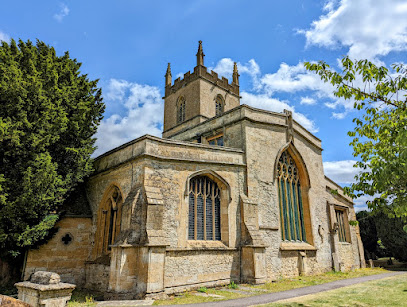
St Edward's Church
14.7 km
Explore St Edward's Church in Stow-on-the-Wold, a historic gem steeped in rich heritage and stunning architecture, perfect for culture enthusiasts.
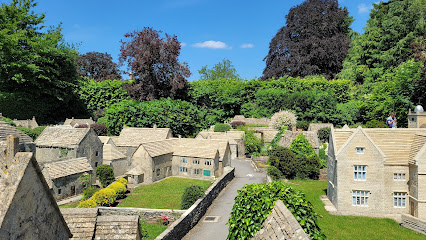
The Model Village
15.3 km
Experience the enchanting world of The Model Village, a miniature gem in Bourton-on-the-Water, capturing the essence of Cotswold charm.
Greystones Farm Nature Reserve
15.3 km
Experience the natural beauty and tranquility of Greystones Farm Nature Reserve in the Cotswolds, a perfect getaway for nature lovers and families.
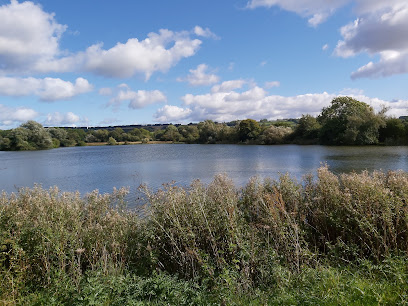
The Dragonfly Maze
15.5 km
Explore the whimsical pathways of The Dragonfly Maze in Bourton-on-the-Water, a serene adventure for nature lovers and families alike.
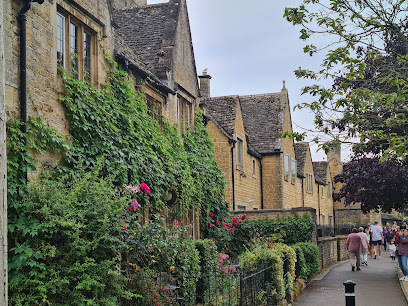
Chedworth Nature Reserve
15.8 km
Discover the serene beauty of Chedworth Nature Reserve, a hidden gem in Cheltenham offering lush landscapes and diverse wildlife for nature lovers.

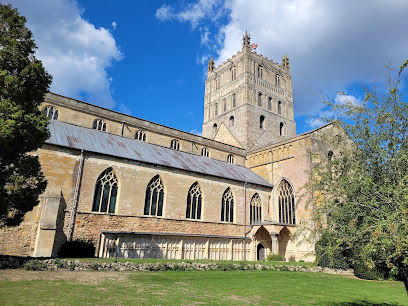
Tewkesbury Abbey
16.1 km
Explore Tewkesbury Abbey, a stunning medieval masterpiece rich in history and breathtaking architecture, nestled in the heart of Tewkesbury.
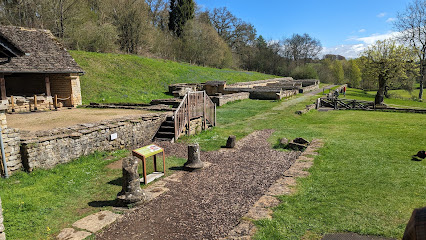
National Trust - Chedworth Roman Villa
16.7 km
Explore the remarkable Chedworth Roman Villa, a historic site showcasing the grandeur of Roman architecture and lifestyle in stunning Cotswold scenery.
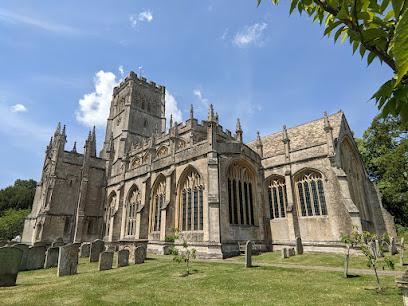
Church of St Peter and St Paul, Northleach
16.7 km
The 'Cathedral of the Cotswolds'—a 15th-century masterpiece built by wool merchants at the height of medieval prosperity.
Barber wood
17.2 km
Experience the tranquility of Barber Wood, a nature reserve near Cheltenham, perfect for families and nature lovers seeking a peaceful outdoor escape.
Colesbourne Gardens
17.6 km
Explore the breathtaking landscapes of Colesbourne Gardens, a serene escape in Cheltenham, perfect for nature lovers and those seeking tranquility.
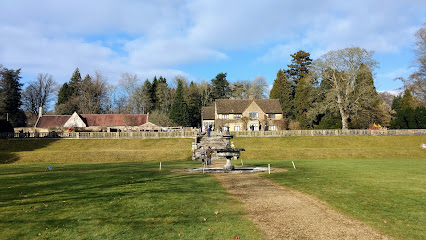
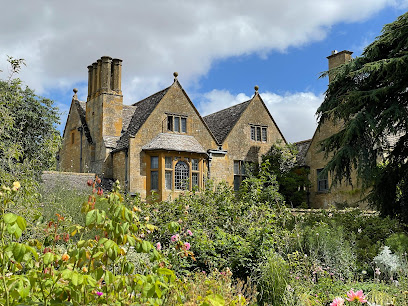
National Trust - Hidcote
17.7 km
Explore Hidcote Gardens, a masterpiece of garden design in the Cotswolds, featuring stunning landscapes and rich horticultural history.
Unmissable attractions to see

Hailes Abbey
0.1 km
Explore the tranquil ruins of 13th-century Hailes Abbey, a captivating Cistercian site steeped in medieval history and set in peaceful Cotswold countryside.

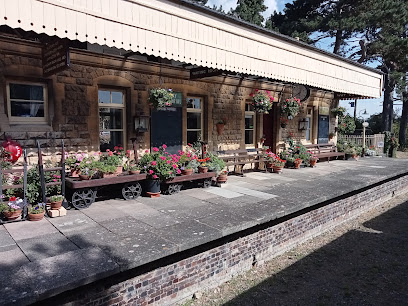
Gloucestershire Warwickshire Steam Railway
2.5 km
Step aboard vintage steam trains through the scenic Cotswolds on a 28-mile heritage railway journey filled with history, charm, and community spirit.
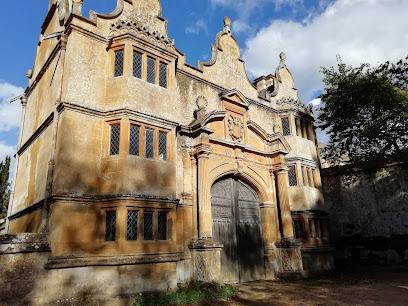
Stanway House
2.5 km
Discover the timeless charm of Stanway House, a Jacobean manor with Britain’s tallest gravity-fed fountain and enchanting historic gardens.
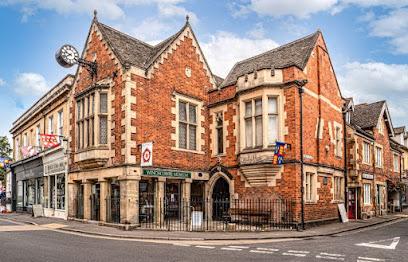
Winchcombe Museum
3.1 km
Discover Winchcombe’s rich history and artisan pottery heritage at this intimate museum in the heart of the Cotswolds.
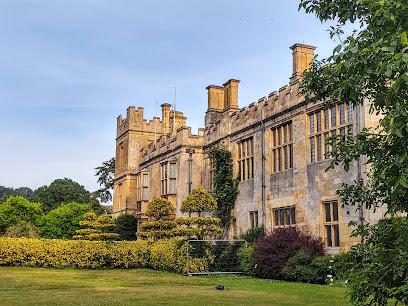
Sudeley Castle Gardens
3.1 km
A Tudor jewel with 1,000 years of history, ten award-winning gardens, and royal connections in the Cotswolds.

Sudeley Castle
3.1 km
Explore a Tudor castle with royal tombs, award-winning gardens, and family adventures nestled in the scenic Cotswolds.
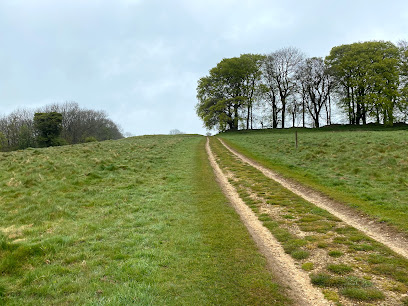
Shenberrow Hill
4.4 km
Discover Shenberrow Hill’s tranquil landscapes and charming village atmosphere on the scenic edge of the Cotswolds.
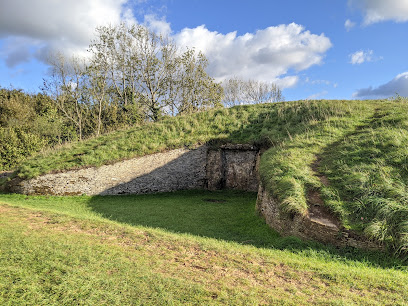
Belas Knap Long Barrow
5.5 km
Discover the ancient mysteries of Belas Knap Long Barrow, a Neolithic treasure in the stunning Cotswolds, perfect for history lovers and nature enthusiasts alike.
Snowshill
5.8 km
Discover Snowshill, a charming Cotswold village where historic manor, vibrant gardens, and lavender fields create a serene and captivating escape.
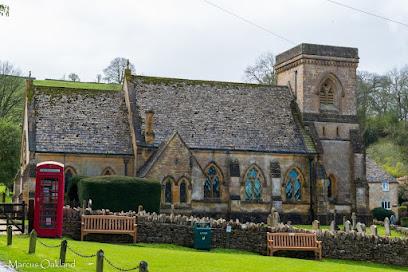
National Trust - Snowshill Manor and Garden
6.0 km
Discover the enchanting 16th-century manor and whimsical Arts and Crafts garden of Charles Wade’s eclectic collection in the heart of the Cotswolds.
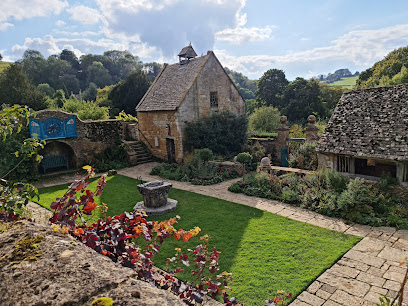
Explore Gloucestershire
6.6 km
Your friendly gateway to Gloucester’s rich history, events, and travel services, located inside the Museum of Gloucester.

Cotswold Lavender
6.7 km
Immerse yourself in the fragrant, scenic lavender fields of Cotswold Lavender, a seasonal farm experience in the heart of Snowshill’s countryside.
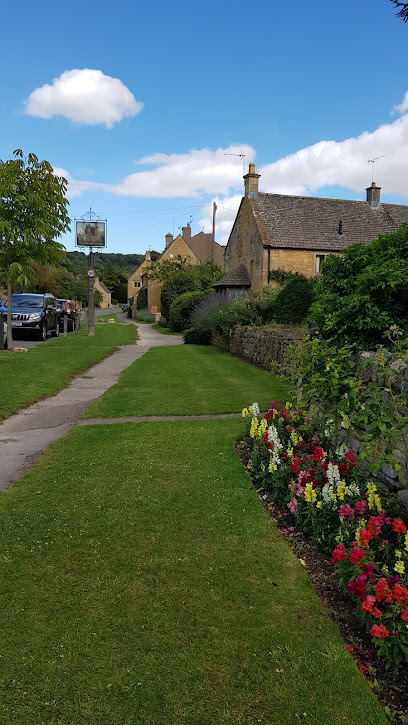
Cotswold Farm Park
7.3 km
Meet rare British farm breeds and experience authentic countryside learning in the heart of the Cotswolds.
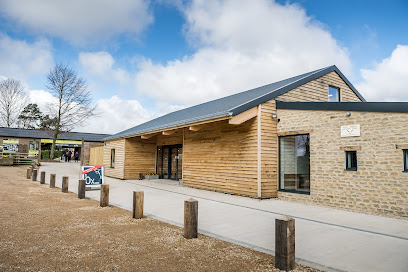
Cleeve Hill
7.7 km
Discover the highest peak of the Cotswolds with breathtaking views, rich nature, and invigorating walking trails at Cleeve Hill.
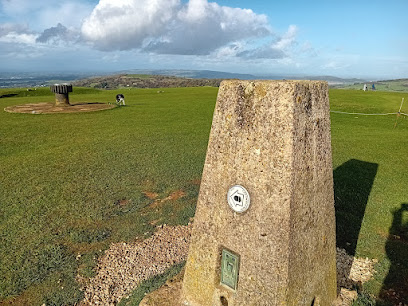
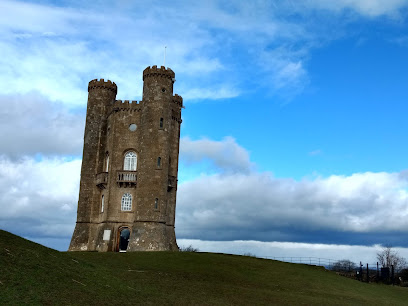
Broadway Tower
8.8 km
Explore Broadway Tower, a historical landmark in the Cotswolds offering stunning views and rich heritage in a picturesque setting.
Essential places to dine

5 North St
3.0 km
An intimate French dining experience in Winchcombe, blending innovative cuisine with cozy charm and unpretentious service.
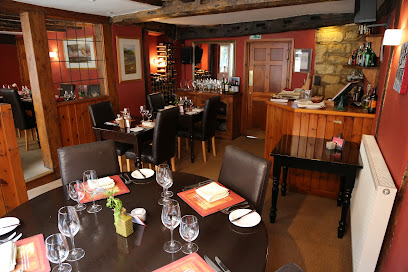
The Halfway at Kineton
5.9 km
A charming 17th-century Cotswold pub blending rustic ambiance with refined seasonal British cuisine and warm hospitality.
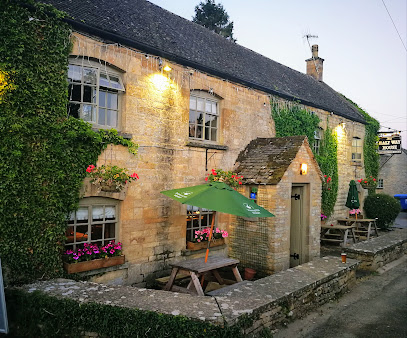
Buckland Manor
6.6 km
Elegant historic manor hotel with fine dining and tranquil gardens in the heart of the Cotswolds’ charming Broadway village.
Russell’s of Broadway
8.7 km
Elegant boutique hotel and acclaimed restaurant blending historic charm with refined British cuisine in the heart of Broadway, Cotswolds.
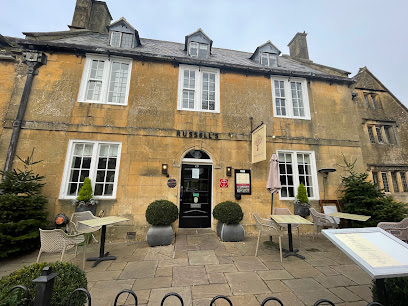
The Shed
10.4 km
A relaxed Cotswold bar and restaurant with roaring fires, local food, and a convivial atmosphere, perfect for drinks, light meals, and easygoing evenings.
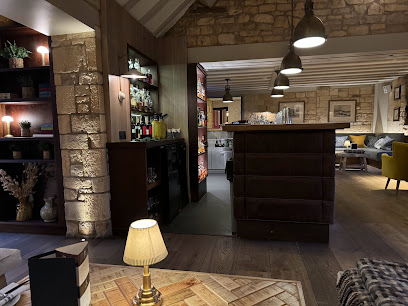
The Back Garden
10.5 km
Elegant garden-inspired dining at Dormy House, blending Cotswold produce with Mediterranean flair in a sunlit, serene setting.
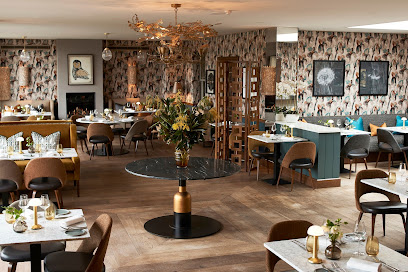
MO
10.5 km
Exclusive chef’s table dining with innovative seasonal cuisine in an intimate Cotswolds setting at Dormy House.
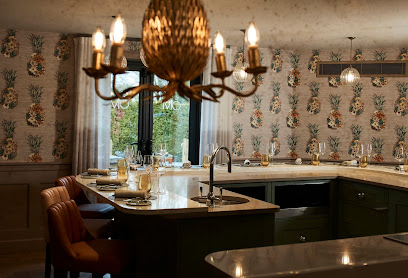
The Coconut Tree Cheltenham
12.4 km
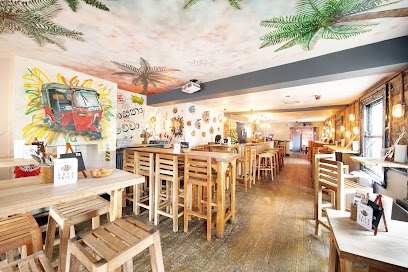
Experience vibrant Sri Lankan street food and island cocktails in a cozy, lively Cheltenham venue with authentic flavours and warm hospitality.
Horse and Groom
12.5 km
Quintessential Cotswolds pub with hearty British fare, cozy rooms, and stunning countryside views in Bourton-on-the-Hill.
Cosy Club
12.6 km
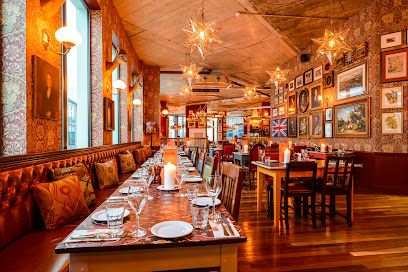
Eclectic British dining and lively social vibes await you daily in Cheltenham’s vibrant Brewery Quarter.
Petit Coco Bistro
12.7 km
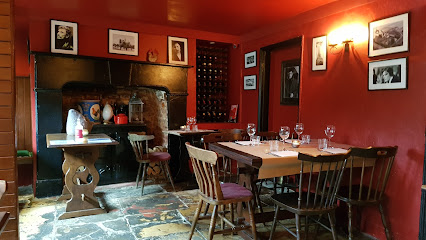
Charming French bistro in Cheltenham offering authentic classics, cozy farmhouse decor, and a warm, intimate dining experience.
Purslane Restaurant
12.7 km
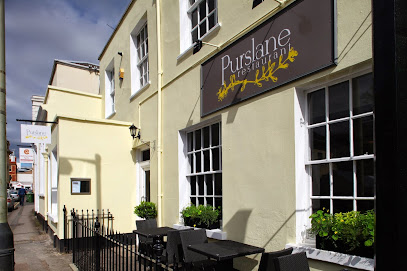
Discover Purslane, Cheltenham’s intimate modern British restaurant celebrating sustainable seafood and seasonal local produce with inventive flair.
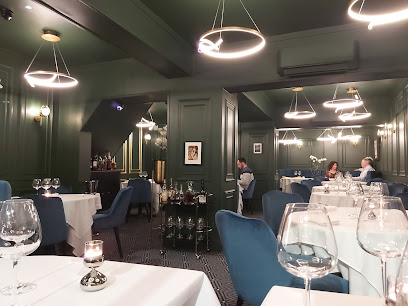
Prithvi
12.8 km
Experience innovative Indian fine dining in Cheltenham with exquisite flavors, elegant ambiance, and impeccable service at Prithvi.
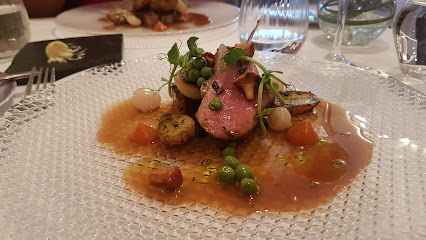
Lumiere
12.8 km
Michelin-starred Lumière in Cheltenham offers innovative British fine dining with seasonal, home-grown ingredients in an elegant, intimate setting.
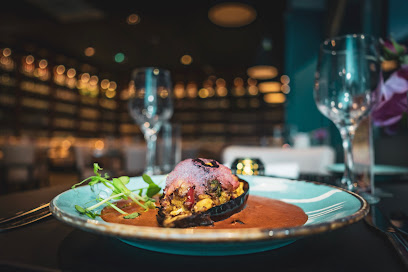
MUSE Brasserie
12.9 km
Creative fusion of French and Indian cuisine in stylish Cheltenham setting, offering innovative dishes and warm, attentive service.
Markets, malls and hidden boutiques

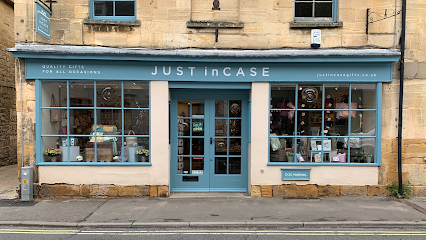
Just Incase Gifts
3.0 km
Discover unique, quality gifts and local crafts at this warm, family-run shop in the heart of Winchcombe’s charming Cotswold village.
Wild at Heart
8.5 km
Discover unique contemporary jewellery and gifts from local artisans at Wild at Heart, Broadway’s family-run boutique with a personal touch.
Betty & Violet
8.6 km
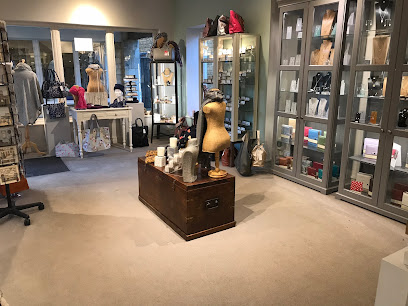
Vintage treasures and handmade goods celebrating independent makers in the heart of the Cotswolds.
The Man Cave Broadway
8.7 km
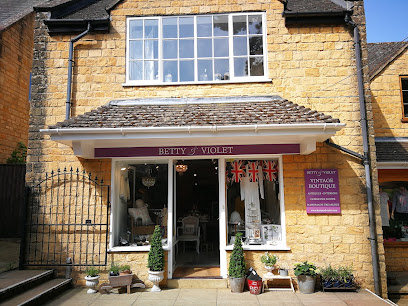
Eclectic collectibles and gifts in a historic Cotswolds village setting.
Cotswolds Distillery Shop
8.7 km
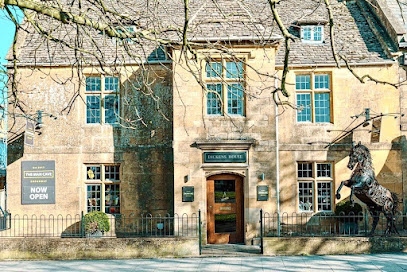
Discover the heart of Cotswolds spirits craftsmanship at the Broadway shop, home to award-winning whiskies and gins.
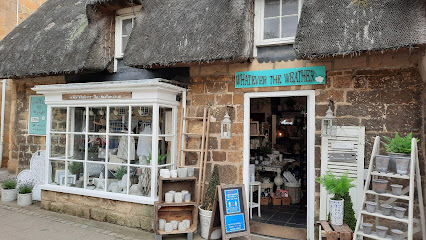
Whatever The Weather
8.7 km
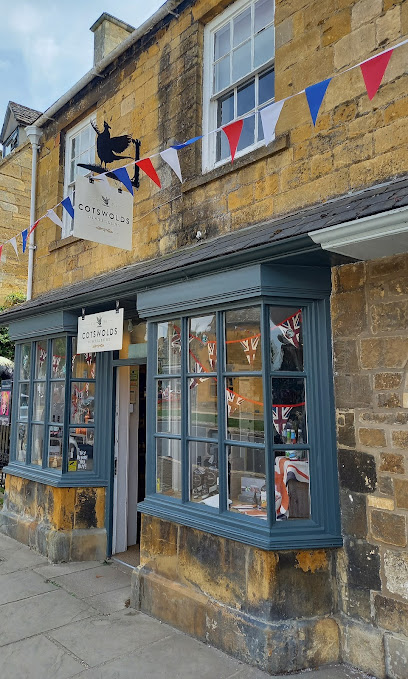
Discover unique gifts and charming curiosities in a historic thatched cottage at the heart of Broadway’s picturesque High Street.
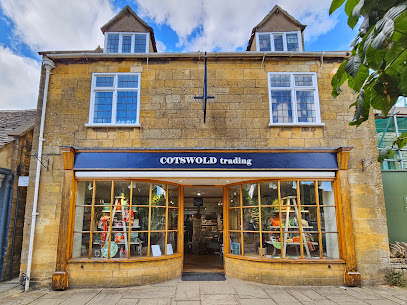
Cotswold Trading - Broadway
8.7 km
A stylish homewares and gift shop in the heart of Broadway, offering curated kitchenware, décor, and presents with a distinctly British flair.
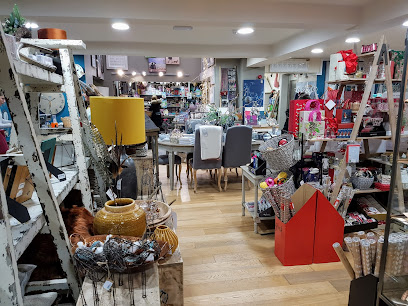
Vinegar Hill
13.0 km
Discover Cheltenham’s family-run boutique blending stylish homewares, fashion, and unique gifts in a warm, inviting setting since 1997.
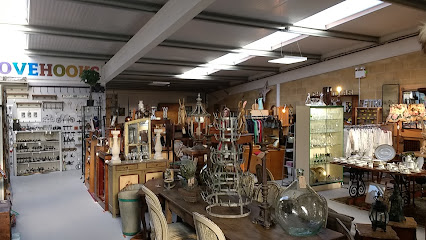
The Malt House Emporium
13.1 km
Discover unique antiques, vintage treasures, and a cozy café experience at The Malt House Emporium near Tewkesbury.
Mooch The Cotswolds - Handmade Homeware & Clothing
13.4 km
Discover handcrafted luxury sleepwear and homeware inspired by Cotswold heritage, crafted with passion and sustainable artistry.
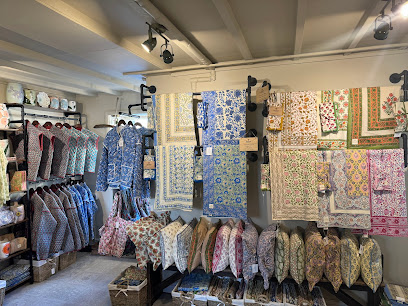
The Attic
13.4 km
Sustainable luxury fashion in the heart of the Cotswolds—designer pieces with character and conscience.
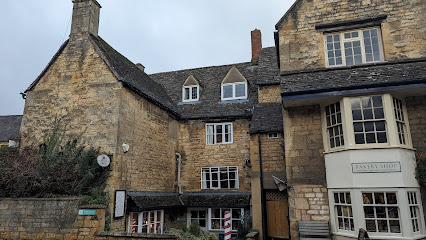
Cotswold Luxe
13.4 km
Luxury home furnishings and artisanal décor curated for timeless interior inspiration.
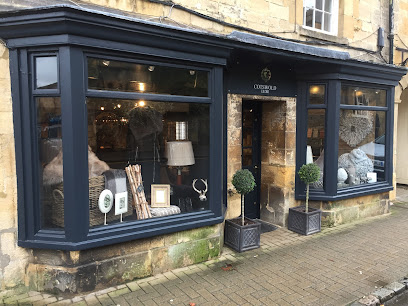
Cotswold Food Hampers
13.6 km
Discover premium handcrafted gourmet hampers celebrating the rich flavors and traditions of the Cotswolds in historic Chipping Campden.
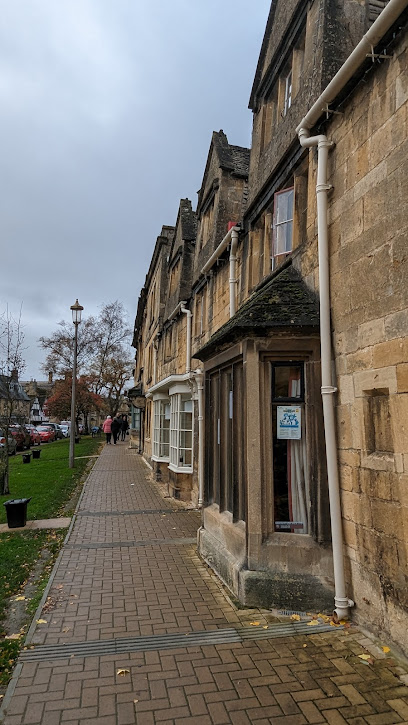
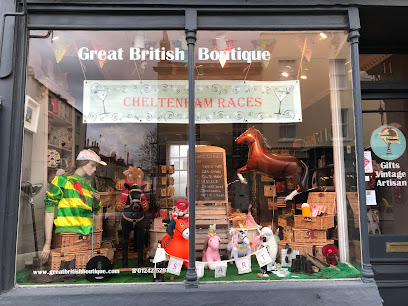
Great British Boutique
13.6 km
Discover unique gifts and quirky homeware in Cheltenham’s welcoming Great British Boutique, where friendly service meets charming finds.
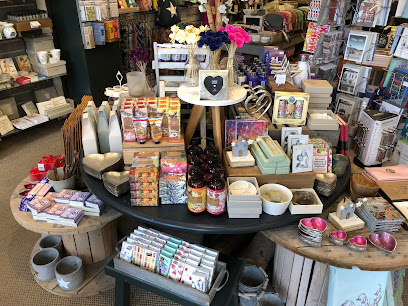
Emporium
13.8 km
Discover unique gifts and a warm welcome at Emporium, Cheltenham’s charming family-run gift shop on Bath Road.
Essential bars & hidden hideouts

The Lion Inn
3.0 km
Historic 15th-century coaching inn in Winchcombe offering cozy rooms, hearty British fare, and a warm, inviting atmosphere in the heart of the Cotswolds.

Snowshill Arms
5.8 km
Authentic Cotswold pub offering hearty fare, friendly service, and a welcoming atmosphere in the picturesque village of Snowshill.
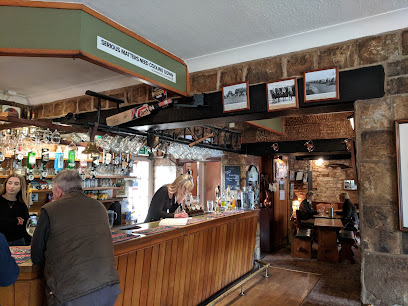
Hollow Bottom
6.6 km
A historic Cotswold pub blending hearty local fare, warm hospitality, and scenic countryside charm in the heart of Guiting Power.
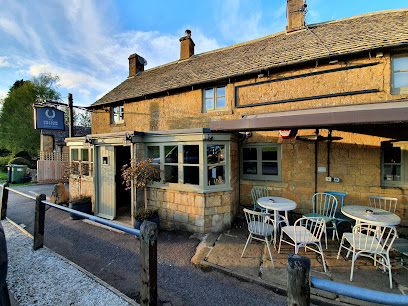
The Royal Oak, Prestbury
10.3 km
Historic 16th-century pub in Prestbury offering traditional Cotswold charm, seasonal British fare, award-winning ales, and a warm, welcoming atmosphere.
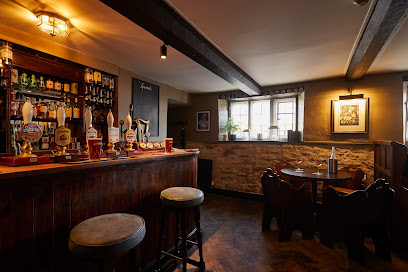
The Cotswold Inn, Cheltenham.
12.4 km
A lively Cheltenham pub blending traditional charm with vibrant live music and a welcoming local atmosphere.
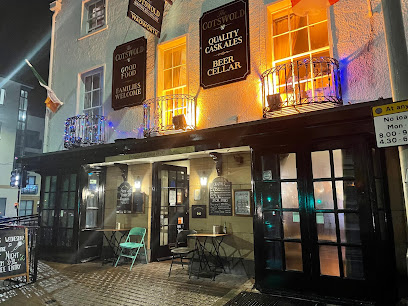
Copa of Cheltenham
12.7 km
Lively pub and restaurant on Regent Street offering great drinks, tasty pub food, and a welcoming atmosphere with live sports and a beer garden.
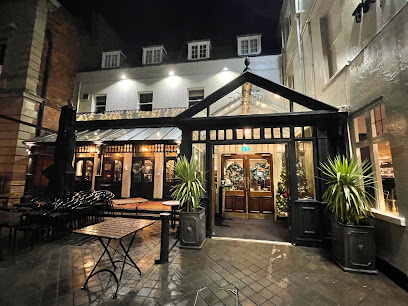
The Coach & Horses
12.8 km
A cosy, traditional Cotswold pub in Longborough serving hearty fare, local ales, and welcoming guests with charming B&B rooms.
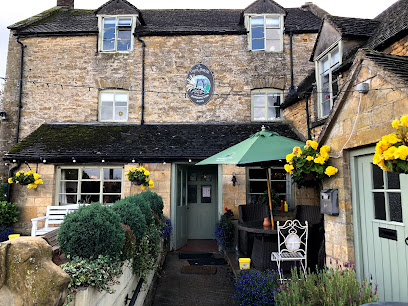
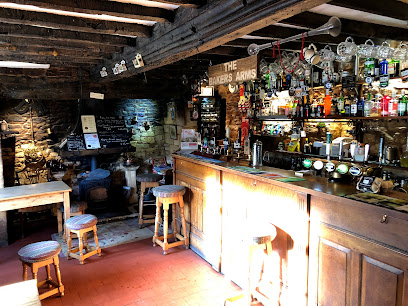
The Bakers Arms
13.2 km
A timeless Cotswold pub offering hearty fare and warm hospitality in the heart of Broad Campden’s historic village.
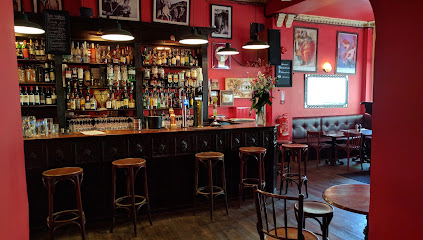
The Retreat
13.5 km
A charming Cheltenham wine bar blending historic ambiance with locally sourced cuisine and a relaxed, inviting atmosphere.
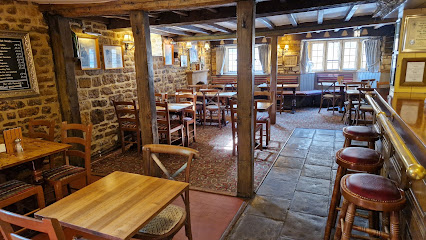
Eight Bells Inn
13.8 km
Historic 14th-century inn with cozy rooms, classic pub fare, and a warm, dog-friendly atmosphere in the heart of Chipping Campden.
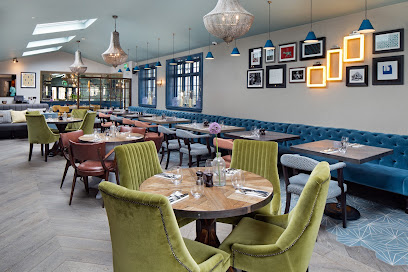
Sheep on Sheep Street
14.9 km
Historic charm meets modern comfort at The Sheep on Sheep Street, a vibrant inn and pub in the heart of Stow-on-the-Wold.
Kingsbridge
15.1 km
A classic riverside pub in Bourton-on-the-Water offering hearty British fare, cask ales, and warm hospitality in a scenic Cotswold village setting.

The Watering Hole - Event Bars
15.6 km
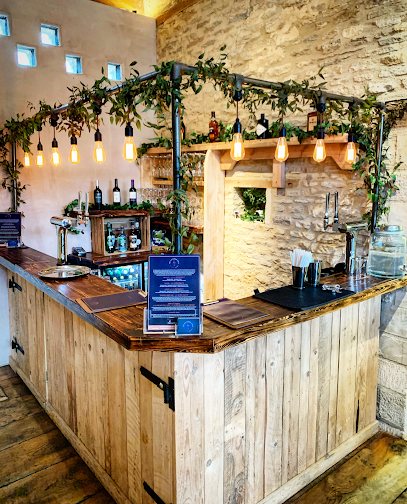
Discover The Watering Hole, where exceptional cocktails and event planning unite in the stunning Cotswolds, perfect for weddings and gatherings.
The Gloucester Old Spot
15.7 km
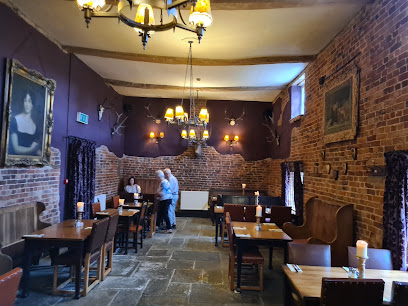
A quintessential English pub in Cheltenham offering hearty modern British fare, rare breed pork specialties, and a warm, inviting atmosphere year-round.
The House in The Tree
16.0 km
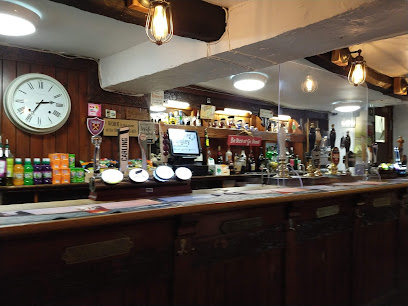
A charming and historic English pub in Cheltenham, serving hearty homemade meals in a cozy, welcoming atmosphere with rustic character.
Nightclubs & after hour spots

2 PIGS
12.7 km
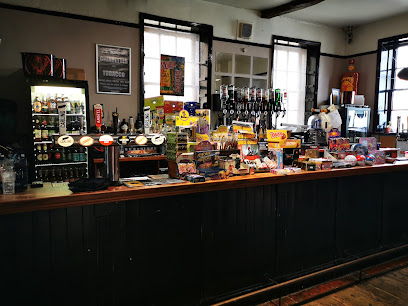
A lively Cheltenham nightclub with dual rooms spinning rock, punk, indie, and classic hits, known for affordable drinks and an alternative vibe.
Coco
12.8 km
Cheltenham’s underground hotspot for vibrant nightlife, top DJs, and creative cocktails in a lively basement setting.
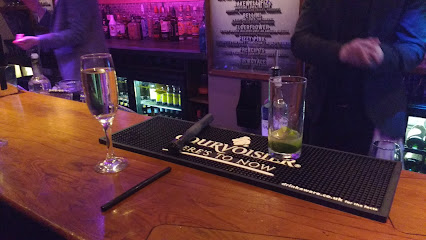
The 21 Club
12.8 km
Experience Cheltenham’s vibrant nightlife at The 21 Club, where music, dancing, and great drinks create unforgettable nights.
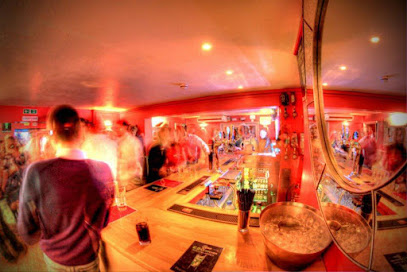
Popworld - Cheltenham
12.9 km
Cheltenham’s lively late-night hotspot where cheesy pop tunes and creative cocktails fuel unforgettable party nights.
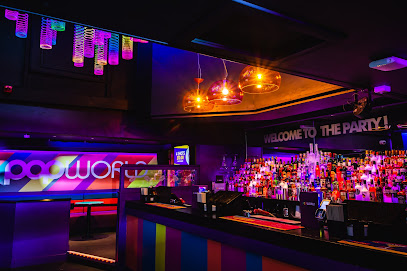
MooMoo Clubrooms Cheltenham
12.9 km
Experience Cheltenham’s vibrant nightlife with dynamic music, VIP vibes, and late-night energy at MooMoo Clubrooms.

Home and Botanic Nightclub
13.0 km
Historic charm meets vibrant nightlife at Cheltenham’s Home and Botanic, a multi-room club offering cocktails, live piano, DJs, and unforgettable nights.

Thirteen Degrees
13.0 km
Cheltenham’s late-night hotspot for dancing, cocktails, and private events in a central urban setting.
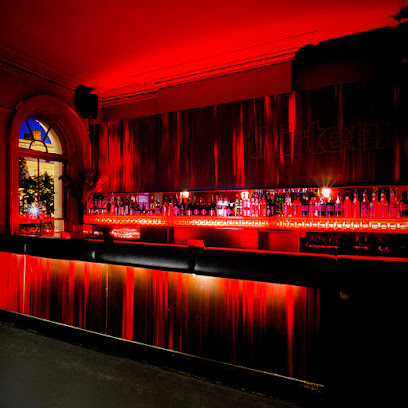
Under the Prom
13.1 km
Experience Cheltenham’s vibrant nightlife with premium drinks, three unique bars, and VIP service at Under The Prom nightclub.

ATIK Gloucester
24.5 km
Gloucester’s largest nightclub, ATIK pulses with vibrant music, student nights, and an energetic party atmosphere until the early hours.

Bar Fever Gloucester
24.6 km
Experience Gloucester’s vibrant nightlife at Bar Fever, a trendy nightclub with dynamic music, stylish interiors, and a welcoming atmosphere.
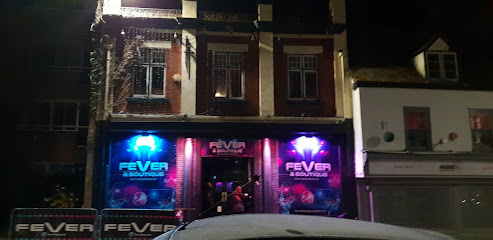
Jax Nightclub Gloucester
24.7 km
Energetic nightclub in Gloucester offering diverse music, two dance floors, and a welcoming atmosphere for late-night fun.
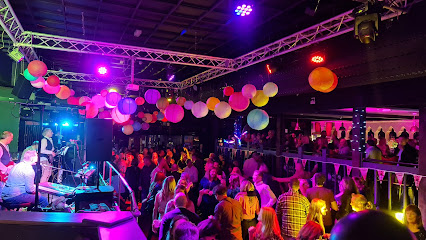
The Stratford Upon Avon Bridge Club
28.3 km
Explore the vibrant community of The Stratford Upon Avon Bridge Club, where bridge enthusiasts gather for games, camaraderie, and local culture in a picturesque setting.
ReVA Nightclub
28.3 km
Cirencester’s largest nightclub offering electrifying music, stylish cocktails, and a vibrant atmosphere for unforgettable nights.
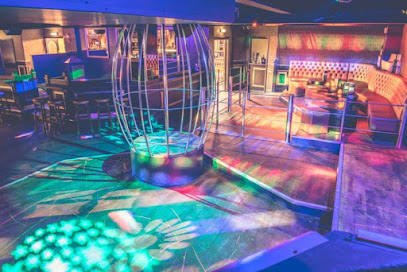
Fat Cat Comedy Club
28.9 km
Discover the joy of laughter at Fat Cat Comedy Club in Stratford-upon-Avon, where each show promises an unforgettable night of entertainment.
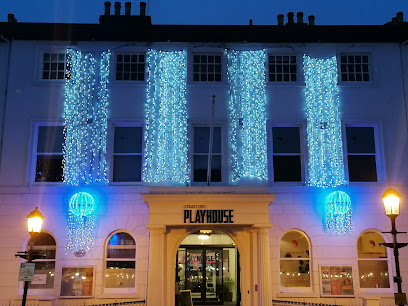
Stratford Play House
28.9 km
Discover the vibrant world of performing arts at Stratford Play House, where drama, comedy, and culinary delights come together in Stratford-upon-Avon.
For the vibe & atmosphere seeker
- Tranquil
- Scenic
- Historic
- Relaxing
For the design and aesthetic lover
- Rustic Designs
- Vintage Styles
For the architecture buff
- Historic
- Sacred Sites
- Heritage Neighborhoods
For the view chaser and sunset hunter
- Iconic Views
- Panoramas
For the social media creator & influencer
- Instagrammable
- Photo Spots
- Architectural Shots
For the eco-conscious traveler
- Protected Area
- Public-Transport Accessible
- Leave-No-Trace Critical
- Locally Managed
For the kind of experience you’re after
- Cultural Heritage
- Myth & Legends
- Day Trip
- Nature Escape
For how adventurous you want the journey to be
- Easy Access
Location Audience
- Family Friendly
- Senior Friendly
- Child Friendly
- Couple Friendly
- Solo Friendly


